
Reviewed · SHINJUKU FOOD & BAR TOURS
Sake Pairing Workshop with Japanese Food in Shinjuku
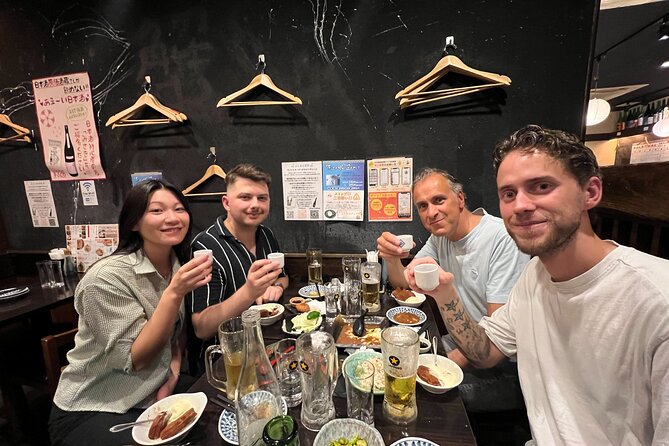
Sake tastes different after you learn why. This hands-on sake pairing workshop in Shinjuku turns a casual drink into a lesson you can use at your next izakaya stop. What I like most is the practical training on aroma and temperature (warm vs cold really changes the experience), and the fact you get an all-you-can-drink menu that takes you way beyond a single flight.
You’ll eat a proper Japanese course meal while you taste, including savory bites like chicken nanban and miso-butter style dishes, then finish with creamy and sweet pairings. One thing to consider: this is built around lots of alcohol options, so it’s best if you’re ready to taste and pace instead of treating it like a light snack.
In This Review
- Key highlights to look for
- Why a Shinjuku Sake Workshop Beats Ordering a Flight
- Two Hours, Four Sakes at a Time: How the Flow Works
- Kanpai Etiquette, Aroma, and Temperature: The Skills You Actually Use
- Chicken Nanban and Miso-Butter Bites Paired With Crisp vs Rich Sakes
- Nigori, Sea Urchin Cream Croquettes, and Taiyaki: The Creamy-Sweet Finale
- All-You-Can-Drink Details: 20 Sakes, Beer, Soft Drinks, and Pacing
- Price and What You’re Really Paying For in Shinjuku
- Finding the Meeting Point Near H&M in Shinjuku
- Who Should Book This Sake Pairing Workshop
- Should You Book This Sake Pairing Workshop?
- FAQ
- How long is the Sake Pairing Workshop in Shinjuku?
- What is the price per person?
- What is included in the dinner?
- How many sakes are included for tasting?
- Is there a guided sake flight?
- Where do we meet?
- Is the ticket mobile?
- What happens if the weather is poor?
- Is there a cancellation window for a refund?
Key highlights to look for
- Small-group format (max 12) with a bilingual guide, so questions don’t get lost
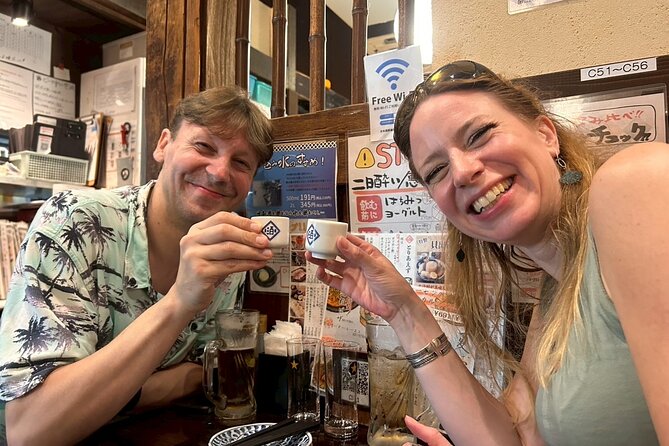
- Skills you can reuse: aroma reading, Kanpai etiquette, and warm vs cold sake
- A structured 4-sake flight paired with specific dishes, with clear explanations
- Creamy + sweet storyline: nigori sake with sea urchin croquettes, then taiyaki with a sweet sake
- All-you-can-drink selection of 20 sakes plus beer and soft drinks for flexible pacing
Why a Shinjuku Sake Workshop Beats Ordering a Flight
Shinjuku is loud, fast, and full of choices, which is exactly why a guided workshop can feel so efficient. Instead of guessing which sake matches which bite, you learn the reasoning. You leave knowing what to look for on the bottle and what to ask for when you’re standing in a shop with too many labels.
Two things make this one worth your time. First, the tasting focuses on the sensory basics—how sake smells and how temperature shifts what you perceive. Second, you’re not stuck tasting four sips and then going home. With access to 20 sakes plus beer and soft drinks, you can keep exploring at your pace after the lesson portion.
The group size matters too. With a maximum of 12 people, it stays interactive rather than lecture-style. If you like asking questions—about dryness, aroma, or why a pairing works—you’re more likely to get real answers.
More Shinjuku plates and pours our readers rated
- Tokyo: Shinjuku Food Tour (13 Dishes at 4 Local Eateries)
★ 5.0 · 6,603 reviews - Tokyo Bar Hopping Tour in Shinjuku (All-You-Can-Drink + Dinner)
★ 5.0 · 3,587 reviews - Tokyo: Shinjuku Food Tour (15 Dishes and 4 Eateries)
★ 4.9 · 2,033 reviews - Best of Shinjuku: Izakaya Food Tour (4 Stops, 14+ Tastings)
★ 5.0 · 1,863 reviews
Two Hours, Four Sakes at a Time: How the Flow Works
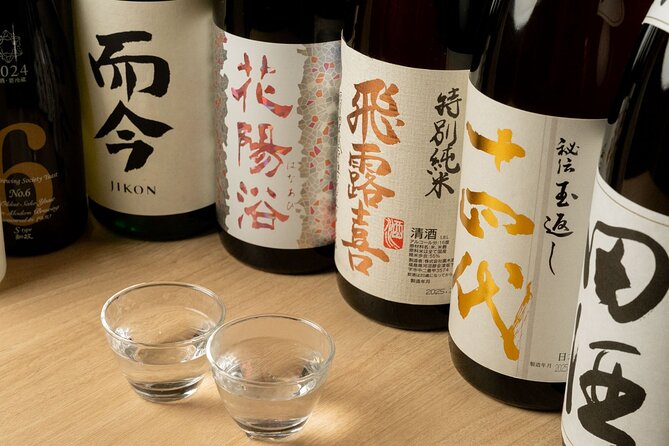
The experience runs about 2 hours total, and it’s organized so your brain isn’t juggling too much at once. You start with the basics of how to taste sake like a pro taster. Then you move into pairings, where each dish is matched with sake characteristics you’re learning to recognize.
Think of it as two acts plus a finish:
- A savory tasting portion built around contrasts—crisp vs richer sakes, tangy vs buttery bites.
- A 30-minute creamy and sweet segment that shifts textures and sweetness levels on purpose.
- Then you top it off with a dessert-style pairing, so you understand how sake behaves at the end of a meal.
You also get a 4-sake flight as part of the experience plan. That’s the backbone of the lesson: four specific sakes matched with the meal components, explained as you go.
And once that structured tasting is done, you can keep trying from the larger all-you-can-drink lineup of 20 sakes plus other drinks. For many people, that’s where the fun starts—because you can return to the styles you liked and skip the ones that didn’t land.
Kanpai Etiquette, Aroma, and Temperature: The Skills You Actually Use
Most sake tastings just say taste this, then taste that. This one teaches you how to do it yourself. You’ll learn core sake fundamentals including how to appreciate aroma first. The point is simple: smell sets expectations, and those expectations shape how you register flavor in your mouth.
You’ll also go over the essential Kanpai etiquette, which sounds like a formality until you realize it’s part of how Japanese dining keeps the moment shared. If you’ve ever felt awkward about timing during group drinks, this is the kind of practical grounding that makes the rest of your night easier.
Then comes the lesson that sticks: temperature effects. You’ll learn how warm versus cold sake changes the flavor profile. In real terms, it means the same sake can feel different depending on serving temperature—so you stop thinking of sake as a fixed taste. Instead, you start treating it like something you can adjust.
Why this matters for you: once you understand the temperature effect, you can order with intention. You’ll know when to ask for it to be served warmer or cooler based on what you want to experience with food.
Chicken Nanban and Miso-Butter Bites Paired With Crisp vs Rich Sakes
The savory part is where the pairing logic becomes obvious. You’ll be tasting alongside Japanese dishes that are specific enough to teach something, not just fill the table.
You start with Chicken Nanban, which brings tangy, savory flavor into the mix. Your tasting portion is matched with sake styles that complement that tanginess—especially crisp sakes designed to keep the flavors clean rather than heavy. That crisp character helps balance the bite and keeps the meal from feeling too one-note.
Then you move to miso-butter style dishes. Here, the pairing shifts toward richer sake options—think along the lines of fuller brews that stand up to buttery, savory elements. Your guide explains the why, so you’re not just memorizing which sake came next. You’re learning the pattern: tangy + crisp, buttery + richer.
This is also where the bilingual guide adds value. If you’re learning Japanese dining habits at the same time as sake taste skills, you get a smoother experience. The feedback connected to this workshop highlights guide Anika for making the process approachable—explaining the history and varieties of sake while also walking people through pairing logic. That kind of clear, friendly explanation is exactly what turns unfamiliar drinks into something you can confidently order later.
Nigori, Sea Urchin Cream Croquettes, and Taiyaki: The Creamy-Sweet Finale
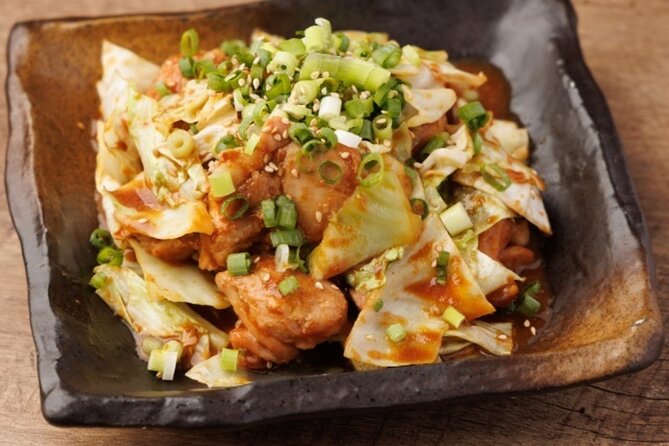
The middle of the workshop changes gears, and it’s timed well: about 30 minutes dedicated to creamy and sweet pairings. This portion is built to teach texture and sweetness—not just alcohol style.
First up is Nigori sake, a style known for its softer, cloudy character. You’ll pair it with sea urchin cream croquettes, and the pairing works because both sides lean toward creaminess. The sake doesn’t try to fight the rich texture. Instead, it supports it and helps you notice how creamy flavors can shift depending on what’s in the glass.
Sea urchin can be a polarizing ingredient if you’re not used to it, but the workshop’s structure makes it easier. You’re not thrown into a random menu item. You’re guided to taste in context, so you can focus on how the pairing changes the overall impression.
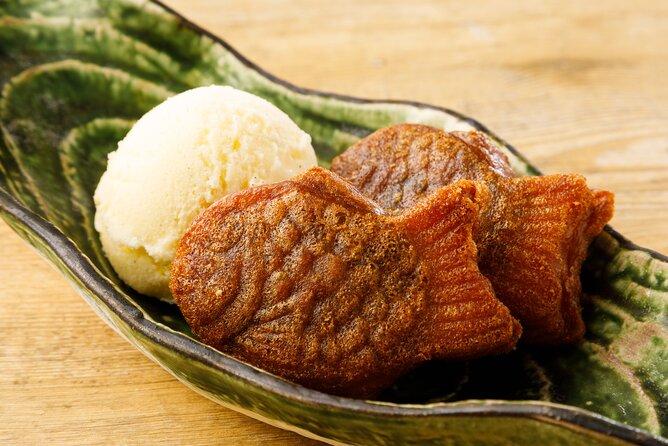
Then you end with a dessert-style moment: fried vanilla taiyaki, paired with a sweet sake for the final note. That’s a smart teaching move. If you only tasted sake with savory foods, you might assume sake is only a match for dinner. By finishing with sweet, you learn how sake behaves when dessert sweetness is in the frame.
Readers also shortlisted these Tokyo bookings:
- Tokyo: Shinjuku Food Tour (13 Dishes at 4 Local Eateries)★ 5.0 · 6,603 reviews
- Tokyo Tsukiji Fish Market Food and Culture Walking Tour★ 5.0 · 3,184 reviews
- Tokyo: Shinjuku Food Tour (15 Dishes and 4 Eateries)★ 4.9 · 2,033 reviews
- Best of Shinjuku: Izakaya Food Tour (4 Stops, 14+ Tastings)★ 5.0 · 1,863 reviews
- Tokyo: Tsukiji Fish Market Food and Walking tour★ 5.0 · 1,724 reviews
All-You-Can-Drink Details: 20 Sakes, Beer, Soft Drinks, and Pacing
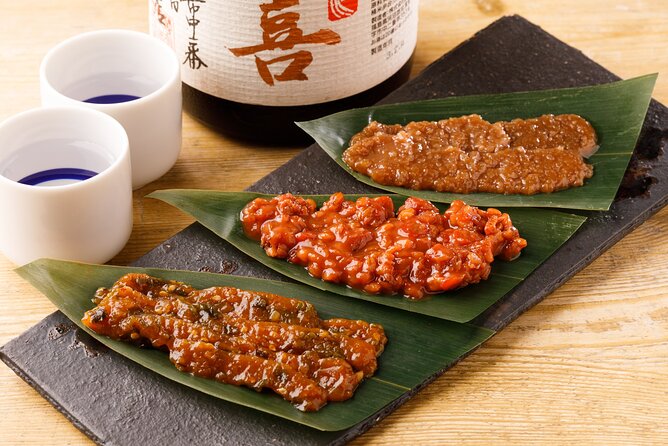
This is where the workshop feels like more than a typical tasting. You get an all-you-can-drink menu of 20 sakes, plus beer and soft drinks. You also start with that guided 4-sake flight, and then you can continue exploring from the wider lineup.
The practical value here is choice. You can:
- Revisit the sakes you liked from your flight
- Experiment with styles you’re curious about
- Slow down if you want to linger with food rather than rush drinks
If you tend to drink at a steady pace, you’ll probably enjoy this format. If you don’t drink much, you may find your value shifts—since the experience is clearly designed around tasting lots of options. Still, the presence of soft drinks means you can take breaks and pace without feeling left out.
Also, you’ll get instruction on reading Japanese labels. That’s not just an extra trivia point—it’s what helps you recreate the experience later in Tokyo or on future trips. When you can read even basic terms on bottles, you stop ordering blindly.
Price and What You’re Really Paying For in Shinjuku
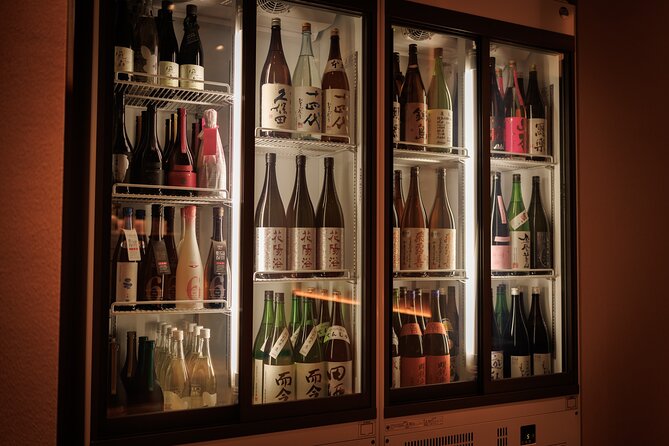
At $73.17 per person for about 2 hours, it’s not a budget snack. But it’s also not an overpriced cocktail class. You’re paying for three combined things:
- A guided sake lesson (not just free tasting)
- A course dinner with multiple items
- Access to a large tasting list: 20 sakes plus beer and soft drinks
When you add those up, the workshop becomes easier to justify, especially in Tokyo where meal + drinks + instruction separately would usually cost more. The fact that the group max is 12 also suggests you’re not just buying drinks—you’re buying time and explanation.
One more practical note: the average booking window is about 31 days in advance. That’s a hint that popular time slots can fill up, so if you’re planning a tight schedule, it’s smarter to book earlier rather than hoping.
Finding the Meeting Point Near H&M in Shinjuku
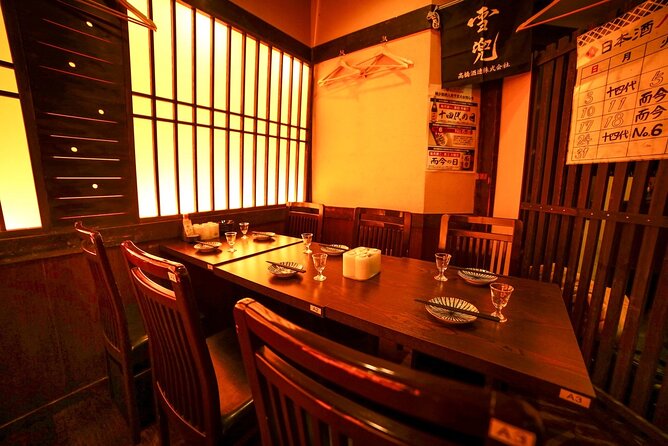
You’ll meet at H&M 3-chōme-5-4 Shinjuku, Shinjuku City, Tokyo 160-0022. The good news is it’s near public transportation, so you’re unlikely to get stuck planning a complicated commute.
Bring a little extra buffer time the first time you find the spot. Shinjuku is easy to get turned around in, even when you’re close. A couple of extra minutes helps you start calm—and it also helps you settle into the tasting flow without rushing.
The experience ends back at the meeting point, so you’re not stranded in a different neighborhood at the end of the night.
Who Should Book This Sake Pairing Workshop
I’d point you toward this workshop if you want a practical, food-first way to learn about sake. It’s especially strong for:
- People who like learning by doing, not just watching
- Anyone who’s curious about pairing alcohol with specific Japanese dishes
- Diners who want to understand temperature and aroma basics for future ordering
It may be less ideal if you strongly avoid alcohol, because even though there are soft drinks, the workshop center of gravity is sake tasting and meal pairings. It’s also best for anyone who’s comfortable spending two hours in one concentrated session rather than doing a long self-guided food crawl.
A final note: the experience requires good weather. If the forecast looks rough, plan for the possibility of a different date offer or a refund.
Should You Book This Sake Pairing Workshop?
Yes, if your goal is to learn sake in a way that connects directly to Japanese food, book it. The pairing logic is built into the structure—crisp vs rich, tangy vs buttery, creamy vs sweet—so you don’t leave with a random memory. You leave with a set of tasting tools: aroma awareness, Kanpai etiquette, and temperature effects.
If you want the best value from the experience, go hungry, go curious, and pace your sips. You’ll get more out of it, and the all-you-can-drink portion becomes a fun extension instead of something you have to power through.
FAQ
How long is the Sake Pairing Workshop in Shinjuku?
The workshop lasts about 2 hours.
What is the price per person?
It costs $73.17 per person.
What is included in the dinner?
It includes a course dinner with items such as chicken nanban, croquettes, and taiyaki.
How many sakes are included for tasting?
You get an all-you-can-drink menu of 20 sakes, plus beer and soft drinks.
Is there a guided sake flight?
Yes. The plan includes a 4-sake flight.
Where do we meet?
The meeting point is H&M 3-chōme-5-4 Shinjuku, Shinjuku City, Tokyo 160-0022, Japan.
Is the ticket mobile?
Yes, it includes a mobile ticket.
What happens if the weather is poor?
If it’s canceled due to poor weather, you’ll be offered a different date or a full refund.
Is there a cancellation window for a refund?
Free cancellation is available up to 24 hours in advance for a full refund.
More Food & Drink in Tokyo
- Tokyo: Shinjuku Food Tour (13 Dishes at 4 Local Eateries)
★ 5.0 · 6,603 reviews - Tokyo Tsukiji Fish Market Food and Culture Walking Tour
★ 5.0 · 3,184 reviews - Tokyo: Shinjuku Food Tour (15 Dishes and 4 Eateries)
★ 4.9 · 2,033 reviews - Best of Shinjuku: Izakaya Food Tour (4 Stops, 14+ Tastings)
★ 5.0 · 1,863 reviews - Tokyo: Tsukiji Fish Market Food and Walking tour
★ 5.0 · 1,724 reviews
More Tour Reviews in Tokyo
- Mt Fuji and Hakone 1-Day Bus Tour Return by Bullet Train
★ 5.0 · 26,383 reviews - 1-Day Tokyo Bus Tour
★ 5.0 · 14,250 reviews - Tokyo: teamLab Planets TOKYO Digital Art Museum Entry Ticket
★ 4.6 · 9,779 reviews - Mt Fuji & Hakone Cruise, Drum Show Bullet Train 1 Day from Tokyo
★ 4.0 · 7,413 reviews - Tokyo: Shinjuku Food Tour (13 Dishes at 4 Local Eateries)
★ 5.0 · 6,603 reviews
More Shinjuku Food and Drink
- Tokyo: Shinjuku Food Tour (13 Dishes at 4 Local Eateries)
★ 5.0 · 6,603 reviews - Tokyo Bar Hopping Tour in Shinjuku (All-You-Can-Drink + Dinner)
★ 5.0 · 3,587 reviews - Tokyo: Shinjuku Food Tour (15 Dishes and 4 Eateries)
★ 4.9 · 2,033 reviews - Best of Shinjuku: Izakaya Food Tour (4 Stops, 14+ Tastings)
★ 5.0 · 1,863 reviews - Tokyo: Shinjuku Local Bar and Izakaya Guided Walking Tour
★ 4.9 · 1,794 reviews
Latest Tokyo reviews off our desk






Shinjuku Food & Bar Tours, compared.
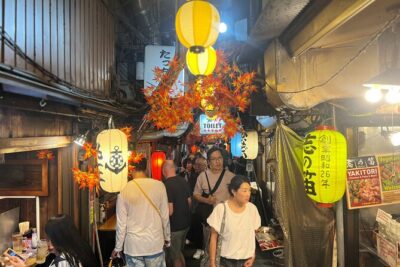 ★ 5.0Shinjuku Food Tour (13 Dishes at 4 Local Eateries)From $866,603 reviews
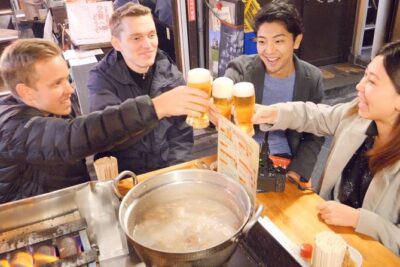 ★ 5.0Tokyo Bar Hopping Tour in Shinjuku (All-You-Can-Drink + Dinner)From $1063,587 reviews
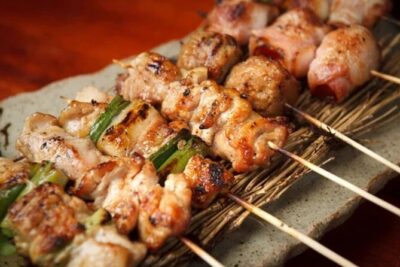 ★ 4.9Shinjuku Food Tour (15 Dishes and 4 Eateries)From $852,033 reviews
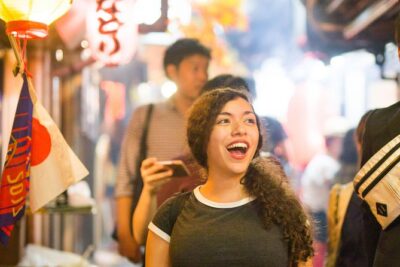 ★ 5.0Best of Shinjuku: Izakaya Food Tour (4 Stops, 14+ Tastings)From $921,863 reviews
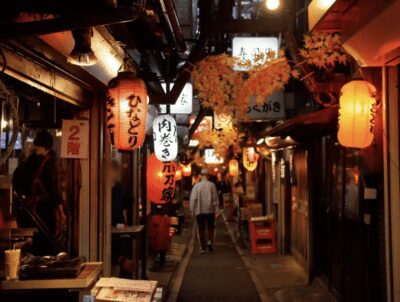 ★ 4.9Shinjuku Local Bar and Izakaya Guided Walking TourFrom $341,794 reviews
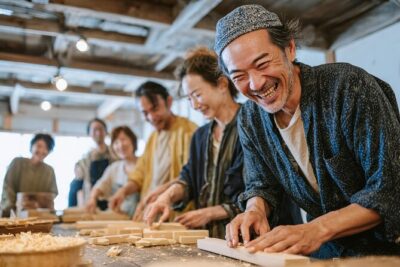 ★ 5.0Tokyo Shinjuku Chopsticks Making ClassFrom $201,763 reviews
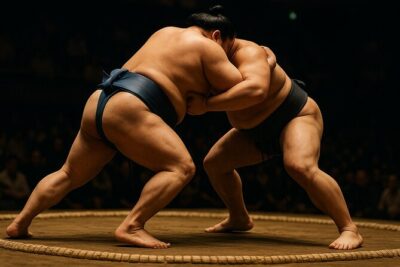 ★ 5.0Tokyo Shinjuku Sumo Show & Experience with PhotoFrom $791,750 reviews
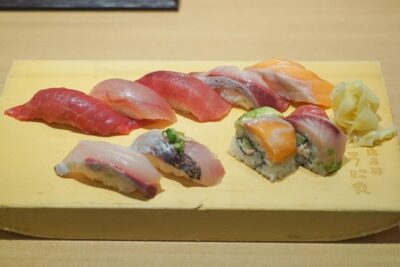 ★ 5.0Tokyo Night Foodie Tour in Shinjuku – Seasonal Sushi, Wagyu BeefFrom $1111,161 reviews
Browse the lists this tour appears in