
Shibuya at night feels like a movie set. I like how this tour lets you experience Shibuya Crossing up close on foot, then follow it with a 360° rooftop view that shows the same area from far above. The walk focuses on major crowd magnets and a few quieter hangout zones, so you get both the big icons and the everyday Tokyo feel in about two hours.
The only real drawback to watch for is logistics: some schedules can run a few minutes late, and meeting-point clarity can vary in a super busy area. If you like to arrive early and stay flexible, you’ll be fine.
In This Review
- Key highlights at a glance
- Shibuya After Dark: Why This Walk Works So Well
- Start at Hachiko Square and Get Your Bearings Fast
- Shibuya Crossing: Street-Level Chaos to Bird’s-Eye Calm
- Miyashita Park: A Rooftop-Style Break from the Crowds
- Shibuya Nonbei Yokocho: Tiny Bars and Street-Food Mood
- Center-gai: Pedestrian Street Energy and Youth Culture
- The Rooftop City View: Your 360° Hour Above Tokyo
- Timing and Group Flow: What a 2-Hour Night Really Feels Like
- Price and Value: Is $161 Reasonable for This Mix?
- Guide Notes: When Lilly Makes the Night Better
- When Things Go Wrong: Meeting-Point and Rooftop Ticket Cautions
- Who Should Book This Shibuya Night Walk
- Should You Book This Shibuya Night Walking Tour and Rooftop View
- FAQ
- FAQ
- How long is the Shibuya night walking tour with the rooftop city view?
- How much does this tour cost?
- Where do I meet the guide?
- Is the rooftop observation ticket included?
- How big is the group?
- What happens if the weather is bad?
Key highlights at a glance
- Shibuya Crossing on foot, then from the sky so you see the same place two ways
- Miyashita Park, a modern rooftop-style hangout built above an old parking structure
- Shibuya Nonbei Yokocho, tiny-bar energy with street-food vibes
- Center-gai pedestrian street, lights, shops, and youth-forward Shibuya culture
- A full hour on the rooftop viewpoint for Tokyo night skyline photos
Shibuya After Dark: Why This Walk Works So Well
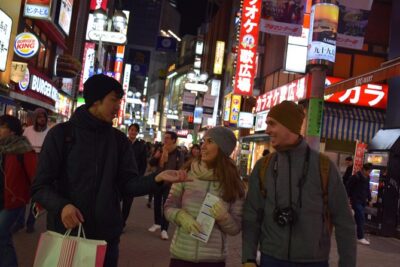
Tokyo’s neon is fun in daytime, but at night it turns into a kind of visual weather. Shibuya is where you feel that most. This experience strings together the neighborhood’s best-known scenes while keeping you moving on foot, not stuck on a bus looking out of a window.
What I like most is the mix of viewpoints. You start with street-level intensity, then you climb for the 360° angle where Tokyo stretches outward in all directions. That change of perspective is the whole point, and it’s exactly what makes Shibuya at night feel bigger than the sum of its stops.
The pacing is also realistic. The walking portion is short and structured, and then you get a longer rooftop window to slow down, scan the skyline, and take photos without feeling rushed.
More booked around Shibuya Crossing
- Official Street Go-Kart in Shibuya
★ 5.0 · 3,435 reviews - Tokyo: Street Kart Experience in Shibuya
★ 4.9 · 1,484 reviews - Shibuya Meltdown Nightlife Tour: All-You-Can-Drink Bar Hopping
★ 5.0 · 1,058 reviews - Shibuya Official Street Go-Kart in Shibuya Annex
★ 5.0 · 972 reviews
Start at Hachiko Square and Get Your Bearings Fast
You meet near the Hachiko statue at Dogenzaka in Shibuya (Shibuya, Tokyo 150-0043). It’s a smart meeting zone because Hachiko is easy to recognize, and it’s close to the Shibuya-crossing gravity well.
You’ll want to show up early—at least 15 minutes before the start—because Shibuya Dogenzaka can be chaotic even by Tokyo standards. This is one area where a clear group sign really matters. Some accounts point out that it can be hard to spot the leader right away, so giving yourself a buffer keeps your night stress-free.
Group size is capped at 25, which helps. You’re not stuck in a giant pack that stretches from one side of the street to the next. That matters when you’re crossing roads and weaving through shopping streets.
Shibuya Crossing: Street-Level Chaos to Bird’s-Eye Calm
The first big moment is Shibuya Crossing. You’ll cross it with a guide, which is helpful because it’s not just one intersection. It’s a whole system of crossings, crowd flows, and signal timing that feels chaotic until you see it in motion.
Later, the rooftop part turns that same chaos into geometry. From up high, Shibuya Crossing looks like a designed pattern rather than a single photo-worthy moment. That contrast is fun if you like understanding how places work, not just taking pictures.
Also, this is where the night timing starts to matter. You’ll be walking through streets that are already lit up, then you’ll switch to a higher vantage point when the city looks like it’s fully powered. If you’re the type who loves skyline photos, this two-step viewing angle is where you’ll get your money’s worth.
Miyashita Park: A Rooftop-Style Break from the Crowds
Next up is Miyashita Park, a modern urban space built on top of a former parking structure. It’s a good stop because it breaks the “everyone is pushing forward” feeling you get on Shibuya’s busiest streets.
You’ll find a mix of shopping and dining with open-air areas, plus space that works for people-watching. There’s also a skatepark vibe in the mix, so even if you’re not into skating, you’ll see the kind of relaxed, local energy that’s harder to spot in the bigger-name tourist hubs.
This stop is short—about 10 minutes—but it has a purpose. It gives you a breather and a change in scenery while you’re still in the center of Shibuya’s action.
Shibuya Nonbei Yokocho: Tiny Bars and Street-Food Mood
Shibuya Nonbei Yokocho is the nightlife side of Shibuya, but in a small-scale way. You’re stepping into a narrow alley lined with tiny bars and food spots, with neon and crowds doing most of the work for the atmosphere.
If you want a Shibuya night that feels more lived-in, this is one of the best areas to look for. You’ll get the glow, the noise level, and the overall “people are out tonight” feeling that makes Tokyo night scenes feel real.
This stop runs about 10 minutes. That’s not long enough to turn it into a full food crawl, but it is long enough to soak in the vibe and maybe plan what you’d eat if you come back on your own later.
Readers also shortlisted these Tokyo bookings:
- Tokyo Tsukiji Fish Market Food and Culture Walking Tour★ 5.0 · 3,184 reviews
- Tokyo: Imperial Palace and Shogun Historical Walking Tour★ 5.0 · 2,251 reviews
- Tokyo: Shinjuku Local Bar and Izakaya Guided Walking Tour★ 4.9 · 1,794 reviews
- Tokyo: Tsukiji Fish Market Food and Walking tour★ 5.0 · 1,724 reviews
- Tokyo: Asakusa Walking Tour with Sensoji Temple Visit★ 4.8 · 1,583 reviews
Center-gai: Pedestrian Street Energy and Youth Culture
Center-gai is a pedestrian street packed with shops, cafés, and entertainment. It’s the kind of place where you notice the details fast: signage, music, and the flow of groups moving together.
This stop also sits right in the Shibuya center, so it keeps the tour’s momentum. It’s not a quiet photo stop. It’s more of a sensory snapshot of Tokyo youth culture, with lights and crowds forming the backdrop for everything.
Again, you’ll spend about 10 minutes here. That’s plenty time to walk it with your guide and understand why people come back again and again.
The Rooftop City View: Your 360° Hour Above Tokyo
The tour’s big payoff is the rooftop viewpoint. You’ll spend about one hour up there with a ticket included, and that hour is the part you’ll remember when you think back to the night.
360° views matter because Shibuya is not a single landmark. Tokyo is a city of layers, and from the roof you can actually see how those layers spread out—streets, building clusters, and distant lines of lights fading into the horizon.
If you’re planning photos, this is the time to slow down. Night photography can be hit-or-miss, especially when you’re working handheld. Having a full hour helps you find angles, wait for crowds to shift, and test settings without feeling pressured by the group moving on.
It also works as a mental reset. You’ve been walking through noise and crowds, and up top you get calm focus. That contrast is why the rooftop is more than a bonus.
Timing and Group Flow: What a 2-Hour Night Really Feels Like
This is about two hours total, and it works best if you treat it like a short Shibuya highlights session, not an all-out explore-every-side-street plan.
The day-to-night rhythm goes like this: you walk through the key Shibuya zones in quick, guided segments, then you shift to the rooftop for a longer viewing block. The stops are intentionally compact, which helps you keep moving without losing the thread of the story your guide is telling.
One thing to keep in mind: the meeting area is busy. If your patience is low, show up early so you’re not standing in confusion while the group assembles. A few accounts describe delays starting after the scheduled departure time, so build in a little slack. In a city like Tokyo, eight minutes feels small, but on a tight itinerary, it can matter.
Price and Value: Is $161 Reasonable for This Mix?
At $161 for about two hours, you’re paying for three things: a guided foot route through Shibuya’s key areas, plus a ticketed rooftop viewpoint, plus the convenience of not having to figure out where to go next at night.
If you tried to do this on your own, you could walk the streets for free. But the paid part is the structure. Your guide helps you move efficiently through busy areas and makes sure you hit the right scenes in the right order. And that one-hour rooftop slot with admission included is the hard value anchor.
The rooftop ticket is included, and that shifts the pricing logic. You’re essentially combining guided walking plus a premium nighttime viewpoint. For solo travelers and couples, it can be a decent trade for time saved and stress avoided.
That said, since this involves rooftop capacity and meeting-point coordination, it’s worth choosing this tour when you’re not already emotionally married to a strict schedule.
Guide Notes: When Lilly Makes the Night Better
One recurring positive note is the guide energy. A guide named Lily/Lilly came up in standout accounts for being fun, upbeat, and genuinely attentive to the group. If you get a guide with that kind of vibe, your experience will feel less like a checklist and more like a guided night out.
That also shows why group size matters. With a smaller group, a good guide can actually keep track of everyone while you cross streets and hop between concentrated areas.
If you’re picky about communication and group visibility, this is the one part you can influence: arrive early, look for confirmation details from your booking, and don’t be afraid to ask nearby staff for help finding the tour meeting spot if needed.
When Things Go Wrong: Meeting-Point and Rooftop Ticket Cautions
This tour is generally well rated, but it’s also the kind of experience where a small hiccup can snowball in a crowded area.
Two practical concerns show up in bad cases:
- Some people reported not finding the guide clearly at the start, with no obvious sign in a busy meeting zone.
- One account described rooftop ticket confusion that impacted access, suggesting that coordination around rooftop capacity can be sensitive.
I can’t predict how your night will go, but you can reduce risk. Arrive early. Confirm you’re in the right place. Keep your booking confirmation handy. If you notice delays beyond the announced time, politely check in rather than waiting silently.
Also, be realistic about weather. This experience requires good weather, and if it’s canceled due to poor weather you should expect an alternative date or a full refund.
Who Should Book This Shibuya Night Walk
This is a great fit if you want:
- a simple way to cover Shibuya’s key night scenes in about two hours
- a guided path that gets you to the major areas without spending your brainpower on directions
- a rooftop viewpoint plan that gives you time to look around and take photos
It may be less ideal if you dislike groups, hate delays, or need guaranteed “first-minute accuracy.” The meeting area can be hectic, and night tours can be affected by crowd flow.
You’ll likely enjoy it most if you’re comfortable walking and standing in busy spots. The pace is manageable, but it is still a night walking experience.
Should You Book This Shibuya Night Walking Tour and Rooftop View
If you’re heading to Tokyo and you want an efficient, Shibuya-centered night that includes a real skyline moment, I think this is a strong option. The combination of street-level Shibuya Crossing energy plus a ticketed rooftop hour is exactly the kind of value that’s hard to replicate solo without some planning.
I’d book it when:
- you want structure more than freedom
- you care about rooftop skyline photos
- you can arrive early and handle a small start-time wobble
I’d think twice when:
- you’re on a tight schedule that can’t absorb a short delay
- you’re very sensitive to unclear meeting points and signage
FAQ
FAQ
How long is the Shibuya night walking tour with the rooftop city view?
It’s about 2 hours total.
How much does this tour cost?
The price is $161.
Where do I meet the guide?
The meeting point is at the Hachiko Statue, 2 Chome-1 Dogenzaka, Shibuya, Tokyo 150-0043, Japan.
Is the rooftop observation ticket included?
Yes. The rooftop observation deck admission ticket is included, and you spend about 1 hour at the viewpoint.
How big is the group?
The tour has a maximum of 25 travelers.
What happens if the weather is bad?
This experience requires good weather. If it’s canceled due to poor weather, you’ll be offered a different date or a full refund.
More Tours in Tokyo
- Mt Fuji and Hakone 1-Day Bus Tour Return by Bullet Train
★ 5.0 · 26,383 reviews - 1-Day Tokyo Bus Tour
★ 5.0 · 14,250 reviews - Tokyo: Shinjuku Food Tour (13 Dishes at 4 Local Eateries)
★ 5.0 · 6,603 reviews - Tokyo Mt Fuji 5th St & Hakone Cruise Bus Tour w/Bullet Train
★ 4.4 · 5,024 reviews - Flagship 2-Hours Official Street Go-Kart Tour – Tokyo Bay Shop
★ 5.0 · 4,974 reviews
More Tour Reviews in Tokyo
- Mt Fuji and Hakone 1-Day Bus Tour Return by Bullet Train
★ 5.0 · 26,383 reviews - 1-Day Tokyo Bus Tour
★ 5.0 · 14,250 reviews - Tokyo: teamLab Planets TOKYO Digital Art Museum Entry Ticket
★ 4.6 · 9,779 reviews - Mt Fuji & Hakone Cruise, Drum Show Bullet Train 1 Day from Tokyo
★ 4.0 · 7,413 reviews - Tokyo: Shinjuku Food Tour (13 Dishes at 4 Local Eateries)
★ 5.0 · 6,603 reviews
More Around Shibuya Crossing
- Official Street Go-Kart in Shibuya
★ 5.0 · 3,435 reviews - Tokyo: Street Kart Experience in Shibuya
★ 4.9 · 1,484 reviews - Shibuya Meltdown Nightlife Tour: All-You-Can-Drink Bar Hopping
★ 5.0 · 1,058 reviews - Shibuya Official Street Go-Kart in Shibuya Annex
★ 5.0 · 972 reviews - Tokyo: Shibuya Food Tour (13 dishes and 4 Eateries)
★ 5.0 · 770 reviews
Latest Tokyo reviews off our desk






Shibuya Experiences, compared.
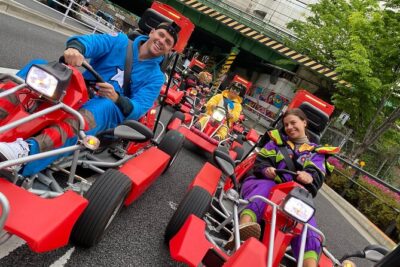 ★ 5.0Official Street Go-Kart in ShibuyaFrom $763,435 reviews
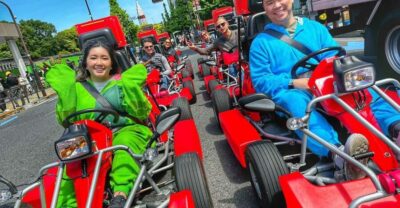 ★ 4.9Street Kart Experience in ShibuyaFrom $741,484 reviews
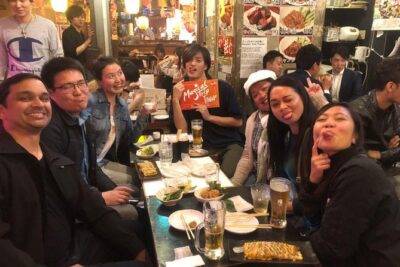 ★ 5.0Shibuya Meltdown Nightlife Tour: All-You-Can-Drink Bar HoppingFrom $1061,058 reviews
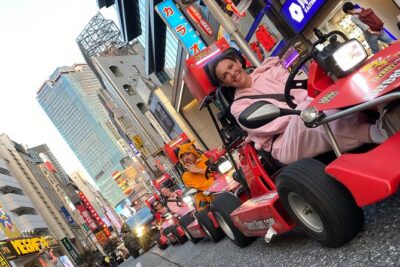 ★ 5.0Shibuya Official Street Go-Kart in Shibuya AnnexFrom $69972 reviews
 ★ 5.0Shibuya Food Tour (13 dishes and 4 Eateries)From $77770 reviews
 ★ 5.0Best of Shibuya Food TourFrom $217612 reviews
 ★ 4.8Shibuya Highlights Walking TourFrom $19601 reviews
 ★ 4.7Premium Go-Kart Tour with Tower & Shibuya CrossingFrom $116528 reviews
Browse the lists this tour appears in