
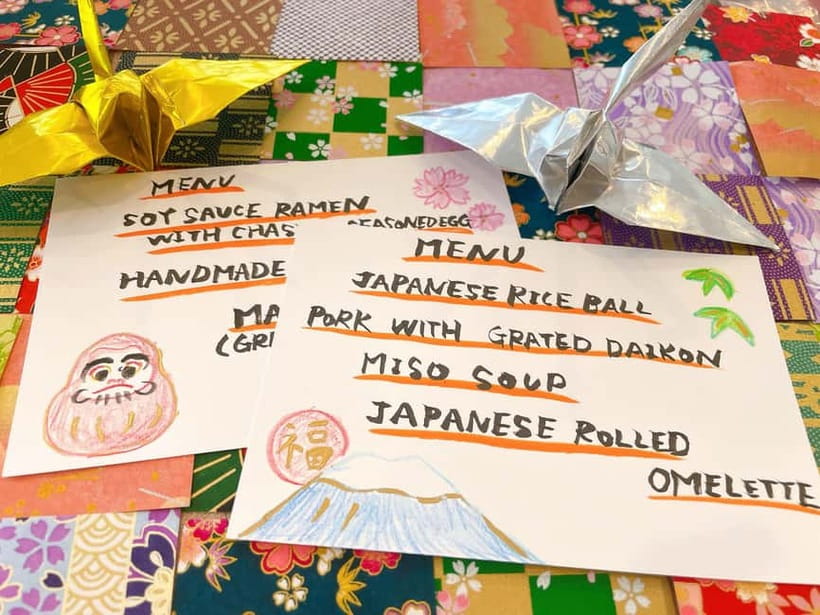
Reviewed · SHIBUYA EXPERIENCES
Shibuya Tokyo: Onigiri & Tamagoyaki Cooking Class
Cooking rice and seaweed feels oddly satisfying. This Shibuya workshop focuses on the real craft behind onigiri—from picking the right rice to shaping and wrapping with nori—plus a hands-on tamagoyaki component. It is simple food, taught with care, so you walk away knowing what to do the next time you are shopping for rice in Japan.
I especially like the way the class breaks down rice so you get the right texture for holding shape, and I love the practical instruction on wrapping with nori without getting it messy. The session also stays approachable even if you have never cooked Japanese food before.
The one drawback to flag is that it is not suitable for guests with severe or life-threatening food allergies, so if that is your situation, you will want to choose a different activity.
In This Review
- Key Highlights You’ll Actually Use
- Why Shibuya Onigiri and Tamagoyaki Instruction Feels Different
- What Happens During the 90 Minutes (Step by Step)
- 1) Getting Set Up: Apron, Tools, and a Clear Start
- 2) Choosing the Right Rice: The Backbone of Good Onigiri
- 3) Making Onigiri: Shaping Techniques You Can Repeat
- 4) Fillings: Traditional Flavors Plus Modern Twists
- 5) Tamagoyaki: Rolled Omelet Skills for a Real Japanese Lunch Pairing
- 6) Nori Wrapping: Learning the Traditional Way
- 7) Eat What You Make, Then Take Notes Home
- Group Size and English Host Guidance: Small Is Good Here
- Price and Value: What $49 Actually Buys You
- Practical Tips Before You Go
- Who This Class Suits Best (And Who It Doesn’t)
- Should You Book the Shibuya Onigiri and Tamagoyaki Class?
- FAQ
- How long is the Shibuya onigiri and tamagoyaki cooking class?
- What does the $49 price include?
- Is transportation to the venue included?
- How big is the group?
- Do I need any cooking experience?
- What dietary options are available?
- Can children attend?
Key Highlights You’ll Actually Use
- Rice choice and texture: Learn why the rice you use changes everything about shaping and eating.
- Nori wrapping technique: Practice the traditional way so the seaweed sticks and stays pleasant to bite.
- Onigiri shaping basics: Master classic triangular forms and other playful designs.
- Fillings from traditional to modern: Try savory and vegetarian options so you are not stuck on one flavor.
- Small-group attention: Limited to 8 participants, with chances for personal guidance.
- Take-home materials: Recipes and a small souvenir to help you recreate it later.
Why Shibuya Onigiri and Tamagoyaki Instruction Feels Different
Onigiri are the kind of Japanese food that look effortless, but only because the technique is dialed in. This class treats onigiri as more than a snack. You get taught how to make rice that behaves the way it should, how to shape it without it turning into a sticky mess, and how to use nori seaweed in the traditional wrapping style.
What I like most is that the focus is on process, not just results. You are learning the “why” behind a good rice ball—texture, stickiness, and handling—so you can make it at home without needing the exact same ingredients or kitchen setup every time.
And then there is the tamagoyaki. You make a rolled omelet portion along with your rice balls, so you get two classic Japanese flavors in one 90-minute session. It gives you a fuller sense of how Japanese lunch staples work together: rice for comfort and structure, egg for savory richness.
More booked around Shibuya Crossing
- Official Street Go-Kart in Shibuya
★ 5.0 · 3,435 reviews - Tokyo: Street Kart Experience in Shibuya
★ 4.9 · 1,484 reviews - Shibuya Meltdown Nightlife Tour: All-You-Can-Drink Bar Hopping
★ 5.0 · 1,058 reviews - Shibuya Official Street Go-Kart in Shibuya Annex
★ 5.0 · 972 reviews
What Happens During the 90 Minutes (Step by Step)
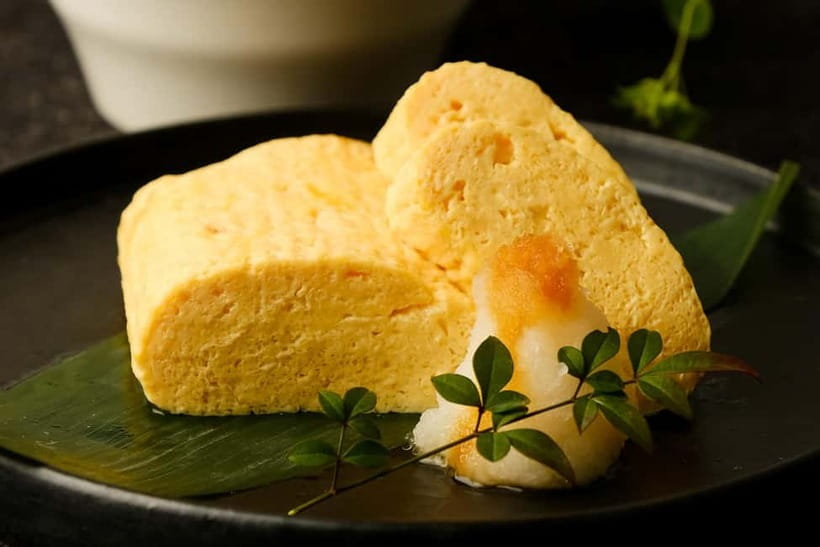
This is a hands-on cooking class that runs about 90 minutes. You are not just watching. You are actively making the food, guided by an English-speaking host in a small kitchen setup.
Here is the flow you should expect, and what each part is really teaching you.
1) Getting Set Up: Apron, Tools, and a Clear Start
Right away, you get an apron rental and the utensils and ingredients to make what the class promises: 3 rice balls and half a portion of rolled omelet per person. That matters for value because you do not need to hunt down specialty tools or track ingredients before you arrive. You also get a recipe booklet at the end, plus a small souvenir.
In a small shop kitchen, space can make or break a class. The setup here is designed for comfortable working space, and the class format keeps it from feeling crowded. When you are learning shaping, you want room to handle your rice and wrap nori without elbow-to-elbow chaos.
2) Choosing the Right Rice: The Backbone of Good Onigiri
One of the highlights is the attention given to rice. You learn the nuances of choosing the right rice and how it affects flavor and texture. This part is not abstract. Rice texture is what determines whether your onigiri holds its shape and whether the bite feels pleasant instead of dry or gummy.
If you have ever tried to make onigiri at home and wondered why it did not behave like the ones from Japanese convenience stores, this is likely the reason. The class teaches you to think about the rice as an ingredient with performance, not just a staple.
3) Making Onigiri: Shaping Techniques You Can Repeat
Next comes the shaping. You practice traditional shaping methods, including classic triangle forms and creative designs. That mix is great. Triangles are iconic, but being able to shape other styles means you are not stuck if your rice is a little different at home or you want to use a new filling.
The guidance is designed for beginners. No prior experience is required, and you get step-by-step instructions as you go. In a small group—limited to 8—it is much easier to ask for help when your hands are new to the process.
Readers also shortlisted these Tokyo bookings:
- Ramen & Gyoza Cooking Class in Tokyo with Local Supermarket Visit★ 5.0 · 823 reviews
- Tokyo: Easy Ramen Cooking Experience in Kabukicho, Shinjuku★ 4.6 · 321 reviews
- Ramen and Sushi Cooking Class with Sake Pairing Set in Tokyo★ 5.0 · 291 reviews
- Tokyo: Wagyu and 7 Japanese Dishes Cooking Class★ 4.9 · 273 reviews
- Tokyo Washoku 4-hour Cooking Class: From Market to Table★ 5.0 · 253 reviews
4) Fillings: Traditional Flavors Plus Modern Twists
Then you build your onigiri with fillings. The workshop covers a range of savory and vegetarian options, and it includes both traditional and modern interpretations. This is more useful than it sounds.
At some classes, you pick one filling and that is that. Here, the variety helps you understand how fillings should work with rice: what tastes good in a compact bite, and how strong flavors balance with plain rice.
If you are vegetarian, you will likely appreciate that you are not forced into only one kind of option. The menu approach here is designed to keep things flexible.
5) Tamagoyaki: Rolled Omelet Skills for a Real Japanese Lunch Pairing
While the class is centered on onigiri, you also make tamagoyaki. You get half a portion of a rolled omelet per person. The point is not to train you into a full omelet chef routine in 90 minutes, but to teach you how Japanese rolled egg fits naturally alongside rice balls.
Tamagoyaki adds contrast: savory egg richness and a slightly different texture, which makes your final meal more satisfying than just rice on rice.
6) Nori Wrapping: Learning the Traditional Way
Finally, the nori seaweed comes in. You learn traditional wrapping techniques using nori seaweed, and you get to practice so you understand how to wrap without ruining the look or the texture.
This step is a big deal because nori is part flavor, part structure. When you wrap it well, you get better mouthfeel and a more authentic Japanese snack experience.
7) Eat What You Make, Then Take Notes Home
When you finish, you eat what you made together. One review highlighted how sharing the meal with new friends made the food taste even better, and I agree with that logic. Cooking classes feel more rewarding when you get to enjoy the result right away, while the steps are still fresh in your head.
And then you take home the recipe booklet. It is not just paper for show. It helps you remember what you did and how to repeat it later.
Group Size and English Host Guidance: Small Is Good Here
This class runs with a small group—limited to 8 participants. That size matters because onigiri shaping is hand work. When you have more people, you spend less time getting specific feedback on technique.
The guidance is also in English. So if your Japanese is limited, you are not stuck decoding gestures. The host keeps the steps clear and moves at a pace that helps you follow along and correct mistakes before they become habits.
One nice detail from past experiences: the class sometimes stays very small, which makes it feel personal and gives you more chances for individual attention. Even when it is full, the small limit is there for a reason.
Price and Value: What $49 Actually Buys You
$49 for 90 minutes might sound simple until you add up what is included.
You are getting:
- the cooking class instruction,
- ingredients and utensils for 3 rice balls and half a portion of rolled omelet,
- apron rental,
- recipes plus a small souvenir,
- and guidance from an English-speaking host.
That is good value because you are not paying just to sit and watch. You leave with food you made and materials you can use later. It is also a focused use of time: you are not spending hours shopping for ingredients, and you are not figuring out technique alone.
The main thing to remember: transportation is not included. So the real cost is $49 plus whatever it takes you to get to the venue in Shibuya. If you are already exploring central Tokyo nearby, that is usually easy to work into your day.
Practical Tips Before You Go
If you want this to feel smooth, treat it like a hands-on workshop, not a dining event.
Wear comfortable clothes and plan to get a little rice on your hands. You will be working directly with sticky rice and wrapping materials, so it is best to keep your mindset ready for that.
Also, if you have dietary restrictions, tell the host in advance. The class says it will do its best to accommodate where possible, and gluten-free options may be available upon request. The big limitation is severe or life-threatening allergies, so be honest about that when you book.
Children under 5 are not suitable. If you are traveling with kids, it is worth choosing a cooking activity that explicitly supports younger ages.
Who This Class Suits Best (And Who It Doesn’t)
This workshop is a great fit if you want Japanese food you can actually reproduce at home. It is also ideal if you enjoy skill-based travel: learning a technique that connects to a daily-life Japanese habit.
You will likely enjoy it if:
- you like hands-on cooking experiences,
- you want an English-led class in Tokyo,
- you are a foodie who wants to understand how ingredients work,
- you want variety with fillings and not just one flavor.
You might not love it if:
- you have severe or life-threatening food allergies,
- you are looking for a long, multi-course dining experience instead of a skills session,
- you need an activity that includes transportation or pick-up (this one does not).
Should You Book the Shibuya Onigiri and Tamagoyaki Class?
I would book it if you want a compact, practical Tokyo food experience with real technique: rice choice, shaping, nori wrapping, and rolled omelet basics, all in a small group with clear English guidance. The price makes sense because ingredients, tools, and take-home recipes are included, so you get value beyond the meal.
Skip it if allergy risk is a concern you cannot solve with accommodations, or if your trip needs a transportation-included package.
If you are trying to understand everyday Japanese comfort food, this class is one of the easiest ways to do it without guesswork. You will leave with food in hand today—and the ability to make it again later.
FAQ
How long is the Shibuya onigiri and tamagoyaki cooking class?
The class runs for about 90 minutes.
What does the $49 price include?
It includes the cooking class, ingredients and utensils to make 3 rice balls and half a portion of rolled omelet per person, apron rental, recipe booklet and a small souvenir, plus guidance from an English-speaking host.
Is transportation to the venue included?
No, transportation to and from the venue is not included.
How big is the group?
It is a small group limited to 8 participants.
Do I need any cooking experience?
No prior experience is necessary. The host guides you step by step.
What dietary options are available?
If you have dietary restrictions or allergies, you should let the team know in advance. Gluten-free options may be available upon request. It is not suitable for guests with severe or life-threatening food allergies.
Can children attend?
The class is not suitable for children under 5 years.
More Cooking Classes in Tokyo
- Ramen & Gyoza Cooking Class in Tokyo with Local Supermarket Visit
★ 5.0 · 823 reviews - Tokyo: Easy Ramen Cooking Experience in Kabukicho, Shinjuku
★ 4.6 · 321 reviews - Ramen and Sushi Cooking Class with Sake Pairing Set in Tokyo
★ 5.0 · 291 reviews - Tokyo: Wagyu and 7 Japanese Dishes Cooking Class
★ 4.9 · 273 reviews - Tokyo Washoku 4-hour Cooking Class: From Market to Table
★ 5.0 · 253 reviews
More Tour Reviews in Tokyo
- Mt Fuji and Hakone 1-Day Bus Tour Return by Bullet Train
★ 5.0 · 26,383 reviews - 1-Day Tokyo Bus Tour
★ 5.0 · 14,250 reviews - Tokyo: teamLab Planets TOKYO Digital Art Museum Entry Ticket
★ 4.6 · 9,779 reviews - Mt Fuji & Hakone Cruise, Drum Show Bullet Train 1 Day from Tokyo
★ 4.0 · 7,413 reviews - Tokyo: Shinjuku Food Tour (13 Dishes at 4 Local Eateries)
★ 5.0 · 6,603 reviews
More Around Shibuya Crossing
- Official Street Go-Kart in Shibuya
★ 5.0 · 3,435 reviews - Tokyo: Street Kart Experience in Shibuya
★ 4.9 · 1,484 reviews - Shibuya Meltdown Nightlife Tour: All-You-Can-Drink Bar Hopping
★ 5.0 · 1,058 reviews - Shibuya Official Street Go-Kart in Shibuya Annex
★ 5.0 · 972 reviews - Tokyo: Shibuya Food Tour (13 dishes and 4 Eateries)
★ 5.0 · 770 reviews
Latest Tokyo reviews off our desk






Shibuya Experiences, compared.
 ★ 5.0Official Street Go-Kart in ShibuyaFrom $763,435 reviews
 ★ 4.9Street Kart Experience in ShibuyaFrom $741,484 reviews
 ★ 5.0Shibuya Meltdown Nightlife Tour: All-You-Can-Drink Bar HoppingFrom $1061,058 reviews
 ★ 5.0Shibuya Official Street Go-Kart in Shibuya AnnexFrom $69972 reviews
 ★ 5.0Shibuya Food Tour (13 dishes and 4 Eateries)From $77770 reviews
 ★ 5.0Best of Shibuya Food TourFrom $217612 reviews
 ★ 4.8Shibuya Highlights Walking TourFrom $19601 reviews
 ★ 4.7Premium Go-Kart Tour with Tower & Shibuya CrossingFrom $116528 reviews
Browse the lists this tour appears in