
Reviewed · COOKING CLASSES
Ramen and Sushi Cooking Class with Sake Pairing Set in Tokyo
Tokyo’s best classroom is a kitchen table.
In this small-group hands-on ramen and sushi class (up to eight people), I love that you get personal attention from your English-speaking instructor team and that the guidance is built for cooking at home, not just showing off in class. The one thing to keep in mind: ramen may feel slightly less hands-on than sushi, so if you want full-control broth work the whole time, plan to focus on the parts you’ll customize and follow the chef’s pacing.
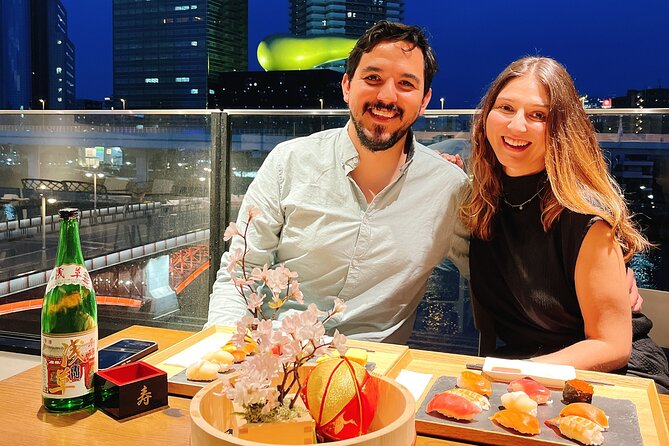
You’ll meet in Tsukishima at HAUS Tsukishima, and the vibe is relaxed, friendly, and easy to join even if you’re not a confident cook. Expect sushi-making, ramen broth from scratch, and a sake pairing that’s meant to complement what you’re eating, not just to check a box.
In This Review
- Key Points to Know Before You Go
- A Small-Group Tokyo Kitchen With Real Instruction
- What Happens in the 3 Hours: Sushi, Ramen Broth, and Sake
- Sushi session: precision without the intimidation
- Ramen broth session: learn the backbone first
- Meal + sake pairing: taste the logic, not just the alcohol
- The Tsukishima Setting at HAUS Tsukishima: Location Matters
- Price and Value: Is $79.59 Worth It?
- Who This Cooking Class Suits Best
- Practical Tips: Get More Out of Your Sushi, Ramen, and Sake
- Should You Book This Ramen and Sushi Cooking Class With Sake in Tokyo?
- FAQ
- How long is the cooking class?
- What’s the group size?
- What’s included in the $79.59 price?
- Is hotel pickup included?
- Where do I meet for the class?
- Do I need to bring tickets?
- Is an English instructor available?
- Is sake included?
- Is the class good for beginners?
- What about cancellation?
Key Points to Know Before You Go
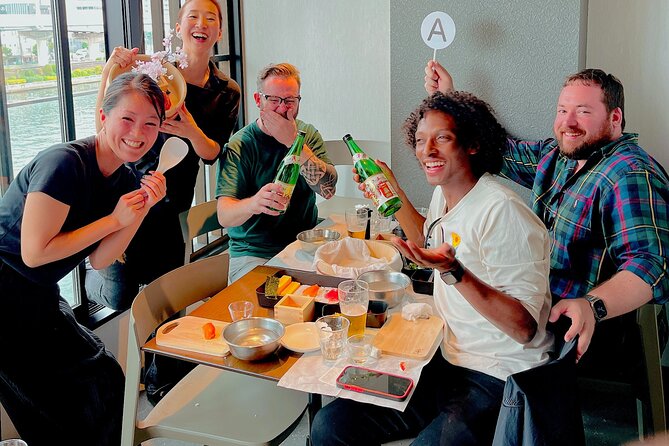
- Max 8 people means real face time with instructors like Sato, Ryushi, Taka, and others.
- Sushi and ramen plus sake happen within about 3 hours, so it’s a good use of limited Tokyo time.
- Hands-on sushi skills are taught with step-by-step professional tips you can repeat later.
- Ramen broth starts from scratch, and you’ll learn how it’s built and adjusted.
- Sake pairing is part of the meal experience, with options chosen to match flavors.
- River-side setting in Tsukishima adds a calm, scenic backdrop while you cook.
A Small-Group Tokyo Kitchen With Real Instruction
Tokyo cooking classes come in all flavors. Some are flashy. Some are photo-ops. This one is built around something simpler: you cook with help close enough to fix mistakes before they become disasters.
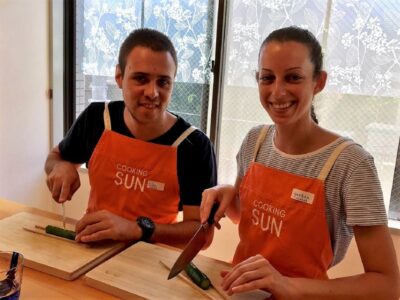
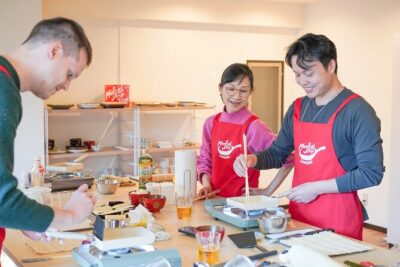
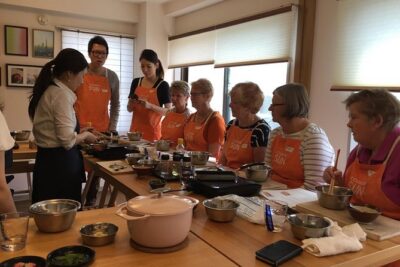
The group size is capped at eight. That changes the whole feel. You’re not shouting across a room. You’re not waiting your turn for basic pointers. The instructors (you might meet Sato, Ryushi, Taka, or others depending on your session) can watch what you’re doing and correct technique in the moment. That’s a big deal when you’re learning sushi fundamentals and working through ramen flavors that depend on timing.
I also like the practical focus. The class isn’t only about finishing a plate. It’s about learning Japanese cooking habits you can use later at home: how to handle ingredients cleanly, how to shape sushi more confidently, and how to think about broth flavor so it doesn’t end up bland or oddly one-note.
One more thing: the atmosphere is consistently described as warm and fun. People talk about laughs in the kitchen, smiling staff, and instructors who make you feel at ease quickly. If you’ve ever tried sushi tutorials at home and felt stuck, this kind of human coaching matters.
Readers also shortlisted these Tokyo bookings:
- Tokyo: Shinjuku Food Tour (13 Dishes at 4 Local Eateries)
★ 5.0 · 6,603 reviews - Tokyo Tsukiji Fish Market Food and Culture Walking Tour
★ 5.0 · 3,184 reviews - Tokyo: Shinjuku Food Tour (15 Dishes and 4 Eateries)
★ 4.9 · 2,033 reviews - Best of Shinjuku: Izakaya Food Tour (4 Stops, 14+ Tastings)
★ 5.0 · 1,863 reviews
What Happens in the 3 Hours: Sushi, Ramen Broth, and Sake
The class runs about three hours. Within that window, you’ll make sushi, brew ramen broth from scratch, and enjoy a sake pairing along with the meal you create. You won’t just watch—you’ll cook.
Sushi session: precision without the intimidation
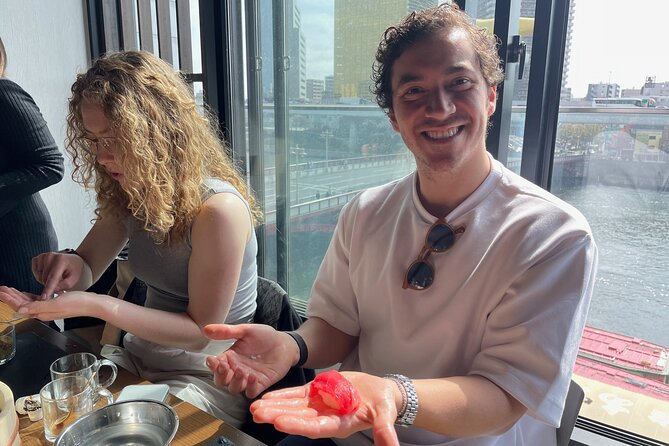
Sushi is the part where the class tends to feel most hands-on. You’ll learn how to build your sushi pieces and how to correct common issues fast, like uneven rice, awkward shaping, or filling that doesn’t sit right.
What you’re really paying for here is the transfer of technique. Video can show steps, but it can’t feel your pressure level, your grip, or your pace. In class, instructors can guide you in real time. That’s why people leave saying they finally understood what to do at home—because someone took the guesswork out of the method.
Also, you might get a little quiz or quick history-and-facts moment during the experience. It’s not just trivia. It helps you connect technique with why sushi and ramen are built the way they are.
Ramen broth session: learn the backbone first
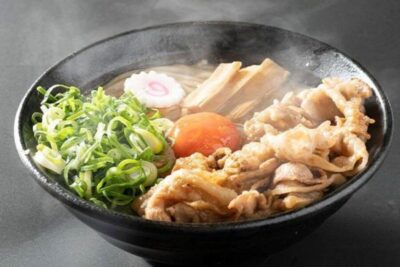
Ramen starts with broth. In this class, you brew savory ramen broth from scratch. That matters because broth is where most home cooks struggle: if your base is off, everything else feels off.
You’ll learn how to build flavor and how to get to a more satisfying taste. The class also includes ramen components served as part of the meal, and at least one dish people highlight is pork belly in the ramen. Even if the exact ramen components vary by session, the core idea stays the same: you’re working with the broth foundation and learning how to shape the final flavor.
A practical note: some sessions feel more like guided support for ramen while sushi is more directly hands-on. If you’re the type who loves hands-on stirring and doing every step yourself, focus on what you can customize and ask questions during the broth stage. The instructor team will usually guide you to the parts that matter most.
Meal + sake pairing: taste the logic, not just the alcohol
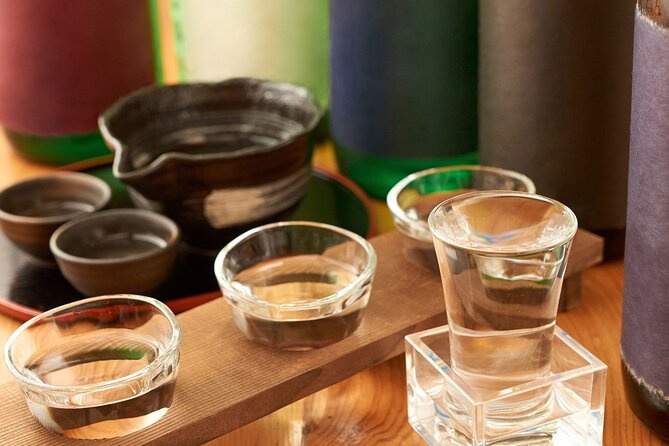
Your meal includes all drinks, and sake is part of the experience. The sake pairing is selected to complement what you’re making, which helps you taste the dish as Japanese cooks intend: salt, fat, umami, and acidity in balance.
People describe the sake as smooth and top notch. The main value for you is education through taste. Instead of drinking and hoping it works, you get a framework for how sake can lift certain flavors, soften others, and make the meal feel more cohesive.
If you’re a sake beginner, don’t overthink it. The point is to experience how pairing changes your perception of the food.
Readers also shortlisted these Tokyo bookings:
- Ramen & Gyoza Cooking Class in Tokyo with Local Supermarket Visit★ 5.0 · 823 reviews
- Tokyo: Easy Ramen Cooking Experience in Kabukicho, Shinjuku★ 4.6 · 321 reviews
- Ramen and Sushi Cooking Class with Sake Pairing Set in Tokyo★ 5.0 · 291 reviews
- Tokyo: Wagyu and 7 Japanese Dishes Cooking Class★ 4.9 · 273 reviews
- Tokyo Washoku 4-hour Cooking Class: From Market to Table★ 5.0 · 253 reviews
The Tsukishima Setting at HAUS Tsukishima: Location Matters
Meeting at HAUS Tsukishima (Chuo City, Tsukuda area) keeps things straightforward and easy to reach. It’s also close to public transportation, so you’re not dependent on a taxi or a complex routing plan.
One of the best practical perks: the setting can include river views. That turns the class from a stuffy kitchen into something calm. You’re still cooking, but you’re not trapped in a windowless room. After you finish, you’re also in an area that feels livable rather than strictly tourist-busy.
You’ll end back at the meeting point, which is helpful for planning the rest of your day. No weird drop-offs across town.
Price and Value: Is $79.59 Worth It?
At about $79.59 per person, you’re not paying for a cheap demo. You’re paying for:
- An English-speaking instructor
- Ingredients for the cooking and the meal
- All drinks
- Small-group attention (max eight people)
- Technique coaching you can repeat at home
When cooking classes include only a quick demonstration, the price feels steep fast. Here, the value comes from participation. Sushi takes real coordination, ramen broth takes real timing, and sake pairing adds another layer of learning. The “hands-on + guided” combo is what makes the price feel more reasonable.
If you care about getting real results at home, this is also a good deal compared to paying for ingredients and then failing with a YouTube-only approach. People often start stuck. Then one clear set of instructions changes everything. That pattern is exactly why classes like this sell out and get strong repeat interest.
Still, consider your style. If you’re only interested in eating ramen and sushi and you don’t want to cook, there are cheaper food options. But if you want skills, this class is priced like an experience built around coaching.
Who This Cooking Class Suits Best
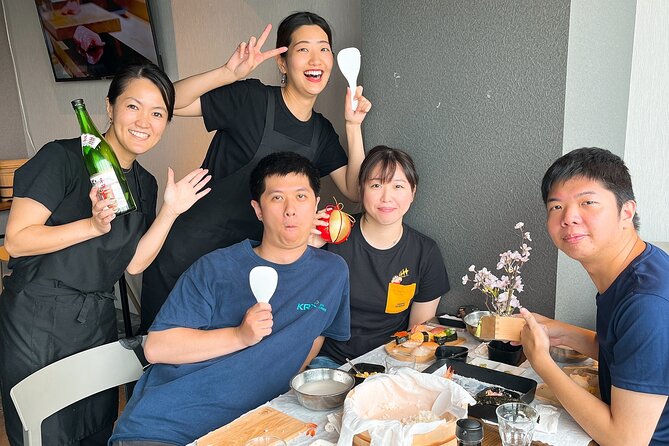
This class works especially well if:
- You want hands-on sushi training with close feedback.
- You’ve tried Japanese cooking at home and want a clearer method.
- You like learning the why behind dishes, not only the how.
- You want a fun, friendly group setup without feeling rushed.
It may be less ideal if:
- You want every minute of ramen to be fully hands-on under your control.
- You’re looking for a silent, formal culinary lecture. The tone is more relaxed and social.
It’s also a good fit for couples and small friend groups. With a small cap, the experience can still feel personal even when the class is larger.
Practical Tips: Get More Out of Your Sushi, Ramen, and Sake
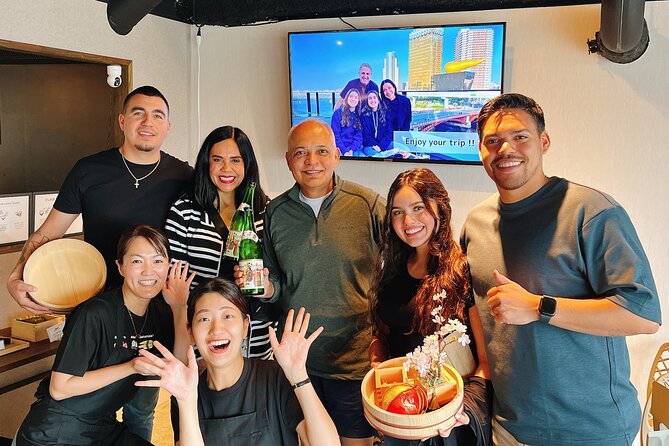
A few simple moves can make your class smoother and improve your results later.
First, come with a basic appetite and an open mindset. You’ll be eating what you cook, and the meal is part of the experience, not a separate add-on.
Second, watch your timing and station habits. Sushi and ramen are both about small details. If you’re waiting too long before asking questions, you lose your chance to correct technique while it’s easy to fix.
Third, ask about at-home replication. The class is designed to teach professional tips you can use later, so don’t be shy to request guidance on what to practice first when you’re back in your kitchen.
Fourth, treat sake as part of the learning. If you’re tasting alongside your food, pay attention to how it affects saltiness, fat, and aroma. Even with a beginner palate, you’ll pick up what tastes better together.
Finally, plan for a no-hotel-pickup situation. That means you should know how you’ll reach HAUS Tsukishima on your own. The upside is you control timing and don’t waste time in transit loops.
Should You Book This Ramen and Sushi Cooking Class With Sake in Tokyo?
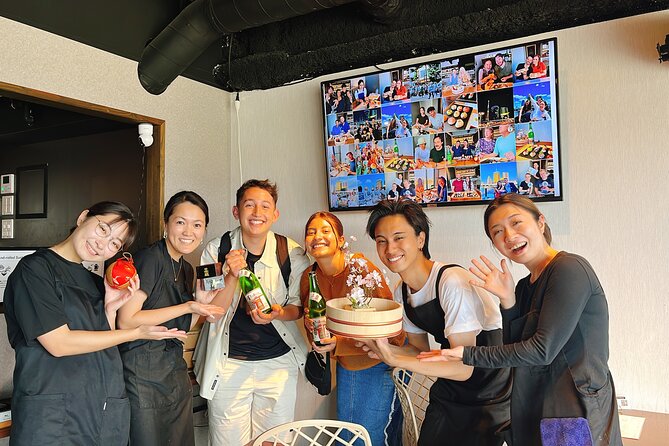
If you want a Tokyo experience that’s equal parts skill-building and eating what you made, I’d say book it. The small-group cap (maximum eight) and the instructor attention are the main reasons. Sushi instruction is strongly hands-on, and the ramen broth-from-scratch component gives you a real foundation to take home.
I’d especially recommend it if:
- You want cooking coaching that helps you succeed at home.
- You’re curious about sake pairing as part of the meal.
- You like a warm, relaxed class vibe with laughs and real instruction.
Skip it only if your priority is strictly eating without cooking, or if you’re specifically looking for maximum hands-on control over every ramen step. In most cases, though, you’ll come away with practical technique, a satisfying meal, and a better sense of how Japanese flavors fit together.
FAQ
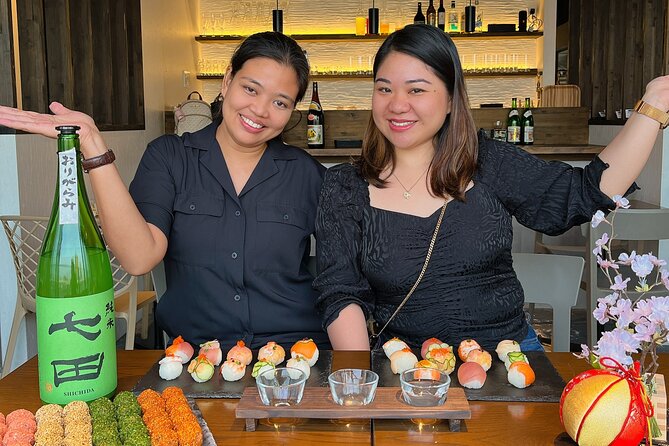
How long is the cooking class?
It runs for about 3 hours.
What’s the group size?
The class has a maximum of 8 travelers.
What’s included in the $79.59 price?
The price includes an English-speaking instructor, the ingredients for the cooking class and meal, and all drinks.
Is hotel pickup included?
No. Hotel pickup and drop-off are not included.
Where do I meet for the class?
You meet at Japan, 104-0051 Tokyo, Chuo City, Tsukuda, 2-chōme135 HAUS Tsukishima.
Do I need to bring tickets?
You’ll get a mobile ticket.
Is an English instructor available?
Yes, the instructor is English speaking.
Is sake included?
Yes. The experience includes sake pairing, and all drinks are included.
Is the class good for beginners?
Based on how the class is taught, it’s built to give hands-on guidance and tips you can use at home, so beginners typically can follow along with support.
What about cancellation?
Free cancellation is available. You can cancel up to 24 hours in advance for a full refund. If you cancel less than 24 hours before the experience starts, the amount paid is not refunded.
More Cooking Classes in Tokyo
- Ramen & Gyoza Cooking Class in Tokyo with Local Supermarket Visit
★ 5.0 · 823 reviews - Tokyo: Easy Ramen Cooking Experience in Kabukicho, Shinjuku
★ 4.6 · 321 reviews - Tokyo: Wagyu and 7 Japanese Dishes Cooking Class
★ 4.9 · 273 reviews - Tokyo Washoku 4-hour Cooking Class: From Market to Table
★ 5.0 · 253 reviews - Small-Group Wagyu Beef and 7 Japanese Dishes Tokyo Cooking Class
★ 5.0 · 190 reviews
More Food & Drink in Tokyo
- Tokyo: Shinjuku Food Tour (13 Dishes at 4 Local Eateries)
★ 5.0 · 6,603 reviews - Tokyo Tsukiji Fish Market Food and Culture Walking Tour
★ 5.0 · 3,184 reviews - Tokyo: Shinjuku Food Tour (15 Dishes and 4 Eateries)
★ 4.9 · 2,033 reviews - Best of Shinjuku: Izakaya Food Tour (4 Stops, 14+ Tastings)
★ 5.0 · 1,863 reviews - Tokyo: Tsukiji Fish Market Food and Walking tour
★ 5.0 · 1,724 reviews
More Tour Reviews in Tokyo
- Mt Fuji and Hakone 1-Day Bus Tour Return by Bullet Train
★ 5.0 · 26,383 reviews - 1-Day Tokyo Bus Tour
★ 5.0 · 14,250 reviews - Tokyo: teamLab Planets TOKYO Digital Art Museum Entry Ticket
★ 4.6 · 9,779 reviews - Mt Fuji & Hakone Cruise, Drum Show Bullet Train 1 Day from Tokyo
★ 4.0 · 7,413 reviews - Tokyo: Shinjuku Food Tour (13 Dishes at 4 Local Eateries)
★ 5.0 · 6,603 reviews
Latest Tokyo reviews off our desk






Cooking Classes, compared.
 ★ 5.0Ramen & Gyoza Cooking Class in Tokyo with Local Supermarket VisitFrom $122823 reviews
 ★ 4.6Easy Ramen Cooking Experience in Kabukicho, ShinjukuFrom $29321 reviews
 ★ 4.9Wagyu and 7 Japanese Dishes Cooking ClassFrom $67273 reviews
 ★ 5.0Tokyo Washoku 4-hour Cooking Class: From Market to TableFrom $79253 reviews
 ★ 5.0Small-Group Wagyu Beef and 7 Japanese Dishes Tokyo Cooking ClassFrom $72190 reviews
 ★ 5.0Private Home Cooking in Yanaka – Local Flavors in a Warm SettingFrom $122173 reviews
 ★ 5.0Tokyo Sushi Making Experience & Japanese Cooking ClassFrom $59150 reviews
 ★ 5.0Unique Private Cooking Class with a Tokyo Local EmiFrom $99131 reviews
Browse the lists this tour appears in