
Reviewed · COOKING CLASSES
Tokyo Washoku 4-hour Cooking Class: From Market to Table
Tokyo food lessons start at a real supermarket. I really like the market shopping first approach and the hands-on knife practice you get, but the 4-hour timeline can feel fast if you want extra time to repeat every step.
Small groups make the pacing feel manageable, and instructors like April and Yuri are specifically called out for patient, step-by-step teaching and lots of encouragement. One practical note: you’ll be cooking while others cook, so if you have complex needs (especially allergies) you should plan carefully.
In This Review
- Key things that make this class worth your time
- Supermarket start: picking Japanese ingredients like a home cook
- Getting there and timing your day around the 10:00 start
- The cooking “class” part is really practice: knife skills first
- The menu you’ll make: makisushi, miso soup, dashimaki tamago, and nasu dengaku
- Cooking in a studio: small-group energy and lots of chances to ask
- Eating together and pairing sake (and sometimes beer)
- What you take home: recipes that help you cook the same dishes again
- Vegan and vegetarian welcome, but plan your communication early
- Allergy-free expectations: what’s guaranteed and what isn’t
- Who this Tokyo class fits best (and who might skip it)
- Should you book this Tokyo Washoku cooking class?
- FAQ
- How long is the Tokyo Washoku cooking class?
- Where do I meet, and when does it start?
- What dishes will I cook?
- Can I join if I’m vegan or vegetarian?
- What if I can’t eat eggs?
- Do they guarantee allergy-free cooking?
Key things that make this class worth your time
- Supermarket-to-studio flow: you shop near Iriya Station and then move straight to cooking.
- Real knife practice: traditional Japanese cutting skills are part of the session, not just a demo.
- A take-home recipe set: you leave with instructions to recreate the dishes.
- A small group size (max 7): more chance to ask questions as you go.
- Drink pairing time: the meal includes experimenting with sake (and beer shows up in the experience too).
- Dietary flexibility, with limits: vegan and vegetarian are welcomed, but allergy-free certainty is not guaranteed.
Supermarket start: picking Japanese ingredients like a home cook
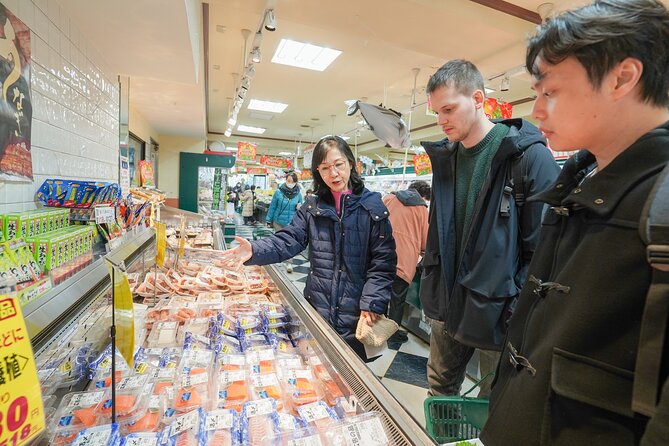
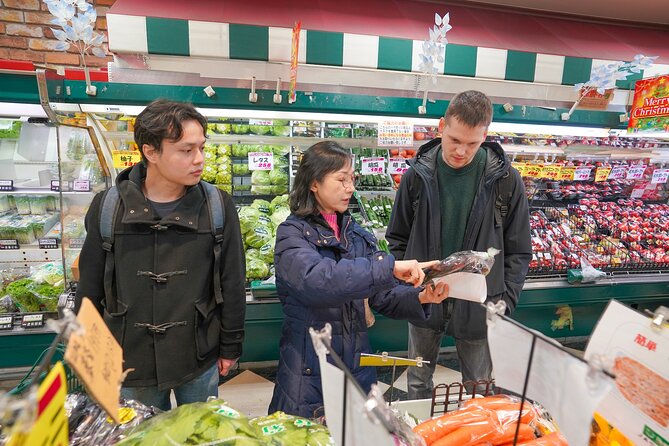
The best part of this class is how it begins. Instead of starting in a kitchen, you start in a neighborhood supermarket with your guide. That changes everything. You see what ingredients look like in a real Japanese store, and you learn how to choose them with a pro looking over your shoulder.
I like this approach because it makes the cooking feel practical, not theoretical. Even if you’re brand-new to Japanese food, you can connect each ingredient to the dish you’re about to make. The guide also shares tips along the way, so you’re not guessing why one product is used over another.
It’s also a low-pressure way to get comfortable with Japanese shopping. You’re not doing a solo scavenger hunt; you have a plan and a person who can explain what matters. If you’ve ever been intimidated by Japanese markets back home, this is the easiest bridge to close that gap.
Readers also shortlisted these Tokyo bookings:
- Tokyo Tsukiji Fish Market Food and Culture Walking Tour
★ 5.0 · 3,184 reviews - Tokyo: Tsukiji Fish Market Food and Walking tour
★ 5.0 · 1,724 reviews - Tokyo: Tsukiji Fish Market Guided Walking Tour
★ 4.9 · 1,397 reviews - Tsukiji Fish Market Guided Tour and Sushi Making with Pro Chef
★ 5.0 · 775 reviews
Getting there and timing your day around the 10:00 start
This experience runs about 4 hours and starts at 10:00 am. You meet at FamilyMart 2-chōme-1-10 Shitaya, Taito City, Tokyo 110-0004, Japan, and the session ends back at the meeting point after you’ve cooked and eaten.
That start time matters. They emphasize starting on time, and being late (without contacting them) can mean you miss the group. So I’d treat this like a “you need to be there early” activity, not a “show up when you feel like it” one.
The good news: the meeting area is near public transportation, so it’s not a maze to reach. You’ll also be moving between spots—first to the supermarket, then to a dedicated cooking studio—so plan for a little walking.
And since Japan’s weather can swing hard, bring gear for heat or cold. The class notes summer highs up to 40°C (110°F) and winter lows down to -5°C (20°F). Dress like you expect to be outside for part of the morning.
The cooking “class” part is really practice: knife skills first
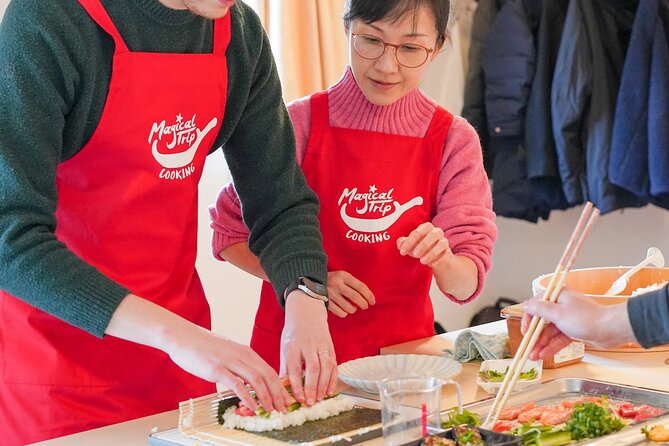
You’re not stuck watching from the sidelines. The session includes hands-on practice with traditional Japanese knife and cooking techniques. That’s the difference between a fun meal and a skill-building experience.
Knife work is where many home cooks get stuck, because it’s hard to learn from a cookbook. In this class, you can ask questions while you’re cutting, and your guide can adjust what you’re doing in real time. That makes it more likely you’ll actually repeat the method later.
Also, knife practice fits the washoku style of cooking: it’s about control and consistency. When you cut properly, the cooking becomes easier to manage. Even if you don’t become a knife expert, you’ll come away with a better sense of how Japanese cooks think about portioning and technique.
If you’re cooking with a group, the studio setup helps. Multiple instructors have been praised for clear directions and supportive energy, including teachers like Minnie and Mihori, who are noted for explaining steps in detail and keeping things friendly while you work.
The menu you’ll make: makisushi, miso soup, dashimaki tamago, and nasu dengaku
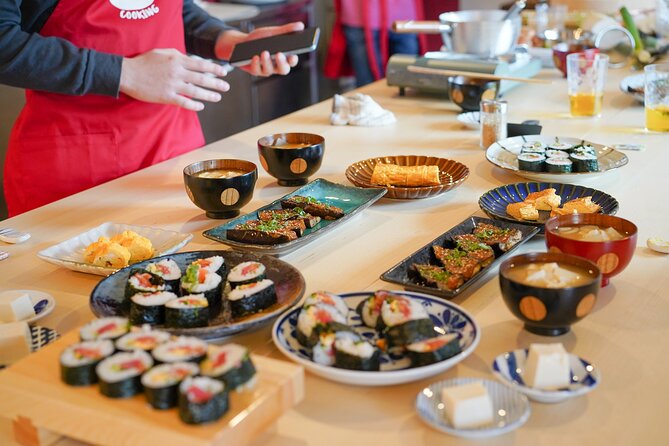
This class is designed around a handful of traditional dishes, made from scratch. You’ll prepare items including makisushi (rolled sushi), miso soup, dashimaki tamago (rolled omelet), and nasu dengaku (grilled eggplant skewers).
Here’s why this lineup is a smart choice for learning washoku:
- Makisushi teaches you how rolling and seasoning come together.
- Miso soup shows how Japanese flavor building feels when you’re not using Western-style broths.
- Dashimaki tamago is a technique dish, not just an ingredient dish. Rolled omelet takes timing and method.
- Nasu dengaku brings grilling and a different texture, so your meal isn’t all the same.
You’ll also get recipes to take home. That matters because the best classes give you an external memory aid. If you leave Tokyo and forget one small step, those written instructions help you reset without starting over from scratch.
Egg considerations are built into the experience. If you can’t eat eggs, your selection reduces from four types to three. So even though the class includes egg-based items (like dashimaki tamago), they’ll adapt the dish list if egg is off the table for you.
Cooking in a studio: small-group energy and lots of chances to ask
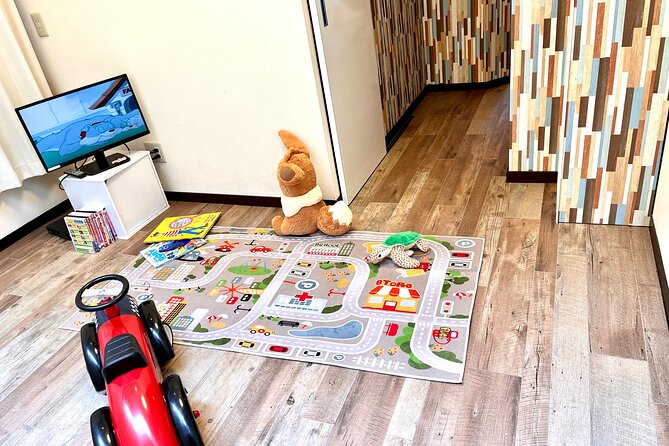
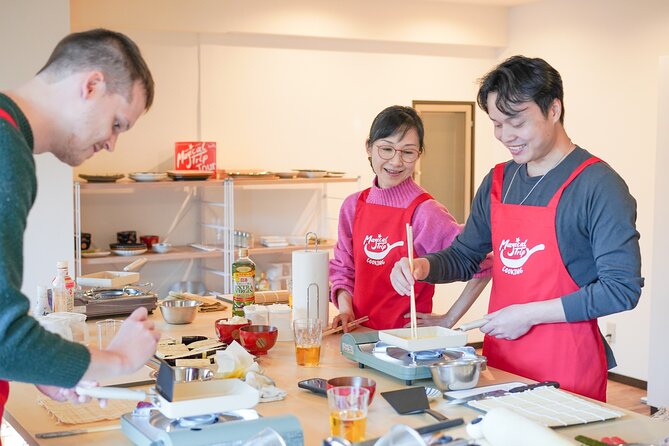
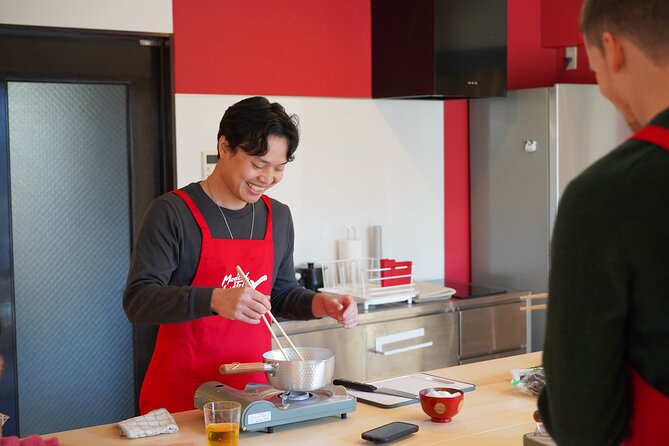
After shopping, you move to a cooking studio to cook and eat together. The studio experience is part of the appeal: many guides have been described as making the space feel organized, with setups that work well for a hands-on class.
The group size is capped at 7 travelers. That number sounds small because it is. It means you’re not competing for attention, and you can ask questions during the class without feeling rushed. It also helps if you’re traveling solo or with kids, because the pace can adjust to real learning instead of a stopwatch show.
If you’re trying to understand Tokyo beyond food, this also tends to be a great social moment. Several instructors are praised for light conversation and sharing stories while you cook. That makes the lesson feel like a real evening with someone who cooks often, not a staged performance.
Readers also shortlisted these Tokyo bookings:
- Tokyo: Tsukiji Fish Market Food and Culture Walking Tour★ 4.7 · 757 reviews
- Tsukiji Fish Market: Street Food & Culture Walking Tour★ 5.0 · 669 reviews
- Tsukiji Fish Market Small-Group Food Walking Tour★ 5.0 · 621 reviews
- Tokyo: Tsukiji Fish Market Sushi Making Class with Pro Chef★ 4.9 · 506 reviews
- Tokyo Food Tour Taste Fresh Delights at Tsukiji Market★ 5.0 · 429 reviews
Eating together and pairing sake (and sometimes beer)
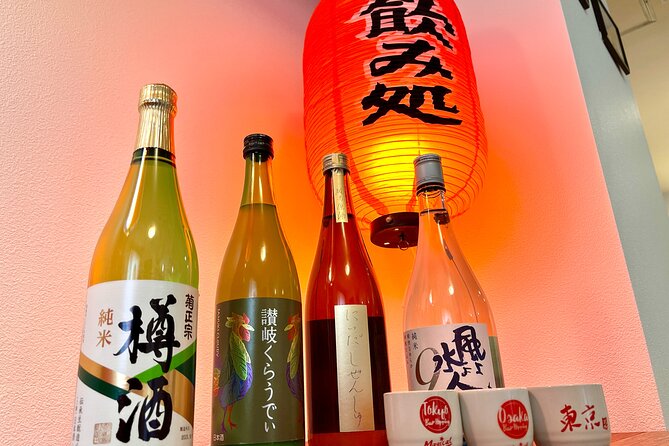
The meal is part of the learning. Once you finish cooking, you sit down to enjoy what you made, then you experiment with different sake or other drink pairings.
In real-world terms, this is a fun way to connect flavors. Food in Japan often comes with cultural context, and pairing drinks gives you another lens for what you liked (or didn’t). If you prefer non-alcoholic options, it’s worth asking in advance, since the experience specifically mentions sake and other drinks rather than a blanket soft-drink plan.
This is also where the experience gets memorable in a way many cooking classes don’t. Some guides have been praised for adding beer and sake tasting into the session, which makes the dinner feel like a celebration of what you learned—not just a meal you finish to get to the next stop.
What you take home: recipes that help you cook the same dishes again
The class includes recipe handouts you can take home and use to improve your cooking at home. I love that part because it turns the day from a one-time activity into a skill you can reuse.
When you cook something new in a foreign country, the hardest step is the second one: making it again later when you don’t have your guide. Recipes help you recreate the method and avoid the most common failure point—where you remember the dish’s name but forget the order of steps.
Also, the teaching style is often described as encouraging. Instructors like Masai are specifically mentioned for being patient, while Alice is noted for cheerful hosting and stories shared during cooking. That kind of tone helps you focus on what you’re doing, which makes the recipes easier to follow later.
Vegan and vegetarian welcome, but plan your communication early
This is one of the clearer positives in the tour details: vegan and vegetarian are welcome, and the team arranges ingredients and the cooking process.
The catch is timing. You need to inform them at least one day before the tour if you have dietary requests or allergies to mention. Requests made on the day of the tour can’t be accommodated.
So if you’re vegetarian, vegan, or managing specific restrictions, message ahead and be very explicit about what you can and can’t eat. This is the kind of class where small ingredient swaps can change technique, so having time helps them do substitutions properly.
If you’re an egg-free diner, they’ll reduce the dish selection from four types to three. That’s straightforward and helpful because it means you won’t show up expecting everything and then find out last-minute.
Allergy-free expectations: what’s guaranteed and what isn’t
If you have a serious allergy, read this part carefully. The class notes they cannot guarantee allergy-free cooking, since the food is prepared in kitchens that do not belong to MagicalTrip. Substitutions also aren’t always possible at every stop, though the team says they’ll make every effort to compensate elsewhere.
That’s not a deal-breaker for everyone, but it is a reality check. If you need absolute separation to be safe, you should treat this as a “ask lots of questions before booking” situation rather than assuming it will be fully controlled.
Also, because the menu includes multiple dishes and cooking stages, cross-contact risk can exist even when substitutes are planned. If you’re in the middle of figuring out what you can eat safely, send a message in advance and ask how they handle your specific restriction.
Who this Tokyo class fits best (and who might skip it)
This class is a strong match if you want a practical introduction to Japanese food. It’s especially good for first-timers who want the full arc: shopping, cooking, eating, and taking recipes home.
It also fits families and groups when everyone is willing to cook and taste. The small-group structure means you can usually ask questions, and the hands-on focus makes it less passive than many tours.
You might skip it if:
- You need an allergy-free environment.
- You can’t handle being on your feet and actively cooking for about four hours.
- You’re worried about time pressure. The schedule starts on time and keeps moving.
If you like structured learning but still want a relaxed vibe, this hits a sweet spot. Instructors like April, Yuri, and Minnie are praised for explanations that are patient and detailed, which makes the day feel approachable even when you’ve never rolled sushi before.
Should you book this Tokyo Washoku cooking class?
I’d book this if your goal is to leave Tokyo with more than photos. The supermarket start is the smartest value driver here: you learn what good ingredients look like and how to think about choosing them. Then you practice techniques you can’t easily copy from a screen—knife work and dish methods—before you eat your own meal.
The pricing feels reasonable for what’s included: a guided shopping trip, hands-on cooking, a sit-down meal with drink pairing (sake and sometimes beer), and recipe handouts you can actually use later. The small group cap (max 7) helps keep the experience from feeling chaotic.
My main reason to hesitate is allergy certainty. The experience is thoughtful about vegan and vegetarian needs, but it does not promise allergy-free preparation. If that’s your situation, do your homework early and ask direct questions.
If you’re flexible, open to cooking, and want a real taste of washoku beyond a restaurant meal, this is one of the more practical ways to spend a half day in Tokyo.
FAQ
How long is the Tokyo Washoku cooking class?
The class is about 4 hours.
Where do I meet, and when does it start?
You meet at FamilyMart 2-chōme-1-10 Shitaya, Taito City, Tokyo 110-0004, Japan. The start time is 10:00 am.
What dishes will I cook?
You’ll make traditional dishes including makisushi (rolled sushi), miso soup, dashimaki tamago (rolled omelet), and nasu dengaku (grilled eggplant skewers).
Can I join if I’m vegan or vegetarian?
Yes. Vegan and vegetarian are welcome, and ingredients and the cooking process are arranged. You need to inform them at least one day before if you have dietary requests or allergies.
What if I can’t eat eggs?
If you cannot eat eggs, your food selection is reduced from four types to three.
Do they guarantee allergy-free cooking?
No. They note they are unable to guarantee allergy-free cooking because food is prepared in kitchens that do not belong to MagicalTrip, and substitutions may not always be possible at certain stops.
More Markets in Tokyo
- Tokyo Tsukiji Fish Market Food and Culture Walking Tour
★ 5.0 · 3,184 reviews - Tokyo: Tsukiji Fish Market Food and Walking tour
★ 5.0 · 1,724 reviews - Tokyo: Tsukiji Fish Market Guided Walking Tour
★ 4.9 · 1,397 reviews - Tsukiji Fish Market Guided Tour and Sushi Making with Pro Chef
★ 5.0 · 775 reviews - Tokyo: Tsukiji Fish Market Food and Culture Walking Tour
★ 4.7 · 757 reviews
More Shopping Tours in Tokyo
- Tokyo Tsukiji Fish Market Food and Culture Walking Tour
★ 5.0 · 3,184 reviews - Tokyo: Tsukiji Fish Market Food and Walking tour
★ 5.0 · 1,724 reviews - Tokyo: Tsukiji Fish Market Guided Walking Tour
★ 4.9 · 1,397 reviews - Tsukiji Fish Market Guided Tour and Sushi Making with Pro Chef
★ 5.0 · 775 reviews - Tokyo: Tsukiji Fish Market Food and Culture Walking Tour
★ 4.7 · 757 reviews
More Tour Reviews in Tokyo
- Mt Fuji and Hakone 1-Day Bus Tour Return by Bullet Train
★ 5.0 · 26,383 reviews - 1-Day Tokyo Bus Tour
★ 5.0 · 14,250 reviews - Tokyo: teamLab Planets TOKYO Digital Art Museum Entry Ticket
★ 4.6 · 9,779 reviews - Mt Fuji & Hakone Cruise, Drum Show Bullet Train 1 Day from Tokyo
★ 4.0 · 7,413 reviews - Tokyo: Shinjuku Food Tour (13 Dishes at 4 Local Eateries)
★ 5.0 · 6,603 reviews
Latest Tokyo reviews off our desk






Cooking Classes, compared.
 ★ 5.0Ramen & Gyoza Cooking Class in Tokyo with Local Supermarket VisitFrom $122823 reviews
 ★ 4.6Easy Ramen Cooking Experience in Kabukicho, ShinjukuFrom $29321 reviews
 ★ 5.0Ramen and Sushi Cooking Class with Sake Pairing Set in TokyoFrom $79291 reviews
 ★ 4.9Wagyu and 7 Japanese Dishes Cooking ClassFrom $67273 reviews
 ★ 5.0Small-Group Wagyu Beef and 7 Japanese Dishes Tokyo Cooking ClassFrom $72190 reviews
 ★ 5.0Private Home Cooking in Yanaka – Local Flavors in a Warm SettingFrom $122173 reviews
 ★ 5.0Tokyo Sushi Making Experience & Japanese Cooking ClassFrom $59150 reviews
 ★ 5.0Unique Private Cooking Class with a Tokyo Local EmiFrom $99131 reviews
Browse the lists this tour appears in