
Reviewed · COOKING CLASSES
Tokyo: Wagyu and 7 Japanese Dishes Cooking Class
Wagyu, tea, and Japanese sweets in one class. In the Wagyu & 7 Japanese Dishes class at Cooking Sun Tokyo, I like the friendly step-by-step teaching from instructors such as Yuki and Aya, and I really enjoy how the meal centers on Wagyu with practical techniques you can repeat later. The one thing to think about first: the studio sits in a residential area, and there’s no hotel pickup, so you’ll want to plan your route and arrive a bit early.
You’ll cook a full-course Japanese menu over about 2.5 hours, from appetizer-style bites to dessert, with guidance throughout. Expect a homey, clean studio setup, a welcome tea, and plenty of hands-on work—ending with a shared sit-down meal of everything you prepared. It’s taught in English, and the class stays small (limited to 8 participants), so you’re not just watching from the sidelines.
Here’s the big idea: this isn’t fancy performance cooking. It’s everyday Japanese cooking skills, explained with the “why” behind key ingredients like dashi and miso, plus knife and prep techniques that make the food taste right—even after you’re back home.
In This Review
- Key Things I’d Highlight Before You Go
- A Full Japanese Meal in a Real Tokyo Kitchen (Not a Demo Show)
- What You’ll Cook: Wagyu Suikiyaki Plus a 7-Dish Course Flow
- Why Wagyu Fits the Course (and Not Just the Price Tag)
- The Teaching Style: Step-by-Step, Small-Group Focus
- What’s Included (And What You’ll Need to Bring)
- Price and Value: How $67 Makes Sense for This Menu
- Getting There: The Beige Building in a Quiet Neighborhood
- What You Take Home: Recipes, Substitution Tips, and Confidence
- Who This Class Is Perfect For (and Who Might Want Another Option)
- Should You Book the Wagyu and 7 Japanese Dishes Cooking Class?
- FAQ
- How long is the cooking class?
- How much does it cost per person?
- What dishes will I cook in the class?
- What is included in the price?
- What is not included?
- Is the class taught in English?
- How large is the group?
- Can the class accommodate dietary restrictions?
- Where is the meeting point and how do I find the studio?
- Is there free cancellation?
Key Things I’d Highlight Before You Go
- Wagyu as the centerpiece: you’ll cook it as part of a full Japanese meal flow, not as a separate side quest.
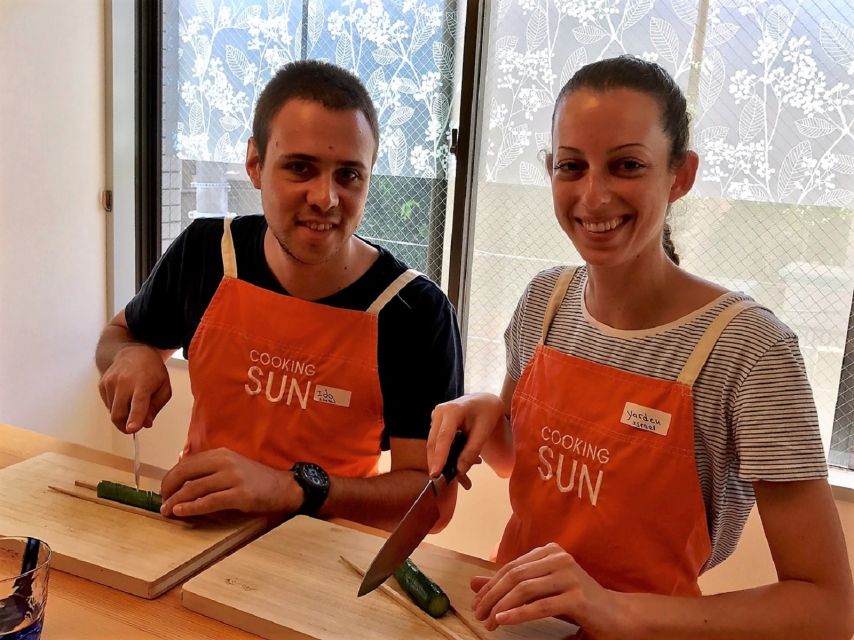
- Real dishes, practical technique: dashi-making, miso soup, and prep details like cucumber cutting.
- Small group teaching (max 8): enough attention for beginners, without slowing down the kitchen rhythm.
- You eat what you cook: the meal is your reward, served after everything’s finished.
- Recipes included: you leave with a usable roadmap for recreating the dishes.
- Residential meeting point: you’ll likely use Google Maps and follow the beige-building, 2nd-floor instructions.
A Full Japanese Meal in a Real Tokyo Kitchen (Not a Demo Show)
This class is built around one simple goal: make a complete Japanese meal yourself, step by step, in a small studio. You start cooking with ingredients and utensils already set up for you, and you work through the menu with an English-speaking instructor who keeps things clear and friendly.
What makes it especially appealing is the balance. It’s hands-on enough that you’ll feel accomplished, but it’s structured enough that you won’t feel lost. Instructors like Yuki, Yuko, and other team members such as Kaori and Bifuka are described as patient and encouraging, and that shows in how lessons unfold—demonstrate, then you try.
Also, you’re not just learning flavors. You’re learning the small decisions that create Japanese cooking’s feel: how you build umami with dashi, how miso fits into soups, and how textures get shaped through cutting and simmering.
Readers also shortlisted these Tokyo bookings:
- Ramen & Gyoza Cooking Class in Tokyo with Local Supermarket Visit
★ 5.0 · 823 reviews - Tokyo: Easy Ramen Cooking Experience in Kabukicho, Shinjuku
★ 4.6 · 321 reviews - Ramen and Sushi Cooking Class with Sake Pairing Set in Tokyo
★ 5.0 · 291 reviews - Tokyo: Wagyu and 7 Japanese Dishes Cooking Class
★ 4.9 · 273 reviews
What You’ll Cook: Wagyu Suikiyaki Plus a 7-Dish Course Flow
The class is centered on Wagyu beef and a full-course experience made from seasonal ingredients and traditional techniques. The menu totals 8 items across the course, and the core 7 dishes you typically work on follow a full meal structure—from savory starters and soups to meat dishes and dessert.
Based on menus people mention, you may cook things like:
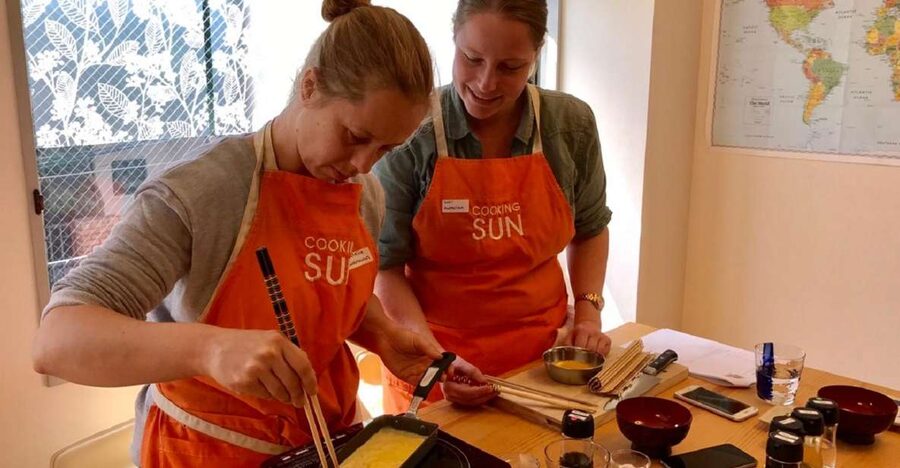
- Egg omelette (rolled style): practice the texture and doneness by rolling and controlling heat.
- Dashi from scratch for miso soup: the foundation lesson—dashi changes everything in Japanese soup flavor.
- Accordion-style cucumber salad: a fun prep detail that helps with texture and presentation.
- Sesame potato salad: comforting, nutty, and a great example of Japanese seasoning style.
- Tofu stuffed with ground chicken (with ginger and edamame): savory-sweet balance and a satisfying, sturdy main component.
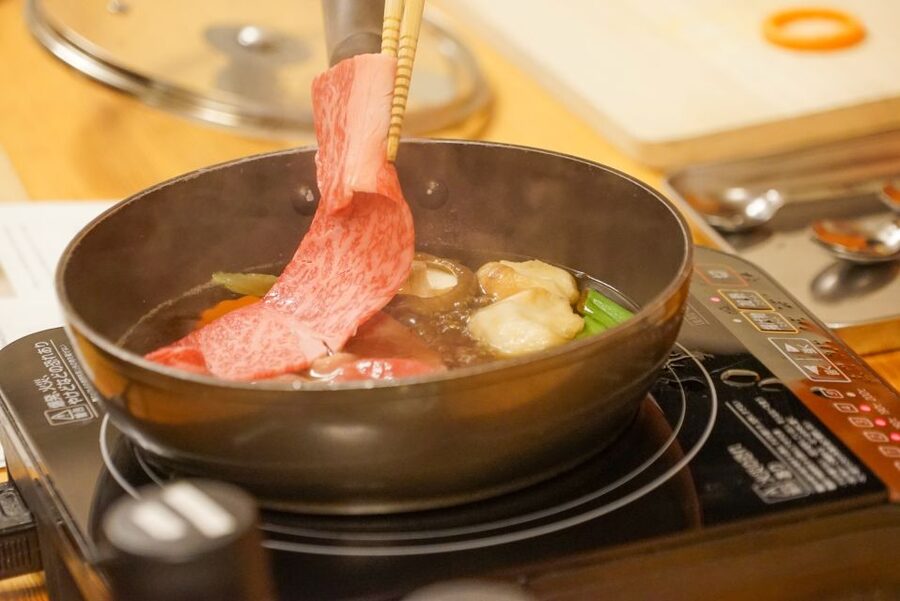
- Sukiyaki hotpot with Wagyu: the star—tender beef paired with the comforting hotpot rhythm.
- Dorayaki pancakes: dessert that teaches Japanese pancake style through simple ingredients and technique.
A good sign here: several people point out the dishes are both delicious and doable at home. That matters, because some classes teach complicated tricks you’ll never use again. Here, you learn methods you can repeat—especially the foundational parts like dashi and miso soup.
Why Wagyu Fits the Course (and Not Just the Price Tag)
You might wonder if Wagyu is just a marketing highlight. In this class, Wagyu is woven into a full meal experience—especially through sukiyaki, where the beef’s tenderness really shows. You also get to taste how the flavor changes with sauce and heat, which is a better learning outcome than simply sampling a piece of steak.
And at the end of cooking, you don’t get a token bite—you sit down and eat the whole meal you made.
The Teaching Style: Step-by-Step, Small-Group Focus
This class runs with a limited group size (up to 8 participants), and that changes how the cooking feels. You’re not stuck competing for attention at the counter, and you can ask questions mid-prep without breaking the flow.
Most lessons follow a rhythm:
- Instructor demonstrates the key move (for example, dashi basics or rolling the egg omelette).
- You do it with guidance.
- You adjust as you cook, using quick feedback.
In many people’s comments, the instructors are praised for explaining cultural context along with technique. Names that come up include Yuki, Yuko, Kaori, Bifuka, and Aya. Whether you care about the history or just want the practical outcome, the teaching tends to connect ingredients to the roles they play—so your final plate tastes like the real target, not like guesswork.
You’ll also get sensible “how to” tips—like ingredient choices and substitutions if you’re cooking outside Japan later. For many, that’s the difference between enjoying a meal and actually learning a skill.
What’s Included (And What You’ll Need to Bring)
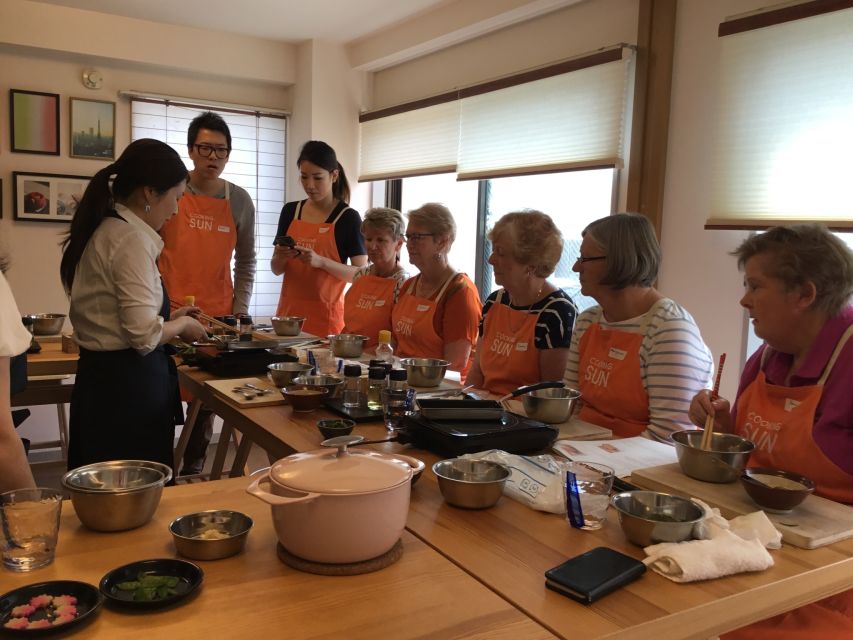
The price covers the parts that usually make cooking classes painless: ingredients, utensils, and the teaching itself. You also get:
- Recipes to take home
- All ingredients and utensils
- Towel and apron rental
- Welcome tea
What isn’t included is also clear:
- Hotel pickup and transportation
So plan your own way to the studio. If you’re doing this as part of a day of sightseeing in Shinjuku, give yourself extra time to get there calmly. The class starts in a residential part of the city, and the entry details matter.
Readers also shortlisted these Tokyo bookings:
- Sushi Making Tokyo Roll and Authentic Japanese Sushi Class★ 5.0 · 3,971 reviews
- Tokyo: Roll and Authentic Sushi Making Class in Asakusa★ 4.9 · 1,957 reviews
- Tokyo Shinjuku Chopsticks Making Class★ 5.0 · 1,763 reviews
- Tokyo: Sushi Making Class in a Happi Coat near a Famous Spot★ 4.9 · 1,377 reviews
- Chopstick Making Workshop in Ginza★ 4.8 · 1,366 reviews
Price and Value: How $67 Makes Sense for This Menu
At $67 per person for about 3 hours, the value is strongest because you get three things you’d normally pay separately for in Tokyo:
- A full cooked meal you’ll actually eat at the end
- High-cost ingredients like Wagyu, worked into a dish rather than served as a tiny sample
- Recipes and technique instruction you can reuse at home
Also, the small-group limit (8 participants) helps justify the price. With more people, you’d often lose the chance to get feedback while cooking. Here, your time in the kitchen is the point, and the structure is designed to move you from prep to plate.
If you’re trying to compare with restaurants: restaurant meals are great, but they don’t teach you how to recreate dashi, miso soup, or a sukiyaki-style beef rhythm. This class aims to make the food make sense.
Getting There: The Beige Building in a Quiet Neighborhood
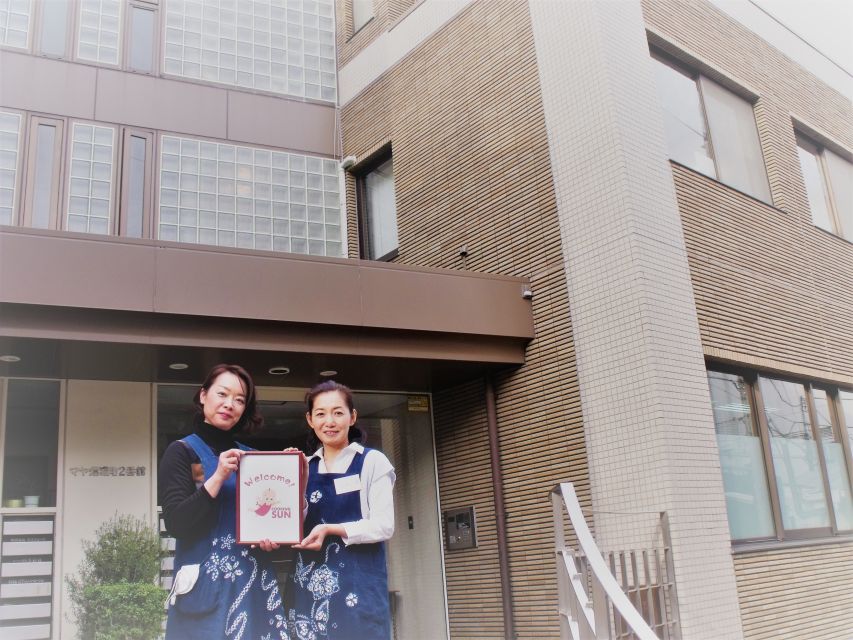
The meeting point can be tricky if you’re not expecting a residential location. Cooking Sun Tokyo is on the 2nd floor of a beige residential building. At the entrance, you’ll see two doors—use the right-side door that leads to the studio.
When you arrive, you may need to call using the intercom:
- Press 314 on the intercom.
If you have Wi‑Fi, use Google Maps and search for Cooking Sun Tokyo (Shinanomachi 18-39, Shinjuku-ku, Tokyo). If you don’t have Wi‑Fi, download the route ahead of time and check the detailed directions on their site.
One more practical note: if you’re using a privately arranged vehicle, the studio is in a quiet neighborhood. Avoid stopping or waiting directly in front of the building; use a nearby coin-operated parking lot if a driver needs to wait.
What You Take Home: Recipes, Substitution Tips, and Confidence
You leave with recipes, which is a big deal if you’ve ever taken a cooking class and then realized you can’t remember proportions or the exact sequence. Here, you get guidance that can be turned into real cooking at home.
People also highlight that the instructions are detailed enough to repeat the dishes—egg omelette rolling, dashi-making, and hotpot-style cooking are the kind of skills that transfer. And you’ll get cultural context for key items. For example, one person specifically mentions understanding the difference between red and white miso, which is the kind of knowledge that makes Japanese meals easier to customize later.
If you have dietary requirements, the class can usually substitute ingredients—for allergies, gluten-free needs, religious restrictions, and vegetarian preferences. Tell them when you book so they can adjust appropriately.
Who This Class Is Perfect For (and Who Might Want Another Option)
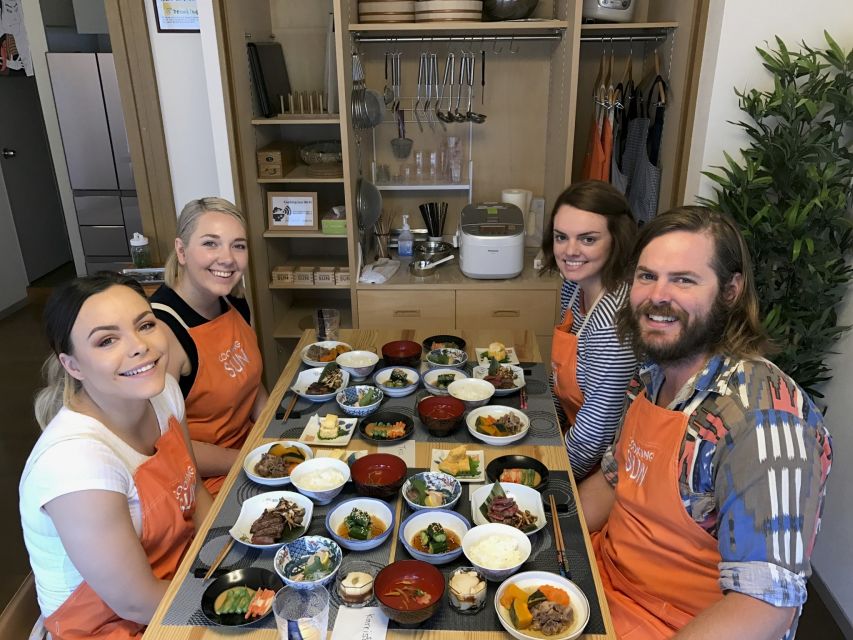
This cooking class is a strong fit if you:
- Want hands-on Japanese cooking skills, not just eating
- Like the idea of learning foundational ingredients like dashi and miso
- Want a complete meal experience in a short, focused time block
- Prefer small group instruction in English
- Are going to cook at home again and want recipes that help
It may not feel like the best choice if you want a totally passive activity. This is a working kitchen class: you’re chopping, mixing, rolling, and cooking.
It’s also a good one for solo travelers. People mention it works well even when you’re not traveling with a group, thanks to the friendly studio vibe and small size.
Should You Book the Wagyu and 7 Japanese Dishes Cooking Class?
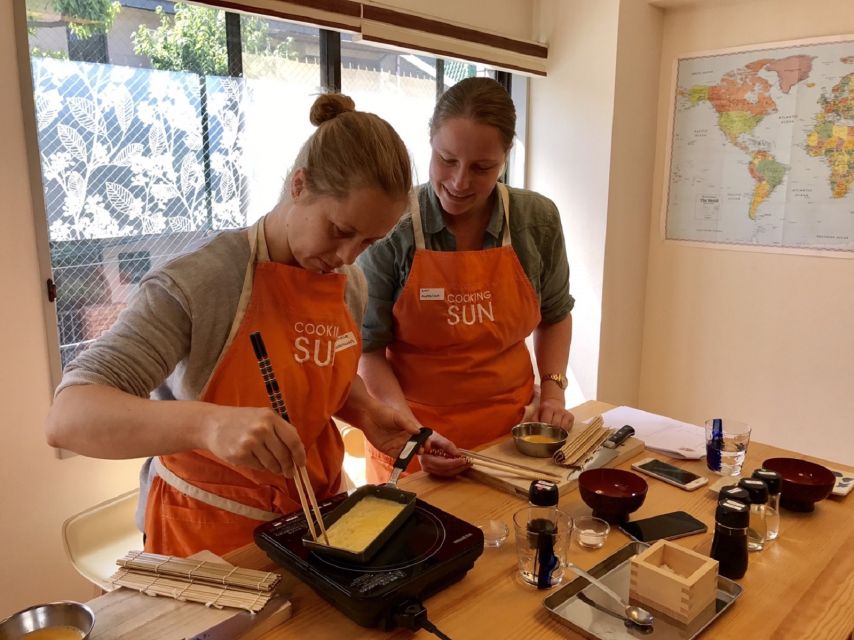
If you want value, skills, and a satisfying meal, I’d book it. The price works because you get a full-course Japanese lunch plus Wagyu, and you walk away with recipes and technique you can use.
I’d especially book it early in your Tokyo trip. Learning basics like dashi and miso makes later restaurant meals easier to understand—and more fun to order. If you’re the type who likes coming home with real kitchen wins, this class delivers.
If the residential meeting point feels stressful, handle it by planning ahead: route-check on Google Maps, arrive a little early, and follow the beige-building, 2nd-floor instructions. No pickup means your timing matters.
FAQ
How long is the cooking class?
The class lasts about 3 hours.
How much does it cost per person?
The price is $67 per person.
What dishes will I cook in the class?
The experience is described as a full-course Japanese meal with Wagyu beef as the highlight, covering a total of 8 dishes from appetizer to dessert, including a variety of soups, meat dishes, and Japanese sweets.
What is included in the price?
You get recipes, all ingredients and utensils, towel and apron rental, and welcome tea.
What is not included?
Hotel pickup and transportation are not included.
Is the class taught in English?
Yes, the instructor teaches in English.
How large is the group?
The group is small, limited to 8 participants.
Can the class accommodate dietary restrictions?
Yes. The organizers can substitute ingredients for allergies, gluten-free diets, religious dietary restrictions, vegetarian preferences, and more. You should inform them when booking.
Where is the meeting point and how do I find the studio?
The studio is on the 2nd floor of a beige residential building. Use the right-side door at the entrance, and press 314 on the intercom. If you have Wi‑Fi, use Google Maps and search Cooking Sun Tokyo (Shinanomachi 18-39, Shinjuku-ku, Tokyo).
Is there free cancellation?
Yes. You can cancel up to 24 hours in advance for a full refund.
More Workshops in Tokyo
- Sushi Making Tokyo Roll and Authentic Japanese Sushi Class
★ 5.0 · 3,971 reviews - Tokyo: Roll and Authentic Sushi Making Class in Asakusa
★ 4.9 · 1,957 reviews - Tokyo Shinjuku Chopsticks Making Class
★ 5.0 · 1,763 reviews - Tokyo: Sushi Making Class in a Happi Coat near a Famous Spot
★ 4.9 · 1,377 reviews - Chopstick Making Workshop in Ginza
★ 4.8 · 1,366 reviews
More Cooking Classes in Tokyo
- Ramen & Gyoza Cooking Class in Tokyo with Local Supermarket Visit
★ 5.0 · 823 reviews - Tokyo: Easy Ramen Cooking Experience in Kabukicho, Shinjuku
★ 4.6 · 321 reviews - Ramen and Sushi Cooking Class with Sake Pairing Set in Tokyo
★ 5.0 · 291 reviews - Tokyo Washoku 4-hour Cooking Class: From Market to Table
★ 5.0 · 253 reviews - Small-Group Wagyu Beef and 7 Japanese Dishes Tokyo Cooking Class
★ 5.0 · 190 reviews
More Tour Reviews in Tokyo
- Mt Fuji and Hakone 1-Day Bus Tour Return by Bullet Train
★ 5.0 · 26,383 reviews - 1-Day Tokyo Bus Tour
★ 5.0 · 14,250 reviews - Tokyo: teamLab Planets TOKYO Digital Art Museum Entry Ticket
★ 4.6 · 9,779 reviews - Mt Fuji & Hakone Cruise, Drum Show Bullet Train 1 Day from Tokyo
★ 4.0 · 7,413 reviews - Tokyo: Shinjuku Food Tour (13 Dishes at 4 Local Eateries)
★ 5.0 · 6,603 reviews
Latest Tokyo reviews off our desk






Cooking Classes, compared.
 ★ 5.0Ramen & Gyoza Cooking Class in Tokyo with Local Supermarket VisitFrom $122823 reviews
 ★ 4.6Easy Ramen Cooking Experience in Kabukicho, ShinjukuFrom $29321 reviews
 ★ 5.0Ramen and Sushi Cooking Class with Sake Pairing Set in TokyoFrom $79291 reviews
 ★ 5.0Tokyo Washoku 4-hour Cooking Class: From Market to TableFrom $79253 reviews
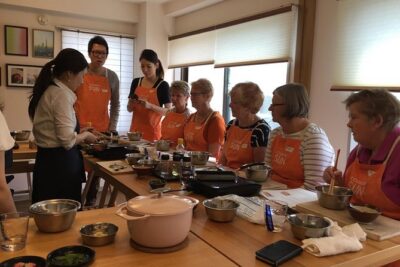 ★ 5.0Small-Group Wagyu Beef and 7 Japanese Dishes Tokyo Cooking ClassFrom $72190 reviews
 ★ 5.0Private Home Cooking in Yanaka – Local Flavors in a Warm SettingFrom $122173 reviews
 ★ 5.0Tokyo Sushi Making Experience & Japanese Cooking ClassFrom $59150 reviews
 ★ 5.0Unique Private Cooking Class with a Tokyo Local EmiFrom $99131 reviews
Browse the lists this tour appears in