
Reviewed · CYCLING TOURS
Tokyo: 3-Hour Bike or E-Bike Tour of City’s Hidden Gems
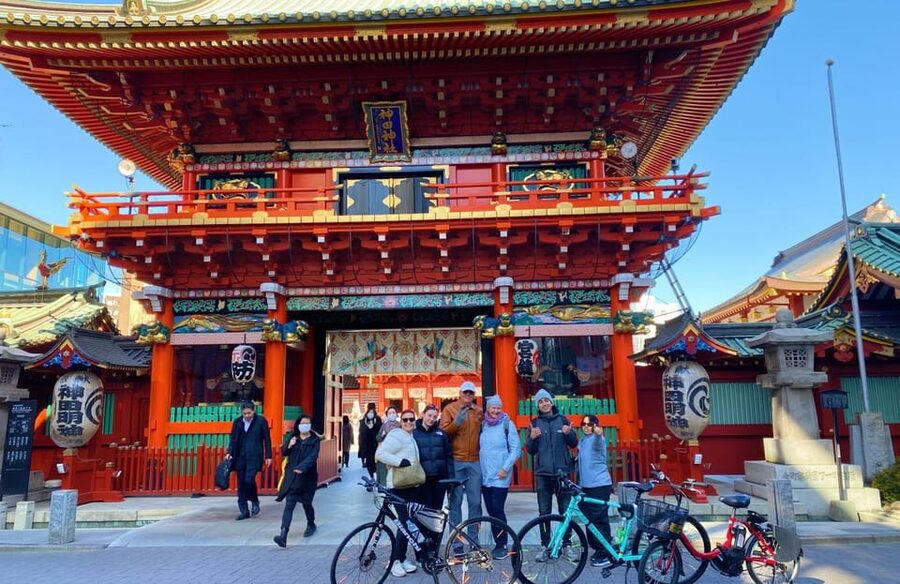
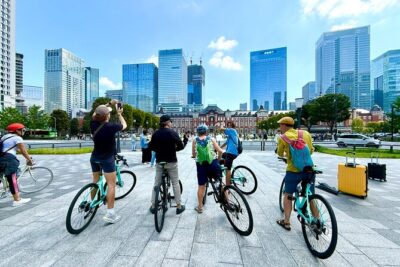
Pedal Tokyo with your own pace. This 3-hour ride is a smart way to see central Tokyo fast, with Bianchi and Fuji bikes and English-speaking local guides who explain what you’re looking at. You start near the Statue of Commodore Perry, roll past major landmarks, and end in Shibuya.
My favorite part is how the route mixes classic temple-and-palace Tokyo with street-level neighborhoods, so you’re not only looking at the same kind of scenery all afternoon. One possible drawback: you’ll hit many places with short photo stops, so if you fall in love with a site, you’ll still want to come back later on foot.
In This Review
- Key Highlights to Expect on This 3-Hour Ride
- Why a 3-Hour Bike Plan Works So Well in Tokyo
- Meeting Near Daimon and Getting Comfortable Fast
- Helmets and the one thing to budget for
- Zojo-ji Temple: Starting With Classic Tokyo Atmosphere
- Imperial Palace Area and the Ote-mon Gate: Quick Views With Big Meaning
- Akasaka Palace (State Guest House): Ceremonial Tokyo From a Practical Distance
- New National Stadium: A Modern Marker You Don’t Have to Ignore
- The Tucked-Away Stop: Where the Pace Changes
- Minamiaoyama (3-Chome) to Cat Street: Style, Streets, and Real City Color
- Miyashita Park: A Short Brake With a Big Payoff
- Shibuya Crossing to the Bell of Peace: The Famous Finale
- Bike Quality, Group Size, and the Ride Feel
- Price and Value: What $60 Really Gets You
- Who This Tour Suits Best (and Who Should Skip It)
- Practical Tips Before You Go
- Should You Book This Tokyo Bike Tour?
- FAQ
- Where is the meeting point?
- Do I need to bring a helmet?
- Can I choose an e-bike?
- How long is the tour, and what’s the typical pace like?
- Is this tour for kids?
- What should I bring?
- Is bike insurance included?
Key Highlights to Expect on This 3-Hour Ride
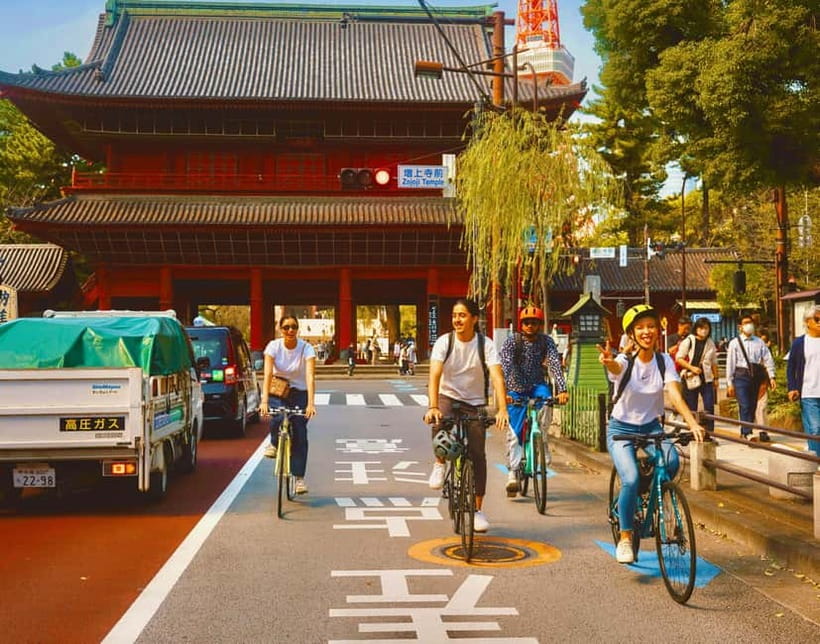
- Bianchi/Fuji bikes plus e-bike option mean you can match the ride to your stamina
- English-speaking guides help you connect the dots between landmarks and daily life
- A tight route that covers temples, palace gates, stadium views, and Shibuya in just 3 hours
- Multiple quick photo stops keep momentum up, even if you’re not a hardcore cyclist
- Phone/wallet/key mini pouch stays with you on the bike
- Bike insurance included adds a layer of comfort for a city ride
Why a 3-Hour Bike Plan Works So Well in Tokyo
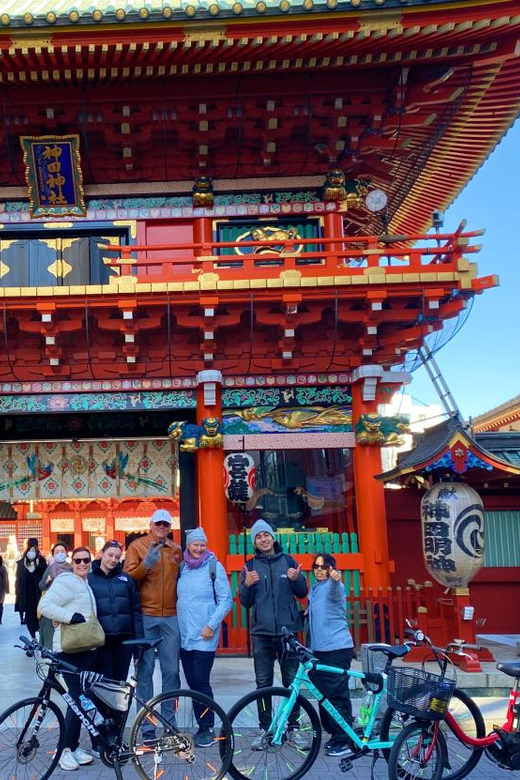
Tokyo is big, but your time rarely is. This kind of short bike tour is built for that reality: you get enough distance to feel like you’re moving through the city, but the schedule stays tight enough that you don’t burn an entire day commuting and backtracking.
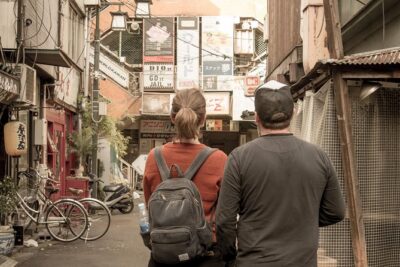
You also get a view of Tokyo that’s hard to replicate by train. On a bike, you can notice the sidewalk life, the small storefronts, and the way neighborhoods change block by block. It’s not just faster sightseeing—it’s more context for what you’re actually seeing.
And because the tour is designed for different skill levels, you’re not stuck thinking you must be a fitness athlete to enjoy it. If you can ride a bike comfortably, you’re in the right place.
Readers also shortlisted these Tokyo bookings:
- Tokyo Guided Small-Group Biking Tour
★ 5.0 · 1,250 reviews - Tokyo Great Cycling Tour
★ 5.0 · 811 reviews - Tokyo Top Highlights 3h Guided E-bike Tour
★ 5.0 · 714 reviews - 3h Tokyo E-Bike Tour: Hidden Gems, and Local Life with guide
★ 5.0 · 670 reviews
Meeting Near Daimon and Getting Comfortable Fast
You meet at the Statue of Commodore Perry, with the guide waiting around that landmark. The meeting area is only about a 3-minute walk from Daimon Station (A6 exit). That’s helpful, because Tokyo stations can be maze-like. If you’re prone to second-guessing street directions, give yourself an extra few minutes so you can find the statue without stress.
Before you roll out, expect a quick setup and guidance from the team. You’ll get access to a high-quality cross bike (Bianchi) or a road bike (Bianchi and Fuji), depending on what you choose. The bikes matter more than you might think in a city like Tokyo—good gearing, stable handling, and solid braking make traffic feel less tense.
You’ll also carry a small mini pouch on the bike for essentials like your phone, wallet, or keys. That’s one of those tiny details that suddenly feels essential once you’re cycling and don’t want to awkwardly manage bags.
Helmets and the one thing to budget for
Helmets aren’t included. You can get one on-site for ¥1,000 per unit (cash). If you hate last-minute costs, this is the one thing to plan for ahead of time.
Zojo-ji Temple: Starting With Classic Tokyo Atmosphere
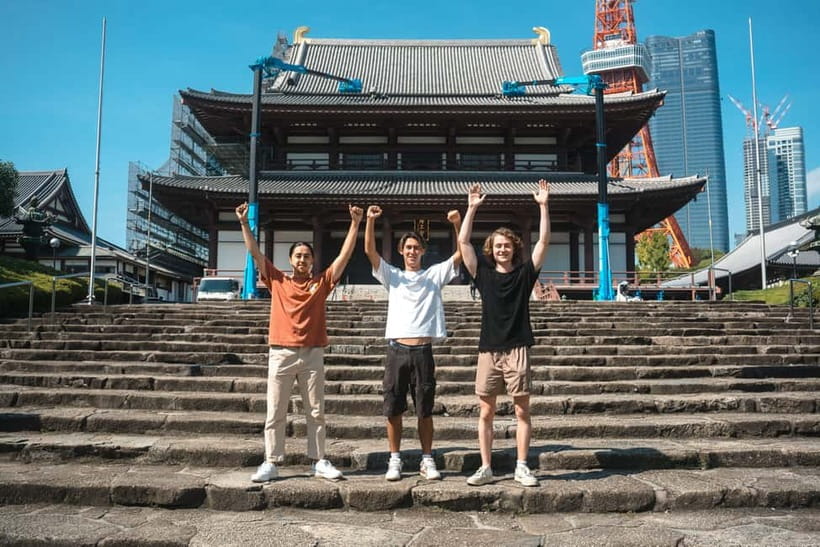
The first real stop is Zojo-ji Temple. You’ll have about a 15-minute window with a photo stop plus a guided look.
Why this matters: you’re starting the tour with a place that signals Tokyo’s older layers. Even if you’ve visited temples before, Zojo-ji is an excellent “set the scene” moment. A short guide-led orientation helps you notice features you might otherwise gloss over when you’re just snapping photos.
A practical note: with a bike tour, you’re not meant to linger like you would on a walking day. If temples are your top priority, use this stop to get your bearings and then decide later how much deeper you want to go.
Imperial Palace Area and the Ote-mon Gate: Quick Views With Big Meaning
Next you’ll move to Tokyo Imperial Palace for a 10-minute photo stop and guided context. After that, you’ll visit Ōte-mon Gate for about 5 minutes with guided touring.
This segment is short on purpose. In a city tour, this is how you cover the headline sites without sacrificing the neighborhoods you’d miss if you stayed only around major tourist areas.
What I like about this approach is that the guide keeps you from treating these gates and palace views like wallpaper. You learn what they represent and where to look, so even a quick stop feels purposeful. You’re not just checking boxes—you’re understanding what you’re seeing from the street.
Readers also shortlisted these Tokyo bookings:
- Tokyo: Private City Highlights Tour with Local Guide★ 4.8 · 1,433 reviews
- Tokyo: Asakusa, Skytree & Akhihabara Go-Kart City Experience★ 4.7 · 761 reviews
- Tokyo: 3-Hour Bike or E-Bike City Highlights Tour★ 4.8 · 435 reviews
- Tokyo: Sumo Morning Practice Tour at Sumida City★ 4.8 · 308 reviews
- Private Haneda Airport (HND) to Central Tokyo City Transfer★ 4.5 · 260 reviews
Akasaka Palace (State Guest House): Ceremonial Tokyo From a Practical Distance
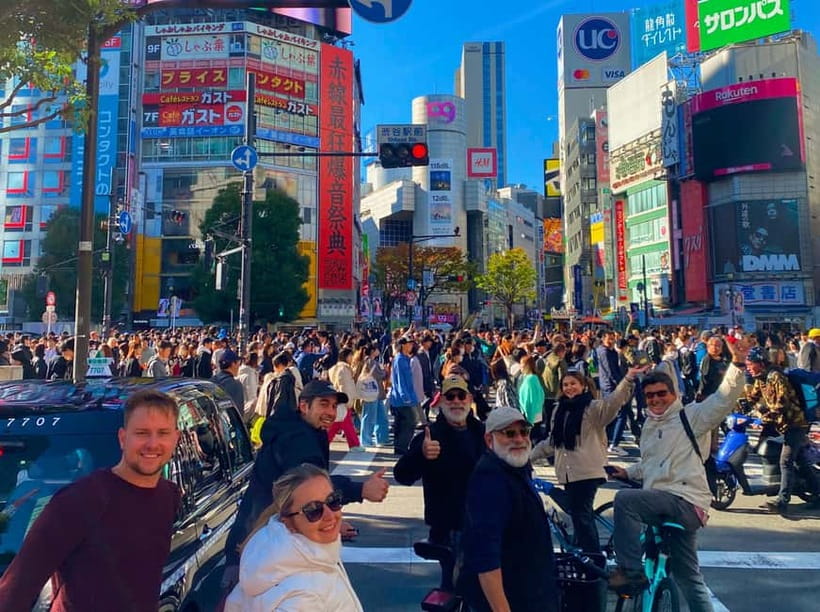
You’ll also stop at State Guest House Akasaka Palace for a 10-minute photo stop.
A palace stop by bike has a different energy than doing it by foot. You’re close enough to get the scale, but you’re moving through the area like you live there—observing surroundings as part of the experience, not as obstacles. Just remember: time here is limited, so keep your expectations aligned with a fast, guided photo-and-look stop rather than an extended visit.
New National Stadium: A Modern Marker You Don’t Have to Ignore
Then comes New National Stadium for around 10 minutes of photo stop viewing and guidance.
This is where the tour naturally balances old and new. You’re not spending all afternoon on only temples and shrines. You also get a sense of how Tokyo’s modern identity sits next to its ceremonial spaces.
If you’re a sports fan or you simply like noticing how Tokyo stages major events, this is a nice breath of fresh scenery—especially after more traditional surroundings.
The Tucked-Away Stop: Where the Pace Changes
Between the major landmarks, there’s a stop described simply as a hidden or tucked-away visit for about 15 minutes.
That time buffer is valuable. It gives the tour a human pulse rather than feeling like a nonstop parade of monuments. This is also your chance to absorb what you’ve seen so far, catch your breath, and ask questions while you’re not between major points.
I tend to value these small segments because they’re often where guides add the most local color—little distinctions about daily life, neighborhood rhythms, and what you might not notice at standard tourist speeds.
Minamiaoyama (3-Chome) to Cat Street: Style, Streets, and Real City Color
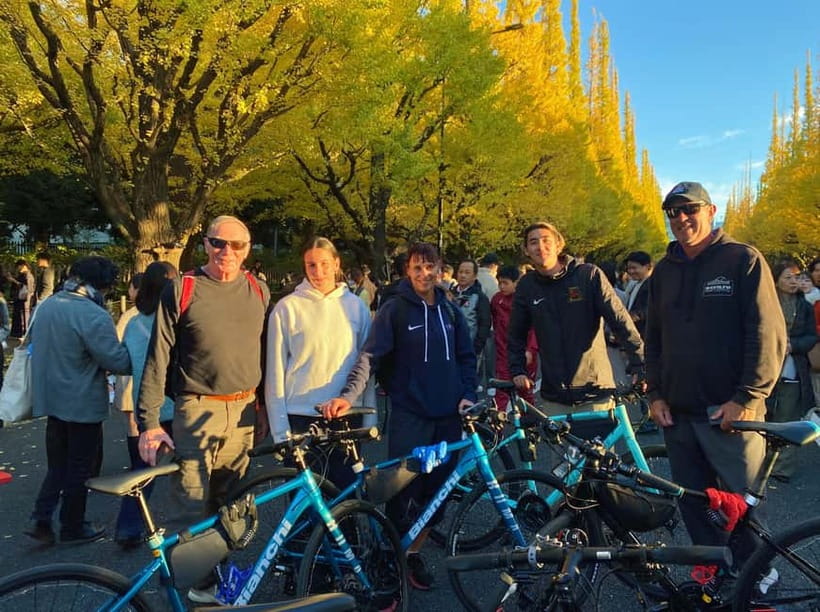
You’ll ride into 3-Chome Minamiaoyama for about 5 minutes, then move to Cat Street for another 5 minutes, followed by Miyashita Park for about 3 minutes.
These stops are brief, but they’re chosen for a reason: Tokyo’s creativity often shows up in the small distances between places. With Cat Street in particular, this is less about monument facts and more about street identity—how design, fashion, and pedestrian life blend.
Even in a short stop, you can do two useful things:
- Watch how people move and pause
- Look for what kind of shops and signage define each block
The timing is quick, so you won’t lose the flow. Just don’t plan to do deep shopping unless you’re already committed to extending the day on your own.
Miyashita Park: A Short Brake With a Big Payoff
Miyashita Park gets only 3 minutes in the tour schedule. Still, it’s a great example of how this tour uses time cleverly.
A park stop on a bike tour is often about atmosphere rather than sightseeing lists. You’re resetting your energy, letting your eyes switch from buildings to open space, and getting a different angle on Tokyo’s public life.
If you want more time, this is one of the easiest places to revisit later. The tour keeps it quick so you can stay on route and finish strong.
Shibuya Crossing to the Bell of Peace: The Famous Finale
You’ll end with Shibuya Crossing for a photo stop and a visit of about 5 minutes, then finish at the Bell of Peace.
This is a classic Tokyo ending because Shibuya is where the city feels most immediate. From the bike, it also hits differently than arriving by train—you feel the flow. You’re not only watching people; you’re also navigating the energy around them.
Shibuya Crossing is fast here by design. The tour gives you the photo moment and the guided context, then moves on so you don’t waste the final minutes stuck near one spot.
Finishing at the Bell of Peace is a thoughtful counterbalance. You get the big-crowd Tokyo moment first, and then a calmer end point that makes the whole afternoon feel less frantic.
Bike Quality, Group Size, and the Ride Feel
The bikes are the foundation of the experience. You’ll have high-quality cross bikes and road bikes, plus an e-bike option if you’re not comfortable riding long distances or you don’t cycle often. That option is a big deal for value because it lets more people actually enjoy the route instead of sitting out or only partially participating.
Also, the tour runs as private or small groups. In a city like Tokyo, smaller groups usually mean less waiting and fewer bottlenecks at photo stops. It also makes it easier to hear your guide and ask questions when you want clarification on something you notice.
From what I’ve seen in real experiences, guides often keep an eye on riders’ comfort and pacing. Some guides have even helped with photos during stops, which is handy if you want a few crisp shots without fumbling your camera while moving.
Price and Value: What $60 Really Gets You
At $60 per person for 3 hours, you’re paying for more than just “transport.” You’re buying three things:
- A guided route that covers major sights and neighborhood flavor
- Bike use with Bianchi/Fuji quality
- Bike insurance and a guide who helps keep the ride safe
For a city where taxis add up quickly and guided walking tours can cost more without a bike advantage, this price can make sense—especially if you’re the type who likes seeing a lot without spending half the day figuring out logistics.
The main additional cost is the helmet if you want one (and that’s optional since helmets are available on-site). Child seats cost extra, and the tour isn’t set up for kids under 12.
If you want a “one-and-done” introduction to central Tokyo, this is one of the more time-efficient choices. If you’re looking for lots of museum time or long guided interiors, you’ll need another plan after this bike ride.
Who This Tour Suits Best (and Who Should Skip It)
This tour is a good fit if you:
- Can ride a bike and feel comfortable in an urban environment
- Want to cover a lot of Tokyo in a short window
- Like guided storytelling more than solo wandering
- Prefer a flexible pace with optional e-bikes
It’s not suitable if you:
- Can’t ride a bike
- Have back problems
- Are pregnant
- Have children under 12
Practical Tips Before You Go
Bring comfortable shoes, water, and comfortable clothes. In summer or when it’s hot, water becomes non-negotiable. Also, don’t show up expecting to manage lots of extra luggage—your best bet is keeping things light enough for easy cycling and quick stops.
You should also plan around the tour rules: no smoking, no alcohol and drugs, and no littering.
If you’re the kind of person who gets anxious about traffic, consider the e-bike option. It’s there specifically to reduce effort and make the ride feel more approachable.
Should You Book This Tokyo Bike Tour?
I’d book it if you want a fast, guided way to experience central Tokyo from Shiba-area classics through Shibuya’s big energy, without losing the chance to see smaller street scenes. The combination of high-quality bikes, English-speaking local guides, and a route that blends old landmarks with modern city life is the sweet spot.
Skip it if you need long temple or palace visits, or if you don’t feel steady on two wheels. Also, if you dislike short photo stops, you’ll likely want to pair this tour with a follow-up walking plan on your favorite two or three spots.
If your goal is: get oriented fast, learn what you’re seeing, and finish with a Shibuya finale—that’s exactly what this tour is built for.
FAQ
Where is the meeting point?
You meet around the Statue of Commodore Perry. It’s about a 3-minute walk from Daimon Station, A6 exit.
Do I need to bring a helmet?
Helmets are available on-site if you pay ¥1,000 per unit in cash. Helmets are not included.
Can I choose an e-bike?
Yes. There’s an e-bike option. Select it if you’re not comfortable riding long distances or if you don’t cycle often.
How long is the tour, and what’s the typical pace like?
The tour lasts 3 hours. The schedule includes both guided touring and short photo stops, so the pace stays moving.
Is this tour for kids?
No. It isn’t suitable for children under 12.
What should I bring?
Bring comfortable shoes, water, and comfortable clothes.
Is bike insurance included?
Yes. Bike insurance is included in the tour price.
More Cycling Tours in Tokyo
- Tokyo Guided Small-Group Biking Tour
★ 5.0 · 1,250 reviews - Tokyo Great Cycling Tour
★ 5.0 · 811 reviews - Tokyo Top Highlights 3h Guided E-bike Tour
★ 5.0 · 714 reviews - 3h Tokyo E-Bike Tour: Hidden Gems, and Local Life with guide
★ 5.0 · 670 reviews - Tokyo: 3-Hour Bike or E-Bike City Highlights Tour
★ 4.8 · 435 reviews
More Tours in Tokyo
- Mt Fuji and Hakone 1-Day Bus Tour Return by Bullet Train
★ 5.0 · 26,383 reviews - 1-Day Tokyo Bus Tour
★ 5.0 · 14,250 reviews - Tokyo: Shinjuku Food Tour (13 Dishes at 4 Local Eateries)
★ 5.0 · 6,603 reviews - Tokyo Mt Fuji 5th St & Hakone Cruise Bus Tour w/Bullet Train
★ 4.4 · 5,024 reviews - Flagship 2-Hours Official Street Go-Kart Tour – Tokyo Bay Shop
★ 5.0 · 4,974 reviews
More Tour Reviews in Tokyo
- Mt Fuji and Hakone 1-Day Bus Tour Return by Bullet Train
★ 5.0 · 26,383 reviews - 1-Day Tokyo Bus Tour
★ 5.0 · 14,250 reviews - Tokyo: teamLab Planets TOKYO Digital Art Museum Entry Ticket
★ 4.6 · 9,779 reviews - Mt Fuji & Hakone Cruise, Drum Show Bullet Train 1 Day from Tokyo
★ 4.0 · 7,413 reviews - Tokyo: Shinjuku Food Tour (13 Dishes at 4 Local Eateries)
★ 5.0 · 6,603 reviews
Latest Tokyo reviews off our desk






Cycling Tours, compared.
 ★ 5.0Tokyo Guided Small-Group Biking TourFrom $1061,250 reviews
 ★ 5.0Tokyo Great Cycling TourFrom $99811 reviews
 ★ 5.0Tokyo Top Highlights 3h Guided E-bike TourFrom $63714 reviews
 ★ 5.03h Tokyo E-Bike Tour: Hidden Gems, and Local Life with guideFrom $63670 reviews
 ★ 4.83-Hour Bike or E-Bike City Highlights TourFrom $45435 reviews
 ★ 4.83-hour Guided E-Bike Tour of the City’s Hidden GemsFrom $65251 reviews
 ★ 5.0Tokyo West-Side Cycling & Food TourFrom $99214 reviews
 ★ 5.03-Hour Bike/E-Bike Tour of the City’s HighlightsFrom $63209 reviews
Browse the lists this tour appears in