
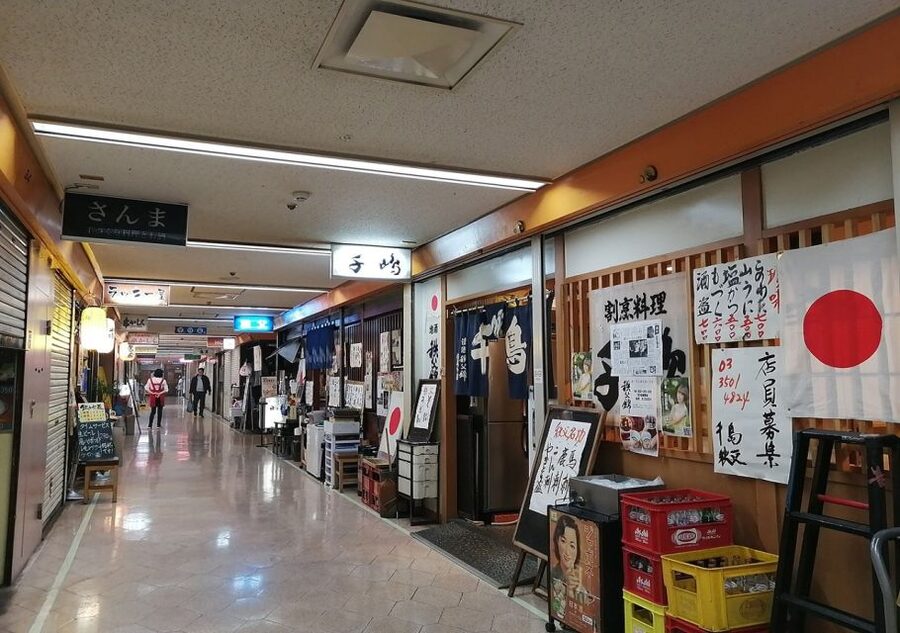
Reviewed · FOOD & DRINK
Tokyo: 3-Hour Food Tour of Shinbashi at Night
Shinbashi turns into a food-and-sake story at night. What makes this 3-hour tour click is the way you move through working-city alleys and eat alongside the people who actually live that after-hours rhythm. I love how the stops are built around real flavors you can recognize fast, from a steaming bowl of ramen to smoky grilled bites and a sweet finish. I also love that the experience includes a guided sake tasting, not just random sipping. One possible drawback: at $170, it’s not a budget deal, so you’ll want to treat it as your main meal plus a drink experience, not a light snack.
You’ll meet at Shinbashi Station near a decommissioned steam engine on the Hibiya exit, then head into the backstreets that most day-trippers never find. Many guides bring extra touchpoints that make the night feel practical, not performative, like Ray using visual aids to show how locals bless the meal and thank the staff before moving on. Guides also sometimes help with special moments, and I’ve seen examples where Francois arranged a birthday surprise and even joined the group for karaoke after.
One more consideration is logistics: your guide can wait only about 5 minutes past the start time, and once the tour begins, they can’t give directions by phone. If you hate walking at night or you’re sensitive to smoke (you can smoke in most areas of Shinbashi), plan accordingly.
In This Review
- Key things that make this Shinbashi night tour work
- Shinbashi After-Work at Night: The vibe you came for
- Finding the tour start fast: the steam engine meeting point
- What you actually eat: ramen first, then the grilled and savory stops
- The ramen stop: comfort with umami power
- The middle stops: local dishes and “pub food logic”
- Wagyu and smoky grilling: why this stop feels special
- The sake tasting: turning drinking into understanding
- Ending sweet: a traditional dessert that makes the walk feel complete
- Guides and group size: why the night feels personal
- Price and value: what $170 buys you in reality
- Logistics to watch: time limits, phones, and smoking
- Who should book this Shinbashi night food tour
- Should you book it? My honest take
- FAQ
- Where is the meeting point for the Shinbashi night tour?
- What is included in the $170 price?
- What is not included?
- How long is the tour and how large is the group?
- What should I bring or wear?
- Is smoking allowed during the tour?
- Can I get a refund if plans change?
Key things that make this Shinbashi night tour work
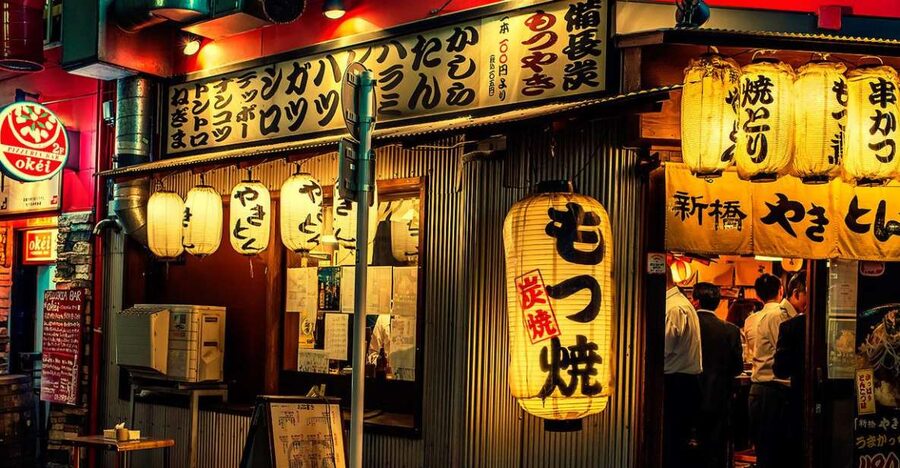
- Backstreet walking through Shinbashi’s after-work zone, not just major streets and tourist stops
- Sake tasting with guided tasting so you can notice the differences, not just the alcohol
- Food stops tied to working Japanese pub culture, with a guide who explains the what and the why
- Small group limits (up to 10), which helps you actually talk, ask, and move smoothly
- Real “how to act at a meal” moments, like meal-blessing and staff-thanking cues taught during the night
- Fun add-ons have shown up in past nights, like karaoke arranged by guides when the group wants it
Shinbashi After-Work at Night: The vibe you came for
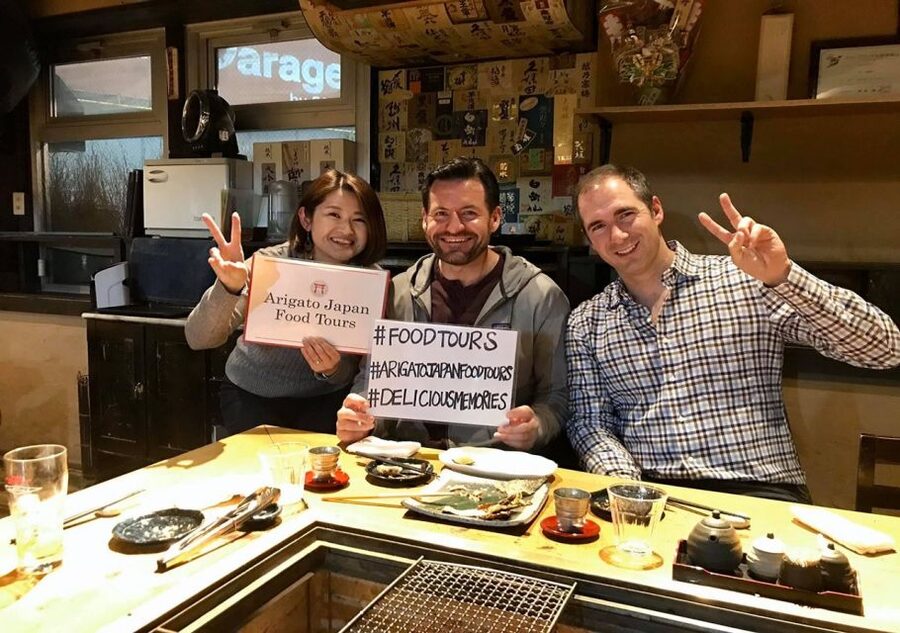
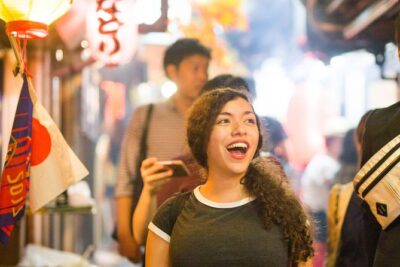
Shinbashi has a reputation in Tokyo for feeling like a neighborhood you step into, not a stage set. At night, it shifts toward the after-office crowd: people in work clothes, quick dinners, short sits at small counters, and the kind of casual conversation that doesn’t need a translation app.
That’s exactly why this tour is timed for evening. The food makes sense in context. A bowl of ramen tastes warmer when you’re walking through back lanes that smell like grilled meat and broth. A tasting of sake lands better when you’re thinking about what a working day feels like and how people unwind afterward.
Also, this isn’t the “stand in a line and take a photo” version of Tokyo. The tour focuses on moving, eating in a handful of places, and learning how the rhythm works. You get the social side too, which matters because Japanese pub culture (izakaya culture) is about more than the menu. It’s about pacing, ordering, and the small etiquette moments that make you feel welcome instead of in the way.
Readers also shortlisted these Tokyo bookings:
- Tokyo: Shinjuku Food Tour (13 Dishes at 4 Local Eateries)
★ 5.0 · 6,603 reviews - Tokyo Tsukiji Fish Market Food and Culture Walking Tour
★ 5.0 · 3,184 reviews - Tokyo: Shinjuku Food Tour (15 Dishes and 4 Eateries)
★ 4.9 · 2,033 reviews - Best of Shinjuku: Izakaya Food Tour (4 Stops, 14+ Tastings)
★ 5.0 · 1,863 reviews
Finding the tour start fast: the steam engine meeting point
Your meeting point is in front of the decommissioned steam engine at the Hibiya exit of Shinbashi Station. It’s a clear landmark, but you still need a simple plan to get there on time.
Here’s what matters in real life:
- Your guide can wait only an additional 5 minutes after the starting time.
- Once the tour begins, your guide can’t give directions via phone, so don’t treat the meeting point like a rendezvous you can sort out later.
Wear comfortable shoes. Even though the tour is only three hours, you’ll be walking between several places, and Shinbashi’s charm is in the side streets. If you arrive late, you might miss the start and lose the flow for the whole group.
One practical heads-up: you are free to smoke in most areas of Shinbashi. That means you might pass near smoke, or wait near doorways where people are stepping out for a cigarette. If smoke bothers you, consider bringing a mask and choosing positions inside where possible during stops.
What you actually eat: ramen first, then the grilled and savory stops
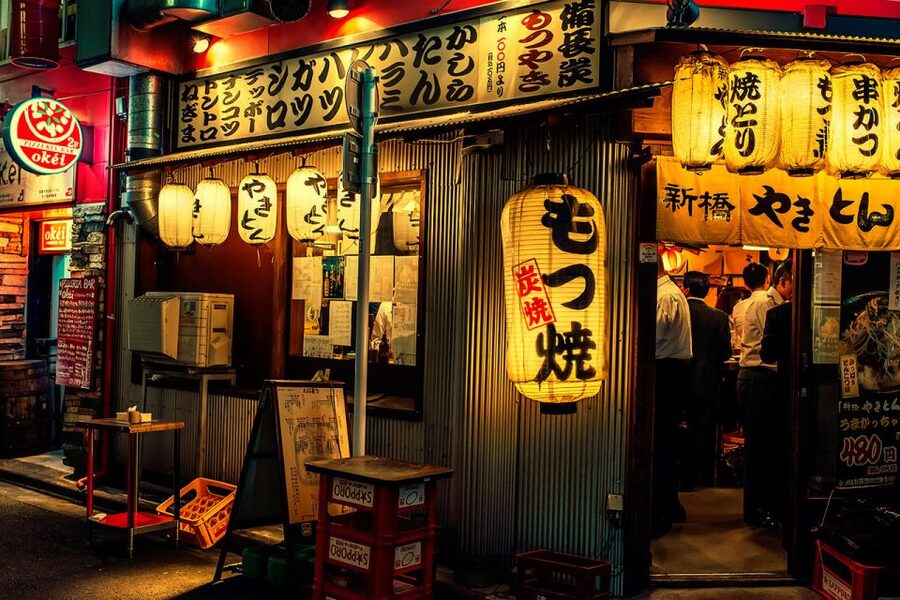
The tour is built around several food stops, so you’re not stuck eating the same thing for three straight hours. You can expect a sequence anchored by a few headline items mentioned in the experience design: ramen, wagyu, and a traditional dessert at the end.
The ramen stop: comfort with umami power
You’ll likely get a steaming bowl early enough to set the tone: hot broth in your hands, a smell that hits before the first sip, and that deep, savory feeling people chase in Japan. Ramen is also a useful “learning food” because it teaches you what to notice: broth intensity, seasoning balance, and how toppings relate to texture.
If you’re nervous about ordering in Japanese, ramen is one of the more straightforward foods on the menu. Most guides make it easy by steering the group through ordering and helping you understand what the dish is built to do.
The middle stops: local dishes and “pub food logic”
Between ramen and wagyu, the tour includes multiple local dishes and bites that fit the izakaya rhythm. Think small plates, comfort foods, and things you wouldn’t always pick if you were only looking at menus on your own.
This is also where the guide’s role matters most. A good guide doesn’t just say what you’re eating; they explain why it’s served this way, what part of the ingredient to pay attention to, and how the dish fits the pub culture. In past nights, guides like Marc have been praised for knowing the best places, and Tommy and Anne have both been noted for adding insights that helped people after the tour too.
A balanced note: because the tour uses multiple spots, you’re eating more like a guided snack-and-supper route than a single formal dinner. If you prefer one big meal with minimal movement, you might find it a bit more “go, eat, walk” than expected.
Readers also shortlisted these Tokyo bookings:
- Tokyo: Tsukiji Fish Market Food and Walking tour★ 5.0 · 1,724 reviews
- Tokyo Night Foodie Tour in Shinjuku – Seasonal Sushi, Wagyu Beef★ 5.0 · 1,161 reviews
- Eat and Drink Like a Local: Tokyo Ueno Food Tour-Taverns&Ramen★ 5.0 · 957 reviews
- Tokyo: Shibuya Food Tour (13 dishes and 4 Eateries)★ 5.0 · 770 reviews
- Tokyo: Tsukiji Fish Market Food and Culture Walking Tour★ 4.7 · 757 reviews
Wagyu and smoky grilling: why this stop feels special
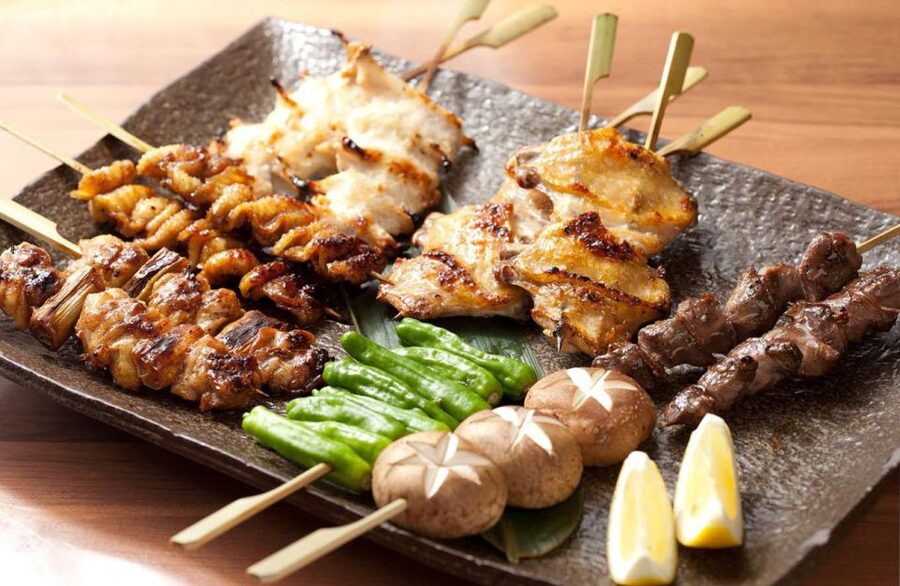
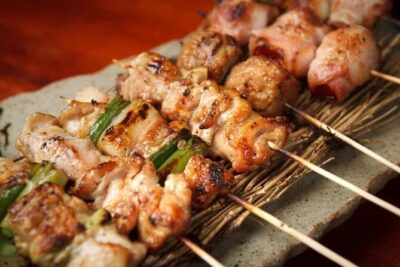
The experience includes wagyu, described as buttery and melt-in-your-mouth with a delicate smoky char. That’s the kind of description you can ignore, or you can use it as a checklist.
When you see grilled wagyu arrive, notice:
- Texture: is it soft and smooth, or firm and chewy?
- Flavor layer: do you taste smokiness first, or salt and fat first?
- Finish: does it linger with savory depth, or fade quickly?
This part of the tour is valuable because wagyu can feel intimidating when you’re ordering alone. On a guided night, you’re eating in a way that removes stress: you don’t have to guess the best option, and you don’t have to navigate etiquette while hungry and jet-lagged.
The sake tasting: turning drinking into understanding
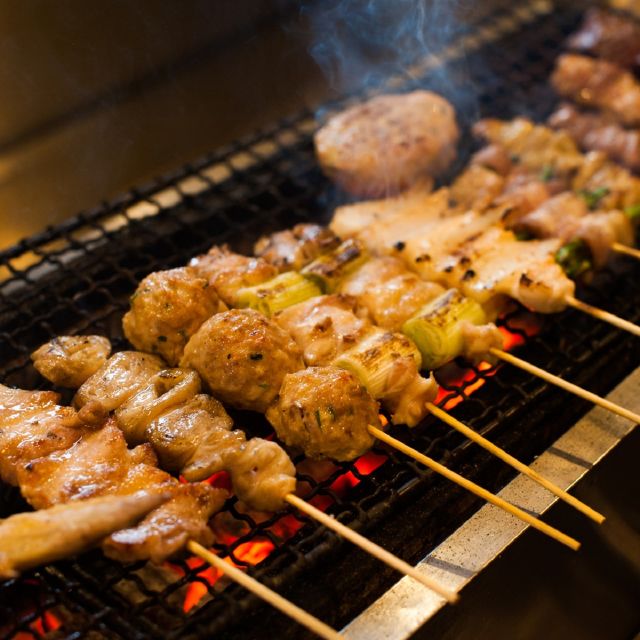
One of the biggest reasons to book this tour is that sake tasting is part of the package, not an optional add-on. And the tasting isn’t treated like a shot-and-go activity. It’s described as an exceptional experience where you sip crisp, aromatic sake and notice how smoothness and complexity shift with each pour.
Here’s how to get value from it:
- Treat it like a guided comparison. Don’t focus only on alcohol strength. Focus on smell and mouthfeel.
- Pay attention to aroma and aftertaste. Even if you’re new to sake, your guide can help you interpret what you’re noticing.
- Use the tasting to learn what fits different foods. The point is pair awareness, not just drinking.
If you don’t drink alcohol at all, this is worth reconsidering because sake tasting is included in the experience design. If you’re a light drinker, you may still enjoy it for the learning and flavor notes, but plan your comfort level ahead of time.
Ending sweet: a traditional dessert that makes the walk feel complete
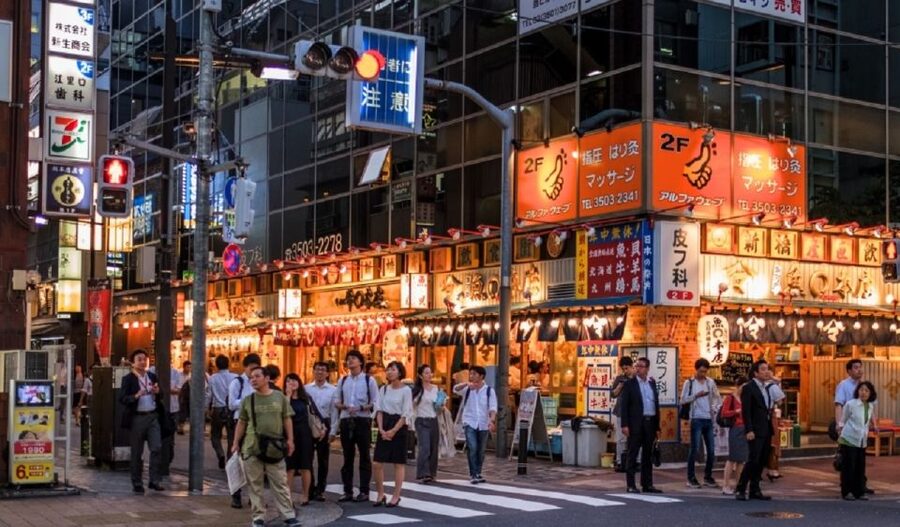
The tour finishes with a sweet note: a traditional dessert to end the night right. That ending matters because it resets your palate after savory ramen, grilled meats, and sake.
Dessert also helps the night feel less like a nonstop food sprint. You’re not just eating because you’re hungry; you’re closing the loop. You’ve learned how the meal rhythm works: start warm and savory, move through pub-style bites, then finish with something familiar and light.
In many food tours, dessert is treated like a throw-in. Here, it’s framed as a meaningful stop, which is why it’s included in the experience flow.
Guides and group size: why the night feels personal
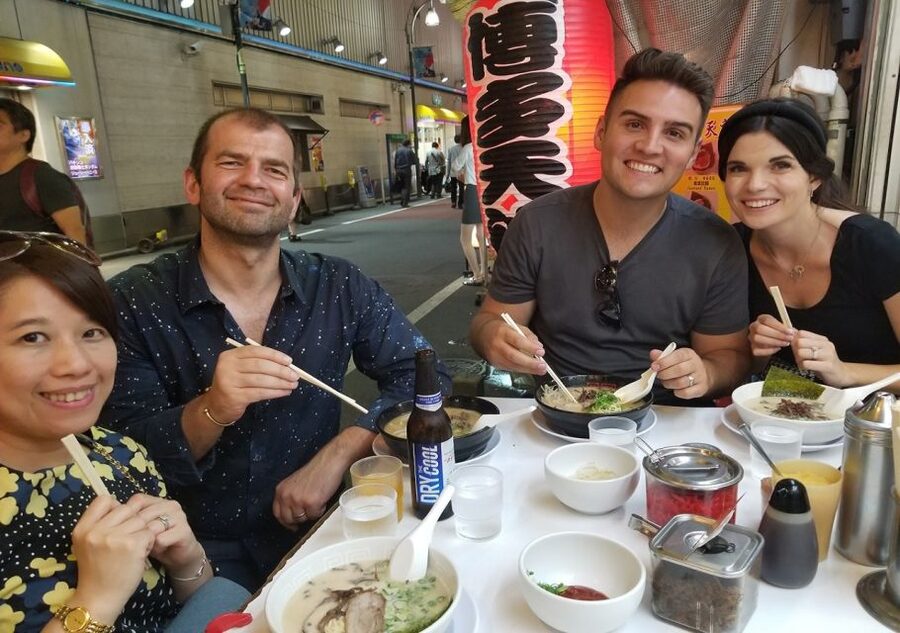
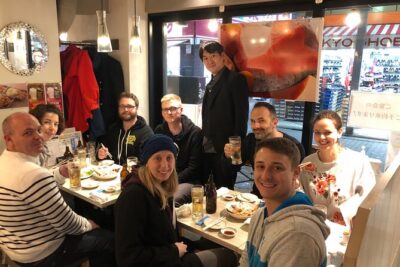
This tour is small group, limited to 10 participants. That number is important. It’s big enough to feel social, but small enough that you’re not lost in the shuffle when you want to ask a question or when the group needs to split for a quick photo.
The guide makes a big difference too, and you’ll see that in the strong feedback from different names over time, including Ray, Francois, Tommy, Yappy, Yoko, Ryan, Marc, and Anne. A few recurring themes show up:
- Clear explanations of what you’re eating and how Japanese food-and-bar culture works
- A relaxed, friendly approach that can make you feel like you’re with someone who actually cares about your night
- Extra moments of etiquette, like guidance on how to bless the meal and thank staff when you leave
Some guides have even brought the fun side into the night, like adding karaoke in a private room when the group wants it. There’s also an example of Francois helping with a birthday surprise. If you’re celebrating, it’s worth asking your guide if there’s any way to work that in around the food route.
Price and value: what $170 buys you in reality
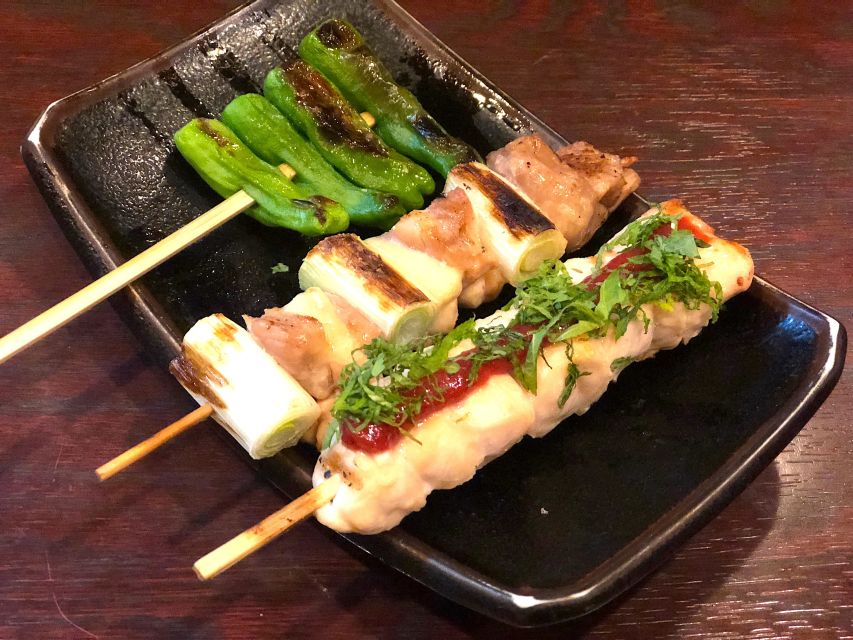
At $170 per person for three hours, this isn’t a casual “try a few bites” tour. You’re paying for three things that add up quickly:
- Guided access to places and ordering moments that take work off your shoulders
- Multiple food stops plus sake tasting, so you’re not paying Tokyo restaurant prices one by one
- A small-group experience built around walking and local etiquette, not just eating
It can feel expensive if you assume you’ll also spend extra on drinks beyond the tasting. But the pricing structure helps: additional drinks and extra food aren’t included, so you decide what you want after the tasting. If you keep extra purchases modest, the included food and sake do the heavy lifting for value.
A quick practical check: if you’re the kind of traveler who likes food tours but hates feeling rushed, this works better than tours with ten-plus stops because the time window is tight and organized. Still, three hours means you should go in hungry and ready to move.
Logistics to watch: time limits, phones, and smoking
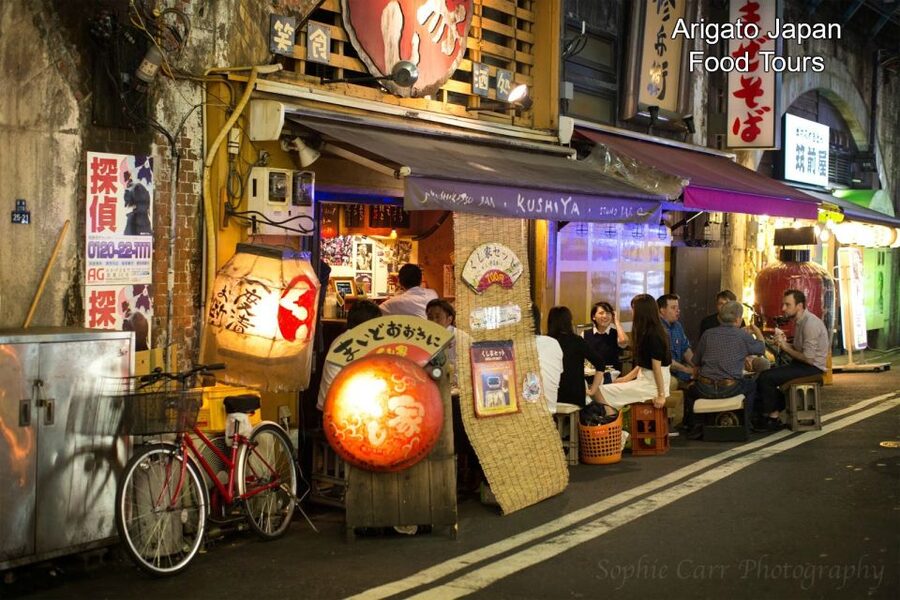
There are a few “don’t get surprised” items in the rules.
- Arrive on time. The guide waits about 5 minutes after the start, then the tour departs.
- No phone directions mid-tour. Once the tour begins, the guide can’t help by phone, so set your route to arrive before you get to the meeting point.
- Smoking is common in the area. You’re free to smoke in most areas of Shinbashi, so if you’re smoke-sensitive, plan for it.
- Bring passport or ID since you must be an adult 20+ for the tour.
These details sound boring, but they shape how smooth your night feels. Food tours go wrong when the group starts late or guests can’t find the meeting spot.
Who should book this Shinbashi night food tour
This tour is a strong match if you:
- Want local backstreet walking in the evening, not just famous sights
- Like structured tasting where a guide helps you notice differences (especially with sake)
- Enjoy pub-culture energy and want to learn ordering and etiquette basics along the way
- Prefer small groups (up to 10) and clear guidance
It’s probably not for you if you:
- Don’t want to drink sake at all, since sake tasting is included
- Get uncomfortable around smoke or tight nightlife sidewalks
- Need hotel pickup or want everything handled end-to-end (hotel pickup isn’t included)
Also note the adult-only rule: the tour permits adults aged 20 and over. If you’re traveling as a family with younger kids, you’ll need a different option.
Should you book it? My honest take
Book this tour if you want a short, efficient way to understand Tokyo through food and night culture. The combination of ramen, wagyu, sake tasting, and a dessert ending makes the meal feel complete, and the small-group setup helps you actually learn instead of just consume.
I’d skip or rethink if $170 feels like too much for you, or if you dislike walking and nightlife logistics. But if you’re aiming for a practical, local-style evening in Shinbashi, this is one of the more direct routes to the real after-work side of Tokyo.
FAQ
Where is the meeting point for the Shinbashi night tour?
Meet in front of the decommissioned steam engine at the Hibiya exit of Shinbashi Station.
What is included in the $170 price?
The tour includes local dishes at several food stops, a sake-tasting experience, and a local English-speaking guide.
What is not included?
Hotel pickup is not included, gratuity is not included, and transportation costs are not included. Additional drinks or food are not included, though you can purchase them at your expense.
How long is the tour and how large is the group?
The tour lasts 3 hours, and it’s a small group limited to 10 participants.
What should I bring or wear?
Bring a passport or ID card. Wear comfortable shoes, since it’s a walking tour.
Is smoking allowed during the tour?
You are free to smoke in most areas of Shinbashi.
Can I get a refund if plans change?
Yes. You can cancel up to 24 hours in advance for a full refund.
More Food & Drink in Tokyo
- Tokyo: Shinjuku Food Tour (13 Dishes at 4 Local Eateries)
★ 5.0 · 6,603 reviews - Tokyo Tsukiji Fish Market Food and Culture Walking Tour
★ 5.0 · 3,184 reviews - Tokyo: Shinjuku Food Tour (15 Dishes and 4 Eateries)
★ 4.9 · 2,033 reviews - Best of Shinjuku: Izakaya Food Tour (4 Stops, 14+ Tastings)
★ 5.0 · 1,863 reviews - Tokyo: Tsukiji Fish Market Food and Walking tour
★ 5.0 · 1,724 reviews
More Tours in Tokyo
- Mt Fuji and Hakone 1-Day Bus Tour Return by Bullet Train
★ 5.0 · 26,383 reviews - 1-Day Tokyo Bus Tour
★ 5.0 · 14,250 reviews - Tokyo: Shinjuku Food Tour (13 Dishes at 4 Local Eateries)
★ 5.0 · 6,603 reviews - Tokyo Mt Fuji 5th St & Hakone Cruise Bus Tour w/Bullet Train
★ 4.4 · 5,024 reviews - Flagship 2-Hours Official Street Go-Kart Tour – Tokyo Bay Shop
★ 5.0 · 4,974 reviews
More Tour Reviews in Tokyo
- Mt Fuji and Hakone 1-Day Bus Tour Return by Bullet Train
★ 5.0 · 26,383 reviews - 1-Day Tokyo Bus Tour
★ 5.0 · 14,250 reviews - Tokyo: teamLab Planets TOKYO Digital Art Museum Entry Ticket
★ 4.6 · 9,779 reviews - Mt Fuji & Hakone Cruise, Drum Show Bullet Train 1 Day from Tokyo
★ 4.0 · 7,413 reviews - Tokyo: Shinjuku Food Tour (13 Dishes at 4 Local Eateries)
★ 5.0 · 6,603 reviews
Latest Tokyo reviews off our desk






Food & Drink, compared.
 ★ 5.0Shinjuku Food Tour (13 Dishes at 4 Local Eateries)From $866,603 reviews
 ★ 5.0Tokyo Tsukiji Fish Market Food and Culture Walking TourFrom $993,184 reviews
 ★ 4.9Shinjuku Food Tour (15 Dishes and 4 Eateries)From $852,033 reviews
 ★ 5.0Best of Shinjuku: Izakaya Food Tour (4 Stops, 14+ Tastings)From $921,863 reviews
 ★ 5.0Tsukiji Fish Market Food and Walking tourFrom $301,724 reviews
 ★ 5.0Eat and Drink Like a Local: Tokyo Ueno Food Tour-Taverns&RamenFrom $95957 reviews
 ★ 5.0Shibuya Food Tour (13 dishes and 4 Eateries)From $77770 reviews
★ 4.7Tsukiji Fish Market Food and Culture Walking TourFrom $96757 reviews
★ 5.0Shibuya Food Tour (13 dishes and 4 Eateries)From $77770 reviews
★ 4.7Tsukiji Fish Market Food and Culture Walking TourFrom $96757 reviews
Browse the lists this tour appears in