
Reviewed · FOOD & DRINK
Tokyo: Allstar Food Tour
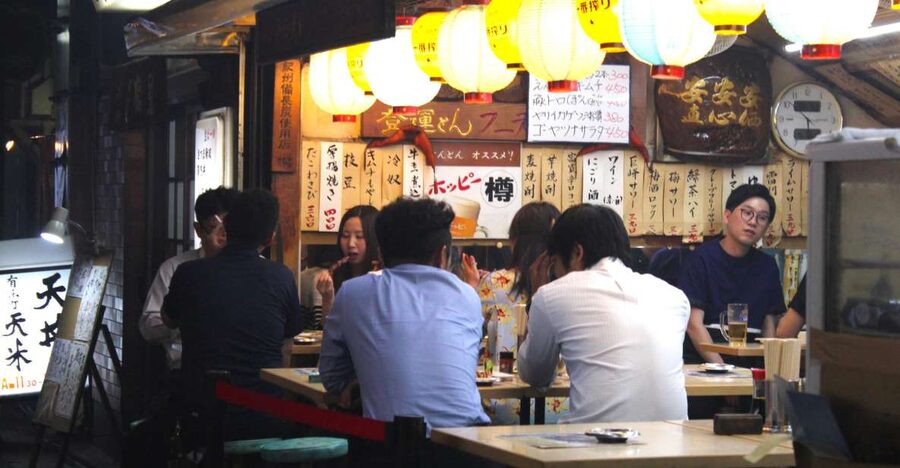
A first night in Tokyo should taste like this. This Tokyo food tour mixes Ginza’s polished luxury with Yurakucho’s smoky yokocho alleys, then feeds you regional, seasonal flavors along the way. I especially like the way the tour ties food to izakaya culture and everyday Japanese customs, and I like the stop variety (not just one type of eat). One thing to consider: there’s no hotel pickup, so you’ll want to be comfortable meeting at Ginza Station and doing some walking.
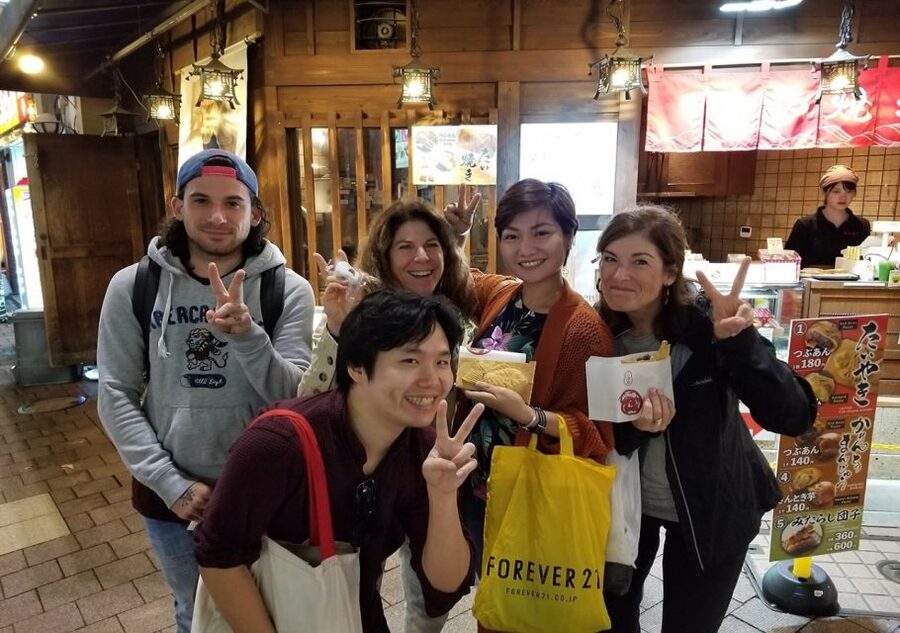
I also like that the group stays small, limited to 10 people, which makes it easier to ask questions and actually hear your English guide. Guides get praised by name too—people highlight folks like Sandra, Motoko, Josh, Ryan, Anne, and Satoshi for personality and clarity. Still, it’s a 3-hour tour at a set pace, so if you’re hoping for a slow, sit-down multi-course dinner experience, this may feel more like guided sampling than a full meal.
In This Review
- Key Tour Snapshot: Quick Hits Before You Book
- Why Yurakucho and Ginza Works as a First Tokyo Food Plan
- The 3-Hour Game Plan: How the Evening Usually Flows
- Meeting Point at Ginza: What to Expect and How to Not Stress
- Ginza’s Upscale Streets, but Food-First
- Yurakucho Yokocho Alleys and the Showa-Era Izakaya Moment
- What You’ll Eat: Regional Flavors, Long-Running Recipes, and Grilled Comfort
- Why this matters for you
- Drinks Included: Better Than It Sounds on Paper
- The Dessert Finish: Don’t Skip This Part
- Small Group Size and English Guide: Where the Value Shows Up
- Price and Value: Is $181 Reasonable for 3 Hours?
- Dietary Options and Practical Comfort
- Who This Tour Fits Best (and Who Might Prefer Something Else)
- Should You Book This Tokyo Food Tour?
- FAQ
- How long is the Tokyo Allstar Food Tour?
- Where is the meeting point?
- What’s included in the price?
- Are transportation costs included?
- Is hotel pick-up included?
- Are dietary options available?
- Do I need a passport copy?
- How big is the group?
- What is the cancellation policy?
Key Tour Snapshot: Quick Hits Before You Book
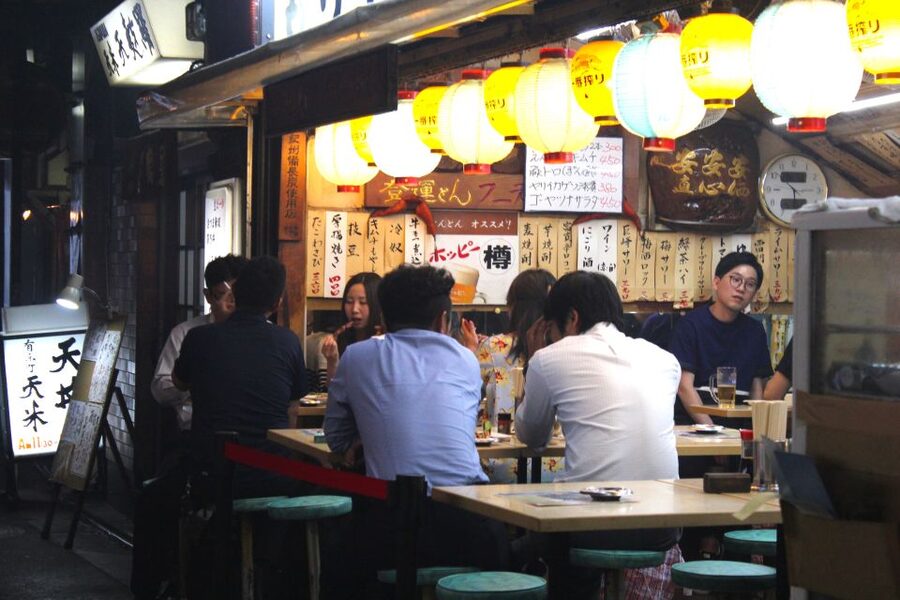
- Ginza meets Yurakucho in one walk: upscale shopping streets to retro yokocho lanes with red lanterns and neon.
- Showa-era izakaya know-how: you don’t just eat; you learn how these places work culturally.
- A specialty snack stop with 300+ years of history: built around classic Japanese flavors and long-running recipes.
- Regional and seasonal tastes across Japan: you’ll sample more than the usual Tokyo-only highlights.
- 2 drinks included, plus a dessert finish: the tour is designed as an evening food plan, not a snack-only stroll.
- Small group, live English guide: limited to 10 participants, which helps the experience stay personal.
Why Yurakucho and Ginza Works as a First Tokyo Food Plan
If it’s your first time in Tokyo, starting in Ginza and Yurakucho is a smart move. Ginza is the city’s luxury lens—wide streets, big-name shopping energy, and a sense that money can buy comfort. Yurakucho, on the other hand, feels older and warmer. That contrast matters, because it shows you two different Tokyo attitudes toward food: polished storefronts and then the back-alley rhythm of an izakaya night.
I like that this tour is built around walking between those worlds. You get the sensory cues quickly—scent of sizzling skewers, freshly grilled seafood, and conversations rising from tiny dining rooms. It also helps you orient yourself for the rest of the trip. After 3 hours here, you understand where people actually go when they want comfort food after work, not just where tourists take photos.
Readers also shortlisted these Tokyo bookings:
- Tokyo: Shinjuku Food Tour (13 Dishes at 4 Local Eateries)
★ 5.0 · 6,603 reviews - Tokyo Tsukiji Fish Market Food and Culture Walking Tour
★ 5.0 · 3,184 reviews - Tokyo: Shinjuku Food Tour (15 Dishes and 4 Eateries)
★ 4.9 · 2,033 reviews - Best of Shinjuku: Izakaya Food Tour (4 Stops, 14+ Tastings)
★ 5.0 · 1,863 reviews
The 3-Hour Game Plan: How the Evening Usually Flows
This is a tight, well-paced “evening starter” format. You begin near Ginza Station and spend the night moving through two iconic neighborhoods rather than crisscrossing Tokyo. That matters because Tokyo can eat time fast when you’re constantly changing trains and walking long distances.
A typical flow looks like this:
- Start around Ginza, then move toward Yurakucho yokocho: the shift is part of the point.
- Izakaya-focused cultural stops: your guide frames what you’re eating and how ordering and dining customs work in Japan’s pub culture.
- A classic snack stop with serious age behind it: one stop is specifically noted for being more than 300 years old.
- End with dessert: you’re not left searching for a sweet finish on your own.
Timing-wise, you’ll likely avoid the heaviest dinner crush because the tour is positioned as an early evening plan. One guest specifically praised a perfect start time for avoiding peak dinner rush, and that’s exactly the kind of practical detail that makes a walking food tour more enjoyable.
Meeting Point at Ginza: What to Expect and How to Not Stress
You’ll meet in front of the Ginza Wako Building, just about a minute’s walk from Ginza Station. The directions provided are clear: take the stairs, follow signs for Ginza 4 chome Crossing Gate, pass the fare gate, and exit via A9.
This is the kind of meeting point that’s workable for most first-timers. It’s central, well signposted, and you can usually get there quickly once you know your exit number. Still, because there’s no hotel pickup, I recommend you plan to arrive a bit early—Tokyo stations are navigable, but they’re not short.
Ginza’s Upscale Streets, but Food-First
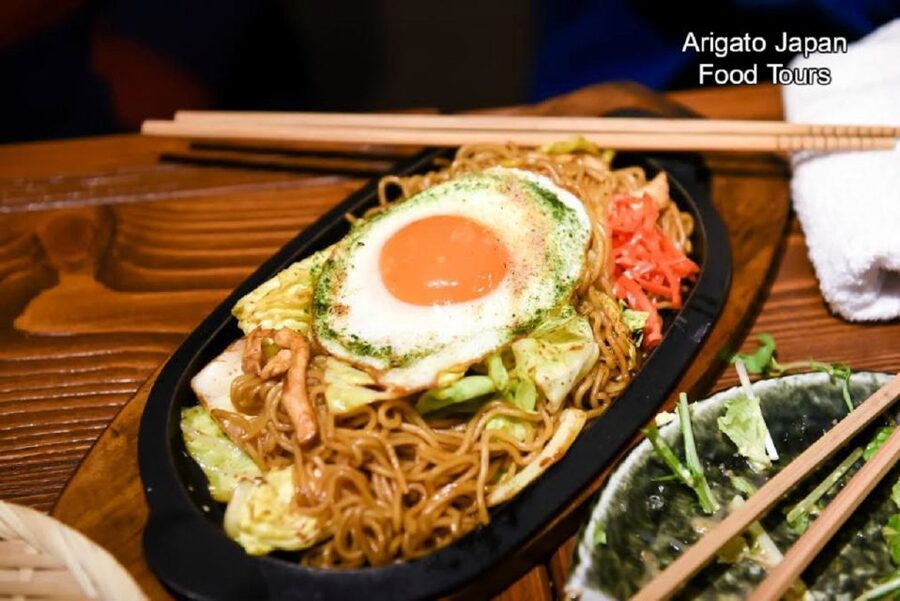
Ginza can feel intimidating if you think “expensive equals tourist trap.” This tour helps fix that by using Ginza’s streets as context, not as the destination. You get to feel the luxury district atmosphere, then you transition into food stops where the focus stays on tasting and local customs.
The tour description highlights that you’ll walk where history and luxury blend, with neon signs and glowing lanterns in the mix. Even if Ginza isn’t the cheapest neighborhood to eat in, this tour is priced to include multiple tasting portions and drinks, so you’re not paying “Ginza prices” entirely on your own.
Yurakucho Yokocho Alleys and the Showa-Era Izakaya Moment
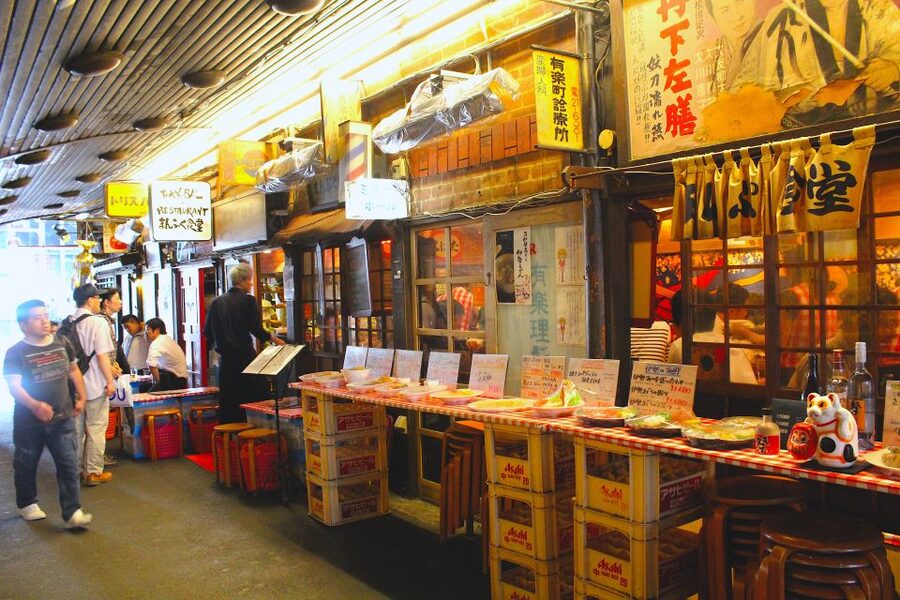
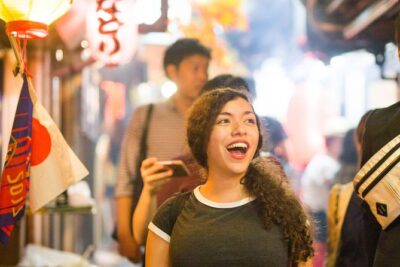
The heart of the experience is the contrast between Ginza and Yurakucho’s yokocho alleys. Yurakucho is where Tokyo gets intimate. Smaller doors. Narrow lanes. Lantern light. That’s where izakaya culture becomes real, fast.
The tour leans into a Showa era vibe, focusing on cozy izakaya (Japanese pubs). Your guide doesn’t treat it like a museum stop. Instead, you’ll get cultural context that helps you understand what kind of place an izakaya is—an after-work social hub, a casual space built around sharing and easy ordering.
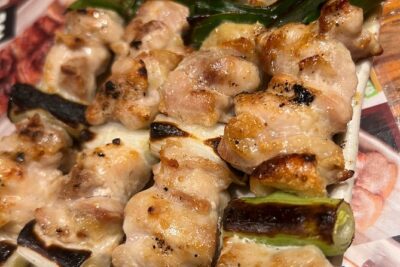
Guests also point to colorful izakaya murals and that fun, tiny-bar feeling. One review called out a tiny izakaya with colorful murals as a highlight. Another noted special yakatori spots operating under the rail line, which is the kind of Tokyo weird-and-wonderful detail that makes food tours more than just eating.
Readers also shortlisted these Tokyo bookings:
- Tokyo: Tsukiji Fish Market Food and Walking tour★ 5.0 · 1,724 reviews
- Tokyo Night Foodie Tour in Shinjuku – Seasonal Sushi, Wagyu Beef★ 5.0 · 1,161 reviews
- Eat and Drink Like a Local: Tokyo Ueno Food Tour-Taverns&Ramen★ 5.0 · 957 reviews
- Tokyo: Shibuya Food Tour (13 dishes and 4 Eateries)★ 5.0 · 770 reviews
- Tokyo: Tsukiji Fish Market Food and Culture Walking Tour★ 4.7 · 757 reviews
What You’ll Eat: Regional Flavors, Long-Running Recipes, and Grilled Comfort
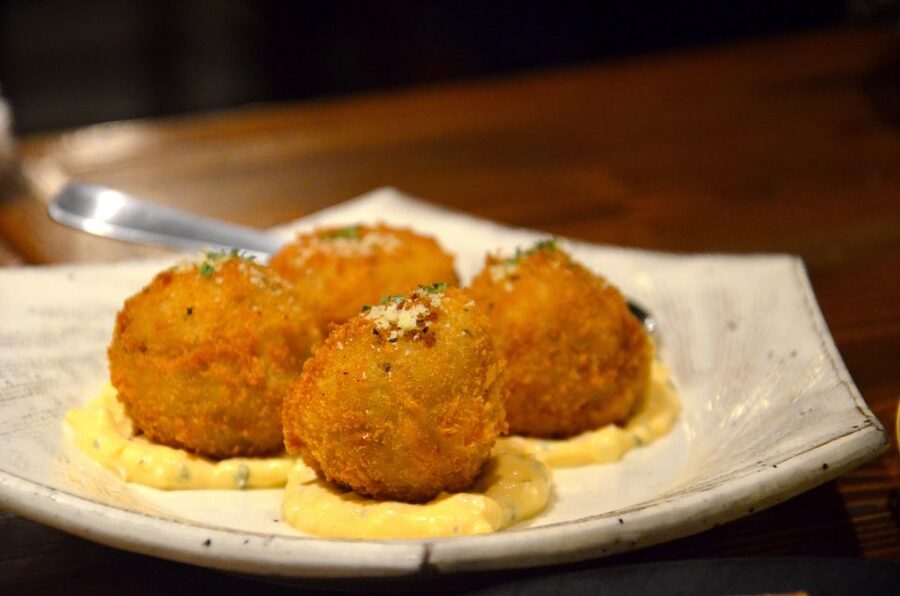
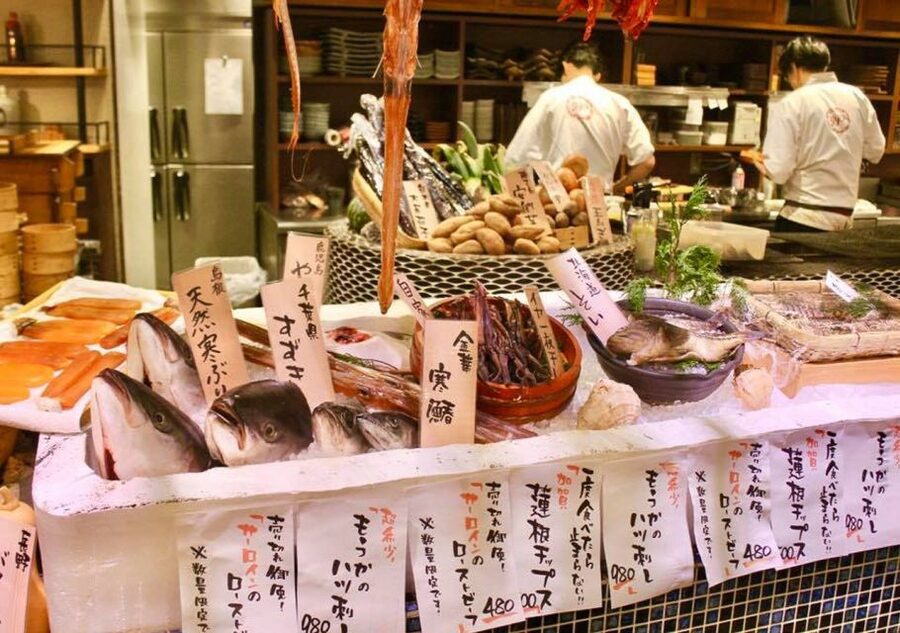
This tour is built around variety. You’re not just repeating the same flavor profile at each stop. The description calls out tasting regional and seasonal flavors, and that shows up in how the meals are framed—traditional items, classic snacks, and warm comfort foods.
Here are the specific food ideas you can bank on from the tour details:
- Rice crackers with a secret recipe dating back over 200 years
- A specialty snack shop with more than 300 years of history
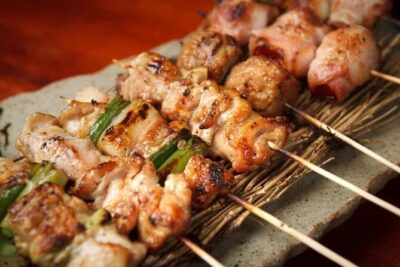
- Grilled foods associated with the yokocho atmosphere (the tour text explicitly mentions sizzling skewers and freshly grilled seafood)
- Dessert to end the night
And yes, it’s not all dry snacks. The reviews back up that you’ll hit multiple distinct styles and places, with one person praising the range from yakitori-style stops to department store counter tasting and other character-filled spots. Another guest mentioned an organic/eco restaurant and a bar in a side street as part of the route.
Why this matters for you
Food tours in Tokyo can turn into a shopping trip if you’re not careful. This one keeps the emphasis on tasting first, then adds culture. When a stop is built around a 200-year or 300-year recipe tradition, you’re tasting more than flavor—you’re tasting continuity. That’s what makes the snack stops meaningful instead of just “another bite.”
Drinks Included: Better Than It Sounds on Paper
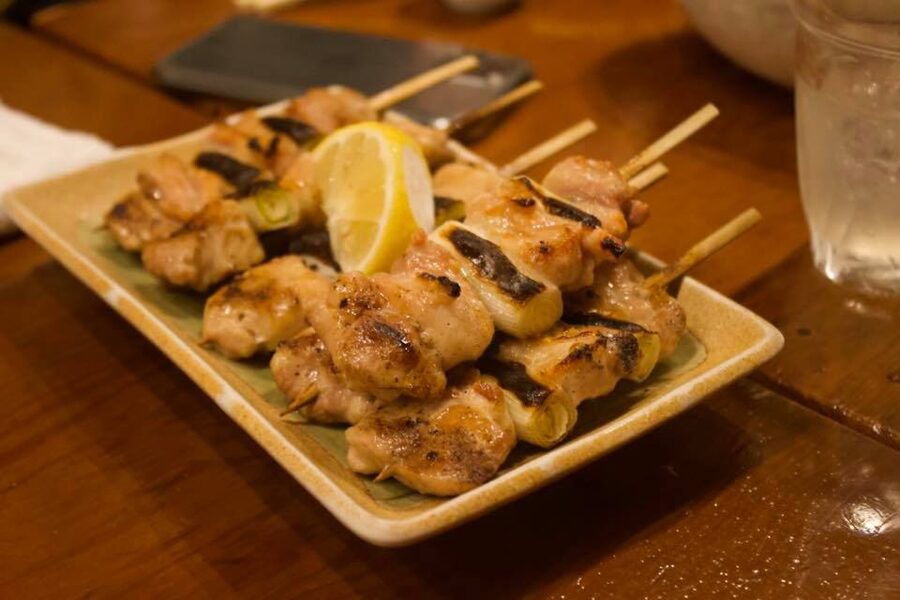
Two drinks are included. That’s a simple line item, but it affects the whole pacing. With drinks in the plan, guides can steer you through the evening without you worrying about finding a drink between stops or paying out-of-pocket every time you want a toast.
Also, two drinks in a 3-hour walking tour is enough to feel like an evening out, but not enough to turn into a chaotic stumble-fest. The small group size helps here too.
If you want additional drinks, the tour notes that you can purchase extra at your own expense. So you’re not stuck on included beverages only—you just have control instead of surprise charges.
The Dessert Finish: Don’t Skip This Part
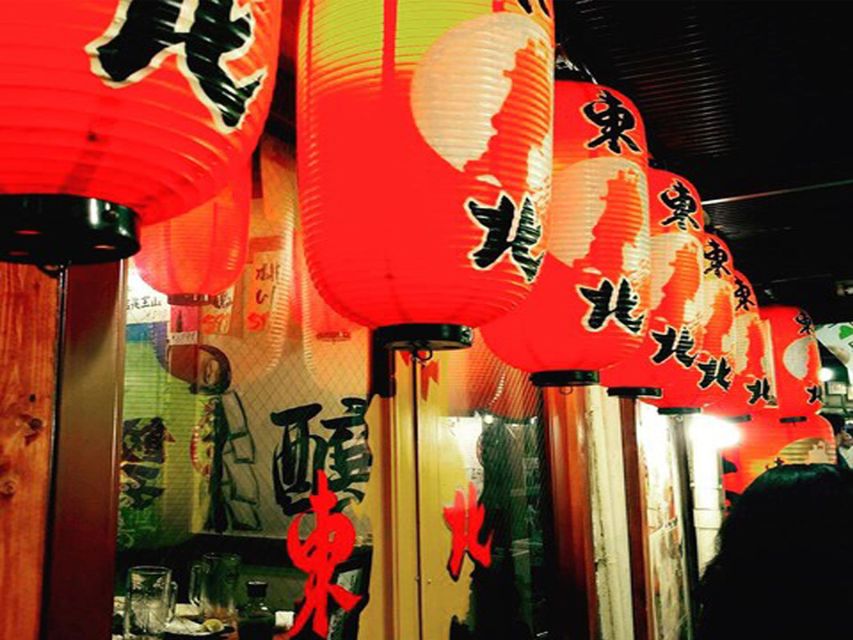
The tour ends with a dessert. That’s not an afterthought. Dessert is a classic food-tour strategy in Japan because it gives you a clean finish and gives your taste buds a chance to reset after salty, grilled, and crunchy samples.
I like dessert on the last stop because it’s the easiest way to remember the night’s variety. You leave with a sweet anchor instead of walking away with only savory flavors stuck in your head.
Small Group Size and English Guide: Where the Value Shows Up
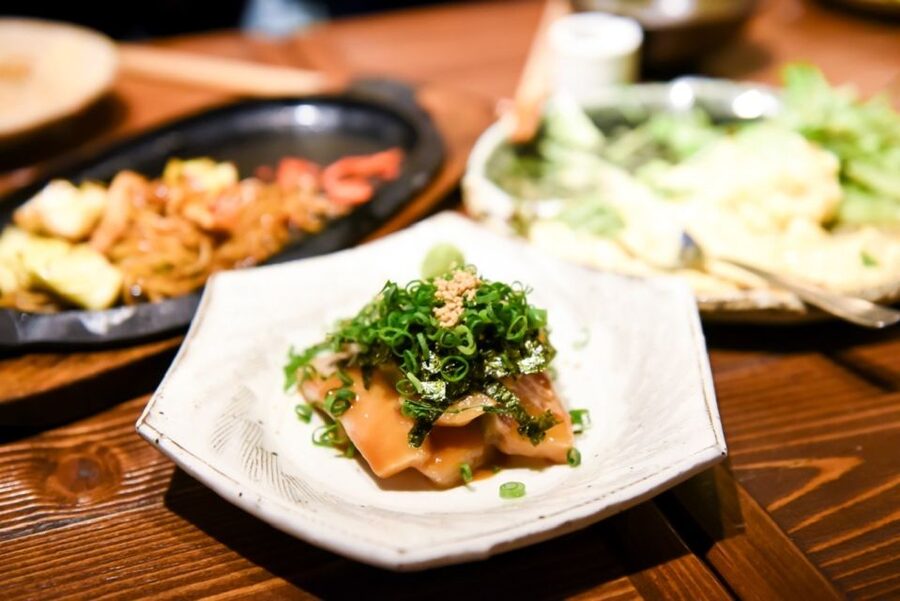
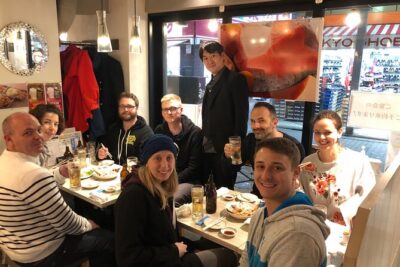
Small group means you’re not stuck in a line of 30 people. This tour caps the group at 10, and that’s why it works well for first-time visitors. You can ask basic questions in real time, get explanations without shouting, and still move at a walking-tour pace.
English is also clearly stated as the guide language. That helps with customs, not just food ordering. The tour description emphasizes cultural insights and food customs, including what makes an izakaya special.
When multiple reviews mention guides by name—Sandra, Motoko, Josh, Ryan, Anne, Satoshi—it tells me the experience depends on the guide’s ability to connect food with context. On this kind of tour, that connection is the difference between eating “stuff” and understanding “why this matters.”
Price and Value: Is $181 Reasonable for 3 Hours?
$181 for a 3-hour guided food tour in central Tokyo is not a bargain, but it can be good value when you look at what’s included.
You’re paying for:
- Multiple food stops (variety is part of the design)
- 2 drinks
- Snacks and a dessert
- A local English-speaking guide
- A small group experience (max 10)
What you’re not paying for:
- Hotel pickup (you meet at Ginza Wako)
- Transportation costs
- Any extra food/drinks beyond what’s included
- Tips/gratuity
So the value depends on your plan. If you’re already budgeting time and want an efficient first-night food overview, this price can feel fair. If you hate walking, don’t drink, or only want one main meal, then the included format may feel expensive. For most people, though, the included tastings plus drinks make it easier to compare against doing everything solo.
Dietary Options and Practical Comfort
Dietary options are available. That’s a big deal because Japanese menus can include common ingredients like soy, seafood-based broths, and hidden sauces. If you have dietary needs, you’ll want to mention them clearly so your guide can plan substitutions.
Also, this tour requires a copy of your passport information for participants aged 10 and over. That’s not unusual in Japan, but it’s the kind of requirement you should be ready for before you book.
Who This Tour Fits Best (and Who Might Prefer Something Else)
This is a great fit if:
- It’s your first arrival in Tokyo and you want a guided start
- You want a mix of culture + food customs, not just eating
- You prefer a small group atmosphere
- You like trying lots of different bites rather than ordering one big dish
You might consider a different option if:
- You’re hoping for a long sit-down dinner with just one main restaurant
- You dislike walking and don’t want to meet at Ginza Station without pickup
- You’re on a tight budget and want to keep costs strictly to food only
Should You Book This Tokyo Food Tour?
I think you should book it if you want a practical first-night plan that actually teaches you how Tokyo dining works. The big wins are the neighborhood contrast (Ginza luxury vs Yurakucho yokocho), the izakaya culture context, and the classic snack tradition stops that give the tasting more meaning than “just sample.”
Skip or reconsider if you need hotel pickup, want zero walking, or expect a full dinner experience with big portions at each place. Otherwise, this tour is a strong way to get oriented fast and enjoy Tokyo food without guesswork.
FAQ
How long is the Tokyo Allstar Food Tour?
The tour duration is 3 hours.
Where is the meeting point?
You meet in front of the Ginza Wako Building, about a minute’s walk from Ginza Station.
What’s included in the price?
The tour includes a variety of dishes at multiple food stops, 2 drinks, unique desserts and snacks, and a local English-speaking guide.
Are transportation costs included?
No. Transportation costs are not included.
Is hotel pick-up included?
No. Hotel pick-up is not included, though it can be arranged for an additional charge.
Are dietary options available?
Yes. Dietary options are available.
Do I need a passport copy?
Yes. A copy of your passport information is required for all participants aged 10 and over.
How big is the group?
The tour is a small group limited to 10 participants.
What is the cancellation policy?
You can cancel up to 24 hours in advance for a full refund.
More Food & Drink in Tokyo
- Tokyo: Shinjuku Food Tour (13 Dishes at 4 Local Eateries)
★ 5.0 · 6,603 reviews - Tokyo Tsukiji Fish Market Food and Culture Walking Tour
★ 5.0 · 3,184 reviews - Tokyo: Shinjuku Food Tour (15 Dishes and 4 Eateries)
★ 4.9 · 2,033 reviews - Best of Shinjuku: Izakaya Food Tour (4 Stops, 14+ Tastings)
★ 5.0 · 1,863 reviews - Tokyo: Tsukiji Fish Market Food and Walking tour
★ 5.0 · 1,724 reviews
More Tours in Tokyo
- Mt Fuji and Hakone 1-Day Bus Tour Return by Bullet Train
★ 5.0 · 26,383 reviews - 1-Day Tokyo Bus Tour
★ 5.0 · 14,250 reviews - Tokyo: Shinjuku Food Tour (13 Dishes at 4 Local Eateries)
★ 5.0 · 6,603 reviews - Tokyo Mt Fuji 5th St & Hakone Cruise Bus Tour w/Bullet Train
★ 4.4 · 5,024 reviews - Flagship 2-Hours Official Street Go-Kart Tour – Tokyo Bay Shop
★ 5.0 · 4,974 reviews
More Tour Reviews in Tokyo
- Mt Fuji and Hakone 1-Day Bus Tour Return by Bullet Train
★ 5.0 · 26,383 reviews - 1-Day Tokyo Bus Tour
★ 5.0 · 14,250 reviews - Tokyo: teamLab Planets TOKYO Digital Art Museum Entry Ticket
★ 4.6 · 9,779 reviews - Mt Fuji & Hakone Cruise, Drum Show Bullet Train 1 Day from Tokyo
★ 4.0 · 7,413 reviews - Tokyo: Shinjuku Food Tour (13 Dishes at 4 Local Eateries)
★ 5.0 · 6,603 reviews
Latest Tokyo reviews off our desk






Food & Drink, compared.
 ★ 5.0Shinjuku Food Tour (13 Dishes at 4 Local Eateries)From $866,603 reviews
 ★ 5.0Tokyo Tsukiji Fish Market Food and Culture Walking TourFrom $993,184 reviews
 ★ 4.9Shinjuku Food Tour (15 Dishes and 4 Eateries)From $852,033 reviews
 ★ 5.0Best of Shinjuku: Izakaya Food Tour (4 Stops, 14+ Tastings)From $921,863 reviews
 ★ 5.0Tsukiji Fish Market Food and Walking tourFrom $301,724 reviews
 ★ 5.0Eat and Drink Like a Local: Tokyo Ueno Food Tour-Taverns&RamenFrom $95957 reviews
 ★ 5.0Shibuya Food Tour (13 dishes and 4 Eateries)From $77770 reviews
★ 4.7Tsukiji Fish Market Food and Culture Walking TourFrom $96757 reviews
★ 5.0Shibuya Food Tour (13 dishes and 4 Eateries)From $77770 reviews
★ 4.7Tsukiji Fish Market Food and Culture Walking TourFrom $96757 reviews
Browse the lists this tour appears in