
Reviewed · CRUISES & BOAT TOURS
Tokyo Cherry Blossom Express Tour with Boat Ride
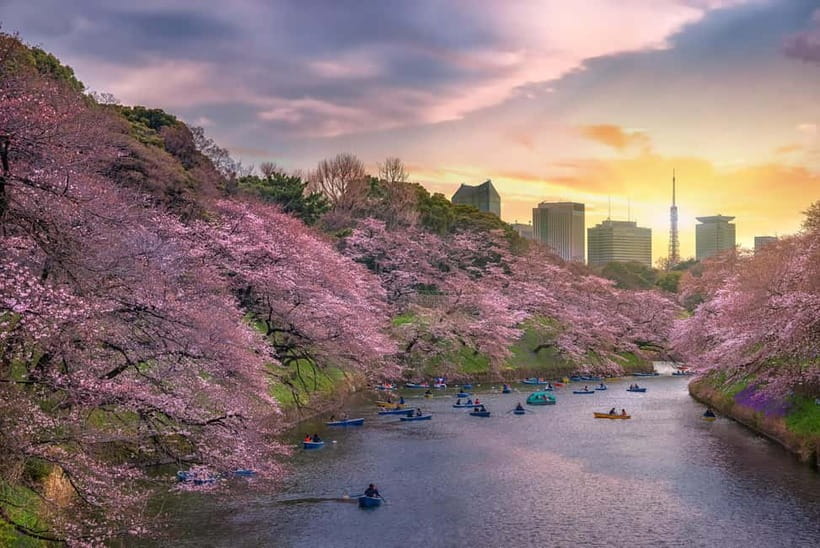
Sakura season in Tokyo is a race against the weather. This 6-hour tour packs the big-name blossom spots into one guided flow, with entrance fees and a 30-minute boat ride already built in. I especially like the way the route mixes garden calm with city-scale cherry viewing, and then finishes with water reflections you can’t get from a sidewalk. One consideration: the boat (and any lighting-style moments) depends on conditions, so you’ll want a rain-ready mindset.
The meeting point is simple to reach and easy to recognize—start at the West Entrance of Koishikawa Korakuen Garden, just a short walk from Iidabashi Station. I also like that the guide work can feel more personal than a basic checklist; in a recent group, Denise even adjusted the plan and went off-script to include a shrine. The tour is still a walking day, so comfortable shoes aren’t optional.
In This Review
- Key Takeaways Before You Go
- Koishikawa, Ueno, Chidorigafuchi: why this order makes sense
- Meeting at Koishikawa Korakuen’s West Entrance (and how to get there)
- Koishikawa Korakuen Garden: a calmer sakura start
- Ueno Park: scale, movement, and classic sakura viewing
- Chidorigafuchi Moat walk: 700 meters of waterline cherry views
- The 30-minute boat ride: the reflection shot and the weather reality
- Pace and transit: a walking day with your own subway leg
- Price and value: what $141 buys you (and what it doesn’t)
- Guide style: where the experience becomes more than sightseeing
- Weather preparedness: how to dress for success
- Who this tour suits best (and who should skip it)
- Should you book this Tokyo Cherry Blossom Express tour?
- FAQ
- FAQ
- How long is the Tokyo Cherry Blossom Express Tour?
- Where is the meeting point?
- How do I get to the West Entrance from Iidabashi Station?
- Is the boat ride included?
- Are entrance fees included?
- Is hotel pickup or drop-off included?
- Does the tour include food and drinks?
- Do I need to pay for train or bus transportation?
- What language is the tour guide?
- What should I bring and wear?
- What if I need to cancel?
Key Takeaways Before You Go
- Koishikawa Korakuen first: start with a quieter, Edo-period style garden setting before the crowds build.
- Ueno Park cherry viewing: see a large-scale blossom atmosphere in a park setting.
- Chidorigafuchi moat walk (700 meters): a focused walk that frames the trees along the waterline.
- Included 30-minute boat ride: the best “sakura on the water” perspective is part of the deal.
- Weather can change the water part: the boat operator decides based on safety, not the tour’s wish.
- Bring an IC card for transit: you travel between stops on your own using Tokyo’s cards.
Koishikawa, Ueno, Chidorigafuchi: why this order makes sense
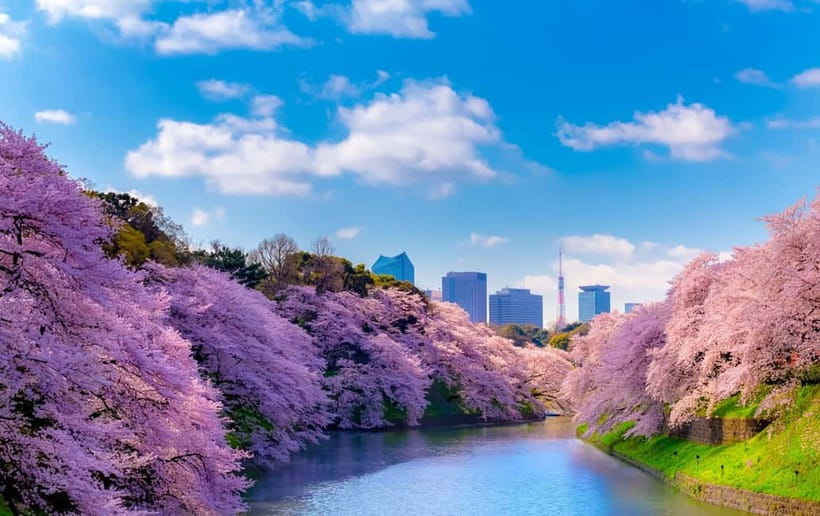
If you’re trying to see cherry blossoms in Tokyo with limited time, this route is built around smart variety. You begin in a garden space where the pace feels calmer and the views feel composed. Then you move into a big park area for that classic Tokyo “sakura season in full swing” feel. After that, you shift to a moat walk that keeps you close to the waterline, setting you up perfectly for the boat segment.
This matters because sakura viewing isn’t just about finding trees—it’s also about how you experience them. Gardens let you slow down. Parks give you the scale. Moat walks connect everything visually to the water, and the boat ride turns that connection into something you can frame for photos from a totally different angle.
You also get a compact day that still has rhythm. It’s not just one stop and done. The mix of walking segments plus a dedicated boat block helps break up the day so you’re not constantly shifting your attention.
Readers also shortlisted these Tokyo bookings:
- Mt Fuji & Hakone Cruise, Drum Show Bullet Train 1 Day from Tokyo
★ 4.0 · 7,413 reviews - Tokyo Mt Fuji 5th St & Hakone Cruise Bus Tour w/Bullet Train
★ 4.4 · 5,024 reviews - Tokyo: Meiji Shrine, Asakusa, Skytree Bus Tour and Cruise
★ 4.7 · 1,986 reviews - Mt Fuji & Hakone Cruise, Drum Show Bus 1 Day from Tokyo
★ 4.0 · 1,287 reviews
Meeting at Koishikawa Korakuen’s West Entrance (and how to get there)
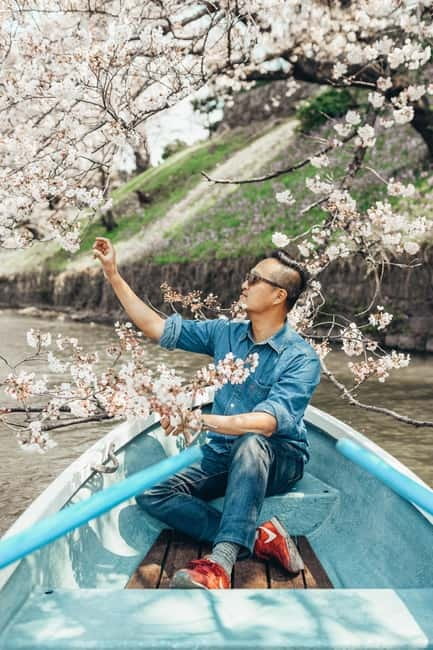
The tour starts at the West Entrance of Koishikawa Korakuen Garden, and the location is convenient for transit. There’s no parking at the garden, so plan on using public transportation.
From Iidabashi Station:
- Toei Oedo Line: use Exit C3; the West Entrance is about a 3-minute walk.
- JR Sobu Line: use the East Exit; it’s roughly an 8-minute walk.
That’s helpful because you won’t waste time figuring out where to meet in a busy area. You also avoid the common problem of “meeting somewhere near” that turns into a long wait.
One practical tip: show up with a little buffer. The garden entrance is easy enough to reach, but on cherry blossom days the streets around stations can be busy and your 6-hour day starts the moment you arrive.
Koishikawa Korakuen Garden: a calmer sakura start
Koishikawa Korakuen is a serene garden setting in the heart of Tokyo, established during the Edo period. Starting here is a smart call because you get cherry blossoms in a more controlled, scenic setting before you hit the larger park crowds later in the day.
What I like about this first stop is the mental reset it gives. Cherry blossom days can turn into a blur of people and photos. In a garden, you can actually look at how the trees sit in the space—how pathways guide your eyes, and how you can find quiet pockets even when it’s busy outside the garden walls.
It’s also a good way to catch blossoms that are still looking good even when parts of the city have already shifted. Cherry blossom timing varies, and your guide is working within a season that changes quickly.
Expect to wear comfortable shoes and be ready to walk at least part of the time on foot through the garden and onward to the next sights.
Ueno Park: scale, movement, and classic sakura viewing
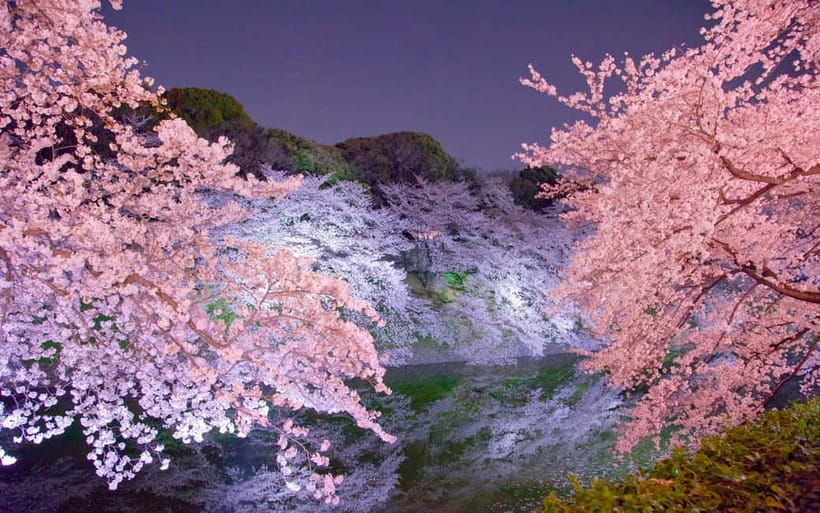
After Koishikawa, you move into Ueno Park, one of the best places in Tokyo for seeing cherry blossoms at a larger scale. This is where the day turns more energetic. The feeling here is less about solitude and more about the shared seasonal moment—thousands of trees creating a big visual experience in an urban park setting.
I like Ueno Park on this kind of guided day because it’s a high-impact stop without needing you to do extra planning. Your guide handles the route logic so you can focus on your viewing and photo timing.
There can be a lot of foot traffic around peak bloom, but that’s also part of what you’re signing up for: you’re not just seeing trees, you’re seeing Tokyo’s seasonal rhythm.
One note for your expectations: if it’s rainy or windy, Ueno may feel louder and more uncomfortable than usual. The blossoms can still be out, but how enjoyable the walk feels depends on the weather.
Chidorigafuchi Moat walk: 700 meters of waterline cherry views
Next comes the Chidorigafuchi Moat, where you’ll walk about 700 meters alongside the water with cherry blossoms framing the view. This is one of those segments that feels “designed” for sakura viewing because it gives you a consistent perspective line—trees and water working together.
What makes this portion valuable is that you’re not jumping between totally unrelated spots. Instead, you’re building a theme: blossoms + water + a steady walking pace that sets you up for the boat.
This is also where your guide’s timing becomes important. If you want the best balance of photos and not getting stuck in the densest crowd pockets, a guide who knows where to position you matters.
Comfort tip: this is a walking segment. If your shoes aren’t good enough for long Tokyo walks, you’ll feel it by the time you reach the moat.
- Tokyo: Shinjuku Food Tour (13 Dishes at 4 Local Eateries)★ 5.0 · 6,603 reviews
- Tokyo Mt Fuji 5th St & Hakone Cruise Bus Tour w/Bullet Train★ 4.4 · 5,024 reviews
- Flagship 2-Hours Official Street Go-Kart Tour – Tokyo Bay Shop★ 5.0 · 4,974 reviews
- From Tokyo: Mount Fuji Full-Day Sightseeing Trip★ 4.5 · 4,970 reviews
- Tokyo: Hop-On Hop-Off Sightseeing Bus Ticket★ 3.9 · 4,207 reviews
The 30-minute boat ride: the reflection shot and the weather reality
The highlight many people come for is the included 30-minute boat ride. This is the moment that changes your whole “how to photograph sakura” game. From the water, you get cherry blossoms reflected on the surface—something you just can’t replicate from land.
Here’s the practical truth: the boat ride is part of the tour, but it still depends on safety and conditions. The tour information makes it clear that the boat operators decide based on the weather, independently from the tour operation.
So if you’re thinking about going during a known unsettled weather window, plan like this:
- Dress for rain even if the forecast looks fine.
- Keep expectations flexible about the boat running exactly as planned.
- If conditions are rough, don’t be surprised if you get an alternate plan offered by the guide.
In one experience, the boat was closed due to rain and windy weather, and night lighting plans also didn’t happen because of conditions. That’s the kind of disappointment you can avoid by mentally preparing yourself: the land parts can still be beautiful, but the water piece is the weather-dependent risk.
Pace and transit: a walking day with your own subway leg
This is a guided experience, but it’s still a Tokyo day where you handle transit between stops. The tour does not include hotel pickup and drop-off, and it doesn’t include transportation fees via train or bus. You’ll be using Tokyo’s transit system on your own.
One detail that matters: you’ll likely need an IC card like Suica or Pasmo for your travel legs. Even when the tour covers the walking and guiding, you’re still responsible for getting yourself between points.
That shapes the “who is this for?” answer. If you’re comfortable navigating train stations and walking through neighborhoods, you’ll enjoy this. If you want a total hands-off day where the guide does everything end-to-end, you may feel a bit more on your own than you expected.
The good news is the meeting point is close to a major station, and the route is built for a 6-hour window—so you’re not stranded doing marathon transit.
Price and value: what $141 buys you (and what it doesn’t)
At $141 per person for 6 hours, this isn’t the cheapest way to see cherry blossoms. But it also isn’t just paying for a guide and a vague plan.
You’re paying for:
- Entrance fees (included)
- A 30-minute boat ride (included)
- A live English guide for the full 6 hours
What you’re not paying for:
- Hotel pickup/drop-off
- Food and drinks
- Your transit costs (train/bus fares)
So the value question comes down to whether you’d otherwise pay those line items yourself. If you plan to enter Koishikawa and see multiple major areas in one day, plus you want the boat ride without having to book it separately, this price starts to look reasonable.
You also get something harder to price: fewer “where do we go next?” moments and less time spent figuring out routes while crowds are thick. On a sakura day, time has value.
Guide style: where the experience becomes more than sightseeing
The guide is a big part of what makes this tour feel worth it. A few guides in past groups have been praised for being friendly, calm, and helpful, and for tailoring the day.
One named guide, Denise, was noted for adjusting the trip to match what her group wanted. In that same experience, the guide even went off the original path to see a shrine, and explained what to do when arriving.
Another guide mentioned was Jim Smashy, praised for being helpful, informative, caring, and calm. That matters because cherry blossom days can be chaotic, and a steady guide helps you keep your bearings fast—especially when weather changes the plan.
If you care about learning small context (and not just taking photos), you’ll probably appreciate a guide who can explain what you’re looking at and where to focus your attention.
Weather preparedness: how to dress for success
This tour operates in all weather conditions, and you’re told to dress appropriately. The guide and operator decisions about safety matter most for the boat ride, but your comfort on foot depends on your clothing too.
If you want a simple rule, use this:
- Wear comfortable shoes you can walk in for hours.
- Bring a light rain layer if rain is even possible.
- Assume wind can make it feel colder and wetter than the forecast suggests.
Because if it’s rainy and windy, you might still see blossoms, but you could feel soaked through—and that’s draining after hours of walking.
Also remember: cherry blossom timing is weather dependent and can shift year to year. For 2025, the season starts very early and is already visible in some areas of Tokyo. The suggested best timing is roughly March 15 through the end of April, but the exact window will depend on the weather.
That’s why booking sooner rather than later is smart. If you wait, the “it might be too late” risk is real.
Who this tour suits best (and who should skip it)
This one is best for people who want a guided sakura day with major stops and an included water view. It’s also a good fit if you like walking and you can handle your own transit between points.
Based on the tour’s stated limits, it’s not suitable for:
- Children under 5 years
- Wheelchair users
- People over 95 years
If you’re in those groups, you’ll want to look for a different option that matches your mobility needs.
Should you book this Tokyo Cherry Blossom Express tour?
You should book if you want:
- A focused 6-hour route with multiple cherry blossom hotspots
- Entrance fees handled for you
- An included 30-minute boat ride for blossom reflections
- A live English guide who can answer questions and help you adjust the plan when needed
You might skip it if:
- You’re traveling during a period where heavy rain and strong wind are likely and you can’t handle the possibility of the boat being cancelled
- You hate walking days and don’t want to manage your own subway legs with an IC card
- You’re looking for a total end-to-end service with pickup, drop-off, and meals
If you’re on the fence, I’d choose based on timing. Since 2025 bloom can be early, this is the kind of tour where booking sooner is often the difference between catching peak views and missing them.
FAQ
FAQ
How long is the Tokyo Cherry Blossom Express Tour?
The tour lasts 6 hours.
Where is the meeting point?
It begins at the West Entrance of Koishikawa Korakuen Garden.
How do I get to the West Entrance from Iidabashi Station?
From Iidabashi Station on the Toei Oedo Line, use Exit C3 (about a 3-minute walk). From Iidabashi Station on the JR Sobu Line, use the East Exit (about an 8-minute walk).
Is the boat ride included?
Yes. A 30-minute boat ride is included in the tour.
Are entrance fees included?
Yes. All entrance fees are included.
Is hotel pickup or drop-off included?
No. Hotel pickup and drop-off are not included.
Does the tour include food and drinks?
No. Food and drinks are not included.
Do I need to pay for train or bus transportation?
Yes. Transportation fees via train or bus are not included.
What language is the tour guide?
The tour guide offers live English commentary.
What should I bring and wear?
Bring comfortable shoes. The tour operates in all weather conditions, so dress appropriately for the weather. Smoking is not allowed.
What if I need to cancel?
You can cancel up to 24 hours in advance for a full refund.
More Cruises & Boat Tours in Tokyo
- Mt Fuji & Hakone Cruise, Drum Show Bullet Train 1 Day from Tokyo
★ 4.0 · 7,413 reviews - Tokyo Mt Fuji 5th St & Hakone Cruise Bus Tour w/Bullet Train
★ 4.4 · 5,024 reviews - Tokyo: Meiji Shrine, Asakusa, Skytree Bus Tour and Cruise
★ 4.7 · 1,986 reviews - Mt Fuji & Hakone Cruise, Drum Show Bus 1 Day from Tokyo
★ 4.0 · 1,287 reviews - Tokyo: Yakatabune Dinner Cruise with Japanese Show & Drinks
★ 4.7 · 871 reviews
More Tours in Tokyo
- Mt Fuji and Hakone 1-Day Bus Tour Return by Bullet Train
★ 5.0 · 26,383 reviews - 1-Day Tokyo Bus Tour
★ 5.0 · 14,250 reviews - Tokyo: Shinjuku Food Tour (13 Dishes at 4 Local Eateries)
★ 5.0 · 6,603 reviews - Tokyo Mt Fuji 5th St & Hakone Cruise Bus Tour w/Bullet Train
★ 4.4 · 5,024 reviews - Flagship 2-Hours Official Street Go-Kart Tour – Tokyo Bay Shop
★ 5.0 · 4,974 reviews
More Tour Reviews in Tokyo
- Mt Fuji and Hakone 1-Day Bus Tour Return by Bullet Train
★ 5.0 · 26,383 reviews - 1-Day Tokyo Bus Tour
★ 5.0 · 14,250 reviews - Tokyo: teamLab Planets TOKYO Digital Art Museum Entry Ticket
★ 4.6 · 9,779 reviews - Mt Fuji & Hakone Cruise, Drum Show Bullet Train 1 Day from Tokyo
★ 4.0 · 7,413 reviews - Tokyo: Shinjuku Food Tour (13 Dishes at 4 Local Eateries)
★ 5.0 · 6,603 reviews
Latest Tokyo reviews off our desk






Cruises & Boat Tours, compared.
 ★ 4.0Mt Fuji & Hakone Cruise, Drum Show Bullet Train 1 Day from TokyoFrom $1497,413 reviews
 ★ 4.4Tokyo Mt Fuji 5th St & Hakone Cruise Bus Tour w/Bullet TrainFrom $1545,024 reviews
 ★ 4.2Mt. Fuji 5th Station & Hakone Cruise 1-Day Bus TourFrom $1292,381 reviews
 ★ 4.7Meiji Shrine, Asakusa, Skytree Bus Tour and CruiseFrom $1221,986 reviews
 ★ 4.0Mt Fuji & Hakone Cruise, Drum Show Bus 1 Day from TokyoFrom $1221,287 reviews
 ★ 4.7Yakatabune Dinner Cruise with Japanese Show & DrinksFrom $100871 reviews
 ★ 4.6Sumida River: Japanese Traditional Yakatabune Dinner CruiseFrom $103779 reviews
 ★ 4.2Hakone Fuji Day Tour w/ Cruise, Cable Car, VolcanoFrom $98724 reviews
Browse the lists this tour appears in