
Tokyo, neatly arranged for your most efficient day. The best part is the private pacing: you can see major sights like Meiji Shrine and Shibuya Crossing without the whole day feeling like one long cattle move. I also like the street-food focus, especially the built-in time around Tsukiji Outer Market for real Japanese bites and an easy lunch rhythm.
Here’s my one caution: guide quality can vary. The day can run smoothly with guides like MJ, Kaif, or Sam (who people praised for helpful, polite service), but I’ve also seen clear complaints about late starts, hard-to-follow English, skipped stops, and a shorter finish than the planned time.
In This Review
- Key takeaways before you book
- How the 9-hour private route keeps Tokyo from feeling overwhelming
- Pickup, van comfort, and the real value of not fighting transit
- Meiji Shrine to Sensō-ji: the calm-to-classic culture arc
- Skyline time: Skytree Town and Tokyo Tower photo stops
- Tsukiji Outer Market and lunch: where the food becomes the plan
- Imperial Palace area and Takeshita Street: history meets trend culture
- Shibuya Crossing and Tokyo’s modern energy finish strong
- English-speaking guides: you’ll want the right match
- Price for up to 5 people: when $613 makes sense
- Rules and what to bring for a smooth day
- Who this private Tokyo tour is best for
- Should you book? My honest decision guide
- FAQ
- How long is the Tokyo City Private Tour?
- What’s the group size and pricing?
- Does the tour include hotel pickup and drop-off?
- Is the tour wheelchair accessible?
- Are entrance fees included for the attractions on the main route?
- What languages are spoken by the driver/guide?
- What should I bring, and what’s not allowed on the tour?
Key takeaways before you book
- Private door-to-door pickup from central Tokyo meeting points (including hotel lobby pickup)
- A well-wired route: shrine, temple, palace area, fashion street, Shibuya, and two skyline photo moments
- Tsukiji Outer Market timing with a lunch window built into the schedule
- Comfort-first transportation with an air-conditioned van for the full day
- Accessibility and rules are clear, including wheelchair access and a limit on large luggage
How the 9-hour private route keeps Tokyo from feeling overwhelming
Tokyo rewards people who can plan their day. This tour does that for you by stringing together classic sights in a logical flow and giving you a full day (9 hours) to actually look, not just point. You’re not hopping on and off trains with bags and crowds. You’re in a van, with your guide handling the navigation and timing.
The itinerary mixes calm and energy on purpose. You get quiet time at Meiji Shrine, then a major culture stop at Sensō-ji Temple. After that, you move through shopping and trend culture (Takeshita Street) and finish with the big modern-energy hits: Shibuya Crossing and Tokyo Tower. That combo is great if you want a one-day overview that still feels like Tokyo.
Because it’s private, the day is meant to feel “yours.” Some guides may keep things strictly on schedule, while others will adjust based on what you care about. The difference between those two styles shows up in the feedback—so it’s worth thinking about how flexible you need to be.
Readers also shortlisted these Tokyo bookings:
- Tokyo 6hr Private Tour with Government-Licensed Guide
★ 5.0 · 3,902 reviews - Tokyo: Shinjuku Local Bar and Izakaya Guided Walking Tour
★ 4.9 · 1,794 reviews - Tokyo: Private City Highlights Tour with Local Guide
★ 4.8 · 1,433 reviews - Tokyo: Tsukiji Fish Market Guided Walking Tour
★ 4.9 · 1,397 reviews
Pickup, van comfort, and the real value of not fighting transit
The tour includes pickup and drop-off from convenient central locations, and it also notes meeting your driver in your hotel lobby. That matters a lot in Tokyo. If you’re staying in an area that’s annoying to cross, the cost and time of getting to the first stop can eat into your day fast.
Transportation is air-conditioned for the whole tour, and the vehicle is described as comfortable with enough space. In summer heat, that’s not a small detail—it’s the difference between enjoying the day and feeling like you’re constantly dehydrating and rushing.
Two logistics notes you should take seriously:
- No large luggage or bags are allowed.
- No smoking in the vehicle, plus no alcohol/drugs, and no alcoholic drinks in the car.
If you’re traveling with more than a small day bag, plan to leave big stuff at your hotel before you go. Comfortable shoes are also specifically called out. That’s your real “ticket” for the day, because there’s a lot of walking around temples, market areas, and pedestrian-heavy neighborhoods.
Meiji Shrine to Sensō-ji: the calm-to-classic culture arc
You start with Meiji Shrine for about an hour. This is the quiet reset of the day. It’s a good first stop because it sets expectations: Tokyo isn’t only neon and skyscrapers. It also has spaces that feel deliberately slower.
From there you go to Sensō-ji Temple for another hour. Sensō-ji is one of those places where the setting does half the storytelling for you. You’ll have time to look around at a human scale, with your guide helping connect what you’re seeing to the bigger Tokyo picture.
A smart way to use these two blocks is to think of them as “two different Tokyo moods.” Meiji Shrine leans reflective and traditional. Sensō-ji brings you into a more energetic public atmosphere. If you’re the type who gets tired halfway through big sightseeing days, this pacing can actually save the day.
Skyline time: Skytree Town and Tokyo Tower photo stops
Next up is Tokyo Skytree Town for about an hour. This is your height-and-view stop, placed after the two major tradition sites. Even if you’re not obsessed with observation decks, you’ll still benefit from having a dedicated window for skyline views and photos without having to build it yourself.
Then later comes Tokyo Tower for a photo stop and up to about an hour total. The tour schedules it as part of your modern-photo stretch, after you’ve moved through Shibuya. That timing helps because you’re already in the right mood—bright streets, quick energy, and perfect opportunities to get shots that show Tokyo’s scale.
One practical point: the itinerary includes admission to all featured attractions and landmarks. But optional or extra attractions may not be included. So if you know you want a specific paid viewpoint upgrade at either skyline spot, check what’s covered before the day.
Tsukiji Outer Market and lunch: where the food becomes the plan
A highlight for many people is Tsukiji Outer Market (time set aside for both browsing and lunch, about one hour). The value here is the structure. Markets can be fun, but they’re also easy to overthink when you don’t know what to order or where to start.
With a guide, you get a smoother flow through the area. You also get cultural context as you snack—how Japanese street-food culture works, why the market setup feels the way it does, and how to choose food without turning it into a stressful scavenger hunt.
One note based on real-world concerns: lunch expectations can be tricky. Some reports complained that the lunch experience didn’t match the intended “market meal” feel. So if food is your top priority, I’d treat the lunch window as a plan you should clarify with your guide on the day—what will be available, what’s worth trying, and whether the market portion stays the center of the lunch time.
Readers also shortlisted these Tokyo bookings:
- Tokyo: Private City Highlights Tour with Local Guide★ 4.8 · 1,433 reviews
- Tokyo: Asakusa, Skytree & Akhihabara Go-Kart City Experience★ 4.7 · 761 reviews
- Tokyo: 3-Hour Bike or E-Bike City Highlights Tour★ 4.8 · 435 reviews
- Tokyo: Sumo Morning Practice Tour at Sumida City★ 4.8 · 308 reviews
- Private Haneda Airport (HND) to Central Tokyo City Transfer★ 4.5 · 260 reviews
Imperial Palace area and Takeshita Street: history meets trend culture
The tour includes Tokyo Imperial Palace for about an hour. This gives you a historical anchor point in the middle of the day. It’s a good counterweight to the shopping and street energy that comes next.
Then you hit Takeshita Street for about an hour. This is the “youth fashion and quick browsing” zone. It’s not meant to be a slow museum day. It’s a stop for atmosphere, people-watching, and short, fun shopping time.
This pair works well if you’re trying to understand Tokyo’s contrast. You go from palace area reflection to a street where style and pop culture take center stage. If you love that kind of cultural “switch,” this schedule will feel efficient rather than random.
Shibuya Crossing and Tokyo’s modern energy finish strong
You get Shibuya Crossing for about an hour. This is the big modern signpost, the place most people picture when they think of Tokyo’s pace. Having dedicated time helps. It’s not just a quick walk-through; you can take photos and actually experience how pedestrian flow works.
Finally, Tokyo Tower closes out the skyline and photo part of your day. It’s a strong way to end because you’ll likely feel like you’ve seen the whole “Tokyo spectrum”—traditional landmarks earlier, trend culture mid-day, and the big visual icons in the back half.
That arc also matters for timing. By the time you reach Shibuya and Tokyo Tower, you’ve likely already absorbed enough “old Tokyo vs new Tokyo” context to enjoy the contrasts.
English-speaking guides: you’ll want the right match
The tour is built around an English-speaking guide, and it also lists Hindi as a driver language. In practice, that means you should be able to communicate clearly in English, assuming you get a guide who can explain well in English.
Here’s the honest reality: feedback shows real variation in guide performance. Some guides were praised specifically for being helpful, courteous, and knowledgeable in their explanations, including guides named MJ, Kaif, and Sam. Others described problems like late arrival, confusing English, and limited local knowledge.
What can you do to improve your odds?
- Think about what you want from the guide: history context, photo help, shopping advice, or just smooth navigation.
- On the day, ask for a quick plan check: what matters most to you, and what you’re okay skipping if time gets tight.
- If you’re on a schedule (cruise, dinner reservation, or a flight), mention it early so the guide doesn’t lose time trying to accommodate everyone equally.
A private tour should feel flexible. It only does that when the guide is confident and responsive.
Price for up to 5 people: when $613 makes sense
The price is $613 per group up to 5 for a 9-hour day. That can feel steep if you’re traveling solo. But the math changes fast when you split it among a group.
For two or three people, it often lands in the range where you’re basically paying for:
- private transportation instead of public transit friction,
- admission to the featured stops,
- and a guide to reduce “thinking time.”
The value is strongest if you want a lot of stops and you don’t want to coordinate routes yourself. If you’re the kind of traveler who likes structured time (and hates missing key sights), this can be a cost-effective way to buy peace of mind.
If you’re traveling with only one person and you’re okay building the route using transit and a good map, you might find cheaper options. But if you want a one-day overview that feels guided and comfortable, the price can be justified by the time saved and the all-in admissions included.
Rules and what to bring for a smooth day
This tour is very clear about practical constraints:
- Bring: comfortable shoes, a credit card, cash, and weather-appropriate clothing. Passport or ID card is required (a copy is accepted).
- Not allowed: luggage or large bags, smoking in the vehicle, and alcohol/drugs. Also, no alcoholic drinks in the vehicle.
These rules matter because they affect how you pack. If you’re bringing shopping bags or a bigger camera case, you may want to rethink what you carry for the day.
One more small planning tip: the tour asks you to notify them of accessibility needs or dietary restrictions in advance. If you have any constraints, send them early so the guide can plan around them rather than improvising in real time.
Who this private Tokyo tour is best for
This is a good fit if:
- you want a first-time Tokyo overview without wasting time figuring out routes,
- you’re traveling with family or friends and want shared comfort in one vehicle,
- you care about seeing both iconic sights and cultural stops in a single day,
- you want a guide to help with what to look for and where to go next.
It’s less ideal if:
- you need a very specific food or viewpoint experience and want zero flexibility,
- your schedule is extremely tight and any delays would be a problem,
- you expect deep, academic-level lecturing on every stop (the day is structured, and some guides may focus more on guidance than deep explanation).
Should you book? My honest decision guide
Book this tour if you want a stress-free, private day that covers the Tokyo “greatest hits” plus market and culture stops, with air-conditioned comfort and hotel-area pickup. The route is built for efficiency, and the inclusion of admissions removes a layer of planning headache.
Don’t book—or at least set expectations carefully—if you’re very sensitive to guide communication quality or you’re counting on every single stop running exactly as scheduled. Real-world feedback shows that the experience can swing depending on the guide and day-of execution.
If you do book, your best move is simple: decide what matters most to you (food, photos, history, shopping, or simply getting everywhere), and tell the guide right at pickup. That turns a good itinerary into a great day.
FAQ
How long is the Tokyo City Private Tour?
The tour duration is 9 hours.
What’s the group size and pricing?
It’s priced at $613 per group, up to 5 people.
Does the tour include hotel pickup and drop-off?
Yes. Pickup is included from central Tokyo meeting points, and you meet the driver in the lobby of your hotel.
Is the tour wheelchair accessible?
Yes, it’s listed as wheelchair accessible.
Are entrance fees included for the attractions on the main route?
Yes. Admission to all featured Tokyo attractions and landmarks is included.
What languages are spoken by the driver/guide?
English and Hindi are listed.
What should I bring, and what’s not allowed on the tour?
Bring comfortable shoes, a credit card and cash, weather-appropriate clothing, and an ID or passport (a copy is accepted). Large bags or luggage aren’t allowed, smoking isn’t allowed in the vehicle, and alcohol/drugs are prohibited (including no alcoholic drinks in the vehicle).
More Guided in Tokyo
- Tokyo 6hr Private Tour with Government-Licensed Guide
★ 5.0 · 3,902 reviews - Tokyo: Shinjuku Local Bar and Izakaya Guided Walking Tour
★ 4.9 · 1,794 reviews - Tokyo: Private City Highlights Tour with Local Guide
★ 4.8 · 1,433 reviews - Tokyo: Tsukiji Fish Market Guided Walking Tour
★ 4.9 · 1,397 reviews - Tokyo 4hr Private Tour with Government-Licensed Guide
★ 5.0 · 1,394 reviews
More Tours in Tokyo
- Mt Fuji and Hakone 1-Day Bus Tour Return by Bullet Train
★ 5.0 · 26,383 reviews - 1-Day Tokyo Bus Tour
★ 5.0 · 14,250 reviews - Tokyo: Shinjuku Food Tour (13 Dishes at 4 Local Eateries)
★ 5.0 · 6,603 reviews - Tokyo Mt Fuji 5th St & Hakone Cruise Bus Tour w/Bullet Train
★ 4.4 · 5,024 reviews - Flagship 2-Hours Official Street Go-Kart Tour – Tokyo Bay Shop
★ 5.0 · 4,974 reviews
More Tour Reviews in Tokyo
- Mt Fuji and Hakone 1-Day Bus Tour Return by Bullet Train
★ 5.0 · 26,383 reviews - 1-Day Tokyo Bus Tour
★ 5.0 · 14,250 reviews - Tokyo: teamLab Planets TOKYO Digital Art Museum Entry Ticket
★ 4.6 · 9,779 reviews - Mt Fuji & Hakone Cruise, Drum Show Bullet Train 1 Day from Tokyo
★ 4.0 · 7,413 reviews - Tokyo: Shinjuku Food Tour (13 Dishes at 4 Local Eateries)
★ 5.0 · 6,603 reviews
Latest Tokyo reviews off our desk






City Tours, compared.
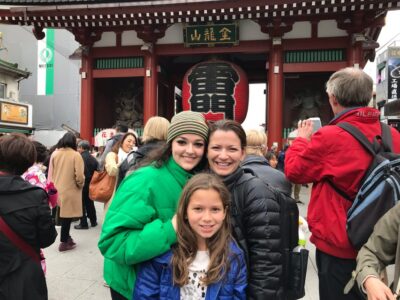 ★ 4.8Private City Highlights Tour with Local GuideFrom $1061,433 reviews
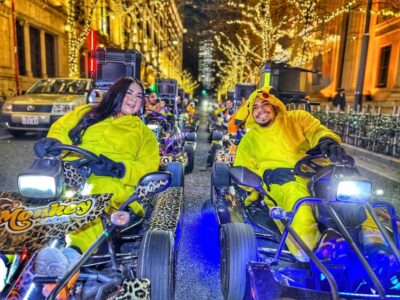 ★ 4.7Asakusa, Skytree & Akhihabara Go-Kart City ExperienceFrom $96761 reviews
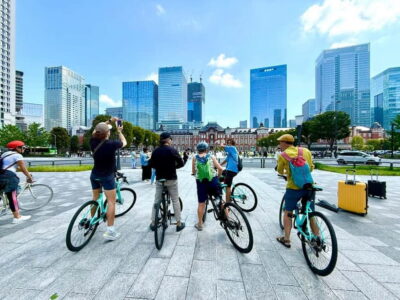 ★ 4.83-Hour Bike or E-Bike City Highlights TourFrom $45435 reviews
 ★ 4.8Sumo Morning Practice Tour at Sumida CityFrom $116308 reviews
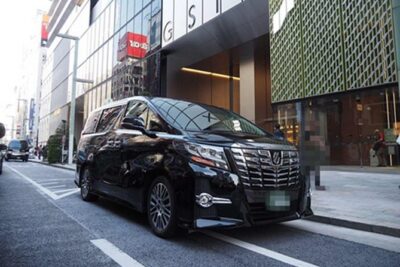 ★ 4.5Private Haneda Airport (HND) to Central Tokyo City TransferFrom $119260 reviews
 ★ 4.83-hour Guided E-Bike Tour of the City’s Hidden GemsFrom $65251 reviews
 ★ 5.03-Hour Bike/E-Bike Tour of the City’s HighlightsFrom $63209 reviews
 ★ 4.5Private departure transfer from Tokyo city to Tokyo Haneda Airport(HND)From $118123 reviews
Browse the lists this tour appears in