
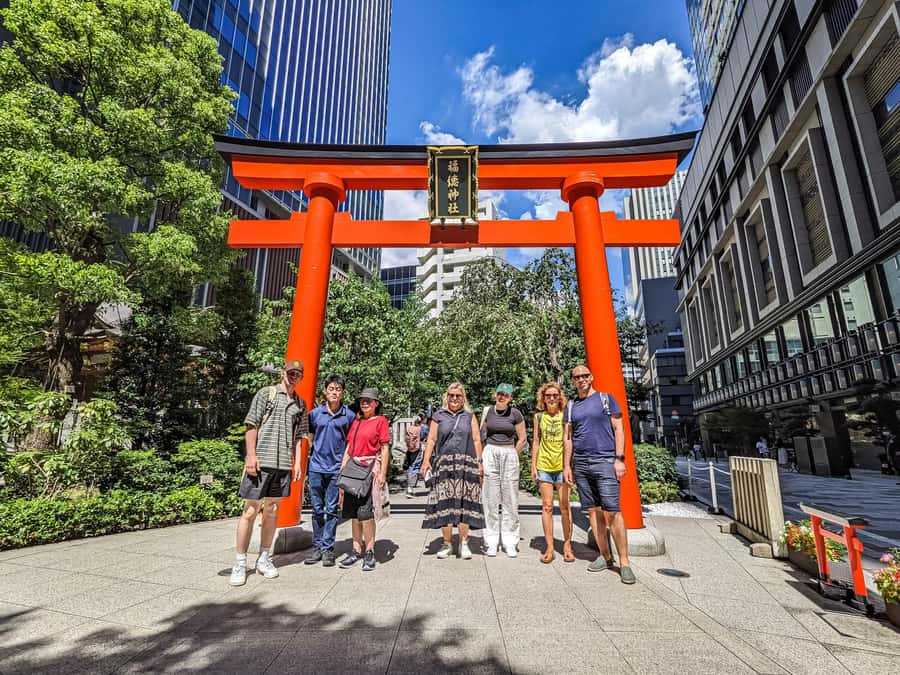
Reviewed · FOOD & DRINK
Tokyo Food Tour: The Past, Present and Future 11+ Tastings
Tokyo food stories run under changing skylines. I love the 11+ tastings and how the tour maps Tokyo’s food from past to present to future across multiple neighborhoods; the trade-off is 6.5 km of walking plus plenty of subway-station stairs. Still, it’s one of those rare food tours that feels like a guided city lesson, not just a meal run.
I also like the small-group feel. You can choose a private option, or join a small group of up to 8 people, which makes it easier to ask questions and actually hear the stories behind what you’re eating.
One consideration: this isn’t a slow, sit-down tour. It’s rain or shine, and it’s not set up for wheelchair users or people with mobility impairments.
In This Review
- Key Points You’ll Care About
- Food Through Time: Nihonbashi’s Old-School Ingredients
- Salaryman Stops in Ginza and Yurakucho Under the Tracks
- Tokyo Station’s Gift-Giving Culture and Fruits Sando
- Akihabara’s Future Snack Marketing and Newer Tastes
- How the 5.5 to 6.5 Hours Plays Out (and Where It Can Feel Long)
- Price and Value: What $164 Covers (and What It Doesn’t)
- Guides, Language, and Why the Stories Matter
- Who Should Book This Tour, and Who Should Skip It
- Should You Book This Tokyo Food Tour?
- FAQ
- Where does the tour start?
- How long is the tour, and how far do you walk?
- What food and drinks are included?
- Is alcohol included?
- Is the tour suitable for vegetarians or vegans?
- Do I need to buy subway tickets during the tour?
Key Points You’ll Care About
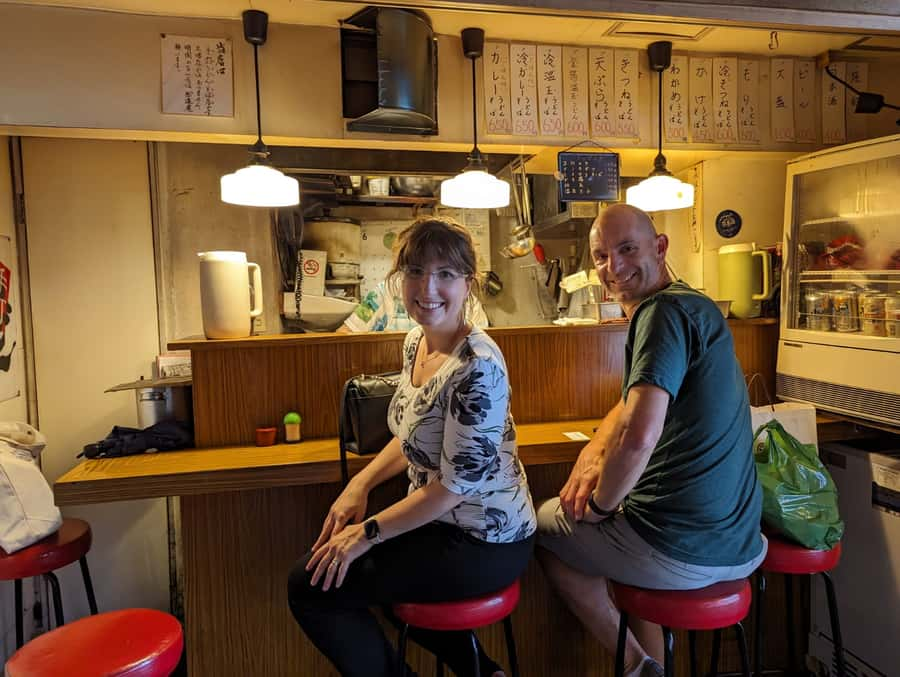
- 11+ tastings across three Tokyo areas, tied to food culture over time
- Nihonbashi to Akihabara gives you past, present, and future through what people buy and eat
- A guided shrine visit adds cultural context beyond the food
- A salaryman-style meal under railway tracks makes modern Tokyo feel real
- Moderate walking (about 6.5 km) with stair-heavy subway stations
- Small groups (max 8) or private tours for better pacing and Q&A
Food Through Time: Nihonbashi’s Old-School Ingredients
Your day starts in Nihonbashi, an area that’s closely linked to how Japanese food habits formed in the first place. The tour is set up around the idea that certain flavors don’t just taste good—they explain how Japan eats. That’s why the first stop leans into fundamentals like dashi, the flavor base behind many classic dishes.
You’ll get tasting-style access to ingredient culture rather than just finished foods. Expect to see key players like kombu (kelp) and katsuobushi (bonito flakes), and hear how those flavors became the backbone of everyday cooking. If you’ve ever wondered why “umami” shows up so often in Japan, this is where it starts to click.
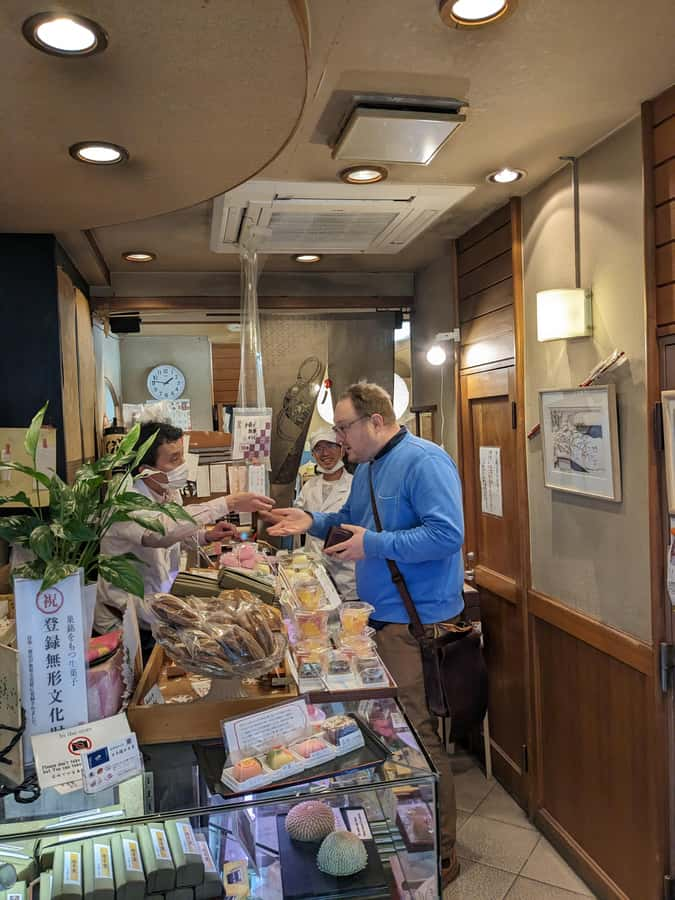
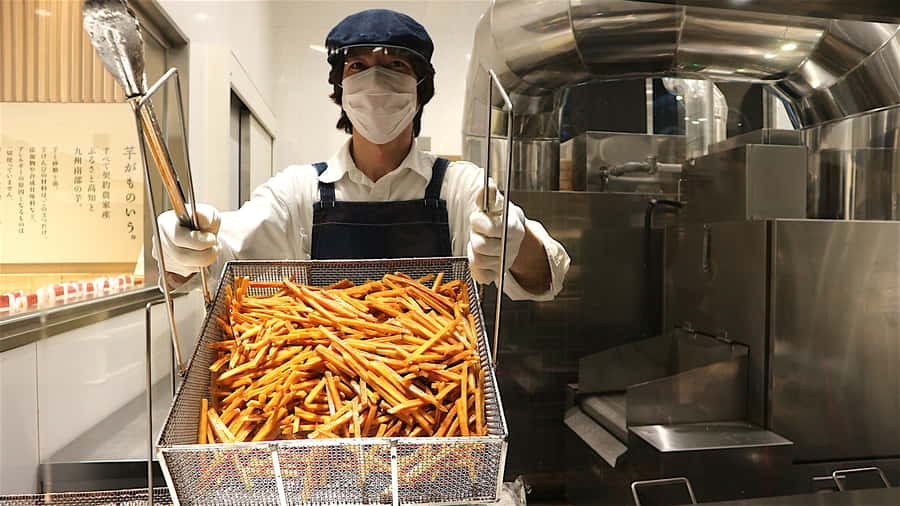
Then come the kind of snacks that feel made for handing down: things like simmered kelp (kombu tsukudani), a fermented sweet drink (amazake), sweet potato chips (imo kenpi), and daifuku mochi with sweet filling. The tour also points out that some shops here have been around for over a century, which helps you understand why certain sweets still feel modern even when their recipes are old.
The practical upside of starting here: you’re not rushing into a new stomach every 10 minutes. The early tastings build a flavor baseline, so later bites in more contemporary settings make more sense.
Readers also shortlisted these Tokyo bookings:
- Tokyo: Shinjuku Food Tour (13 Dishes at 4 Local Eateries)
★ 5.0 · 6,603 reviews - Tokyo Tsukiji Fish Market Food and Culture Walking Tour
★ 5.0 · 3,184 reviews - Tokyo: Shinjuku Food Tour (15 Dishes and 4 Eateries)
★ 4.9 · 2,033 reviews - Best of Shinjuku: Izakaya Food Tour (4 Stops, 14+ Tastings)
★ 5.0 · 1,863 reviews
Salaryman Stops in Ginza and Yurakucho Under the Tracks
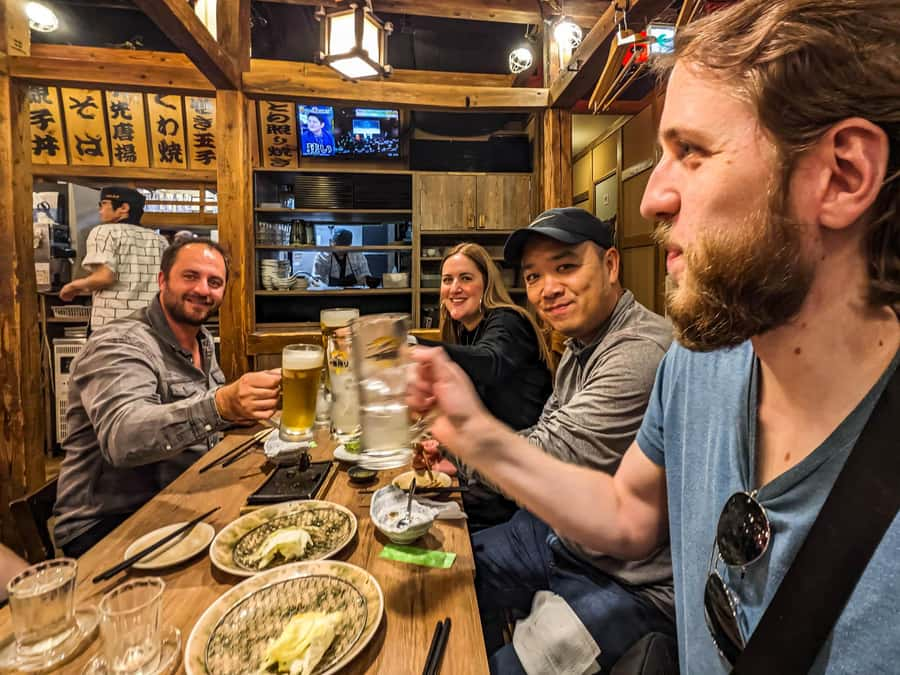
From Nihonbashi, the tour shifts into present-day Tokyo—specifically the kind of meals that make weekday life easier. That means izakayas and noodle stalls, including spots where you’ll eat in the shadow of the railway lines. The mood is part of the lesson: Tokyo’s “quick but satisfying” food culture is built around convenience and routine.
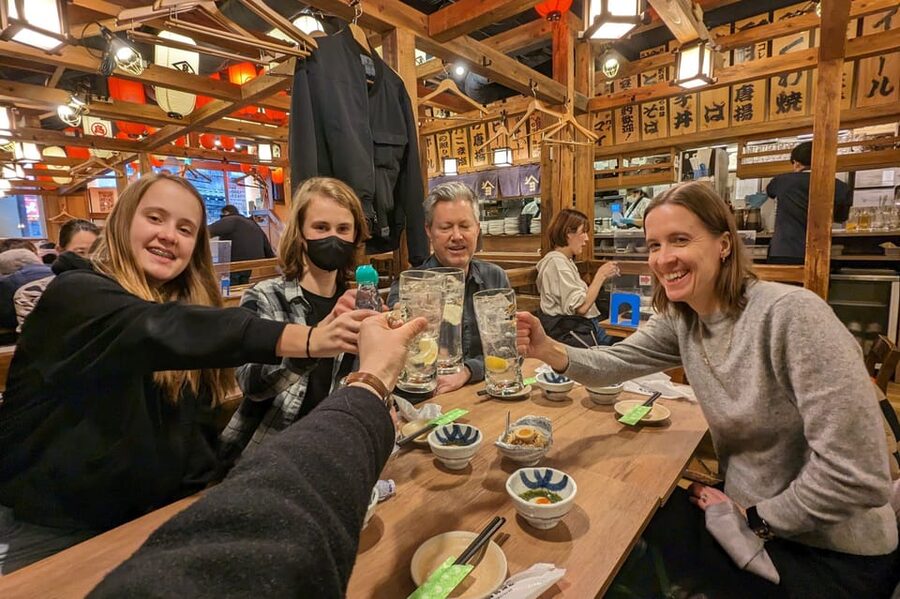
This is where you’ll likely taste chicken dishes that are common for salarymen and curry udon, a noodle soup that reflects post-war industrial influences and how tastes evolved. You’ll also have an alcoholic drink included—a Japanese sour. It’s a simple, refreshing style drink, and it fits the casual “eat now, talk later” vibe of these places.
What I like about this section is how it connects food to daily life. Curry udon isn’t just a dish on a menu; it’s a marker of what became popular once Tokyo’s modern work rhythm was in full swing. Even if you don’t consider yourself a “noodle person,” you’ll learn what makes this style comforting—thicker sauces, gentle spice, and a filling feel that works after a long day.
A drawback to note: this part involves lots of moving between food counters and tables. So if you’re hoping for long explanations while sitting comfortably, this isn’t that kind of tour. It’s better for people who enjoy watching food culture in action.
Tokyo Station’s Gift-Giving Culture and Fruits Sando
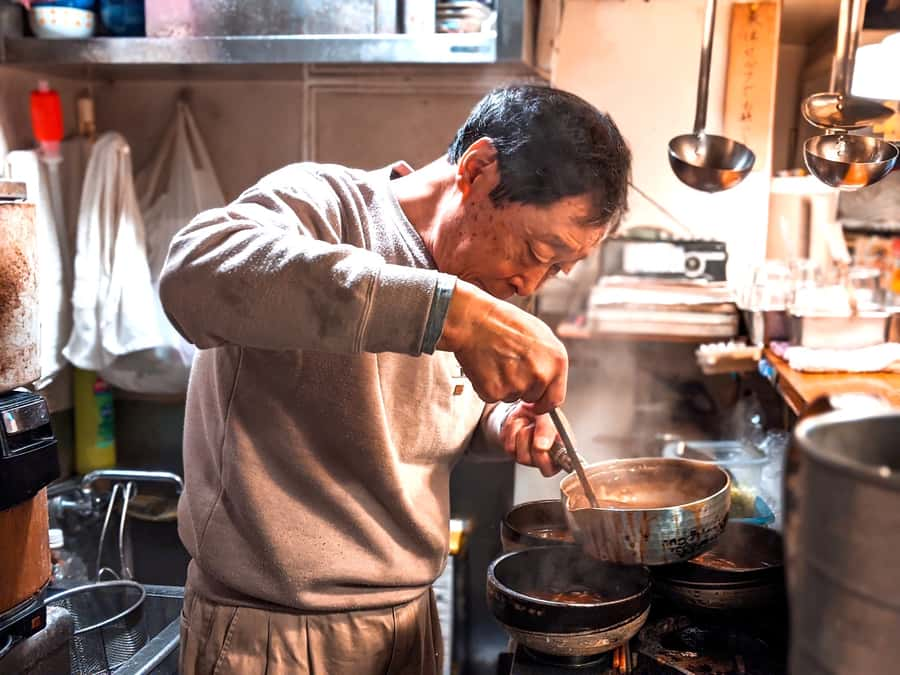
Tokyo Station adds a totally different angle. Instead of just eating street-style snacks, you get pulled into Japanese gift culture—how food becomes a message you send when you can’t carry yourself.
You’ll explore the area and taste a fruits sando, a Japanese milk bread sandwich filled with fresh fruit and whipped cream. It’s the kind of bite that feels like a treat, but it also fits Tokyo’s “planned delight” approach: something you pick with care because it represents you.
The tour also makes the link between food and Japan’s famous high-speed trains. That connection matters because Tokyo Station isn’t only a place to catch transport—it’s a place where people buy food to take home, to celebrate, or to say thank you. Station eating is its own mini-culture: fast, polished, and designed for people on the move.
I find this section particularly useful if you’re the kind of traveler who wants to bring something back that isn’t just a random souvenir. This makes it easier to understand why certain packaging and flavors become staples at transit hubs.
Akihabara’s Future Snack Marketing and Newer Tastes
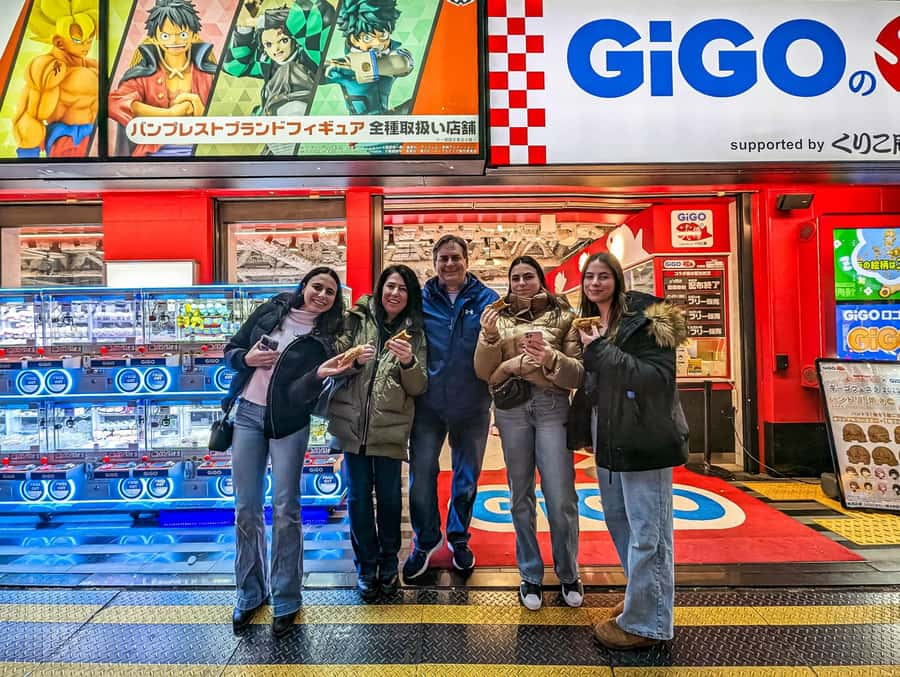
Then you take a short subway ride into Akihabara, the electronics and anime neighborhood that turns technology and fandom into daily life. Here, the “past, present, future” theme shifts again: you’re not only tasting flavors, you’re tasting marketing—how brands introduce traditional snacks to newer generations.
The tour doesn’t treat Akihabara like a gimmick. It frames the area as a place where subcultures form quickly and where new ideas spread fast, and that shapes what companies do with food. You’ll sample traditional snacks, but the focus is on the strategies used to catch attention—packaging, messaging, and the way snack culture works when your customers are younger and scrolling constantly.
If you’ve ever seen nostalgic Japanese treats rebranded with anime-style packaging or tech-forward presentation, this stop helps you interpret why it happens. It’s not random. It’s how “classic” products survive by changing the way they’re introduced.
One more note: Akihabara can feel visually loud, so having tastings spaced out with a guide is helpful. Without that structure, it’s easy to wander and miss the connection between what you’re eating and why it’s being sold this way.
How the 5.5 to 6.5 Hours Plays Out (and Where It Can Feel Long)
This tour runs about 5.5 to 6.5 hours, with a moderate pace and an estimated walking distance of about 6.5 km (around 4 miles). You’ll also be dealing with stair-heavy subway stations, so build in extra time in your brain even if everything goes smoothly.
A few practical details make a difference:
- There are two short subway rides, and you’ll need your own subway ticket for them.
- The tour happens rain or shine.
- You’ll want comfortable shoes and a reusable water bottle, plus a towel if that’s your style (Tokyo can get hot and the walking adds up).
Meeting point matters here. You start at Nihonbashi Subway Station Exit B12. You don’t meet on the street level. Exit B12 takes you into a shopping mall basement area, and the meeting spot is a bench on the right. It’s easy to get turned around if you assume it’s outside.
The day ends back in the Akihabara area, finishing at Akihabara Station, which is convenient because it’s well connected for your next stop.
And yes, you also get a shrine visit as part of the experience. The tour includes it as cultural immersion, so it’s not just tasting fuel—it’s part of how you understand Japanese daily rhythms.
Readers also shortlisted these Tokyo bookings:
- Tokyo: Tsukiji Fish Market Food and Walking tour★ 5.0 · 1,724 reviews
- Tokyo Night Foodie Tour in Shinjuku – Seasonal Sushi, Wagyu Beef★ 5.0 · 1,161 reviews
- Eat and Drink Like a Local: Tokyo Ueno Food Tour-Taverns&Ramen★ 5.0 · 957 reviews
- Tokyo: Shibuya Food Tour (13 dishes and 4 Eateries)★ 5.0 · 770 reviews
- Tokyo: Tsukiji Fish Market Food and Culture Walking Tour★ 4.7 · 757 reviews
Price and Value: What $164 Covers (and What It Doesn’t)
At $164 per person, the value comes from stacking three things: 11+ tastings, an included alcoholic drink, and a guided flow through multiple districts.
If you’ve done independent food-hopping in Tokyo, you know how quickly costs add up: multiple purchases, small bites at lots of places, and the time expense of figuring out where to go and what to order. Here, the tour is designed so you keep moving with purpose and you’re not guessing.
What’s included:
- 11+ food tastings
- 1 alcoholic drink
- A tour guide
- Private or small group options (up to 8)
What’s not included:
- Subway tickets during the tour (two short rides)
- Hotel pickup/drop-off unless you book a private tour with hotel meet-up
A balanced note: the tour isn’t built for vegans or vegetarians. If your diet is flexible, you still need to check with the provider during booking, because the tour is clearly centered on traditional snacks and common Japan staples that may include animal products.
Guides, Language, and Why the Stories Matter
This is the part that makes food tours work or fall flat. The tour is led by a live guide in English, Japanese, or Portuguese, and the overall experience is meant to connect food to culture, not just calories.
In particular, guides named Paiva and Miko have been praised for mixing food with meaningful context and doing it in a friendly way. That matters because Tokyo food culture can be full of tiny rules and customs—how you order, what “comfort” means, why a station snack feels like a tradition. A good guide helps you read those cues quickly.
If you like asking questions and getting answers that feel specific to Japan (not generic travel tips), this tour’s format is a good match.
Who Should Book This Tour, and Who Should Skip It
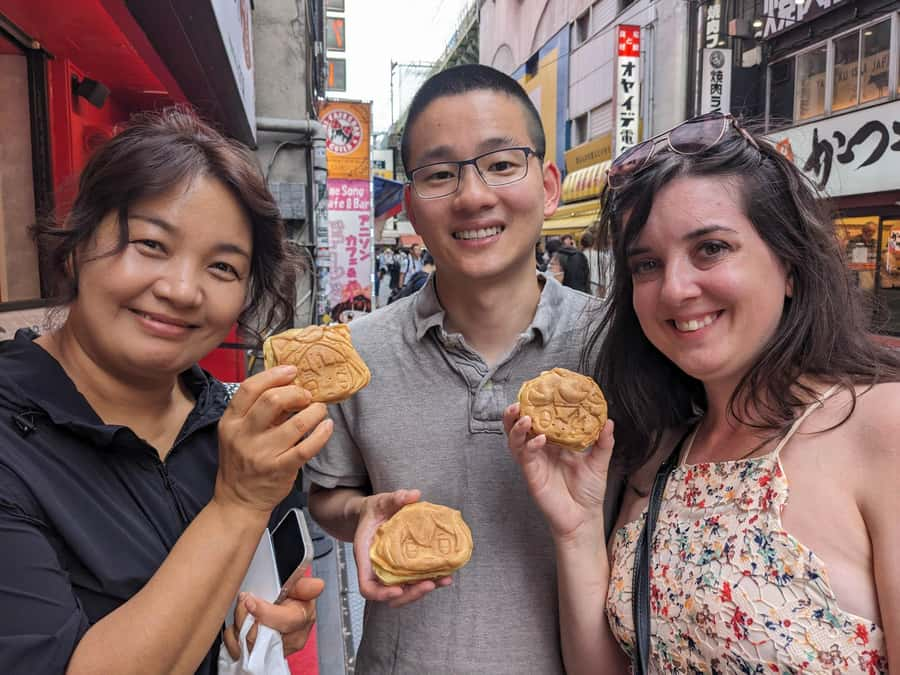
Book it if you want a guided “food systems” tour: how Tokyo eats now, how it got there, and how it’s being marketed to the next generation. It’s also a strong choice if you like small-group travel and you don’t mind walking 6.5 km with stair breaks.
Skip it (or strongly consider a different style) if:
- You’re using mobility aids or need wheelchair-friendly routing.
- You’re vegan or vegetarian.
- You prefer mostly seated dining and minimal walking.
If you’re traveling with friends and want a shared plan without the stress of coordinating multiple neighborhoods, the private option can be a great way to keep the pace comfortable.
Should You Book This Tokyo Food Tour?
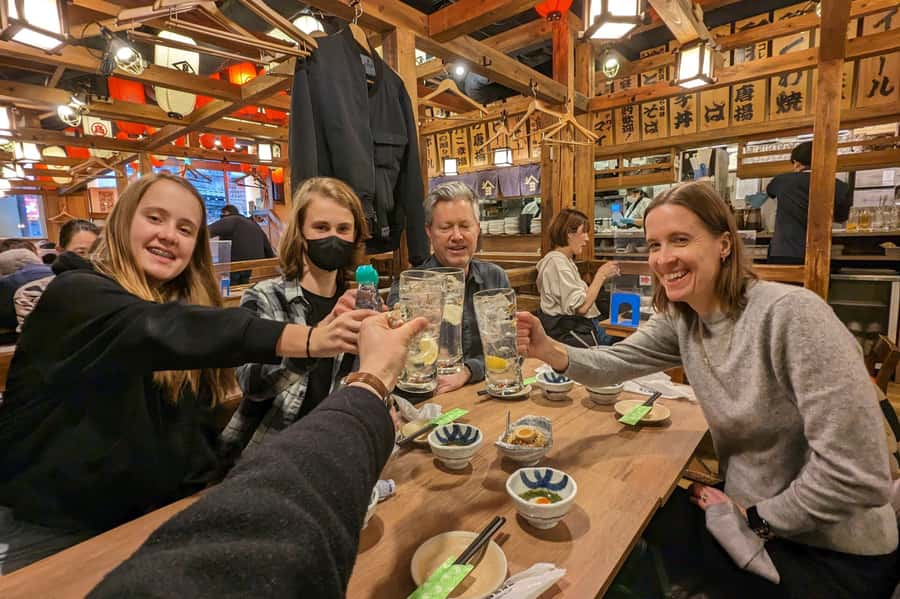
Yes—if you match the touring style. For people who enjoy tasting as a way to learn, this tour does a rare job of connecting snacks to place and time: Nihonbashi fundamentals, salaryman-era comfort food under the tracks, Tokyo Station gift culture, and Akihabara’s future-facing marketing.
Make the call based on your day:
- If you’re ready for steady walking and subway stairs, you’ll likely find it fun and efficient.
- If you need a gentler pace, you might want to choose a different tour format.
If you’re the type who likes to leave Tokyo not just full, but informed, this one is worth it.
FAQ
Where does the tour start?
It starts at Nihonbashi Subway Station Exit B12. The meeting spot is a bench on the right inside the basement level (in the shopping mall), not outside on street level.
How long is the tour, and how far do you walk?
The tour lasts 5.5 to 6.5 hours and involves walking about 6.5 km total at a moderate pace.
What food and drinks are included?
You get 11+ food tastings plus 1 alcoholic drink. You’ll also receive a guided experience through multiple districts with local snacks at each stop.
Is alcohol included?
Yes. One alcoholic drink is included with the tour.
Is the tour suitable for vegetarians or vegans?
No. The tour is listed as not suitable for vegans and not suitable for vegetarians.
Do I need to buy subway tickets during the tour?
Yes. There are two short subway rides, and you will need to purchase your own ticket for subway travel during the tour.
More Food & Drink in Tokyo
- Tokyo: Shinjuku Food Tour (13 Dishes at 4 Local Eateries)
★ 5.0 · 6,603 reviews - Tokyo Tsukiji Fish Market Food and Culture Walking Tour
★ 5.0 · 3,184 reviews - Tokyo: Shinjuku Food Tour (15 Dishes and 4 Eateries)
★ 4.9 · 2,033 reviews - Best of Shinjuku: Izakaya Food Tour (4 Stops, 14+ Tastings)
★ 5.0 · 1,863 reviews - Tokyo: Tsukiji Fish Market Food and Walking tour
★ 5.0 · 1,724 reviews
More Tours in Tokyo
- Mt Fuji and Hakone 1-Day Bus Tour Return by Bullet Train
★ 5.0 · 26,383 reviews - 1-Day Tokyo Bus Tour
★ 5.0 · 14,250 reviews - Tokyo: Shinjuku Food Tour (13 Dishes at 4 Local Eateries)
★ 5.0 · 6,603 reviews - Tokyo Mt Fuji 5th St & Hakone Cruise Bus Tour w/Bullet Train
★ 4.4 · 5,024 reviews - Flagship 2-Hours Official Street Go-Kart Tour – Tokyo Bay Shop
★ 5.0 · 4,974 reviews
More Tour Reviews in Tokyo
- Mt Fuji and Hakone 1-Day Bus Tour Return by Bullet Train
★ 5.0 · 26,383 reviews - 1-Day Tokyo Bus Tour
★ 5.0 · 14,250 reviews - Tokyo: teamLab Planets TOKYO Digital Art Museum Entry Ticket
★ 4.6 · 9,779 reviews - Mt Fuji & Hakone Cruise, Drum Show Bullet Train 1 Day from Tokyo
★ 4.0 · 7,413 reviews - Tokyo: Shinjuku Food Tour (13 Dishes at 4 Local Eateries)
★ 5.0 · 6,603 reviews
Latest Tokyo reviews off our desk






Food & Drink, compared.
 ★ 5.0Shinjuku Food Tour (13 Dishes at 4 Local Eateries)From $866,603 reviews
 ★ 5.0Tokyo Tsukiji Fish Market Food and Culture Walking TourFrom $993,184 reviews
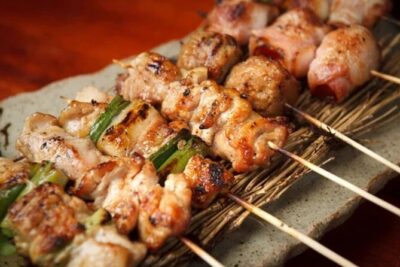 ★ 4.9Shinjuku Food Tour (15 Dishes and 4 Eateries)From $852,033 reviews
 ★ 5.0Best of Shinjuku: Izakaya Food Tour (4 Stops, 14+ Tastings)From $921,863 reviews
 ★ 5.0Tsukiji Fish Market Food and Walking tourFrom $301,724 reviews
 ★ 5.0Eat and Drink Like a Local: Tokyo Ueno Food Tour-Taverns&RamenFrom $95957 reviews
 ★ 5.0Shibuya Food Tour (13 dishes and 4 Eateries)From $77770 reviews
★ 4.7Tsukiji Fish Market Food and Culture Walking TourFrom $96757 reviews
Browse the lists this tour appears in