
Reviewed · MOUNT FUJI TOURS
Tokyo: Fuji Cable Car Tour (Ticket Inc.) – Kawaguchiko Views
Mount Fuji day trips are usually chaos. This one strings the best stops together without wasting your whole day. You’ll ride the Kawaguchi Lake Panoramic Ropeway, visit Oshino Hakkai, and hit classic Fuji photo angles from parks and viewpoints—all starting with a scenic bus ride from Tokyo.
I especially like the way the tour builds from wide views to closer details. The ropeway area at Kawaguchi Lake Tenjozan Park gives big, postcard-style panoramas, and the Oshino Hakkai ponds bring you right up to crystal-clear spring water with Mount Fuji as the backdrop when skies cooperate.
One thing to watch: Mount Fuji visibility is always weather-dependent, and weekend crowds can mean lines and traffic delays. On peak days like Obon (Aug 10–17), the schedule can shift due to congestion, and you should book with that reality in mind.
In This Review
- Key points that make this day trip worth it
- Why This Fuji Day Trip Works: Ropeway Views + Photo Stops
- Tokyo to Kawaguchi: The 2.5-Hour Bus Ride and Departure Times
- Kawaguchi Lake Tenjozan Park and the Panoramic Ropeway
- Shinkurayama Shingen Park: Classic Fuji Photos With Traditional Feel
- Oshino Hakkai: The Eight Spring Ponds at Japan’s Little Switzerland
- Lawson at Kawaguchi Lake: The Viral Fuji Photo Spot
- Lake Yamanaka Swans: A Calm Nature Moment Between Major Stops
- Price and Value: What $44 Really Buys (and What It Doesn’t)
- Practical Tips for a Smoother Day With Weather, Queues, and No-Food-On-Buses
- Guides, Language, and the Small-Group Pace
- Who Should Book This Tour (and Who Might Want Another Option)
- Should You Book It? A Decision Guide
- FAQ
- What time does the tour leave Tokyo?
- How long is the bus ride from Tokyo?
- Are meals included in the tour price?
- Is the ropeway ride included?
- What stops are included on the day trip?
- Can I eat or drink on the bus?
- What should I bring for the day?
- What happens during Obon or heavy traffic?
Key points that make this day trip worth it
- Ropeway views over Kawaguchi Lake right when you want the widest Fuji angles
- Oshino Hakkai’s eight ponds with spring water and Fuji reflections when conditions are good
- Shinkurayama Shingen Park for the classic Fuji-meets-traditional-architecture photo setup
- The Lawson Convenience Store Fuji frame at Kawaguchi Lake for a very specific, very popular picture
- Small-group pace with a driver who may guide (so you get explanations, not just stops)
- Seasonal scenery from cherry blossoms to autumn leaves to winter snowscapes, depending on timing
Why This Fuji Day Trip Works: Ropeway Views + Photo Stops
This tour is built like a photography route, but you’re not locked into one single theme. You start with a high, aerial perspective, then move down to viewpoints and walking areas where Mount Fuji feels closer and more real.
You’ll also get a mix of moods. Big-sky scenery at the ropeway. Calm, footstep-paced nature time at Oshino Hakkai. Then a quick, slightly silly cultural pop stop at Lawson that’s famous for a reason.
The biggest value here is flow. You get multiple “must-see” Fuji spots in one day without planning bus transfers, ticket lines, and timing yourself.
More Fuji day trips our readers rated highly
- Tokyo: Mt. Fuji 5th Station & Hakone Cruise 1-Day Bus Tour
★ 4.2 · 2,381 reviews - Tokyo: Mount Fuji 5th Station & Onsen Day Trip
★ 4.3 · 75 reviews - Mt. Fuji Drive Tour (Includes Visit to Local Speedway)
★ 5.0 · 19 reviews - Halfway Up Mt,Fuji, Oshino Hakkai, Kawaguchiko from Tokyo
★ 3.6 · 13 reviews
Tokyo to Kawaguchi: The 2.5-Hour Bus Ride and Departure Times
Your day starts with a bus ride out of Tokyo. The trip is about 2.5 hours, and you’ll see rural areas rolling by before you reach Kawaguchi Lake.
Departure points vary by day:
- Tokyo Station Marunouchi North Exit at 9:00 on weekdays, 8:00 on national holidays
- Shinjuku West Exit (Mitsui Bank) at 9:30 on weekdays, 8:30 on national holidays
Arrive about 10 minutes early. It’s not dramatic, but you’ll avoid the last-minute scramble.
For me, this matters because Fuji day trips can be fragile. Miss the timing and you lose daylight, which is basically the currency you’re spending to chase good views.
Kawaguchi Lake Tenjozan Park and the Panoramic Ropeway
Kawaguchi Lake Tenjozan Park is where the day turns scenic. You arrive and immediately get that “oh wow” feeling—Lake Yamanaka and Kawaguchi Lake areas open up, and Mount Fuji can frame the whole scene if visibility cooperates.
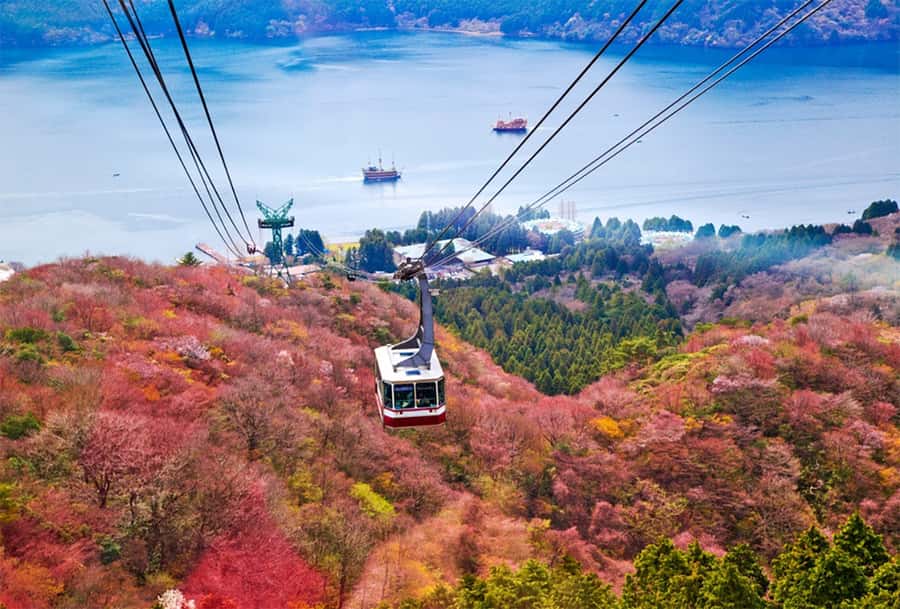
The highlight is the Kawaguchi Lake Panoramic Ropeway, which connects Kawaguchi Lake to Tenjozan. The tour includes ropeway tickets, and the ride is described as optional in the flow—so you can choose based on your comfort with queues and stairs.
At the summit, look for the rabbit statue symbolizing happiness and good luck. Small details like this are often why a spot feels more memorable than a generic viewpoint.
Practical reality: cable cars can require queuing. If the weather turns or operations pause, the tour may shift time and visit order to keep you moving.
Shinkurayama Shingen Park: Classic Fuji Photos With Traditional Feel
After Tenjozan, you head to Shinkurayama Shingen Park—a famous place for Fuji photos. The reason it works is simple: you get Mount Fuji framed against traditional Japanese-style architecture and well-composed viewpoints.
This is one of those stops where you can spend 20 minutes or 60 minutes, depending on your patience for the shot. If Fuji is clear, you’ll want extra time. If it’s hazy, you may still find angles where the mountain peeks through.
Wear comfortable shoes. There are climbing steps involved here, and you’ll feel it if you show up in fashion sneakers that hate stairs. Bring water too, since the day doesn’t include scheduled dining time.
Oshino Hakkai: The Eight Spring Ponds at Japan’s Little Switzerland
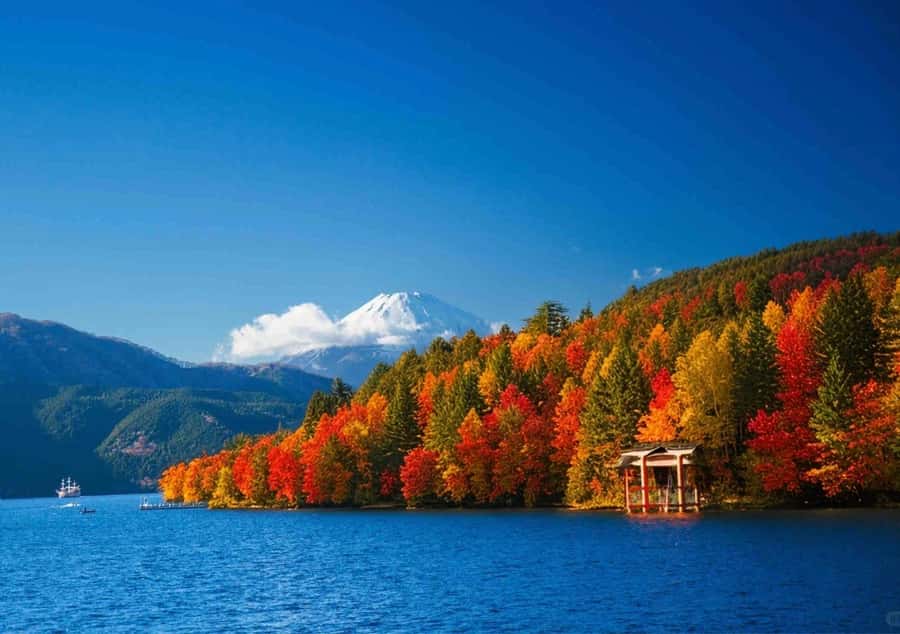
Then you reach the stop people talk about for a reason: Oshino Hakkai. It’s often described as Japan’s Little Switzerland because the water is so clean and the setting looks almost engineered for reflections.
Oshino Hakkai is officially recognized as a National Natural Monument and part of the New Fuji 100 Sceneries and Japan’s 100 Famous Waters. Translation: this isn’t just a theme park pond situation.
The key detail is that you’re looking at eight crystal-clear spring ponds, with Mount Fuji often as the big photo background. Even when the mountain is partially obscured, the water and surrounding atmosphere still do the job.
You’ll also find snack shops nearby, and this is one of the best moments to grab a bite since the tour doesn’t include meals. If you’re photographing, remember that you’re not only fighting the weather—you’re also fighting foot traffic at popular times.
A small note: the tour rules say no eating or drinking on the vehicle. So if you bring snacks, plan to eat them at stops, not during transit.
- Private Fuji Full-day Car Tour with Hotel Pickup -Local Guide★ 5.0 · 12 reviews
- Mount Fuji E-Bike Tour: Explore Nature and History★ 5.0 · 7 reviews
Lawson at Kawaguchi Lake: The Viral Fuji Photo Spot
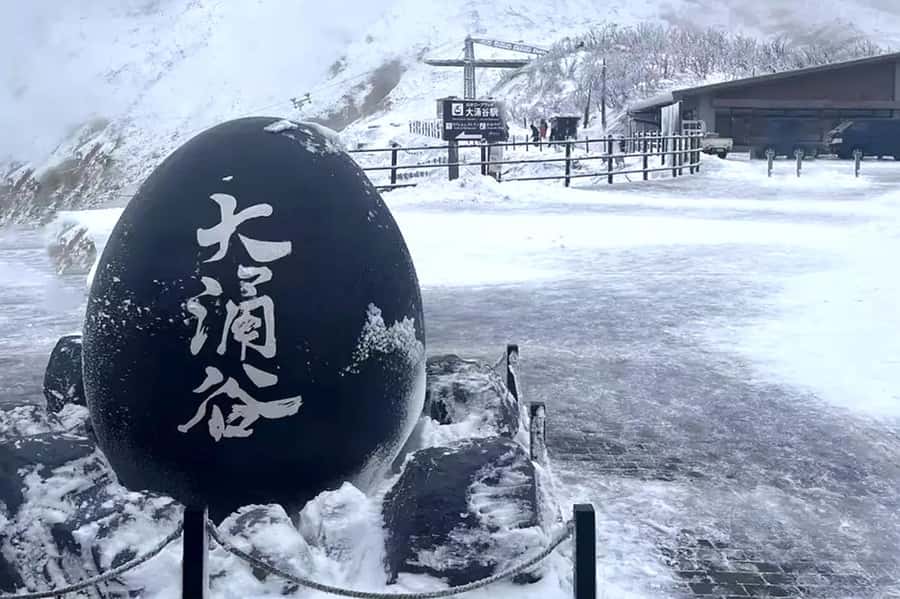
Yes, it’s a convenience store. Yes, it’s famous. But it’s famous for a very specific reason: the Lawson logo creates a blue-white frame that lines up with Mount Fuji from the Kawaguchi Lake Station branch.
This is one of those stops where the “main event” is the photo geometry. You’ll see people aiming their cameras like it’s a guided art class, but it really is a satisfying frame when Fuji is visible.
I like this stop because it breaks up the nature-only rhythm. After parks and ponds, it’s quick, easy, and gives you a different kind of travel memory—very Japan, very meme-friendly, without feeling totally gimmicky once you’re there.
Lake Yamanaka Swans: A Calm Nature Moment Between Major Stops
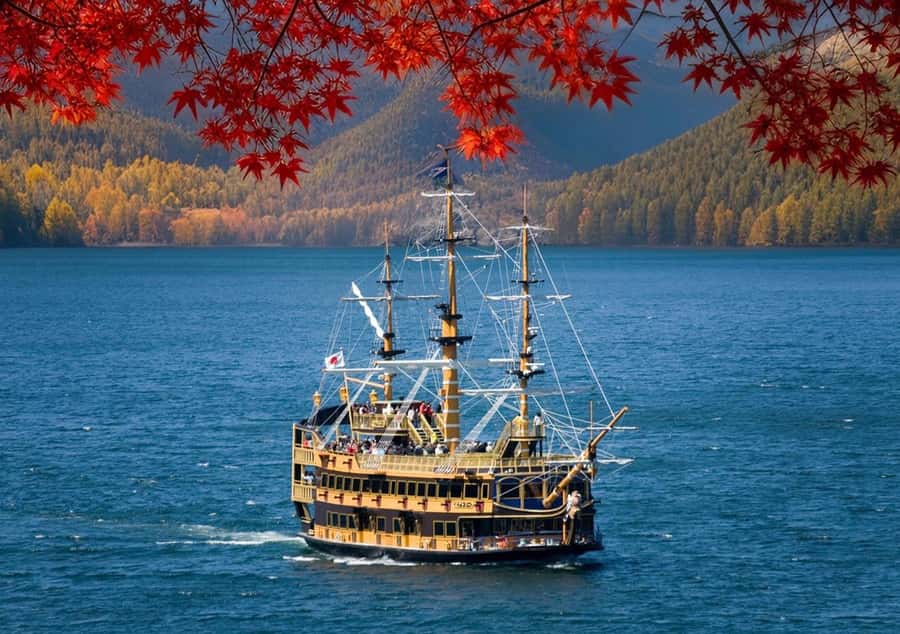
The itinerary’s nature side continues with a chance to feed swans at Lake Yamanaka. Even if you’re not a “bird person,” it’s the kind of small, gentle interaction that makes a big scenery day feel less rushed.
This segment is also a useful mental reset. Fuji days can be intense because you’re chasing visibility, light, and timing. A quiet nature break helps you enjoy the day even when you don’t get the mountain perfectly.
Bring that jacket if the breeze hits. Mountain-area weather can change fast, and wind is part of the package.
Price and Value: What $44 Really Buys (and What It Doesn’t)
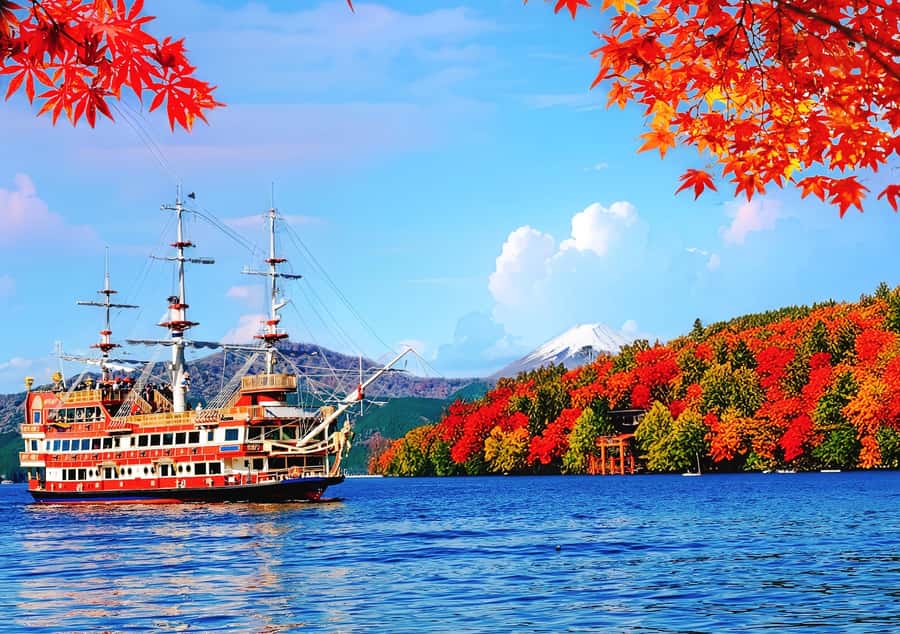
At $44 per person, this is an easy-value category for a Tokyo-to-Fuji day trip. You’re paying for transportation out of the city, admission to key areas, and the ropeway tickets.
What you don’t get: meals aren’t included, and you’ll also want to handle personal travel or accident insurance on your own if you need it. The tour also doesn’t include anything like a fancy restaurant reservation—so plan on eating near stops or bringing snacks for the day.
To judge value fairly, think about what you’d spend doing this alone: train or highway bus travel, buying multiple tickets, and losing time trying to coordinate viewpoints. Here, the structure is doing the heavy lifting for you.
Practical Tips for a Smoother Day With Weather, Queues, and No-Food-On-Buses
A few details can make the difference between smooth and stressful.
Bring a jacket. Mount Fuji areas can be windy, especially at ropeway summits. If you run cold easily, don’t treat it like a mild-weather day.
Wear shoes made for steps. Shinkurayama Park involves climbing. Your legs will notice, and you’ll enjoy the views more if you’re not fighting foot pain.
Plan for crowds and lines. Weekends and holidays bring more people, and cable cars can require waiting. Queues don’t ruin the day, but they do eat time—so your mindset needs to be flexible.
Expect schedule adjustments. Weather or cable car closures can shift the timing and possibly the order of stops. Your guide works around it, but you should still prepare for a bit of uncertainty.
No eating or drinking in the vehicle. If you spill something and get stains, cleaning fees may apply. Keep the snacks for stops, not the bus.
Obon can be intense. From Aug 10th to 17th is Japan’s Obon Festival. Crowds can spike, traffic can congest, itinerary changes may happen, and the information you have also notes that there can be no refunds due to traffic jams. If you’re traveling during that window, build in extra patience—or choose different dates.
Guides, Language, and the Small-Group Pace
This is a small-group style day trip. The driver can also act as the guide, which usually means you get practical explanations instead of a long lecture.
The tour notes English and Chinese availability, and it also says multilingual services aren’t single-language-only on board. Translation quality can depend on the day, so I recommend keeping your expectations realistic: you’re getting guidance that helps you enjoy the stops, not a full museum-style audio tour.
Some guides you may encounter include Betty, Basnet, Jimmy, Yuan, and Yan-san. The common thread is that the best experiences come from asking questions when you’re at viewpoints, not trying to catch every detail while the bus is moving.
Who Should Book This Tour (and Who Might Want Another Option)
This trip is a great match if you want a classic Fuji checklist day without planning complexity. I’d especially recommend it if you care about ropeway views, want multiple photo stops in one day, and don’t want to spend hours figuring out transit.
It may not be the best fit if you have mobility limitations. It’s noted as not suitable for mobility impairments, wheelchair users, and people over 70. Also, cable car operations and step-heavy areas can make pacing difficult if you can’t handle uneven footing.
If you’re traveling with kids or you’re short on time in Tokyo, it’s still attractive, but do pay attention to the under-2 seating note: adult tickets may be required depending on booking details.
Should You Book It? A Decision Guide
Book this tour if:
- you want Mount Fuji viewpoints plus walking stops in one day
- ropeway panoramas are high on your list
- you like structured routes that save you planning time
- you’re willing to work with weather and possible queues
Think twice if:
- you absolutely need guaranteed Mount Fuji visibility (you can’t control weather)
- you hate lines and traffic and won’t handle schedule changes
- you’re traveling during Aug 10–17 (Obon), when congestion can hit hard
My take: this is a strong value day trip because it bundles the key Fuji experiences—ropeway, parks, Oshino Hakkai’s water, and that Lawson photo frame—into a single, realistic day. If you show up ready for wind, stairs, and flexible timing, you’ll leave happy.
FAQ
What time does the tour leave Tokyo?
On weekdays, it leaves at 9:00 from Tokyo Station Marunouchi North Exit. On national holidays, it leaves at 8:00. There’s also a Shinjuku West Exit departure at 9:30 on weekdays or 8:30 on national holidays. Arrive about 10 minutes early.
How long is the bus ride from Tokyo?
It’s about a 2.5-hour bus ride from Tokyo to the Kawaguchi Lake area.
Are meals included in the tour price?
No. Meals are not included, and there isn’t a scheduled dining time. You’ll need to eat at attraction areas or bring snacks.
Is the ropeway ride included?
Yes, ropeway tickets are included, and riding it is described as optional in the flow. You can decide based on your comfort and queue situation.
What stops are included on the day trip?
Included stops are Kawaguchi Lake Tenjozan Park, Shinkurayama Shingen Park, Oshino Hakkai, and the Lawson Convenience Store (Kawaguchi Lake Branch), plus the Kawaguchi Lake Panoramic Ropeway.
Can I eat or drink on the bus?
No. Food and drinks are not allowed in the vehicle. Stains can lead to cleaning fees, so keep snacks for the stops.
What should I bring for the day?
Bring comfortable shoes (steps are involved at Shinkurayama Park) and a jacket for wind around Mount Fuji. Carry water too, since there’s no scheduled meal time.
What happens during Obon or heavy traffic?
During Aug 10th to 17th (Obon), crowds and traffic can be heavy. The itinerary may be adjusted, and the information provided notes that there may be no refunds due to traffic jams.
More Tours in Fujinomiya
- Tokyo: Mt. Fuji 5th Station & Hakone Cruise 1-Day Bus Tour
★ 4.2 · 2,381 reviews - Mt. Fuji Drive Tour (Includes Visit to Local Speedway)
★ 5.0 · 19 reviews - Private Fuji Full-day Car Tour with Hotel Pickup -Local Guide
★ 5.0 · 12 reviews - Mount Fuji E-Bike Tour: Explore Nature and History
★ 5.0 · 7 reviews
More Tour Reviews in Fujinomiya
- Tokyo: Mt. Fuji 5th Station & Hakone Cruise 1-Day Bus Tour
★ 4.2 · 2,381 reviews - Tokyo: Mount Fuji 5th Station & Onsen Day Trip
★ 4.3 · 75 reviews - Mt. Fuji Drive Tour (Includes Visit to Local Speedway)
★ 5.0 · 19 reviews - Halfway Up Mt,Fuji, Oshino Hakkai, Kawaguchiko from Tokyo
★ 3.6 · 13 reviews - Private Fuji Full-day Car Tour with Hotel Pickup -Local Guide
★ 5.0 · 12 reviews
More Mount Fuji Days We Have Reviewed
- Tokyo: Mt. Fuji 5th Station & Hakone Cruise 1-Day Bus Tour
★ 4.2 · 2,381 reviews - Tokyo: Mount Fuji 5th Station & Onsen Day Trip
★ 4.3 · 75 reviews - Mt. Fuji Drive Tour (Includes Visit to Local Speedway)
★ 5.0 · 19 reviews - Halfway Up Mt,Fuji, Oshino Hakkai, Kawaguchiko from Tokyo
★ 3.6 · 13 reviews - Private Fuji Full-day Car Tour with Hotel Pickup -Local Guide
★ 5.0 · 12 reviews
Latest Fujinomiya reviews off our desk
Mount Fuji Tours, compared.
 ★ 5.0Mt Fuji and Hakone 1-Day Bus Tour Return by Bullet TrainFrom $16326,383 reviews
 ★ 4.0Mt Fuji & Hakone Cruise, Drum Show Bullet Train 1 Day from TokyoFrom $1497,413 reviews
 ★ 4.4Tokyo Mt Fuji 5th St & Hakone Cruise Bus Tour w/Bullet TrainFrom $1545,024 reviews
 ★ 4.5From Tokyo: Mount Fuji Full-Day Sightseeing TripFrom $684,970 reviews
 ★ 4.7Mt. Fuji Tour, Hakone Ropeway, Owakudani, Lake AshiFrom $544,002 reviews
 ★ 4.4Mt.Fuji,Kawaguchiko Oishi Park,Arakurayama Sengen ParkFrom $542,682 reviews
 ★ 4.2Mt. Fuji 5th Station & Hakone Cruise 1-Day Bus TourFrom $1292,381 reviews
 ★ 4.7Mt Fuji Top 5 Spots Day Tour: Arakurayama Park,Oshino HakkaiFrom $532,066 reviews