
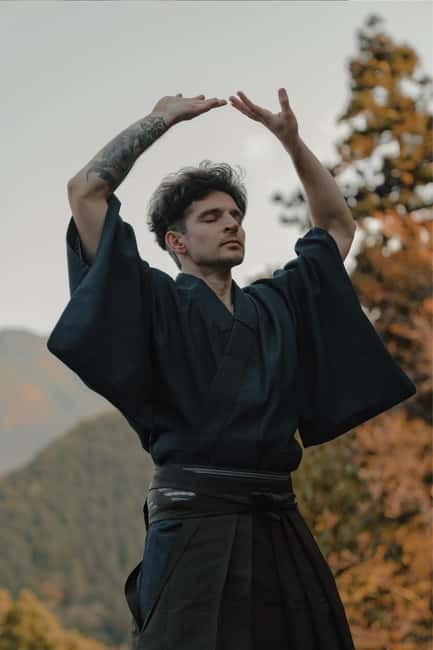
Reviewed · SAMURAI & NINJA CLASSES
Samurai Swordsmanship and Sound Meditation in nature
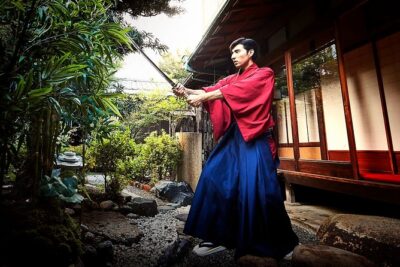
A sword lesson in the woods sounds simple. It is not. This is samurai swordsmanship mixed with sound meditation by a private river, with live instruments and a full ritual feel.
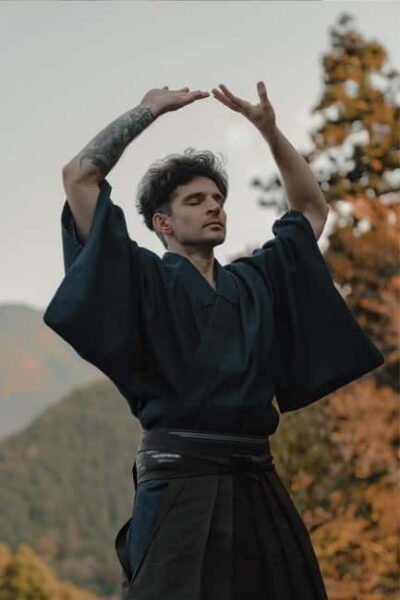
I especially like the way the session connects body control (the sword practice) with mind control (standing Zen and guided sound). You also get to wear samurai-style clothing with a real sense of ceremony. One thing to consider: you need a decent level of fitness for the sword movements, and the experience is not suitable for back problems or pregnancy.
What makes this experience different (key points)
- Small group (up to 10), so you get coaching and time to practice basic movements
- Kimono and hakama rental for that full samurai look and photo-friendly moment
- Private river purification with a sword ritual and a prayer to the eight million gods
- Sound meditation with traditional instruments (flute, drums, and live improvisation)
- Practice with an unsharpened sword plus a real cutting experience
- Sword dance performance that people describe as emotionally moving
In This Review
- Samurai Swordsmanship and Sound Meditation: What This Day Feels Like
- Meeting Yusuke and Yoshino: The People Behind the Session
- Getting Dressed in Kimono and Hakama (and What to Wear Underneath)
- The River Purification Ritual: Sword Respect, Water, and Prayer
- Sound Meditation by Traditional Instruments: Flute, Drums, and Live Improvisation
- Standing Zen in Nature: Why Stillness Takes Practice
- Swordsmanship Practice: Unsharpened Training With Real Discipline
- The Samurai Performance and Sword Dance That Hits Emotion
- Logistics From Tokyo: Getting to Uenohara Station Without Stress
- Price and Value: Why $64 Is Reasonable Here
- Who Should Book This (and Who Should Skip It)
- Before You Go: Weather, Comfort, and Photo Timing
- Should You Book Samurai Swordsmanship and Sound Meditation?
- FAQ
- How long is the experience?
- Where do I meet the host?
- How do I get there from Tokyo?
- Is the group small?
- What languages are offered?
- What is included in the price?
- Do I need to bring anything?
- Is it okay if I want to watch instead of practice?
- Is it suitable for children or pregnant travelers?
Samurai Swordsmanship and Sound Meditation: What This Day Feels Like
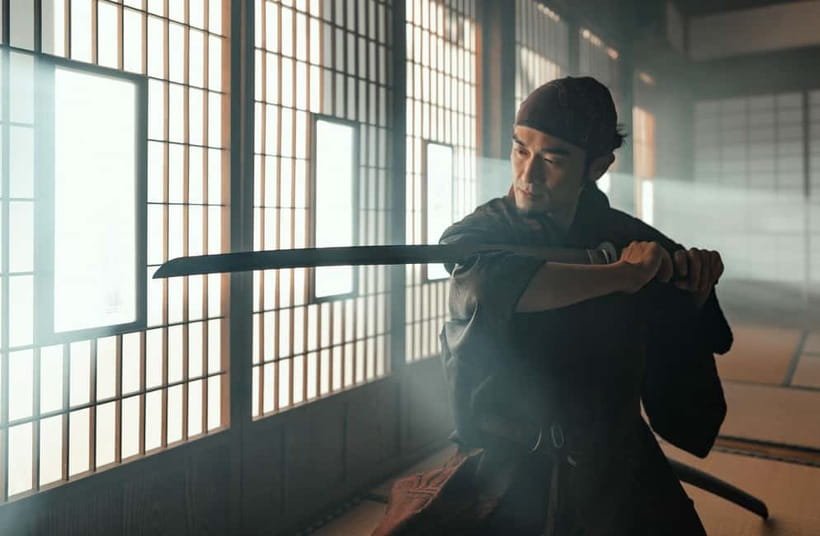
This is the kind of experience that does not treat samurai culture like a costume. You will put on kimono and hakama, learn how to handle a sword properly, and then slow everything down with meditation—standing still, listening closely, and letting the sounds do the heavy lifting.
The vibe is calm, but not passive. You are learning movements, showing respect to the sword, and doing a real cutting moment. Then you switch modes: you stand, you breathe, you listen to instruments, and you let that rhythm settle your body.
Price-wise, $64 is not cheap for a class, but it lines up with what is included. You get clothing rental, hands-on sword time, a ritual sequence, a sound meditation session, a performance, and a photo moment. Most “samurai” experiences in Japan give you a performance. This one gives you practice.
Meeting Yusuke and Yoshino: The People Behind the Session
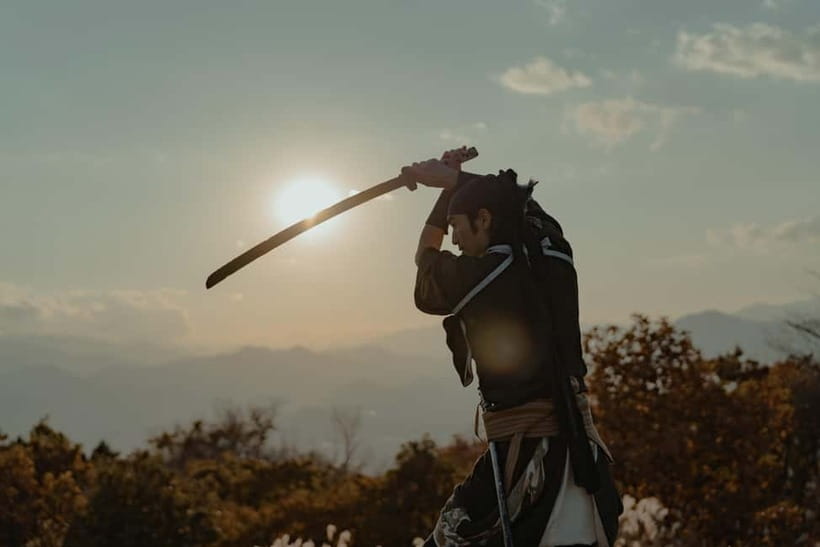
The host is Yusuke, a top swordsmanship performer and instructor who has won the All Japan Swordsmanship Tournament. He also teaches as part of Japan’s entertainment world, having appeared as a representative in media including movies, TV, and the official Olympic channel. On top of that, he comes from a family line that inherits samurai heritage.
His wife, Yoshino, is involved in the music side of the day. Participants consistently mention the combined warmth of the couple and the way their home-like hospitality makes it easier to relax into an unfamiliar experience.
Why this matters for you: sword training can feel intimidating if it is all rules and no encouragement. Here, the teaching style is paired with a welcoming atmosphere—so even if your Japanese is limited, you will still understand what to do.
Readers booked these Fujinomiya options in the same breath. Here is how each one scored:
- Tokyo: Mt. Fuji 5th Station & Hakone Cruise 1-Day Bus Tour
★ 4.2 · 2,381 reviews - Tokyo: Mount Fuji 5th Station & Onsen Day Trip
★ 4.3 · 75 reviews - Mt. Fuji Drive Tour (Includes Visit to Local Speedway)
★ 5.0 · 19 reviews - Halfway Up Mt,Fuji, Oshino Hakkai, Kawaguchiko from Tokyo
★ 3.6 · 13 reviews
Getting Dressed in Kimono and Hakama (and What to Wear Underneath)
Your session starts with dressing in kimono and hakama. You are not expected to bring these items—rental is included.
What to bring is simple:
- Comfortable clothing to wear under the kimono/hakama
- A camera
- Water
Practical tip: you will move more than you think. Wear clothing underneath that allows you to kneel, stand, and shift your weight without fighting fabric. If you only pack fashion clothes, you will feel it later.
There is a photographic element built in, and the clothing does what it is supposed to do: it makes every gesture feel intentional. Plus, the look helps you get that samurai-in-its-world feeling, not just a quick outfit change for a photo.
The River Purification Ritual: Sword Respect, Water, and Prayer
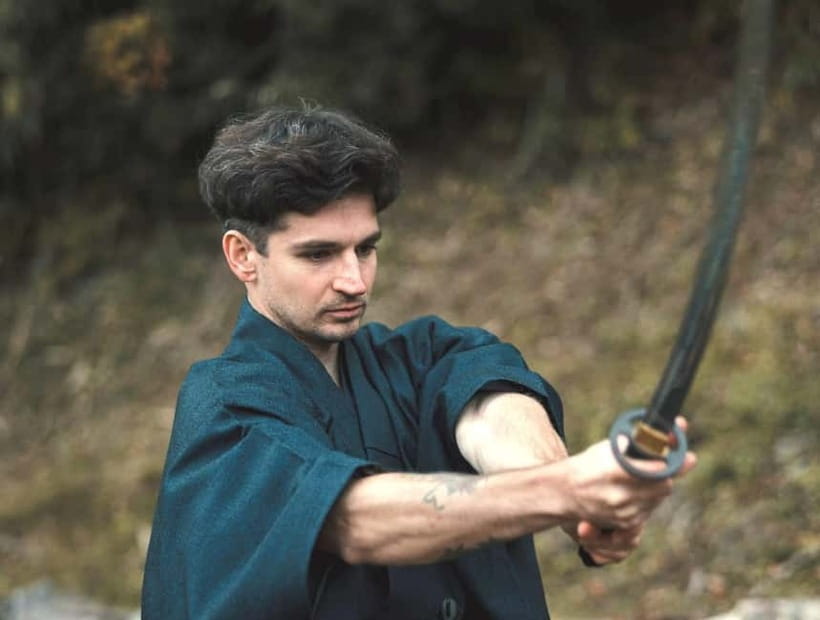
One of the most talked-about parts is the private river purification. You begin with a cleansing moment using pure water, in a natural setting that feels away from the noise of the city.
Then the ritual continues with purification tied directly to sword practice—there is a purification sword segment and a prayer to the eight million gods. That prayer isn’t just a dramatic flourish. It sets a tone: the sword is treated as something you handle with respect, not a prop.
What this means in real terms: you start the day thinking about intention. That makes later sword movements feel less like learning choreography and more like learning discipline.
If the weather pushes the event indoors, you may still go through the same flow in a different setting. The key parts—ritual tone, meditation, and training—stay the focus.
Sound Meditation by Traditional Instruments: Flute, Drums, and Live Improvisation
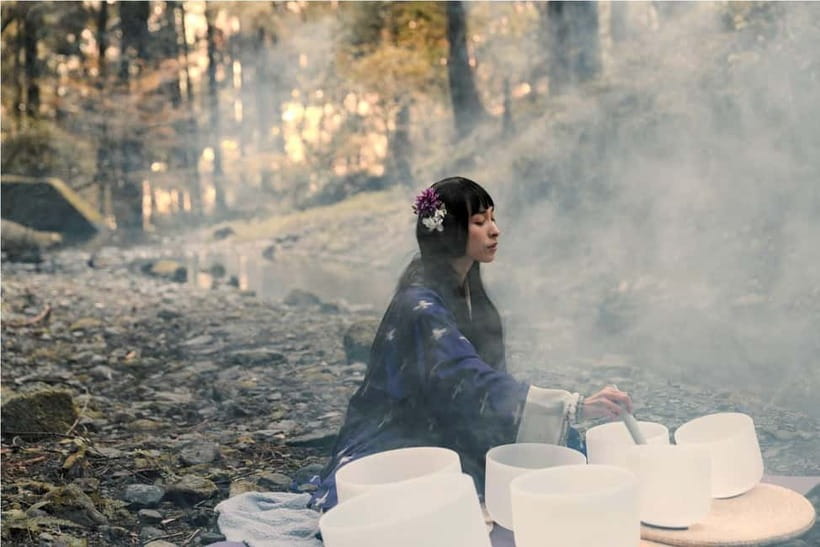
After the purification, you shift into sound meditation. The music is performed using traditional Japanese instruments, including flutes and drums, and it is not just recorded audio. The session includes live improvisation right there during the experience.
In plain language, this is why the sound meditation works: you are not trying to “perform calm.” You are giving your body a steady rhythm and letting your attention narrow. With nature sounds from the river as a backdrop, the instruments land differently than they would in a studio.
You may also hear additional sound elements such as singing, and the overall session is described as relaxing and energizing—like a mental reset that still feels physical, not abstract.
If you want a practical takeaway, it is this: listen for structure. Even when the music changes, it keeps a pacing that helps you regulate breathing and posture during meditation.
Standing Zen in Nature: Why Stillness Takes Practice
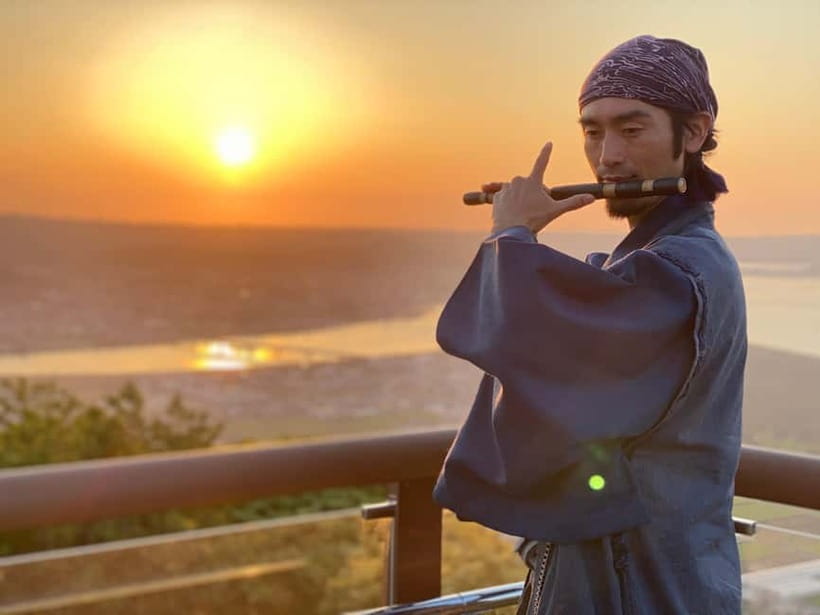
You will do standing Zen meditation while feeling nature around you. This part is short enough that it stays doable, but it is long enough for your body to realize you mean it.
Standing meditation can sound easy until you try it. Your legs start negotiating. Your mind wanders. The point is not to be perfectly still—it is to notice the wandering and return to your posture and breath.
Who this suits well:
- People who like mindful activities, not heavy lectures
- Travelers who want something quiet after a city-heavy Japan plan
- Anyone curious about Japanese practices beyond temples-for-a-photo
Physical note: sword practice requires fitness, and standing meditation also asks your body to stay engaged. The session is not suitable for back problems.
- Private Fuji Full-day Car Tour with Hotel Pickup -Local Guide★ 5.0 · 12 reviews
- Tokyo: Fuji Cable Car Tour (Ticket Inc.) – Kawaguchiko Views★ 4.8 · 12 reviews
- Mount Fuji E-Bike Tour: Explore Nature and History★ 5.0 · 7 reviews
- Shizuoka : Mt Fuji Secret Canyon River Trekking★ 5.0 · 6 reviews
- From Tokyo: Mount Fuji or Hakone+Gotemba Outlet Day Tour 10H★ 5.0 · 5 reviews
Swordsmanship Practice: Unsharpened Training With Real Discipline
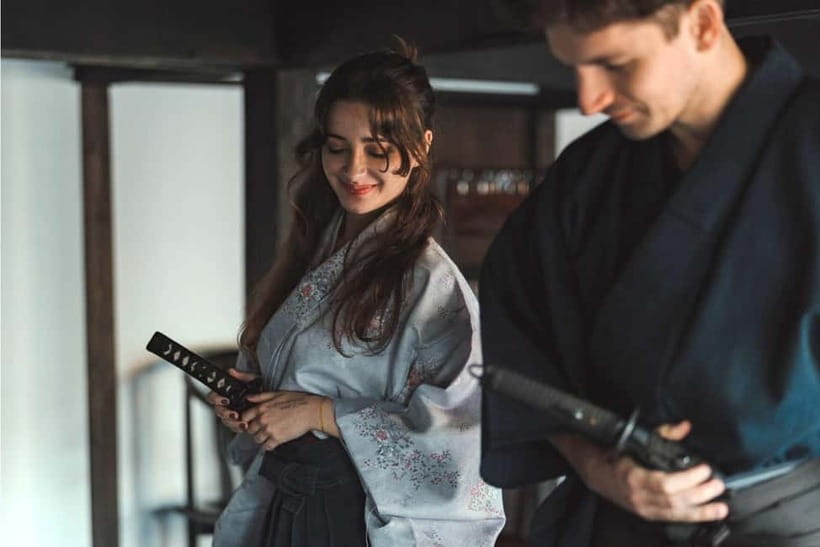
Then you move into the swordsmanship practice. You train with an unsharpened sword, which keeps it safer for beginners and focuses you on form, grip, and respectful handling.
You learn basic movements. One participant specifically mentioned learning six starter moves, and the experience includes instruction on how to show respect to the sword. That matters. In a real sword tradition, the way you handle the weapon is part of the skill.
And yes—you also get a real cutting experience. That is a big difference versus the common sword demo where you just watch. Even with an unsharpened training focus, the cutting moment gives you a clear, memorable end point: you did the whole arc, not just the warm-up.
Important: the experience requires physical fitness for sword practice. It is not a sit-and-watch type class. If you are recovering from injuries or you know your mobility is limited, read the suitability rules carefully.
The Samurai Performance and Sword Dance That Hits Emotion
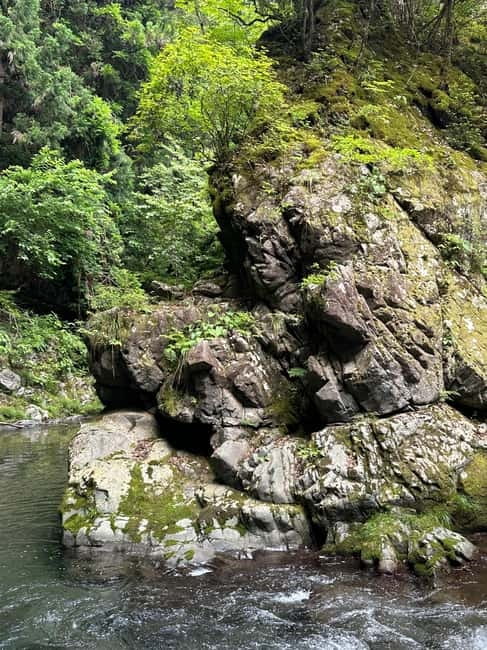
The day ends with watching an authentic sword performance and a sacred-style dance element. This is where you see the movements you practiced turned into something artistic and emotional.
People describe it as touching, and that makes sense. When you spend time learning discipline and posture, a performance has weight. You recognize the meaning of timing, stillness, and the shift from slow control into decisive motion.
It also helps that the music and atmosphere are part of the performance, including improvisation on the spot. This is not a rigid show where everything is identical each time. The setting in nature changes the feel, and the live sound responds.
You also get a photo shoot opportunity, which is perfect for comparing your initial kimono look to how the sword dance carries you. Take a couple photos before the performance as well—later you may be focused on the moment.
Logistics From Tokyo: Getting to Uenohara Station Without Stress
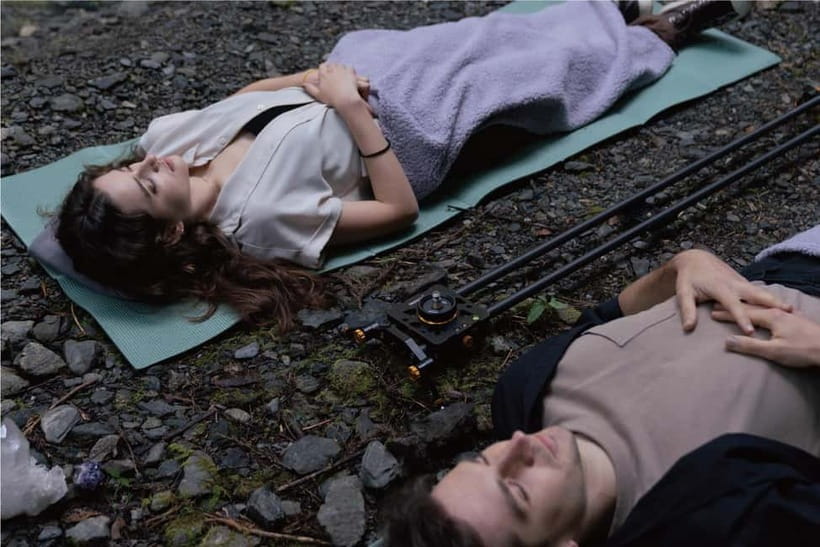
This experience is based in Honshu, Japan, with the meeting point at Uenohara Station. You meet at the rotary on the first floor of the south exit of the station. You will be waiting in a white car.
From Tokyo:
- About 1 hour by train from Shinjuku
- About 2.5 hours from Narita Airport
By car:
- About 50 minutes from Shinjuku
- About 2 hours from Narita Airport
Time-wise:
- Duration is 210 minutes
- Expect about 4 hours total including pickup and drop-off
Why I think this matters: the route is not next door to central Tokyo. If your day is already packed, plan for it like a real excursion. The train ride, though, is part of the charm: you get a less rushed feel as you head out to Uenohara.
Price and Value: Why $64 Is Reasonable Here
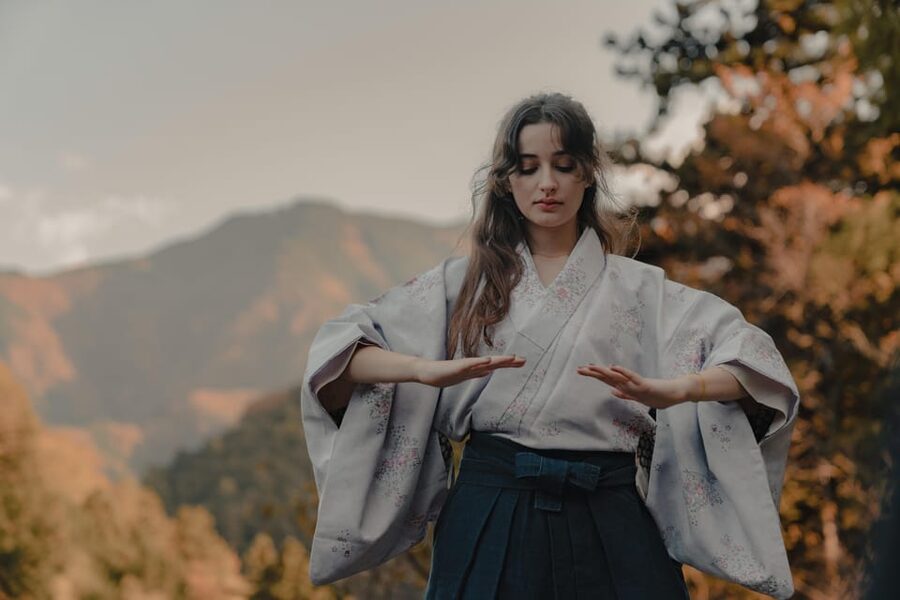
At $64 per person, this sits in the mid-range for Japan experiences, but the value comes from what you actually do:
You are not paying only for a sword show.
You are paying for:
- Kimono and hakama rental
- Swordsmanship practice with an unsharpened sword
- A real cutting experience
- Standing Zen meditation in nature
- Sound meditation with traditional live instruments
- A performance (sword art and sacred dance)
- Photography
You also get a small group: limited to 10 participants. That means less waiting, more time to correct form, and a better chance to feel present.
What is not included:
- Transportation to and from the activity location
- Meals
So build a meal plan before or after. If you finish around midday or afternoon, a nearby snack stop in Tokyo later can work well.
Also, booking features like free cancellation up to 24 hours in advance and reserve now, pay later are useful if your schedule is flexible. Keep those in mind when you lock in train times.
Who Should Book This (and Who Should Skip It)
This is a great fit if you want more than a history lecture. You want:
- Hands-on sword basics with safety in mind (unsharpened practice)
- A meditative component that uses sound and ritual, not just breathing exercises
- A nature setting where the sounds of water and instruments shape the mood
It is also ideal if you travel with curiosity and patience. You will do multiple parts in one flow: cleansing, meditation, practice, performance. That is the point.
Skip it if:
- You are pregnant
- You have back problems
- You are traveling with children under 12
- You want only a spectator experience (you will practice)
And quick rules to know:
- No smoking
- No alcohol or drugs
Before You Go: Weather, Comfort, and Photo Timing
There are a few simple things that help you enjoy the day more.
Wear comfortable clothing under the kimono and hakama, because you’ll stand, move, and hold posture. Bring water for your break times. Bring your camera for the photo moment.
Weather matters too. Depending on conditions, parts of the experience may be held indoors. The exact staging can change, so expect the setting to be flexible, but the core activities remain the same.
Should You Book Samurai Swordsmanship and Sound Meditation?
I think you should book this if your ideal Japan day includes both motion and stillness. You are learning a real skill path—respectful sword handling and basic moves—then you switch into meditation guided by live traditional sound. That blend is rare.
You should also book it if you care about value. For $64, you get clothing rental, hands-on practice, a cutting moment, meditation, and a performance, all wrapped into a small-group experience.
Skip it only if the physical side is a problem for you, or if you prefer sightseeing-only activities. This is an experiential day. It asks you to participate.
If that sounds like your kind of Japan, Uenohara Station is your start line, and the river is where the day finally quiets down.
FAQ
How long is the experience?
The experience duration is 210 minutes. Including pickup and drop-off, plan for about 4 hours total.
Where do I meet the host?
Meet at Uenohara Station. Specifically, meet at the rotary on the first floor of the south exit. The host will be waiting in a white car.
How do I get there from Tokyo?
Uenohara Station is about 1 hour by train from Shinjuku and about 2.5 hours from Narita Airport. By car, it’s about 50 minutes from Shinjuku and about 2 hours from Narita Airport.
Is the group small?
Yes. The group is limited to 10 participants.
What languages are offered?
The instructor can teach in English and Japanese.
What is included in the price?
Included items are kimono and hakama rental, swordsmanship practice with an unsharpened sword, a real sword cutting experience, standing Zen meditation, sound meditation, a performance of samurai art and sacred dance, and a photo shoot opportunity.
Do I need to bring anything?
Bring a camera, water, and comfortable clothes to wear under the kimono and hakama.
Is it okay if I want to watch instead of practice?
This is designed for participation. You will do sword practice and standing meditation, and physical fitness is required for the sword part.
Is it suitable for children or pregnant travelers?
No. It is not suitable for children under 12, pregnant women, or people with back problems.
More Tour Reviews in Fujinomiya
- Tokyo: Mt. Fuji 5th Station & Hakone Cruise 1-Day Bus Tour
★ 4.2 · 2,381 reviews - Tokyo: Mount Fuji 5th Station & Onsen Day Trip
★ 4.3 · 75 reviews - Mt. Fuji Drive Tour (Includes Visit to Local Speedway)
★ 5.0 · 19 reviews - Halfway Up Mt,Fuji, Oshino Hakkai, Kawaguchiko from Tokyo
★ 3.6 · 13 reviews - Private Fuji Full-day Car Tour with Hotel Pickup -Local Guide
★ 5.0 · 12 reviews
Latest Fujinomiya reviews off our desk


Samurai & Ninja Classes, compared.
 ★ 4.6Samurai Ninja Museum Guided tour and ExperienceFrom $271,010 reviews
 ★ 5.0Samurai Sword & Archery Class from Samurai DescendantFrom $193603 reviews
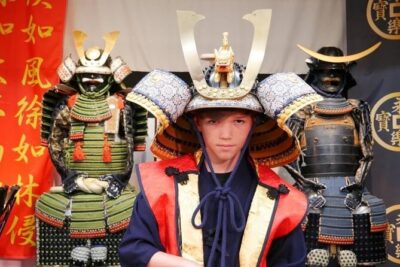 ★ 5.0Best Samurai Experience in TokyoFrom $65458 reviews
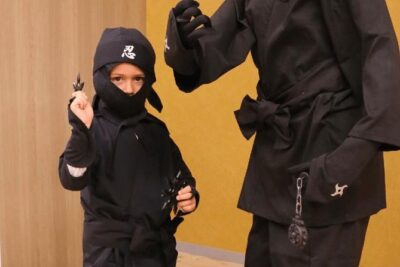 ★ 5.0Ninja Experience (Family Friendly) at Samurai Ninja Museum TOKYOFrom $47441 reviews
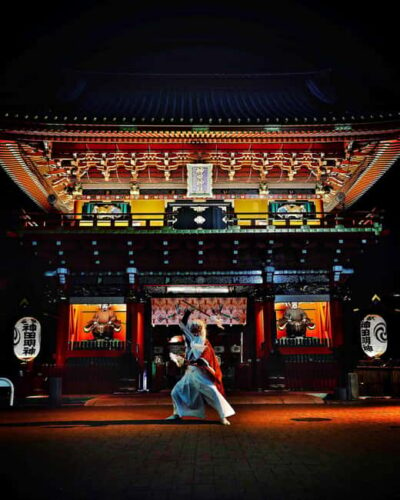 ★ 4.6Samurai Entertainment Night Show in Kanda ShrineFrom $41417 reviews
 ★ 4.2Ninja Kabuki PerformanceFrom $29330 reviews
 ★ 5.0Tokyo Sword Experience – includes Museum Ticket/Ninja ExperienceFrom $84314 reviews
 ★ 4.8Samurai Ninja Museum Asakusa: Samurai Sword Lesson & TourFrom $63306 reviews
Browse the lists this tour appears in