
Reviewed · AKIHABARA ANIME TOURS
Tokyo Manga Drawing Workshop Guided by Active Pro Manga Artist
Forget fumbling with manga basics. I love that a working manga artist and translator guide you step-by-step, and I love that you leave with a true finished piece, not a worksheet. The only real drawback: the studio address can be a little tricky, so give yourself time to confirm you’re at the right place.
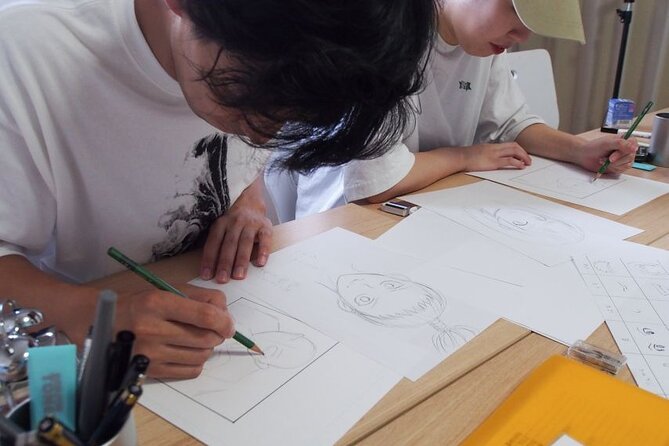
This 2.5-hour class is built for busy Tokyo days: you get structured instruction, materials provided, and a clear path from idea to final look. It runs in a small group (up to 8), so you’re not stuck watching from the back row.
You’ll probably have the most fun if you’re either into manga and anime already or you want to try a hands-on art skill that feels very Japanese. If you hate following directions, you might find the process a bit more structured than you expect—but the teaching is friendly and practical.
In This Review
- Key highlights you’ll care about
- Why This Manga Workshop Feels Close to the Real Workflow
- What Happens in 2.5 Hours: From Idea to Finished Character
- Finding the Studio Near Ebisu Station (and Why You Should Plan a Buffer)
- Tools Included: Screen Tones and the Stuff You’ll Want to Practice
- How the Instructor Adapts for Beginners and Drawing-Skilled Students
- Take-Home Value: Your Own Manga Artwork to Pack and Show Off
- Price and Value: Is $132.10 Worth It?
- Who This Class Is Best For (and Who Might Need a Plan)
- Quick Tips to Get Better Results Fast
- Should You Book This Manga Drawing Workshop?
- FAQ
- How long is the Tokyo Manga Drawing Workshop?
- What’s included in the price?
- Is it hard if I’ve never drawn manga before?
- Where does the class start and end?
- How many people are in a group?
- Do I need to bring my own drawing supplies?
- Can I keep what I make?
Key highlights you’ll care about
- Step-by-step guidance from a pro manga artist, with an assistant/translator in the room
- Screen tone tools included, so you’re learning real manga technique, not just drawing shapes
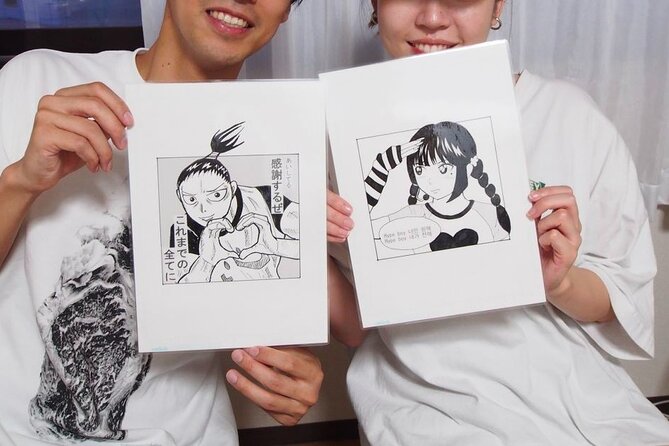
- Your own character/storyboard idea, so the final result feels personal
- Small group size (max 8) for more direct help when you hit a snag
- Near Ebisu station, with easy public-transit access once you locate the studio
- Take-home keepsake—your finished artwork goes with you after class
Why This Manga Workshop Feels Close to the Real Workflow
Tokyo is full of “make a souvenir” activities. This one has a different vibe. Instead of a pre-set kit with one correct result, you’re guided through the same basic logic manga artists use: pick an idea, plan the scene, build the lines, then apply the visual style that makes it read like manga.
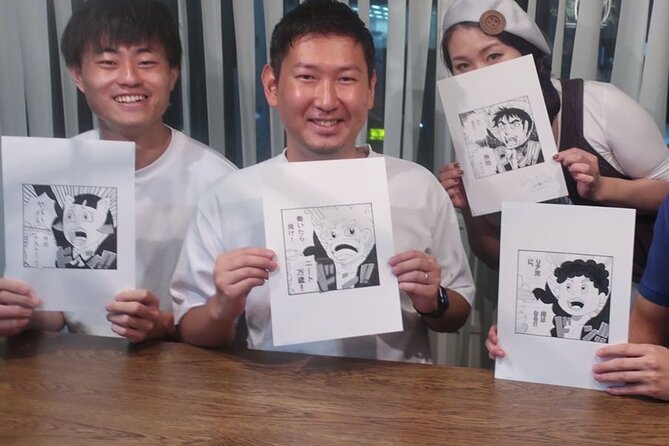
What makes it work for you is the mix of technique plus encouragement. In the strongest moments, the instructor starts you with quick structure, then helps you adjust it so it looks like your version. In one class described with instructor support, students could do very different approaches—one person traced and refined, another customized the sketch—yet both still ended up with a polished result.
Another big plus is that the team includes professional working manga know-how. Some instructors referenced in the group feedback have real industry experience, including artists tied to well-known titles like Hunter x Hunter. You don’t need that context to enjoy the class, but it helps explain why the feedback you get feels specific and useful.
More of Akihabara, ranked by our reviewers
- Official Street Go-Kart Tour – Akihabara
★ 5.0 · 1,578 reviews - Tokyo Go Kart: Asakusa, Skytree, and Akihabara **IDP MUST**
★ 5.0 · 988 reviews - Akihabara Anime & Game Adventure Walking Tour (Group or Private)
★ 5.0 · 404 reviews - Tokyo: Gameboy Mod Workshop at Akihabara
★ 5.0 · 253 reviews
What Happens in 2.5 Hours: From Idea to Finished Character
This is a short workshop, about 2 hours 30 minutes. That’s long enough to create something you’ll want to keep, but short enough that it fits into a normal Tokyo itinerary.
Here’s the practical flow you can expect:
1) Start with an idea (or a character choice)
You’ll be prompted to choose what you want to draw. If you already love a series (people specifically mentioned favorites like One Piece and Naruto), you’ll likely bring a character in mind. If you don’t, you can still create something personal because the instructor helps with turning a simple starting point into a workable composition.
2) Plan and sketch a workable layout
You’ll get help building the basic forms and proportions. If you’re a beginner, this is where you’ll feel the value of the structure. Even students with very little drawing skill reported they still walked out with results that looked finished.
3) Refine the lines and add manga styling
The class is not just “draw better.” You’ll be guided through manga-style steps—things like clarifying outlines and adapting the drawing to match what makes manga art read clearly.
4) Add color and/or tone using real tools
This is where “manga drawing” stops being generic. The workshop includes screen tone as part of the provided tools, and that tool is a major part of what gives manga its look. You’ll get guidance during this stage, which is exactly when beginners can otherwise feel stuck.
5) Finish with a final touch so it’s display-ready
By the end, you’ll have a complete piece you can take home. One description noted the artwork was plastified/laminated for easier packing, which is the kind of small detail that matters when you’re traveling with a suitcase.
Bottom line: you’re not just learning “how to draw a character.” You’re learning how manga artists think about turning an idea into a finished page.
Finding the Studio Near Ebisu Station (and Why You Should Plan a Buffer)
You’re responsible for getting yourself to the studio. The official start point is listed as Ishikawa 3-chōme-8-11, Shibuya, Tokyo 150-0002. The activity ends back at the meeting point.
This setup is convenient, but it also means your success depends on finding the exact place on time. Some participants said the address directions can be a bit tricky. In one case, a group was sent to a different office than expected and arrived late, even with help from the instructor after they realized the mismatch.
So do this to make your life easier:
- Save the address and double-check it again right before you leave.
- Give yourself extra time on a first-time trip in Shibuya/Ebisu.
- If you’re sent to a different location, don’t try to “solve it” alone—contact the instructor/team for the updated spot so you can re-route fast.
The good news: it’s near public transportation, and the proximity to Ebisu station is a genuine advantage once you know where you’re going.
Tools Included: Screen Tones and the Stuff You’ll Want to Practice
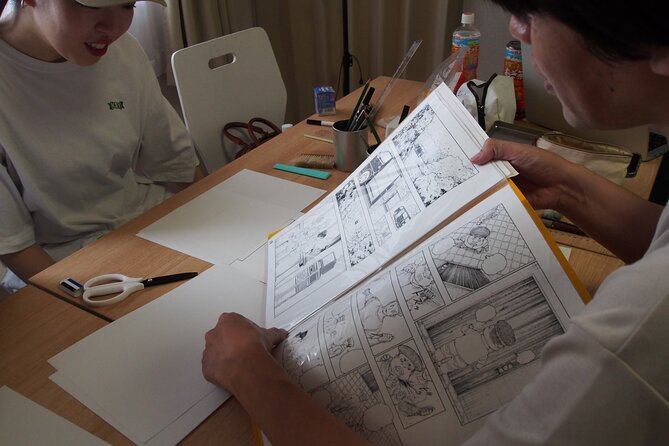
Most short art classes give you a pencil and call it a day. Here, you get proper tools. Included materials cover manga drawing tools, including screen tone.
Why that matters for you:
- Screen tone is a skill, not decoration. It changes contrast and depth, and it’s a key part of the manga look.
- When you learn it in a guided setting, you also learn how to use it without ruining the page.
- Since everything is provided, you can focus on technique instead of shopping in Tokyo before class.
One practical detail: snacks and bottled water are not included. That’s not a dealbreaker, but Tokyo walking and concentration can make you feel hungry. If your class time is during a busy part of the day, I’d grab a drink beforehand.
If you’re the type who likes to keep going after the workshop, you’ll likely appreciate that the instructors can suggest where to buy tools after class—people specifically mentioned getting shopping pointers for drawing supplies.
How the Instructor Adapts for Beginners and Drawing-Skilled Students
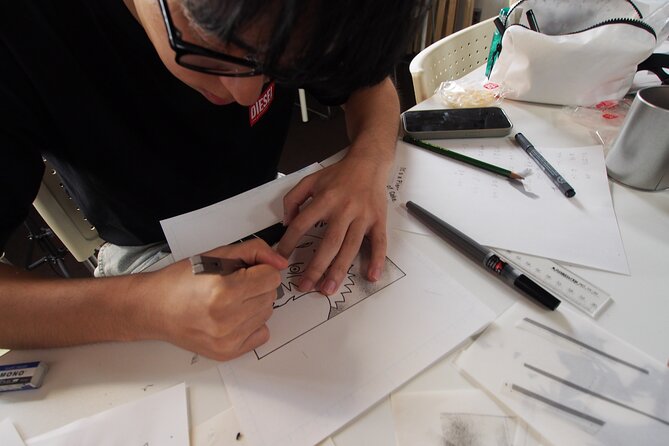
This class is designed for a wide range of experience. People with previous drawing experience still reported they learned useful workflow steps—like sketching quickly, updating the sketch to match their preferences, and finishing using the traditional manga tools.
Beginners also had strong outcomes. The consistent theme was guidance and patience: instructors walk you through steps instead of expecting you to already know how to compose or ink.
A helpful way to think about it:
- If you already draw manga, the workshop acts like a structured refresher that tightens your process.
- If you’re a beginner, the class gives you the missing map—what to do first, what to do next, and how to fix common problems without guessing.
Language support is also built into the experience via an assistant/translator. At least one group noted the translator spoke English and Spanish, which can really lower stress if you’re not fluent in Japanese. Even when you only share a character reference, the team’s role is to get you unstuck and keep the class moving.
Readers also shortlisted these Tokyo bookings:
- Tokyo 6hr Private Tour with Government-Licensed Guide★ 5.0 · 3,902 reviews
- Tokyo: Shinjuku Local Bar and Izakaya Guided Walking Tour★ 4.9 · 1,794 reviews
- Tokyo: Private City Highlights Tour with Local Guide★ 4.8 · 1,433 reviews
- Tokyo: Tsukiji Fish Market Guided Walking Tour★ 4.9 · 1,397 reviews
- Tokyo 4hr Private Tour with Government-Licensed Guide★ 5.0 · 1,394 reviews
Take-Home Value: Your Own Manga Artwork to Pack and Show Off
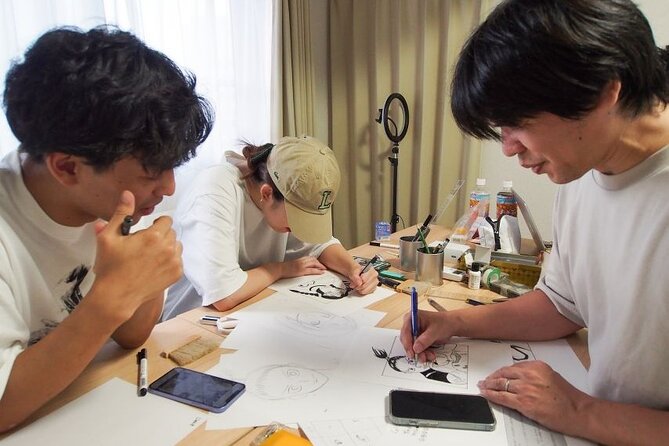
The biggest reason this workshop gets a high recommendation rate is simple: you keep what you make.
You’re not walking away with a photo-only memory. You leave with your manga masterpiece—something tangible from Tokyo that you can put on a shelf, bring to a family member, or even frame later.
Packing tips that are worth following:
- If the finished work is laminated/plastified (one participant specifically mentioned this), that helps with protecting it in a suitcase.
- Still, bring it in a flat, protected way if you can. Tokyo days can be busy, and you’ll want your artwork to survive the rest of your trip.
If you’re traveling with kids or teens, this take-home element is huge. One family described it as the highlight for their daughter, largely because the final piece felt like a real achievement.
Price and Value: Is $132.10 Worth It?
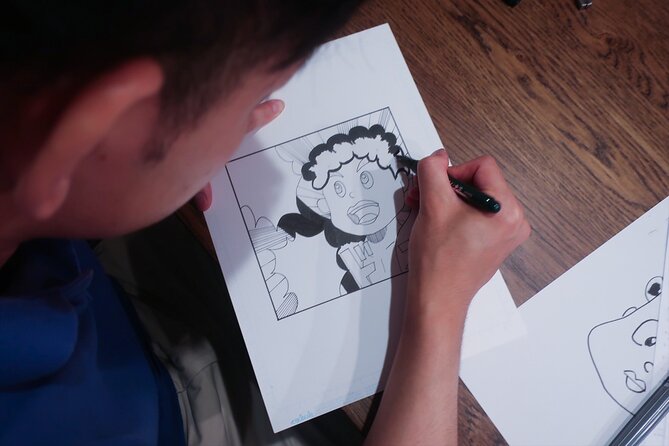
At $132.10 per person, this isn’t the cheapest “activity” in Tokyo. But it is priced like a workshop with real instruction and real materials—not a theme-park craft.
Here’s what you’re paying for:
- A professional manga artist leading the process
- Small-group format with support when you get stuck
- Tools included, including screen tone
- A finished keepsake you can take home
- A short, efficient time commitment (about 2.5 hours)
If you value authentic skills and want something more personal than a generic souvenir, this price starts to look fair. If you only want a casual drawing session with minimal guidance, you might find it a bit expensive compared with cheaper craft options.
My practical take: this is good value if you’ll actually use the techniques later—like trying screen tone at home—or if you want a memorable “I made that” object from Tokyo.
Who This Class Is Best For (and Who Might Need a Plan)
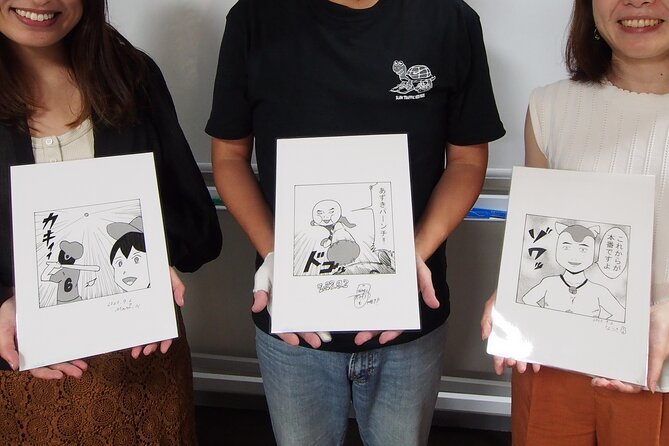
This workshop is ideal if you match one of these profiles:
- Manga and anime fans who want to learn how the art is built, not just copied
- Families looking for a shared creative activity (with instruction that supports mixed skill levels)
- Older kids and teens who can follow steps and enjoy hands-on focus
- Adults who can be patient for 2.5 hours and want a skill they can practice later
It may be less ideal if:
- You have very short attention for structured activities
- You expect a totally freeform art jam where you do whatever you want with no guidance
- You’re extremely sensitive to tight timelines and hate finding places in a busy part of Tokyo
Age came up in feedback too. One note suggested around 9 years old might be near the lower end, since technique requires care and patience. Still, many participants felt supported regardless of starting skill.
Quick Tips to Get Better Results Fast
You’ll have the best time if you treat this like a mini project. Here’s how to show up ready:
- Come with a character or idea in mind if you can. You’ll get more satisfaction when you’re drawing something you care about.
- Arrive a little early and verify the location. The class can involve finding a specific office, and directions can be tricky.
- Don’t overthink perfection. The instruction aims for a readable manga look, not a gallery masterpiece.
- Expect step-by-step support, especially during sketching and the tone/color stage.
- Since snacks and water aren’t included, plan a quick drink beforehand.
If you do those things, you’ll spend your time drawing, not scrambling.
Should You Book This Manga Drawing Workshop?
If you want a Tokyo experience that mixes Japanese pop culture with a real skill, I think this is a strong pick. The class is short, the group stays small, and you leave with an actual finished keepsake. The instruction style—structured steps plus friendly correction—works for both beginners and people with drawing experience.
Book it if:
- You’re a manga/anime fan who wants hands-on technique
- You like learning tools (especially screen tone) and taking a new skill home
- You’re traveling with family or friends and want an activity that everyone can enjoy
Skip it (or pick a different option) if:
- You hate structured guidance
- You want a cheaper activity with minimal materials and no take-home artwork
- You’re tight on time and can’t spare a little buffer to locate the studio
FAQ
How long is the Tokyo Manga Drawing Workshop?
It’s about 2 hours 30 minutes.
What’s included in the price?
Manga drawing tools are included, including screen tone.
Is it hard if I’ve never drawn manga before?
No. The workshop is designed for both complete beginners and people with drawing experience, with step-by-step help.
Where does the class start and end?
It starts at Ishikawa3-chōme-8-11 Shibuya, Tokyo 150-0002, Japan, and ends back at that meeting point.
How many people are in a group?
The maximum group size is 8 travelers.
Do I need to bring my own drawing supplies?
No. All materials are provided. Bottled water and snacks are not included.
Can I keep what I make?
Yes. You keep your own finished manga artwork as a souvenir.
More Guided in Tokyo
- Tokyo 6hr Private Tour with Government-Licensed Guide
★ 5.0 · 3,902 reviews - Tokyo: Shinjuku Local Bar and Izakaya Guided Walking Tour
★ 4.9 · 1,794 reviews - Tokyo: Private City Highlights Tour with Local Guide
★ 4.8 · 1,433 reviews - Tokyo: Tsukiji Fish Market Guided Walking Tour
★ 4.9 · 1,397 reviews - Tokyo 4hr Private Tour with Government-Licensed Guide
★ 5.0 · 1,394 reviews
More Tour Reviews in Tokyo
- Mt Fuji and Hakone 1-Day Bus Tour Return by Bullet Train
★ 5.0 · 26,383 reviews - 1-Day Tokyo Bus Tour
★ 5.0 · 14,250 reviews - Tokyo: teamLab Planets TOKYO Digital Art Museum Entry Ticket
★ 4.6 · 9,779 reviews - Mt Fuji & Hakone Cruise, Drum Show Bullet Train 1 Day from Tokyo
★ 4.0 · 7,413 reviews - Tokyo: Shinjuku Food Tour (13 Dishes at 4 Local Eateries)
★ 5.0 · 6,603 reviews
More of Akihabara, Reviewed
- Official Street Go-Kart Tour – Akihabara
★ 5.0 · 1,578 reviews - Tokyo Go Kart: Asakusa, Skytree, and Akihabara **IDP MUST**
★ 5.0 · 988 reviews - Akihabara Anime & Game Adventure Walking Tour (Group or Private)
★ 5.0 · 404 reviews - Tokyo: Gameboy Mod Workshop at Akihabara
★ 5.0 · 253 reviews - Akihabara: Private Anime and Pop Culture Tour
★ 4.8 · 152 reviews
Latest Tokyo reviews off our desk






Akihabara Anime Tours, compared.
 ★ 5.0Official Street Go-Kart Tour – AkihabaraFrom $611,578 reviews
 ★ 5.0Tokyo Go Kart: Asakusa, Skytree, and Akihabara **IDP MUST**From $99988 reviews
 ★ 5.0Akihabara Anime & Game Adventure Walking Tour (Group or Private)From $90404 reviews
 ★ 5.0Gameboy Mod Workshop at AkihabaraFrom $360253 reviews
 ★ 4.8Akihabara: Private Anime and Pop Culture TourFrom $95152 reviews
 ★ 5.0Akihabara Tailor-made Private Tour for Anime FansFrom $132142 reviews
 ★ 5.0Original Street Kart Experience from AkihabaraFrom $51111 reviews
 ★ 5.0Ramen Making from Scratch +Akihabara Tour –Tokyo Cooking ClassFrom $123107 reviews
Browse the lists this tour appears in