
Reviewed · AKIHABARA ANIME TOURS
Ramen Making from Scratch +Akihabara Tour –Tokyo Cooking Class
Nothing beats learning ramen by doing. In this Tokyo cooking class, you start in Akihabara and finish by crafting a real Jiro-style bowl from scratch, including fresh noodles and chashu pork. You also get a short, practical lesson on shopping Japanese ingredients so your trip turns into take-home know-how.
What I really liked is how hands-on it feels in a small group. The cooking part stays personal, with instructors like Kyoko and Hioroko guiding the noodles, broth, and toppings step by step. Another win is the souvenir touch: you’ll receive downloadable digital photos from the class afterward. One consideration: vegan and vegetarian options aren’t available, so this is best if you’re comfortable eating pork-based ramen.
In This Review
- Key highlights you’ll care about
- Why Akihabara is the best start for a Tokyo ramen class
- The Akihabara supermarket stop: learning how to shop like a cook
- Getting to the kitchen studio: why the timing feels right
- Ramen making from scratch: noodles, broth, and chashu pork
- Fresh noodles: the part most people skip at home
- Broth: where flavor direction comes from
- Chashu pork and Jiro-style assembly
- Lunch on your own ramen: what you’ll actually eat
- Group size, instructors, and the English-speaking comfort factor
- Price and value: is $123.55 reasonable for this ramen experience?
- What to consider before you book
- Who this Tokyo cooking class is perfect for
- Should you book it or skip it?
- FAQ
- FAQ
- What is the duration of the ramen making class plus Akihabara tour?
- Where do I meet, and where does it end?
- Is lunch included?
- What’s included in the experience?
- Are vegan or vegetarian options available?
- What is the cancellation policy if plans change?
Key highlights you’ll care about
- Akihabara intro walk that helps you navigate the area faster before you start buying ingredients
- Supermarket stop to learn what to look for and how Japanese pantry items show up in real ramen
- Small group size (max 12) for more attention while you’re cooking
- Hands-on ramen from scratch: noodles, broth, and toppings with instructor support
- Jiro-style finish with the bowl you made included as lunch
- Digital photos later so you can remember what you cooked, not just what you ate
Why Akihabara is the best start for a Tokyo ramen class

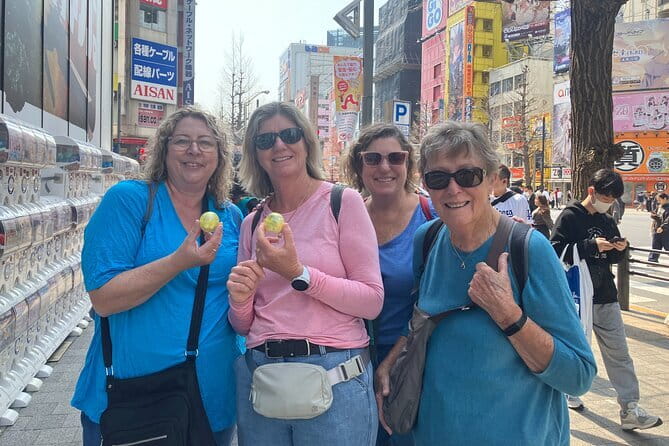
Akihabara sounds like it should be all electronics and anime posters. But as a ramen starting point, it’s actually smart. You get a quick orientation of the neighborhood, then you walk into a supermarket with fresh eyes. Instead of wandering Tokyo groceries feeling lost, you’re there with a purpose: buy the ingredients you’ll actually use later.
The route also gives you a fun change of pace. You begin with a short walking stretch through colorful streets, then you shift gears toward real food shopping. It feels like Tokyo in full contrast: pop culture energy outside, ingredient hunting inside.
If you’re worried about English or direction, you’re in good shape. Guides have been praised for speaking solid English and for being the kind of person who helps you understand what to buy and why. On top of that, named guides like Bunga and Saori have shown up in people’s experiences, and that usually means you’re not just herded along.
More of Akihabara, ranked by our reviewers
- Official Street Go-Kart Tour – Akihabara
★ 5.0 · 1,578 reviews - Tokyo Go Kart: Asakusa, Skytree, and Akihabara **IDP MUST**
★ 5.0 · 988 reviews - Akihabara Anime & Game Adventure Walking Tour (Group or Private)
★ 5.0 · 404 reviews - Tokyo: Gameboy Mod Workshop at Akihabara
★ 5.0 · 253 reviews
The Akihabara supermarket stop: learning how to shop like a cook
This is one of the most useful parts of the day, even if you come in thinking you just want to make noodles. The supermarket visit turns ramen into something practical. You don’t only see ingredients; you learn what they do in the bowl and how Japanese packaging and naming works in real life.
What you’ll take away tends to be the difference between random shopping and confident shopping. You start to understand how Japanese pantry staples connect to flavors like broth depth and topping texture. And because you’re buying for what you’ll cook later, you’re paying attention in a way you wouldn’t during a casual wander.
A couple of practical thoughts from this approach:
First, go in ready to ask questions. When you’re in front of shelves, it’s easier to get answers on the spot, and your cooking class becomes smoother afterward. Second, don’t stress about getting every label perfect. The goal is understanding what each ingredient category contributes, so you can recreate it at home later.
Also, a heads-up that matters: there are no vegan or vegetarian options. Since the class is built around Jiro-style ramen and chashu pork, the ingredient set is meat-forward. If that’s a dealbreaker for you, this one isn’t a fit.
Getting to the kitchen studio: why the timing feels right
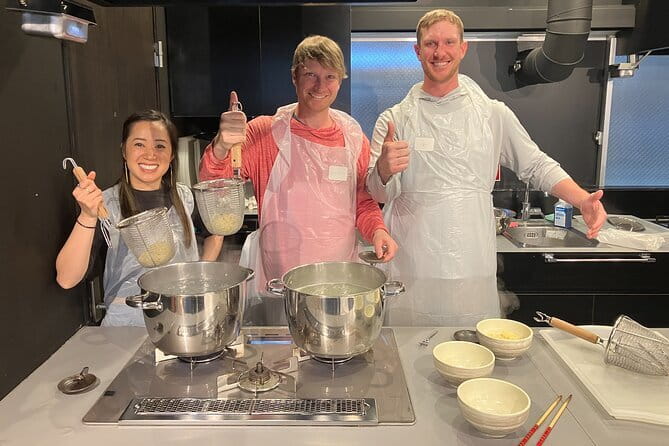
After the supermarket, you take a train ride to a modern kitchen studio in central Tokyo. That break helps your brain shift from sightseeing mode into cooking mode. You’re not just rushing from one place to the next—you’re getting a short commute that keeps the day moving without swallowing all your energy.
The tour’s flow is built around a simple rhythm:
- quick Akihabara orientation
- ingredient shopping
- short train transfer
- cooking session with lunch
With a total duration of about 3 hours 30 minutes, the pacing stays efficient. You get a full experience without turning the day into a marathon.
One logistical detail to plan for: there’s no hotel pickup or drop-off. You meet at Akihabara Station (listed meeting address is 1 Chome Sotokanda, Chiyoda City, Tokyo). The activity also ends in a different location, so keep a little flexibility in your plans for afterward.
Ramen making from scratch: noodles, broth, and chashu pork

Now the fun part: building ramen you can actually recreate. This class is not a shortcut. You’ll learn to make noodles from scratch, prepare a rich broth, and cook chashu pork for Jiro-style ramen. In other words, you’re learning the core pillars, not just assembling toppings.
Fresh noodles: the part most people skip at home
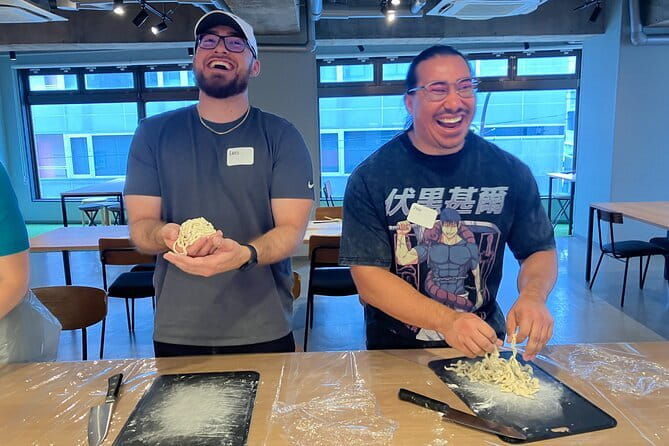
Making ramen noodles from scratch is the skill that feels hardest until you do it. The class format is built for real participation, so you’re not just watching. You’ll work through the process with guidance, and that matters because noodle success is about technique and timing. You get the chance to understand what the dough should feel like and how the steps connect.
If you’ve ever made pasta and thought ramen would be either too complicated or too different, this part can surprise you. It’s ramen, but the method teaches you the logic: consistency, working the dough properly, and using the right approach for shaping and cooking.
Readers also shortlisted these Tokyo bookings:
- Ramen & Gyoza Cooking Class in Tokyo with Local Supermarket Visit★ 5.0 · 823 reviews
- Tokyo: Easy Ramen Cooking Experience in Kabukicho, Shinjuku★ 4.6 · 321 reviews
- Ramen and Sushi Cooking Class with Sake Pairing Set in Tokyo★ 5.0 · 291 reviews
- Tokyo: Wagyu and 7 Japanese Dishes Cooking Class★ 4.9 · 273 reviews
- Tokyo Washoku 4-hour Cooking Class: From Market to Table★ 5.0 · 253 reviews
Broth: where flavor direction comes from
The broth portion is where ramen stops being an idea and becomes a bowl. You’ll learn how to prepare a flavorful base, and the instructor guidance helps you understand what to look for during cooking. Even if you don’t measure every detail perfectly at home later, you’ll have a framework for thinking about broth.
This class also connects your supermarket learning to your kitchen learning. The ingredients you pick up don’t feel random anymore. They make sense because you’ll see how they show up in the finished bowl.
Chashu pork and Jiro-style assembly
Jiro-style ramen is known for a specific personality: bold broth, thick noodles, and hearty toppings. You’ll prepare chashu pork, then bring everything together at the end.
If you want a tangible win, this is it. By the time you’re assembling, you can clearly see the ramen structure: broth first, noodles timed correctly, and toppings placed so each bite makes sense. When people leave with confidence, it’s usually because the class taught them how to build the bowl, not only how to cook components.
Lunch on your own ramen: what you’ll actually eat
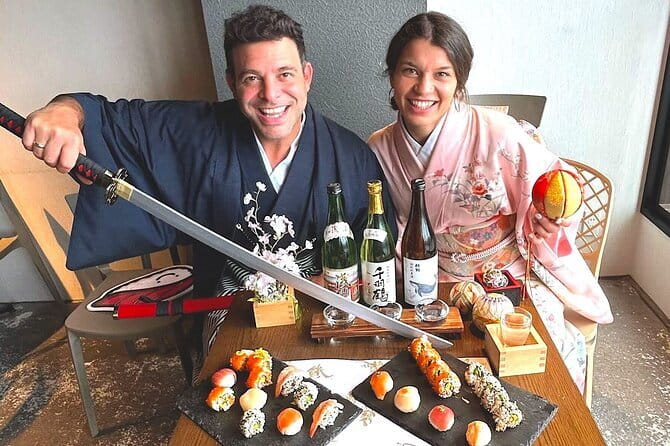
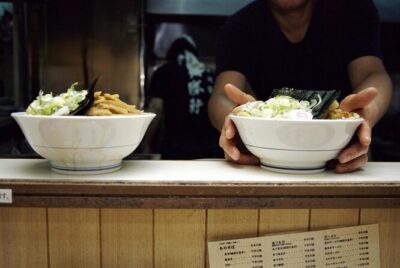
At the end, you’ll enjoy the delicious bowl of ramen you made yourself. Lunch is included, and it’s the direct payoff for all the steps you just completed. There’s a satisfying logic to eating what you cooked while it’s still fresh and hot.
One thing I appreciate about this style of class is that it doesn’t treat the meal like a checkbox. The tasting is tied to the instruction. You can immediately evaluate what worked: the noodle texture, the broth strength, and how the chashu behaves when it meets hot liquid.
You also get a souvenir angle that people love: downloadable digital photos from the class experience. That’s helpful if you want to remember the moment without relying on your own camera skills while cooking.
Group size, instructors, and the English-speaking comfort factor
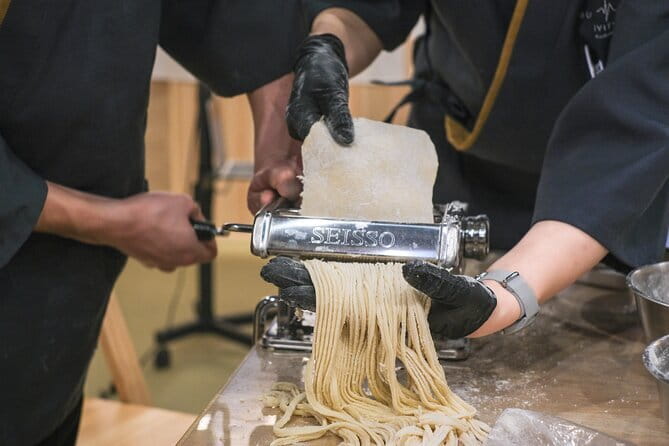
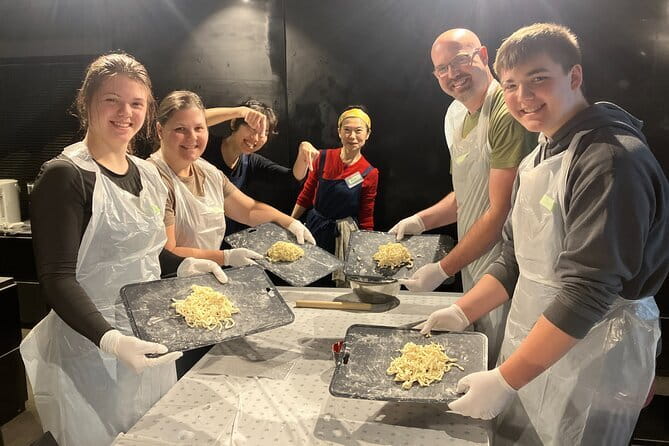
The class caps at a maximum of 12 travelers. That’s big enough to feel social, but small enough that you’re not shouting across the room. In a ramen class, attention matters. Noodles and broth require timing, and you’ll have better results when you can actually get help quickly.
Instructors like Kyoko and Hioroko have been specifically called out for delivering a fun, clear experience. The English-speaking support is part of the value here. Cooking classes can get intimidating if instructions are vague or too fast. In this setup, you’re positioned to follow along and actually produce food you can be proud of.
Guides such as Saori and Bunga also add value because they handle the Akihabara side of things, including helping you understand the supermarket and ingredients without leaving you to figure it out alone. If you’ve ever stood in a Japanese store with a cart full of questions, you’ll appreciate having someone translate food logic into shopping decisions.
Price and value: is $123.55 reasonable for this ramen experience?
At $123.55 per person for roughly 3 hours 30 minutes, this isn’t a budget snack class. But it also isn’t just an hour of tasting and a few quick steps. You’re paying for three real services working together:
You’re getting a guided Akihabara tour plus a grocery store lesson that’s meant to carry home. You’re also getting a hands-on ramen making class that includes noodles, broth, chashu, and lunch. And on top of that, you receive digital photos afterward.
When those pieces combine, the value tends to feel fair. The biggest reason is transfer. You don’t just leave with a meal; you leave with a stronger ability to shop and cook ramen components. Even if you don’t make ramen every week at home, the skills you learn help you order more confidently and cook more intentionally.
Small group size also supports the price. Fewer people means more guidance, which is what actually improves your outcome.
What to consider before you book
This experience is very focused, so check fit points before you commit:
First, dietary limits. Vegan and vegetarian options aren’t available. Since the class includes chashu pork and is geared toward Jiro-style ramen, you should be comfortable eating meat.
Second, weather matters. The experience requires good weather, and if it’s canceled due to poor weather, you’ll be offered a different date or a full refund. This usually matters more for the walking and supermarket elements, not the cooking itself, but it’s still worth noting.
Third, your day includes transit. There’s a train ride to the kitchen studio, and hotel pickup isn’t included. If you’re arriving late or have tight connections, plan buffer time so the meeting point at Akihabara Station doesn’t turn into a sprint.
Who this Tokyo cooking class is perfect for
You’ll likely love this if you want more than eating ramen while you travel. This class suits people who enjoy hands-on activities and want to come away with repeatable knowledge.
It’s also a good match for couples, friends, and families, mainly because the group limit keeps the experience manageable and interactive. And if you’re the type who likes learning how locals shop and cook, the supermarket portion gives you that practical edge.
If you’re coming strictly to see Akihabara sights, you may feel the day is more food-focused than gadget-focused. If you’re coming for ramen skills, the Akihabara prelude is the bonus that makes the lesson click.
Should you book it or skip it?
I’d book it if you want a real Tokyo skill, not just a fun afternoon. The combination of Akihabara guidance, supermarket ingredient learning, and cooking ramen from scratch creates a day that you can feel and repeat. The small group size and English-speaking instruction help you succeed rather than simply watch.
Skip it if your diet excludes meat, because vegan and vegetarian options aren’t offered. Also skip if you hate any walking/commute on travel days. The format includes an Akihabara walk, a supermarket stop, and a train ride to the studio.
FAQ
FAQ
What is the duration of the ramen making class plus Akihabara tour?
The experience runs about 3 hours 30 minutes.
Where do I meet, and where does it end?
You meet at Akihabara Station. The activity ends in a different location, and you’ll be given details for where to go next.
Is lunch included?
Yes. Lunch is included, and it’s the ramen you make during the class.
What’s included in the experience?
You’ll get a groceries store tour, the cooking experience, lunch, and later-downloadable digital photographs from the class.
Are vegan or vegetarian options available?
No. Vegan and vegetarian options aren’t available for this experience.
What is the cancellation policy if plans change?
You can cancel for a full refund up to 24 hours in advance of the start time. If you cancel less than 24 hours before the experience starts, the amount paid isn’t refunded. The experience also requires good weather, and if it’s canceled due to poor weather, you’ll be offered another date or a full refund.
More Tours in Tokyo
- Mt Fuji and Hakone 1-Day Bus Tour Return by Bullet Train
★ 5.0 · 26,383 reviews - 1-Day Tokyo Bus Tour
★ 5.0 · 14,250 reviews - Tokyo: Shinjuku Food Tour (13 Dishes at 4 Local Eateries)
★ 5.0 · 6,603 reviews - Tokyo Mt Fuji 5th St & Hakone Cruise Bus Tour w/Bullet Train
★ 4.4 · 5,024 reviews - Flagship 2-Hours Official Street Go-Kart Tour – Tokyo Bay Shop
★ 5.0 · 4,974 reviews
More Tour Reviews in Tokyo
- Mt Fuji and Hakone 1-Day Bus Tour Return by Bullet Train
★ 5.0 · 26,383 reviews - 1-Day Tokyo Bus Tour
★ 5.0 · 14,250 reviews - Tokyo: teamLab Planets TOKYO Digital Art Museum Entry Ticket
★ 4.6 · 9,779 reviews - Mt Fuji & Hakone Cruise, Drum Show Bullet Train 1 Day from Tokyo
★ 4.0 · 7,413 reviews - Tokyo: Shinjuku Food Tour (13 Dishes at 4 Local Eateries)
★ 5.0 · 6,603 reviews
More of Akihabara, Reviewed
- Official Street Go-Kart Tour – Akihabara
★ 5.0 · 1,578 reviews - Tokyo Go Kart: Asakusa, Skytree, and Akihabara **IDP MUST**
★ 5.0 · 988 reviews - Akihabara Anime & Game Adventure Walking Tour (Group or Private)
★ 5.0 · 404 reviews - Tokyo: Gameboy Mod Workshop at Akihabara
★ 5.0 · 253 reviews - Akihabara: Private Anime and Pop Culture Tour
★ 4.8 · 152 reviews
Latest Tokyo reviews off our desk





Akihabara Anime Tours, compared.
 ★ 5.0Official Street Go-Kart Tour – AkihabaraFrom $611,578 reviews
 ★ 5.0Tokyo Go Kart: Asakusa, Skytree, and Akihabara **IDP MUST**From $99988 reviews
 ★ 5.0Akihabara Anime & Game Adventure Walking Tour (Group or Private)From $90404 reviews
 ★ 5.0Gameboy Mod Workshop at AkihabaraFrom $360253 reviews
 ★ 4.8Akihabara: Private Anime and Pop Culture TourFrom $95152 reviews
 ★ 5.0Akihabara Tailor-made Private Tour for Anime FansFrom $132142 reviews
 ★ 5.0Original Street Kart Experience from AkihabaraFrom $51111 reviews
 ★ 4.9Manga Drawing Workshop Guided by Pro Manga ArtistFrom $129102 reviews
Browse the lists this tour appears in