
Reviewed · AKIHABARA ANIME TOURS
Tokyo: Manga Drawing Workshop Guided by Pro Manga Artist
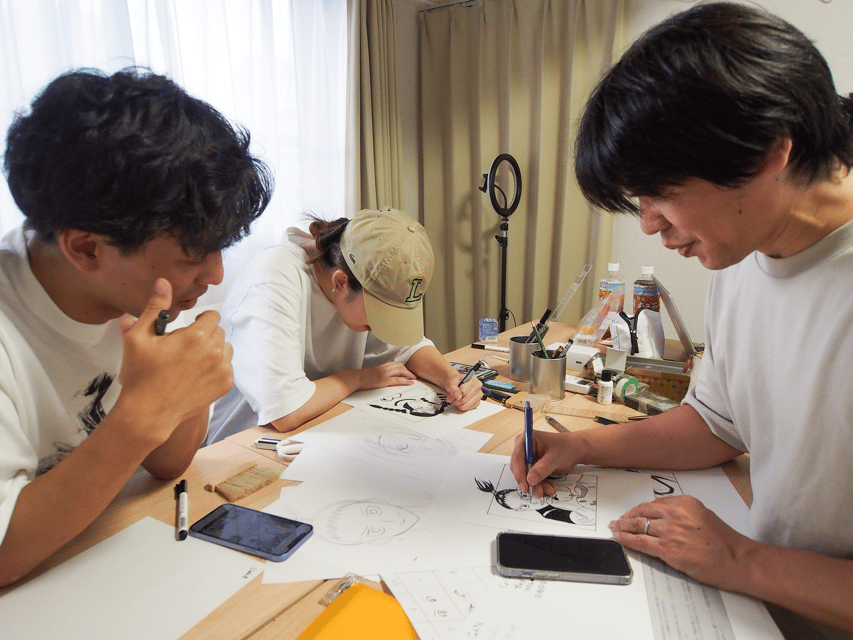
Manga in Tokyo, in two hours. In this small-group workshop (max 8), I love how you follow the real manga workflow, from rough sketch to speech bubbles, with a pro manga artist and an English/Japanese interpreter.
I also like the practical payoff: you leave with a finished panel you made yourself, handled like a real keepsake. One thing to plan for is finding the meeting spot in busy Shibuya—it’s in a thin, black building, so give yourself a little extra time.
In This Review
- Quick Takeaways
- Shibuya’s Thin, Black TR Building: Getting There With Peace of Mind
- What Happens in 150 Minutes of Manga Creation
- The Professional Workflow: Ideation to Speech Bubbles
- Screen Tones: The Tool That Makes It Look Like Manga
- Your Take-Home Panel: A Souvenir That Actually Feels Personal
- Instructor and Interpreter Pairing: How the Class Stays Comfortable
- Who This Workshop Fits Best (And Who Might Want a Plan B)
- Price and Value: Why $129 Can Make Sense in Tokyo
- Practical Tips to Make Your First Panel Better
- Should You Book This Manga Workshop?
- FAQ
- How long is the manga drawing workshop?
- What does the workshop cost?
- Is this a small group class?
- What languages are available during the class?
- Are manga drawing materials provided?
- Where do I meet for the workshop in Shibuya?
- Is pickup provided, and is the workshop wheelchair accessible?
Quick Takeaways
- Up to 8 people means you get real coaching, not a rushed demo
- 150 minutes is long enough to go beyond outlines and actually finish a panel
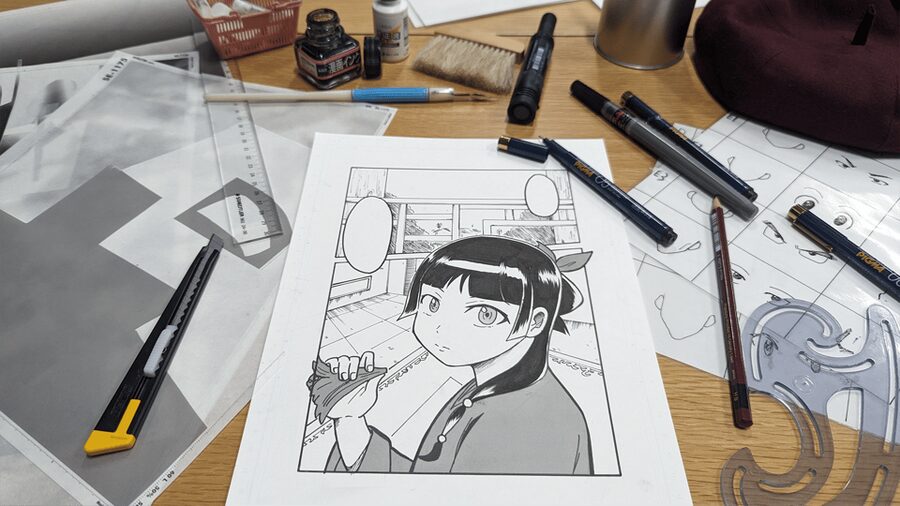
- Traditional steps include ideation, drafting, inking, solid blacks, screen tones, and speech bubbles
- Interpreter support helps you understand not just instructions, but the why behind manga tools
- You take your work home, often laminated, so it makes a sturdy souvenir
- No prior skill needed, and the class is designed to work even if you’re nervous
Shibuya’s Thin, Black TR Building: Getting There With Peace of Mind
The workshop meets at 6F, Shibuya 3-chome TR Building (3-8-11 Shibuya) in Shibuya-ku. The building is black and relatively thin, which sounds minor until you’re standing there holding a phone and wondering if you’re in the right place. Shibuya is busy, and street-level confusion can happen, especially around major crossings.
My practical advice: arrive a bit early and don’t count on your first pass being perfect. If you’ve got Google Maps, set it to the exact building and floor (6F), not just Shibuya 3-chome. Once you’re inside, the whole thing gets much easier—most of the stress here is just the first 5 to 10 minutes of orientation.
Also note: there’s no pickup. You’ll want to plan your own transit to Shibuya so you can show up calm and ready to draw.
More of Akihabara, ranked by our reviewers
- Official Street Go-Kart Tour – Akihabara
★ 5.0 · 1,578 reviews - Tokyo Go Kart: Asakusa, Skytree, and Akihabara **IDP MUST**
★ 5.0 · 988 reviews - Akihabara Anime & Game Adventure Walking Tour (Group or Private)
★ 5.0 · 404 reviews - Tokyo: Gameboy Mod Workshop at Akihabara
★ 5.0 · 253 reviews
What Happens in 150 Minutes of Manga Creation
This is not a quick craft session. It’s a guided, studio-style class that runs about 150 minutes, built around the standard sequence manga artists use to turn an idea into a finished panel.
You start by choosing what you want to draw. Depending on the day and the instructor, you may be able to pick from sample options or use an idea of your own. Then the artist helps translate your concept into manga form: composition, pose, facial features, and the flow that makes a panel read well.
From there, you move through the core stages: rough sketching, drafting, inking, applying solid blacks, adding screen tones, and finishing with speech bubbles. The timing is tight enough to feel exciting, but slow enough that beginners don’t get left behind.
And yes, materials are provided, so you don’t need to hunt for special supplies before you come. You can show up as you are and let the process do the heavy lifting.
The Professional Workflow: Ideation to Speech Bubbles
The class is built around a full manga workflow, not just one fun step. That’s why it works so well for first-timers. You’re not expected to already know how manga drawings become readable, bold, and dramatic.
Here’s how the session typically unfolds:
1) Ideation and rough plan
You decide on a character and pose idea. The artist then helps shape it into something that fits manga panel rules—what to emphasize, what to simplify, and what will look good once ink goes down.
2) Rough sketch and drafting
You start with pencil work. The instructor guides you to refine proportions and lines so the panel looks intentional rather than accidental.
3) Inking
This is where manga really wakes up. Inking replaces sketch lines with crisp manga linework. It can feel intimidating at first, but the guidance is structured and step-by-step.
4) Solid blacks and contrast
After inking, you add filled blacks. This is the backbone of manga depth and mood. Once those areas go in, faces, hair, and clothing start to pop.
5) Screen tones
Next comes the signature texture. Screen tones can create shading, atmosphere, and dimensional effects without complicated rendering. You learn how to place them for the look you want.
6) Speech bubbles and final touches
The ending is the moment most people remember: adding speech bubbles so the panel looks like it belongs in a real story page.
One more detail that many people love: you’re not just copying. You’re building a panel in your own style with coaching along the way. In some classes, instructors even let you experiment with your own character ideas. That friendly attention is one reason the class earns such high marks for confidence-building.
Screen Tones: The Tool That Makes It Look Like Manga
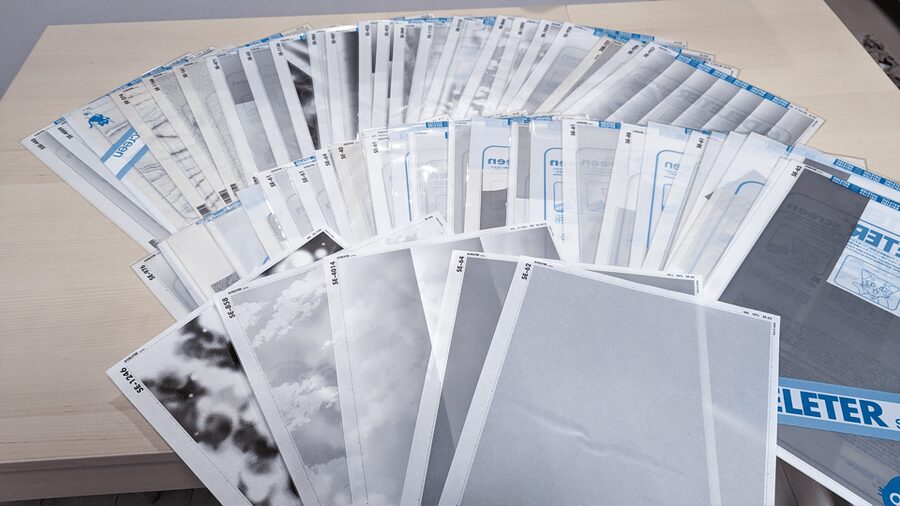
If you’ve watched anime and thought manga looks effortless, screen tones are the reason it doesn’t look like simple black-and-white doodling. They’re a system—patterns cut and placed with intention.
In this workshop, you’ll learn how screen tones change the feel of a drawing. You also learn how to use the tools correctly so the tones look clean instead of messy. Some students mention learning how screen tones work and how they’re cut or applied, which is exactly the kind of behind-the-scenes craft you can’t get from a basic drawing class.
And here’s the practical bonus: screen tones are one of those techniques that makes a beginner-looking sketch turn into a panel that reads as manga. You’re not trying to draw every shadow by hand. You’re using a proven shortcut that artists have used for years.
Your Take-Home Panel: A Souvenir That Actually Feels Personal
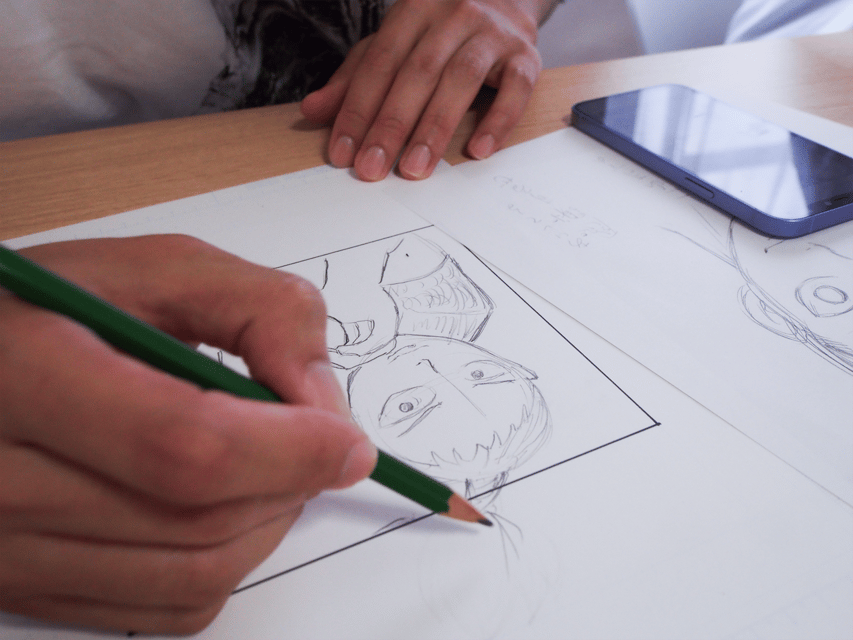
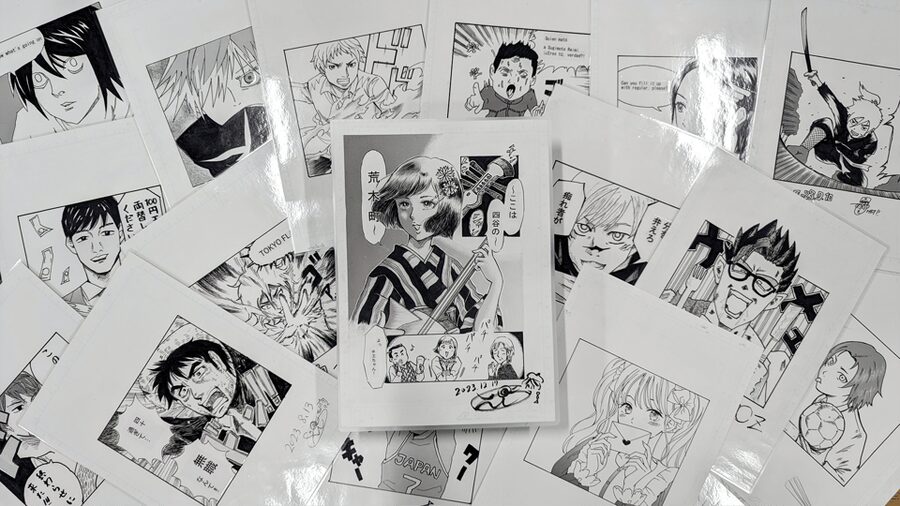
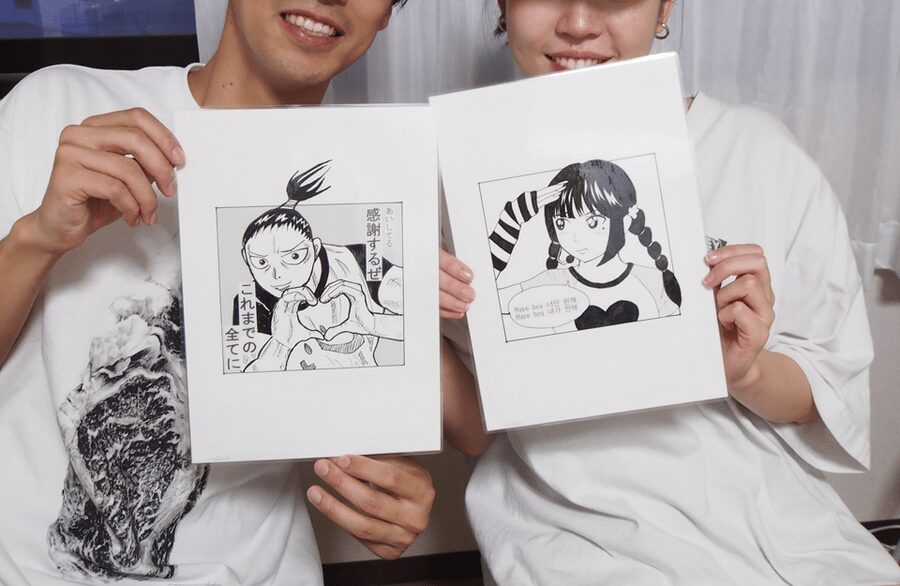
The biggest reason this workshop is a top Tokyo memory is that it ends with your finished work in your hands. You’re not leaving with a photo of a demo. You’re leaving with a panel you made.
From the class setup and the way people describe the final stage, the finished drawing is often laminated, which makes it easier to store, frame, and live with at home. People also talk about signing their work, which adds that small ceremony feeling—like you completed something real, not just an activity.
And the panel itself is a stronger keepsake than typical souvenirs for one simple reason: it’s created with your choices. Even if the instructor nudges your design, you still decide who you’re drawing and what the moment is.
If you’re going as a couple, a parent and kid, or a group of friends, this is also a good shared project. Everyone leaves with their own result, which helps if you don’t all want the exact same experience.
Readers also shortlisted these Tokyo bookings:
- Tokyo 6hr Private Tour with Government-Licensed Guide★ 5.0 · 3,902 reviews
- Tokyo: Shinjuku Local Bar and Izakaya Guided Walking Tour★ 4.9 · 1,794 reviews
- Tokyo: Private City Highlights Tour with Local Guide★ 4.8 · 1,433 reviews
- Tokyo: Tsukiji Fish Market Guided Walking Tour★ 4.9 · 1,397 reviews
- Tokyo 4hr Private Tour with Government-Licensed Guide★ 5.0 · 1,394 reviews
Instructor and Interpreter Pairing: How the Class Stays Comfortable
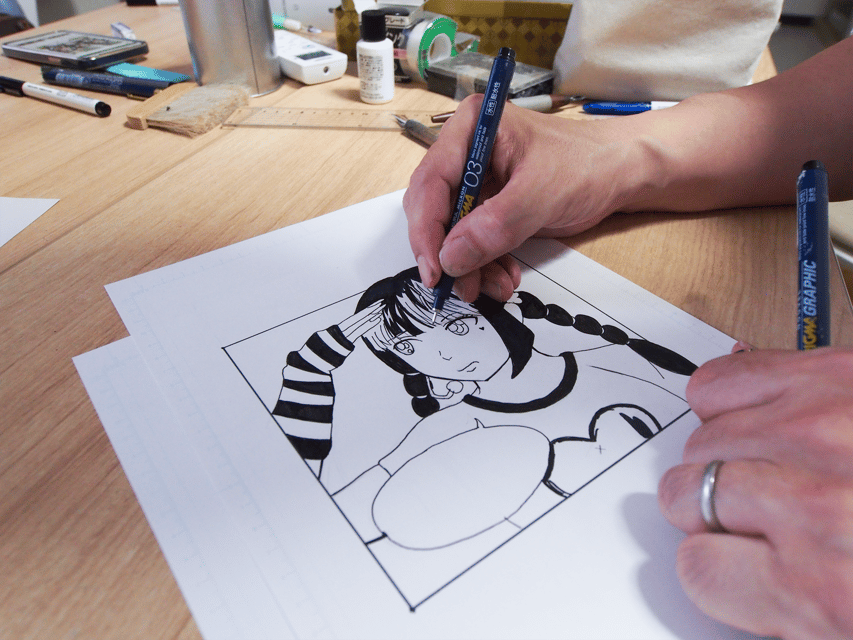
What makes the workshop work across skill levels is the pairing of the manga artist instructor and the interpreter. The interpreter keeps instructions clear in English and Japanese, so you’re not guessing during the key moments (like inking or tone placement).
In the reviews, you’ll see different artist names pop up—Hanae and Madoka as interpreter names appear, and instructors include people like Shige Mathumori, Kousei-sensei, Rokkaku sensei, Hiroshi, and Kamaya Katsuki. The consistent theme is patience and clear guidance, even when participants are nervous or completely new.
This matters because manga drawing can feel technical fast. When translation is smooth and the instructor is patient, you can focus on learning instead of mentally translating every step.
Who This Workshop Fits Best (And Who Might Want a Plan B)
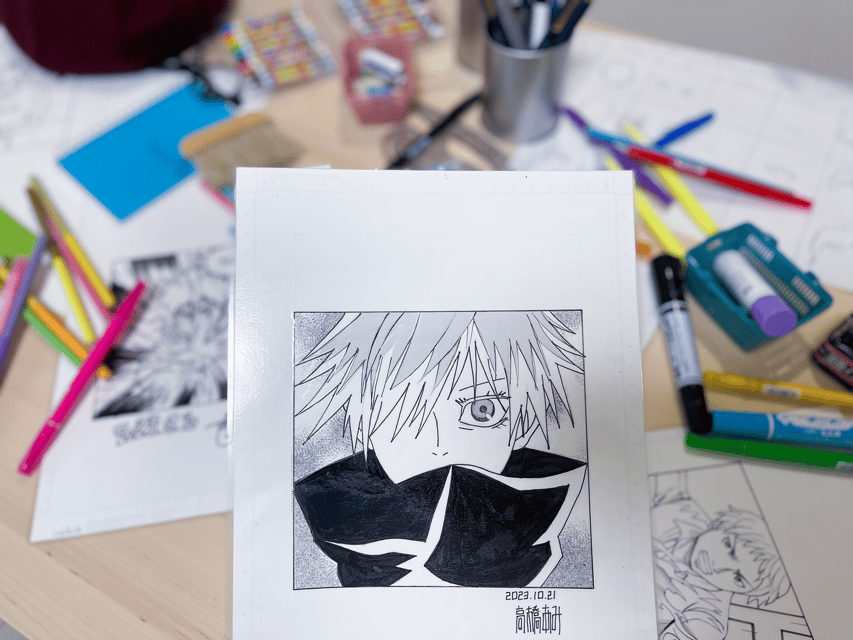
This class is built for beginners. The workshop messaging is clear: you can come even if you think you can’t draw. Multiple people note that instructors help them produce a finished panel within the session, even when they start out worried.
It’s also a great fit for manga fans who want to understand how the craft works behind the scenes. If you’re into One Piece or Naruto-style storytelling, you’ll probably enjoy learning the mechanics that help manga panels read clearly.
Kids and teens can do it too. People mention bringing children and feeling confident because the coaching adjusts to different ages.
Who might want to think twice? If you’re only interested in manga history or watching a pro create a page start to finish, this may feel more hands-on than you expected. It’s a making experience, not a museum tour. Also, the process takes focus. If you’re expecting instant results with no learning curve, you might need to adjust your expectations.
Price and Value: Why $129 Can Make Sense in Tokyo
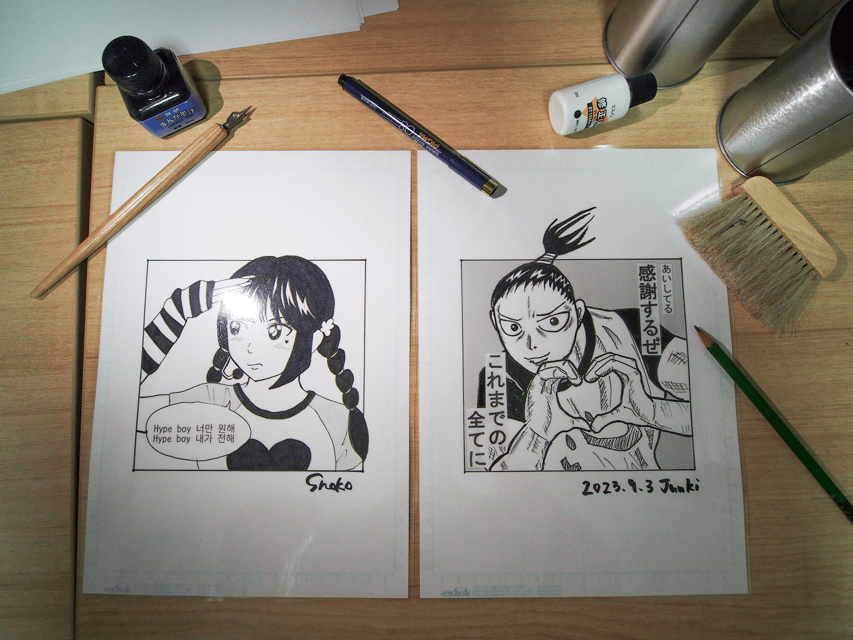
At $129 per person for about 150 minutes, the value comes from three things you rarely get together in one package:
- A professional manga artist guiding you through the full sequence
- An interpreter so you understand instructions clearly
- Materials provided, which reduces the hassle and cost of figuring out what you’d need
When you compare that to typical Tokyo souvenirs, your purchase isn’t just an object. It’s instruction, technique, and a finished piece of artwork you can keep. It’s also small-group friendly, capped at 8 participants, which supports the idea that you’re not just sitting while the instructor focuses on someone else.
Is it cheaper than buying a sketchbook and watching drawing videos? Yes, obviously. But it’s also more than a self-guided hobby session. You’re learning a craft with a pro in the room and taking home the result.
If you want a Tokyo memory that’s more personal than a snack bag and a magnet, this tends to deliver.
Practical Tips to Make Your First Panel Better
You don’t need drawing skills, but you can make your experience easier with a little prep.
- Pick an idea you can describe simply. A character + pose + expression is enough.
- Don’t overcomplicate the outfit. Manga looks great with focus on key features and bold lines.
- Be ready to work with tools and patterns, especially screen tones. It’s normal if it feels different from digital drawing.
- Wear comfy clothes. You’ll be seated at a table for the whole session.
- Plan a nearby snack or drink before you go, since food and drinks aren’t included.
And if you’re worried about the language barrier: the interpreter is part of the experience. People consistently describe smooth communication, which helps you stay calm and keep moving through the steps.
Should You Book This Manga Workshop?
I’d book it if you want a hands-on Tokyo activity with a real creative outcome. The combination of small-group coaching, a pro manga artist workflow, and a finished, take-home panel makes it feel worth your time. It’s also one of the rare activities where beginners finish something that looks like it belongs in manga-world.
I’d hesitate only if you strongly prefer passive sightseeing over making things with your own hands, or if you hate navigating hard-to-find meeting spots in busy neighborhoods. If that last bit worries you, arrive early and use the exact address.
For most people—manga fans, curious beginners, families, even artists trying traditional tools—it’s a satisfying, memorable way to spend part of a Tokyo day.
FAQ
How long is the manga drawing workshop?
The workshop runs for 150 minutes.
What does the workshop cost?
It costs $129 per person.
Is this a small group class?
Yes. It’s limited to a small group of up to 8 participants.
What languages are available during the class?
The workshop offers English and Japanese, with an interpreter included.
Are manga drawing materials provided?
Yes. Manga drawing materials are provided, so you can come as you are.
Where do I meet for the workshop in Shibuya?
The meeting point is 6F, Shibuya 3-chome TR Building, 3-8-11 Shibuya, Shibuya-ku, Tokyo.
Is pickup provided, and is the workshop wheelchair accessible?
Pickup is not included, and the workshop is listed as wheelchair accessible.
More Guided in Tokyo
- Tokyo 6hr Private Tour with Government-Licensed Guide
★ 5.0 · 3,902 reviews - Tokyo: Shinjuku Local Bar and Izakaya Guided Walking Tour
★ 4.9 · 1,794 reviews - Tokyo: Private City Highlights Tour with Local Guide
★ 4.8 · 1,433 reviews - Tokyo: Tsukiji Fish Market Guided Walking Tour
★ 4.9 · 1,397 reviews - Tokyo 4hr Private Tour with Government-Licensed Guide
★ 5.0 · 1,394 reviews
More Tour Reviews in Tokyo
- Mt Fuji and Hakone 1-Day Bus Tour Return by Bullet Train
★ 5.0 · 26,383 reviews - 1-Day Tokyo Bus Tour
★ 5.0 · 14,250 reviews - Tokyo: teamLab Planets TOKYO Digital Art Museum Entry Ticket
★ 4.6 · 9,779 reviews - Mt Fuji & Hakone Cruise, Drum Show Bullet Train 1 Day from Tokyo
★ 4.0 · 7,413 reviews - Tokyo: Shinjuku Food Tour (13 Dishes at 4 Local Eateries)
★ 5.0 · 6,603 reviews
More of Akihabara, Reviewed
- Official Street Go-Kart Tour – Akihabara
★ 5.0 · 1,578 reviews - Tokyo Go Kart: Asakusa, Skytree, and Akihabara **IDP MUST**
★ 5.0 · 988 reviews - Akihabara Anime & Game Adventure Walking Tour (Group or Private)
★ 5.0 · 404 reviews - Tokyo: Gameboy Mod Workshop at Akihabara
★ 5.0 · 253 reviews - Akihabara: Private Anime and Pop Culture Tour
★ 4.8 · 152 reviews
Latest Tokyo reviews off our desk






Akihabara Anime Tours, compared.
 ★ 5.0Official Street Go-Kart Tour – AkihabaraFrom $611,578 reviews
 ★ 5.0Tokyo Go Kart: Asakusa, Skytree, and Akihabara **IDP MUST**From $99988 reviews
 ★ 5.0Akihabara Anime & Game Adventure Walking Tour (Group or Private)From $90404 reviews
 ★ 5.0Gameboy Mod Workshop at AkihabaraFrom $360253 reviews
 ★ 4.8Akihabara: Private Anime and Pop Culture TourFrom $95152 reviews
 ★ 5.0Akihabara Tailor-made Private Tour for Anime FansFrom $132142 reviews
 ★ 5.0Original Street Kart Experience from AkihabaraFrom $51111 reviews
 ★ 5.0Ramen Making from Scratch +Akihabara Tour –Tokyo Cooking ClassFrom $123107 reviews
Browse the lists this tour appears in