
Reviewed · MUSEUMS
Tokyo National Museum Private Tour
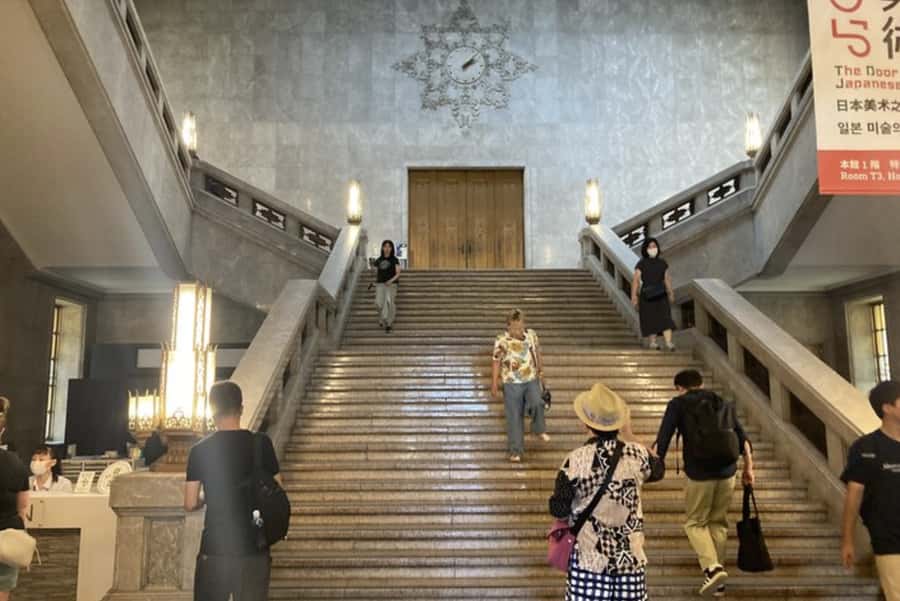
This tour turns a museum into a story. In two hours at the Tokyo National Museum, you get a guided route that makes Japan’s art easier to understand than wandering hall to hall.
I particularly like the way the guide steers you toward the museum’s big themes in plain English, so you don’t leave with a pile of random facts.
I also love the three-part viewing plan: Horyuji treasures, a Japan art-history section that connects ukiyo-e and netsuke, and (if you want) an archaeology room with items like haniwa and dogu.
That structure matters because it helps you see how Japanese visual culture connects across time, not just how objects look.
The main drawback to keep in mind is simple: the museum is enormous, and a 2-hour private tour can only cover a portion. Add that the display lineup can shift week to week, and you’ll want to go with a clear expectation: you’re aiming for understanding, not checking every room off a list.
In This Review
- Key things you’ll notice on this tour
- Why Tokyo National Museum is a smart first stop
- The 2-hour pace: what you’ll do and what you’ll skip
- Gallery of Horyuji Treasures: Buddhism statues and Silk Road clues
- Japanese art history gallery: Ukiyo-e and netsuke made understandable
- Optional archaeology room: haniwa and dogu for a deeper time scale
- What the guides do well (and why it shows in the reviews)
- Price and value: is $96 per person worth it?
- Logistics that actually affect your day
- Who this Tokyo National Museum tour fits best
- Should you book this Tokyo National Museum Private Tour?
- FAQ
- How long is the Tokyo National Museum private tour?
- Where do I meet the guide?
- Is admission included?
- What language is the tour guide?
- Is the archaeology room stop included?
- Are drinks included?
- Is the tour wheelchair accessible?
- How does the guide contact you?
- Can I request hotel pickup?
- What is the cancellation policy?
Key things you’ll notice on this tour
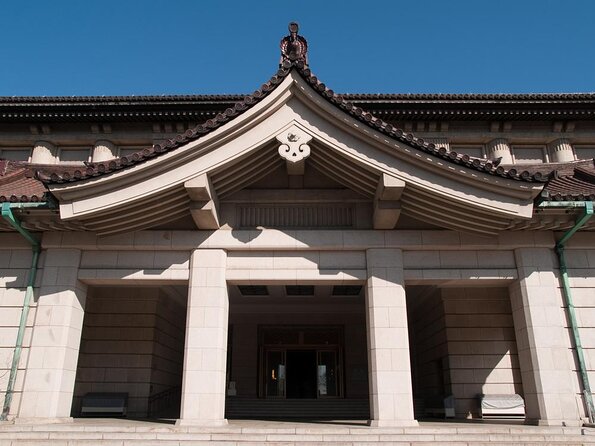
- A tight 2-hour route that avoids museum overwhelm and gives you a coherent story
- English-speaking guidance that helps you interpret objects fast
- Horyuji treasures tied to Buddhism and Silk Road connections
- Ukiyo-e and netsuke context so Edo-era art feels less like trivia
- Optional archaeology stop with haniwa and dogu when you want that angle
Why Tokyo National Museum is a smart first stop
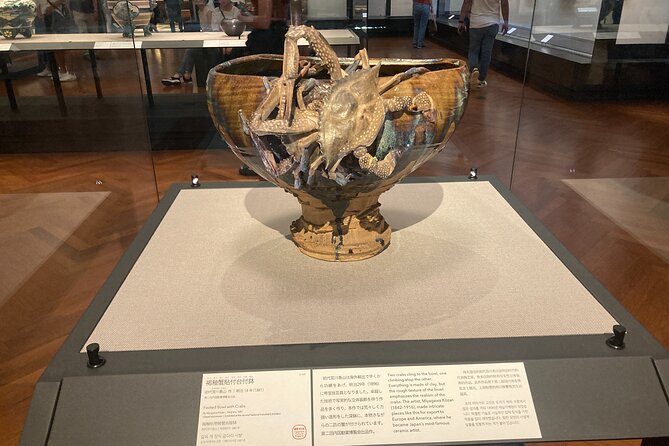
If you’re starting your Japan trip and you want a base layer of understanding, Tokyo National Museum is a strong pick. It’s the oldest museum in Japan, founded in 1872, and it holds about 120,000 works with nearly 100 national treasures in its collection. Even though so much exists, you’ll see more than 3,000 works on display at any time—so choosing what to look at is the whole game.
The tour’s value is that it helps you order the chaos. Instead of treating this place like a checklist of famous pieces, you get a guided digest from ancient times into later eras. The museum lineup can change slightly from week to week, which means you can return and still find new highlights. But on a first visit, you want structure—and this tour is built for that.
Also, the museum’s sheer scale can be intimidating if you walk in cold. A private English guide turns big rooms into something you can actually follow.
Readers also shortlisted these Tokyo bookings:
- Tokyo 6hr Private Tour with Government-Licensed Guide
★ 5.0 · 3,902 reviews - Private Tour to Mt. Fuji and Hakone (Fully Licenced Operator)
★ 5.0 · 1,910 reviews - Tokyo Customized Private Tour (Must See Places in 1 Day)
★ 5.0 · 1,499 reviews - Mount Fuji Full-Day Private Tour from Tokyo (Customizable)
★ 4.9 · 1,470 reviews
The 2-hour pace: what you’ll do and what you’ll skip
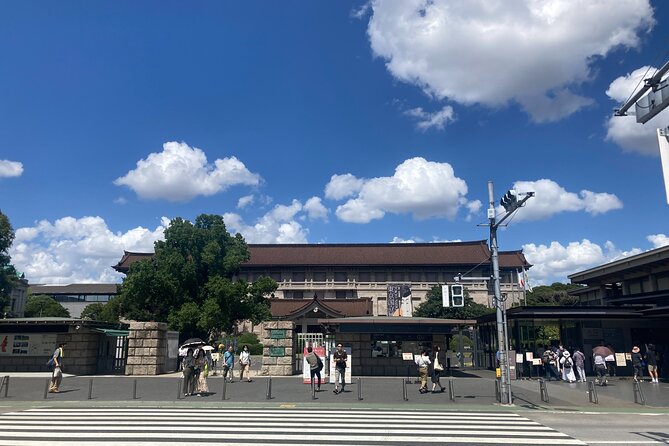
Plan on a brisk but not rushed walkthrough. You meet at the ticket office (information office) at the entrance gate, and you start at 13-13 Uenokōen. You’ll return to the same area afterward.
Because this is a guided private group experience with a 2-hour duration, the route is deliberately selective. You won’t see every gallery in the museum, and you won’t have time to linger in every room. You’ll focus on the places that best explain major themes: Buddhism-related treasures, major threads of Japanese art history, and archaeology objects if you choose that add-on.
A practical tip: if you’re the type who wants to stop for photos every few minutes, tell the guide early. The best guiding here is flexible—so you can adjust pacing without turning the tour into a sprint.
Gallery of Horyuji Treasures: Buddhism statues and Silk Road clues
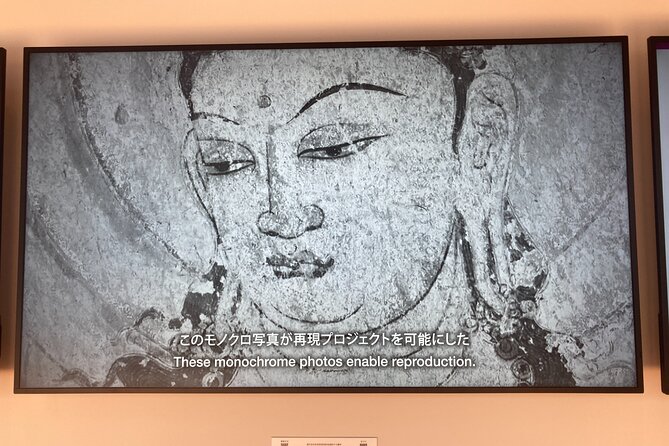
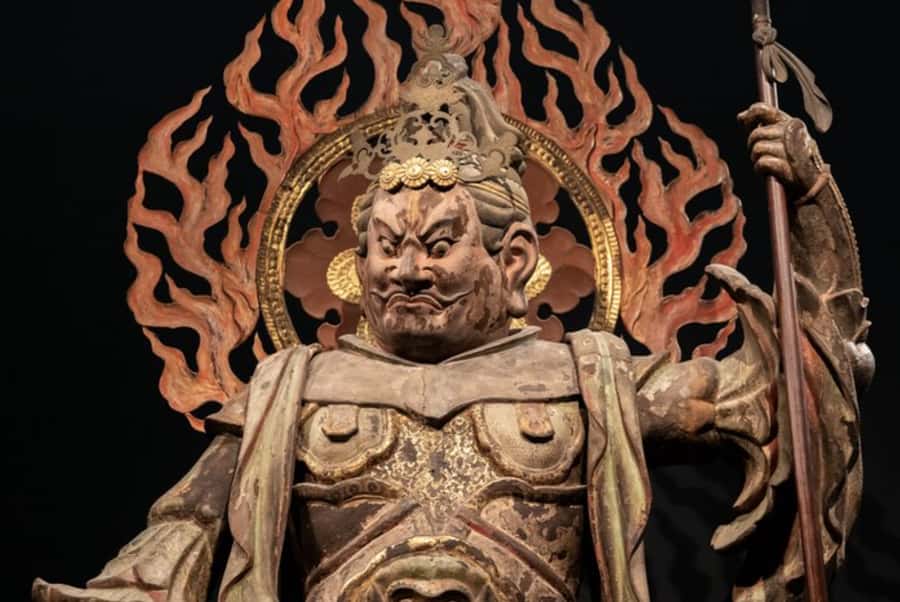
One of the tour’s strongest segments is the gallery featuring Horyuji treasures, including Buddhism statues and related artifacts connected to the Silk Road. This is where the museum stops feeling like “Japanese art” in a single neat box and starts showing how ideas traveled.
What you’ll get from this part is the why behind what you’re seeing. Buddhism objects can look formal and similar at first glance, but a guide can help you notice differences and understand what these pieces represented in their original context. When Silk Road connections enter the story, it also reframes Japan’s cultural history as something shaped by exchange, movement, and adoption—not isolation.
Even if you don’t consider yourself an art history person, this stop is approachable because it’s narrative-driven. You’re guided through a concentrated set of meaningful objects, instead of relying on your own guesswork in a large gallery.
Japanese art history gallery: Ukiyo-e and netsuke made understandable
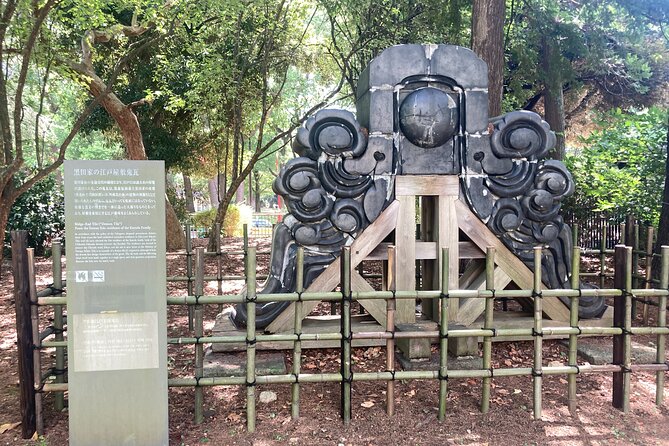
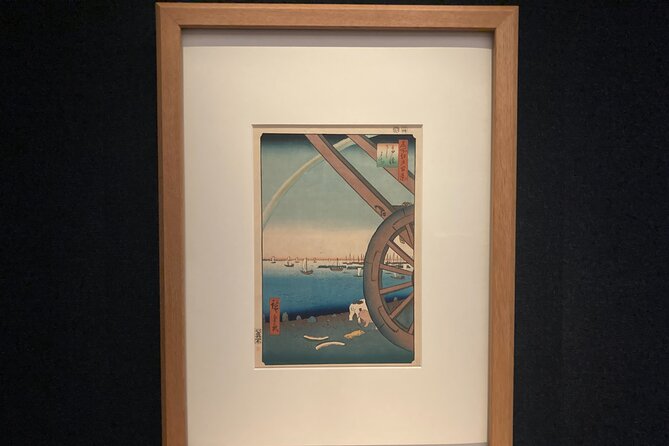
Next comes the Japan art-history focus, including ukiyo-e (woodblock prints) and netsuke (small Edo-period personal accessories that helped function as decorative and practical tie-in pieces). The tour treats these as more than pretty examples. You’ll get a digest-style path through how different eras built their visual language.
Ukiyo-e can be a lot to take in on your own. There’s style, subject matter, and historical context all tangled together. With a guide, you can connect the dots faster—why certain themes show up, what the images were doing culturally, and how printmaking fits into broader art development.
Netsuke adds a nice human scale to the museum experience. It’s easy to overlook small objects, but they’re perfect for learning because they reward close looking. A guide helps you see what makes netsuke special—how it reflects taste and everyday life in the Edo period (1603–1868).
If you want a museum tour that doesn’t treat objects like museum wallpaper, this is the part where it clicks.
Optional archaeology room: haniwa and dogu for a deeper time scale
There’s an optional archaeology room stop, which is ideal if you like stepping beyond “art” and into everyday material culture from earlier periods. You can expect ancient objects including haniwa and dogu (clay figures often connected with ritual or belief practices).
This optional segment matters because it changes the rhythm of your visit. Instead of focusing only on later artistic traditions, you’re reminded that visual culture existed long before the eras most visitors think of first. Haniwa and dogu can feel strange or even mysterious at first, but a guide helps you interpret them as objects with purpose—made by people, for particular reasons.
The consideration here is time and preference. If you feel you’ll already be museum-fatigued by the time you finish the main galleries, skip the archaeology option and use the extra minutes to revisit what you liked most. If you’re curious about earlier periods, this is one of the most memorable value-add parts of the route.
Readers also shortlisted these Tokyo bookings:
- Tokyo: teamLab Planets TOKYO Digital Art Museum Entry Ticket★ 4.6 · 9,779 reviews
- Tokyo Studio Ghibli Museum and Ghibli Film Appreciation Tour★ 4.5 · 421 reviews
- Tokyo Sword Experience – includes Museum Ticket/Ninja Experience★ 5.0 · 314 reviews
- Samurai Ninja Museum Asakusa: Samurai Sword Lesson & Tour★ 4.8 · 306 reviews
- Tokyo: Art Aquarium Museum GINZA Entry Ticket★ 4.5 · 278 reviews
What the guides do well (and why it shows in the reviews)
The difference between a regular museum visit and this kind of tour is the guidance quality. In this experience, the guides tend to focus on clarity, patience, and tailoring.
For example, Yoko is known for clear, patient explanations that help you make the best of the full 2 hours. Aki is praised for making the learning feel enjoyable, especially if you want better understanding rather than just facts. Naomi stands out for focusing on what matters to you—plus keeping the vibe warm and personable. Guides such as Mami and Katie are also highlighted for making the experience easy to enjoy without feeling overwhelmed.
That matters because Tokyo National Museum can be intimidating. A good guide does two things: they help you choose the right objects, and they explain them in a way your brain can hold onto during a short visit.
Price and value: is $96 per person worth it?
At $96 per person for a 2-hour private tour, you’re paying for two things that usually cost you either time or money: admission plus an English-speaking guide who directs your route.
Admission tickets are included, so you aren’t adding that expense on top. Drinks aren’t included, so you may want to plan a water bottle or a quick stop afterward, especially if you’re visiting on a warm day.
The real value is the time saved. With the museum’s scale, you’d need either a lot of prior planning or a lot of walking to get the same coherent understanding. Instead, you get a concentrated guided route that’s designed to teach, not just to transport you between rooms.
This is also a private group setup, which tends to make the experience feel more responsive. If you have specific interests—Buddhism-related art, Edo-era prints, small decorative objects, or archaeology—this tour’s structure makes it easier to get what you came for.
Logistics that actually affect your day
You’ll want to be ready for WhatsApp contact. The guide contacts you via WhatsApp, so provide an accurate phone number when you book. The tour info also asks you to enable notifications from Japanese phone numbers, which is a small step that prevents last-minute confusion.
Meeting point is straightforward: come to the ticket office (information office) at the entrance gate. If you’d like the guide to be picked up at your hotel, you need to request that ahead of time.
One more practical note: you’ll be moving through museum galleries for about 2 hours. Wear comfortable shoes. The museum is inside, but it still adds up, and the pacing is designed to keep you on schedule.
Who this Tokyo National Museum tour fits best
This experience is recommended for ages 10 and up, so it can work for families who want a structured, age-sensible start to Japanese art learning. It’s also a good choice if you’re a first-timer in Tokyo and want something that gives context without requiring advanced knowledge.
You’ll probably enjoy it most if:
- You want a guided route rather than self-guided wandering
- You like understanding connections between objects and time periods
- You’re curious about both Edo-era art (ukiyo-e, netsuke) and older material culture (haniwa, dogu)
If you’re the type who wants a long museum day with lots of free time in each room, this may feel short. But if you want a strong start that makes your next museum visit easier, it’s a smart use of time.
Should you book this Tokyo National Museum Private Tour?
Yes—if you want an organized entry point into Japanese art culture without spending hours figuring out what matters. For $96 per person, the combo of included admission, an English-speaking guide, and a focused route through Buddhism treasures, ukiyo-e/netsuke, and optional archaeology is good value for a short visit.
Book it when you care about understanding as much as seeing. Pass if your main goal is to soak in unlimited time per gallery or if you’re okay building your own itinerary from scratch.
If you’re planning only one museum day early in your trip, this is the kind of guided experience that helps everything else feel clearer afterward.
FAQ
How long is the Tokyo National Museum private tour?
The tour lasts 2 hours.
Where do I meet the guide?
Meet at the ticket office (information office) at the entrance gate.
Is admission included?
Yes, tickets for admission are included.
What language is the tour guide?
The live guide speaks English.
Is the archaeology room stop included?
There is a Japanese archaeology room stop that is optional.
Are drinks included?
No, drinks are not included.
Is the tour wheelchair accessible?
Yes, the tour is wheelchair accessible.
How does the guide contact you?
The guide contacts you via WhatsApp. You should provide an accurate phone number and enable notifications from Japanese phone numbers.
Can I request hotel pickup?
Yes, you can request hotel pickup by letting the provider know in advance.
What is the cancellation policy?
Free cancellation is available up to 24 hours in advance for a full refund.
More Private in Tokyo
- Tokyo 6hr Private Tour with Government-Licensed Guide
★ 5.0 · 3,902 reviews - Private Tour to Mt. Fuji and Hakone (Fully Licenced Operator)
★ 5.0 · 1,910 reviews - Tokyo Customized Private Tour (Must See Places in 1 Day)
★ 5.0 · 1,499 reviews - Mount Fuji Full-Day Private Tour from Tokyo (Customizable)
★ 4.9 · 1,470 reviews - Tokyo: Private City Highlights Tour with Local Guide
★ 4.8 · 1,433 reviews
More Tours in Tokyo
- Mt Fuji and Hakone 1-Day Bus Tour Return by Bullet Train
★ 5.0 · 26,383 reviews - 1-Day Tokyo Bus Tour
★ 5.0 · 14,250 reviews - Tokyo: Shinjuku Food Tour (13 Dishes at 4 Local Eateries)
★ 5.0 · 6,603 reviews - Tokyo Mt Fuji 5th St & Hakone Cruise Bus Tour w/Bullet Train
★ 4.4 · 5,024 reviews - Flagship 2-Hours Official Street Go-Kart Tour – Tokyo Bay Shop
★ 5.0 · 4,974 reviews
More Tour Reviews in Tokyo
- Mt Fuji and Hakone 1-Day Bus Tour Return by Bullet Train
★ 5.0 · 26,383 reviews - 1-Day Tokyo Bus Tour
★ 5.0 · 14,250 reviews - Tokyo: teamLab Planets TOKYO Digital Art Museum Entry Ticket
★ 4.6 · 9,779 reviews - Mt Fuji & Hakone Cruise, Drum Show Bullet Train 1 Day from Tokyo
★ 4.0 · 7,413 reviews - Tokyo: Shinjuku Food Tour (13 Dishes at 4 Local Eateries)
★ 5.0 · 6,603 reviews
Latest Tokyo reviews off our desk




Museums, compared.
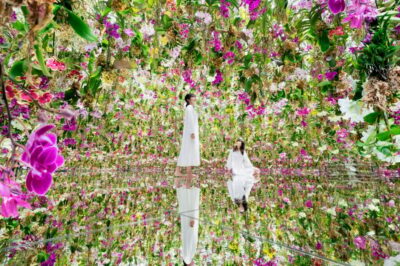 ★ 4.6teamLab Planets TOKYO Digital Art Museum Entry TicketFrom $259,779 reviews
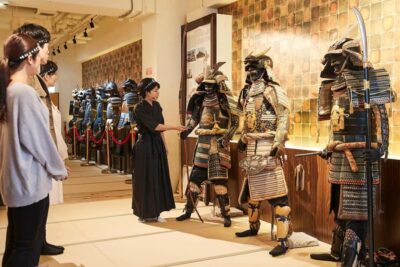 ★ 4.6Samurai Ninja Museum Guided tour and ExperienceFrom $271,010 reviews
 ★ 5.0Ninja Experience (Family Friendly) at Samurai Ninja Museum TOKYOFrom $47441 reviews
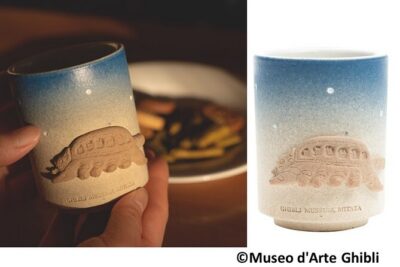 ★ 4.5Tokyo Studio Ghibli Museum and Ghibli Film Appreciation TourFrom $193421 reviews
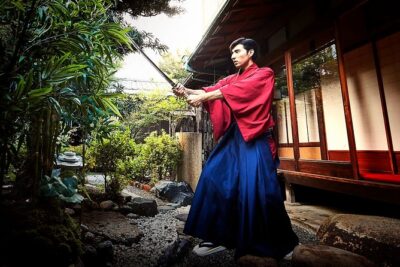 ★ 5.0Tokyo Sword Experience – includes Museum Ticket/Ninja ExperienceFrom $84314 reviews
 ★ 4.8Samurai Ninja Museum Asakusa: Samurai Sword Lesson & TourFrom $63306 reviews
 ★ 4.5Art Aquarium Museum GINZA Entry TicketFrom $17278 reviews
 ★ 5.0Samurai Sword Experience (Family Friendly)at SAMURAI MUSEUM TOKYOFrom $65168 reviews
Browse the lists this tour appears in