
Reviewed · MUSEUMS
Tokyo: Art Aquarium Museum GINZA Entry Ticket
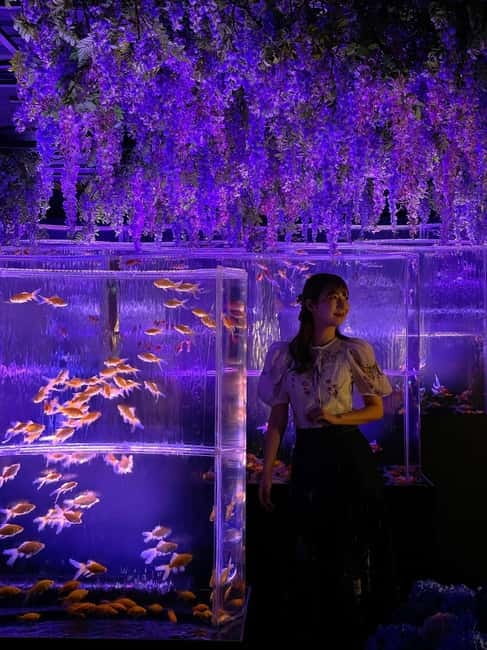
A fish tank you can hear and smell? That’s the twist here. The Art Aquarium Museum GINZA in Ginza pairs goldfish displays with light, music, and scent, turning a standard aquarium visit into a small, designed experience.
I love the way the exhibits spotlight the goldfish themselves. The lighting makes their movement look almost choreographed, and the displays feel like they’re showing off shape and color, not just keeping fish alive behind glass.
My other favorite is the museum’s modern take on the Edo-period goldfish appreciation. Since it’s a permanent venue at Ginza Mitsukoshi with seasonal changes, it gives you a reason to return without feeling like you’re seeing the same thing forever. One thing to consider: it’s fairly compact, so you’ll likely wrap up in under an hour if you move steadily.
In This Review
- Key takeaways before you go
- Ginza Mitsukoshi location and getting there with minimal fuss
- What “1 hour” really means
- What makes this art aquarium different from a regular aquarium
- The Edo-period goldfish link
- Light, music, and scent: the sensory design that actually works
- Music that keeps your pace calm
- Aromatherapy adds a surprising layer
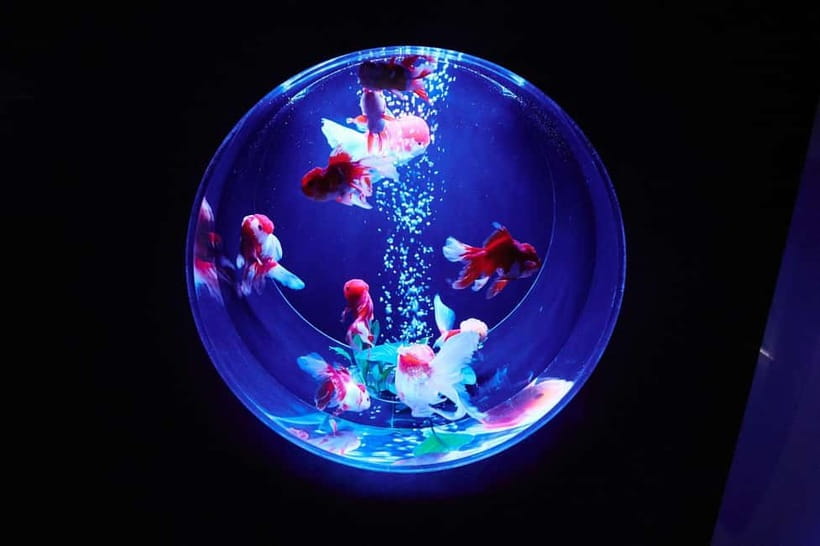
- Goldfish displays: beauty, color, and how the exhibits frame movement
- Information support in English
- A balanced reality check on animal welfare
- Photography in Ginza: how to shoot without getting in the way
- When crowds matter less
- Gift store and souvenirs in the same building
- Price and value: is $17 worth 1 hour?
- Who this fits best (and who should skip)
- Should you book the Art Aquarium Museum GINZA ticket?
- FAQ
- How long should I plan for the Art Aquarium Museum GINZA?
- Where is the museum, and where do I check in?
- Can I take photos inside?
- Are tripods or strobes allowed?
- Are kids allowed for free?
- Is the ticket refundable?
Key takeaways before you go
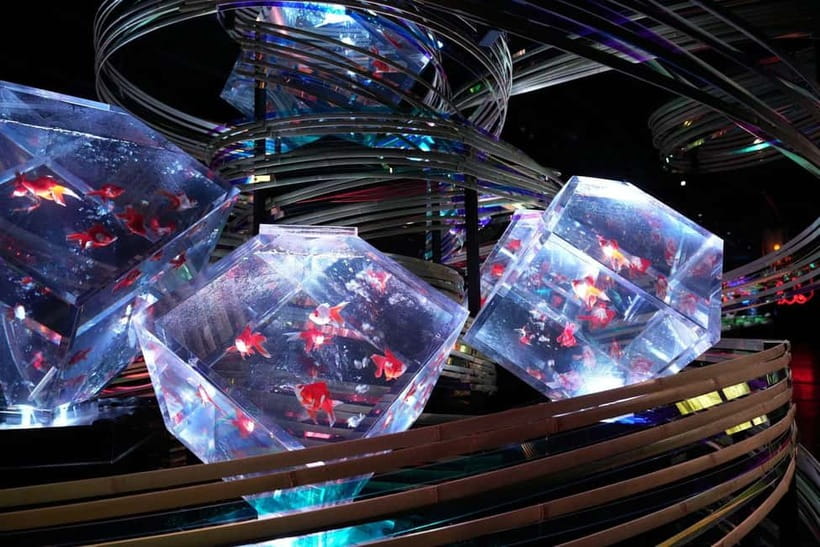
- Light, music, and scent are part of the show, so it feels less like a walk-through and more like a designed atmosphere.
- Edo goldfish tradition, reimagined through modern spatial presentations.
- Photography is allowed, and the exhibits are built for pictures, with rules that keep shots from getting chaotic.
- Expect English info about the goldfish, plus extra sensory touches like aromatherapy.
- If you’re sensitive to animal welfare concerns, note that one visitor felt some fish looked stressed—worth keeping in mind.
Ginza Mitsukoshi location and getting there with minimal fuss
You’ll find the museum inside Ginza Mitsukoshi. The address is 4-6-16 Ginza, Chuo-ku, Tokyo, and the admission reception and same-day tickets are on the 9th floor of the new building.
The good news is that this is pure Tokyo convenience. If you’re using the Tokyo Metro, exit options are straightforward:
- Ginza Station (Tokyo Metro Ginza Line, Marunouchi Line, Hibiya Line): Exit A7
- Ginza 1-chome Station (Tokyo Metro Yurakucho Line): 5-minute walk from Exit 9
- Higashi Ginza Station (Toei Asakusa Line, Tokyo Metro Hibiya Line): 2-minute walk via the underground passage toward Ginza Station
It’s also close enough that you can pair it with other Ginza shopping stops. But note the one small drawback from experience: Ginza is easy to navigate, yet the museum can still feel a bit off your main loop depending on where your day starts.
Readers also shortlisted these Tokyo bookings:
- Tokyo: teamLab Planets TOKYO Digital Art Museum Entry Ticket
★ 4.6 · 9,779 reviews - Tokyo: Hop-On Hop-Off Sightseeing Bus Ticket
★ 3.9 · 4,207 reviews - Tokyo: Japanese Dance Cabaret Theater Asakusa-Kaguwa Ticket
★ 4.8 · 2,270 reviews - Tokyo Grand Sumo Tournament Viewing Tour with Tickets
★ 5.0 · 692 reviews
What “1 hour” really means
The estimated viewing time is about 1 hour. That usually lands right around 45 to 60 minutes in real life, especially since it’s compact and designed for quick visual impact.
If you like lingering, you can stretch it by taking your time with lighting and photos. If you’re trying to do it like a mission—see, shoot, go—you’ll still likely be done before you’re ready to call it a day.
What makes this art aquarium different from a regular aquarium
This isn’t a typical aquarium with long rows of tanks. The museum uses goldfish as the “subject,” then builds the rest of the atmosphere around them.
Here’s what that means for your experience:
- The spatial presentation is unique, so the fish aren’t just visible—they’re framed.
- The lighting is clearly intentional, changing how you perceive movement and color.
- Background music helps set a calm rhythm, not a loud, crowded vibe.
I really like that the experience feels more like viewing art than roaming through exhibits. You aren’t hunting for information or cramming facts. You’re watching behavior, movement, and color under staged conditions.
The Edo-period goldfish link
The museum reimagines traditional Edo-period goldfish appreciation in a modern art setting. In plain terms, it connects goldfish as a long-loved Japanese fascination with today’s “show it through design” approach.
That matters because it gives you context while you watch. Even if you don’t know the history, the experience nudges you to look slower and notice details—fins, curves, and the way goldfish glide in water.
Light, music, and scent: the sensory design that actually works
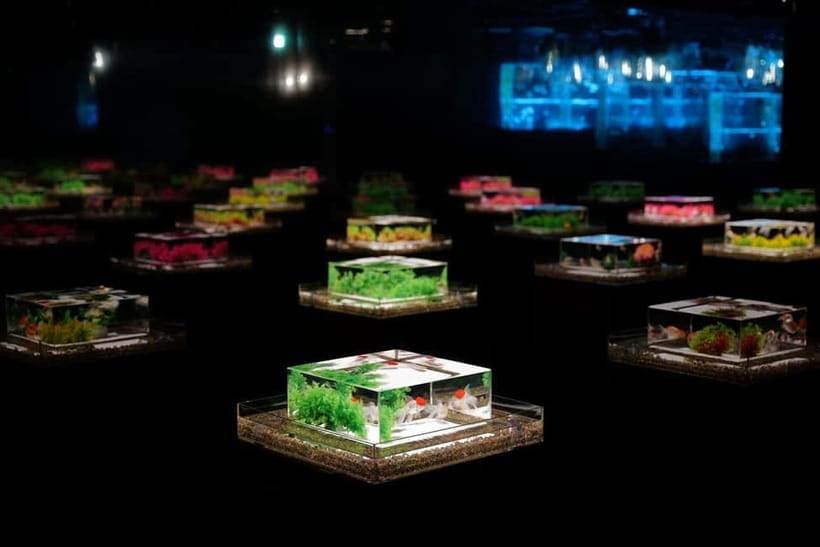
The headline feature here is the blend of light, music, and scent. And it’s not just marketing language. The sensory touches change how long you want to stay and how you remember the visit.
Readers also shortlisted these Tokyo bookings:
- Tokyo: teamLab Planets TOKYO Digital Art Museum Entry Ticket★ 4.6 · 9,779 reviews
- Tokyo Studio Ghibli Museum and Ghibli Film Appreciation Tour★ 4.5 · 421 reviews
- Tokyo Sword Experience – includes Museum Ticket/Ninja Experience★ 5.0 · 314 reviews
- Samurai Ninja Museum Asakusa: Samurai Sword Lesson & Tour★ 4.8 · 306 reviews
- Tokyo: Art Aquarium Museum GINZA Entry Ticket★ 4.5 · 278 reviews
Music that keeps your pace calm
Several people highlight the background music as part of why the room feels peaceful. The sound design encourages a slower, more observant pace—less rushing, fewer frantic photo sessions.
If you’re coming from the energy of Ginza streets, it’s a nice reset.
Aromatherapy adds a surprising layer
One standout detail from visitors: the museum uses aromatherapy. It’s an unusual addition to a fish-focused exhibit, but it makes the experience feel like a full environment.
If strong scents bother you, just be aware. You’re entering a space that treats smell as part of the art.
Goldfish displays: beauty, color, and how the exhibits frame movement
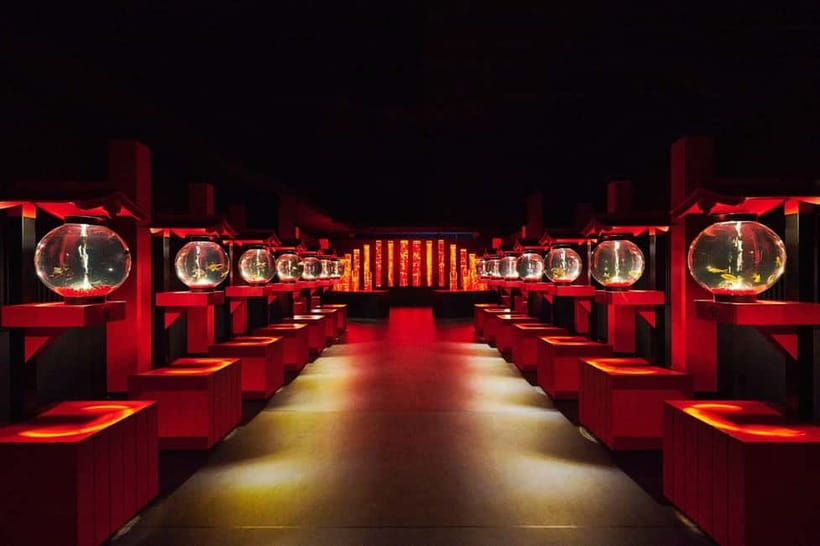
Goldfish are the star, and the museum clearly wants you to notice their beauty. The displays are built to make the fish feel graceful rather than merely visible.
What I’d focus on while you’re inside:
- Watch how the fish change direction when light catches their bodies.
- Notice color shifts under different lighting angles.
- Slow down for the moments when multiple fish move in coordinated ways across a display.
The best part is that the museum treats goldfish as living subjects for visual design. The result is that even a short visit can feel meaningful, because you’re watching behavior, not just reading labels.
Information support in English
English information is available about the goldfish. That helps if you want a bit more meaning without turning your visit into a study session.
You’ll still get the art vibe, but you won’t be completely in the dark if you want context.
A balanced reality check on animal welfare
Not every experience is perfect. One visitor felt some fish looked maltreated. That’s a reminder to pay attention to your own comfort level when you’re watching animals in any exhibit setting.
I wouldn’t panic or assume every display is the same, but it’s worth including in your decision-making if animal welfare concerns strongly affect you.
Photography in Ginza: how to shoot without getting in the way
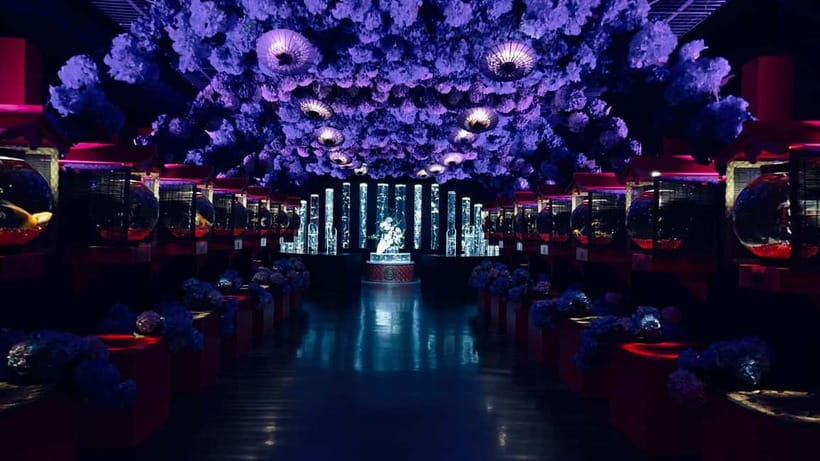
This is a popular spot for photography. The lighting and staged displays are made for it, and people often come specifically to capture the look.
The rules are reasonable and matter, especially in a small space:
- Photography is permitted
- Tripods and monopods are not allowed
- Strobes and lighting equipment are not permitted
That usually means your best strategy is basic: bring your best handheld settings, move gently, and avoid blocking paths. If you’re the type to set up a “production” shot, this isn’t that kind of museum.
When crowds matter less
Timing makes a difference. One visitor booked a midweek time around 10:30am and found the museum lightly used, which made it easy to take photos without interrupting others.
If you’re sensitive to crowd energy, aim for earlier in the day on a weekday. Ginza is always busy, but you can often find calmer pockets if you’re early.
Gift store and souvenirs in the same building
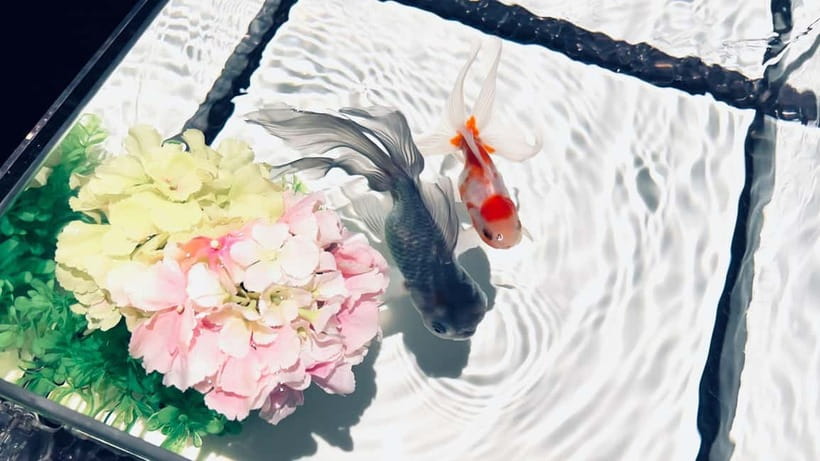
A lot of the visit satisfaction comes from how easy it is to keep your day moving. Since the museum is inside Ginza Mitsukoshi, you’re already in a great place for snacks and shopping.
There’s also a gift store, and visitors noted it has nice souvenir options. It’s a good closer step after you finish the exhibits—especially if you want something small tied to the museum rather than generic department-store stuff.
Price and value: is $17 worth 1 hour?
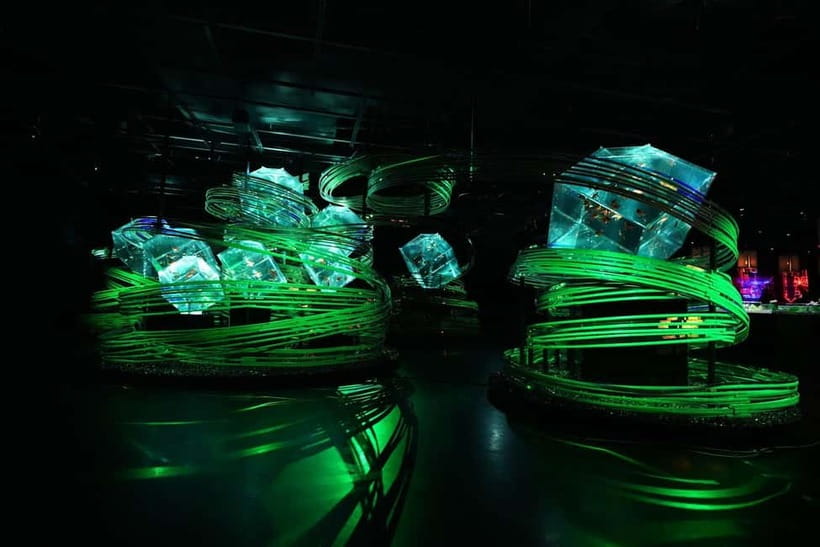
The ticket price is $17 per person, and that’s the key number to weigh against what you’re getting.
Here’s why it can be good value:
- You’re paying for a designed, sensory art setting, not just admission to a collection of tanks.
- It’s timed well for people who want a compact activity—about 1 hour.
- It’s in a top transit location, so the “cost” of getting there (time and stress) stays low.
Here’s when it might feel expensive:
- If you dislike sensory elements like scent and music, you may enjoy it less.
- If you hoped for a long aquarium-style outing, the compact size may leave you wanting more.
I think it hits its sweet spot if you want something different on a Ginza day: a calm photo-friendly stop with Japanese design energy.
Who this fits best (and who should skip)
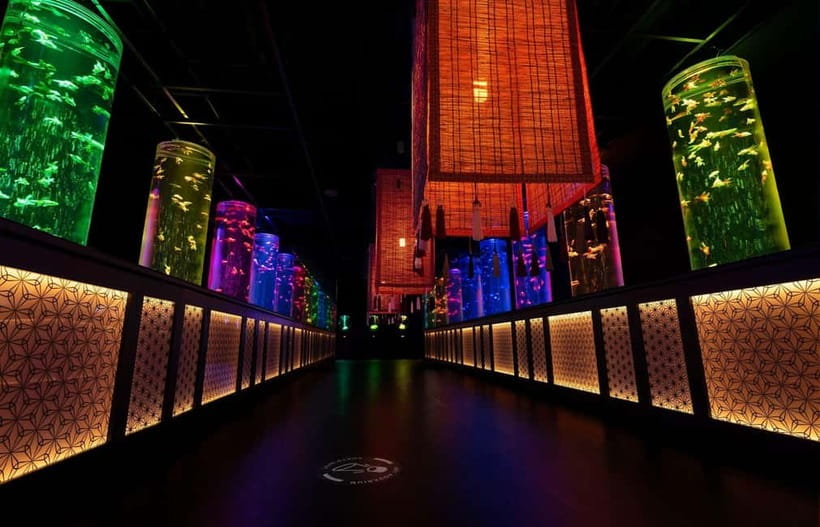
This museum is a strong match for:
- You if you like photography and want light-driven exhibits that look good without needing complicated setups.
- You if you enjoy Japanese design experiences that blend tradition with modern presentation.
- You if you want a low-commitment Tokyo activity that still feels special.
It may be less ideal if:
- You’re hoping for a full-day museum with lots of reading and expansive galleries.
- You’re extremely bothered by enclosed spaces with controlled lighting and added scents.
- Animal welfare concerns are a dealbreaker for you, since one person raised that issue.
If you want a “one-hour wow” that doesn’t eat your whole afternoon, this is worth putting on your list.
Should you book the Art Aquarium Museum GINZA ticket?
If you’re in Ginza and want a calm, camera-friendly experience that feels like art as much as aquarium time, I’d book it. The combination of goldfish beauty plus light, music, and aromatherapy makes it feel deliberately made for visitors, not just a place where fish happen to be displayed.
If you’re deciding between this and another Ginza activity, choose based on your mood:
- Pick it when you want something visually stylish and easy to fit into your day.
- Skip it if scent/music sensory elements are a negative for you or if you want a longer, more “complete” museum experience.
One practical note: tickets are non-refundable, so book when your timing is solid. Then go early if you can, keep your photo gear simple (no tripods), and plan for about an hour of focused looking.
FAQ
How long should I plan for the Art Aquarium Museum GINZA?
The estimated viewing time is about 1 hour. Many people find they finish in roughly 45 to 60 minutes, depending on how much time you spend photographing.
Where is the museum, and where do I check in?
It’s inside Ginza Mitsukoshi. Admission reception and same-day tickets are on the 9th floor of the new building.
Can I take photos inside?
Yes, photography is permitted.
Are tripods or strobes allowed?
Tripods and monopods are not allowed, and strobes or other lighting equipment are not permitted.
Are kids allowed for free?
Up to two children under elementary school age can enter free of charge with one adult.
Is the ticket refundable?
No. This activity is non-refundable.
More Museums in Tokyo
- Tokyo: teamLab Planets TOKYO Digital Art Museum Entry Ticket
★ 4.6 · 9,779 reviews - Tokyo: Samurai Ninja Museum Guided tour and Experience
★ 4.6 · 1,010 reviews - Ninja Experience (Family Friendly) at Samurai Ninja Museum TOKYO
★ 5.0 · 441 reviews - Tokyo Studio Ghibli Museum and Ghibli Film Appreciation Tour
★ 4.5 · 421 reviews - Tokyo Sword Experience – includes Museum Ticket/Ninja Experience
★ 5.0 · 314 reviews
More Tickets in Tokyo
- Tokyo: teamLab Planets TOKYO Digital Art Museum Entry Ticket
★ 4.6 · 9,779 reviews - Tokyo: Hop-On Hop-Off Sightseeing Bus Ticket
★ 3.9 · 4,207 reviews - Tokyo: Japanese Dance Cabaret Theater Asakusa-Kaguwa Ticket
★ 4.8 · 2,270 reviews - Tokyo Grand Sumo Tournament Viewing Tour with Tickets
★ 5.0 · 692 reviews - Tokyo Skytree Admission Ticket with Tembo Deck and Galleria
★ 4.0 · 589 reviews
More Tour Reviews in Tokyo
- Mt Fuji and Hakone 1-Day Bus Tour Return by Bullet Train
★ 5.0 · 26,383 reviews - 1-Day Tokyo Bus Tour
★ 5.0 · 14,250 reviews - Tokyo: teamLab Planets TOKYO Digital Art Museum Entry Ticket
★ 4.6 · 9,779 reviews - Mt Fuji & Hakone Cruise, Drum Show Bullet Train 1 Day from Tokyo
★ 4.0 · 7,413 reviews - Tokyo: Shinjuku Food Tour (13 Dishes at 4 Local Eateries)
★ 5.0 · 6,603 reviews
Latest Tokyo reviews off our desk






Museums, compared.
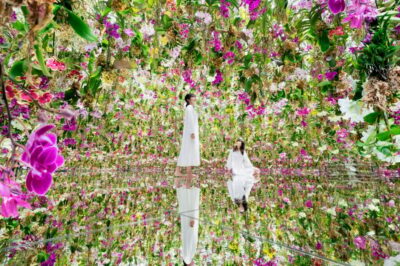 ★ 4.6teamLab Planets TOKYO Digital Art Museum Entry TicketFrom $259,779 reviews
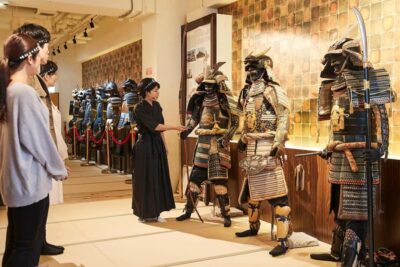 ★ 4.6Samurai Ninja Museum Guided tour and ExperienceFrom $271,010 reviews
 ★ 5.0Ninja Experience (Family Friendly) at Samurai Ninja Museum TOKYOFrom $47441 reviews
 ★ 4.5Tokyo Studio Ghibli Museum and Ghibli Film Appreciation TourFrom $193421 reviews
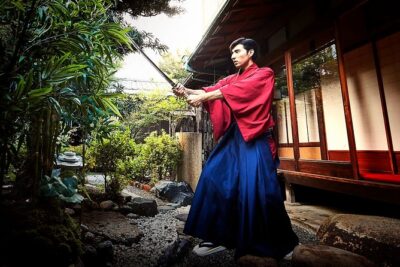 ★ 5.0Tokyo Sword Experience – includes Museum Ticket/Ninja ExperienceFrom $84314 reviews
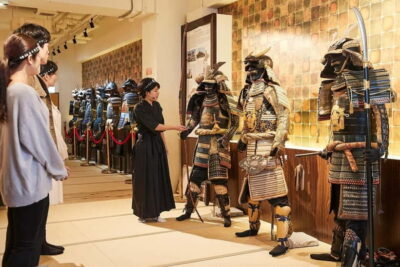 ★ 4.8Samurai Ninja Museum Asakusa: Samurai Sword Lesson & TourFrom $63306 reviews
 ★ 5.0Samurai Sword Experience (Family Friendly)at SAMURAI MUSEUM TOKYOFrom $65168 reviews
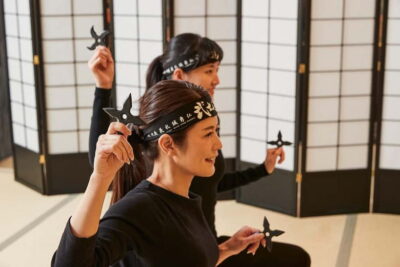 ★ 4.7Samurai Ninja Museum Asakusa: Kid-Friendly Ninja TrainingFrom $5667 reviews
Browse the lists this tour appears in