
Reviewed · 1-DAY TOURS
Tokyo Okutama Day Trip Tour
A Tokyo day trip with real breathing room. This Okutama tour trades neon streets for forest valleys, kamameshi lunch in the mountains, and sights like Nippara’s lit limestone caves. I love the small group size and relaxed pacing, and I love the way guide Ayumu threads nature, local village life, and viewpoints into a single long day. The main thing to consider is the fitness level: expect stairs, uneven footing, and mountain roads that can trigger car sickness.
Expect a tight max of 6 people in an air-conditioned vehicle, with pickup available on request and tickets handled for you. You get a long day outdoors, but it’s not a nonstop shuffle.
One more plus: the day feels handmade, not factory-packaged. Ayumu’s style is to move efficiently, then slow down where the views and village details matter, and he can swap in alternatives if something blocks a planned stop.
In This Review
- Key things that make this day trip work
- Why Okutama feels like another Japan
- Price and value: what your $165.13 really buys
- Getting out of Tokyo: pickup, meeting point, and motion sickness tips
- Nippara Limestone Caves: the morning walk that feels otherworldly
- Lake Okutama and the Tsukiyomi viewpoint picnic
- Hinohara Village and Kyu Kobayashike Jutaku: seeing mountain life up close
- Kanoto Rock: river walking with real footing
- Hossawa Falls finale: 60 meters in steps
- Lunch that actually feels like part of the trip: kamameshi picnic box
- Breaks, pacing, and the overall rhythm of the day
- Onsen or foot bath time at the end
- What to pack so the day feels good
- Who this tour is best for
- Should you book Tokyo Okutama Tour
- FAQ
- How long is the Tokyo Okutama day trip?
- Where do we meet for the tour?
- What’s included in the price?
- Is lunch included, and what kind is it?
- How much walking is involved?
- What should I do if I have allergies or dietary restrictions?
Key things that make this day trip work
- Small-group pacing: a max of 6 people, so you can actually enjoy each stop instead of just snapping photos
- Nippara Limestone Caves: lights in parts of the cave create a dramatic walk
- Lake Okutama viewpoint picnic: you eat while looking over water and mountains
- Hinohara Village + an old house: see how people lived in a harsh mountain environment
- River walking and a 60m waterfall: Kanoto Rocks and Hossawa Falls bring the scenery to your legs
- Lunch is taken care of: a fixed kamameshi lunch box with local vegetables is included
Why Okutama feels like another Japan
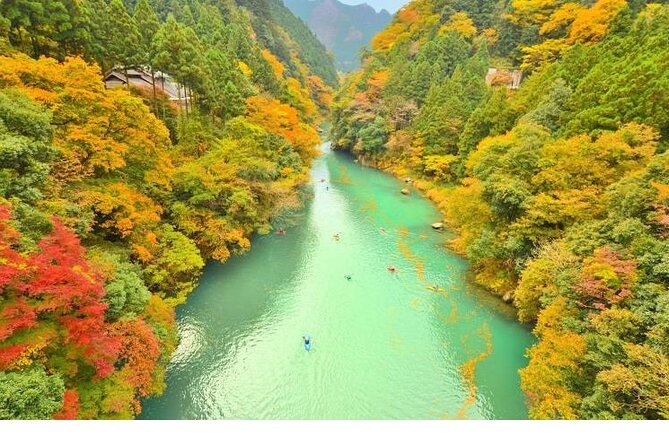
Okutama is Tokyo on the far side of the city’s daily rhythm. You start in the capital, then you steadily climb into a calmer world of valleys, rivers, and forest trails. The whole point is to break the “Tokyo loop” of stations and shopping streets, and replace it with places that feel like they belong to the seasons.
What I like most is how the day mixes big natural features with small human details. You’re not just looking at scenery from a bus window. You get walks, cave steps, riverside footing, and a traditional house that helps you understand how people adapted to mountain life.
There’s also a practical benefit: because it’s a small car trip with planned stops, you don’t have to stitch together trains and transfers on your own. For a one-day window, that matters.
Readers also shortlisted these Tokyo bookings:
- Mt Fuji and Hakone 1-Day Bus Tour Return by Bullet Train
★ 5.0 · 26,383 reviews - 1-Day Tokyo Bus Tour
★ 5.0 · 14,250 reviews - Mt Fuji & Hakone Cruise, Drum Show Bullet Train 1 Day from Tokyo
★ 4.0 · 7,413 reviews - Tokyo: DisneySea 1-Day Passport
★ 4.5 · 2,726 reviews
Price and value: what your $165.13 really buys
At about $165 per person, this isn’t the cheapest option. But the price is built around the reality of a long drive from central Tokyo plus paid access to key sights.
The total includes:
- Air-conditioned vehicle use for the day
- Lunch (including the included kamameshi meal)
- Facility entrance fee and expressway/car charges
Some stops are also free on the itinerary. Nippara’s cave admission is included, while other highlights are listed as admission-free.
Where the value shows up for you: you’re paying for transportation + guided timing + entry fees + lunch in one bundle. That’s a good deal if you would otherwise spend a full day figuring out routes, buying separate tickets, and paying for rides between scattered places.
The trade-off is time and effort. This is a 10 to 14 hour outing with stairs, uneven ground, and mountain roads. If you want a light, mostly seated tour, this may feel like too much.
Getting out of Tokyo: pickup, meeting point, and motion sickness tips
You can start either with hotel pickup (on request) or by meeting at Suzuki LumberJapan, Setagaya City (Matsubara, 2-chōme). Either way, you should arrive about 10 minutes early so your day doesn’t start late.
A small but important detail: the tour is by car on mountain roads. That’s the whole magic route, but it comes with motion-sickness risk. The organizer notes that you can ask where to sit if you get carsick easily or if alcohol makes you feel worse.
Also plan around the fact that the day includes frequent getting in and out of the vehicle. You’ll be stepping up to stairs and changing levels throughout the itinerary, not just cruising between stops.
One more comfort tip: this is a smoking-free ride while the car is moving. If you smoke, the organizer will take you to a designated area.
Nippara Limestone Caves: the morning walk that feels otherworldly
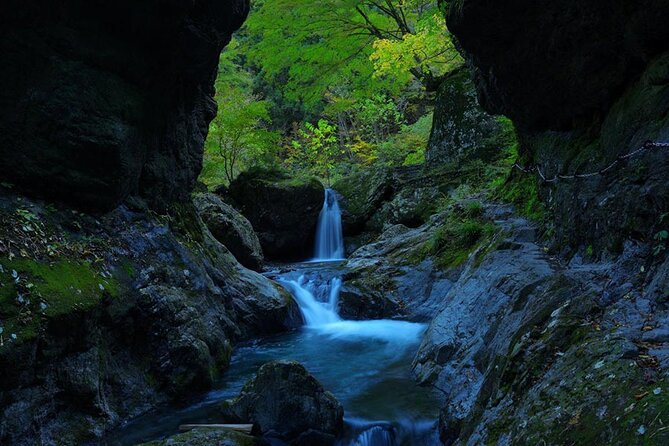
Nippara Limestone Caves are the first “wow” moment, and they’re not just a quick stroll. You get about an hour here, and parts of the cave have lights, which makes the limestone formations easier to see and photograph.
Shoes matter. Several people call out that the cave can be wet in spots, and it can be chilly inside even in warmer months. That means you’ll want:
- good grip shoes
- a light layer you won’t mind getting damp
The other thing this stop does well is pacing. It’s early enough that you’re fresh, but not so early that it feels frantic. By the time you leave the cave, you’re ready for the slower viewpoint part of the day.
Lake Okutama and the Tsukiyomi viewpoint picnic
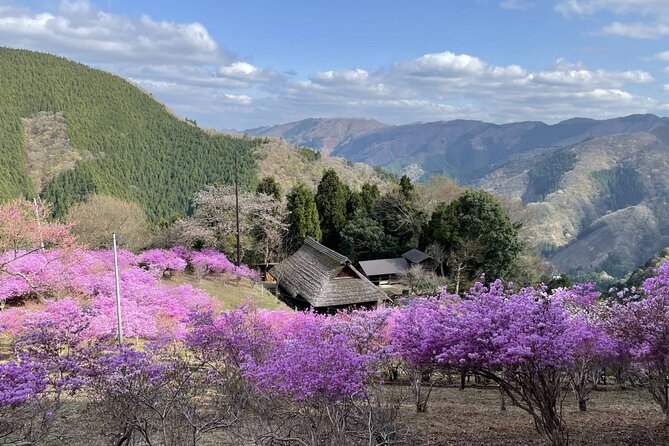
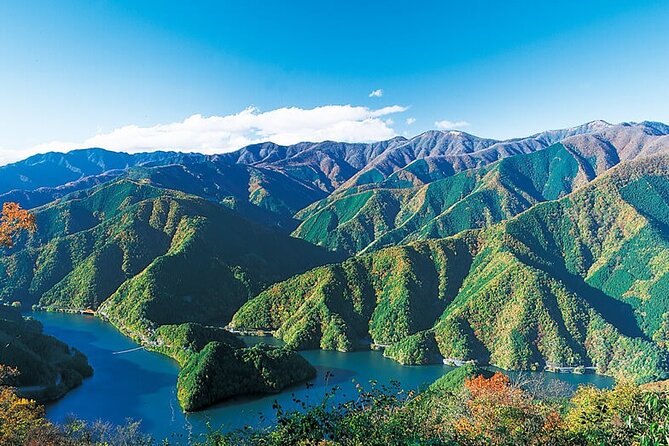
After the morning cave stop, the route shifts toward water. You’ll go for a drive around Lake Okutama, and the plan includes time at a top-of-the-mountain viewpoint at Tsukiyomi 1st Parking.
This is one of the best value-feeling parts of the day. Instead of squeezing lunch into a restaurant with traffic noise, you get a simple picnic setup at a scenic overlook. You’re eating while looking out at the lake and surrounding mountains, so the meal feels tied to the place.
If you’re the type who wants photos, this is your moment. If you’re the type who just wants a calm break, this is also your moment.
- Tokyo: Shinjuku Food Tour (13 Dishes at 4 Local Eateries)★ 5.0 · 6,603 reviews
- Tokyo Mt Fuji 5th St & Hakone Cruise Bus Tour w/Bullet Train★ 4.4 · 5,024 reviews
- Flagship 2-Hours Official Street Go-Kart Tour – Tokyo Bay Shop★ 5.0 · 4,974 reviews
- From Tokyo: Mount Fuji Full-Day Sightseeing Trip★ 4.5 · 4,970 reviews
- Tokyo: Hop-On Hop-Off Sightseeing Bus Ticket★ 3.9 · 4,207 reviews
Hinohara Village and Kyu Kobayashike Jutaku: seeing mountain life up close
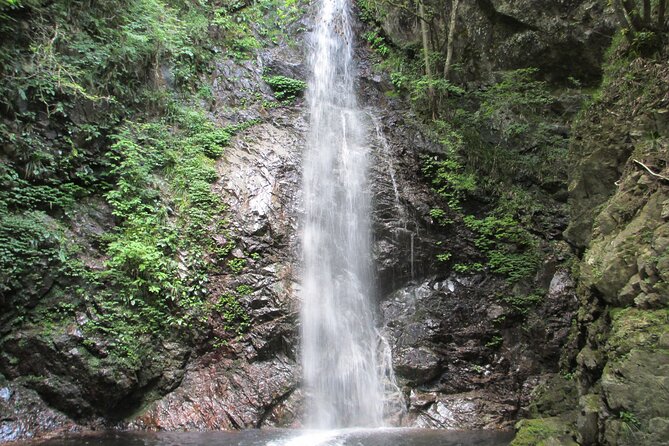
After lunch, there’s car rest while you move into the Hinohara Village area. This is the “get your legs back” section before more walking.
Your next big stop is Kyu Kobayashike Jutaku, a traditional house tied to how people lived in a harsh mountain environment. The route to the home is described as using a mountain-climbing monorail-style system, which is the kind of local transport detail that you simply won’t find on a standard rail day trip.
Why this stop matters: caves and waterfalls can be easy to “consume” without context. A house like this gives you the why behind the scenery. You start to see why villages formed where they did, and why survival skills were built into daily routines.
The practical side: expect stairs and getting in and out of the vehicle. If you’re already tired, go slow and take breaks when Ayumu offers them.
Kanoto Rock: river walking with real footing
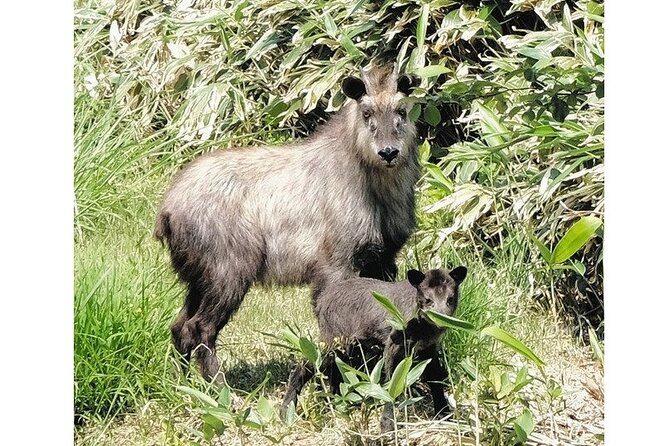
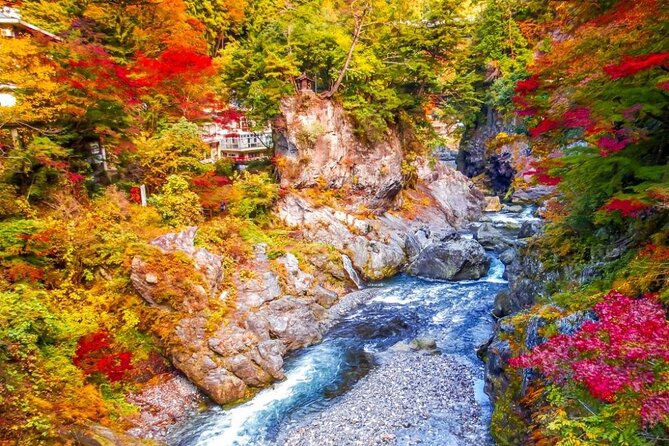
Kanoto Rock brings you back to motion, but in a different way than the cave. You walk across the valley, and you’ll be alongside a river that flows vigorously between two large rocks.
This is the point in the day where your footwear and balance pay off. The area can have uneven footing, and the itinerary notes that some spots have bad footing. Hold on where there are supports or chains, and don’t rush.
This stop also tends to be a favorite for people who like scenery that looks almost too dramatic to be real. You get that sense of a narrow valley framed by rock and rushing water.
Hossawa Falls finale: 60 meters in steps
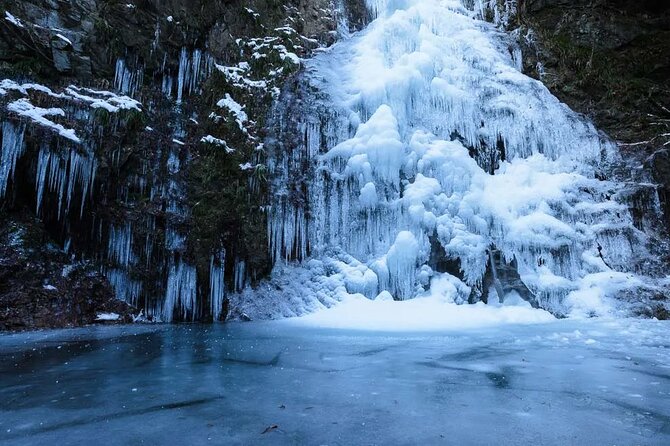
The day closes at Hossawa Falls, a waterfall known for its height and stepped structure. It’s described as about 60 meters long, divided into four steps.
This is where you shift from “walk and look” to “pause and watch.” Waterfalls reward patience. If the group pace feels quick, it’s still worth taking a moment to just look at how the water breaks into stages.
You’ll also appreciate having this as a finale because it’s naturally a slow landing. Even if your legs are a bit tired by then, the falls are a great payoff for all the earlier stair-and-trail time.
Lunch that actually feels like part of the trip: kamameshi picnic box
Lunch is included, and the signature is a kamameshi lunch box made with local vegetables. The menu is fixed, so you’ll need to message the organizer in advance if you have allergies or special dietary needs based on food preferences or religious reasons.
One detail that makes this better than a generic lunch stop: the meal is connected to viewpoints. You’re eating at a scenic spot, not just fueling up and rushing back into another transfer.
If you’re hoping for coffee or snacks, plan for extra spending. The tour notes that coffee/tea isn’t included, even though there is a scheduled coffee break during the day. Snacks are also listed as not included.
Breaks, pacing, and the overall rhythm of the day
This tour is designed around short stretches of walking plus car movement plus viewpoint time. That rhythm matters because the full day is long. You should think of it as a sequence of mini-adventures rather than one long hike.
You also get frequent stops, which some people love because it keeps the day from feeling like a blur. Others find it means you don’t get hours of solitude anywhere. Either way, small-group size helps you get questions answered and adjust your pace.
A practical pacing note from the tour approach: Ayumu is reported to be flexible. One person noted that when a planned historic house visit was blocked due to landslides, the guide provided a different option. That’s the kind of real-world adjustment that can save your day.
Onsen or foot bath time at the end
The plan mentions a public bath (onsen-style) as part of a private tour approach, and one of the strongest recurring themes in the experience is that you end the day with a relaxing soak option.
One review specifically mentions an onsen opportunity and a foot bath choice for people with tattoos. The exact option may depend on the day, but the key takeaway for you is simple: if bath time matters, tell Ayumu what you need ahead of time.
What to pack so the day feels good
This is a mountain day. You’ll want comfort more than style.
Bring:
- Walking shoes with grip (cave and river areas can be wet or uneven)
- A light jacket or layer for cave chill
- Something for sun and sudden weather swings
If you’re sensitive to motion sickness, ask about where to sit. The car is the main transport, and the route uses mountain roads.
If you’re prone to fatigue, keep expectations realistic. There are stairs, and there is a fair bit of getting in and out of the vehicle.
Who this tour is best for
This tour makes the most sense if you:
- want a serious break from Tokyo’s pace
- enjoy caves, water, and valley scenery
- like village context, not just photos
- prefer small-group timing over big bus tours
It may not fit as well if you:
- want a very low-effort day with minimal walking
- have mobility limitations that make stairs and uneven footing difficult
- get carsick easily and don’t handle mountain roads well
Should you book Tokyo Okutama Tour
Book it if you want a full, outdoors-heavy day that feels personal, with a guide like Ayumu who knows the route and keeps the flow steady. The combination of Nippara Limestone Caves, a Lake Okutama viewpoint picnic, a traditional house visit, and a waterfall finale is a strong match for people who like variety without chaos.
Skip it (or consider another style) if you’re looking for a relaxed, mostly seated experience. This trip includes stairs, wet cave spots, rough footing, and a long time away from Tokyo.
If you’re in the middle, here’s my decision rule: if you can handle about a half-day’s worth of walking broken into chunks, you’ll likely love it. If not, you’ll spend too much energy just managing discomfort.
FAQ
How long is the Tokyo Okutama day trip?
The tour runs about 10 to 14 hours.
Where do we meet for the tour?
The start point is Suzuki LumberJapan in Setagaya City (Matsubara, 2-chōme). The tour ends back at the meeting point. Pickup is offered on request.
What’s included in the price?
The price includes an air-conditioned vehicle, lunch, car and expressway charges, and facility entrance fees.
Is lunch included, and what kind is it?
Yes. Lunch is included, and it’s a fixed kamameshi lunch box made with local vegetables. Coffee and/or tea are not included.
How much walking is involved?
You should have moderate physical fitness. The tour involves frequent climbing stairs, walking at multiple stops, and some uneven or bad footing areas.
What should I do if I have allergies or dietary restrictions?
The lunch menu is fixed, so you should tell the organizer in advance about allergies, food tastes, and religious or foodism reasons.
More 1-Day Tours in Tokyo
- Mt Fuji and Hakone 1-Day Bus Tour Return by Bullet Train
★ 5.0 · 26,383 reviews - 1-Day Tokyo Bus Tour
★ 5.0 · 14,250 reviews - Mt Fuji & Hakone Cruise, Drum Show Bullet Train 1 Day from Tokyo
★ 4.0 · 7,413 reviews - Tokyo: DisneySea 1-Day Passport
★ 4.5 · 2,726 reviews - Tokyo Disneyland 1-Day Passport
★ 4.6 · 2,512 reviews
More Tours in Tokyo
- Mt Fuji and Hakone 1-Day Bus Tour Return by Bullet Train
★ 5.0 · 26,383 reviews - 1-Day Tokyo Bus Tour
★ 5.0 · 14,250 reviews - Tokyo: Shinjuku Food Tour (13 Dishes at 4 Local Eateries)
★ 5.0 · 6,603 reviews - Tokyo Mt Fuji 5th St & Hakone Cruise Bus Tour w/Bullet Train
★ 4.4 · 5,024 reviews - Flagship 2-Hours Official Street Go-Kart Tour – Tokyo Bay Shop
★ 5.0 · 4,974 reviews
More Tour Reviews in Tokyo
- Mt Fuji and Hakone 1-Day Bus Tour Return by Bullet Train
★ 5.0 · 26,383 reviews - 1-Day Tokyo Bus Tour
★ 5.0 · 14,250 reviews - Tokyo: teamLab Planets TOKYO Digital Art Museum Entry Ticket
★ 4.6 · 9,779 reviews - Mt Fuji & Hakone Cruise, Drum Show Bullet Train 1 Day from Tokyo
★ 4.0 · 7,413 reviews - Tokyo: Shinjuku Food Tour (13 Dishes at 4 Local Eateries)
★ 5.0 · 6,603 reviews
Latest Tokyo reviews off our desk






1-Day Tours, compared.
 ★ 5.0Mt Fuji and Hakone 1-Day Bus Tour Return by Bullet TrainFrom $16326,383 reviews
 ★ 5.01-Day Tokyo Bus TourFrom $12914,250 reviews
 ★ 4.0Mt Fuji & Hakone Cruise, Drum Show Bullet Train 1 Day from TokyoFrom $1497,413 reviews
 ★ 4.5DisneySea 1-Day PassportFrom $572,726 reviews
 ★ 4.6Tokyo Disneyland 1-Day PassportFrom $572,512 reviews
 ★ 4.2Mt. Fuji 5th Station & Hakone Cruise 1-Day Bus TourFrom $1292,381 reviews
 ★ 5.0Tokyo Customized Private Tour (Must See Places in 1 Day)From $1451,499 reviews
 ★ 4.5Kamakura & Enoshima Day Trip including Temple TicketsFrom $581,375 reviews
Browse the lists this tour appears in