
Reviewed · PHOTOGRAPHY SESSIONS
Tokyo Photography Masterclass – Private Photography Lesson
Tokyo has a way of turning ordinary corners into photos. This private photography masterclass helps you make sense of the chaos, from Shibuya crossings to Harajuku style streets, with instruction that matches your level and your favorite subjects. If you want temple lights, neon nights, or long-streak car trails, the lesson can flex to the kind of images you’re chasing.
I especially like how the tour is built around personal attention. You’re not stuck following a generic route; your guide works with what you want to photograph, whether that means chasing a classic Tokyo scene at Hachiko Crossing or finding the visual logic in smaller side streets.
One thing to weigh: the tour price is for teaching and guiding, not gear. Camera and tripod aren’t included (though a tripod may be available to rent), so you’ll want to plan your kit and battery situation ahead of time.
In This Review
- Key highlights you’ll care about
- Starting at Hachiko: the quickest way to get photo-ready in Shibuya
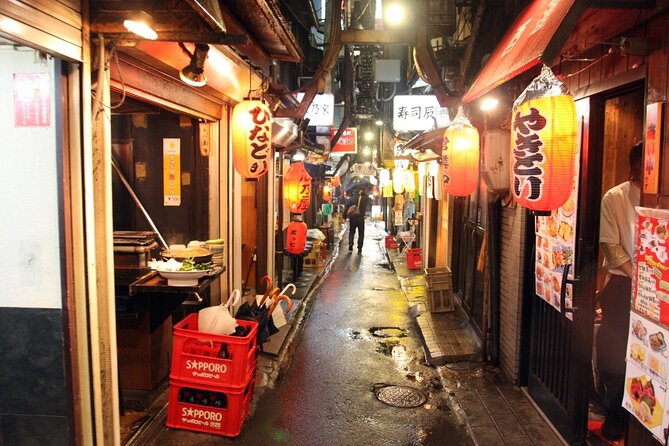
- Shibuya side streets and Harajuku fashion: how street photography becomes controllable
- Night photography in Shinjuku: neon lights, low light, and car trails
- Asakusa and Senso-ji after dark: quieter paths, better focus practice
- The actual masterclass content: composition + camera settings you can use tomorrow
- Composition techniques that translate to any city
- Sharpening your eye: subject, lighting, and what to change next
- Aperture, shutter speed, ISO, and focusing
- Reviewing your photography
- Gear and setup: what’s included, what isn’t, and how to plan
- Price and value: is $190 a smart spend for a Tokyo photo lesson?
- Who should book this private Tokyo masterclass
- FAQ
- How long is the Tokyo Photography Masterclass?
- Where does the tour start?
- Is this a private tour?
- What is included in the price?
- What should I bring?
- Can beginners join?
- What kind of photography skills are taught?
- Do you offer street and night photography options?
- Is a mobile ticket used?
- Is it refundable if my plans change?
- Should you book this private photography lesson in Tokyo?
Key highlights you’ll care about
- Private, tailored shooting so the lesson matches your interests, not a one-size plan
- Composition coaching using practical tools like lines, repetition, texture, and angles
- Real camera fundamentals: aperture, shutter speed, ISO, and focusing
- Street-to-night options that fit what Tokyo looks like at different hours
- On-the-spot photo review to help you improve what you capture, not just what you planned
Starting at Hachiko: the quickest way to get photo-ready in Shibuya
Your tour begins at the Hachiko Statue in Shibuya. That matters more than it sounds. Hachiko is easy to find, easy to navigate from, and it puts you right where Tokyo photography starts: bold pedestrian flow, high-contrast signage, and constant motion. The guide can also use this location as a baseline moment to read your camera style fast.
In the first stretch, I like the focus on seeing in shapes instead of just pointing and shooting. You’ll work with composition ideas like leading lines and repetition, which Tokyo does better than almost anywhere else. The crossing and nearby streets give you multiple “camera problems” to solve in real time: people moving toward and away from you, bright backgrounds, and reflections and layered depth.
Practical note: Shibuya can get crowded. That’s great for photos, but you need a calm plan for where you stand, how you wait, and when you move. A good guide helps you avoid the frustrating cycle of chasing shots at the last second.
Readers also shortlisted these Tokyo bookings:
- Tokyo 6hr Private Tour with Government-Licensed Guide
★ 5.0 · 3,902 reviews - Private Tour to Mt. Fuji and Hakone (Fully Licenced Operator)
★ 5.0 · 1,910 reviews - Tokyo Customized Private Tour (Must See Places in 1 Day)
★ 5.0 · 1,499 reviews - Mount Fuji Full-Day Private Tour from Tokyo (Customizable)
★ 4.9 · 1,470 reviews
Shibuya side streets and Harajuku fashion: how street photography becomes controllable
After the big Shibuya moment, the lesson moves into back streets and into the youth-fashion energy of Harajuku. This is where the “photography masterclass” part starts to feel real. The guide isn’t just showing you places; they’re teaching you how to structure a scene so your photos look intentional even when Tokyo feels chaotic.
Two coaching themes fit this area especially well:
- Subject selection: You learn how to separate a strong subject from visual noise. Harajuku fashion makes that easier, because clothing, color, and attitude create ready-made focal points.
- Angles and texture: Tokyo street surfaces, posters, railings, and storefront edges offer texture everywhere. When you start looking for it on purpose, suddenly your images have layers.
The big value here is learning a repeatable method. You stop relying on luck and start asking simple questions: What are the lines doing? Where is the eye supposed to land? What’s the background telling me? That’s the kind of skill you take home and use in any city.
Night photography in Shinjuku: neon lights, low light, and car trails
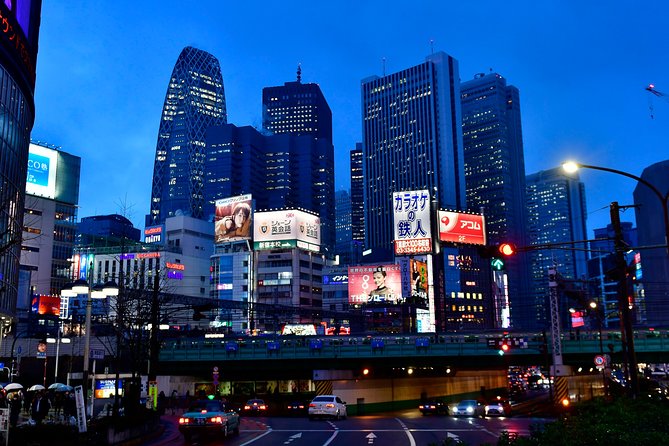
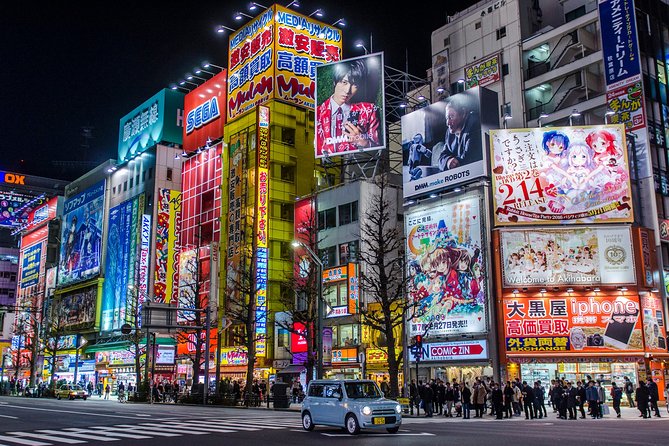
If you’re doing the night version, Shinjuku is the classic choice. You get neon signage, tall building walls, and busy streets that look like they’re lit for photos. The guide’s job is to translate that into technique: how to expose for light sources, how to keep people sharp (or intentionally blur them), and how to turn motion into an effect.
One of the most fun parts of night lessons is learning why your camera behaves the way it does. In Tokyo, street lighting gives you a harsh mix of brightness and darkness. That’s perfect for learning:
- Aperture choices for depth and subject separation
- Shutter speed for freezing motion vs. creating streaks
- ISO to manage noise when light drops
- Focusing strategies when the subject isn’t the brightest thing in the frame
You might also have opportunities to photograph light trails from passing cars against a futuristic Tokyo backdrop. That’s a skill-building payoff because it teaches you timing, exposure control, and patience. Even if you don’t get the perfect trail, you learn how to adjust on the fly for the next pass.
Asakusa and Senso-ji after dark: quieter paths, better focus practice
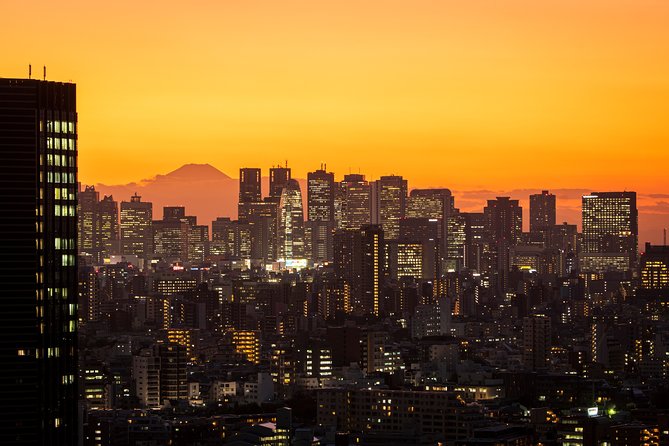
The other night option leans calmer: Asakusa and Senso-ji Temple after dark. Instead of chasing nonstop motion, you’re practicing a different type of night photography: scenes with atmosphere, strong shapes, and calmer paths where you can slow down.
This is a great match if you want a temple setting with softer storytelling. The guide can help you use composition techniques on a different kind of “subject” than street style. Think: architecture lines, repeated elements, and the way light falls across stone and pathways.
It’s also useful for focusing practice. Night autofocus can be inconsistent when the brightest points are far away or behind your subject. Working through focusing techniques with guidance helps you build confidence for future night shots, whether you’re shooting temples, city streets, or night markets.
The actual masterclass content: composition + camera settings you can use tomorrow
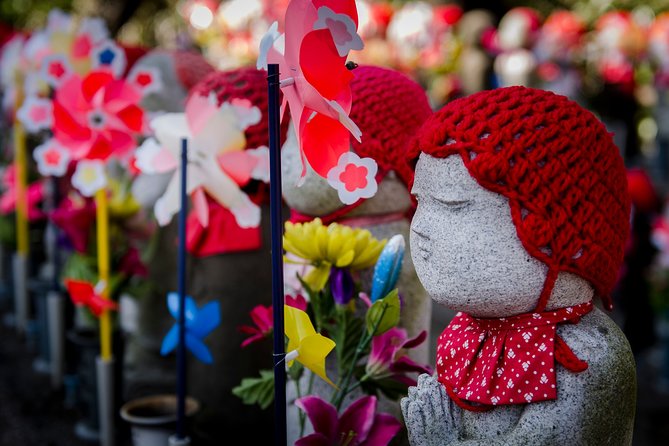
This is where the lesson earns its name. The tour isn’t only about locations. You also get coaching on how to improve your images using repeatable skills.
Readers also shortlisted these Tokyo bookings:
- Tokyo: Kimono Dressing, Walking, and Photography Session★ 4.9 · 427 reviews
- Best Go Kart Experience in Shibuya Crossing with Iconic Photos★ 5.0 · 348 reviews
- Tokyo Go-Karting Experience: Shibuya Crossing with Photos★ 4.8 · 190 reviews
- Tokyo Cyberpunk Street Photo Tour★ 5.0 · 165 reviews
- Tokyo by Night Photography Tour (Private Option Available)★ 5.0 · 151 reviews
Composition techniques that translate to any city
The guide covers composition methods like lines, repetition, texture, and angles. That list matters because it gives you a menu of tools. When you arrive somewhere new, you don’t have to “feel inspired” first. You can systematically look for lines that lead, patterns that repeat, textures that add realism, and angles that give you a new viewpoint.
Sharpening your eye: subject, lighting, and what to change next
You’ll also work on “seeing better,” including composition, subject choice, and lighting. Tokyo makes lighting tricky, but that’s why this is such a strong place to practice. You’ll learn what lighting is doing to your contrast and why your photo may look washed out or too dark when you don’t control the exposure.
Aperture, shutter speed, ISO, and focusing
These are the core levers. You’ll go over:
- Aperture (how much you let in, and what stays sharp)
- Shutter speed (how you handle motion and night exposure)
- ISO (noise vs. brightness tradeoffs)
- Focusing (how to keep the subject where you want it)
The most useful part is that the lesson ties these settings to real scenes you’re photographing right then. If you only learn the theory, the settings won’t stick. If you use them immediately, they become muscle memory.
Reviewing your photography
You’ll also do a photo review. Even when you’re an experienced photographer, this part is where you catch patterns: what you consistently overexpose, what you tend to crop out, and what you keep losing in focus. It’s also where you get clearer feedback fast, which is the point of a private lesson.
Gear and setup: what’s included, what isn’t, and how to plan
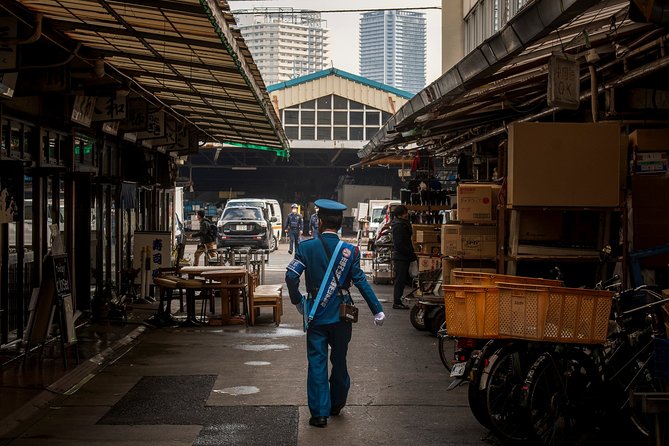
The professional photographer guide plus a local guide means you’re learning from two angles: photography technique and local scene awareness. You also get a private tour, so you can ask questions without waiting your turn.
What’s not included is your camera and tripod. Since tripod rental may be available, check before you rely on it. For night work, you might want one, especially if you plan light trails or longer exposures. For street shooting in motion, you’ll often be better with lighter gear and faster adjustments, but that depends on your style.
Also, bring the basics you’d use anywhere: charged batteries, enough storage, and a plan for rain or unexpected temperature swings. Tokyo evenings can shift quickly.
Price and value: is $190 a smart spend for a Tokyo photo lesson?
At $190 per person for about 3 hours, this sits in the “pay for results” category. You’re not buying a bus tour where everyone gets the same photos. You’re paying for private instruction, guidance to photographic spots, and the coaching time needed to make your images better.
Here’s what you get that justifies the price if you care about photography:
- Private format: you can spend time where your photos need help
- Technique instruction tied to real Tokyo scenes
- Photo review so improvements happen during the lesson, not next week
- Flexibility to shoot the style you want (street, neon night, or temple after dark)
If you’re traveling with friends who don’t care about camera settings, the private lesson still works because your guide can focus on your needs without being pulled away by group logistics. If you’re a total beginner, the value is also high because you’ll get the “why” behind settings quickly instead of learning one hard lesson at a time.
Who should book this private Tokyo masterclass
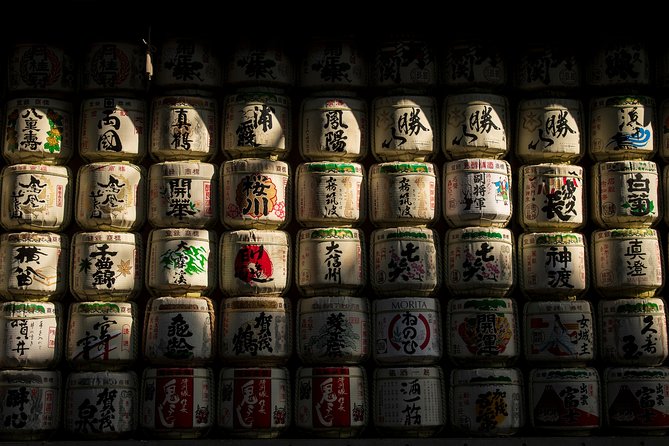
This tour is a good fit if:
- You want hands-on instruction and not just a place-to-place walk
- You’re interested in Tokyo street photography and want a method you can reuse
- You want to level up on the basics: aperture, shutter speed, ISO, focusing
- You enjoy night scenes and want help making low-light photos behave
It may not be the best fit if:
- You don’t want to spend time learning technique and prefer purely scenic sightseeing
- You don’t have (or aren’t willing to borrow/rent) suitable gear
- Your schedule is so tight that 3 hours feels too short to practice
FAQ
How long is the Tokyo Photography Masterclass?
It lasts about 3 hours.
Where does the tour start?
It starts at the Hachiko Statue, 2 Chome-1 Dogenzaka, Shibuya, Tokyo 150-0043, Japan.
Is this a private tour?
Yes. It’s private, and only your group participates.
What is included in the price?
Included are a professional photographer guide, a private tour, and a local guide.
What should I bring?
You need your own camera. A tripod is not included, though tripod rental may be available.
Can beginners join?
Yes. The lesson is suitable for all levels, from first-time photographers to semi-professionals.
What kind of photography skills are taught?
You’ll learn composition techniques (like lines, repetition, texture, and angles), improve how you see lighting and subjects, and cover aperture, shutter speed, ISO, and focusing.
Do you offer street and night photography options?
The lesson description includes opportunities for street scenes and also night shooting options such as neon-heavy Shinjuku or the Senso-ji area after dark.
Is a mobile ticket used?
Yes, the tour includes a mobile ticket.
Is it refundable if my plans change?
Yes. Free cancellation is available up to 24 hours in advance for a full refund.
Should you book this private photography lesson in Tokyo?
I’d book it if you want more than postcard photos. If you care about getting better quickly, a private format is the fastest path: you get personalized coaching on composition and camera settings while you’re actively shooting Shibuya, Harajuku, and possibly Tokyo at night.
I’d skip it only if your goal is mostly sightseeing with minimal camera focus, or if you’re unprepared gear-wise since the tour doesn’t include a camera. But if you arrive willing to practice for a few hours, you’ll leave with a clearer way to frame shots and control exposure across day and night Tokyo.
More Photography Sessions in Tokyo
- Tokyo: Kimono Dressing, Walking, and Photography Session
★ 4.9 · 427 reviews - Best Go Kart Experience in Shibuya Crossing with Iconic Photos
★ 5.0 · 348 reviews - Tokyo Go-Karting Experience: Shibuya Crossing with Photos
★ 4.8 · 190 reviews - Tokyo Cyberpunk Street Photo Tour
★ 5.0 · 165 reviews - Tokyo by Night Photography Tour (Private Option Available)
★ 5.0 · 151 reviews
More Private in Tokyo
- Tokyo 6hr Private Tour with Government-Licensed Guide
★ 5.0 · 3,902 reviews - Private Tour to Mt. Fuji and Hakone (Fully Licenced Operator)
★ 5.0 · 1,910 reviews - Tokyo Customized Private Tour (Must See Places in 1 Day)
★ 5.0 · 1,499 reviews - Mount Fuji Full-Day Private Tour from Tokyo (Customizable)
★ 4.9 · 1,470 reviews - Tokyo: Private City Highlights Tour with Local Guide
★ 4.8 · 1,433 reviews
More Tour Reviews in Tokyo
- Mt Fuji and Hakone 1-Day Bus Tour Return by Bullet Train
★ 5.0 · 26,383 reviews - 1-Day Tokyo Bus Tour
★ 5.0 · 14,250 reviews - Tokyo: teamLab Planets TOKYO Digital Art Museum Entry Ticket
★ 4.6 · 9,779 reviews - Mt Fuji & Hakone Cruise, Drum Show Bullet Train 1 Day from Tokyo
★ 4.0 · 7,413 reviews - Tokyo: Shinjuku Food Tour (13 Dishes at 4 Local Eateries)
★ 5.0 · 6,603 reviews
Latest Tokyo reviews off our desk






Photography Sessions, compared.
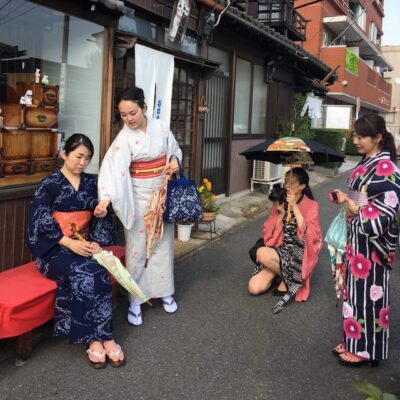 ★ 4.9Kimono Dressing, Walking, and Photography SessionFrom $67427 reviews
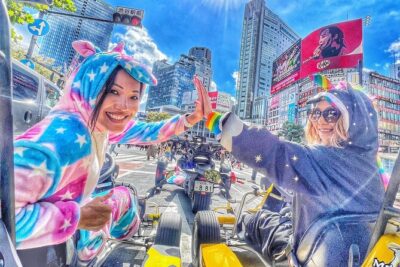 ★ 5.0Best Go Kart Experience in Shibuya Crossing with Iconic PhotosFrom $106348 reviews
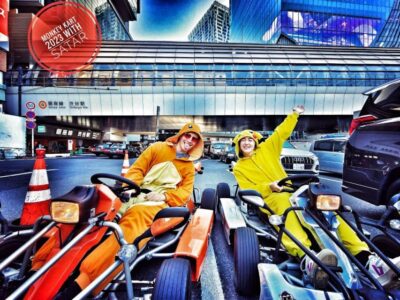 ★ 4.8Tokyo Go-Karting Experience: Shibuya Crossing with PhotosFrom $90190 reviews
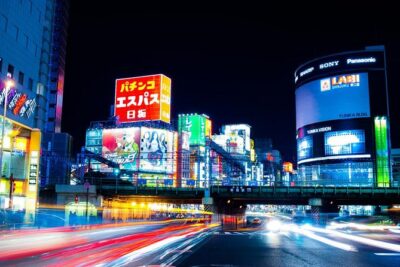 ★ 5.0Tokyo Cyberpunk Street Photo TourFrom $184165 reviews
 ★ 5.0Tokyo by Night Photography Tour (Private Option Available)From $105151 reviews
 ★ 5.0Tokyo Shinjuku Night Photo Tour with Pro GotaFrom $85142 reviews
 ★ 4.8Exclusive Access to Sumo Morning Practice with PhotosFrom $96107 reviews
 ★ 4.7Sumo Practice Tour with Ring-Side Seat and PhotoshootFrom $96103 reviews
Browse the lists this tour appears in