
Reviewed · SUMO TOURNAMENTS & SHOWS
Tokyo: Sumo Practice Tour with Ring-Side Seat and Photoshoot
Sumo training is louder and sweatier than you expect. This ringside visit to a Tokyo sumo stable pairs close practice watching with an English guide who explains the rituals, and you may also get a photoshoot with wrestlers at the end. The main thing to plan for is the seating: you’ll likely sit on tatami mats, and the stable may not offer chairs.
If you’re curious about what sumo is like day-to-day, this tour gives you the real “morning routine” side of the sport, not just a big arena show. It runs about 2 hours in a small group (limited to 10), so you can actually ask questions without feeling rushed—just remember it’s 12+ and there’s no stroller access inside the stable.
In This Review
- Key things I’d circle on your Tokyo sumo checklist
- Why a sumo stable practice feels different than a tournament day
- Finding the stable: Kiyosumi Shirakawa, a simple start, and a short walk
- Ringside training on tatami: what you’ll actually see up close
- The rituals and rules briefing: how the practice becomes easier to understand
- The training session: intense, technical, and surprisingly fast-moving
- Photoshoot moment: what’s included and what’s not guaranteed
- Timing and group size: why 2 hours can feel perfect
- Price and value: does $96 buy real access or just a show?
- Who this tour suits best (and who should skip it)
- Small-group reality check: how to get the best experience from your spot
- Should you book this sumo practice tour?
- FAQ
- How long is the Tokyo sumo practice tour?
- Where do I meet the guide?
- Is the tour suitable for children?
- Will there be chairs to sit on?
- Is it wheelchair or stroller accessible?
- Is a photoshoot included with sumo wrestlers?
- What’s included in the tour price?
- What should I bring for the two-hour practice?
- What happens if the tour is canceled?
Key things I’d circle on your Tokyo sumo checklist
- Meet at Kiyosumi Shirakawa Station (A1 exit) with a guide holding a red/orange MagicalTrip sign
- A real Tokyo stable morning practice with ringside views and up-close training moments
- English explanations of sumo culture and rules before and during practice
- Tatami-style viewing expectations (chairs aren’t guaranteed, and you may need comfortable patience)
- Optional wrestler photoshoot at the end, depending on the wrestler’s discretion
- A small group format (10 max) that keeps the experience personal and question-friendly
Why a sumo stable practice feels different than a tournament day
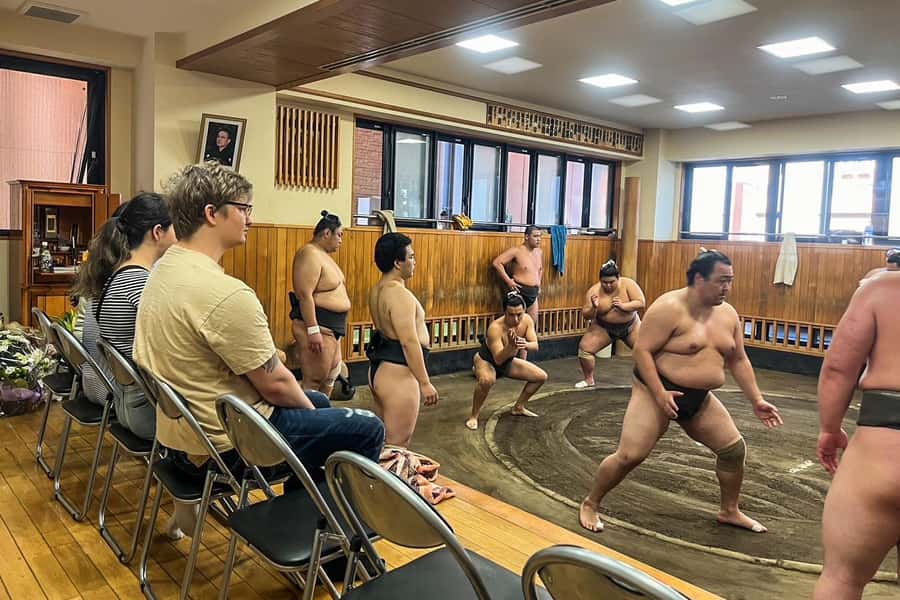
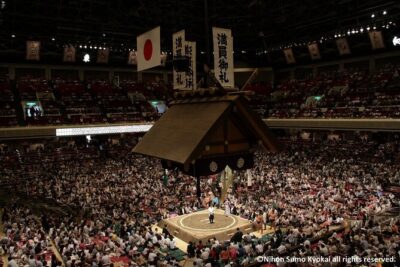
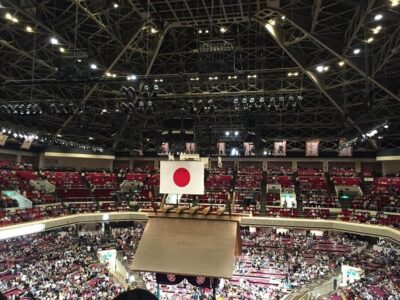
A tournament is about drama: crowds, banners, and fast results. A stable practice is about repetition, body mechanics, and discipline. You don’t just watch wrestlers do “cool moves”—you see them train the fundamentals that eventually show up on tournament dohyo.
What I like about this style of experience is that the pacing matches how sumo actually works. You get time to watch drills and build-up, and then the session can turn more intense as training progresses. It’s also a great reminder that sumo is a whole lifestyle, not only the match itself.
Other ringside bookings readers scored
- Tokyo: Sumo Show and Dining Experience
★ 4.8 · 2,742 reviews - the SUMO show
★ 5.0 · 1,960 reviews - Tokyo Shinjuku Sumo Show & Experience with Photo
★ 5.0 · 1,750 reviews - Tokyo: Sumo Show and Experience in Shinjuku
★ 4.8 · 1,001 reviews
Finding the stable: Kiyosumi Shirakawa, a simple start, and a short walk
The tour starts at Kiyosumi Shirakawa Station, specifically at the A1 exit, where your guide holds a red/orange sign reading MagicalTrip. People said it’s easy to find the group, and in at least some cases the stable is only a short walk from the meeting point.
That matters more than you might think. Tokyo is big and stations can be confusing, so a clear meetup cuts down on stress. When the tour begins promptly, you’ll want your arrival time to be “calm and early,” not “just in time.”
Ringside training on tatami: what you’ll actually see up close
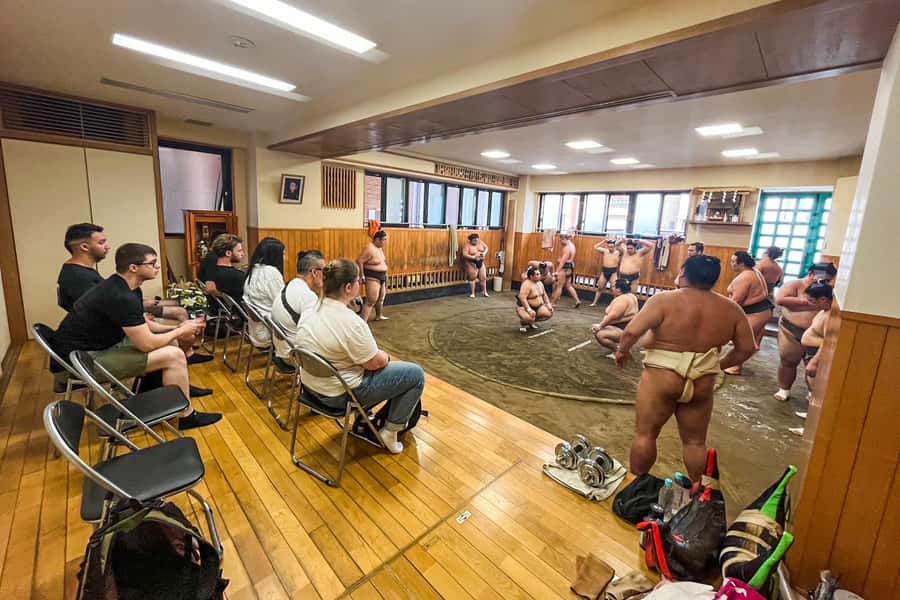
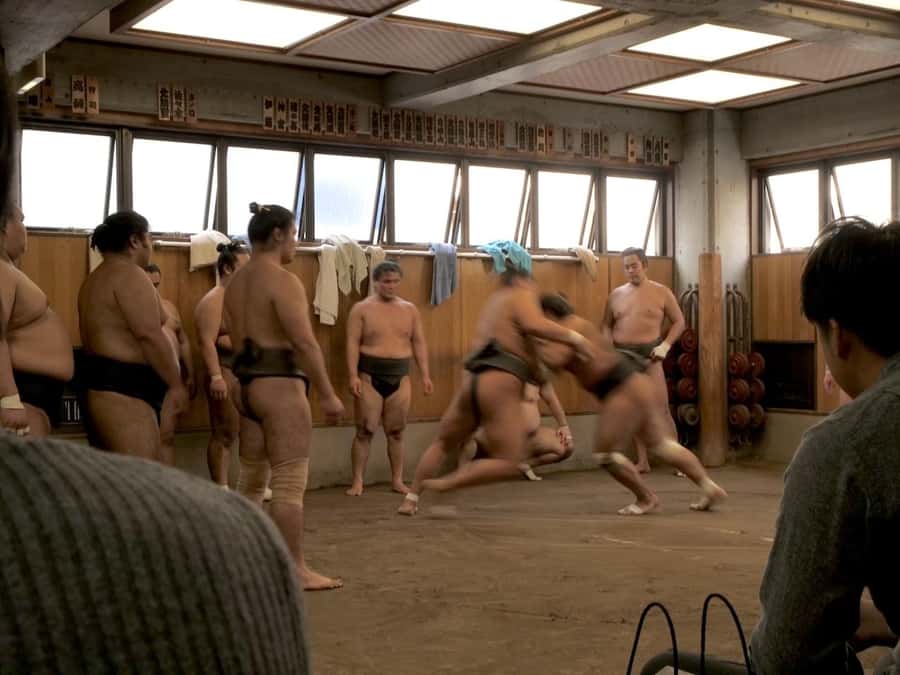
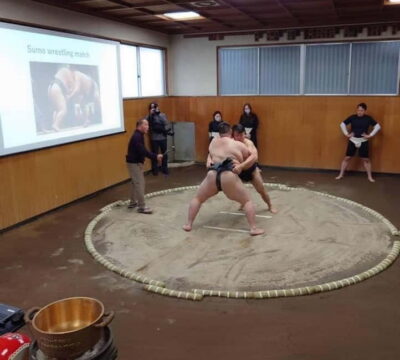
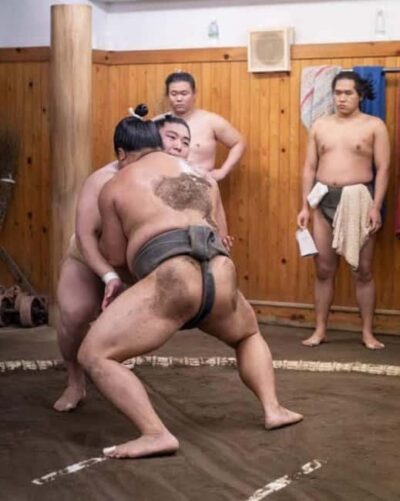
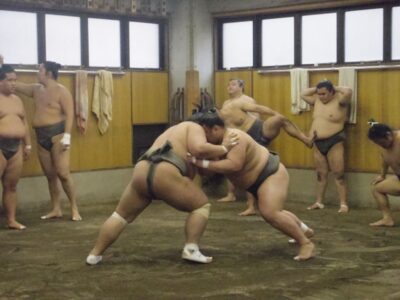
Inside, your view is as close as the rules allow. This is one of those experiences where you can feel the effort: the movement is big, the training is physical, and you’re close enough to notice intensity—like how quickly things change and how focused the wrestlers are.
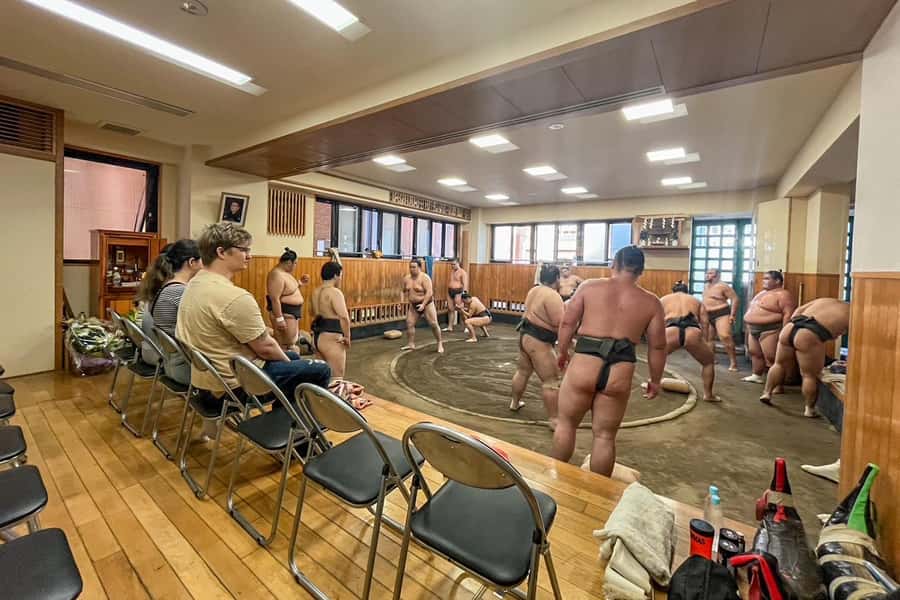
You should also assume the “seats” situation is more traditional than stadium-style. The standard expectation is that you’ll sit on tatami (straw mat flooring), and most stables do not provide chairs. That said, some participants reported having several rows of seating at their viewing spot, so you might find chairs in some stables or setups. Either way, plan for a couple hours of low to medium comfort expectations.
A practical tip: if you’re sensitive to floor seating, bring a small layer for your legs (not a big cushion that disrupts space). And if you have any trouble with cross-leg positions, consider arriving with your plan already made.
The rituals and rules briefing: how the practice becomes easier to understand
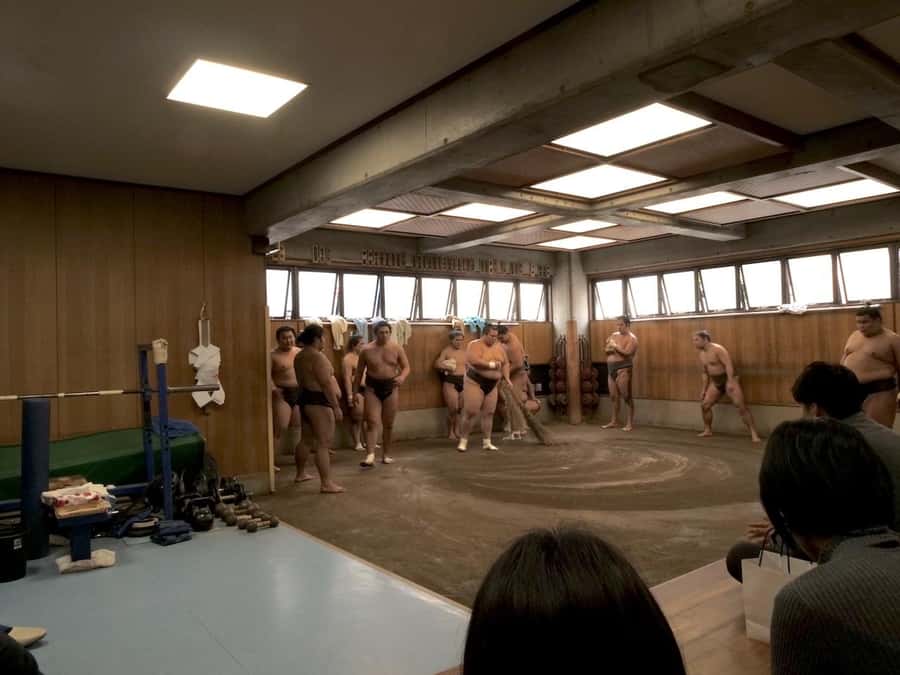
A big part of the value here is context. Before you enter the stable, your English-speaking guide explains what you’re about to see—how stable life works, and the basic rules/traditions behind sumo training.
This is where the visit clicks. Without a quick framework, training can look like repetitive rounds. With it, you start noticing discipline, order, and the reason behind drills. You also learn how serious the stable environment is, which helps you understand why the experience feels respectful and structured.
In the guides you may meet, you’ll hear different speaking styles and levels of detail. One tour participant had Marie, and another mentioned Sho/Show as their guide. A different group noted Masao Hiramatsu. Regardless of who leads, the common thread is that the briefing helps you watch with clearer eyes.
The training session: intense, technical, and surprisingly fast-moving
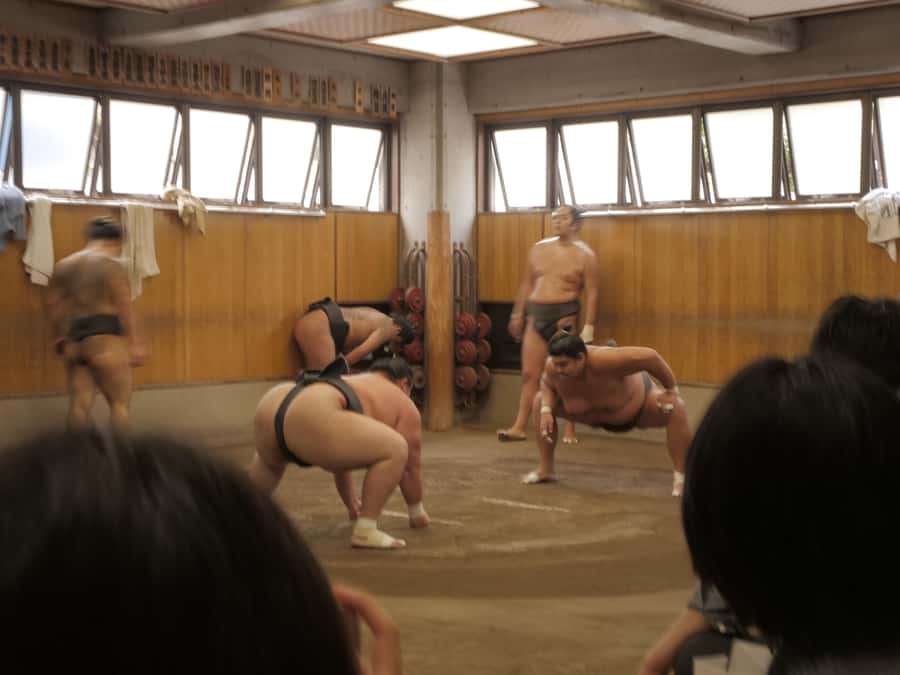
Even though this is called practice, it isn’t a casual warmup. The session can include full-on grappling and bouts-like confrontations, and the energy can ramp up as the training progresses. People described it as more intense than they expected—enough that the full two hours felt quick.
You’ll likely see wrestlers working on technique and trying maneuvers repeatedly, not just a single dramatic match sequence. That’s actually what makes it special: it shows the “work” that tournament highlights don’t capture. You can appreciate the physical demands—how much effort it takes, and how controlled the wrestlers stay.
If you’re the type who loves details, you may want to ask your guide one targeted question early: what level are the wrestlers you’re watching? The tour info doesn’t guarantee a level-by-level breakdown, but guides can often help you interpret who you’re seeing based on what they know.
Readers also shortlisted these Tokyo bookings:
- Tokyo: Kimono Dressing, Walking, and Photography Session★ 4.9 · 427 reviews
- Best Go Kart Experience in Shibuya Crossing with Iconic Photos★ 5.0 · 348 reviews
- Tokyo Go-Karting Experience: Shibuya Crossing with Photos★ 4.8 · 190 reviews
- Tokyo Cyberpunk Street Photo Tour★ 5.0 · 165 reviews
- Tokyo by Night Photography Tour (Private Option Available)★ 5.0 · 151 reviews
Photoshoot moment: what’s included and what’s not guaranteed
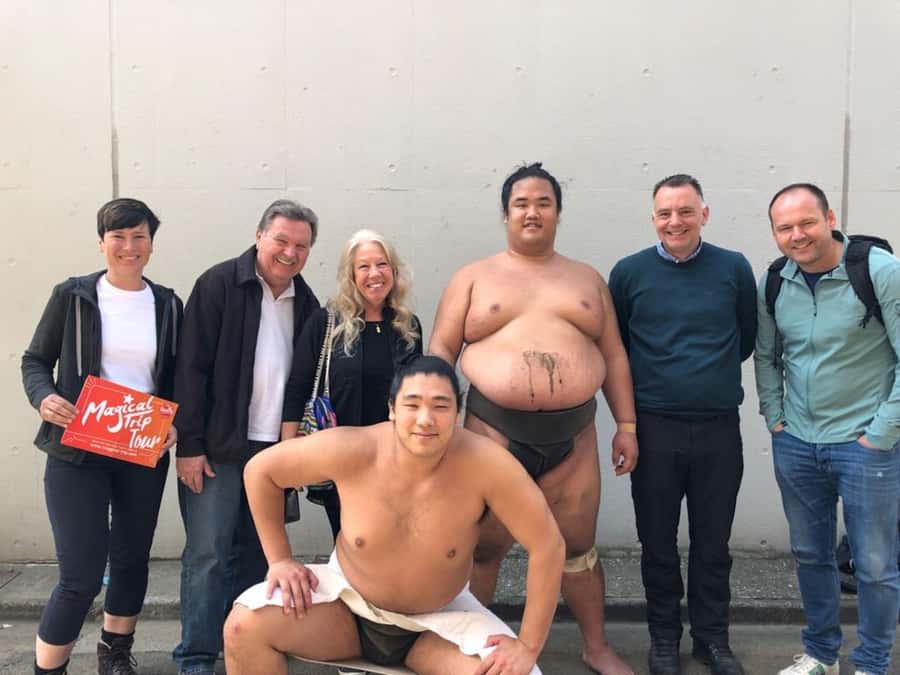
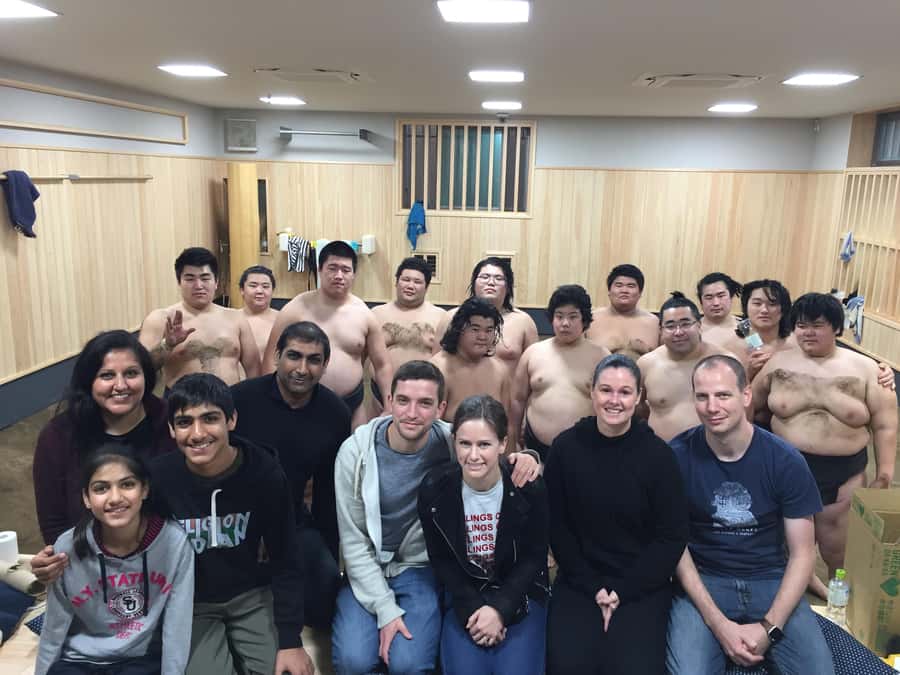
One highlight is a photoshoot with the sumo wrestlers at the end. That said, the photo is at the wrestler’s discretion, so it’s best to treat it as a bonus rather than a guaranteed souvenir.
Still, it can be an unforgettable capstone. Meeting and photographing athletes in their training environment feels more personal than seeing them behind barriers at large events. If you get the chance, keep it brief and respectful—this is their workplace, not a stage.
Timing and group size: why 2 hours can feel perfect
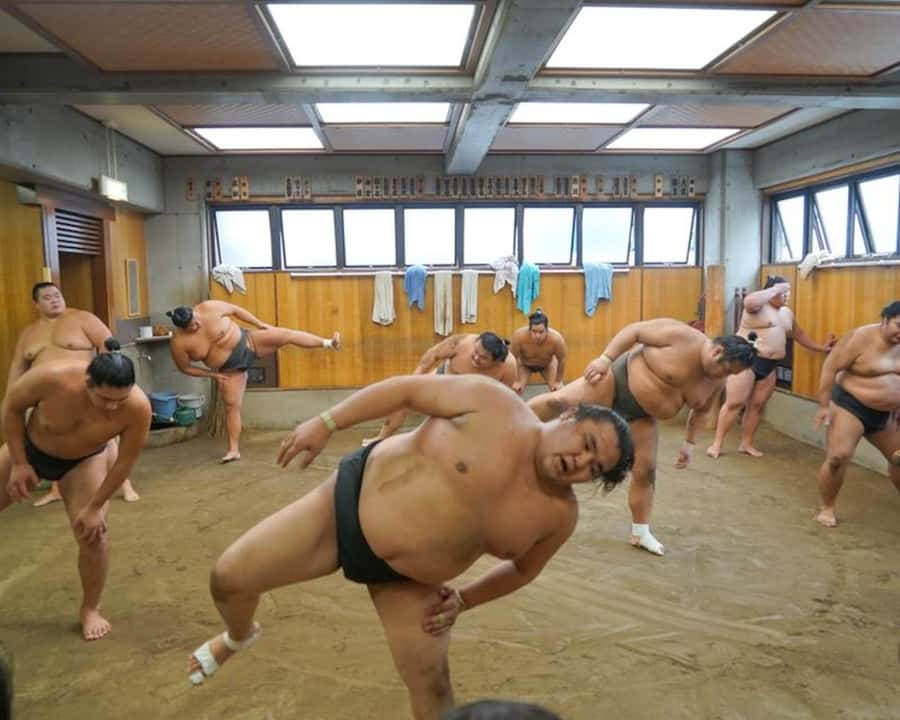
This tour is 2 hours total, and it’s capped at 10 participants. That combination matters. A small group makes it easier for your guide to manage questions and for the stable to run practice smoothly.
Also, the experience is designed to fit around a morning training window. That’s why it starts promptly. If you arrive late, you may miss the tour start and then you can be denied entry with no refund or rescheduling, so plan to be on time—not “almost there.”
Price and value: does $96 buy real access or just a show?
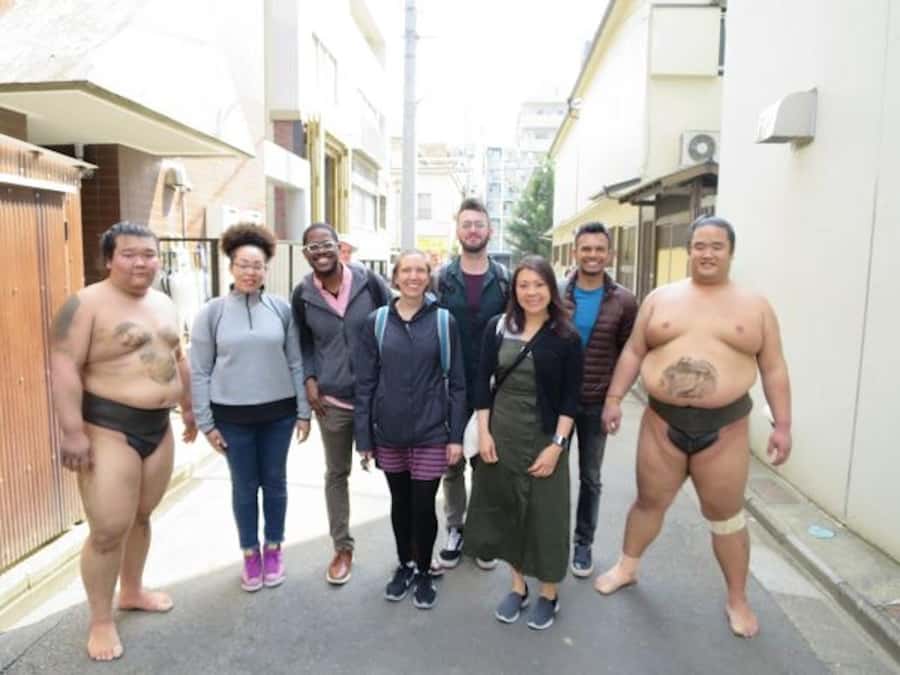
At $96 per person for a 2-hour, English-guided, stable-entry experience, the value is mostly about access and meaning.
You’re paying for:
- entry to a normally inaccessible sumo stable setting
- ringside viewing during a real training session
- an English-speaking guide who explains traditions and rules
- a simple included guidebook (MagicalTrip’s concise sumo guide sheet)
- a photoshoot chance at the end (depending on wrestler discretion)
If you compare this to the cost of major tournament tickets plus travel time and the usual “spectator-only” perspective, this tour can feel like a smarter use of money. You’re not just buying a seat—you’re buying understanding and proximity.
Where it may not feel as good is if you’re expecting “comfortable entertainment.” You should expect rules, quiet seriousness, and floor-based seating considerations. People who go in expecting hard training and a respectful setting tend to love it.
Who this tour suits best (and who should skip it)
This tour is ideal if you:
- want the day-to-day side of sumo, not just a match
- enjoy guided cultural context
- like small-group experiences where your questions actually get answered
- want a hands-on way to see how disciplined training really is
It may be a poor fit if you:
- need wheelchair access (the stable areas are described as not wheelchair/stroller accessible)
- rely on strollers or baby strollers (these are not allowed in the way you might need)
- need seating that guarantees comfort at floor level
Age matters too. The experience is for guests aged 12 and over, and children under 12 aren’t allowed inside the stable. If someone in your group doesn’t meet the age requirement, participation may be denied without refund.
Small-group reality check: how to get the best experience from your spot
Because you’re sitting close and watching continuously, the best strategy is simple: get ready for a steady two hours.
Here’s what usually improves the experience:
- listen closely during the pre-practice explanation so the training makes sense
- ask your guide one or two focused questions before the session gets fully intense
- be mindful that stable rules are strict; don’t treat it like a casual attraction
- treat the photoshoot as a bonus moment, not the core goal
Also, keep your expectations grounded. Even with ringside views, you’re in a working stable. If the practice schedule shifts due to wrestlers’ conditions or tournament commitments, the stable may adjust last-minute, and in that case cancellations can happen with a full refund.
Should you book this sumo practice tour?
Yes—if your goal is authentic access and understanding, not just a photo stop. The best reason to book is the combination of up-close training plus an English guide who helps you connect what you’re seeing to sumo tradition.
Skip it if you’re not comfortable with tatami seating or strict stable rules, or if your group includes someone under 12. Also, go in knowing that chairs aren’t guaranteed, even though some setups may include seating.
For most people who want a meaningful Tokyo cultural experience that feels “real,” this is a strong choice.
FAQ
How long is the Tokyo sumo practice tour?
The tour lasts 2 hours.
Where do I meet the guide?
Meet at the A1 exit of Kiyosumi Shirakawa Station. Your guide will be holding a red/orange sign with the name MagicalTrip.
Is the tour suitable for children?
It’s for guests aged 12 and over. Children under 12 are not allowed inside the sumo stable.
Will there be chairs to sit on?
Most stables do not provide chairs and guests are expected to sit on tatami. In some cases, seating may be available, but you should plan for floor seating.
Is it wheelchair or stroller accessible?
Some areas are not wheelchair or stroller accessible, and strollers are not allowed (baby strollers specifically are listed as not allowed). Tatami areas are the only accessible areas inside the stable.
Is a photoshoot included with sumo wrestlers?
Yes, a photoshoot is included at the end, but it is at the wrestler’s discretion.
What’s included in the tour price?
Included are attraction entry, an English-speaking guide, a MagicalTrip sumo guidebook sheet, and the photoshoot with the wrestlers at the end (discretion applies).
What should I bring for the two-hour practice?
Food and drinks are not included. Bring what you need for comfort for a couple hours on tatami, and follow the stable rules once inside.
What happens if the tour is canceled?
If the stable cancels or adjusts their practice schedule and the tour can’t happen, a full refund will be issued. The activity also offers free cancellation up to 24 hours in advance for a full refund.
More Tours in Tokyo
- Mt Fuji and Hakone 1-Day Bus Tour Return by Bullet Train
★ 5.0 · 26,383 reviews - 1-Day Tokyo Bus Tour
★ 5.0 · 14,250 reviews - Tokyo: Shinjuku Food Tour (13 Dishes at 4 Local Eateries)
★ 5.0 · 6,603 reviews - Tokyo Mt Fuji 5th St & Hakone Cruise Bus Tour w/Bullet Train
★ 4.4 · 5,024 reviews - Flagship 2-Hours Official Street Go-Kart Tour – Tokyo Bay Shop
★ 5.0 · 4,974 reviews
More Tour Reviews in Tokyo
- Mt Fuji and Hakone 1-Day Bus Tour Return by Bullet Train
★ 5.0 · 26,383 reviews - 1-Day Tokyo Bus Tour
★ 5.0 · 14,250 reviews - Tokyo: teamLab Planets TOKYO Digital Art Museum Entry Ticket
★ 4.6 · 9,779 reviews - Mt Fuji & Hakone Cruise, Drum Show Bullet Train 1 Day from Tokyo
★ 4.0 · 7,413 reviews - Tokyo: Shinjuku Food Tour (13 Dishes at 4 Local Eateries)
★ 5.0 · 6,603 reviews
More Sumo, Ringside and Rated
- Tokyo: Sumo Show and Dining Experience
★ 4.8 · 2,742 reviews - the SUMO show
★ 5.0 · 1,960 reviews - Tokyo Shinjuku Sumo Show & Experience with Photo
★ 5.0 · 1,750 reviews - Tokyo: Sumo Show and Experience in Shinjuku
★ 4.8 · 1,001 reviews - Tokyo Grand Sumo Tournament Viewing Tour with Tickets
★ 5.0 · 692 reviews
Latest Tokyo reviews off our desk



Sumo Tournaments & Shows, compared.
 ★ 4.8Sumo Show and Dining ExperienceFrom $792,742 reviews
 ★ 5.0the SUMO showFrom $891,960 reviews
 ★ 5.0Tokyo Shinjuku Sumo Show & Experience with PhotoFrom $791,750 reviews
 ★ 4.8Sumo Show and Experience in ShinjukuFrom $691,001 reviews
 ★ 5.0Tokyo Grand Sumo Tournament Viewing Tour with TicketsFrom $124692 reviews
 ★ 5.0Tokyo Sumo Wrestling Tournament ExperienceFrom $124660 reviews
 ★ 4.7Luxury Sumo Show Experience & Japanese cuisine & DrinkFrom $103577 reviews
 ★ 4.8Sumo Morning Practice Viewing TourFrom $81570 reviews
Browse the lists this tour appears in