
Reviewed · FOOD & DRINK
Tokyo Pre Japan Planning Kit Itineraries, Food & Survival
Tokyo is huge. This plan helps you steer. It is a self-guided digital itinerary for four days, built so you can start, stop, and skip without losing your way. You also get personal food recommendations meant to cut down the guesswork that usually comes with a city this big.
What I like most is the practical mix of iconic neighborhoods and doable time blocks. Tsukiji Fish Market, Asakusa, and the Tokyo Metropolitan Government Building view decks on Day 1 set a strong foundation, then Harajuku and Shibuya keep things modern on Day 2. I also appreciate that the guide isn’t trying to micromanage you.
One drawback to watch for: there is no physical guide, so you need to be ready to follow a PDF on your phone. Also, timing matters—if you only get the info after you’ve already left town, you’ll feel like you paid for nothing.
In This Review
- Key takeaways at a glance
- What this Tokyo planning kit really gives you
- Price and value: $26.06 per group (up to 15)
- Logistics that matter: self-guided, near transit, and what to plan
- Your four-day Tokyo route: neighborhoods that work together
- Day 1: Tsukiji Fish Market, Asakusa Sensoji, Tokyo City views
- Day 2: Imperial Palace grounds, Harajuku fashion, Shibuya crossing
- Day 3: Ueno’s Ameyoko market street and Akihabara gadgets
- Day 4: Odaiba waterfront futurism, Shinjuku Gyoen calm, Shinjuku night
- Food strategy: using local recommendations without getting stuck
- The Japanese Survival Card and eSIM discount: small tools, real comfort
- What a “self-guided” kit is best for (and what it isn’t)
- FAQ
- FAQ
- Is this experience a guided tour?
- How long is the Tokyo experience?
- What does the price include?
- Where does the itinerary start and end?
- Are there any paid attractions on the plan?
- Do you have to follow every stop in order?
- What’s the group size limit?
- What is the cancellation policy?
- Should you book this Tokyo planning kit?
Key takeaways at a glance
- Start-and-stop flexibility across four days, with suggested stops you can skip
- Local food recommendations designed for on-the-ground decisions, not just sightseeing
- A simple hit list of major Tokyo districts: Asakusa, Shibuya, Ueno, Akihabara, Odaiba, Shinjuku
- Tools for day-to-day Japan including a Japanese Survival Card and an eSIM discount
- Small-group purchase (up to 15) with a low total group price that can be great value
What this Tokyo planning kit really gives you
This isn’t a guided tour where someone herds you from place to place. It’s closer to having a good friend hand you a map of where to go and what to eat, then trust you to take it from there. The big win is that the plan is designed for your pace, not a fixed clock.
The experience is built as a mobile ticket plus a self-guided digital itinerary. You get a PDF itinerary, and you can use it like a menu: follow the order, swap stops, or skip entirely if the line is long or the mood is off. That flexibility matters in Tokyo, because the “best” plan is often the one you can actually execute without stress.
You also get a “food brain” built in. Tokyo personal food recommendations by locals are included, which is the part most DIY travelers forget. Without help, you can end up walking past great meals and choosing something convenient instead of something good.
Readers also shortlisted these Tokyo bookings:
- Tokyo: Shinjuku Food Tour (13 Dishes at 4 Local Eateries)
★ 5.0 · 6,603 reviews - Tokyo Tsukiji Fish Market Food and Culture Walking Tour
★ 5.0 · 3,184 reviews - Tokyo: Shinjuku Food Tour (15 Dishes and 4 Eateries)
★ 4.9 · 2,033 reviews - Best of Shinjuku: Izakaya Food Tour (4 Stops, 14+ Tastings)
★ 5.0 · 1,863 reviews
Price and value: $26.06 per group (up to 15)
At $26.06 per group (up to 15), this is priced like a budget-friendly tool, not a premium guided tour. The real value depends on how you travel:
- If you’re sharing with friends or family, your per-person cost drops fast.
- If you’re solo, it still can make sense when you consider the cost of time saved researching and reorganizing.
This kit is best viewed as an efficiency purchase. It’s not paying for transportation, timed entry, or a guide. It’s paying for a ready-to-use 4-day structure plus local food ideas and a Japanese Survival Card—small things that add up when you’re trying to move efficiently through Tokyo.
Logistics that matter: self-guided, near transit, and what to plan
You start in Shinjuku City and the experience ends back at the meeting point. That’s helpful because Shinjuku is one of Tokyo’s biggest hubs, so you can realistically get there and break off to your own plans.
Because it’s self-guided, you should treat it like a pre-loaded strategy:
- Have the PDF ready before you head out each day.
- Decide your “must-dos” and let the rest be optional.
- Build in travel time between neighborhoods, since Tokyo doesn’t work like a small walkable town.
Also note what you’re not getting: there’s no physical tour guide. That’s fine if you’re comfortable navigating cities, but if you want someone to answer every question on the spot, you’ll need to pair this with your own local research.
Your four-day Tokyo route: neighborhoods that work together
The itinerary is laid out by geography, which is exactly how you want Tokyo sightseeing to work. Here’s how the day-by-day plan plays out and what each stop tends to be best for.
Day 1: Tsukiji Fish Market, Asakusa Sensoji, Tokyo City views
Day 1 hits three “first-time in Tokyo” anchors, and they’re spaced so you can realistically keep moving.
Tsukiji Fish Market (2 hours, admission free)
This is the seafood-trade atmosphere stop. It’s described as once the world’s largest and busiest seafood market, and it’s known for its early-morning energy. Even if you don’t go hunting for specific items, you’ll get that Tokyo intensity fast.
Practical thought: arrive with a plan for what you want to try—since the seafood theme is the point, it helps to pick 1–2 food targets so you don’t get stuck spinning your wheels.
Asakusa and Sensoji (2 hours, admission free)
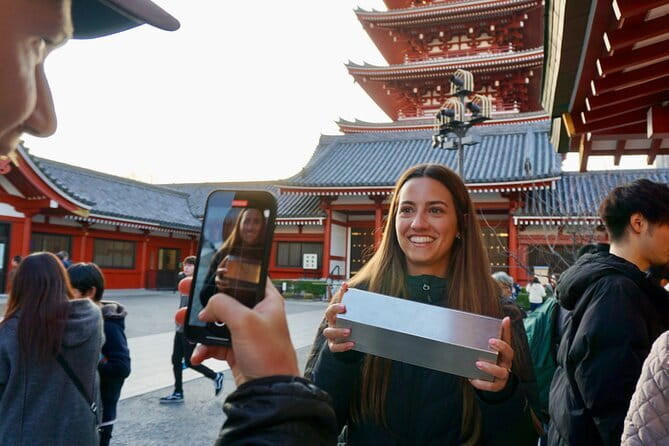
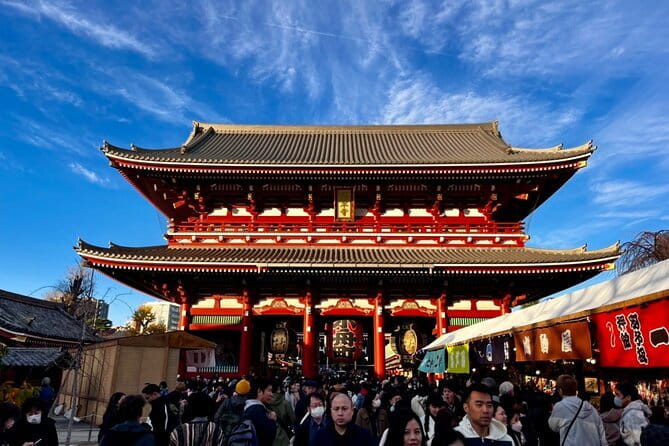
Asakusa is Tokyo’s oldest and most iconic Buddhist temple area. You’ll see the entrance gate, Kaminarimon, plus the Nakamise shopping street, which is where a lot of the classic temple-day snacks and souvenirs happen.
If you like walking through layers of “old Tokyo,” this stop is the one. It’s also a nice balance after Tsukiji’s industrial energy—temple streets feel more human-scale.
Tokyo Metropolitan Government Building observation decks (1 hour, admission free)
This is the reset button: city-wide views from the 45th floor. If you want a quick big-picture moment without paying for a high-end tower experience, this is a solid choice.
Consideration: take photos, but also spend a few minutes just looking. Those views help you orient for the next days, especially if you plan to wander.
Readers also shortlisted these Tokyo bookings:
- Tokyo: Tsukiji Fish Market Food and Walking tour★ 5.0 · 1,724 reviews
- Tokyo Night Foodie Tour in Shinjuku – Seasonal Sushi, Wagyu Beef★ 5.0 · 1,161 reviews
- Eat and Drink Like a Local: Tokyo Ueno Food Tour-Taverns&Ramen★ 5.0 · 957 reviews
- Tokyo: Shibuya Food Tour (13 dishes and 4 Eateries)★ 5.0 · 770 reviews
- Tokyo: Tsukiji Fish Market Food and Culture Walking Tour★ 4.7 · 757 reviews
Day 2: Imperial Palace grounds, Harajuku fashion, Shibuya crossing
Day 2 is a contrast day—history, style, and then one of the world’s most famous intersections.
Imperial Palace (2 hours, admission free)
You’re set in the heart of Tokyo at the historic residence of Japan’s Emperor, surrounded by gardens and ancient structures. The plan specifically points you toward the East Gardens.
This is great if you want a calmer pace. It also gives your legs a break between more frantic districts.
Harajuku Station area and Takeshita Street (2 hours, admission free)
Harajuku is where Tokyo’s fashion district personality shows up fast. You’ll be pointed toward trendy boutiques and Takeshita Street.
Tip: don’t try to “cover it all.” Pick a few streets to roam and spend time people-watching or browsing. It’s the kind of area where wandering is the activity.
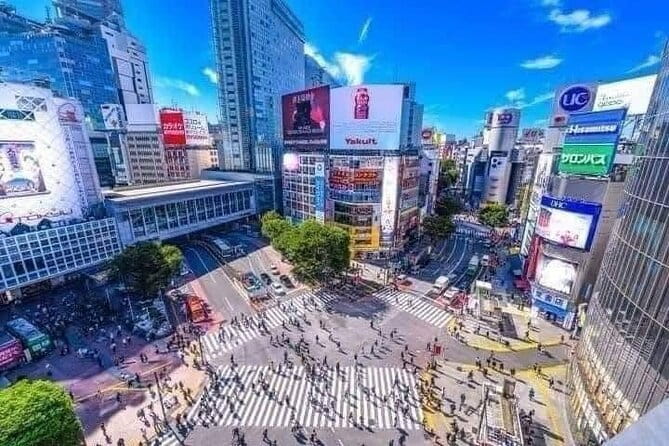
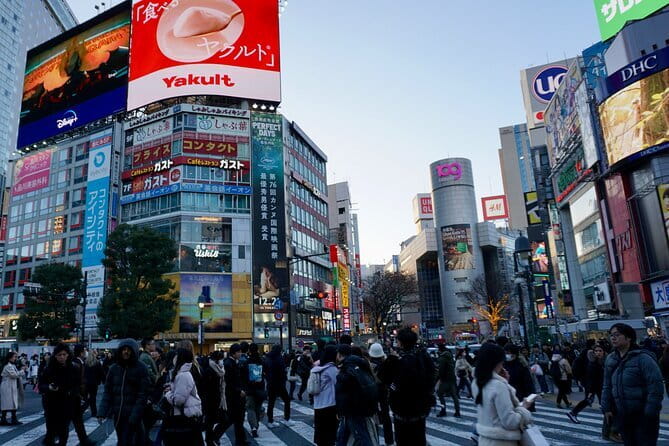
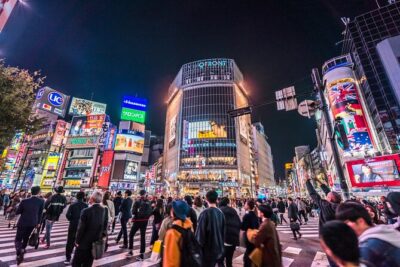
Shibuya Crossing (2 hours, admission free)
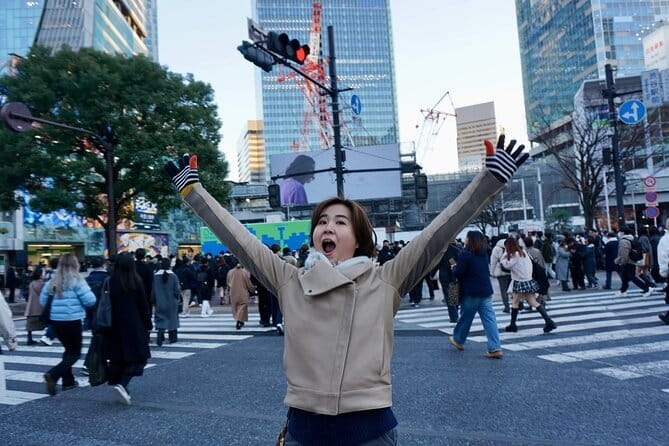
Shibuya Crossing is described as one of the world’s busiest pedestrian intersections, famous for the multi-directional crossing. It’s surrounded by towering neon ads and lots of street-level motion.
If you’re sensitive to crowds, plan your viewing time. If you love chaos (I do), this is Tokyo’s postcard in real life.
Day 3: Ueno’s Ameyoko market street and Akihabara gadgets
This day mixes food-stall energy with electronics and anime-pop culture.
Ueno and Ameyoko (3 hours, admission free)
Ameyoko is positioned as a lively open-air market street with shops, food stalls, and a mix of goods—from seafood to clothing. It’s a great day for casual eating, browsing, and soaking up the “shop street” rhythm.
Practical thought: go hungry. Market streets work best when you can sample rather than commit to one big meal.
Akihabara (2 hours, admission free)
Akihabara is Tokyo’s electronics district and a haven for tech enthusiasts and anime fans. You’ll find gadgets, games, and pop culture merchandise.
If you’re not into electronics, you can still enjoy the visual overload. But if you are into it, set a budget. Things here tempt you fast.
Day 4: Odaiba waterfront futurism, Shinjuku Gyoen calm, Shinjuku night
Day 4 is where Tokyo shifts into “look at this” mode, then ends with classic nightlife.
Odaiba District (2 hours, admission free)
Odaiba is described as a futuristic island in Tokyo Bay with ultramodern architecture, entertainment complexes, and waterfront views. The itinerary mentions a giant Gundam statue and a teamLab-related attraction.
This is a good stop if you want a different Tokyo look—less shrine-and-market and more “future city.”
Shinjuku Gyoen National Garden (2 hours, admission not included)
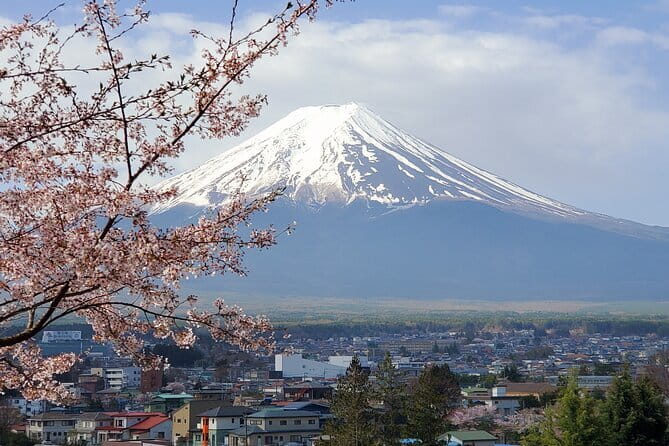
This is your green pause. The plan calls it a sprawling oasis in central Tokyo, with gardens mixing Japanese, English, and French styles. It also references cherry blossoms, so the experience can feel seasonal depending on when you go.
Since admission is not included, treat this as the one splurge you plan for. If you don’t want to pay extra, consider swapping the time to another free neighborhood walk in the area.
Shinjuku at night (3 hours, admission free)
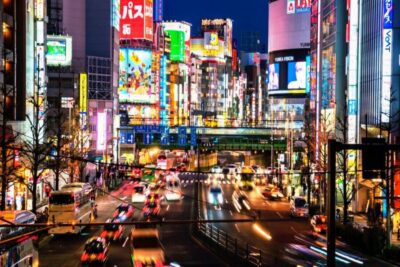
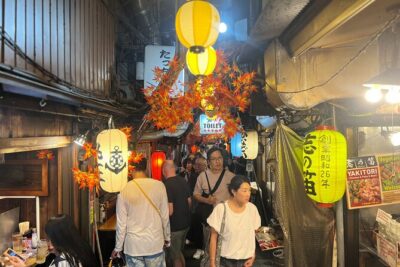
The finale is Shinjuku’s neon energy: izakayas, karaoke bars, and lively crowds. This is where you let the city choose your mood.
Practical note: Shinjuku gets busy. Keep your meeting point simple and decide in advance how you’ll get back if you split up.
Food strategy: using local recommendations without getting stuck
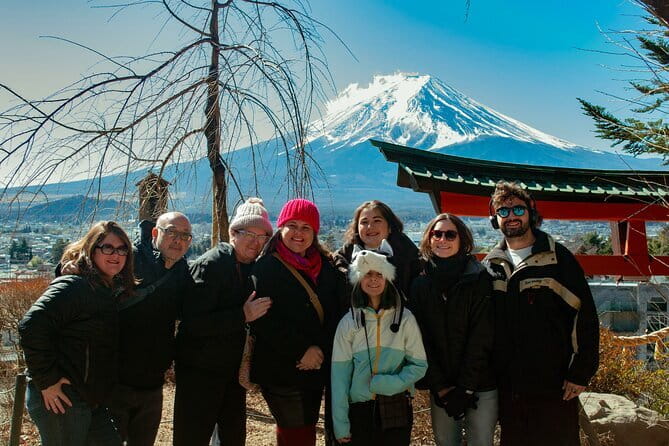
The included Tokyo personal food recommendations by locals are the heart of this package. Not because they replace your taste, but because they shorten the decision time.
Here’s how you can use them well:
- Plan one “anchor meal” per day from the recommendations, then eat freely around it.
- When a market street like Ueno/Ameyoko comes up, use the recommendations as a starting point, not a strict checklist.
- Use the included Japanese Survival Card when you need help communicating quickly, especially for ordering or basic questions.
If you’re the type who usually spends 30 minutes trying to find a place to eat, this kit can buy you back that time. And in Tokyo, time saved is the difference between a good trip and a trip that feels like errands.
The Japanese Survival Card and eSIM discount: small tools, real comfort
A Japanese Survival Card is included, plus a discount on eSIM. Even without knowing the exact wording of the card, the logic is clear: it’s meant to make everyday interactions easier when language isn’t your strength.
On the eSIM side, the discount can matter if you’ll be using data for maps and for reading your itinerary on the go. And since this is a self-guided experience, reliable phone access is part of the success recipe.
What a “self-guided” kit is best for (and what it isn’t)
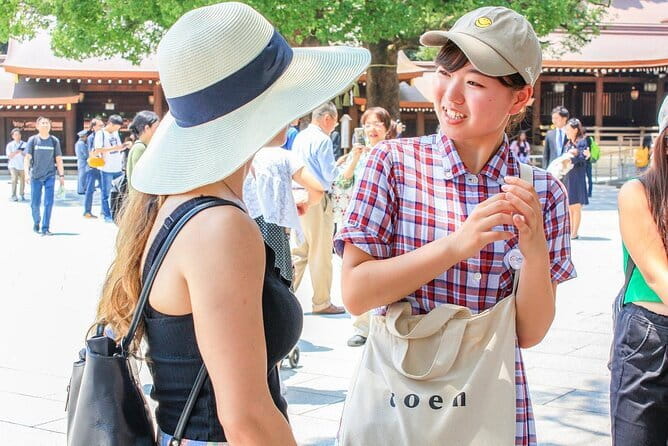
This works best if you like to explore without constant instructions. You’ll probably enjoy it if:
- You want a structure but don’t want a schedule you must follow.
- You’re comfortable using public transit and reading your phone for directions.
- You’d rather decide on the fly than wait for a group.
It’s not ideal if you want:
- A live person to answer questions as you go.
- A fully planned, step-by-step tour with no thinking required.
The kit gives you the framework, not the crutch.
FAQ
FAQ
Is this experience a guided tour?
No. It’s self-guided. You get a digital itinerary and tools, but there is no physical tour guide.
How long is the Tokyo experience?
It’s listed as 4 days (approx.).
What does the price include?
It includes a self guided PDF itinerary, Tokyo personal food recommendations by locals, a Japanese Survival Card, and a discount on E-Sim.
Where does the itinerary start and end?
It starts in Shinjuku City, Tokyo, Japan and ends back at the meeting point.
Are there any paid attractions on the plan?
Shinjuku Gyoen National Garden is marked as admission not included. The other listed major stops are marked free.
Do you have to follow every stop in order?
No. The itinerary is designed so you can follow or skip suggested stops and start and stop whenever you like.
What’s the group size limit?
The experience has a maximum of 15 travelers.
What is the cancellation policy?
Free cancellation is available up to 24 hours in advance for a full refund.
Should you book this Tokyo planning kit?
If you want a low-stress, high-structure way to see major Tokyo areas in four days, this is a smart buy. The best reason to book is the combination of a simple itinerary with included local food recommendations and a Japanese Survival Card—stuff that usually takes real effort to assemble yourself.
Skip it if you need a live guide or you tend to be disorganized with pre-trip downloads. This is a tool you use on your schedule, so you’ll get the most out of it by having the PDF and phone access ready from day one.
More Food in Tokyo
- Tokyo: Shinjuku Food Tour (13 Dishes at 4 Local Eateries)
★ 5.0 · 6,603 reviews - Tokyo Tsukiji Fish Market Food and Culture Walking Tour
★ 5.0 · 3,184 reviews - Tokyo: Shinjuku Food Tour (15 Dishes and 4 Eateries)
★ 4.9 · 2,033 reviews - Best of Shinjuku: Izakaya Food Tour (4 Stops, 14+ Tastings)
★ 5.0 · 1,863 reviews - Tokyo: Tsukiji Fish Market Food and Walking tour
★ 5.0 · 1,724 reviews
More Food & Drink in Tokyo
- Tokyo: Shinjuku Food Tour (13 Dishes at 4 Local Eateries)
★ 5.0 · 6,603 reviews - Tokyo Tsukiji Fish Market Food and Culture Walking Tour
★ 5.0 · 3,184 reviews - Tokyo: Shinjuku Food Tour (15 Dishes and 4 Eateries)
★ 4.9 · 2,033 reviews - Best of Shinjuku: Izakaya Food Tour (4 Stops, 14+ Tastings)
★ 5.0 · 1,863 reviews - Tokyo: Tsukiji Fish Market Food and Walking tour
★ 5.0 · 1,724 reviews
More Tour Reviews in Tokyo
- Mt Fuji and Hakone 1-Day Bus Tour Return by Bullet Train
★ 5.0 · 26,383 reviews - 1-Day Tokyo Bus Tour
★ 5.0 · 14,250 reviews - Tokyo: teamLab Planets TOKYO Digital Art Museum Entry Ticket
★ 4.6 · 9,779 reviews - Mt Fuji & Hakone Cruise, Drum Show Bullet Train 1 Day from Tokyo
★ 4.0 · 7,413 reviews - Tokyo: Shinjuku Food Tour (13 Dishes at 4 Local Eateries)
★ 5.0 · 6,603 reviews
Latest Tokyo reviews off our desk

Food & Drink, compared.
 ★ 5.0Shinjuku Food Tour (13 Dishes at 4 Local Eateries)From $866,603 reviews
 ★ 5.0Tokyo Tsukiji Fish Market Food and Culture Walking TourFrom $993,184 reviews
 ★ 4.9Shinjuku Food Tour (15 Dishes and 4 Eateries)From $852,033 reviews
 ★ 5.0Best of Shinjuku: Izakaya Food Tour (4 Stops, 14+ Tastings)From $921,863 reviews
 ★ 5.0Tsukiji Fish Market Food and Walking tourFrom $301,724 reviews
 ★ 5.0Eat and Drink Like a Local: Tokyo Ueno Food Tour-Taverns&RamenFrom $95957 reviews
 ★ 5.0Shibuya Food Tour (13 dishes and 4 Eateries)From $77770 reviews
★ 4.7Tsukiji Fish Market Food and Culture Walking TourFrom $96757 reviews
★ 5.0Shibuya Food Tour (13 dishes and 4 Eateries)From $77770 reviews
★ 4.7Tsukiji Fish Market Food and Culture Walking TourFrom $96757 reviews
Browse the lists this tour appears in