
Reviewed · FOOD & DRINK
Tokyo: Pre Japan Planning Kit: Itineraries, Food & Survival
Tokyo can feel like information overload. This kit helps you move fast. It’s built by Nikolai & Kaho, a Norwegian–Japanese couple who live in Tokyo and know how to turn planning into something you can actually use on the street. The standout part for me is that it’s not a vague list—it’s a self-guided daily flow with meal blocks, walk time, and built-in pauses so you don’t end up rushing everything.
What I really like is the practical mix: PDF itineraries you can follow at your pace and a restaurant recommendation guide focused on affordable spots in different areas. One thing to consider up front: this is a digital product only, so there’s no live guide to adjust plans when weather hits, trains stall, or you simply change your mind mid-day.
In This Review
- Key things I’d plan around
- A Pre-Trip Kit That Turns Tokyo From Chaos Into Steps
- What You Actually Get in the Digital Planning Folder
- 1) 1–4 Day Tokyo Itinerary PDFs
- 2) Tokyo Restaurant Recommendation Guide
- 3) Japanese Survival Card
- 4) Digital delivery
- How the Shinjuku Starting Point Helps (Without Forcing You)
- Day-by-Day Flow: What Your 1–4 Days Look Like in Real Life
- Day 1 (A gentle launch from Shinjuku)
- Day 2 (More sightseeing, more choices, more eating)
- Day 3 (A mid-trip day that leaves room to breathe)
- Day 4 (Finishing strong without cramming)
- Restaurant Picks: Affordable, Area-Spanning, and Built for Decision Fatigue
- How I’d use the restaurant guide
- The Japanese Survival Card: Small Tool, Big Confidence
- Price and Value: $20 for a Group, Up to 15
- Who This Kit Fits Best (And Who Might Want Something Else)
- Should You Book This Pre-Trip Tokyo Planning Kit?
- FAQ
- How long is the Tokyo planning kit available for?
- Is there a live guide or meeting point?
- What do I receive after booking?
- How do I use the materials while offline?
- Where is the itinerary starting point?
- Is the itinerary adjustable to my pace?
- Do the restaurant recommendations focus on budget travel?
- Can I print the Japanese survival card?
- What language are the materials in?
- Can I cancel if I change my mind?
Key things I’d plan around
- Self-guided at your pace: follow the day routes, or swap sections without losing your rhythm
- 1–4 day Tokyo structure: whole-day flow for short trips and longer stays
- Restaurant recommendations that skew budget-friendly: options across Tokyo, not just one neighborhood
- Japanese survival card: printable and mobile-friendly for common travel situations
- Offline-ready PDFs via Google Drive: save to your phone before you go
- Shinjuku as your starting anchor: easy reference point for building your day
A Pre-Trip Kit That Turns Tokyo From Chaos Into Steps
Tokyo planning is hard in a very specific way. You’re not just choosing places—you’re also choosing order, meal timing, and how long you want to be walking between “must-sees.” This kit is designed to solve that exact problem by turning your trip into a daily sequence you can actually follow.
The biggest value isn’t that it lists “top places.” It’s that it organizes a day. You’ll see a rhythm in the itinerary blocks: breakfast, then a visit/photo-stop moment, then lunch, then street food, plus more sightseeing, shopping, and free time. That structure matters because Tokyo can easily eat your day alive if you treat it like a checklist.
Readers also shortlisted these Tokyo bookings:
- Tokyo: Shinjuku Food Tour (13 Dishes at 4 Local Eateries)
★ 5.0 · 6,603 reviews - Tokyo Tsukiji Fish Market Food and Culture Walking Tour
★ 5.0 · 3,184 reviews - Tokyo: Shinjuku Food Tour (15 Dishes and 4 Eateries)
★ 4.9 · 2,033 reviews - Best of Shinjuku: Izakaya Food Tour (4 Stops, 14+ Tastings)
★ 5.0 · 1,863 reviews
What You Actually Get in the Digital Planning Folder
After booking, you receive a private Google Drive link (delivered within a few days) with downloadable materials. The kit is made to be opened anytime, and you’re encouraged to save files to your phone or device so you can use them offline. That offline angle is a quiet but huge deal in Tokyo—signal can be unpredictable in stations and tunnels, and you don’t want to hunt for Wi‑Fi while you’re deciding where to eat.
Included materials are four main pieces:
1) 1–4 Day Tokyo Itinerary PDFs
These are whole-day routes for up to four days, so you can match the kit to your actual stay. You can follow the plan closely or adjust based on your interests and walking speed. The “at your pace” part is important because Tokyo is full of tempting side streets. If your plan is too rigid, you’ll feel guilty every time you stop for a snack.
2) Tokyo Restaurant Recommendation Guide
You get a curated set of restaurant picks across Tokyo areas, and the focus is mostly on affordable options. That’s a smart angle for first-timers: if you burn your budget in restaurants on day one, the rest of your trip becomes damage control.
3) Japanese Survival Card
This is a printable card you can also keep on your phone. The idea is simple: you’ll have the useful phrases/words you need for everyday travel situations without digging through apps. Even if your Japanese is basic, having the right phrase on paper helps you communicate faster and feel calmer.
Readers also shortlisted these Tokyo bookings:
- Tokyo: Tsukiji Fish Market Food and Walking tour★ 5.0 · 1,724 reviews
- Tokyo Night Foodie Tour in Shinjuku – Seasonal Sushi, Wagyu Beef★ 5.0 · 1,161 reviews
- Eat and Drink Like a Local: Tokyo Ueno Food Tour-Taverns&Ramen★ 5.0 · 957 reviews
- Tokyo: Shibuya Food Tour (13 dishes and 4 Eateries)★ 5.0 · 770 reviews
- Tokyo: Tsukiji Fish Market Food and Culture Walking Tour★ 4.7 · 757 reviews
4) Digital delivery
You don’t meet anyone. There’s no in-person activity. You’re essentially buying time, clarity, and a practical set of tools—then using them when you arrive.
How the Shinjuku Starting Point Helps (Without Forcing You)
The kit uses Shinjuku City as its starting location. There’s no required meeting point with a live guide, but Shinjuku is a useful anchor because it’s a major hub. Practically, it means the day’s plan can start from a location most people can reach quickly from wherever they’re staying.
One subtle benefit: Shinjuku is good for “warm-up” travel days. You can get bearings, pick up snacks, and adjust your pace before you commit to a longer sightseeing stretch. If you’re feeling tired after arrival, having a plan that begins with something familiar helps you avoid the classic first-day spiral—trying to do too much because you think you should.
Day-by-Day Flow: What Your 1–4 Days Look Like in Real Life
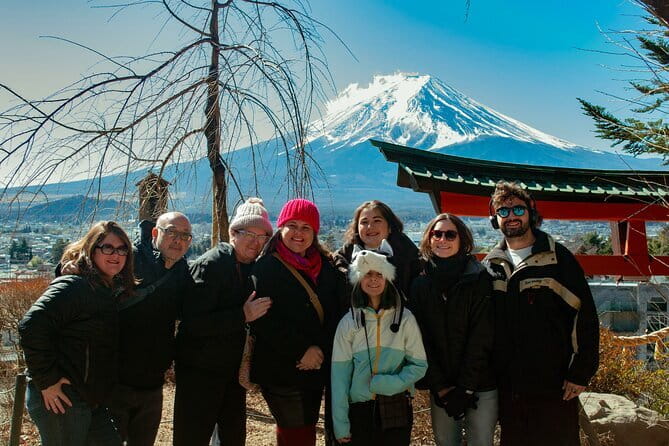
You’re not getting a list of random stops. You’re getting daily structure with the typical ingredients of a Tokyo day: meals, walking, photos, and downtime. Since the kit is self-guided, think of the itinerary like a blueprint with adjustable parts.
Day 1 (A gentle launch from Shinjuku)
Expect the day to start with breakfast and then shift into a photo stop and a main visit/sightseeing block. After that, the plan typically gives you lunch, local snacks, and time to roam on foot.
Why this works: Tokyo is best when you don’t over-plan every minute. This itinerary style gives you movement while still keeping you pointed in a direction. If you’re jet-lagged, the built-in free time blocks are also there to save you from the pressure of forcing energy you don’t have.
Possible drawback: because this is a self-guided route, you’ll need to be comfortable navigating between blocks on your own (and using the survival card when needed). If you want someone to handle route tweaks in real time, you’ll miss that.
Day 2 (More sightseeing, more choices, more eating)
Your second day keeps the same backbone—walk, sightseeing, and shopping—but the pacing usually aims to feel more “Tokyo.” You’ll likely get additional street food options and more snack breaks, which is exactly where first-timers often discover what they actually like.
This kind of second-day plan is valuable because it helps you calibrate. By now, you’ll know whether you enjoy wandering markets, browsing shops, or staying focused on a few big sights. The kit lets you adjust without starting over from scratch.
Watch-out: shopping and street food can expand your day faster than you expect. The itinerary’s structure helps, but you’ll still want to keep an eye on how long you’re lingering.
Day 3 (A mid-trip day that leaves room to breathe)
By day three, you’re usually chasing two things at once: finishing “I should see that” moments and finding “This is genuinely fun” moments. The kit’s format includes free time again, plus a mix of scenic views on the way and local stops that aren’t only about ticking attractions.
The practical win here is psychological. Tokyo days can feel like they’re all effort. Having scheduled pauses means you’re less likely to burn out or rush past places that are worth lingering.
Possible drawback: if you ignore the free time and keep following every block like a race, you’ll lose the benefit. The kit works best when you treat it as a flexible route plan.
Day 4 (Finishing strong without cramming)
On the final day, you generally want the trip’s best blend: a last round of sightseeing, a final shopping run, and at least one more street-food or snack stop. The itinerary categories suggest the day is built to include dinner plans too, not just daytime wandering.
Why it’s smart: people often plan their best food and best moments too early, then end their trip with leftovers and regret. A fourth-day flow that accounts for both meals and evening time helps you land the plane better.
Restaurant Picks: Affordable, Area-Spanning, and Built for Decision Fatigue

Tokyo is famous for food, but that’s exactly why deciding where to eat can become a full-time job. The restaurant guide here is meant to reduce that decision fatigue, and it’s weighted toward affordable places.
The guide is also spread across Tokyo areas, which matters because it helps you avoid the trap of picking restaurants based only on proximity to one attraction. With Tokyo’s transit maze, proximity is helpful, but you don’t want your whole trip shaped by one neighborhood.
How I’d use the restaurant guide
- Pick a breakfast/lunch option based on where you already are that day
- Use street food and snacks as flexible “fillers” when you’re between bigger stops
- Don’t treat the guide like a strict list—treat it like a shortlist
One consideration: the guide is your recommendation layer, not a reservation service or a live host. So you’ll still need to make calls/requests in Japanese or with the survival card if you encounter any language friction.
The Japanese Survival Card: Small Tool, Big Confidence
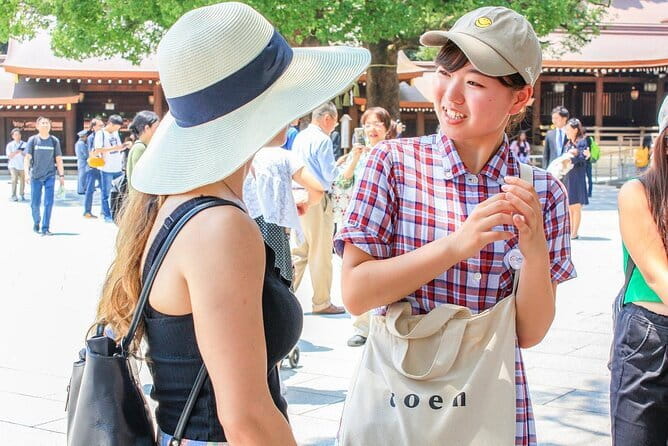
This is the simplest part of the kit, and it’s also the one that can save you the most stress. The survival card is designed for everyday travel situations. It’s printable and also mobile-friendly, so you can keep it on hand when you need it quickly.
Even if you only use a few phrases, the card helps you:
- communicate without panic
- ask for basic help while you’re on the move
- avoid wasting time flipping between translation apps
In a self-guided plan, that’s huge. A live guide can handle tiny moments for you. Here, you’re handling them—so the survival card is your safety net.
Price and Value: $20 for a Group, Up to 15
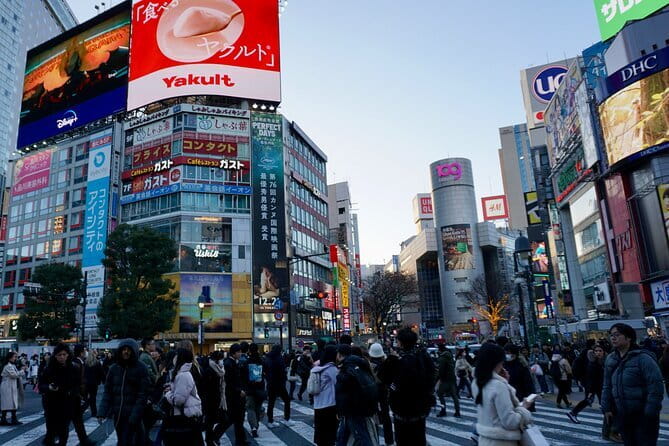
The pricing is straightforward: $20 per group with a group size up to 15. On paper, it’s a budget-friendly add-on, especially if you’re traveling with family or friends who also benefit from having the same plan at hand.
The real value comes from what you avoid:
- hours of route planning
- guesswork on where to eat
- the mental cost of not feeling prepared
And it’s digital, so you’re not paying for logistics you don’t need. You’re buying structure plus practical tools: PDFs for planning, a restaurant shortlist, and a survival card.
If you’re going solo, you might still find it worth it because self-planning in Tokyo is often hardest for one traveler who has to do everything themselves.
Who This Kit Fits Best (And Who Might Want Something Else)
This works best if:
- you’re a first-time visitor to Japan
- you want to prepare before arrival and reduce on-the-ground stress
- you prefer flexibility over scheduled guided tours
- you want practical, easy-to-use planning help in English
It’s also a good fit if you already enjoy exploring but want a reliable backbone to keep your days from turning into a blur.
You might want a different option if:
- you want a live guide to answer questions and adapt routes
- you need someone to manage real-time transit decisions for you
- you’re the type who only wants specific, named attractions with zero interpretation
This kit is for people who like independence—and who appreciate a plan that still respects your choices.
Should You Book This Pre-Trip Tokyo Planning Kit?
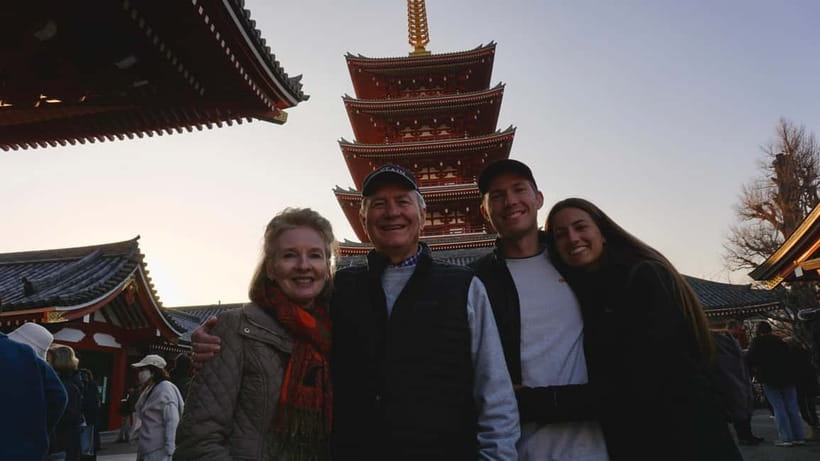
If you want Tokyo to feel navigable from day one, I think this is a smart buy. The digital PDFs, restaurant recommendations, and Japanese survival card work together as a practical system: plan your day, choose food with less stress, and handle everyday language moments without freezing.
I’d recommend it particularly when you’re traveling in a group (because the per-group pricing helps) or when you’re a first-timer who needs confidence more than a long textbook.
But be honest about what you’re buying: it’s self-guided. If you want someone standing next to you making calls, this isn’t that. If you’re okay navigating your own path with a solid framework, you’ll likely appreciate the clarity and the time it saves.
FAQ
How long is the Tokyo planning kit available for?
The kit is designed for 1–4 day Tokyo itineraries, and the overall experience is listed as 4 days.
Is there a live guide or meeting point?
No. This is a digital product only, with no meeting point and no live guide.
What do I receive after booking?
You get a Google Drive link with downloadable PDFs, including the itinerary PDFs, a restaurant recommendation guide, and a Japanese survival card.
How do I use the materials while offline?
You can download the PDFs to your phone or device using the Google Drive materials so you can access them offline during your trip.
Where is the itinerary starting point?
The planning kit uses Shinjuku City as the starting reference point.
Is the itinerary adjustable to my pace?
Yes. The instructions say you can follow the routes exactly or adjust them to match your interests and walking pace.
Do the restaurant recommendations focus on budget travel?
They mostly focus on affordable places, with options across different areas of Tokyo.
Can I print the Japanese survival card?
Yes. It’s printable and also mobile-friendly.
What language are the materials in?
The information is provided in English.
Can I cancel if I change my mind?
The experience includes free cancellation up to 24 hours in advance for a full refund.
More Food in Tokyo
- Tokyo: Shinjuku Food Tour (13 Dishes at 4 Local Eateries)
★ 5.0 · 6,603 reviews - Tokyo Tsukiji Fish Market Food and Culture Walking Tour
★ 5.0 · 3,184 reviews - Tokyo: Shinjuku Food Tour (15 Dishes and 4 Eateries)
★ 4.9 · 2,033 reviews - Best of Shinjuku: Izakaya Food Tour (4 Stops, 14+ Tastings)
★ 5.0 · 1,863 reviews - Tokyo: Tsukiji Fish Market Food and Walking tour
★ 5.0 · 1,724 reviews
More Food & Drink in Tokyo
- Tokyo: Shinjuku Food Tour (13 Dishes at 4 Local Eateries)
★ 5.0 · 6,603 reviews - Tokyo Tsukiji Fish Market Food and Culture Walking Tour
★ 5.0 · 3,184 reviews - Tokyo: Shinjuku Food Tour (15 Dishes and 4 Eateries)
★ 4.9 · 2,033 reviews - Best of Shinjuku: Izakaya Food Tour (4 Stops, 14+ Tastings)
★ 5.0 · 1,863 reviews - Tokyo: Tsukiji Fish Market Food and Walking tour
★ 5.0 · 1,724 reviews
More Tour Reviews in Tokyo
- Mt Fuji and Hakone 1-Day Bus Tour Return by Bullet Train
★ 5.0 · 26,383 reviews - 1-Day Tokyo Bus Tour
★ 5.0 · 14,250 reviews - Tokyo: teamLab Planets TOKYO Digital Art Museum Entry Ticket
★ 4.6 · 9,779 reviews - Mt Fuji & Hakone Cruise, Drum Show Bullet Train 1 Day from Tokyo
★ 4.0 · 7,413 reviews - Tokyo: Shinjuku Food Tour (13 Dishes at 4 Local Eateries)
★ 5.0 · 6,603 reviews
Latest Tokyo reviews off our desk






Food & Drink, compared.
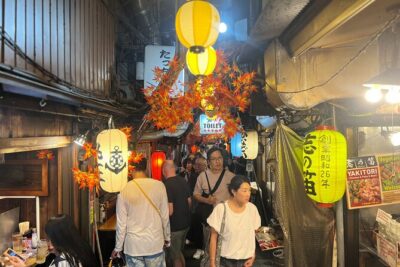 ★ 5.0Shinjuku Food Tour (13 Dishes at 4 Local Eateries)From $866,603 reviews
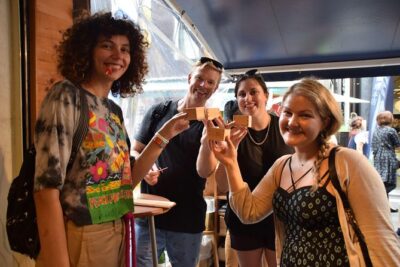 ★ 5.0Tokyo Tsukiji Fish Market Food and Culture Walking TourFrom $993,184 reviews
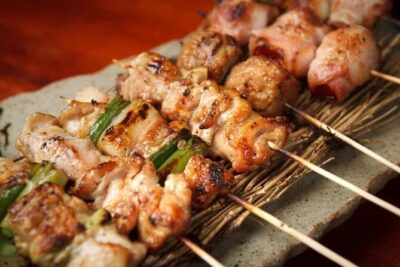 ★ 4.9Shinjuku Food Tour (15 Dishes and 4 Eateries)From $852,033 reviews
 ★ 5.0Best of Shinjuku: Izakaya Food Tour (4 Stops, 14+ Tastings)From $921,863 reviews
 ★ 5.0Tsukiji Fish Market Food and Walking tourFrom $301,724 reviews
 ★ 5.0Eat and Drink Like a Local: Tokyo Ueno Food Tour-Taverns&RamenFrom $95957 reviews
 ★ 5.0Shibuya Food Tour (13 dishes and 4 Eateries)From $77770 reviews
★ 4.7Tsukiji Fish Market Food and Culture Walking TourFrom $96757 reviews
★ 5.0Shibuya Food Tour (13 dishes and 4 Eateries)From $77770 reviews
★ 4.7Tsukiji Fish Market Food and Culture Walking TourFrom $96757 reviews
Browse the lists this tour appears in