
Reviewed · SHIBUYA EXPERIENCES
Tokyo Shibuya & Harajuku Walking tour With A Guide
Tokyo changes fast between two crossings. This private walk strings together Shibuya Crossing and Harajuku’s style neighborhoods so you can get your bearings and enjoy the day without overthinking. You’ll hop between major landmarks and the smaller streets Tokyo teens actually wander.
I especially like how the guide gives practical advice for the rest of your Tokyo trip. And I love the balance of “big name” stops like the Hachiko Statue plus streets with personality, like Cat Street and Ura-Harajuku.
One thing to consider: if you’re craving heavy explanations of Japanese culture and religion, the Meiji Shrine portion may feel more like a guided photo-and-walk than a long lecture. At the same time, the 3-hour pace is perfect for most people, but some guides’ timing may feel a touch tight if you prefer slow sightseeing.
In This Review
- Key highlights
- Starting in Shibuya: getting oriented before you wander
- Shibuya Crossing and Hachiko: the loud postcard moment with a guide’s context
- Center Gai and Shibuya 109: mainstream fashion you can read at a glance
- Cat Street and Ura-Harajuku: where Tokyo’s alternative side comes into focus
- Takeshita Street and Harajuku: the narrow lanes where trends collide
- Omotesando Avenue and the Meiji Shrine approach: a reset between fashion waves
- How the 3-hour plan really works on foot
- Price and value: is $53 per person a good deal
- Who this tour suits best (and who might want something else)
- Should you book this Shibuya and Harajuku walking tour?
- FAQ
- How long is the tour?
- Is this a private tour?
- Where does the tour start?
- What sights will we see?
- Is public transportation included?
- Are meals or drinks included?
- What languages are available for the live guide?
- Is the tour wheelchair accessible?
- Can I customize the tour?
- What’s the cancellation policy?
Key highlights
- Private, exclusive guide for your group, so questions don’t feel awkward
- Shibuya Crossing + Hachiko to reset your Tokyo navigation fast
- Center Gai, Shibuya 109, Cat Street for a real fashion-and-shopping contrast
- Ura-Harajuku and Takeshita Street for Harajuku’s louder street style
- Omotesando + Meiji Shrine approach to cool your head after the crowds
- English, French, Italian, Spanish, Portuguese live guiding available
Starting in Shibuya: getting oriented before you wander

The tour begins in the Shibuya area, near Shibuya Station, the city’s famous transport hub. That matters because Shibuya can feel like a video game when you first arrive: escalators, signs everywhere, and a stream of people moving in every direction. Starting here means you don’t just see Tokyo’s theater set—you learn how to move through it.
You’ll start with photo opportunities and short guided stops so you can understand what you’re looking at instead of just snapping pictures and hoping you catch the right angle. One guide (Sergio, in at least one booking) was praised for being friendly and effective at making the route feel easy, which is exactly what you want in Shibuya.
If you’re the type who likes to plan ahead, the guide can also point you toward what to do next after this walk. That’s a quiet advantage. A map gets you places. Local advice helps you choose what’s worth your limited time.
More booked around Shibuya Crossing
- Official Street Go-Kart in Shibuya
★ 5.0 · 3,435 reviews - Tokyo: Street Kart Experience in Shibuya
★ 4.9 · 1,484 reviews - Shibuya Meltdown Nightlife Tour: All-You-Can-Drink Bar Hopping
★ 5.0 · 1,058 reviews - Shibuya Official Street Go-Kart in Shibuya Annex
★ 5.0 · 972 reviews
Shibuya Crossing and Hachiko: the loud postcard moment with a guide’s context
This is where Tokyo flexes. You’ll see the famous Shibuya Crossing, with crowds crossing like they’ve all rehearsed the same choreography. It’s chaos, yes, but controlled chaos—so you’ll want to watch how people flow rather than just stare at the intersection.
Right nearby, you’ll visit the Hachiko Statue area for photos. This stop isn’t only about ticking off a landmark. It’s about learning why the statue matters and why it keeps pulling in visitors. With a guide, the statue feels less like a random photo spot and more like a story marker in the neighborhood.
Practical tip: if you tend to freeze when you get overwhelmed, let your guide lead the first few steps. Once you understand the general direction, the rest of Shibuya becomes much more manageable—and more fun.
Center Gai and Shibuya 109: mainstream fashion you can read at a glance
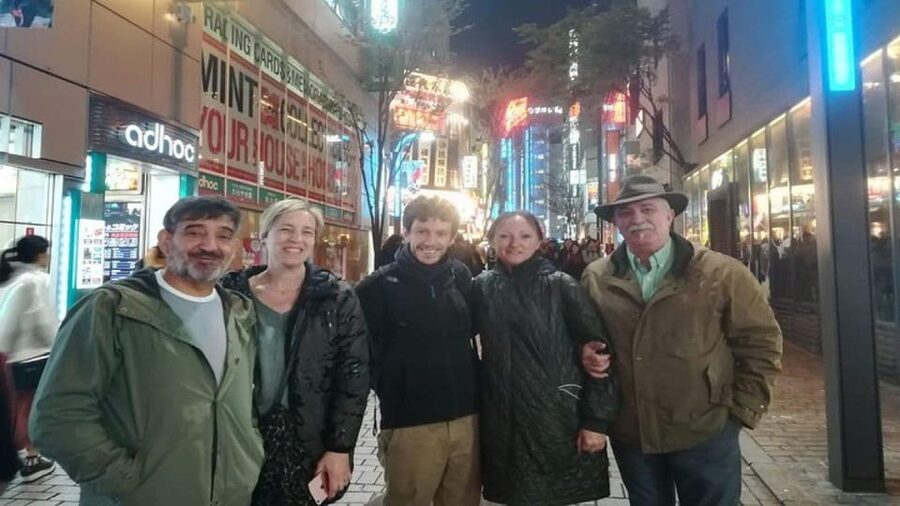
After the big intersection, you’ll head along Center Gai, Shibuya’s well-known shopping street. The appeal here is scale and rhythm. You’ll see how shopping works in Japan’s youth districts: packed storefronts, quick glances at brands, and people moving between fashion and snacks.
Then comes Shibuya 109, a fashion hotspot with multiple floors. This is one of those places where you can’t really “browse casually.” You’ll notice trends instantly: what’s displayed, what’s popular that season, and how shoppers approach outfits. The guide helps you connect the dots between what you see inside the building and what you’re seeing outside in the streets.
If you love fashion (or even just want to understand what’s popular without getting lost), Shibuya 109 is a strong anchor. If you don’t care about malls, you might find this portion a little more “look-and-walk” than “hands-on.” Either way, it gives context for the Harajuku scenes later.
Cat Street and Ura-Harajuku: where Tokyo’s alternative side comes into focus
Cat Street is the bridge between Shibuya and Harajuku, and it has a different feel. Instead of chasing the busiest brand names, this area leans toward indie boutiques and street art. You’ll get a sense of the Tokyo that’s less about one icon and more about style variations.
From there, you’ll explore the Ura-Harajuku area. Think of it as the layer behind the headline Harajuku scenes—small shops, quirky options, and an alternative fashion mood. Ura-Harajuku is where you start seeing how street style can be personal rather than just trend-based.
This part of the walk is valuable because it changes your pace. Instead of big crowd magnets, you get side streets where you can actually look at signage, window displays, and the little visual jokes street art tends to include.
Drawback to know: these areas are popular for photos, but it’s also where you may want extra time to shop. The tour keeps things moving, so if you want to buy something, plan to keep your “try-on time” short or save shopping for after the tour.
Takeshita Street and Harajuku: the narrow lanes where trends collide
Takeshita Street is the Harajuku section most people picture. It’s narrow, packed, and full of colorful storefronts and quirky boutiques. The guide’s job here is to help you walk through the crush without feeling like you’re stuck in it.
You’ll also have time around Harajuku itself for guided sightseeing and photo stops. This combination works well because you’re not only going to the loudest street. You’re learning how the neighborhood shifts as you move across it.
If you’re into street style, Takeshita is where you’ll see the extremes: bold looks, unusual accessories, and the confidence to experiment. If you’re not into shopping, you can still enjoy this section as a people-watching and photo-watching zone. Just don’t expect quiet.
Readers also shortlisted these Tokyo bookings:
- Tokyo Tsukiji Fish Market Food and Culture Walking Tour★ 5.0 · 3,184 reviews
- Tokyo: Imperial Palace and Shogun Historical Walking Tour★ 5.0 · 2,251 reviews
- Tokyo: Shinjuku Local Bar and Izakaya Guided Walking Tour★ 4.9 · 1,794 reviews
- Tokyo: Tsukiji Fish Market Food and Walking tour★ 5.0 · 1,724 reviews
- Tokyo: Asakusa Walking Tour with Sensoji Temple Visit★ 4.8 · 1,583 reviews
Omotesando Avenue and the Meiji Shrine approach: a reset between fashion waves
After the street-style energy, the route shifts. Omotesando Avenue is known for a more polished, upscale atmosphere and designer boutiques. Even if you don’t plan to shop, it’s a helpful contrast. You’ll feel the neighborhood’s “tone” change: wider spaces, more architectural attention, and less of the narrow-street crowd feel.
Then there’s a brief detour to Meiji Shrine. You’ll get a photo stop, visit time, and a guided walk focused on the approach. This is a great spot to slow down mentally, especially after Harajuku’s intensity. The shrine approach tends to feel calmer by design, and the guide helps you appreciate that difference instead of treating it as another landmark.
Consideration: if your main goal is history and religion, this portion may not feel long enough. One booking feedback pointed out that they wanted more depth about culture and religion. So treat Meiji Shrine here as a short reset and context stop, not a full immersion program.
How the 3-hour plan really works on foot
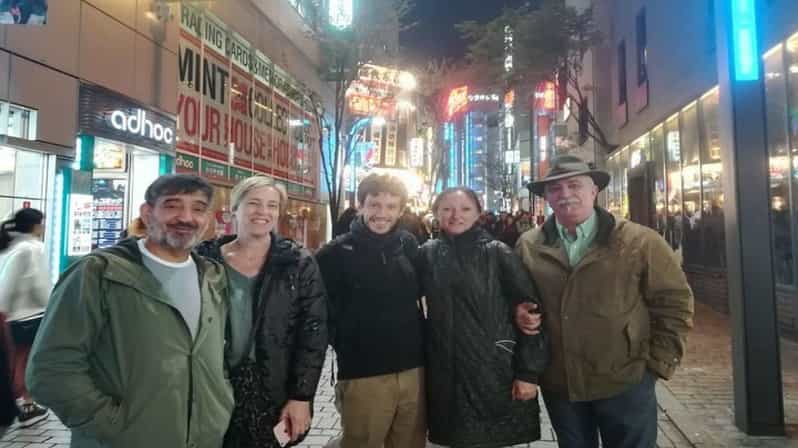
This tour is built around short guided blocks, with photo stops and walking time that keep you moving but not rushing. Many of the stops are timed so you can see the highlight, ask questions, and keep the momentum.
Because it’s a walking tour, comfort matters. Wear shoes you can trust. Tokyo sidewalks are fine, but the volume of steps adds up quickly when you’re covering Shibuya crossings, shopping streets, and short detours.
Also note the logistics detail that affects your day: the experience includes walking, and public transport is part of the plan unless your booking uses one of the start options. That means you might not always be purely on foot from start to finish, but you should still be ready for walking most of the time.
No food or drinks are included, so plan to grab something before or after. If you need caffeine or water breaks, keep that in mind when you choose your timing.
Price and value: is $53 per person a good deal

For $53 per person, you’re paying for three things that matter in Tokyo: a private guide, exclusive group time, and a route that hits both icons and the style neighborhoods in between.
A private walking tour like this is often cheaper than you’d think compared with booking separate activities. Here, you’re basically getting one guided thread through Shibuya and Harajuku, with help navigating where to look and what to ignore. That can save you time, and time is money when trains are crowded and streets are confusing.
You’re also paying for flexibility. The tour includes customization, so if you’re more interested in street fashion than landmark photos, or vice versa, your guide can adapt the emphasis.
If you’re traveling with friends, the “private” part is a big value. It’s not just a tour. It’s a guided walk where you can stop and ask questions, and you don’t have strangers in the mix.
Who this tour suits best (and who might want something else)
You should book this if you want an efficient, guided way to understand Shibuya and Harajuku without getting lost. It’s ideal for first-timers who want the key sights plus a local-style lens on youth fashion and neighborhoods.
You’ll also like it if you enjoy photography. There are repeated photo stops: Shibuya Crossing, Hachiko, and multiple street scenes where the guide helps you choose angles and timing.
You might skip or consider a different style of tour if you’re looking for a long, detailed lecture on Japanese culture, history, and religion. This experience gives context, but it keeps the pace moving through multiple districts.
If you’re sensitive to crowds, you’ll still be in the heart of Tokyo’s busy areas. The advantage is that a guide can help you keep moving without spiraling into indecision.
Should you book this Shibuya and Harajuku walking tour?
Yes, I’d book it if your priority is a guided overview that covers the headline sights and the style side streets in a single 3-hour block. The private setup plus customization is what makes the price feel fair, not just “what you pay for walking.”
If you want deep, slow cultural explanations, treat this as a fast introduction and pair it with one longer, themed activity on another day. But if your goal is to see Tokyo’s fashion geography in real space—Shibuya’s iconic energy, Harajuku’s street noise, and a calm pause at Meiji Shrine—this tour is a smart way to spend your time.
FAQ
How long is the tour?
The tour lasts 3 hours.
Is this a private tour?
Yes. It’s a private tour with a private and exclusive guide, and there won’t be anyone else in your group.
Where does the tour start?
It starts in the Shibuya area. The meeting point may vary depending on the option booked. Starting options listed include Dolce Shibuya (Hashimoto Bldg.).
What sights will we see?
You’ll cover Shibuya Crossing and the Hachiko Statue, shop and fashion areas like Center Gai, Shibuya 109, Cat Street, Ura-Harajuku, Takeshita Street, and Harajuku, plus Omotesando Avenue and a brief visit to Meiji Shrine.
Is public transportation included?
It’s a walking tour with public transport included, except if you select one of the starting options.
Are meals or drinks included?
No. Drink or food is not included.
What languages are available for the live guide?
English, French, Italian, Spanish, and Portuguese.
Is the tour wheelchair accessible?
Yes, it is listed as wheelchair accessible.
Can I customize the tour?
Yes. Customization is included.
What’s the cancellation policy?
Free cancellation is offered up to 24 hours in advance for a full refund.
More Tours in Tokyo
- Mt Fuji and Hakone 1-Day Bus Tour Return by Bullet Train
★ 5.0 · 26,383 reviews - 1-Day Tokyo Bus Tour
★ 5.0 · 14,250 reviews - Tokyo: Shinjuku Food Tour (13 Dishes at 4 Local Eateries)
★ 5.0 · 6,603 reviews - Tokyo Mt Fuji 5th St & Hakone Cruise Bus Tour w/Bullet Train
★ 4.4 · 5,024 reviews - Flagship 2-Hours Official Street Go-Kart Tour – Tokyo Bay Shop
★ 5.0 · 4,974 reviews
More Tour Reviews in Tokyo
- Mt Fuji and Hakone 1-Day Bus Tour Return by Bullet Train
★ 5.0 · 26,383 reviews - 1-Day Tokyo Bus Tour
★ 5.0 · 14,250 reviews - Tokyo: teamLab Planets TOKYO Digital Art Museum Entry Ticket
★ 4.6 · 9,779 reviews - Mt Fuji & Hakone Cruise, Drum Show Bullet Train 1 Day from Tokyo
★ 4.0 · 7,413 reviews - Tokyo: Shinjuku Food Tour (13 Dishes at 4 Local Eateries)
★ 5.0 · 6,603 reviews
More Around Shibuya Crossing
- Official Street Go-Kart in Shibuya
★ 5.0 · 3,435 reviews - Tokyo: Street Kart Experience in Shibuya
★ 4.9 · 1,484 reviews - Shibuya Meltdown Nightlife Tour: All-You-Can-Drink Bar Hopping
★ 5.0 · 1,058 reviews - Shibuya Official Street Go-Kart in Shibuya Annex
★ 5.0 · 972 reviews - Tokyo: Shibuya Food Tour (13 dishes and 4 Eateries)
★ 5.0 · 770 reviews
Latest Tokyo reviews off our desk






Shibuya Experiences, compared.
 ★ 5.0Official Street Go-Kart in ShibuyaFrom $763,435 reviews
 ★ 4.9Street Kart Experience in ShibuyaFrom $741,484 reviews
 ★ 5.0Shibuya Meltdown Nightlife Tour: All-You-Can-Drink Bar HoppingFrom $1061,058 reviews
 ★ 5.0Shibuya Official Street Go-Kart in Shibuya AnnexFrom $69972 reviews
 ★ 5.0Shibuya Food Tour (13 dishes and 4 Eateries)From $77770 reviews
 ★ 5.0Best of Shibuya Food TourFrom $217612 reviews
 ★ 4.8Shibuya Highlights Walking TourFrom $19601 reviews
 ★ 4.7Premium Go-Kart Tour with Tower & Shibuya CrossingFrom $116528 reviews
Browse the lists this tour appears in