
Reviewed · SHIBUYA EXPERIENCES
Tokyo: Shibuya Walking Tour & Night Views from Shibuya Sky
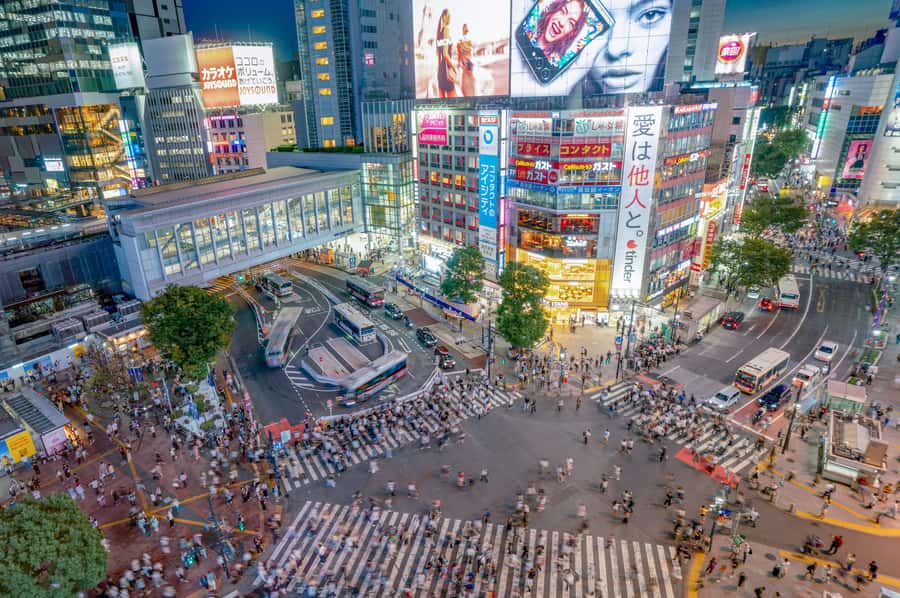
Two levels, one unforgettable Shibuya. I love the Shibuya Crossing walk and the 360° views from 229 meters. Just note the rooftop at Shibuya Sky can close in bad weather, with indoor options depending on conditions.
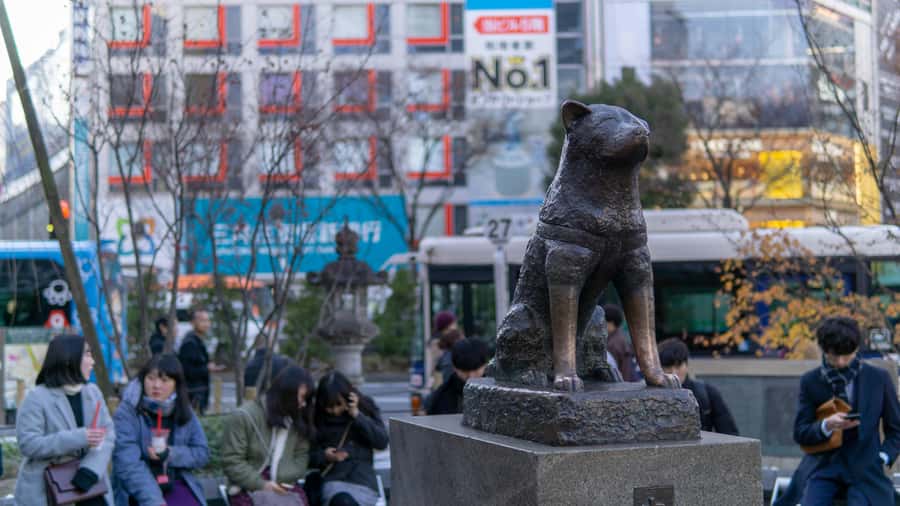
This is a two-part experience that mixes street-level Shibuya with a big, open-air viewpoint. You’ll start at Hachiko Square next to the Hachiko statue, and your guide (many reviews call out Lily) brings the neighborhood to life with clear stories and practical context, usually in a smooth English delivery.
One more thing I appreciate: the rules are simple, which keeps the group moving. No food or drinks, no large bags, and you’ll want to travel light so you can enjoy the walking parts and the observation deck without hassle.
In This Review
- Key things to know before you go
- Meeting at Hachiko Square and Getting Your Bearings
- Walking Shibuya: Crossing, Center Gai, Yokocho, and Miyashita Park
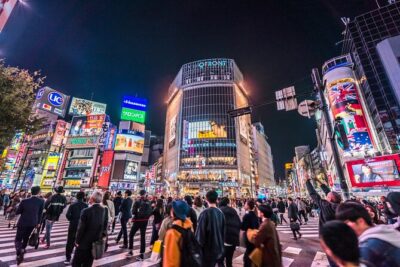
- Shibuya Crossing: your visual warm-up
- Center Gai: classic Shibuya energy
- Shibuya Yokocho: smaller streets, bigger character
- Miyashita Park: where the city breathes
- Why the Guide Storytelling Changes Shibuya from Photos to Meaning
- Shibuya Sky: 229 Meters Up for Real 360° City Vision
- The view at night: why it hits harder than daytime
- Mount Fuji on clear days
- Timing, Photos, and the Open-Air Deck Reality
- Weather contingency you should plan for
- What to do about photos
- What’s Included, What’s Not, and How to Travel Light
- Pack rules: they’re strict for a reason
- Best Time to Go and Who This Tour Fits Best
- Value Check: Does This Combo Make Sense?
- Should You Book This Shibuya Walking Tour and Shibuya Sky?
- FAQ
- Where do I meet the guide?
- What time should I arrive?
- What’s included in the tour?
- What’s not included?
- How high is Shibuya Sky, and what views do I get?
- Can I see Mount Fuji during the visit?
- What happens if the weather is bad?
Key things to know before you go
- Guided Shibuya street walk first, then Shibuya Sky for the payoff view
- 229-meter, open-air deck with full 360° city views
- Mount Fuji is possible on clear days from above the scramble
- Meeting at Hachiko Square keeps it easy to find your group
- Rooftop may close in bad weather, with potential indoor viewing instead
Meeting at Hachiko Square and Getting Your Bearings
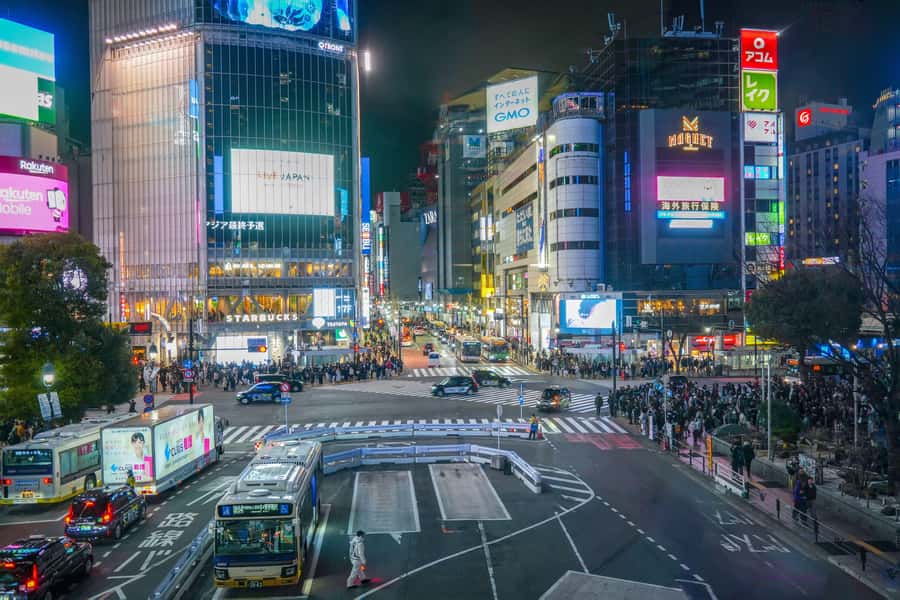
You’ll meet your guide at Hachiko Square, beside the Hachiko statue near a lottery booth. It’s a good setup because Shibuya can feel like a maze if you show up cold. Starting in this exact landmark area means you spend your energy looking at the neighborhood, not hunting for your group.
Arrive 15 minutes early. This isn’t just “be polite” advice—Shibuya is busy, and a smooth start helps the walking portion feel relaxed. One of the strongest themes in the feedback is pacing: the best tours keep the group from rushing through scenes, then save the real awe for the sky deck.
If you’re joining a group that runs in the early evening (one set of reviews mentions a 5:00 pm start), you’ll likely hit a nice transition: city streets first, then night lights from above. That timing combo is part of why this pairing works so well.
More booked around Shibuya Crossing
- Official Street Go-Kart in Shibuya
★ 5.0 · 3,435 reviews - Tokyo: Street Kart Experience in Shibuya
★ 4.9 · 1,484 reviews - Shibuya Meltdown Nightlife Tour: All-You-Can-Drink Bar Hopping
★ 5.0 · 1,058 reviews - Shibuya Official Street Go-Kart in Shibuya Annex
★ 5.0 · 972 reviews
Walking Shibuya: Crossing, Center Gai, Yokocho, and Miyashita Park
The walking section is the “spirit of Shibuya.” You’re not just passing sights—you’re moving through the places that give the district its identity.
Shibuya Crossing: your visual warm-up
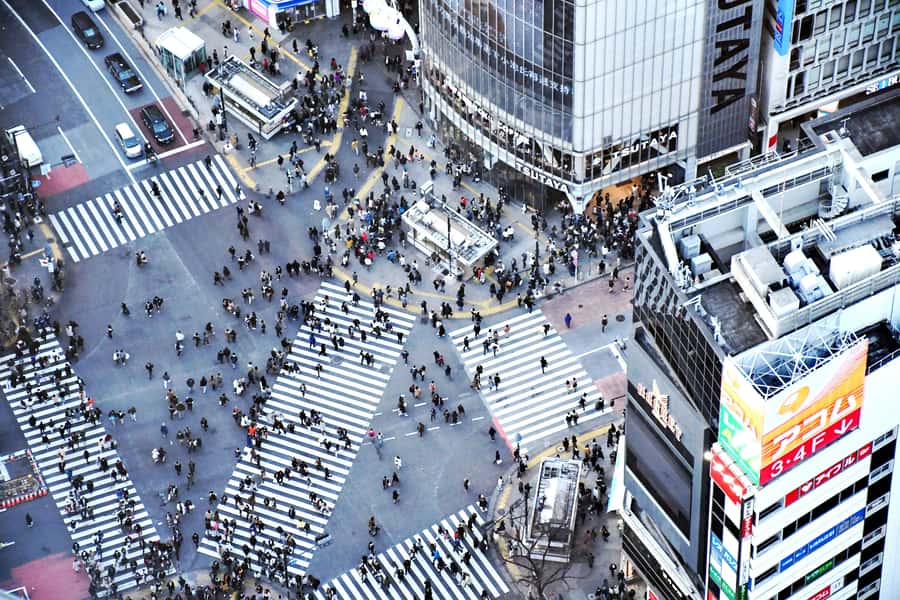
The tour takes you to the famous Shibuya Crossing. This is the iconic bit, yes, but what makes it worth doing with a guide is context. Your guide helps you understand what you’re seeing right then: a street system that’s designed for constant flow, with people acting like a coordinated pattern rather than a crowd that’s random.
It also sets your mindset for later. Once you’ve seen the crossing from street level, looking down later from Shibuya Sky feels like stepping into a control room view of the city.
Center Gai: classic Shibuya energy
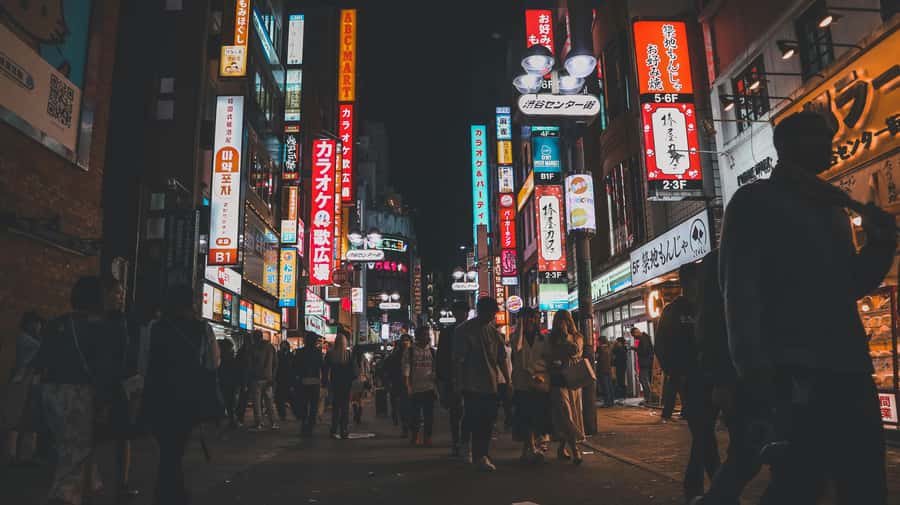
Next up is Center Gai. This is where the vibe shifts toward shopping, signage, and that unmistakable Shibuya “night out” feel. With a guide, you’ll get more than photos here. You’ll get commentary that helps you read the architecture and street design as part of how the area works.
If you like understanding how a neighborhood functions (not just how it looks), this part is a plus.
Shibuya Yokocho: smaller streets, bigger character
Shibuya Yokocho is a contrast stop. Instead of the wide, major thoroughfares, you’re looking at narrower lanes and the kind of street layout that feels built for lingering. Reviews mention how the guide points out street art and architecture, and that matters here—Yokocho is the sort of place where small details reward slower attention.
This stop also helps balance the tour. After Center Gai’s louder energy, Yokocho makes Shibuya feel human-sized.
Readers also shortlisted these Tokyo bookings:
- Tokyo Tsukiji Fish Market Food and Culture Walking Tour★ 5.0 · 3,184 reviews
- Tokyo: Imperial Palace and Shogun Historical Walking Tour★ 5.0 · 2,251 reviews
- Tokyo: Shinjuku Local Bar and Izakaya Guided Walking Tour★ 4.9 · 1,794 reviews
- Tokyo: Tsukiji Fish Market Food and Walking tour★ 5.0 · 1,724 reviews
- Tokyo: Asakusa Walking Tour with Sensoji Temple Visit★ 4.8 · 1,583 reviews
Miyashita Park: where the city breathes
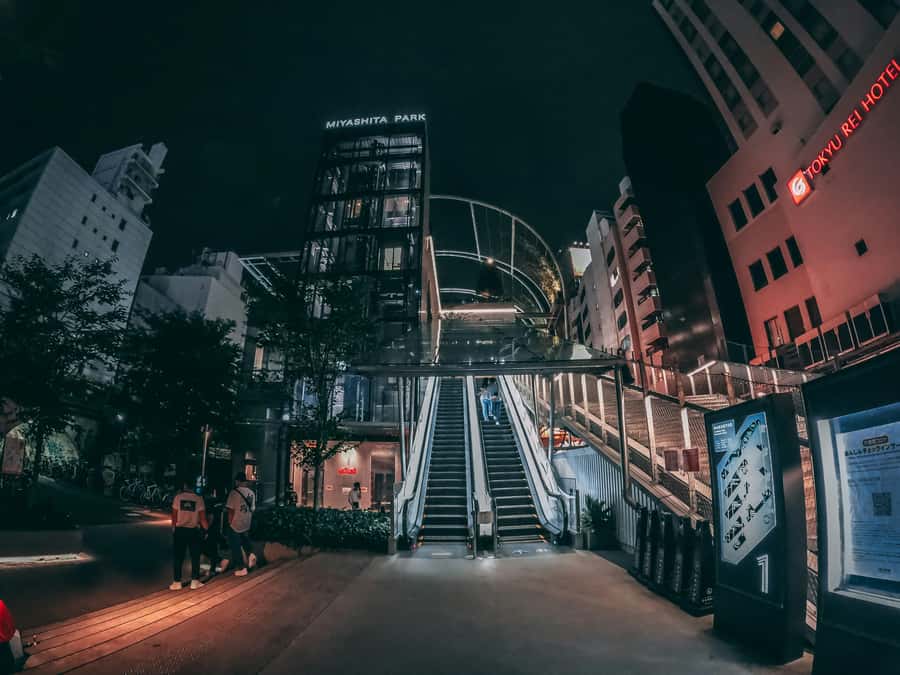
Then you’ll reach Miyashita Park. Think of it as a tonal reset. Parks in cities often do that job: they give you a place to slow down before you head upward again.
It’s also a practical breathing break during a walking tour. Even if you’re eager for the view, a short rest moment keeps you from arriving at Shibuya Sky feeling worn out.
Why the Guide Storytelling Changes Shibuya from Photos to Meaning
Plenty of tours can point at the same big sights. What makes this one stand out in the feedback is how the guide connects old and new Shibuya.
Several reviews highlight storytelling that links modern Shibuya to earlier eras, including references to the old Shibuya clan legacy and Shibuya’s shift from a historical stronghold into a modern cultural hub. Even if you don’t study Japanese history, that kind of framing gives you a lens for everything you see—why certain areas became popular, how the district reinvented itself, and what it means to be in Shibuya today.
Reviews also praise the way guides blend cultural icons with structural insights. That’s not academic talk. It’s practical: it helps you notice architectural surprises, interpret why a street feels the way it does, and understand the city’s logic before you go up.
And the communication seems consistently strong. Multiple reviews call out clear English with the right amount of flair. If language clarity matters to you—so you don’t just nod at highlights—this tour looks like a safe bet.
Shibuya Sky: 229 Meters Up for Real 360° City Vision
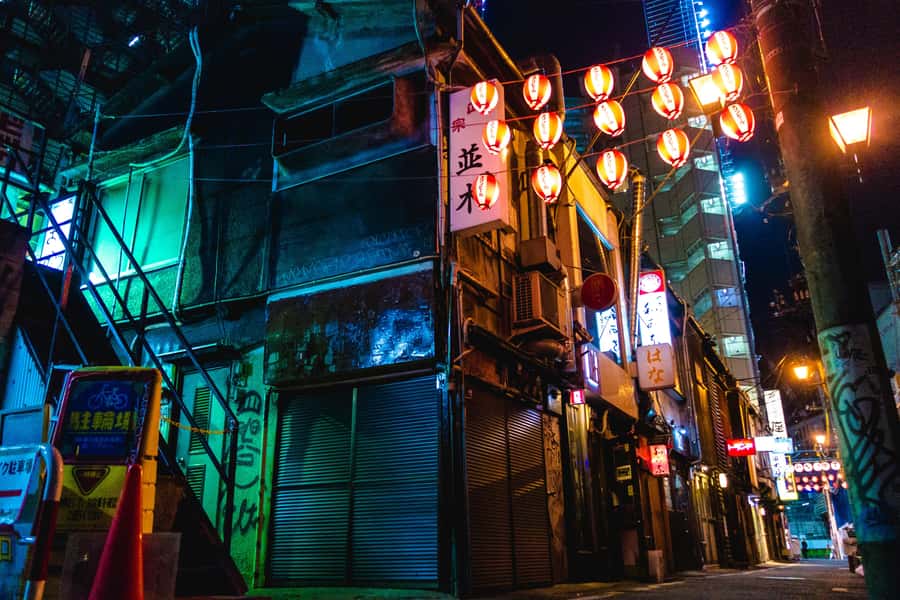
After the walk, you head to the top of Shibuya Scramble Square. From there, Shibuya Sky delivers the main event: an open-air observation deck at 229 meters above ground.
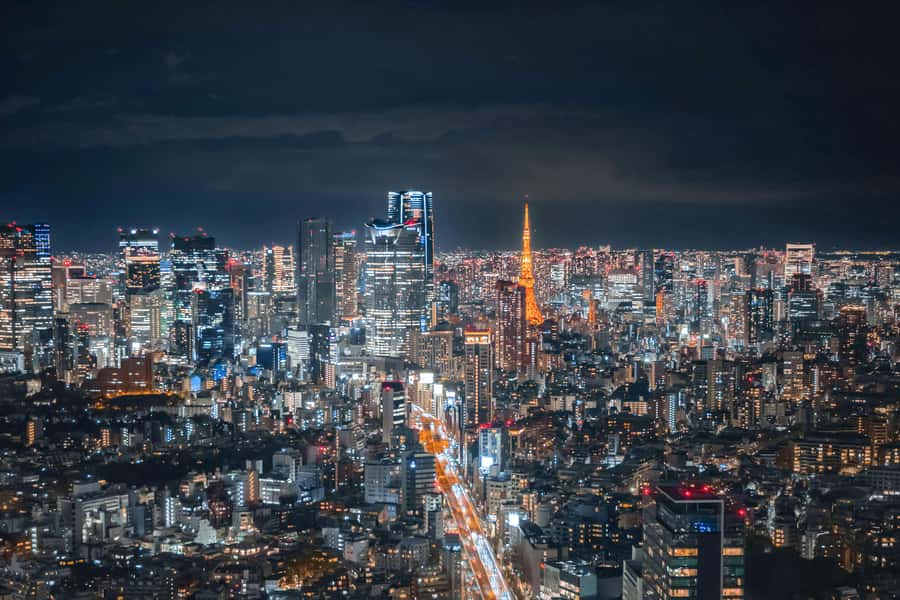
This height changes the city instantly. From the streets, Shibuya can look chaotic. From above, the chaos resolves into patterns—major roads, building shapes, and the way the neighborhood layers into the wider Tokyo grid.
The view at night: why it hits harder than daytime
Tokyo at night has a particular effect: lights turn everything into a map. Reviews describe the city coming alive with glowing lights and that futuristic feeling you only get when you look across many districts at once.
If you can, plan for night viewing. The walking portion gets you close to the energy, then Shibuya Sky turns it into a panorama.
Mount Fuji on clear days
One of the most talked-about payoffs is the possibility of spotting Mount Fuji on clear days. It’s not guaranteed (the weather matters), but it’s an excellent reason to choose a sky deck tour at all.
Even if you don’t see Fuji, you still get the “day-to-night transformation” effect: you’re looking at a living city rather than a static skyline.
Timing, Photos, and the Open-Air Deck Reality
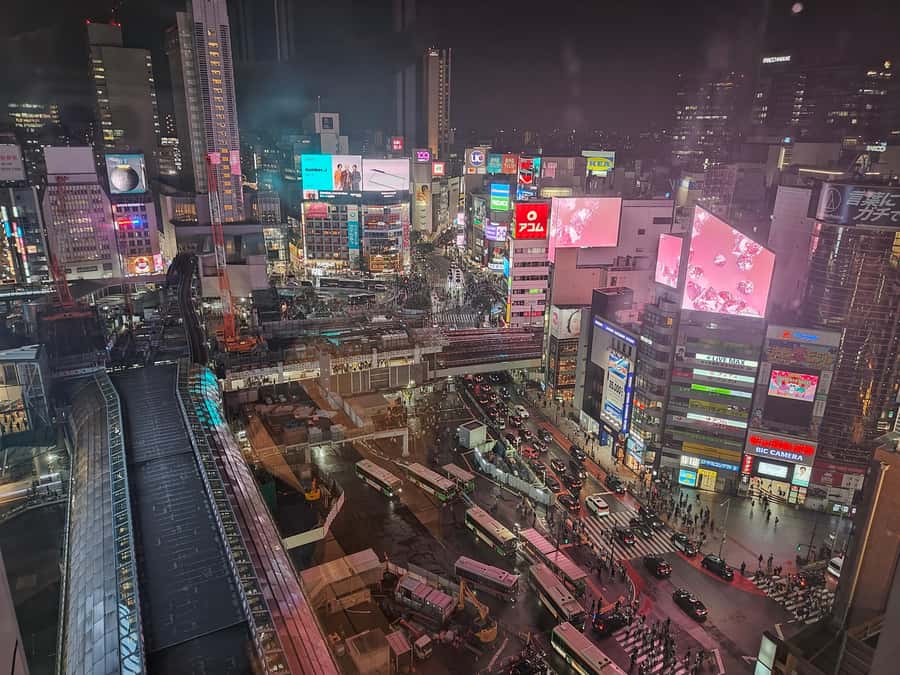
You’ll be going to an observation deck, and that means you’re dealing with the physical world: wind, crowds, and weather.
The good news is this tour is designed for that reality. The rooftop experience is tied to Shibuya Sky tickets, so once you’re there, you can take in the 360° viewpoints at your own pace as conditions allow.
Weather contingency you should plan for
If the rooftop is closed due to bad weather, the indoor observatory may remain open. That’s important because you don’t want your entire experience to hinge on perfect skies. The operator notes that if rooftop access is affected, you should contact them so they can provide an alternative.
So, I treat this as a “plan for night views” experience, not a “guaranteed rooftop” experience.
What to do about photos
You can take photos from the observation deck, and many reviews call out that the views are very Instagrammable. Just remember the restrictions: no tripods. That keeps the viewing area moving, but it means you’ll want to rely on handheld shots or quick phone framing.
Also, drones aren’t allowed, so you’re not competing with aircraft in the sky—just your own camera skills.
What’s Included, What’s Not, and How to Travel Light
Included:
- Guided walking tour
- Tickets to Shibuya Sky Observatory
Not included:
- Transportation
- Food and drinks
This matters because the value here is the pairing. You’re getting both the street-level context and the paid sky-deck access. If you were to do it on your own, you’d likely spend time figuring out where to go and what to notice, then still pay for the observatory ticket. The guide saves you that mental load during the busiest district in Tokyo.
Pack rules: they’re strict for a reason
No luggage or large bags are allowed. No food or drinks. No drones. No tripods.
So your best strategy is simple: carry what you truly need for a couple of hours—phone, charger (if you have one), wallet, and maybe a light layer if it cools down at night.
Best Time to Go and Who This Tour Fits Best
This tour is a strong fit if you want Shibuya in two speeds:
1) street-level energy with cultural and architectural context
2) city-level scale with 360° nighttime panoramas
It also seems to work especially well for people who care about a good guide. The feedback repeatedly praises the guide’s enthusiasm, storytelling, and pacing. Names like Lily show up in multiple reviews, and the consistency suggests you’ll be in caring hands.
You’ll also like it if you’re the type who enjoys “from there to here” experiences: see the famous crossing at ground level, then understand the neighborhood layout from above.
If you’re traveling with very heavy luggage or you hate walking in crowded areas, this may feel less comfortable because of the bag restrictions and the need to move between stops.
Value Check: Does This Combo Make Sense?
From a value standpoint, the blend is the point. You’re paying for:
- a guided explanation while you walk through key Shibuya areas (Crossing, Center Gai, Yokocho, Miyashita Park)
- direct Shibuya Sky access to the 229-meter, 360° deck
There’s no mention of long, drawn-out add-ons. It’s not trying to turn Shibuya Sky into an all-day event. It’s designed to give you the big view, fast—after you get your bearings on foot.
And since the rooftop can close in bad weather, you’re not ignoring the risk. The indoor observatory may remain open, which keeps the experience from turning into a total loss.
Should You Book This Shibuya Walking Tour and Shibuya Sky?
Book it if you want Shibuya you can actually understand—not just photograph. The guided walk helps you see the district’s layout and character, and Shibuya Sky rewards you with the skyline scale that street-level never shows.
Skip it (or pick a different plan) if you’re traveling with large luggage, hate walking through crowded streets, or need a guaranteed rooftop outdoor experience regardless of weather.
If your goal is a classic Shibuya night-view moment, plus a guide-led tour that helps you notice the important stuff, this combo is a very sensible choice.
FAQ
Where do I meet the guide?
Meet at Hachiko Square, next to the Hachiko statue, beside a lottery booth.
What time should I arrive?
Arrive at least 15 minutes early so the group can depart smoothly.
What’s included in the tour?
The package includes a guided walking tour and tickets to the Shibuya Sky Observatory.
What’s not included?
Transportation and food and drinks are not included.
How high is Shibuya Sky, and what views do I get?
The observatory is 229 meters above ground, with 360-degree views of Tokyo.
Can I see Mount Fuji during the visit?
Mount Fuji can be spotted on clear days.
What happens if the weather is bad?
If the rooftop is closed due to bad weather, the indoor observatory may remain open. If this happens, contact the provider for an alternative.
More Tours in Tokyo
- Mt Fuji and Hakone 1-Day Bus Tour Return by Bullet Train
★ 5.0 · 26,383 reviews - 1-Day Tokyo Bus Tour
★ 5.0 · 14,250 reviews - Tokyo: Shinjuku Food Tour (13 Dishes at 4 Local Eateries)
★ 5.0 · 6,603 reviews - Tokyo Mt Fuji 5th St & Hakone Cruise Bus Tour w/Bullet Train
★ 4.4 · 5,024 reviews - Flagship 2-Hours Official Street Go-Kart Tour – Tokyo Bay Shop
★ 5.0 · 4,974 reviews
More Tour Reviews in Tokyo
- Mt Fuji and Hakone 1-Day Bus Tour Return by Bullet Train
★ 5.0 · 26,383 reviews - 1-Day Tokyo Bus Tour
★ 5.0 · 14,250 reviews - Tokyo: teamLab Planets TOKYO Digital Art Museum Entry Ticket
★ 4.6 · 9,779 reviews - Mt Fuji & Hakone Cruise, Drum Show Bullet Train 1 Day from Tokyo
★ 4.0 · 7,413 reviews - Tokyo: Shinjuku Food Tour (13 Dishes at 4 Local Eateries)
★ 5.0 · 6,603 reviews
More Around Shibuya Crossing
- Official Street Go-Kart in Shibuya
★ 5.0 · 3,435 reviews - Tokyo: Street Kart Experience in Shibuya
★ 4.9 · 1,484 reviews - Shibuya Meltdown Nightlife Tour: All-You-Can-Drink Bar Hopping
★ 5.0 · 1,058 reviews - Shibuya Official Street Go-Kart in Shibuya Annex
★ 5.0 · 972 reviews - Tokyo: Shibuya Food Tour (13 dishes and 4 Eateries)
★ 5.0 · 770 reviews
Latest Tokyo reviews off our desk


Shibuya Experiences, compared.
 ★ 5.0Official Street Go-Kart in ShibuyaFrom $763,435 reviews
 ★ 4.9Street Kart Experience in ShibuyaFrom $741,484 reviews
 ★ 5.0Shibuya Meltdown Nightlife Tour: All-You-Can-Drink Bar HoppingFrom $1061,058 reviews
 ★ 5.0Shibuya Official Street Go-Kart in Shibuya AnnexFrom $69972 reviews
 ★ 5.0Shibuya Food Tour (13 dishes and 4 Eateries)From $77770 reviews
 ★ 5.0Best of Shibuya Food TourFrom $217612 reviews
 ★ 4.8Shibuya Highlights Walking TourFrom $19601 reviews
 ★ 4.7Premium Go-Kart Tour with Tower & Shibuya CrossingFrom $116528 reviews
Browse the lists this tour appears in