
Fifteen dishes in Shinjuku sounds like trouble. It’s also why this tour is so fun: you get 15 dishes across four local eateries with an English-speaking guide, plus a few drinks. One thing to watch is that the drink tally can vary by night; some groups reported getting 2 drinks even though the description lists 3.
You’ll also walk through Shinjuku’s nighttime side, hitting key areas like Golden Gai and Omoide Yokocho, then ending in Kabukicho. I like that the guide doesn’t just point you toward food, they help you understand what you’re eating and how to order, so you feel more confident in Tokyo afterward.
In This Review
- Key things I’d circle before you book
- Entering Shinjuku for Dinner: What the 3 Hours Actually Feels Like
- Meeting Point at Nishi-Shinjuku: How to Find α 107 Building and the Blue AOKI Sign
- The Four-Eatery Setup: How You Get 15 Dishes Without Getting Stuck
- Golden Gai Dinner Hour: The First Taste of Shinjuku’s Nightlife Food Mood
- Omoide Yokocho: Where the Food Feels Like It Belongs to the Neighborhood
- Kabukicho Dinner Hour: Finish Strong With More Variety
- Drinks and Pairings: What’s Included, What Might Vary, and How to Choose
- The Guide’s Role: English Help, Timing, and Real-World Ordering
- What You’ll Taste: A Mix of Classics, Comfort Foods, and Texture
- Walking and Comfort: What to Expect With Steps and Small Venues
- Value Check: Is $72 Reasonable for 15 Dishes and Drinks?
- Who This Tour Suits Best (And Who Might Want a Different Plan)
- Should You Book This Shinjuku Food Tour?
- FAQ
- How long is the Tokyo Shinjuku Food Tour?
- Where do I meet the guide?
- How many dishes and drinks are included?
- What’s included with the price?
- Is the guide English-speaking?
- What should I bring?
- Can I cancel for a full refund?
- Can I reserve without paying right away?
Key things I’d circle before you book
- 15 dishes for a full meal: This isn’t light sampling. Come hungry.
- Four local eateries, four different vibes: You won’t be stuck eating the same style all night.
- English guide who keeps the group moving: People mention quick pacing and finding seats.
- Shinjuku backstreets between stops: You’ll cover more than just one restaurant block.
- A real dinner plan, not a sightseeing add-on: Food first, then the neighborhood context as you go.
Entering Shinjuku for Dinner: What the 3 Hours Actually Feels Like
This is a walking-and-eating night that’s built around one simple goal: get you fed well, with the kind of Japanese dishes you’d struggle to assemble on your own. The total time is 3 hours, which is long enough to taste a lot and still short enough to keep things energetic.
What makes the pacing work is that it’s structured around meal stops. You start at α 107 Building, then you move to major Shinjuku food areas for dinner, with guided time at each. The tour style is practical: you’re expected to walk, stand, and sit down when you get to each restaurant, arcade, or alley-side spot.
If you’ve ever arrived in Tokyo thinking I’ll just try a little of everything, this tour is the answer. It turns that impulse into a plan. And because you’re sampling 15 dishes, you’re not left with that travel-tasting problem where you try a few items and then feel like you missed the real meal.
More Shinjuku plates and pours our readers rated
- Tokyo: Shinjuku Food Tour (13 Dishes at 4 Local Eateries)
★ 5.0 · 6,603 reviews - Tokyo Bar Hopping Tour in Shinjuku (All-You-Can-Drink + Dinner)
★ 5.0 · 3,587 reviews - Tokyo: Shinjuku Food Tour (15 Dishes and 4 Eateries)
★ 4.9 · 2,033 reviews - Best of Shinjuku: Izakaya Food Tour (4 Stops, 14+ Tastings)
★ 5.0 · 1,863 reviews
Meeting Point at Nishi-Shinjuku: How to Find α 107 Building and the Blue AOKI Sign
Logistics matter in Shinjuku. The meeting point is clearly defined: meet in front of the blue AOKI sign near the Starbucks in Nishi-Shinjuku, by the west exit.
Here’s how I’d handle it for the smoothest start:
- Arrive a little early and locate the blue AOKI sign first, then the Starbucks reference point.
- If you’re navigating on foot, plan a quick buffer because Shinjuku streets can feel like a maze at night.
The tour returns to the same starting area at the end, so you’re not left guessing where you’ll end up.
One more small thing: bring cash. The tour specifically requests it, which tells you that not every stop is set up the same way for visitors.
The Four-Eatery Setup: How You Get 15 Dishes Without Getting Stuck
The description is straightforward: four local eateries, 15 dishes, and 3 drinks. The key is what “enough for a full meal” really means in practice. By the end, you should expect to feel like you had dinner, not like you took a bite at four different places.
This matters because food tours can go two ways: either they’re light and snacky, or they’re heavy and leave you stuffed. This one clearly lands closer to the full-meal side. Several people mention having more food than they could finish, which is exactly what you want if your goal is to actually eat your way through Tokyo.
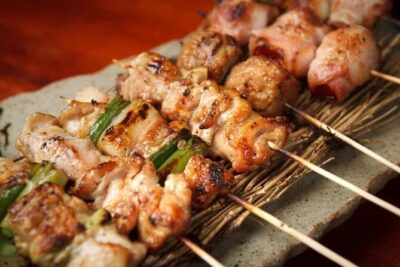
Also, the dish range isn’t random. The tour includes items like sashimi (melt-in-your-mouth style), tonkatsu (golden-crisp), gyoza (pan-fried), and other Japanese comfort and classic picks. You’re getting a mix of textures: raw, fried, pan-cooked, and likely warm comfort food alongside lighter items.
Golden Gai Dinner Hour: The First Taste of Shinjuku’s Nightlife Food Mood
Your first guided dinner segment is in Golden Gai. Even if you’ve never been there, the point is simple: you’re starting the night in a place that pulls people in for food and drinks and then moving on before the crowds fully overwhelm your senses.
In this hour, you’ll typically get your early set of dishes at the first of the four eateries. This is a good moment to slow down a bit and pay attention. The guide’s job here isn’t just to tell you what the dish is called; it’s to help you understand how to read Japanese food choices in context.
Practical tip for this part: pace yourself. With 15 dishes on the schedule, your best strategy is to eat at a “regular dinner” speed, not a “speedrun” speed. One reason the tour gets such high ratings is that the portions keep coming, and you want to still enjoy the later dishes.
Omoide Yokocho: Where the Food Feels Like It Belongs to the Neighborhood
Next up is Omoide Yokocho for another guided dinner hour. This stop is where the tour’s neighborhood-first approach becomes obvious: you’re not only eating Japanese food, you’re seeing the everyday Tokyo structure that shapes how people drink and eat.
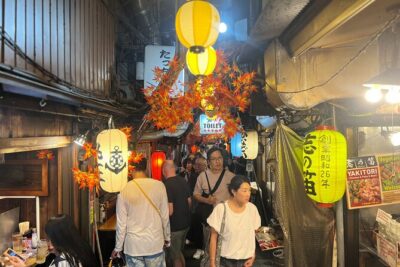
Omoide Yokocho is part of that Shinjuku feel the tour is aiming for: lantern-lit alleys and backstreet energy, the kind of atmosphere that’s hard to recreate from a map. The guide also adds interpretation as you go—what the dish means, what ingredients matter, and how ordering works in that local rhythm.
This is also a great place for conversation. The tour runs with fellow food lovers, and several people highlight how easy it is to talk during the meal stops. When you’re in a group, it’s easier to compare notes after each dish without feeling awkward.
Readers also shortlisted these Tokyo bookings:
- Tokyo: Shinjuku Food Tour (13 Dishes at 4 Local Eateries)★ 5.0 · 6,603 reviews
- Tokyo Tsukiji Fish Market Food and Culture Walking Tour★ 5.0 · 3,184 reviews
- Tokyo: Shinjuku Food Tour (15 Dishes and 4 Eateries)★ 4.9 · 2,033 reviews
- Best of Shinjuku: Izakaya Food Tour (4 Stops, 14+ Tastings)★ 5.0 · 1,863 reviews
- Tokyo: Tsukiji Fish Market Food and Walking tour★ 5.0 · 1,724 reviews
Kabukicho Dinner Hour: Finish Strong With More Variety
The final neighborhood dinner segment is Kabukicho, also guided for about an hour. By now, you’ll have tasted a lot, so the last stop matters for two reasons:
- It gives you more variety, not just repeats.
- It helps you end the night with a sense of place, not just full plates.
This is where I’d switch into “enjoy mode,” because you’ve already learned the tour’s rhythm. Earlier dishes should set expectations. You’ll know the difference between raw and fried styles, and you’ll be able to judge what you like before the last few dishes arrive.
If you’re someone who gets food-bored easily, this last stop is a good bet because the tour’s range is built in. You’re not likely to reach the end and realize you only ate one category of dish.
Drinks and Pairings: What’s Included, What Might Vary, and How to Choose
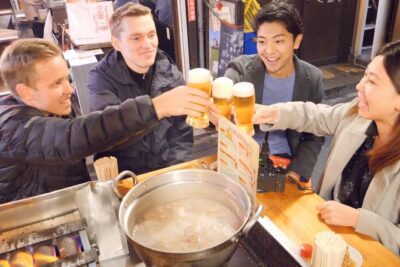
The tour includes 3 drinks with alcoholic and non-alcoholic options. Some reports mention sake and beer, which fits the typical Japanese food-and-drink pairing style. If you don’t drink alcohol, you should still have options that keep you in the loop.
A heads-up from the data: a few groups reported receiving only 2 drinks instead of 3. That doesn’t sound like a dealbreaker for everyone, but it’s worth knowing if you’re budgeting around alcohol.
How I’d handle your choices during the tour:
- If you want to experience Japanese drinking culture, try one alcoholic drink and keep your pace steady.
- If you’re driving later, doing a late-night activity, or just don’t want alcohol, stick with a non-alcoholic option and use the guided talk to learn what you’re skipping.
The Guide’s Role: English Help, Timing, and Real-World Ordering
This tour succeeds because the guide does more than translate menus. People repeatedly mention that guides keep things on time, manage seating for everyone, and help the group stay together.
You’ll see different guide names in the record, including Rikki, Emma, Yin, and Shane W. That variation matters because it suggests the company keeps staffing consistent: the common thread is the ability to handle a group smoothly in busy areas.
There’s also a clear pattern of friendly, helpful service. One person noted patience when they got lost, and another mentioned accommodations for food allergies. That means the guide is paying attention to practical needs, not just reciting facts.
What You’ll Taste: A Mix of Classics, Comfort Foods, and Texture
The tour description includes specific dish examples, and the overall theme is straightforward: bold, comforting Japanese food in proper meal quantities.
From the provided details, you can expect at least some combination of:
- Sashimi, described as melt-in-your-mouth
- Tonkatsu, described as golden-crisp
- Gyoza, pan-fried
- Plus additional dishes to make the full set of 15
This mix is smart because it hits different textures and cooking styles. Even if you already know Japanese food basics, it’s the texture variety—raw vs fried vs pan-cooked—that makes the tour feel like more than a checklist.
Walking and Comfort: What to Expect With Steps and Small Venues
Because the tour is based on multiple local eateries and backstreet areas, don’t expect big, modern, step-free venues everywhere. One venue involved a step-up with no lift, based on a participant’s note.
If you have mobility concerns, I’d treat this as a real consideration. Wear shoes that work for uneven sidewalks and be ready for standing in line or climbing a step when you enter.
Also, the group is moving between neighborhood areas. Plan for a real walk, not a slow stroll.
Value Check: Is $72 Reasonable for 15 Dishes and Drinks?
At $72 per person for 3 hours, the pricing only makes sense if you focus on what’s included, not just the hourly rate.
You’re getting:
- 15 dishes (enough for a full meal)
- 3 drinks (alcoholic and non-alcoholic options)
- Visits to 4 local eateries
- An English-speaking guide
For many visitors, the best part of this kind of tour is the decision-saving. In Shinjuku, you’ll see plenty of restaurants, but choosing the right ones, navigating language gaps, and figuring out ordering takes time. The tour pays that time cost for you. It also reduces the chance of ending up in a place that looks good but doesn’t deliver the type of meal variety you want.
The small caution: drink counts may vary. But even if you receive 2 drinks on some nights, you still have the core value equation: 15 dishes across four stops with local guidance.
Who This Tour Suits Best (And Who Might Want a Different Plan)
This is a great fit if you:
- Want a full dinner made of multiple Japanese dishes
- Like walking through neighborhoods at night, not just sitting in one restaurant
- Prefer guidance that helps you order and understand food culture
- Want an easy way to meet other visitors who also care about food
It may not be ideal if you:
- Have a very small appetite or dislike being served multiple courses
- Want a lighter tasting approach (this is meal-like, not snack-only)
- Have mobility limitations due to small venues and possible steps
Should You Book This Shinjuku Food Tour?
I’d book it if your goal is to eat your way through Shinjuku with less planning stress and more payoff. The strongest reasons to go are the 15-dish volume, the mix of classic Japanese styles like sashimi, tonkatsu, and gyoza, and the fact that the guide seems to keep the group organized and well looked after.
Before you go, do two things:
- Come hungry, because the portions can be more than you expect.
- Bring cash and wear shoes ready for walking and occasional steps.
If that sounds like your kind of Tokyo night, this is a solid choice to get a real meal plus real neighborhood feel in one go.
FAQ
How long is the Tokyo Shinjuku Food Tour?
The tour lasts 3 hours.
Where do I meet the guide?
Meet in front of the blue AOKI sign right by the Starbucks in Nishi-Shinjuku (west exit).
How many dishes and drinks are included?
You’ll sample 15 dishes and receive 3 drinks, with both alcoholic and non-alcoholic options.
What’s included with the price?
Included are an English-speaking guide, a city tour, 15 dishes (enough for a full meal), 3 drinks, and visits to 4 local eateries.
Is the guide English-speaking?
Yes. The live tour guide speaks English.
What should I bring?
Bring cash.
Can I cancel for a full refund?
Yes. Free cancellation is available up to 24 hours in advance.
Can I reserve without paying right away?
Yes. You can reserve now and pay later.
More Tours in Tokyo
- Mt Fuji and Hakone 1-Day Bus Tour Return by Bullet Train
★ 5.0 · 26,383 reviews - 1-Day Tokyo Bus Tour
★ 5.0 · 14,250 reviews - Tokyo: Shinjuku Food Tour (13 Dishes at 4 Local Eateries)
★ 5.0 · 6,603 reviews - Tokyo Mt Fuji 5th St & Hakone Cruise Bus Tour w/Bullet Train
★ 4.4 · 5,024 reviews - Flagship 2-Hours Official Street Go-Kart Tour – Tokyo Bay Shop
★ 5.0 · 4,974 reviews
More Tour Reviews in Tokyo
- Mt Fuji and Hakone 1-Day Bus Tour Return by Bullet Train
★ 5.0 · 26,383 reviews - 1-Day Tokyo Bus Tour
★ 5.0 · 14,250 reviews - Tokyo: teamLab Planets TOKYO Digital Art Museum Entry Ticket
★ 4.6 · 9,779 reviews - Mt Fuji & Hakone Cruise, Drum Show Bullet Train 1 Day from Tokyo
★ 4.0 · 7,413 reviews - Tokyo: Shinjuku Food Tour (13 Dishes at 4 Local Eateries)
★ 5.0 · 6,603 reviews
More Shinjuku Food and Drink
- Tokyo: Shinjuku Food Tour (13 Dishes at 4 Local Eateries)
★ 5.0 · 6,603 reviews - Tokyo Bar Hopping Tour in Shinjuku (All-You-Can-Drink + Dinner)
★ 5.0 · 3,587 reviews - Tokyo: Shinjuku Food Tour (15 Dishes and 4 Eateries)
★ 4.9 · 2,033 reviews - Best of Shinjuku: Izakaya Food Tour (4 Stops, 14+ Tastings)
★ 5.0 · 1,863 reviews - Tokyo: Shinjuku Local Bar and Izakaya Guided Walking Tour
★ 4.9 · 1,794 reviews
Latest Tokyo reviews off our desk






Shinjuku Food & Bar Tours, compared.
 ★ 5.0Shinjuku Food Tour (13 Dishes at 4 Local Eateries)From $866,603 reviews
 ★ 5.0Tokyo Bar Hopping Tour in Shinjuku (All-You-Can-Drink + Dinner)From $1063,587 reviews
 ★ 4.9Shinjuku Food Tour (15 Dishes and 4 Eateries)From $852,033 reviews
 ★ 5.0Best of Shinjuku: Izakaya Food Tour (4 Stops, 14+ Tastings)From $921,863 reviews
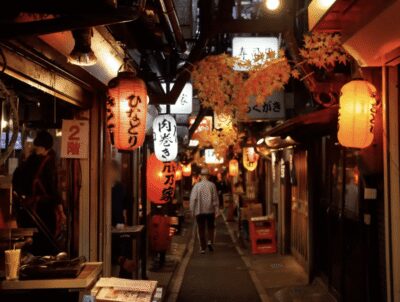 ★ 4.9Shinjuku Local Bar and Izakaya Guided Walking TourFrom $341,794 reviews
 ★ 5.0Tokyo Shinjuku Chopsticks Making ClassFrom $201,763 reviews
 ★ 5.0Tokyo Shinjuku Sumo Show & Experience with PhotoFrom $791,750 reviews
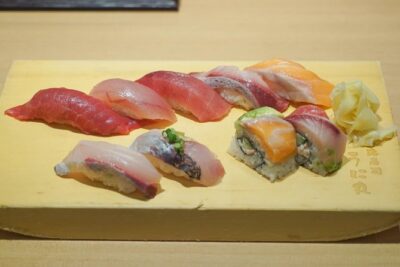 ★ 5.0Tokyo Night Foodie Tour in Shinjuku – Seasonal Sushi, Wagyu BeefFrom $1111,161 reviews
Browse the lists this tour appears in