
Reviewed · FOOD & DRINK
Tokyo: West-Side Cycling and Food Tour with Guide
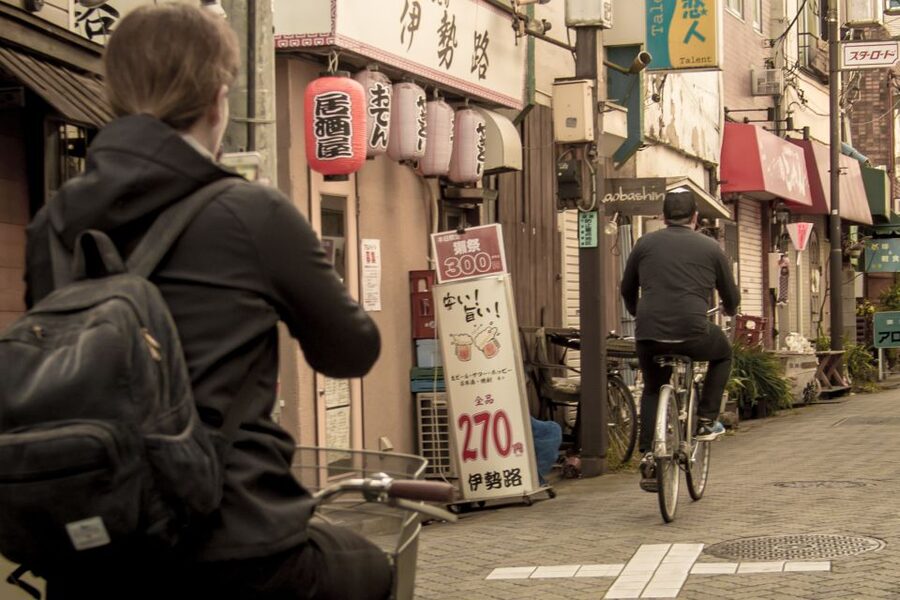
Tokyo can feel like a maze. But West Tokyo by bike makes it make sense fast. I like how the route favors Nakano, Koenji, and Asagaya—the kind of places you’d miss if you only stay near the big sights. I also like that you ride proper Tokyo-style bikes, then refuel with a simple lunch plus street food that feels like everyday life. One possible drawback: you need to be comfortable cycling in tight, occasionally crowded streets, and weather may leave you a bit wet since the tour generally keeps going in rain.
Your guide is Andy, and his value isn’t just where to go. It’s how he explains the habits and small rules of the neighborhoods, from bike etiquette to daily routines, so the city starts to click. You’re on a salvaged mamachari bike, sometimes a little creaky, but always set up to ride smoothly enough for alleys and side streets. If you’re hunting for a strict, polished food experience or a diet-specific menu, this is not built for that—no vegan option, and allergies aren’t catered to.
In This Review
- Key highlights worth planning around
- Price and what you really get for $110
- Koenji Station meet-up: the start is easy if you’re on time
- Mamachari bikes and Tokyo bicycle parking: why this matters
- The riding style: narrow streets, shared space, and real pace
- Nakano, Koenji, and Asagaya: what you’ll notice once you leave the center
- Street food and lunch: simple, local, and planned for motion
- Lunch stops: easy and practical
- Two street-food bites: what to expect
- Drinks and vending-machine know-how
- How the guide adds value: Andy’s local explanations
- What to bring (so the day stays comfortable)
- Getting the most out of the ride: my advice before you book
- Who should skip this tour (or choose something else)
- Rain, timing, and the “don’t be late” reality
- Is it worth it? The value math for a first-time Tokyo food-and-bike day
- Should you book the West Tokyo cycling and food tour?
- FAQ
- Where does the tour start?
- How long is the tour?
- How much cycling will I do?
- What’s the bicycle like, and do I need to be an experienced rider?
- Is the tour suitable for kids, and is there a height requirement?
- Are dietary needs accommodated (like vegan meals or allergies)?
- What should I bring?
Key highlights worth planning around
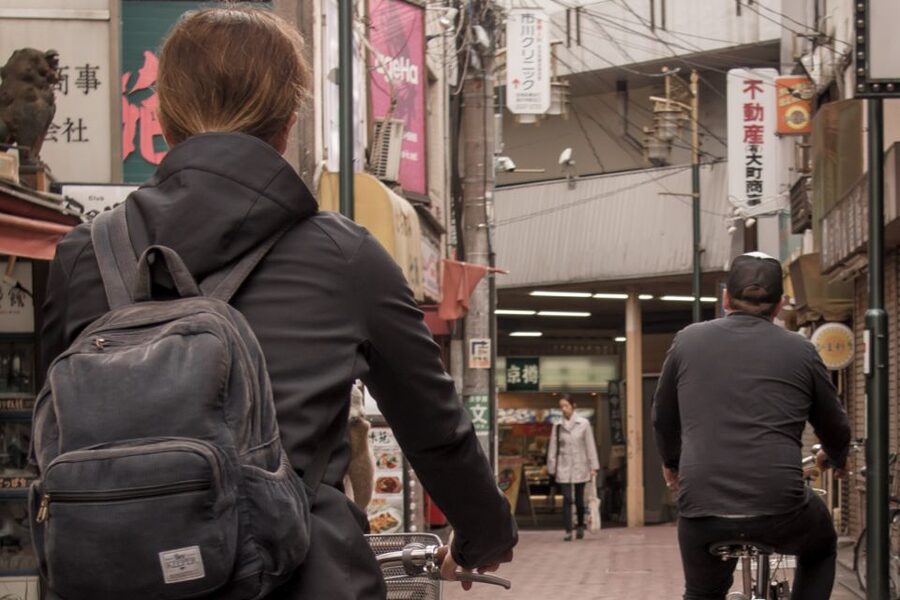
- Koenji Station start, right outside the ticket gates with Andy in a baseball cap (show up about 5 minutes early).
- 3.5 hours of riding plus walking across inner-west neighborhoods, not “tourist-only Tokyo.”
- Mamachari bikes that match how locals actually move around the city.
- Bicycle culture in action, including the way parking works and sharing space on busy streets.
- Lunch + two street food bites, plus a bottled drink you choose during the tour.
- Not diet-flexible, so go if you want local flavors more than strict requirements.
Price and what you really get for $110
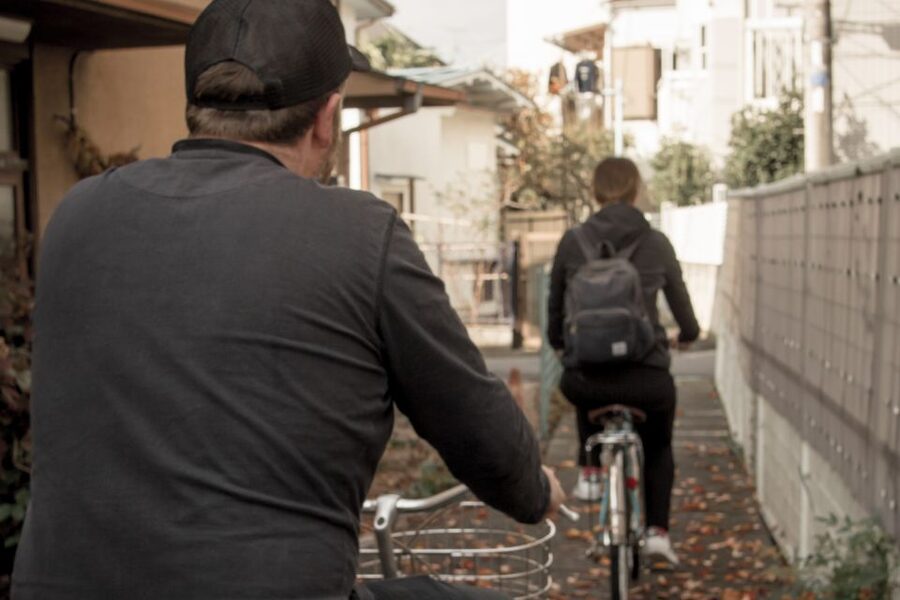
At $110 for about 210 minutes, this tour sits in the mid-range for Tokyo experiences. What makes it feel like good value is the mix: you get guided transportation (cycling and some walking), a local-food plan with lunch and two street-food stops, and insurance plus bicycle parking fees included.
It’s also not a “sit and watch” tour. You’re actively moving through neighborhoods like Nakano, Koenji, and Asagaya on bikes that resemble what you see on real streets. That’s the kind of time you can’t fake with a solo transit day, because you’re learning the hows—where to ride, when to pause, and how people behave around bikes and snack stops.
Readers also shortlisted these Tokyo bookings:
- Tokyo: Shinjuku Food Tour (13 Dishes at 4 Local Eateries)
★ 5.0 · 6,603 reviews - Tokyo Tsukiji Fish Market Food and Culture Walking Tour
★ 5.0 · 3,184 reviews - Tokyo: Shinjuku Food Tour (15 Dishes and 4 Eateries)
★ 4.9 · 2,033 reviews - Best of Shinjuku: Izakaya Food Tour (4 Stops, 14+ Tastings)
★ 5.0 · 1,863 reviews
Koenji Station meet-up: the start is easy if you’re on time
The tour meets at Koenji Station on the JR network. Koenji is quieter than Shinjuku or Shibuya, and the trip is straightforward: about 6 minutes from Shinjuku, or about 18 minutes from Shibuya, depending on trains.
Look for the guide directly outside the ticket gates about five minutes before departure. Andy wears a baseball cap, and the experience leaves on time—so don’t treat this like a “meet whenever” situation. If you show up late, you’ll miss the planned ride window and the group may move out without you.
Mamachari bikes and Tokyo bicycle parking: why this matters
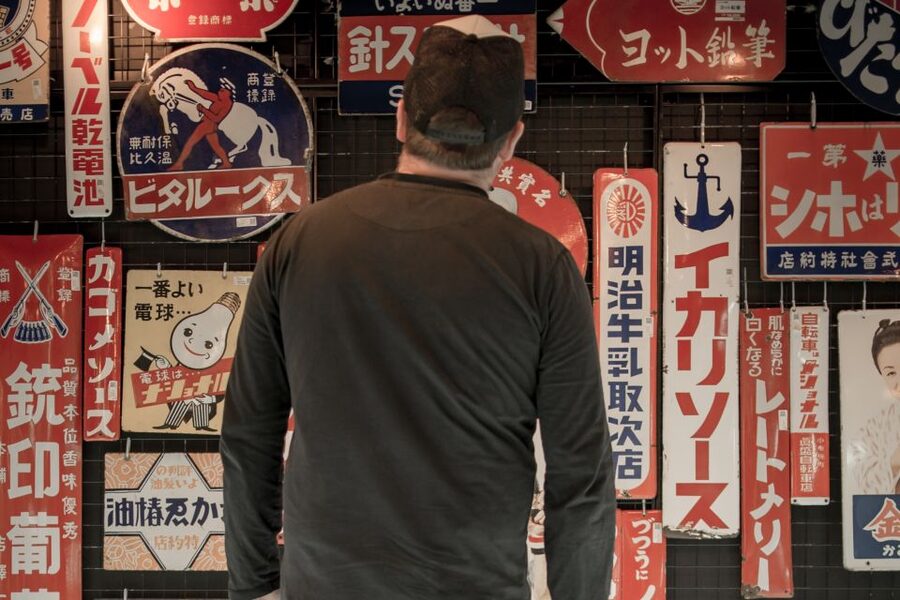
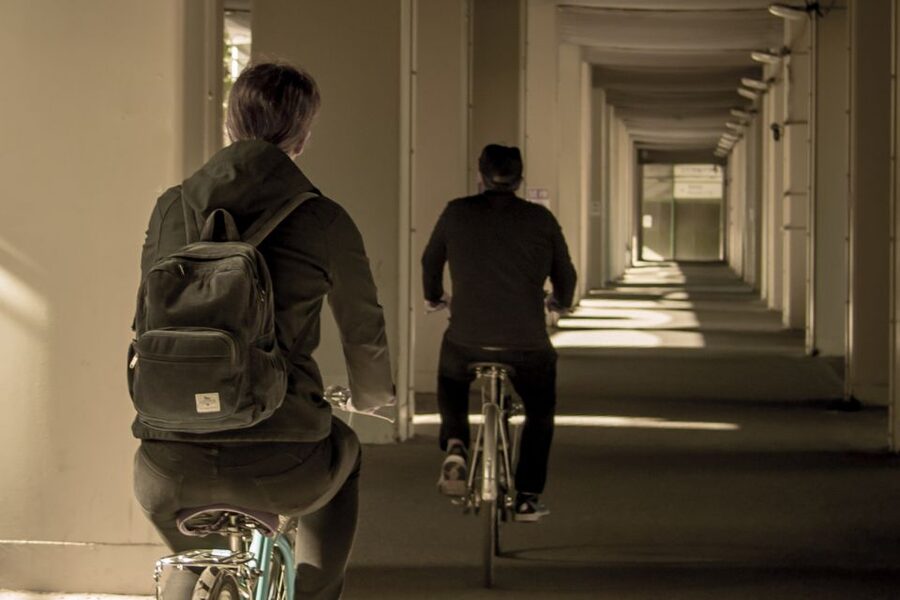
The bikes are salvaged mamachari—the classic commuter style you’ll see everywhere in Japan, usually with a front basket. The point isn’t nostalgia. The point is realism. You’re not learning on a vacation bike that behaves differently than what locals use.
You’ll ride roughly 12–15 km (about 7.5–9.5 miles) at a leisurely pace, but it’s still a real ride. Expect some narrow stretches and uneven surfaces. In one of the strongest themes from people who did the tour: the bikes handle small alleys well, and the ride feels confidence-building once you’re moving.
You’ll also see how Tokyo treats bicycle parking as a normal part of daily life. That includes the practical details of where bikes are placed and how parking fees are handled, which is part of why the tour includes bicycle parking fees in the ticket price. If you’ve ever wrestled with bike rules in a new country, you’ll appreciate learning the system from someone who does it every day.
The riding style: narrow streets, shared space, and real pace
This is an “inner neighborhoods” ride, so you don’t get to avoid people and cars entirely. You’ll cycle back streets and riverside bike paths, and you’ll pass through areas with active daily rhythm—people commuting, errands running, and the general push-and-pull of urban life.
Here’s the key requirement: you should be competent on a bicycle for the distance and conditions. The tour description is honest about the expectations. If you’re a shaky rider, this will stress you out instead of helping you enjoy the neighborhoods.
If you’re a comfortable rider, you’ll likely find the pace fun rather than exhausting. The goal is to keep you in the flow—stop for food, walk a bit, pedal again—while the guide steers you away from the most obvious tourist corridors.
Nakano, Koenji, and Asagaya: what you’ll notice once you leave the center
This tour focuses on West Tokyo neighborhoods that feel more like a place locals actually live. Nakano, Koenji, and Asagaya are different enough that the ride doesn’t feel repetitive.
In Nakano, the feel is often busy in a local way—streets where you can sense everyday routines rather than curated shopping. In Koenji, expect a more creative edge and street-level energy, and in Asagaya the mood tends to balance lively blocks with quieter back streets. Since the tour is cycling-based, you get to see those transitions without losing time to long transit hops.
One of the most praised parts of this experience is how the guide helps you read the neighborhoods. Andy doesn’t just point; he explains. People come away talking about the insight into Japanese habits and society, including how daily life shapes the street scene you’re riding through.
Readers also shortlisted these Tokyo bookings:
- Tokyo: Tsukiji Fish Market Food and Walking tour★ 5.0 · 1,724 reviews
- Tokyo Night Foodie Tour in Shinjuku – Seasonal Sushi, Wagyu Beef★ 5.0 · 1,161 reviews
- Eat and Drink Like a Local: Tokyo Ueno Food Tour-Taverns&Ramen★ 5.0 · 957 reviews
- Tokyo: Shibuya Food Tour (13 dishes and 4 Eateries)★ 5.0 · 770 reviews
- Tokyo: Tsukiji Fish Market Food and Culture Walking Tour★ 4.7 · 757 reviews
Street food and lunch: simple, local, and planned for motion
Food is a big reason people love this tour, but it’s not a “food festival” style day. The plan is built around movement: a simple local lunch, two street food eats, and a choice of bottled drink.
Lunch stops: easy and practical
Lunch is described as a simple Japanese meal. You should expect something that fits into a guided day: quick enough to keep the schedule and substantial enough to fuel the rest of the ride.
From participant experiences, lunch has included a casual noodle bar setup, which makes sense for this kind of tour. You’re not stuck in a slow, formal restaurant where bikes suddenly become a detour. Instead, you eat like locals do—fast, focused, and ready for the next block.
Two street-food bites: what to expect
The street food eats are “popular” choices rather than experimental extremes. That’s a good thing for most first-time visitors because it lowers the risk of missing the flavors that are easiest to love in Japan.
Importantly: the tour does not cater to personal tastes, dietary requirements, or allergies. That means if you need vegan food or you have allergy restrictions, you’ll be taking a gamble. For most people without restrictions, this kind of structured sampling is a strong way to learn what everyday Tokyo tastes like.
Drinks and vending-machine know-how
One of the neat extras from the experience is how the guide helps demystify small everyday habits—like vending machine drinks. If you’ve stared at a machine and wondered what you’re supposed to press, you’ll feel more confident afterward.
How the guide adds value: Andy’s local explanations
A bike tour can be just logistics. What makes this one stand out in the best way is the explanation layer.
Andy is described as fun and engaging, with a style that mixes Japanese hospitality with an Australian sense of humor. That matters because cycling through Japan isn’t only about routes—it’s about understanding how people behave around bikes, where you can safely pause, and what’s normal on the street.
The strongest praise repeatedly points to his ability to connect you to local life beyond food. People mention insight into habits and society, and also note that Andy answers questions patiently rather than brushing them off. Some participants even received follow-up recommendations after the tour, which is handy if you want to build on what you learned instead of treating the day as a one-off.
What to bring (so the day stays comfortable)
The essentials are practical and light. Bring:
- Passport or ID card
- Hand sanitizer or tissues
- Garbage bag
That last one is more useful than it sounds. After snacks and drinks, you’ll want a quick way to manage wrappers. Japan is generally clean, but during street stops you still need to store your own trash until you find a bin.
If you’re sensitive to weather, also consider extra tissues beyond what you bring, and wear layers. The tour is outdoor and may be impacted by weather. Rain usually means you get wet, but it typically still runs.
Getting the most out of the ride: my advice before you book
This tour fits best if you want Tokyo that feels lived-in. If you love walking streets but also like the speed and perspective you get on a bike, this is a great pairing.
It also works well for people who want a “first or last day” style activity. Not because it’s a formal orientation, but because it gives you practical street confidence and an appetite for neighborhoods you can explore later on foot or by transit.
If you’re traveling with friends and want shared fun, small groups help keep the ride from feeling like a long conveyor belt. The tour offers private or small groups, which often makes question time and pace control easier.
Who should skip this tour (or choose something else)
Be honest about your cycling comfort and your dietary needs.
This tour is not suitable for:
- Vegans
- People with food allergies
- People under 4’7″ / 140 cm
- Children under 10 years
Also, even if you’re tall enough, the cycling expectation is still real. Narrow streets and crowded blocks mean you need calm hands and good balance.
Finally, remember the food plan is not customized. If you’re picky or have strict dietary restrictions, you might end up frustrated rather than excited.
Rain, timing, and the “don’t be late” reality
The tour is designed to run even when it rains, and you should plan for the possibility of getting wet. That doesn’t mean you’ll be cycling in a hurricane—but it does mean you should bring basic rain readiness if you’re the type who hates damp clothes.
Timing matters because the ride route and food stops are scheduled. The experience departs on time, so build in buffer time to get to Koenji Station and find the meeting spot outside the ticket gates.
Is it worth it? The value math for a first-time Tokyo food-and-bike day
If you break down what’s included—local lunch, two street food bites, a bottled drink, bicycle parking fees, and cycling liability insurance—you’re already covering a meaningful chunk of the day. On top of that, you’re paying for guided navigation through West Tokyo on a bike that matches local cycling culture.
So the real “value” question becomes this: do you want guided access to neighborhoods that feel off the main tourist circuits? If yes, $110 is easier to justify. If you mostly want iconic sights or you dislike eating while on the move, you may prefer a more traditional sightseeing day.
Should you book the West Tokyo cycling and food tour?
Book it if you want a Tokyo day that feels practical and local: mamachari bikes, real bicycle parking culture, and food stops that fit a moving schedule. I’d especially recommend it if you like learning the small social rules—how people share space, how daily habits show up on streets, and how neighborhoods differ when you’re not stuck in the main tourist routes.
Skip or reconsider if you’re vegan or need allergy-friendly food, or if you’re not comfortable riding in tighter, busier streets for 12–15 km. Also think twice if weather discomfort would ruin your day, since rain typically doesn’t pause the plan.
If you’re a confident cyclist and you’re excited to trade big monuments for everyday Tokyo life, this is a strong bet.
FAQ
Where does the tour start?
The tour meets at Koenji Station on the JR Train Network. The guide waits outside the ticket gates, wearing a baseball cap.
How long is the tour?
The experience lasts 210 minutes (about 3.5 hours).
How much cycling will I do?
You should expect to ride approximately 12–15 km (about 7.5–9.5 miles) at a leisurely pace.
What’s the bicycle like, and do I need to be an experienced rider?
You’ll ride a salvaged mamachari bicycle. You’re expected to be competent riding a bicycle in occasionally narrow and crowded streets and over uneven surfaces.
Is the tour suitable for kids, and is there a height requirement?
The tour is not suitable for children under 10 years. You should be over 4’7″ (140 cm) to comfortably ride the bikes.
Are dietary needs accommodated (like vegan meals or allergies)?
No. The tour does not cater to vegans or people with food allergies, and it doesn’t accommodate personal tastes or dietary requirements.
What should I bring?
Bring passport or ID, hand sanitizer or tissues, and a garbage bag. It’s also an outdoor activity that may be affected by weather, and rain may mean you get wet.
More Food & Drink in Tokyo
- Tokyo: Shinjuku Food Tour (13 Dishes at 4 Local Eateries)
★ 5.0 · 6,603 reviews - Tokyo Tsukiji Fish Market Food and Culture Walking Tour
★ 5.0 · 3,184 reviews - Tokyo: Shinjuku Food Tour (15 Dishes and 4 Eateries)
★ 4.9 · 2,033 reviews - Best of Shinjuku: Izakaya Food Tour (4 Stops, 14+ Tastings)
★ 5.0 · 1,863 reviews - Tokyo: Tsukiji Fish Market Food and Walking tour
★ 5.0 · 1,724 reviews
More Tours in Tokyo
- Mt Fuji and Hakone 1-Day Bus Tour Return by Bullet Train
★ 5.0 · 26,383 reviews - 1-Day Tokyo Bus Tour
★ 5.0 · 14,250 reviews - Tokyo: Shinjuku Food Tour (13 Dishes at 4 Local Eateries)
★ 5.0 · 6,603 reviews - Tokyo Mt Fuji 5th St & Hakone Cruise Bus Tour w/Bullet Train
★ 4.4 · 5,024 reviews - Flagship 2-Hours Official Street Go-Kart Tour – Tokyo Bay Shop
★ 5.0 · 4,974 reviews
More Tour Reviews in Tokyo
- Mt Fuji and Hakone 1-Day Bus Tour Return by Bullet Train
★ 5.0 · 26,383 reviews - 1-Day Tokyo Bus Tour
★ 5.0 · 14,250 reviews - Tokyo: teamLab Planets TOKYO Digital Art Museum Entry Ticket
★ 4.6 · 9,779 reviews - Mt Fuji & Hakone Cruise, Drum Show Bullet Train 1 Day from Tokyo
★ 4.0 · 7,413 reviews - Tokyo: Shinjuku Food Tour (13 Dishes at 4 Local Eateries)
★ 5.0 · 6,603 reviews
Latest Tokyo reviews off our desk


Food & Drink, compared.
 ★ 5.0Shinjuku Food Tour (13 Dishes at 4 Local Eateries)From $866,603 reviews
 ★ 5.0Tokyo Tsukiji Fish Market Food and Culture Walking TourFrom $993,184 reviews
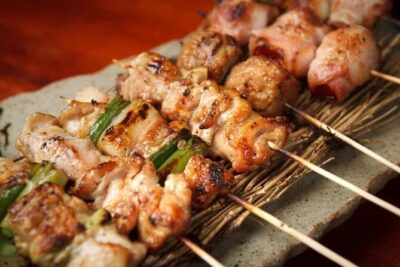 ★ 4.9Shinjuku Food Tour (15 Dishes and 4 Eateries)From $852,033 reviews
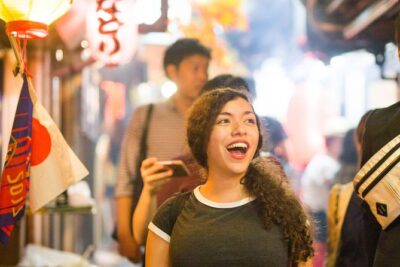 ★ 5.0Best of Shinjuku: Izakaya Food Tour (4 Stops, 14+ Tastings)From $921,863 reviews
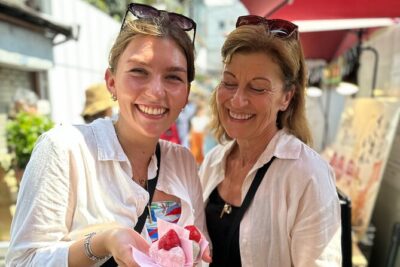 ★ 5.0Tsukiji Fish Market Food and Walking tourFrom $301,724 reviews
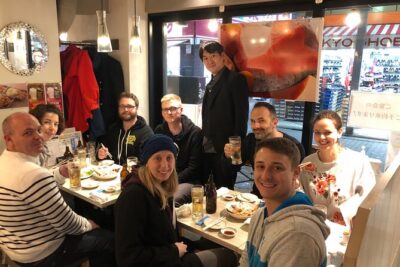 ★ 5.0Eat and Drink Like a Local: Tokyo Ueno Food Tour-Taverns&RamenFrom $95957 reviews
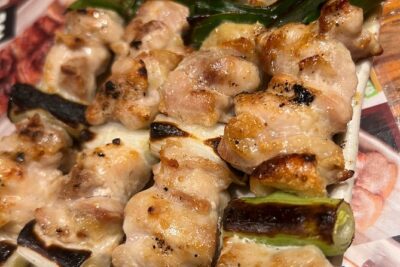 ★ 5.0Shibuya Food Tour (13 dishes and 4 Eateries)From $77770 reviews
★ 4.7Tsukiji Fish Market Food and Culture Walking TourFrom $96757 reviews
★ 5.0Shibuya Food Tour (13 dishes and 4 Eateries)From $77770 reviews
★ 4.7Tsukiji Fish Market Food and Culture Walking TourFrom $96757 reviews
Browse the lists this tour appears in