
Reviewed · SHINJUKU FOOD & BAR TOURS
Wagyu & Sake 8 Course Tasting Dinner in Shinjuku
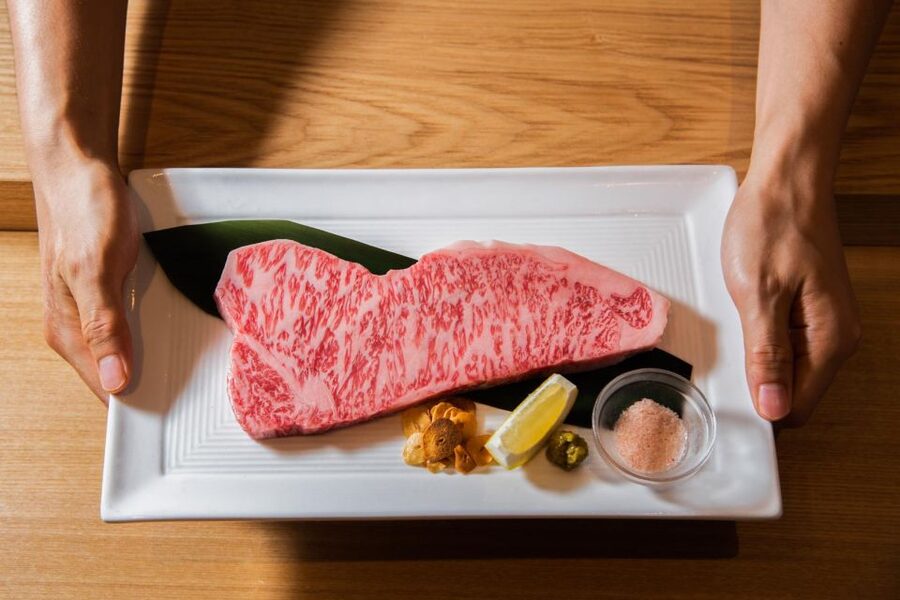
The first bite is a lesson in contrast. This Wagyu & Sake 8-course tasting dinner in Shinjuku pairs multiple cuts with craft sake styles so you learn what works, and why. It’s not just eating; it’s guided tasting of how beef flavor and sake character play off each other.
I like the focus on 8 courses built around wagyu from different regions and prepared in different ways. I also like that an English guide walks you through the history and pairing logic while you’re still chewing, so the explanations land fast.
One consideration: there are no vegetarian or vegan options, and some cuts can run fatty depending on your preferences.
In This Review
- Key things to know before you go
- Wagyu and sake in Shinjuku: what makes this dinner worth it
- Where you’ll meet: Ushinobi Sake Bar and the “easy-to-miss” entrance
- The 150-minute flow: how an 8-course wagyu dinner stays paced
- Your guide’s role: what you learn beyond the menu
- The wagyu tasting approach: multiple cuts, different preparations
- How the sake pairing works: more than drinking along
- Dessert and the final pairing: finishing without flavor fatigue
- Value check: is $145 fair for what you get?
- Who should book this dinner (and who should skip it)
- Should you book Wagyu & Sake in Shinjuku? My call
- FAQ
- How many courses are included in the dinner?
- Is there sake pairing included?
- Where is the meeting point in Shinjuku?
- Is the tour guide in English?
- What dietary options are available?
- How long is the experience, and how big is the group?
Key things to know before you go
- Small group (up to 8) keeps the pairing talk from feeling rushed
- 8-course wagyu plan spans multiple cuts and cooking styles, not just one repeat plate
- Sake pairing is the point, with different serving styles and even sake cocktails made to match the meat
- English live guide uses notes/slides to connect wagyu choices to sake choices
- No extra alcohol included, so budget for anything beyond the included pairing
Wagyu and sake in Shinjuku: what makes this dinner worth it
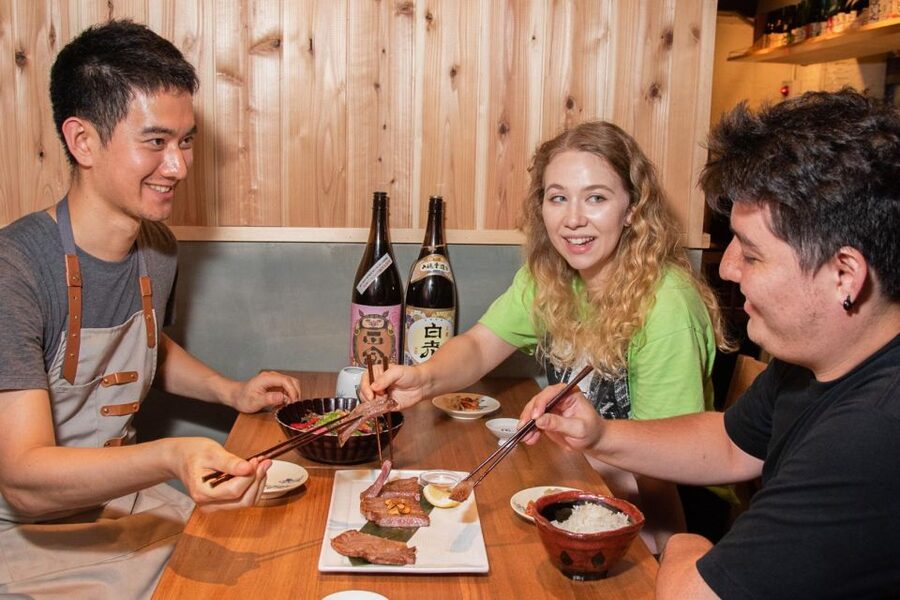
Shinjuku is loud, bright, and busy. But this dinner is the opposite vibe: a focused, sit-down tasting where the room narrows to what’s on your plate and in your glass. The venue is Ushinobi Sake Bar, on the 2nd floor—and yes, the entrance is a little tucked away, so arrive a few minutes early and use the map link to confirm you’re at the right door.
What makes this experience click for me is the pairing philosophy. Wagyu isn’t just about being expensive; it’s about fat, aroma, texture, and how different preparations change what you taste first. Sake isn’t just a drink; it’s acidity, fragrance, and temperature—tools you can use to balance richness. This dinner is designed to teach you how those tools work, course by course.
You’re also not stuck with one approach to sake. The plan includes Japanese craft sake served in several different ways, plus original cocktails made specifically to be paired with wagyu. That matters because many people assume sake is always served the same way. Here, you see how serving style can shift the experience.
Price-wise, $145 per person isn’t cheap, so you need to think about what you’re buying: not only the wagyu meal, but the structured instruction. With a small group and an expert guide, you’re paying for a guided tasting that explains regional differences and how to match sake to different cuts and preparations. If you’re the type who enjoys food pairings and wants to understand what you’re eating, that value usually lands well.
More Shinjuku plates and pours our readers rated
- Tokyo: Shinjuku Food Tour (13 Dishes at 4 Local Eateries)
★ 5.0 · 6,603 reviews - Tokyo Bar Hopping Tour in Shinjuku (All-You-Can-Drink + Dinner)
★ 5.0 · 3,587 reviews - Tokyo: Shinjuku Food Tour (15 Dishes and 4 Eateries)
★ 4.9 · 2,033 reviews - Best of Shinjuku: Izakaya Food Tour (4 Stops, 14+ Tastings)
★ 5.0 · 1,863 reviews
Where you’ll meet: Ushinobi Sake Bar and the “easy-to-miss” entrance
You’ll meet at Ushinobi Sake Bar in Shinjuku, closest station listed as Okubo (South Exit, JB09). The key detail is simple: enter the venue directly on the 2nd floor.
Because the entrance is described as a bit hidden, you’ll want to plan for a quick check before your start time. Don’t assume you can just wander up and find it instantly—use the provided photos/maps so you’re not standing around in street-level confusion while everyone else gets seated.
This is also the kind of meeting point that rewards calm timing. If you arrive early, you can settle in, get the order of the night in your head, and start tasting without feeling behind. If you arrive late, the dinner moves quickly and you’ll miss some of the guide’s setup talk.
The 150-minute flow: how an 8-course wagyu dinner stays paced
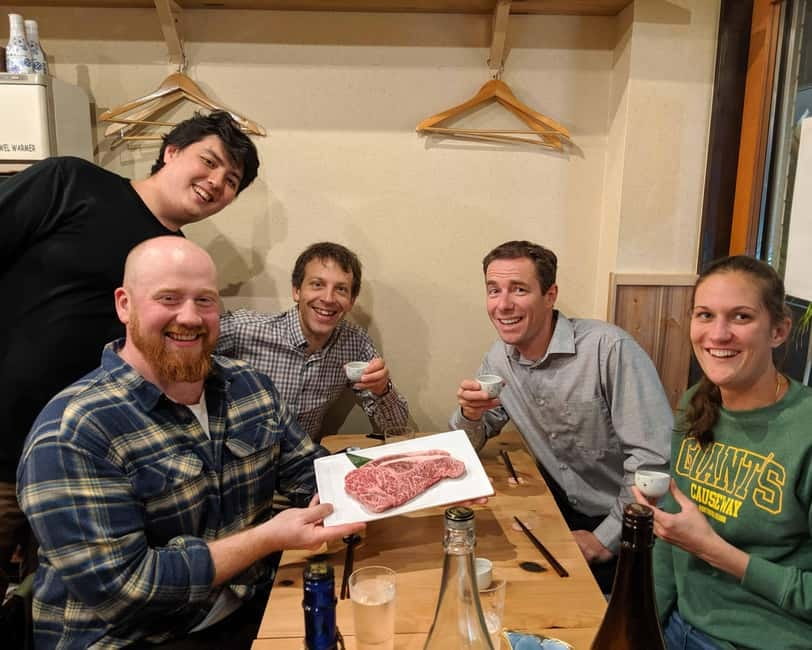
The full experience runs about 150 minutes, which is long enough to taste eight courses without feeling like a speed-run. The structure is built around transitions: each course arrives, the guide frames what you’re about to notice (cut, preparation style, and pairing logic), and then you taste and adjust.
Since the exact course order isn’t listed in the details, I can’t promise the exact progression. But I can tell you what the pacing is meant to do. You’ll go from a first wave of flavors (including appetizers) into multiple wagyu courses where the beef is prepared in different ways. After that, dessert closes things out, and the sake pairings shift with the flavor stage of the meal.
This “taste, then learn, then taste again” pattern is the difference between eating wagyu like a treat and eating wagyu like a craft. You start recognizing how fat texture changes when the preparation changes, and you start noticing how sake acidity or aroma can cut through—or soften—richness.
Your guide’s role: what you learn beyond the menu
This is a live, English-guided dinner with a small group capped at 8 people. The guide doesn’t just name the meat; they explain how to connect wagyu choices with sake choices. That’s the core educational value here.
From past experiences with this kind of format, the biggest help is how the guide turns pairing into something you can repeat later. In the reviews tied to this experience, hosts like Chizuru and Joe are mentioned as welcoming and personable, and also as using slide-style notes to support the talk. I like that because it keeps the night from becoming pure “sales pitch.” You get real information you can remember.
Here’s what you should expect the guide to focus on, based on what’s described for the experience:
- how wagyu differs by region in Japan
- how sake can complement wagyu by balancing fat and highlighting aroma
- why sake can be served in different ways (and how that changes the bite)
Even if you already like sake, the pairing logic tends to be the part that surprises most people. You might think a drink is good because it tastes good on its own. This dinner pushes you to ask a harder question: does it improve the specific flavors you’re tasting right now?
The wagyu tasting approach: multiple cuts, different preparations
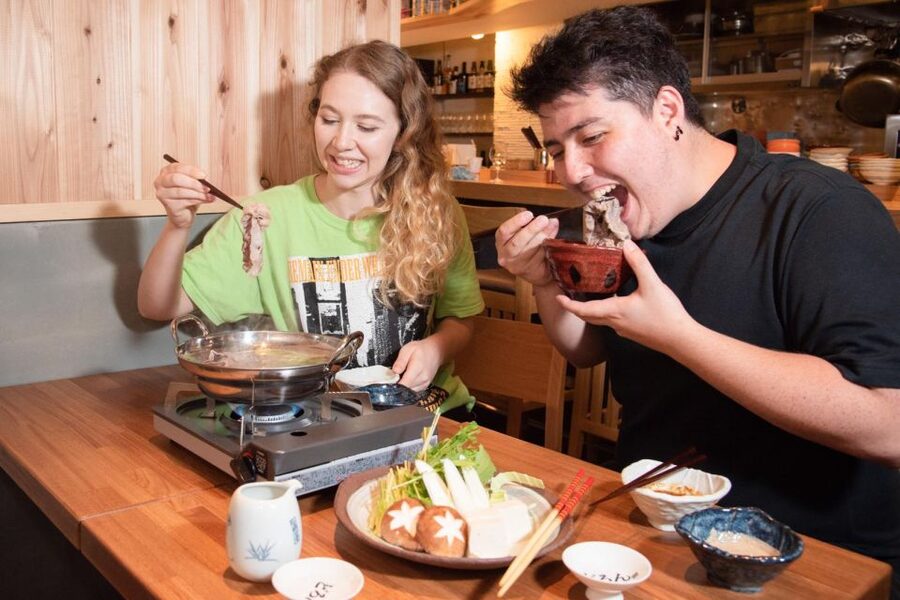
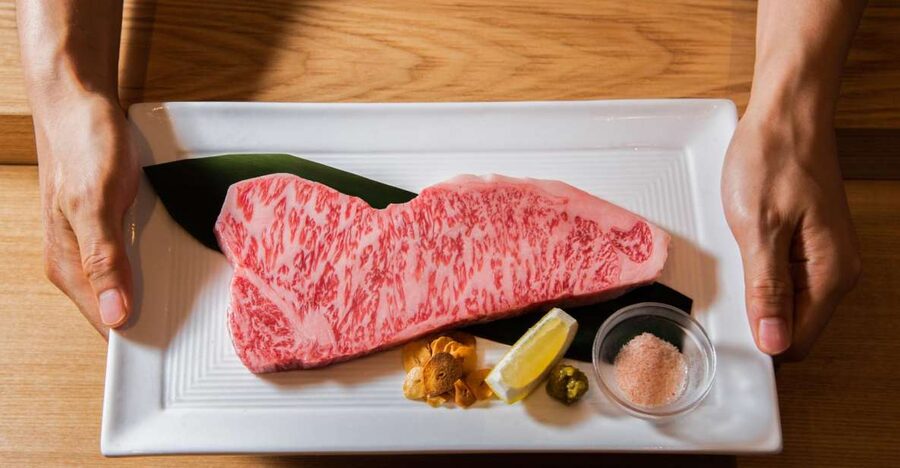
This tasting dinner is built around a “multiple cuts” idea. The description says the menu is based on the best quality wagyu cuts available in Tokyo at the time, and the meal aims to show wagyu from different regions. That alone makes the dinner more than a single wow-bite.
The practical payoff: you learn to taste wagyu as a spectrum. Some cuts lean more buttery and meltier; others feel firmer and deliver a different balance of meat flavor versus fat. Preparation also changes everything—since the menu includes traditional and authentic styles of preparation, you’re not only tasting raw richness. You’re tasting how cooking method affects texture and aroma.
A key note from the experience description: this is an 8-course menu, not a “two courses plus drinks” situation. In other words, you should expect enough food pacing to notice contrasts. And because it’s an expert-led dinner, those contrasts are meant to be explained, so you’re not left guessing why one piece feels heavier or lighter than the next.
That said, there is one caution I’d share for your decision. One review flagged that not every course felt like a pure wagyu course, and that some cuts were quite fatty. Translation for you: if you dislike very fatty beef, don’t assume every plate will be lean. The pairing is part of the solution—sake can help—but personal fat tolerance still matters.
Readers also shortlisted these Tokyo bookings:
- Tokyo: Shinjuku Food Tour (13 Dishes at 4 Local Eateries)★ 5.0 · 6,603 reviews
- Tokyo Tsukiji Fish Market Food and Culture Walking Tour★ 5.0 · 3,184 reviews
- Tokyo: Shinjuku Food Tour (15 Dishes and 4 Eateries)★ 4.9 · 2,033 reviews
- Best of Shinjuku: Izakaya Food Tour (4 Stops, 14+ Tastings)★ 5.0 · 1,863 reviews
- Tokyo: Tsukiji Fish Market Food and Walking tour★ 5.0 · 1,724 reviews
How the sake pairing works: more than drinking along
Sake pairing is the headline. The dinner includes craft sake served in several different ways, and it also includes original cocktails designed to pair with wagyu. That’s important because sake character can shift a lot with serving style.
Here’s the pattern you can expect:
- You’ll taste a course, then pair it with a specific sake style or serving approach.
- The guide explains what the sake is doing to the beef (cutting richness, lifting aroma, softening edges, or matching texture).
- You re-taste with that framework in mind.
This is also where the expert instruction becomes practical for future meals. After a night like this, you’ll be better at recognizing what you like: do you prefer a more acidic, “clean” feeling next to fatty beef? Do you like fragrant sake aromas that feel lifted rather than heavy? Do cocktails help because they add a different flavor direction, like fruit or spice?
One review mentioned that the host’s blending insights—how different sake works with different cuts and foods—was a standout. That’s exactly what you want from a pairing dinner. Not just tasting, but understanding the mechanics of the pairing.
One more note: the details say the sake pairing is limited and soft drinks are also available. Extra drinks beyond the pairing aren’t included, so if you’re the kind of person who wants refills outside the plan, you’ll want to budget.
Dessert and the final pairing: finishing without flavor fatigue
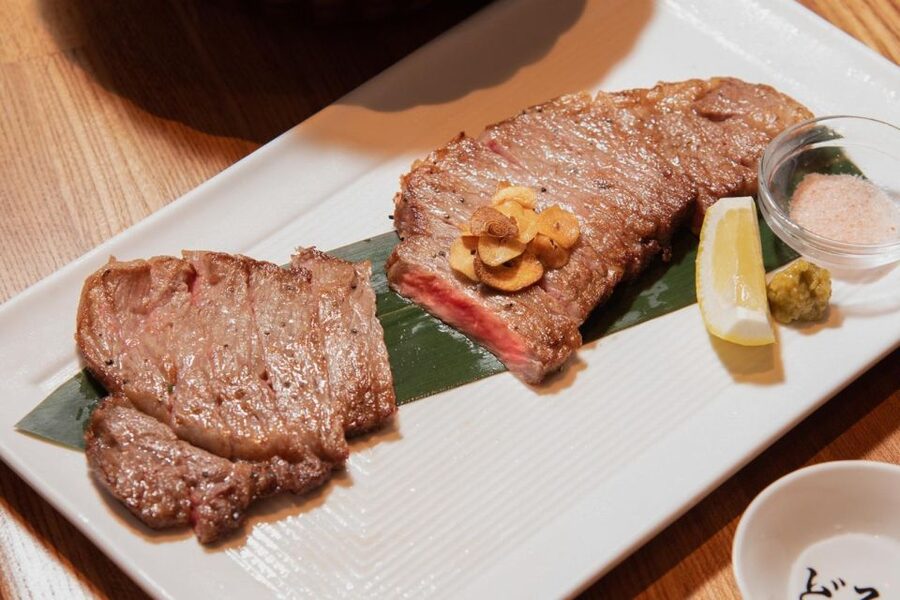
Most tasting dinners fail at the end. You’ve spent the evening tasting rich food and drinking alcohol, and the last course becomes a blur. This one is structured to help you avoid that.
Dessert is included, and because the menu includes multiple courses and sake pairings, you can expect the tasting to shift toward lighter or different flavor types. The guide’s job at the end is to help you finish with clarity, not confusion—so you leave with a sense of how the entire pairing story evolved.
If you have a sweet tooth, you’ll likely enjoy the closure. If you’re not a dessert person, you’ll still get something useful out of it: the chance to compare how sake (or sake-style pairings) behaves when the flavor profile changes.
Value check: is $145 fair for what you get?
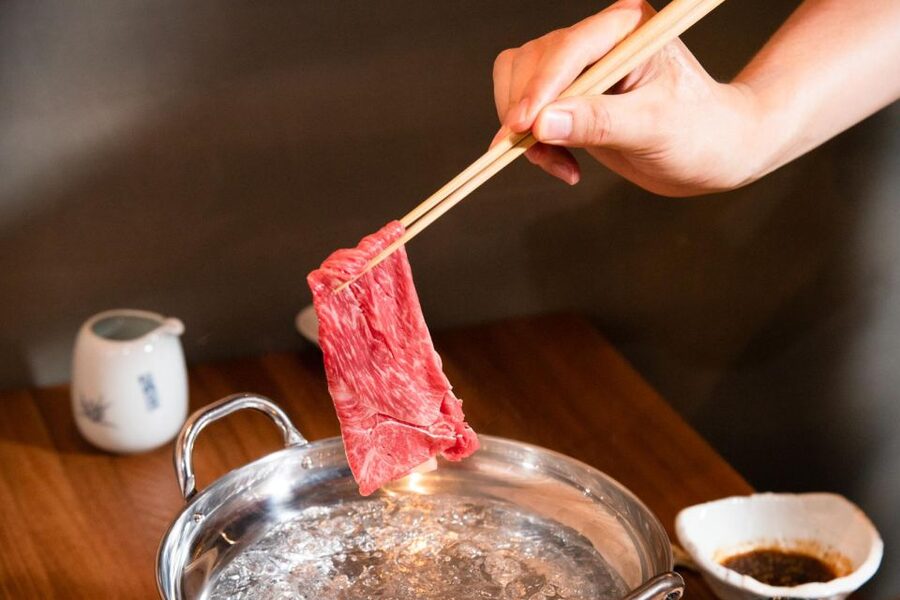
At $145 per person, this isn’t an impulse purchase. But it can be good value if you care about food learning and not just eating.
Here’s the value math in plain terms:
- You’re getting an 8-course wagyu dinner with multiple cuts and preparations.
- You’re getting sake pairing as part of the program, including different serving styles and even wagyu-matched cocktails.
- You’re getting a live English guide with explanations and support materials (slide notes are mentioned in reviews).
- The group is small (max 8), which increases the odds you’ll ask questions and get more than generic answers.
Where value can feel weaker is if your personal expectation is strictly wagyu-only across all eight courses. One review suggested not every course felt like a true wagyu focus, and that some cuts were fatty. That doesn’t automatically mean the dinner is “bad,” but it does mean you should go in with realistic expectations: the meal is a tasting program, not a calorie-heavy wagyu buffet where everything is steak.
My practical suggestion: if you’re excited to learn how pairing works—and you like the idea of multiple cuts and sake variations—this price tends to make sense. If you’re only interested in eating the fattiest wagyu possible, you might feel impatient if a course isn’t exactly what you expected.
Who should book this dinner (and who should skip it)
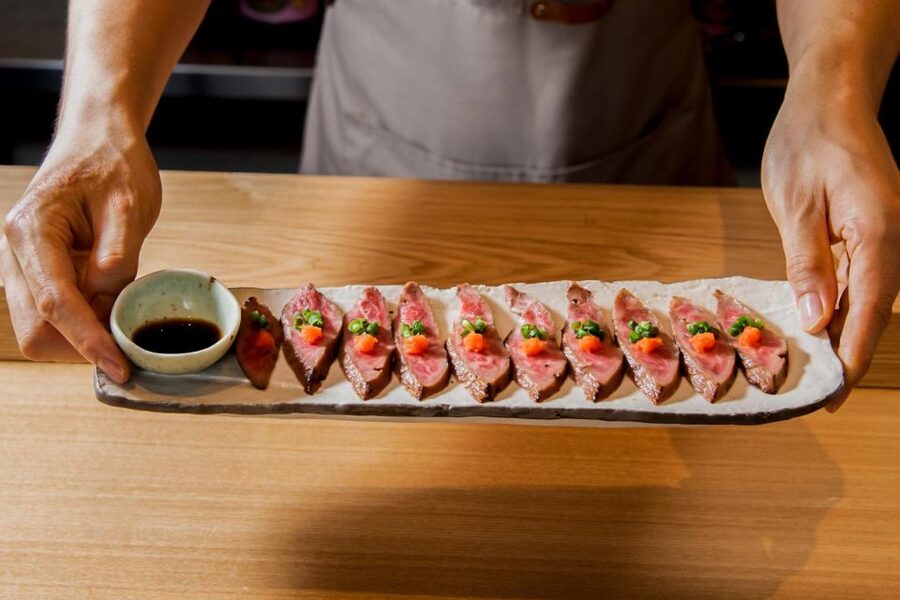
This is a great fit if you:
- like food pairings and want an explanation that makes the pairing easier to recreate later
- want to taste wagyu from different regions and learn how preparation changes flavor
- enjoy sake culture and are curious about how serving style and cocktails can shift the experience
- appreciate small groups and guided instruction more than wandering on your own
You should probably skip or think twice if you:
- don’t eat meat (this dinner has no vegetarian, vegan, or pescatarian options)
- dislike very fatty beef cuts, since wagyu richness is part of the point
- are traveling with kids: the experience is not suitable for children under 18
- are pregnant: the experience lists pregnant women as not suitable
If you’re simply doing Tokyo food for fun, I’d still say it’s worth considering—because this isn’t only about eating. It’s about understanding what you’re tasting.
Should you book Wagyu & Sake in Shinjuku? My call
Book it if you want a guided wagyu tasting with real pairing instruction, and you’re curious how different sake styles (including cocktail variations) change how wagyu tastes. The small group size and the focus on learning make it feel like more than a standard dinner.
Skip it if you’re strictly avoiding fatty beef or if you expected eight guaranteed wagyu plates in the same style. Also skip if you can’t do meat-based menus, since there are no vegetarian or vegan options.
If you’re on the fence, choose based on your goal. Want a learning night with craft sake and structured tastings? This is the kind of dinner that pays you back later when you order sake and wagyu in other places.
FAQ
How many courses are included in the dinner?
The dinner includes an 8-course tasting menu featuring multiple cuts of high-quality wagyu beef.
Is there sake pairing included?
Yes. The experience includes sake pairing (limited). Soft drinks are also available, and extra drinks other than the pairing are not included.
Where is the meeting point in Shinjuku?
You’ll meet at Ushinobi Sake Bar in Shinjuku. The closest station listed is Okubo (JB09), South Exit. Enter the venue directly on the 2nd floor.
Is the tour guide in English?
Yes, there is a live tour guide in English.
What dietary options are available?
There are no pescatarian, vegan, or vegetarian options.
How long is the experience, and how big is the group?
The duration is about 150 minutes, and the group is limited to a small group of up to 8 participants.
More Food & Drink in Tokyo
- Tokyo: Shinjuku Food Tour (13 Dishes at 4 Local Eateries)
★ 5.0 · 6,603 reviews - Tokyo Tsukiji Fish Market Food and Culture Walking Tour
★ 5.0 · 3,184 reviews - Tokyo: Shinjuku Food Tour (15 Dishes and 4 Eateries)
★ 4.9 · 2,033 reviews - Best of Shinjuku: Izakaya Food Tour (4 Stops, 14+ Tastings)
★ 5.0 · 1,863 reviews - Tokyo: Tsukiji Fish Market Food and Walking tour
★ 5.0 · 1,724 reviews
More Tour Reviews in Tokyo
- Mt Fuji and Hakone 1-Day Bus Tour Return by Bullet Train
★ 5.0 · 26,383 reviews - 1-Day Tokyo Bus Tour
★ 5.0 · 14,250 reviews - Tokyo: teamLab Planets TOKYO Digital Art Museum Entry Ticket
★ 4.6 · 9,779 reviews - Mt Fuji & Hakone Cruise, Drum Show Bullet Train 1 Day from Tokyo
★ 4.0 · 7,413 reviews - Tokyo: Shinjuku Food Tour (13 Dishes at 4 Local Eateries)
★ 5.0 · 6,603 reviews
More Shinjuku Food and Drink
- Tokyo: Shinjuku Food Tour (13 Dishes at 4 Local Eateries)
★ 5.0 · 6,603 reviews - Tokyo Bar Hopping Tour in Shinjuku (All-You-Can-Drink + Dinner)
★ 5.0 · 3,587 reviews - Tokyo: Shinjuku Food Tour (15 Dishes and 4 Eateries)
★ 4.9 · 2,033 reviews - Best of Shinjuku: Izakaya Food Tour (4 Stops, 14+ Tastings)
★ 5.0 · 1,863 reviews - Tokyo: Shinjuku Local Bar and Izakaya Guided Walking Tour
★ 4.9 · 1,794 reviews
Latest Tokyo reviews off our desk






Shinjuku Food & Bar Tours, compared.
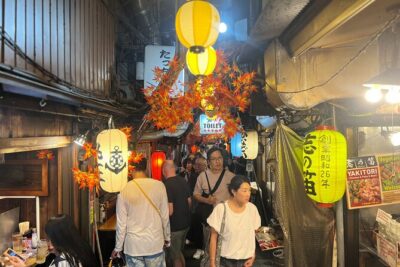 ★ 5.0Shinjuku Food Tour (13 Dishes at 4 Local Eateries)From $866,603 reviews
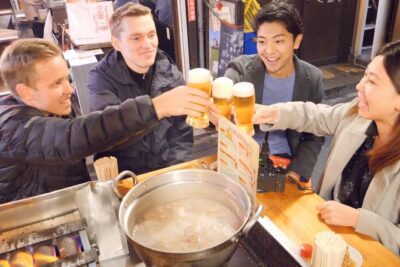 ★ 5.0Tokyo Bar Hopping Tour in Shinjuku (All-You-Can-Drink + Dinner)From $1063,587 reviews
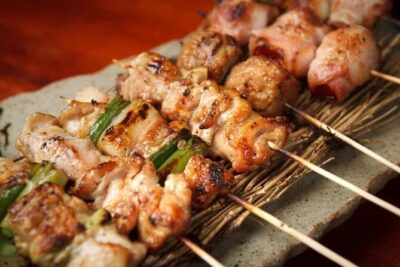 ★ 4.9Shinjuku Food Tour (15 Dishes and 4 Eateries)From $852,033 reviews
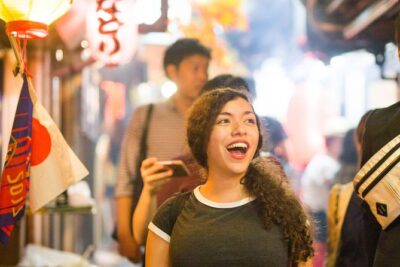 ★ 5.0Best of Shinjuku: Izakaya Food Tour (4 Stops, 14+ Tastings)From $921,863 reviews
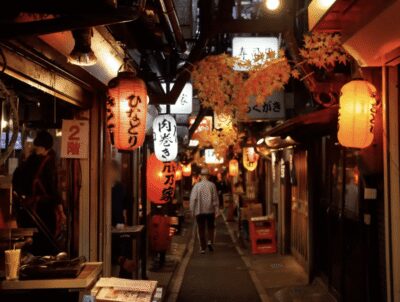 ★ 4.9Shinjuku Local Bar and Izakaya Guided Walking TourFrom $341,794 reviews
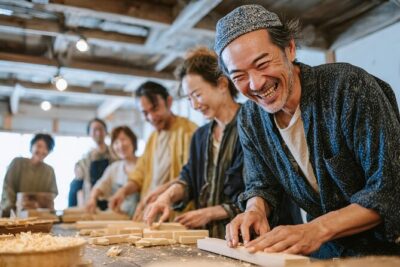 ★ 5.0Tokyo Shinjuku Chopsticks Making ClassFrom $201,763 reviews
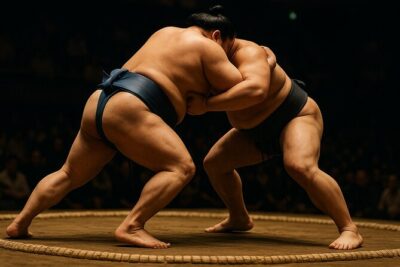 ★ 5.0Tokyo Shinjuku Sumo Show & Experience with PhotoFrom $791,750 reviews
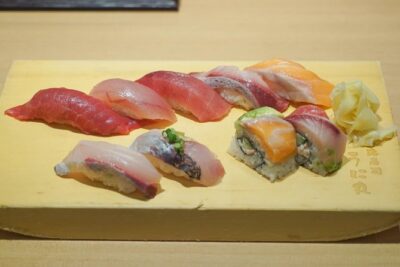 ★ 5.0Tokyo Night Foodie Tour in Shinjuku – Seasonal Sushi, Wagyu BeefFrom $1111,161 reviews
Browse the lists this tour appears in