
Reviewed · TSUKIJI MARKET FOOD TOURS
10 kinds Sake Tasting Experience in Tsukiji with local!!
Ten sips, one big lesson.
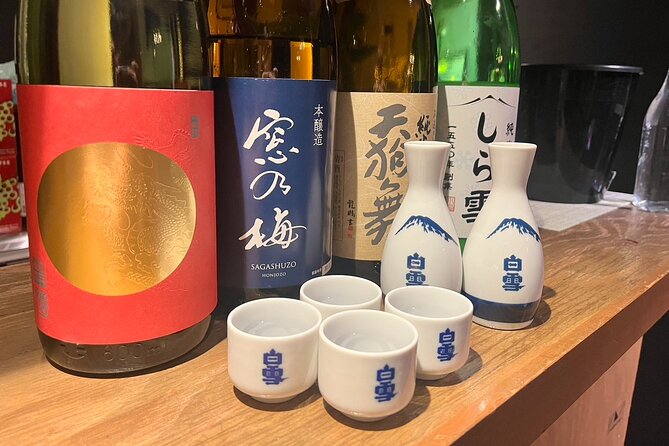
This private sake tasting in the Tsukiji area turns Japan’s rice-wine culture into something you can actually taste and talk about. You’ll sample around 10 sake varieties with guidance from a local enthusiast, learn drinking etiquette, and get practical context on brewing and quality labels like Junmai and Daiginjo. Even if sake feels intimidating, the format keeps it friendly and straightforward.
I really like two things here: first, the tasting is built around comparing styles, not just pouring drinks. Second, you get clear teaching support, including handouts/booklets that make the differences stick after the last sip. The host also keeps the conversation flowing, including help with any language gaps.
One heads-up: the meeting spot can be a bit tricky to find at first, so plan to arrive a few minutes early and double-check your map to avoid last-minute stress.
In This Review
- Key Things You’ll Notice on This Sake Session
- Why This 90-Minute Sake Flight Feels Different
- The Meeting Point: A Yakiniku-Style Start With an Easy Atmosphere
- Matsu, Handouts, and English That Makes Sake Click
- Sake Etiquette and Drinking Basics You’ll Actually Use
- Quality Labels: Junmai vs Daiginjo (and What It Means in Your Glass)
- Regional Sakes: Taste Differences Without Making It Pretend-Science
- Snacks, Pacing, and How to Stay Comfortable Through Ten Samples
- Price and Value: Is $62.40 Worth It?
- Who This Private Tsukiji-Area Sake Tasting Is For
- Should You Book This 10 Kinds Sake Tasting?
- FAQ
- How many sake varieties will I taste?
- How long is the experience?
- Is this a private tour or group tasting?
- Where is the meeting point?
- Do I need a paper ticket?
- Can I cancel if my plans change?
Key Things You’ll Notice on This Sake Session
- About 10 sake samples: you taste differences instead of hearing theory alone
- Etiquette + how to drink: you learn the basics before you start comparing
- Quality labels explained: Junmai/Daiginjo style classifications come into focus
- Regional variety: you compare sake styles from different parts of Japan
- Snacks included: small bites like nuts and soy beans help you pace
- Private, local-guided: your group sets the pace, with conversation encouraged
Why This 90-Minute Sake Flight Feels Different
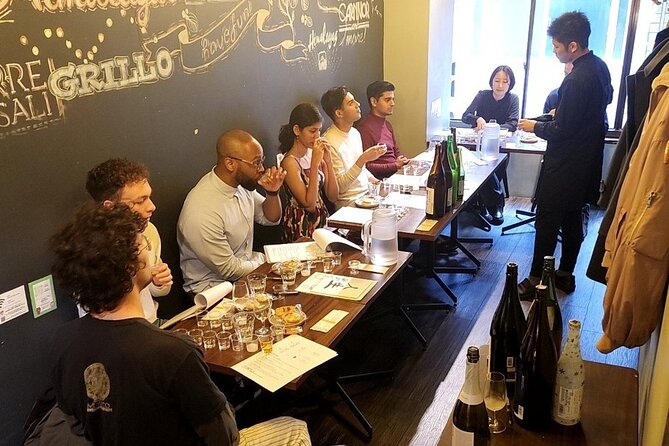
This experience is short on purpose. Ninety minutes is long enough to learn the language of sake, yet short enough that you don’t feel like you’re stuck in a classroom with a glass. The core idea is simple: taste, compare, and connect each sip to what you’re being told.
You’ll start with the basics—how to drink sake and the basic culture around it. Then the session moves into the fun part: you’ll sample multiple sake styles, including how quality classifications affect flavor and character. By the end, you’re not just leaving with a buzz. You’re leaving with a map in your head for what you liked and why.
More market breakfasts our reviewers scored
- Tokyo Tsukiji Fish Market Food and Culture Walking Tour
★ 5.0 · 3,184 reviews - Tokyo: Tsukiji Fish Market Food and Walking tour
★ 5.0 · 1,724 reviews - Tokyo: Tsukiji Fish Market Guided Walking Tour
★ 4.9 · 1,397 reviews - Tokyo Sushi Making Class in Tsukiji with Professional Chef
★ 5.0 · 1,177 reviews
The Meeting Point: A Yakiniku-Style Start With an Easy Atmosphere
You’ll meet at Wagyu Yakiniku & Sake all-you-can-drink Niku-no-Himalaya at Shintomi, Chuo City. It’s a practical location near public transportation, and that matters in Tokyo where getting across town can eat your day.
What I like about starting in a food-focused place is the tone. You’re not walking into a formal, stiff tasting room. The vibe feels like a local neighborhood spot where dinner energy is part of the experience. One of the best ways to understand sake is to treat it as something people drink with food, not something you study from behind glass.
It ends back at the meeting point, so you’re not left juggling directions afterward. When the session is done, you can head right into a normal meal or plan the rest of your evening without a second commute.
Matsu, Handouts, and English That Makes Sake Click
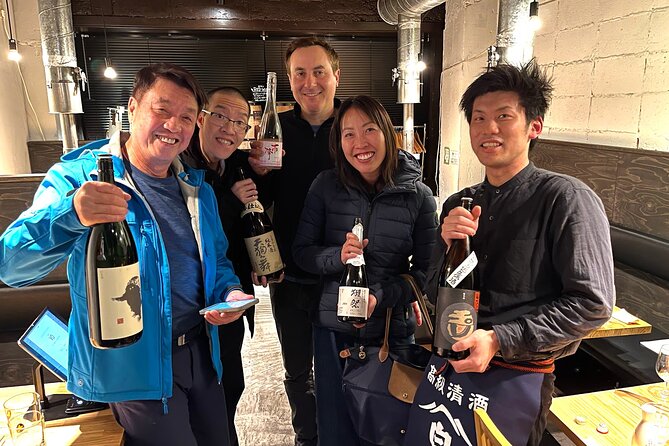
Your guide is a big part of the value here. In sessions I’ve heard about, the host named Matsu comes with handouts and explanation sheets that keep everything organized while you taste. The pacing also helps. You’re not blasted with labels and lectures. You get ideas, then you taste the difference right away.
Another practical win: the guide’s English is strong, and conversation doesn’t feel forced. That matters because sake terms can be tricky. When you can ask a question and get a real answer (not a shrug), you understand more with fewer sips.
And because it’s private, you get to ask for clarification without slowing down strangers. If you’re the kind of person who likes to know what’s in your glass, you’ll feel comfortable here. If you’re more of a casual drinker, you can still follow along without getting lost in jargon.
Sake Etiquette and Drinking Basics You’ll Actually Use
The tour doesn’t assume you know the rules. You’ll learn basic etiquette and how to drink sake, which is the kind of thing that improves your experience in Japan immediately. Even if you’ve read a few tips online, hearing it directly in context helps.
You’ll also learn how sake is discussed using quality classification terms, including Junmai and Daiginjo. That’s important because on bottle labels, these terms can look like alphabet soup. Here, you can connect the labels to the tasting experience you’re having in real time.
Expect the guide to frame it as common-sense culture: how people handle the drink, what to pay attention to as you taste, and how to compare one style to another without overthinking it. The goal is confidence. You should feel ready to order and choose a bottle later, not just finish the tasting.
Quality Labels: Junmai vs Daiginjo (and What It Means in Your Glass)
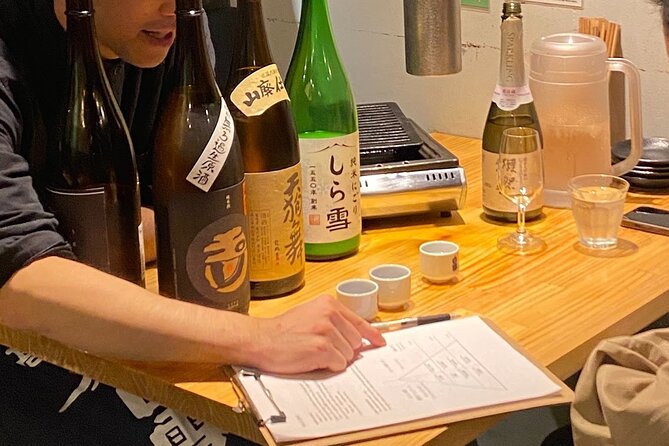
One of the most satisfying parts of this kind of tasting is when you stop treating sake as one flavor. Instead, you start hearing it as categories with real differences.
In this session, you’ll compare sake quality classifications—specifically terms like Junmai and Daiginjo. The guide also covers the basics of sake quality and what those labels are trying to communicate. The point isn’t to memorize every standard. The point is to learn what to listen for while you’re tasting.
Then there’s the way the flight is structured. One session description notes a progression from lower to higher quality sake. That can help your palate adjust. You’re less likely to get overwhelmed early, and by the time you reach the later samples, you’ll have a clearer baseline for comparison.
If you’re worried you’ll get stuck on technical language, don’t. The explanations are paired directly with tasting, so even if a term sounds unfamiliar at first, you can anchor it to what you notice in the glass.
Readers also shortlisted these Tokyo bookings:
- Tokyo: Shinjuku Food Tour (13 Dishes at 4 Local Eateries)★ 5.0 · 6,603 reviews
- Tokyo Tsukiji Fish Market Food and Culture Walking Tour★ 5.0 · 3,184 reviews
- Tokyo: Shinjuku Food Tour (15 Dishes and 4 Eateries)★ 4.9 · 2,033 reviews
- Best of Shinjuku: Izakaya Food Tour (4 Stops, 14+ Tastings)★ 5.0 · 1,863 reviews
- Tokyo: Tsukiji Fish Market Food and Walking tour★ 5.0 · 1,724 reviews
Regional Sakes: Taste Differences Without Making It Pretend-Science
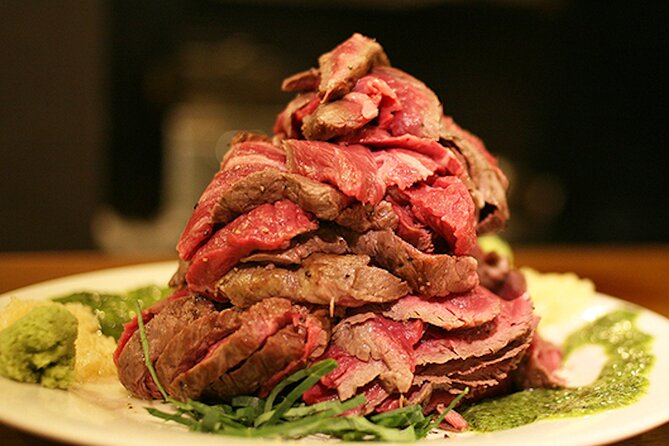
Sake isn’t just Japanese. It’s regional. Different areas develop different styles, and in this tasting you’ll learn about the difference between sake from each part of Japan.
For me, what makes regional comparisons useful is that they change how you shop later. Instead of buying whatever bottle looks pretty, you can try to match a region’s style to your taste. Do you prefer something more gentle and clean? Or something more bold and pronounced? The tasting format gives you a starting point.
The guide also talks about brewing methods as part of the lesson. You’re not going to be expected to turn into a brewmaster by the end. Still, understanding the broad idea of how sake is made helps you interpret why two sakes might feel totally different even when both are described as smooth or crisp.
Snacks, Pacing, and How to Stay Comfortable Through Ten Samples
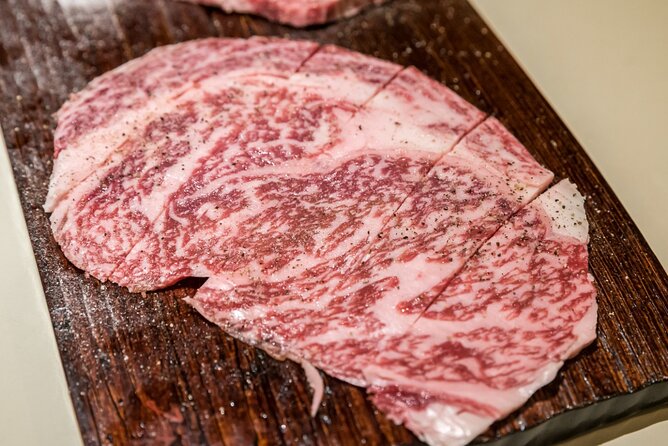
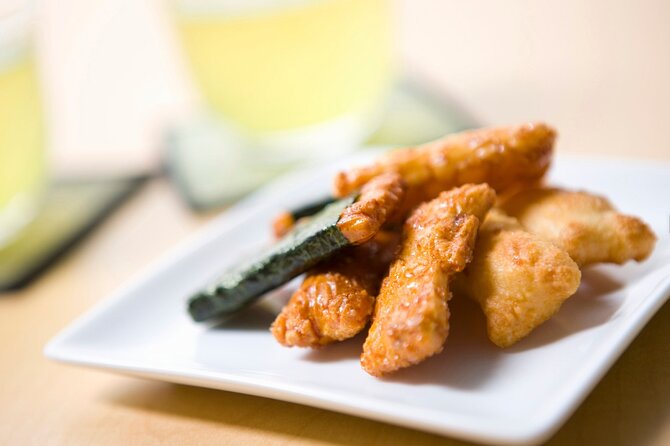
Ten samples can be a lot, even for people who like sake. The good news: you’re not doing it on an empty stomach. Snacks like nuts and soy beans are included, and small bites help you pace your tasting so you can actually taste instead of just chasing buzz.
Pacing is also where the guide’s role matters. The overall experience is relaxed and informal, and you can slow down if something grabs your attention. If you’re tempted to speed-run the flight, this is the moment to take your time. One session note emphasizes pacing yourself, and that advice is smart—sake adds up faster than you think.
My practical tip: sip, pause, then compare. Don’t treat it like a race. When you give your palate a moment, the differences between styles become clearer.
Price and Value: Is $62.40 Worth It?
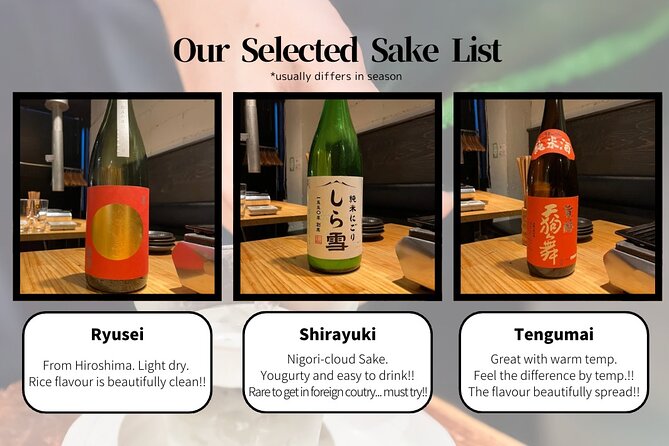
At $62.40 per person for about 1 hour 30 minutes, this tasting isn’t bargain-basement pricing. It’s also not overpriced in a way that feels like you’re paying mostly for the venue.
Here’s what you’re getting for the money:
- About 10 sake varieties tasted with guidance
- Lessons on how to drink sake, etiquette, and culture
- Explanations tied to quality classifications like Junmai and Daiginjo
- Regional comparisons across sake styles
- Snacks included (nuts and soy beans were mentioned)
- Private format, so you’re not competing for attention
The value comes from the pairing: tasting plus real explanation. If you tried to DIY a sake crawl on your own, you’d likely spend similar money, but you’d lose the structured learning and the ability to ask questions mid-flight.
One more detail that helps value: this is often booked ahead (an average of 27 days). That usually signals consistent demand for a popular local format—so booking sooner tends to reduce the chances of missing your preferred slot.
Who This Private Tsukiji-Area Sake Tasting Is For
This works especially well if you fall into one of these buckets:
- You like food culture and want more than a generic tasting label
- You’re curious about Japanese rice wine, even if you’ve only tried a couple bottles
- You want a private experience where you can ask questions and move at your pace
- You want a guide who can explain things clearly in English
If you’re traveling solo, the private format can feel like a cheat code: you get the same full attention as a couple or group without the awkwardness of trying to join someone else’s conversation. If you’re traveling as a duo, it’s also a fun way to compare opinions after each sip.
Should You Book This 10 Kinds Sake Tasting?
Book it if you want a structured, friendly way to learn sake instead of just collecting drinks. The combination of about 10 samples, etiquette basics, label explanations, and snack support makes it a high-efficiency experience.
Skip it if you’re only looking for a casual drink with no interest in comparisons. This is still relaxed, but it’s built for learning through tasting. Also, if you’re the type who hates finding meeting points, arrive early and use your map carefully, since the start can feel hard to locate at first.
If you want an authentic Tokyo night that mixes food culture with a real local guide, this one makes sense.
FAQ
How many sake varieties will I taste?
You’ll taste around 10 different sake varieties during the session.
How long is the experience?
It lasts about 1 hour 30 minutes.
Is this a private tour or group tasting?
It’s a private tour/activity. Only your group participates.
Where is the meeting point?
The start is at Wagyu Yakiniku & Sake all-you-can-drink Niku-no-Himalaya, nomuno2-chōme-13-2 Shintomi, Chuo City, Tokyo 104-0041, Japan.
Do I need a paper ticket?
You’ll receive a mobile ticket.
Can I cancel if my plans change?
Yes, you can cancel for a full refund if you cancel at least 24 hours before the experience starts.
More Food & Drink in Tokyo
- Tokyo: Shinjuku Food Tour (13 Dishes at 4 Local Eateries)
★ 5.0 · 6,603 reviews - Tokyo Tsukiji Fish Market Food and Culture Walking Tour
★ 5.0 · 3,184 reviews - Tokyo: Shinjuku Food Tour (15 Dishes and 4 Eateries)
★ 4.9 · 2,033 reviews - Best of Shinjuku: Izakaya Food Tour (4 Stops, 14+ Tastings)
★ 5.0 · 1,863 reviews - Tokyo: Tsukiji Fish Market Food and Walking tour
★ 5.0 · 1,724 reviews
More Tour Reviews in Tokyo
- Mt Fuji and Hakone 1-Day Bus Tour Return by Bullet Train
★ 5.0 · 26,383 reviews - 1-Day Tokyo Bus Tour
★ 5.0 · 14,250 reviews - Tokyo: teamLab Planets TOKYO Digital Art Museum Entry Ticket
★ 4.6 · 9,779 reviews - Mt Fuji & Hakone Cruise, Drum Show Bullet Train 1 Day from Tokyo
★ 4.0 · 7,413 reviews - Tokyo: Shinjuku Food Tour (13 Dishes at 4 Local Eateries)
★ 5.0 · 6,603 reviews
More Tsukiji Market Breakfasts
- Tokyo Tsukiji Fish Market Food and Culture Walking Tour
★ 5.0 · 3,184 reviews - Tokyo: Tsukiji Fish Market Food and Walking tour
★ 5.0 · 1,724 reviews - Tokyo: Tsukiji Fish Market Guided Walking Tour
★ 4.9 · 1,397 reviews - Tokyo Sushi Making Class in Tsukiji with Professional Chef
★ 5.0 · 1,177 reviews - Tsukiji Fish Market Guided Tour and Sushi Making with Pro Chef
★ 5.0 · 775 reviews
Latest Tokyo reviews off our desk






Tsukiji Market Food Tours, compared.
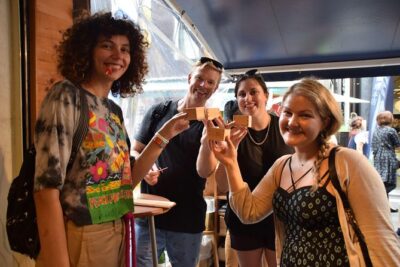 ★ 5.0Tokyo Tsukiji Fish Market Food and Culture Walking TourFrom $993,184 reviews
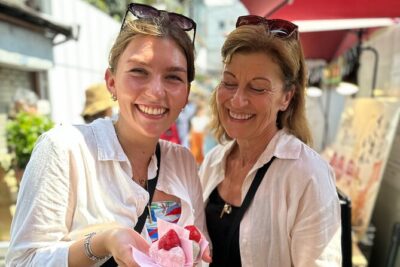 ★ 5.0Tsukiji Fish Market Food and Walking tourFrom $301,724 reviews
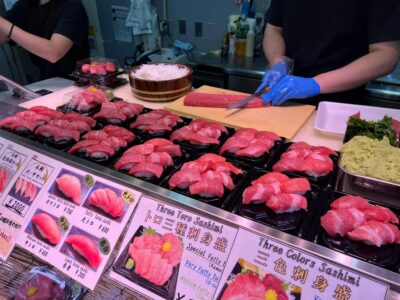 ★ 4.9Tsukiji Fish Market Guided Walking TourFrom $221,397 reviews
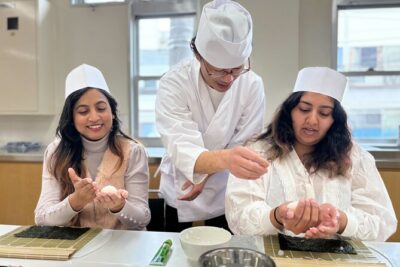 ★ 5.0Tokyo Sushi Making Class in Tsukiji with Professional ChefFrom $491,177 reviews
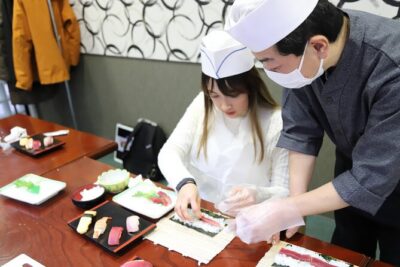 ★ 5.0Tsukiji Fish Market Guided Tour and Sushi Making with Pro ChefFrom $104775 reviews
★ 4.7Tsukiji Fish Market Food and Culture Walking TourFrom $96757 reviews
★ 5.0Tsukiji Fish Market Guided Tour and Sushi Making with Pro ChefFrom $104775 reviews
★ 4.7Tsukiji Fish Market Food and Culture Walking TourFrom $96757 reviews
 ★ 5.0Tsukiji Fish Market: Street Food & Culture Walking TourFrom $33669 reviews
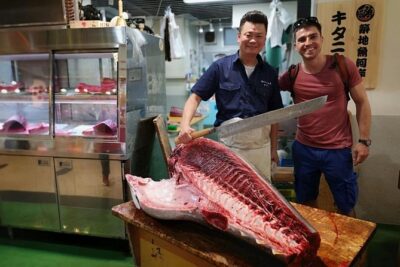 ★ 5.0Tsukiji Fish Market Small-Group Food Walking TourFrom $87621 reviews
Browse the lists this tour appears in