
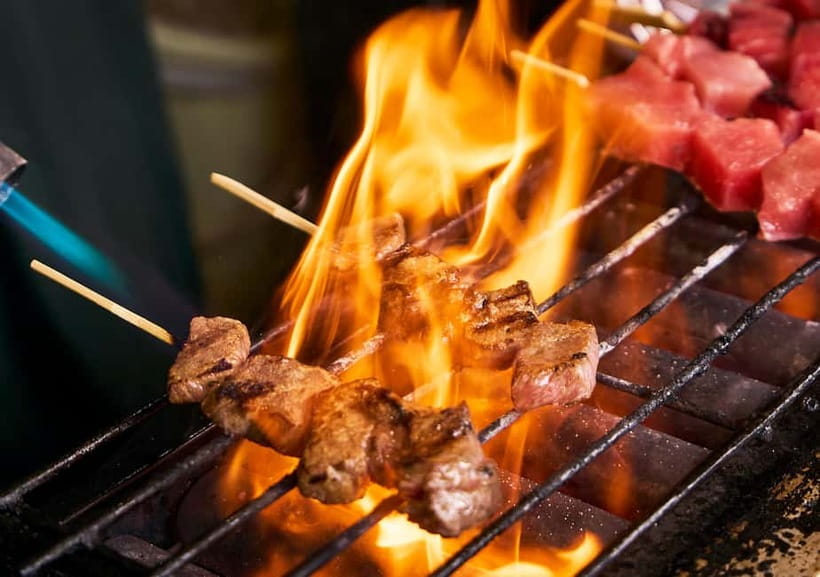
Reviewed · TSUKIJI MARKET FOOD TOURS
Tsukiji Fish Market: Street Food & Culture Walking Tour
Fish cutting meets Tokyo street food.
What makes this tour fun is the combo of Tsukiji food stalls plus a real fish-cutting show, then you get a glimpse of how the market works day-to-day. I like that it’s designed for a walk (not a lecture), and that the guide helps you pick what to try without you feeling lost. One drawback to consider: it can get crowded, and the pace can feel a bit stop-and-go when you’re surrounded by people.
The route is also practical. You’re based around Tsukiji’s iconic spots—starting at 築地本願寺本堂—and you end back where you started, so you don’t have to figure out your own return. Plus, it’s wheelchair and stroller accessible, and the group stays capped at 30, which matters in a place where space is tight.
In This Review
- Key things to know before you go
- Tsukiji in two hours: why this tour format works
- Meeting point at 築地本願寺: start smart, save time
- Stop 1: Tsukiji Jogai Market street food culture (45 minutes)
- Stop 2: The fish-cutting show (plus what comes right after) (30 minutes)
- Stop 3: Tsukiji Fish Market atmosphere and professionals at work (30 minutes)
- Stop 4: Tsukiji Hongwanji Temple context in 15 minutes
- The real value: how guides translate food into culture
- Price and what you truly get for $33.16
- Pace, crowds, and group size: the part you can’t ignore
- Who should book this, and who should skip it
- Weather and comfort: plan like it’s Tokyo
- FAQ
- FAQ
- How long is the Tsukiji Fish Market street food and culture walking tour?
- Where does the tour start and end?
- How much does the tour cost?
- What’s included in the price?
- Are meals included?
- Is the tour accessible for wheelchairs or strollers?
- What happens if the weather is bad?
- Should you book this Tsukiji tour?
Key things to know before you go
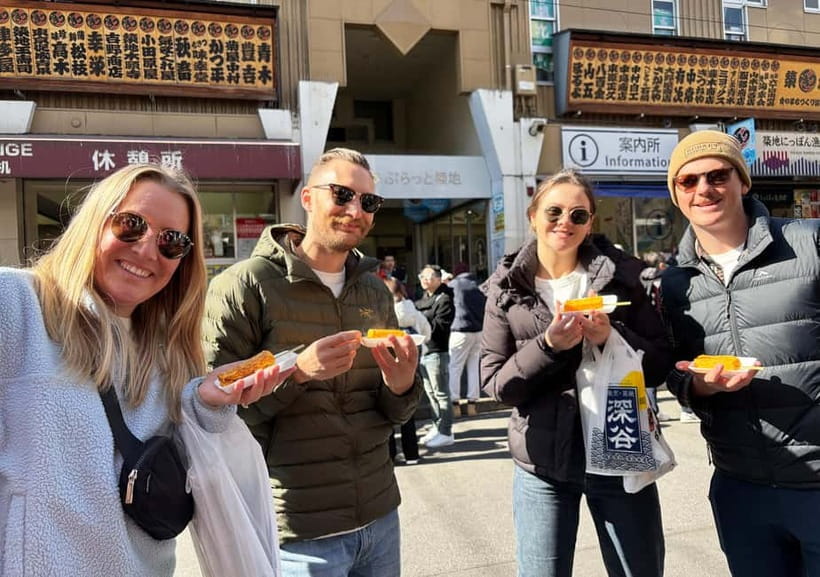
- Street food with a local plan: you’re not just wandering; the guide steers you to stalls that fit the moment.
- A traditional fish-cutting show: you see the craft up close and learn what you’re looking at.
- Short market viewing time: you’ll get a taste of trader operations without getting stuck for hours.
- A quick temple visit: the stop is brief, so it’s more context than a deep lesson.
- Crowd management is the real challenge: during busy periods, timing and hearing the guide can be tricky.
Tsukiji in two hours: why this tour format works
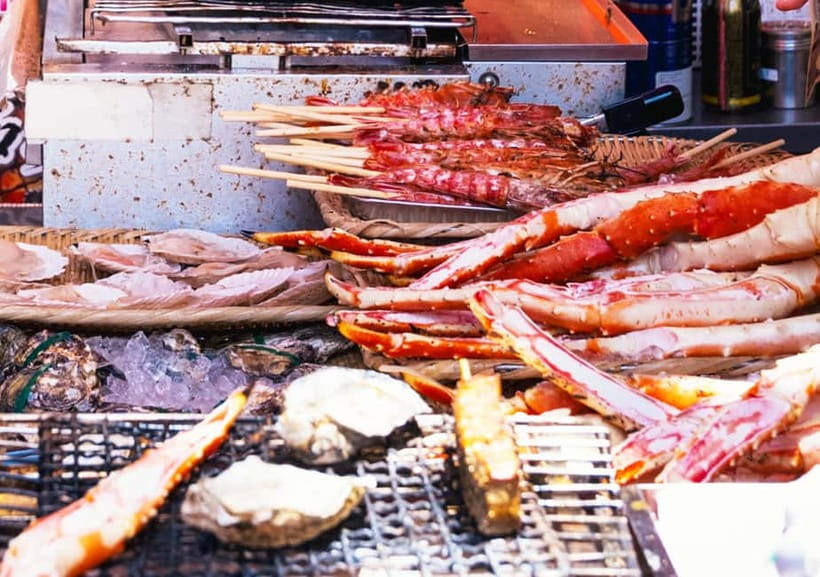
Tsukiji is one of those places where Tokyo’s food culture is visible, not explained. You walk past stalls and equipment, you smell the seafood, and you watch how people move when there’s work to do. This tour hits the best part of that energy: you see the market world in short bursts, with a guide translating what you’re seeing into food choices and culture.
The best reason to book a guided format here is simple: Tsukiji can overwhelm you fast. Even if you’re excited, you can end up standing in the wrong place, missing the moment for a show, or spending your time translating signs instead of eating. This tour is built to reduce that friction by giving you a sequence: food culture first, craft in the middle, market atmosphere after, then a cultural context stop.
And the second reason is value. For a single price (about $33.16 per person), you’re paying for local guidance and the included fish-cutting show admission. You’re not buying an all-you-can-eat feast, but you are buying time saved and context gained—especially if you want to understand what makes Japanese seafood prep different.
More market breakfasts our reviewers scored
- Tokyo Tsukiji Fish Market Food and Culture Walking Tour
★ 5.0 · 3,184 reviews - Tokyo: Tsukiji Fish Market Food and Walking tour
★ 5.0 · 1,724 reviews - Tokyo: Tsukiji Fish Market Guided Walking Tour
★ 4.9 · 1,397 reviews - Tokyo Sushi Making Class in Tsukiji with Professional Chef
★ 5.0 · 1,177 reviews
Meeting point at 築地本願寺: start smart, save time
Your tour begins at 築地本願寺本堂3-chōme-15-1 Tsukiji, Chuo City, Tokyo 104-0045, Japan. Ending back at the meeting point is a quiet but important win. In busy areas, it’s easy to lose your bearings. Here, you don’t have to.
The tour is also timed to work with how the market area feels in person: you’ll do street food, then the show, then more market viewing, then a temple stop. That sequence keeps you from hopping around randomly while crowds build in different directions.
One practical note I’d treat as real-world advice: the area can be sun-heavy and crowded. If heat or shade affects you, plan ahead and communicate that early so the guide can adapt stops when possible.
Stop 1: Tsukiji Jogai Market street food culture (45 minutes)
This opening block is where the tour earns its keep. Tsukiji Jogai Market is the kind of place where you could wander for hours and still feel like you’re guessing. With a guide, you get a short, focused introduction to Japanese food culture through the lens of what’s actually being sold right there.
I like this first stop because it sets your expectations. You learn how to approach food stalls with confidence: what to look for, how street food here is often about quick quality rather than a sit-down meal experience, and how the market’s rhythms shape what you’ll see next.
The “drawback” version of this stop is also worth acknowledging. Some tours in market areas can spend a lot of time moving, waiting, and stopping for the group to catch up. In this one, the structure is still tight (45 minutes), but in high-traffic periods you may feel like you’re always one step behind the crowd flow.
Stop 2: The fish-cutting show (plus what comes right after) (30 minutes)
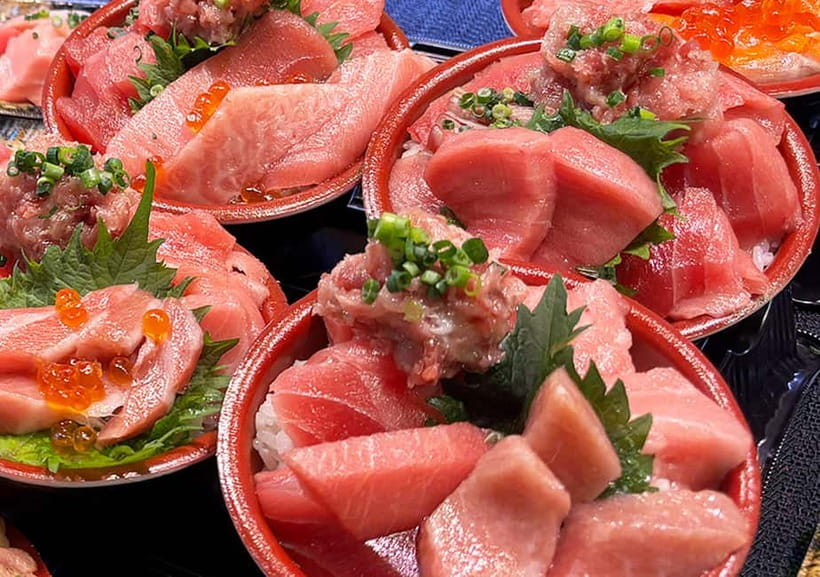
Now you hit the part most people really came for. A skilled chef fillets a whole fish using traditional techniques, and this is a dedicated time block with fish-cutting show admission included.
Why this matters: when you watch a fish get cut with real speed and control, you stop thinking of seafood as a generic product. You start understanding it as a set of cuts with specific uses—texture, thickness, and how each part performs for eating. Even if you don’t know the vocabulary yet, your eyes learn fast once you’re watching the process.
You’ll also get guided to a fresh seafood bowl afterward. One caution: the tour’s pricing does not list meals as included, so be ready to treat food as something you’ll likely buy during the tastings. In other words, the show is in the ticket value; what you eat is still part of your personal spending.
Also, crowd levels can affect how clearly you hear explanations. If your priorities are strong audio instruction, pick a spot close to the action during the show and ask the guide to repeat any key points if you missed them.
Stop 3: Tsukiji Fish Market atmosphere and professionals at work (30 minutes)
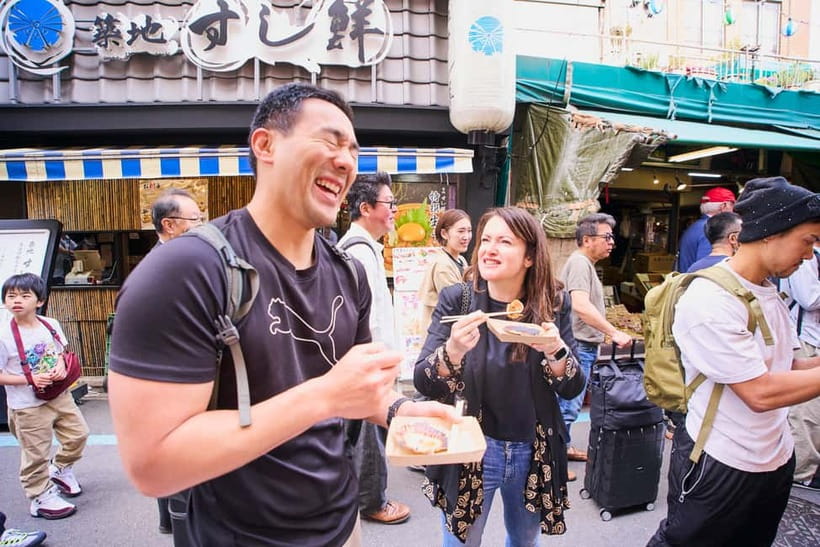
After the craft show, the tour shifts to atmosphere: you experience the authentic feel of a fish market where professional traders handle the daily work.
This stop is only 30 minutes, so it won’t feel like you’re living here for a day. But that’s the smart tradeoff. You get to see how everything looks in motion—movement, staging, and the professional pace—without burning your whole trip waiting on one viewpoint.
I enjoy this portion because it fills in the story. The cutting show tells you how fish becomes food. This market viewing tells you how fish becomes business. That contrast helps the whole experience click, and it makes your street food tastings feel more connected rather than random.
In very busy periods, though, expect the guide to make quick decisions about where to stand and when to move. If you’re sensitive to being separated from the group, keep an eye on where everyone is regrouping and don’t drift off for photos.
Readers also shortlisted these Tokyo bookings:
- Tokyo Tsukiji Fish Market Food and Culture Walking Tour★ 5.0 · 3,184 reviews
- Tokyo: Imperial Palace and Shogun Historical Walking Tour★ 5.0 · 2,251 reviews
- Tokyo: Shinjuku Local Bar and Izakaya Guided Walking Tour★ 4.9 · 1,794 reviews
- Tokyo: Tsukiji Fish Market Food and Walking tour★ 5.0 · 1,724 reviews
- Tokyo: Asakusa Walking Tour with Sensoji Temple Visit★ 4.8 · 1,583 reviews
Stop 4: Tsukiji Hongwanji Temple context in 15 minutes
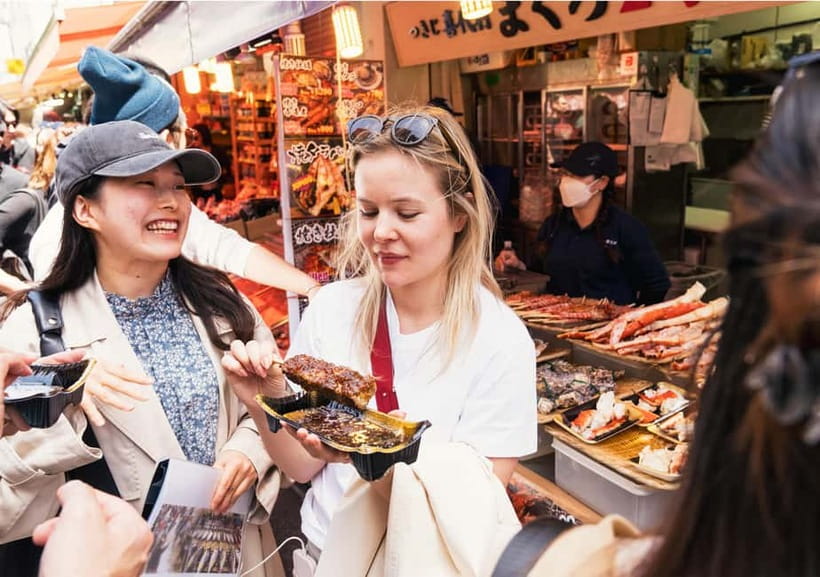
The temple stop is Tsukiji Hongwanji Temple, entered with a local guide who shares cultural and historical background tied to Buddhism. It’s brief—15 minutes—so treat it as a grounding moment rather than a full sightseeing event.
What I like about including a temple stop is that it prevents the tour from being only food and noise. You get a quick reset: a quieter space that helps explain why so much of Japan’s food culture sits inside broader everyday traditions.
What to consider: if you’re hoping for deep religious history, this is not that. It’s more like a useful orientation stop. If you’re more interested in maximizing market time, you may wish it were longer, but the short format fits the overall two-hour design.
The real value: how guides translate food into culture
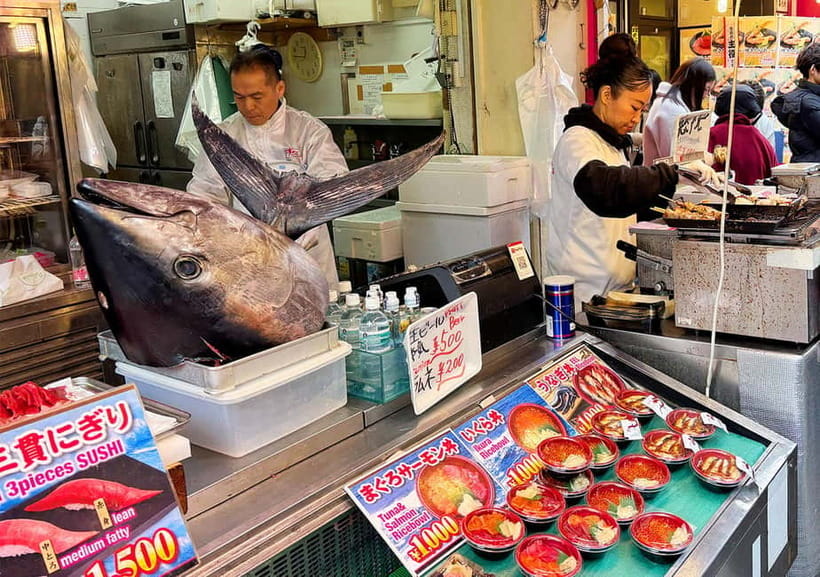
The tour isn’t just about eating. It’s about learning how to see.
You’re promised insights into Japanese cooking and ingredients, and that shows up in the way the guide frames what you’re watching. The best guides explain the logic behind choices: why certain cuts matter, what the show is teaching you about technique, and how street food fits into daily life.
The human element is where you’ll feel the difference. In the feedback, guides like George and Tomo are highlighted for taking people to strong spots to try and for clear explanations of history and culture. That’s exactly what you want here. In a place full of sensory overload, language clarity turns the chaos into something you can actually use.
If you’re choosing between booking and skipping, I’d base it on this question: do you want help understanding what you’re seeing, or do you mainly want to eat and photograph? This tour is best when you want both—but especially when you want someone to guide your choices.
Price and what you truly get for $33.16
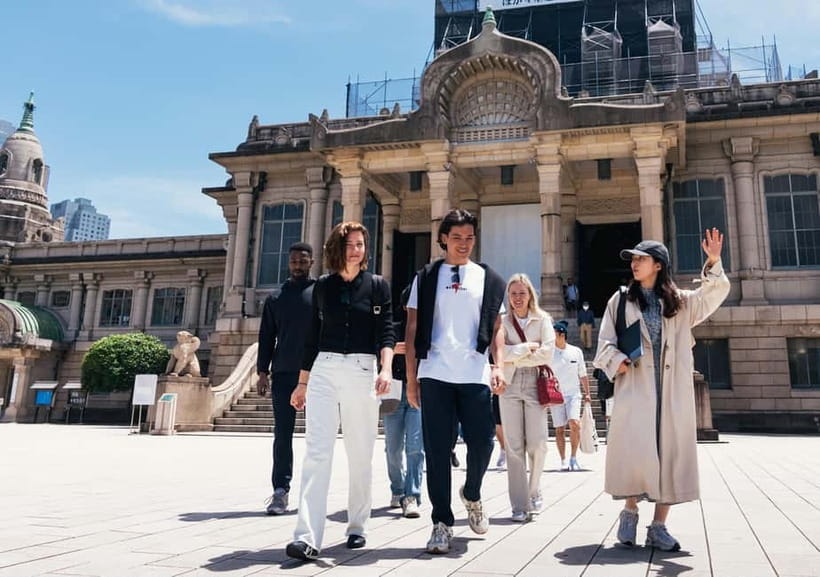
At $33.16 per person, you’re not paying for unlimited food. Meals aren’t included, which means you should budget for what you choose to eat during street food stops and any bowl afterward.
So what are you paying for?
- Guided time in a complicated area
- An included fish-cutting show admission
- Context around ingredients and traditional technique
- A compact itinerary that gives you market atmosphere plus a temple stop
For many people, that’s solid value because it protects your time. Tsukiji isn’t a place where you can easily guess the best order or the best moments for specific experiences. If you’re the type who loves figuring out markets on your own, you can probably do some of this without a guide. But if you want your money to buy clarity and a smoother flow, the guide fee makes sense fast.
Pace, crowds, and group size: the part you can’t ignore
This is a small-group tour capped at 30 travelers, and it’s set up to be wheelchair and stroller accessible. That said, Tsukiji is crowded by nature. You’ll still be standing in queues, moving through tight lanes, and sharing space with other shoppers.
Some of the frustrations people run into in market tours are the same here:
- stopping and waiting for the group
- crowded conditions that make it harder to hear
- a faster-than-expected pace if the guide has to keep everyone together
A practical hack: come with a calm mindset. If you’re flexible, the stop-and-go rhythm becomes part of the experience. If you’re expecting a slow, detailed museum-style explanation, you may find it shorter on story time and heavier on getting you to the next place.
Who should book this, and who should skip it
Book this tour if you:
- want a guided route through Tsukiji instead of trial-and-error
- are excited to see a fish-cutting show and understand why it matters
- like street food but want help choosing what to try
- want a quick cultural add-on at Tsukiji Hongwanji Temple
Skip it (or go in with lower expectations) if you:
- mainly want deep history and long explanations
- are strongly bothered by sun, crowds, or noise levels
- prefer to wander independently and pick stops at your own speed
Also, think about what you really want from a two-hour experience. If your priority is maximum eating time, you might feel like some minutes are spent walking or waiting. If your priority is understanding and seeing the market from a smart angle, this is the right format.
Weather and comfort: plan like it’s Tokyo
This tour requires good weather. If conditions are poor, you’ll be offered a different date or a full refund. In Tokyo, that means you should treat your planning like an outdoor walk.
Comfort is your friend here. Wear shoes you can stand in for a while, and consider sun protection if you’re the type who gets uncomfortable quickly. One important point: tell your guide about any limitations early. Market conditions don’t always allow long detours, so early communication helps.
FAQ
FAQ
How long is the Tsukiji Fish Market street food and culture walking tour?
It runs for about 2 hours.
Where does the tour start and end?
It starts at 築地本願寺本堂3-chōme-15-1 Tsukiji, Chuo City, Tokyo 104-0045, Japan, and ends back at the same meeting point.
How much does the tour cost?
The price is $33.16 per person.
What’s included in the price?
You get insights into Japanese cooking and ingredients and a guided tour of the Tsukiji Fish Market.
Are meals included?
No. Meals are not included.
Is the tour accessible for wheelchairs or strollers?
Yes, the tour is wheelchair and stroller accessible.
What happens if the weather is bad?
The experience requires good weather. If it’s canceled due to poor weather, you’ll be offered a different date or a full refund.
Should you book this Tsukiji tour?
I’d book it if you want structure in a place that can feel chaotic. The included fish-cutting show admission and the guide-led street food stops are the core value, and the temple add-on gives you a quick cultural frame. If you’re sensitive to crowds, noise, or slow pacing, go in with eyes open and consider whether you’d rather explore Tsukiji on your own.
More Tours in Tokyo
- Mt Fuji and Hakone 1-Day Bus Tour Return by Bullet Train
★ 5.0 · 26,383 reviews - 1-Day Tokyo Bus Tour
★ 5.0 · 14,250 reviews - Tokyo: Shinjuku Food Tour (13 Dishes at 4 Local Eateries)
★ 5.0 · 6,603 reviews - Tokyo Mt Fuji 5th St & Hakone Cruise Bus Tour w/Bullet Train
★ 4.4 · 5,024 reviews - Flagship 2-Hours Official Street Go-Kart Tour – Tokyo Bay Shop
★ 5.0 · 4,974 reviews
More Tour Reviews in Tokyo
- Mt Fuji and Hakone 1-Day Bus Tour Return by Bullet Train
★ 5.0 · 26,383 reviews - 1-Day Tokyo Bus Tour
★ 5.0 · 14,250 reviews - Tokyo: teamLab Planets TOKYO Digital Art Museum Entry Ticket
★ 4.6 · 9,779 reviews - Mt Fuji & Hakone Cruise, Drum Show Bullet Train 1 Day from Tokyo
★ 4.0 · 7,413 reviews - Tokyo: Shinjuku Food Tour (13 Dishes at 4 Local Eateries)
★ 5.0 · 6,603 reviews
More Tsukiji Market Breakfasts
- Tokyo Tsukiji Fish Market Food and Culture Walking Tour
★ 5.0 · 3,184 reviews - Tokyo: Tsukiji Fish Market Food and Walking tour
★ 5.0 · 1,724 reviews - Tokyo: Tsukiji Fish Market Guided Walking Tour
★ 4.9 · 1,397 reviews - Tokyo Sushi Making Class in Tsukiji with Professional Chef
★ 5.0 · 1,177 reviews - Tsukiji Fish Market Guided Tour and Sushi Making with Pro Chef
★ 5.0 · 775 reviews
Latest Tokyo reviews off our desk






Tsukiji Market Food Tours, compared.
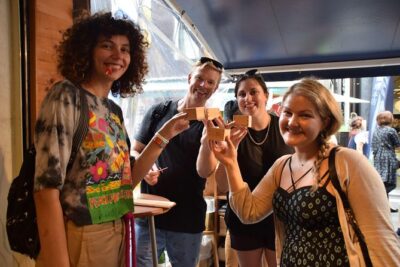 ★ 5.0Tokyo Tsukiji Fish Market Food and Culture Walking TourFrom $993,184 reviews
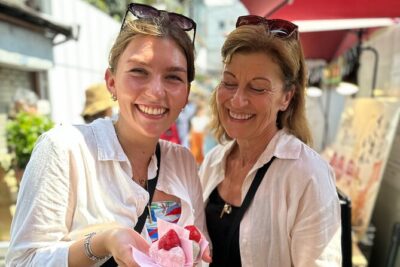 ★ 5.0Tsukiji Fish Market Food and Walking tourFrom $301,724 reviews
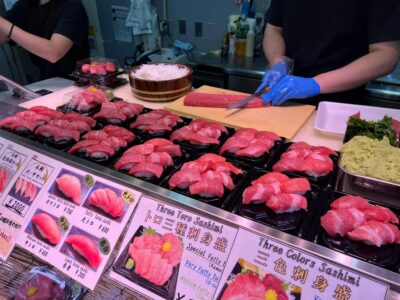 ★ 4.9Tsukiji Fish Market Guided Walking TourFrom $221,397 reviews
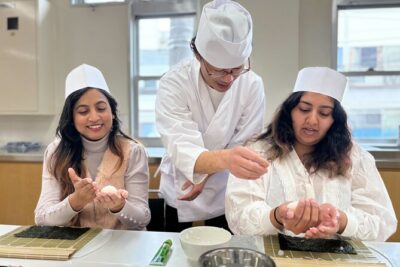 ★ 5.0Tokyo Sushi Making Class in Tsukiji with Professional ChefFrom $491,177 reviews
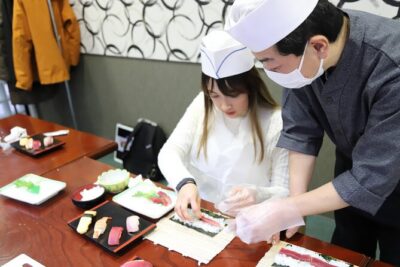 ★ 5.0Tsukiji Fish Market Guided Tour and Sushi Making with Pro ChefFrom $104775 reviews
★ 4.7Tsukiji Fish Market Food and Culture Walking TourFrom $96757 reviews
★ 5.0Tsukiji Fish Market Guided Tour and Sushi Making with Pro ChefFrom $104775 reviews
★ 4.7Tsukiji Fish Market Food and Culture Walking TourFrom $96757 reviews
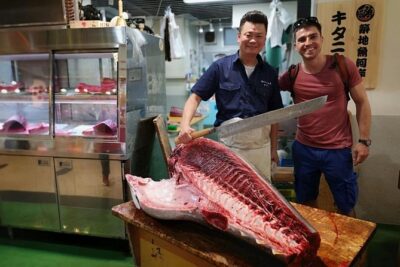 ★ 5.0Tsukiji Fish Market Small-Group Food Walking TourFrom $87621 reviews
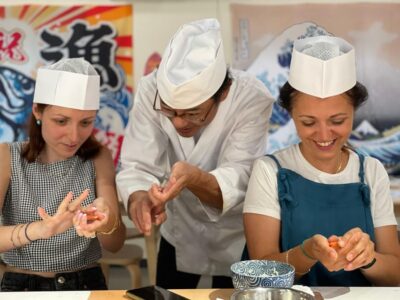 ★ 4.9Tsukiji Fish Market Sushi Making Class with Pro ChefFrom $63506 reviews
Browse the lists this tour appears in