
Reviewed · MOUNT FUJI TOURS
3 Days Tokyo, Mt. Fuji and Hakone Private Tour from Tokyo
Three days, zero rush. This private Tokyo–Fuji–Hakone plan keeps transit smooth with door-to-door pickup, and it pairs classic sights (Tsukiji, Senso-ji, Hakone Shrine) with real views of Mount Fuji. I like the flexibility that lets you set your own pace and even add optional Fuji hikes when conditions are right. The main drawback to plan for is costs for key add-ons, since things like Skytree and the Hakone Ropeway aren’t included.
One extra plus: the tour is built around a personal guide, and a guide named Ryu has been praised for punctual, professional service. You start early (8:00 am), and it runs about three days for groups up to five, so it feels organized without feeling packed.
In This Review
- Key Things I’d Focus On Before You Book
- Why This Tour Works: Private Pace, Real Sight Blocks
- Price and Value: What $1,265 Covers (and What It Doesn’t)
- Day 1 in Tokyo: Tsukiji, Asakusa, and Modern Views
- Tsukiji Fish Market: Fast Food Energy, Early-Day Pace
- Imperial Palace East Gardens (Edo Castle Ruin): Quiet History in the Middle of It All
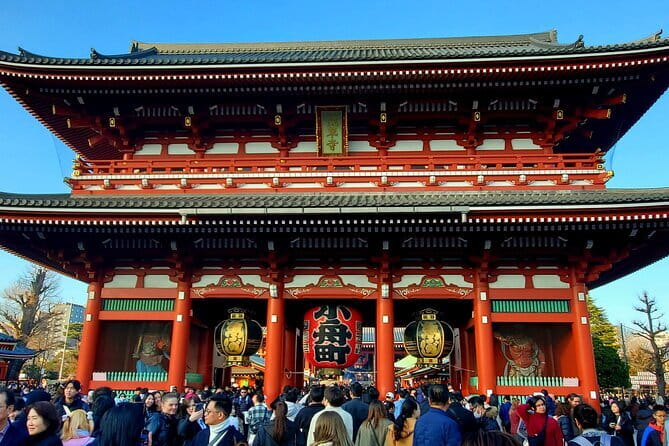
- Senso-ji Temple in Asakusa: The Tokyo Classic You Actually Need
- Tokyo Skytree: If You Want the Big-View Ticket
- Takeshita Street: Harajuku Snacks and Youth-Culture Chaos
- Day 2 Fuji Five Lakes: Multiple Fuji Views, One Organized Loop
- Chureito Pagoda: Fuji Framed by Iconic Lines
- Oshino Hakkai: Eight Ponds from Mount Fuji Water
- Kitaguchi Hongu Fuji Sengen Jinja Shrine: A Fuji-Focused Shinto Stop
- Lake Kawaguchiko: The Main Stage for Fuji Photos and Walks
- Oishi Park: Fuji Views Plus Seasonal Color
- Saiko Lake: A Quieter Fuji-Lake Feeling
- Day 3 Hakone: Lake Ashi, Owakudani, and a Volcano Spa Town Feel
- Lake Ashinoko: The Crater-Lake Vista That Defines Hakone
- Motohakone-Ko Pier: Choose Your Water Transport
- Hakone Ropeway: The Aerial Stretch (Extra Cost)
- Owaku-dani Valley: Volcanic Drama Up Close
- Hakone Shrine with the Red Torii: Classic Lake-Ashi Photo
- Hakone Open-Air Museum: Art in Fresh Air (Extra Cost)
- Gotemba Premium Outlets: A Practical End to the Day
- Getting the Most Out of the Schedule (Without Overplanning Your Life)
- Who This Tour Is Best For
- Should You Book This 3-Day Tokyo-Fuji-Hakone Private Tour?
- FAQ
- How long is the tour?
- Is this a private tour?
- Does the price include pickup and transportation?
- Are meals included?
- What extra tickets might I need to pay for?
- What’s included for Mount Fuji views and stops?
- What tickets do I receive?
- What happens if the weather is poor?
Key Things I’d Focus On Before You Book
- Private door-to-door transport: less time fighting trains, more time at the stops
- A Fuji-first structure: Fuji photos in multiple places, not just one quick pull-off
- Hakone with volcano drama: Owakudani and Lake Ashi in the same day
- Optional hiking time: you can turn Mount Fuji from a view into a walk
- Budget for paid add-ons: ropeway, cruises/speed boat, and Skytree are extra
- Small group size (up to 5): easier pacing and quieter decision-making
Why This Tour Works: Private Pace, Real Sight Blocks
A lot of multi-day Japan tours try to do too much with too little time. This one is built around a private format, so you’re not trapped behind a big bus schedule. You get door-to-door transportation, which matters when you’re moving between Tokyo, the Fuji area, and Hakone.
I also like how the route is organized in clean “blocks” of sightseeing: Tokyo’s iconic stops on day one, then the Fuji Five Lakes area on day two, then Hakone’s lakeside sights and volcanic valley on day three. You can breathe between major photo moments, and that makes a huge difference when you’re trying to see a lot without feeling rushed.
The tour’s “meals and stay are on you” setup is another practical point. You won’t be forced into someone else’s idea of lunch or timing. The trade-off is you need to plan your own food breaks, especially since the day can include long stretches in transit.
More Fuji day trips our readers rated highly
- Mt Fuji and Hakone 1-Day Bus Tour Return by Bullet Train
★ 5.0 · 26,383 reviews - Mt Fuji & Hakone Cruise, Drum Show Bullet Train 1 Day from Tokyo
★ 4.0 · 7,413 reviews - Tokyo Mt Fuji 5th St & Hakone Cruise Bus Tour w/Bullet Train
★ 4.4 · 5,024 reviews - From Tokyo: Mount Fuji Full-Day Sightseeing Trip
★ 4.5 · 4,970 reviews
Price and Value: What $1,265 Covers (and What It Doesn’t)
The total price is $1,265 per group, up to five people. If you bring a full group of five, you’re effectively splitting it to roughly $253 per person. With fewer people, the per-person cost climbs, so this is best when you can fill the group size (friends, family, or a small travel circle).
What you get for that price is clearly transport-heavy: an air-conditioned vehicle, private transportation, fuel surcharge, and parking fees. That’s not glamorous, but it’s exactly where DIY trips in Japan can become annoying fast—parking, finding the right pickup point, and managing route changes across regions.
What’s not included is equally important for value: meals and drinks, plus paid activities/admissions. The tour notes an activities fee covering options like speed boat (2000 yen per person), cruise ships (1200 yen), and the Hakone Ropeway (1500 yen). Tokyo Skytree also costs extra (3,800 yen per person), and the open-air museum in Hakone is listed as not included too.
So the real “value” question is simple: do you want these major paid highlights? If yes, the tour earns its keep by handling transportation and timing. If you’re skipping most paid add-ons, the price may feel heavy compared to a DIY plan.
Day 1 in Tokyo: Tsukiji, Asakusa, and Modern Views
Day one is all about contrast. You start with food energy, move into Edo-era history in the Imperial Palace East Gardens, then hit a classic temple in Asakusa before capping the day with modern Tokyo at Skytree and then Harajuku’s Takeshita Street.
Tsukiji Fish Market: Fast Food Energy, Early-Day Pace
Tsukiji Fish Market is a strong choice because it’s a sensory hit right away: seafood, action, and intense morning energy. Even if you’re not doing an auction-style breakfast, you’ll be in the middle of the culinary culture that Tokyo built its reputation on.
Tip for planning your own stops here: because meals aren’t included, decide how you want to handle food—snacks for roaming time, or a full meal later. This day layout gives you plenty of opportunities to eat without forcing the timing.
Imperial Palace East Gardens (Edo Castle Ruin): Quiet History in the Middle of It All
The East Gardens of the Imperial Palace sit on the footprint of Edo Castle ruins. This stop works because it offers a calmer pace after Tsukiji. You’re not just looking at Tokyo’s skyline—you’re walking through the green, structured grounds where old power used to be centered.
This is a good moment to reset before the crowd energy of Asakusa.
Other Hakone loops worth the fare
- Tokyo: Mt. Fuji Tour, Hakone Ropeway, Owakudani, Lake Ashi★ 4.7 · 4,002 reviews
- Private Tour to Mt. Fuji and Hakone (Fully Licenced Operator)★ 5.0 · 1,910 reviews
- Mt Fuji & Hakone Cruise, Drum Show Bus 1 Day from Tokyo★ 4.0 · 1,287 reviews
- From Tokyo: Mt. Fuji & Hakone Tour w/ Return by Bullet Train★ 4.2 · 1,278 reviews
- Mt Fuji and Hakone 1-Day Bus Tour Return by Bus★ 4.5 · 929 reviews
Senso-ji Temple in Asakusa: The Tokyo Classic You Actually Need
Senso-ji is one of those places where you understand why it’s famous the moment you arrive. It’s historic Buddhist architecture in a busy neighborhood, and the atmosphere is part of the experience. It’s also a great “anchor stop” on day one because it’s recognizable even if this is your first trip.
The only consideration: this area can get busy, so you’ll enjoy it more if you keep your schedule tight and focus on what you want to see instead of drifting.
Tokyo Skytree: If You Want the Big-View Ticket
Skytree is the day’s “modern Tokyo” moment. Admission isn’t included, so you’re making a conscious choice: do you want the height-and-view experience? If the weather is clear, Skytree can be a rewarding way to end the first day, especially after temples and market streets.
Because it’s not included, I recommend budgeting for it upfront so it doesn’t become a last-minute decision.
Takeshita Street: Harajuku Snacks and Youth-Culture Chaos
Takeshita Street is short, iconic, and designed for browsing. It’s a place for quick wandering—street fashion, sweets, and loud energy in a pedestrian-only zone.
This stop is fun, but it’s also a lot. If you prefer calmer sightseeing, you can spend less time here and still get the “I saw it” value without letting it swallow your evening.
Day 2 Fuji Five Lakes: Multiple Fuji Views, One Organized Loop
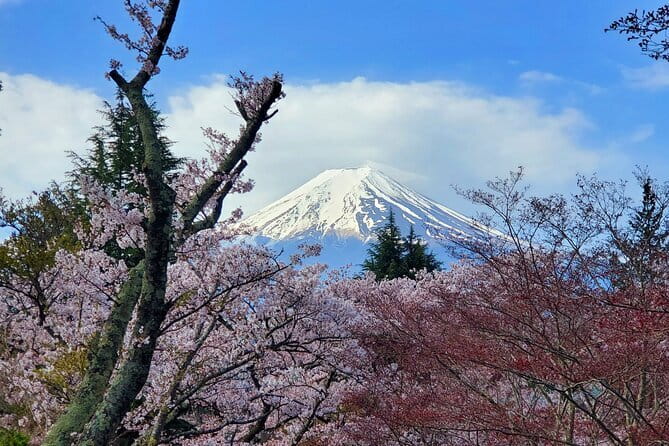
Day two is where the trip earns its name. You’ll chase Mount Fuji views across a sequence of lakes, viewpoints, and shrine spots. The itinerary is built around the idea that Fuji can hide—so you see more than one angle instead of gambling on a single photo spot.
Chureito Pagoda: Fuji Framed by Iconic Lines
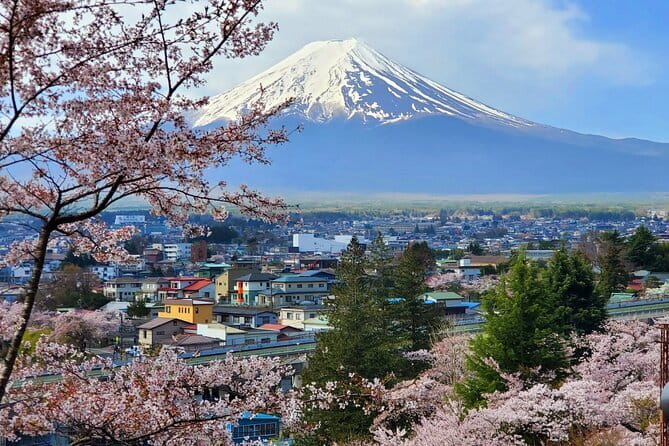
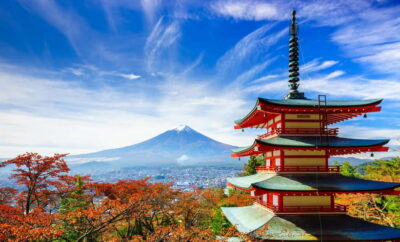
Chureito Pagoda is known for postcard compositions: that five-story pagoda with Fuji in the background. This stop is short (about an hour), but it’s timed for that quick payoff moment—get your photos and enjoy the view without overthinking it.
One practical consideration: on days when Fuji is partly obscured, the pagoda view still has value, but your “perfect Fuji” shot may be harder. That’s why the next stops matter.
Oshino Hakkai: Eight Ponds from Mount Fuji Water
Oshino Hakkai is a set of ponds fed by pure Mount Fuji water. It’s calmer than the market streets of day one, and the scenery feels clean and orderly. This is a great place to slow down and take in the water color and reflections.
If you love nature photography, this stop is one of the better bets because the water is the star, not crowds or buildings.
Kitaguchi Hongu Fuji Sengen Jinja Shrine: A Fuji-Focused Shinto Stop
This shrine is dedicated to Konohanasakuya-time, the goddess of Mount Fuji. Even if you’re not deep into Shinto rituals, it’s a meaningful cultural anchor in a day otherwise dominated by views and photo spots.
It also gives you a break from viewpoint-hopping. You’ll walk, read what you can, and feel like you understand the local relationship to Fuji beyond just the scenery.
Lake Kawaguchiko: The Main Stage for Fuji Photos and Walks
Lake Kawaguchiko is the “big one” of the Fuji Five Lakes area. Expect iconic photo opportunities and easy reasons to stay a little longer. This is where you go when you want Fuji to feel central, not just in the background.
Again, meals aren’t included, so plan how you’ll eat while you’re at this lake. Having a guide can still help you decide what to target nearby, but you’ll handle your own budget.
Oishi Park: Fuji Views Plus Seasonal Color
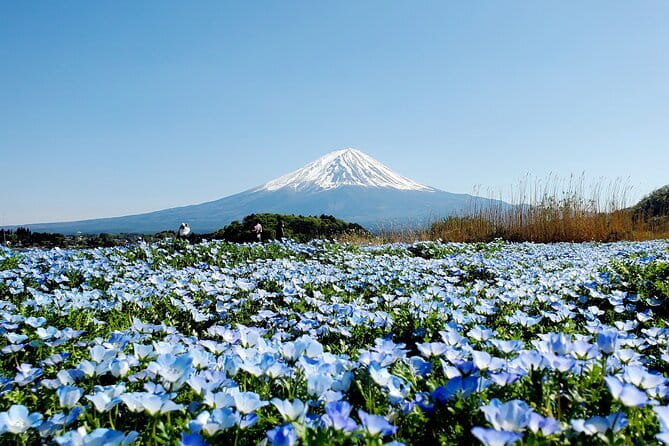
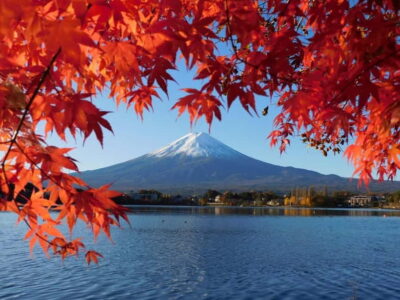
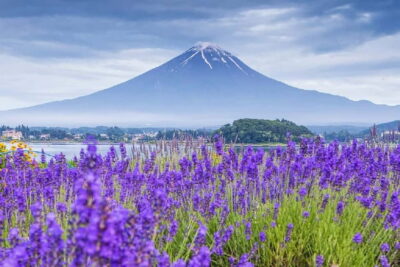
Oishi Park is positioned for strong views across the lake. It’s also known for seasonal flowers, which can add color beyond the mountain itself. If you’re traveling in a month when blooms are good, this stop can turn from nice to memorable.
If you’re chasing specific photos, arrive with a clear idea of where you want your vantage point from so you don’t lose time wandering.
Saiko Lake: A Quieter Fuji-Lake Feeling
Saiko Lake is described as more tranquil and less crowded. That matters because it’s a direct contrast to the more popular Kawaguchiko area. If you want a moment that feels less commercial and more restful, this stop helps deliver it.
This is also a smart place to reset your legs before the Hakone day, which is where the walking can add up.
Day 3 Hakone: Lake Ashi, Owakudani, and a Volcano Spa Town Feel
Day three shifts from Fuji lakes to Hakone’s volcanic character. You’ll start at Lake Ashinoko, move through Hakone’s transport highlights like the sightseeing cruise pier and ropeway, hit Owakudani, then finish with Hakone Shrine and an outdoor art museum stop before optional shopping time at Gotemba.
Lake Ashinoko: The Crater-Lake Vista That Defines Hakone
Lake Ashinoko (also called Lake Ashi) is a centerpiece. The crater-lake setting and views are the reason people come here. It’s a clean visual “breather” right before the volcanic stop.
This is also where you’re likely to notice how Hakone feels different from Tokyo and even from the Fuji lakes. It’s more spread out and designed around nature and transit.
Motohakone-Ko Pier: Choose Your Water Transport
Motohakone is your launch point for the Hakone sightseeing cruise. The tour lists cruises and speed boat options as paid extras. A cruise ship is listed at 1200 yen per person, and the speed boat is 2000 yen per person.
Choose based on your style: if you want a slower, scenic ride, the cruise ship fits. If you want time efficiency and quicker movement, speed boat can help. Either way, this stop is part transit, part view time.
Hakone Ropeway: The Aerial Stretch (Extra Cost)
The Hakone Ropeway is listed as not included, with a stated fee of 1500 yen per person. This is one of those choices that can change how the day feels. From above, the volcanic valley and surrounding hills read differently than they do on foot.
If you don’t like heights or you’re worried about weather affecting visibility, consider skipping it and focus your time on Owakudani and Hakone Shrine.
Owaku-dani Valley: Volcanic Drama Up Close
Owakudani is the big “otherworldly” stop. The valley is known for volcanic activity and dramatic formations. It’s short but intense, and it’s the kind of place you remember because it doesn’t look like the rest of your trip.
This is also a great place to take a moment and just watch the steam and terrain. Even without going deep into explanations, the visual impact does the job.
Hakone Shrine with the Red Torii: Classic Lake-Ashi Photo
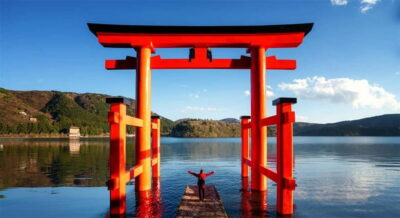
Hakone Shrine is famous for its red torii gate in the water. It’s one of those scenes that reads as distinctly Hakone. The stop also feels more ceremonial than Owakudani, so the day has emotional variety.
Because this is a signature photo, treat it as a must-see moment. Keep your camera ready and don’t cut the time short.
Hakone Open-Air Museum: Art in Fresh Air (Extra Cost)
The open-air museum is listed as not included, and the time you spend here matters because it’s not just a quick stop. If you like outdoor art settings, you’ll probably enjoy the combination of sculptures and open space.
If your priority is views over museums, this is a point where you can choose to spend less time here, since the day is already loaded with nature.
Gotemba Premium Outlets: A Practical End to the Day
Gotemba Premium Outlets is included as a stop, and it’s a good “end-of-trip sanity check” for anyone who wants shopping. It’s located at the base of Mount Fuji and is described as Japan’s largest outlet mall with over 200 stores.
This isn’t essential sightseeing, but it can be valuable if you’ve been traveling for a while and want an easy place to pick up gifts.
Getting the Most Out of the Schedule (Without Overplanning Your Life)
Because the tour includes door-to-door transportation, your main job is to manage your energy. The route is packed with stops that each take time, but the private format reduces the stress that usually comes with moving between regions.
Meals aren’t included, so I recommend thinking of food as a part of the schedule rather than a last-minute problem. If you go hungry, you lose patience; if you plan simple breaks, you keep the day enjoyable.
Also, the tour requires good weather. Fuji and Hakone are view-driven areas, so clouds can change what you get. Still, the itinerary includes cultural and volcanic stops that keep value even when the mountain isn’t fully cooperating.
Finally, the tour starts at 8:00 am. If you’re not a morning person, you’ll enjoy this more if you plan for an early breakfast and take it slow after the first sightseeing push.
Who This Tour Is Best For
This private tour is a strong match if you:
- want a first-timer-friendly route with fewer route decisions
- travel as a small group (up to five) and want to split costs
- care about Fuji views and want multiple chances to see it
- prefer private pacing over bus schedules
- would rather pay for transport convenience than manage transfers yourself
If you’re a solo traveler with a strict budget, you may find the per-person cost less attractive. And if you’re not interested in paid add-ons like Skytree or the Hakone Ropeway, do the math before booking.
Should You Book This 3-Day Tokyo-Fuji-Hakone Private Tour?
I’d book it if you want a smooth, structured three days that links Tokyo icons to Fuji scenery and Hakone’s volcanic character—without the stress of organizing transit across regions. The value is best when your group fills most of the five-person spots, because the price is essentially buying you private transport, not just sightseeing.
Skip it if you love DIY planning and you’re planning to skip most of the paid highlights. For view-driven travelers who want fewer headaches and more time at each stop, this tour has the right balance.
FAQ
How long is the tour?
The tour is approximately 3 days, starting at 8:00 am.
Is this a private tour?
Yes. It’s a private tour/activity, and only your group participates.
Does the price include pickup and transportation?
Door-to-door transportation is included, and pickup is offered. It also includes an air-conditioned vehicle, fuel surcharge, and parking fees.
Are meals included?
No. Meals, drinks, and snacks are not included.
What extra tickets might I need to pay for?
Some activities and admissions are not included, including the Hakone Ropeway (1500 yen per person) and Tokyo Skytree (3,800 yen per person). The tour also lists optional water transport fees like speed boat (2000 yen per person) and cruise ships (1200 yen).
What’s included for Mount Fuji views and stops?
The plan includes multiple Fuji-related stops across day two, plus optional Mount Fuji hikes are mentioned as customizable.
What tickets do I receive?
The tour includes a mobile ticket.
What happens if the weather is poor?
The experience requires good weather. If it’s canceled due to poor weather, you’ll be offered a different date or a full refund.
More Tour Reviews in Tokyo
- Mt Fuji and Hakone 1-Day Bus Tour Return by Bullet Train
★ 5.0 · 26,383 reviews - 1-Day Tokyo Bus Tour
★ 5.0 · 14,250 reviews - Tokyo: teamLab Planets TOKYO Digital Art Museum Entry Ticket
★ 4.6 · 9,779 reviews - Mt Fuji & Hakone Cruise, Drum Show Bullet Train 1 Day from Tokyo
★ 4.0 · 7,413 reviews - Tokyo: Shinjuku Food Tour (13 Dishes at 4 Local Eateries)
★ 5.0 · 6,603 reviews
Hakone, A Few More Ways
- Mt Fuji and Hakone 1-Day Bus Tour Return by Bullet Train
★ 5.0 · 26,383 reviews - Mt Fuji & Hakone Cruise, Drum Show Bullet Train 1 Day from Tokyo
★ 4.0 · 7,413 reviews - Tokyo Mt Fuji 5th St & Hakone Cruise Bus Tour w/Bullet Train
★ 4.4 · 5,024 reviews - Tokyo: Mt. Fuji Tour, Hakone Ropeway, Owakudani, Lake Ashi
★ 4.7 · 4,002 reviews - Private Tour to Mt. Fuji and Hakone (Fully Licenced Operator)
★ 5.0 · 1,910 reviews
More Mount Fuji Days We Have Reviewed
- Mt Fuji and Hakone 1-Day Bus Tour Return by Bullet Train
★ 5.0 · 26,383 reviews - Mt Fuji & Hakone Cruise, Drum Show Bullet Train 1 Day from Tokyo
★ 4.0 · 7,413 reviews - Tokyo Mt Fuji 5th St & Hakone Cruise Bus Tour w/Bullet Train
★ 4.4 · 5,024 reviews - From Tokyo: Mount Fuji Full-Day Sightseeing Trip
★ 4.5 · 4,970 reviews - Tokyo: Mt. Fuji Tour, Hakone Ropeway, Owakudani, Lake Ashi
★ 4.7 · 4,002 reviews
Latest Tokyo reviews off our desk

Mount Fuji Tours, compared.
 ★ 5.0Mt Fuji and Hakone 1-Day Bus Tour Return by Bullet TrainFrom $16326,383 reviews
 ★ 4.0Mt Fuji & Hakone Cruise, Drum Show Bullet Train 1 Day from TokyoFrom $1497,413 reviews
 ★ 4.4Tokyo Mt Fuji 5th St & Hakone Cruise Bus Tour w/Bullet TrainFrom $1545,024 reviews
 ★ 4.5From Tokyo: Mount Fuji Full-Day Sightseeing TripFrom $684,970 reviews
 ★ 4.7Mt. Fuji Tour, Hakone Ropeway, Owakudani, Lake AshiFrom $544,002 reviews
 ★ 4.4Mt.Fuji,Kawaguchiko Oishi Park,Arakurayama Sengen ParkFrom $542,682 reviews
 ★ 4.2Mt. Fuji 5th Station & Hakone Cruise 1-Day Bus TourFrom $1292,381 reviews
 ★ 4.7Mt Fuji Top 5 Spots Day Tour: Arakurayama Park,Oshino HakkaiFrom $532,066 reviews
Browse the lists this tour appears in