
Reviewed · MOUNT FUJI TOURS
Mt Fuji and Hakone 1-Day Bus Tour Return by Bus
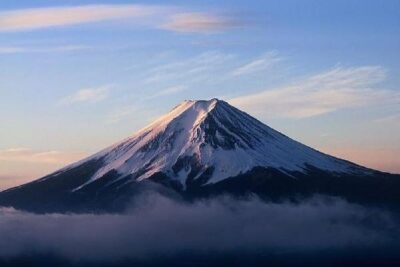
Fuji in the morning air. This full-day bus tour takes you from Tokyo to Mount Fuji’s 5th Station with a guide, Wi‑Fi on board, and a real shot at that clear-sky view for photos. The morning timing matters a lot, and the stop is short but focused.
What I like most is the one-two punch of Hakone Ropeway views followed by a relaxed Lake Ashi cruise. You get elevated vantage points for the region’s volcanic scenery, then a calm boat ride that helps you shake out the bus day.
One consideration: it’s a long day, and the bus time can feel heavy—plus weather or traffic can shuffle or cancel parts of the plan. If you’re hoping for lots of unhurried time at every stop, this tour is more efficient than slow.
In This Review
- Key points worth knowing
- A bus day with two dream stops
- Start point and timing: early pickup is the whole game
- Mount Fuji 5th Station: short visit, strong vibe
- The lunch stop at the base of Mt. Fuji: good option, picky details
- Hakone Ropeway: the best views are vertical
- Mt. Hakone or Mt. Komitake: a flexible detour
- Lake Ashi cruise: the calm part of the day
- Getting back to Tokyo: Odawara vs Shinjuku
- What makes the guide impact your day
- Price and value: $136 for guided efficiency
- Weather and operational changes: your best defense is flexibility
- Who this tour is best for (and who should skip)
- Should you book Mt. Fuji and Hakone on this 1-day bus tour?
- FAQ
- FAQ
- What are the pickup locations?
- How long is the tour?
- Is Wi-Fi available on the bus?
- Is there a guide and language options?
- What does the tour include for Mount Fuji?
- Is lunch included, and what meal options are available?
- Is Halal or vegan lunch available?
- What Hakone activities are included?
- Where does the tour end?
- Will the itinerary always follow the same order?
Key points worth knowing
- Early pickup from Ginza or Love Shinjuku to maximize daylight for Fuji photos
- Mount Fuji 5th Station gives you the sacred shrine atmosphere and a real mountain breather
- Cable car + ropeway combo in Hakone for big views without renting a car
- Lake Ashi cruise is the best reset after time on the road (but can be crowded)
- Lunch flexibility: vegetarian and Muslim options exist, but Halal/vegan lunch does not
- Return varies by season: Odawara Station is common on weekends/holidays due to traffic
A bus day with two dream stops
This is the kind of tour that’s built around one goal: seeing Mount Fuji and then stacking on Hakone sights in a single day without the stress of navigation. You’ll start in Tokyo early, ride in an air-conditioned coach with free Wi‑Fi, and let a professional English-speaking guide handle the timing. If your Japan trip has only one day to spare, this is a practical way to make it count.
I also like that the group size is capped (up to 43 people). That doesn’t make it “private,” but it helps the day feel organized rather than chaotic. And you get multilingual audio guidance in several languages, which is handy if you want a backup to the guide’s narration.
The biggest trade-off is simple: you’re signing up for long road time. Even when the schedule runs well, you’ll feel the clock.
More Fuji day trips our readers rated highly
- Mt Fuji and Hakone 1-Day Bus Tour Return by Bullet Train
★ 5.0 · 26,383 reviews - Mt Fuji & Hakone Cruise, Drum Show Bullet Train 1 Day from Tokyo
★ 4.0 · 7,413 reviews - Tokyo Mt Fuji 5th St & Hakone Cruise Bus Tour w/Bullet Train
★ 4.4 · 5,024 reviews - From Tokyo: Mount Fuji Full-Day Sightseeing Trip
★ 4.5 · 4,970 reviews
Start point and timing: early pickup is the whole game
Your morning begins with pickup from either Matsuya Ginza (7:20am) or Love Shinjuku (7:50am). That early start is not just for show. Mount Fuji visibility depends on weather and time of day, and Hakone’s best views tend to come when you’re not rushing in the late afternoon.
On a clear day, this timing can pay off fast. There are many reports of arriving at Fuji around the late morning (often about 10am) with sunlight doing its best work. Of course, clouds happen. Fuji is not a guaranteed “mustache” on every photo, so plan to be flexible.
Once you leave Tokyo, you’ll be in coach mode: sit back, use the Wi‑Fi, and watch Japan’s scenery roll by. The tour does include guided commentary, and audio guidance runs as well, but you may still find the ride long if you dislike group pacing.
Mount Fuji 5th Station: short visit, strong vibe
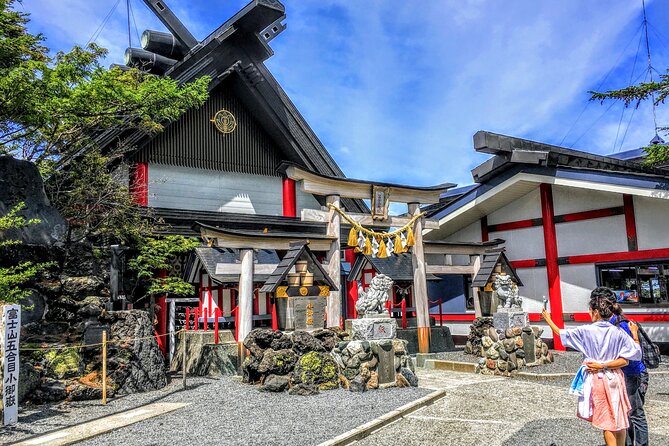
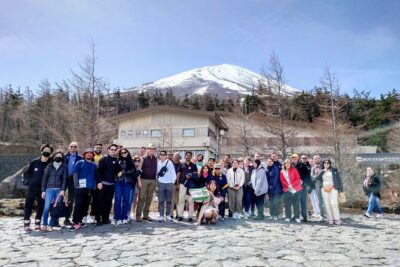
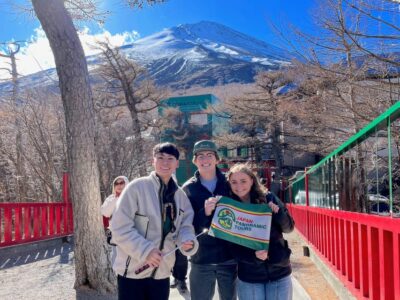
Mount Fuji’s 5th Station is the key “up close” moment of the day, and it’s built around a quick breath and a real change in altitude. You’ll spend about 30 minutes there with admission listed as free.
What you’ll do during that window:
- Take in the mountain views if skies are clear
- Feel the Shinto shrine atmosphere at the station
- Walk around with time for photos, restrooms, and getting your bearings
The practical part: thirty minutes is enough for the essentials, not enough to wander for hours. Bring layers. Even in warmer months, you can feel cooler at altitude, and the weather can swing quickly.
Also, if you’re sensitive to breathing conditions, note that this tour is not recommended for people with asthma. Altitude and weather can be a factor, and the itinerary is not set up for long slow breaks.
Finally, the tour notes that in some cases you might visit an alternative to the 5th Station due to Fuji access rules—so don’t assume the exact same “look” on every date.
The lunch stop at the base of Mt. Fuji: good option, picky details
After Fuji 5th Station, the day shifts to the area at the base of the mountain, where lunch is typically part of the experience. If you select the lunch option, it’s a buffet at about 40 minutes, with local ingredients and choices you can mix and match.
Diet notes matter here:
- Vegetarian and Muslim-friendly lunch options are available if you request them when booking.
- Halal and vegan meals are not available. If those matter to you, you’ll likely want to book without lunch and bring your own food.
In reviews, the buffet gets mixed feedback. On a good day, it’s described as a wide variety that fills you up before Hakone. On other days, it’s called mediocre or more “canteen-style” than the photos promise. Either way, treat lunch as fuel rather than a food highlight.
If you have dietary restrictions, do the homework before you go. It’s not about being picky—it’s about not getting stuck with the wrong menu when you’re hungry and time is tight.
Hakone Ropeway: the best views are vertical
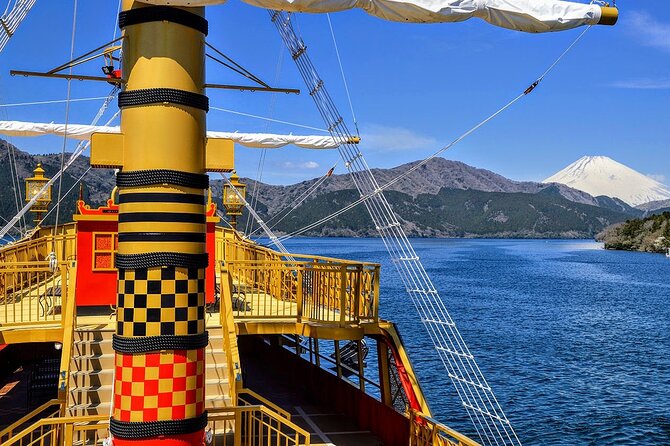
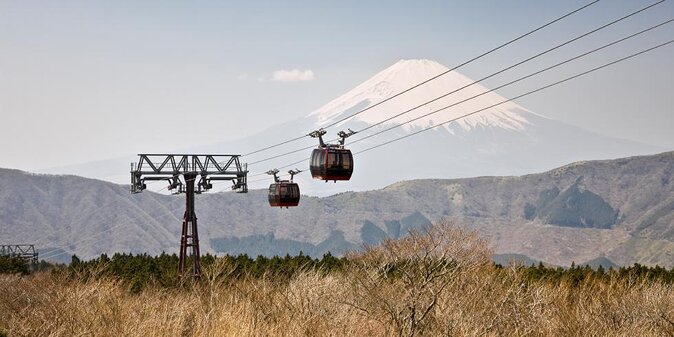
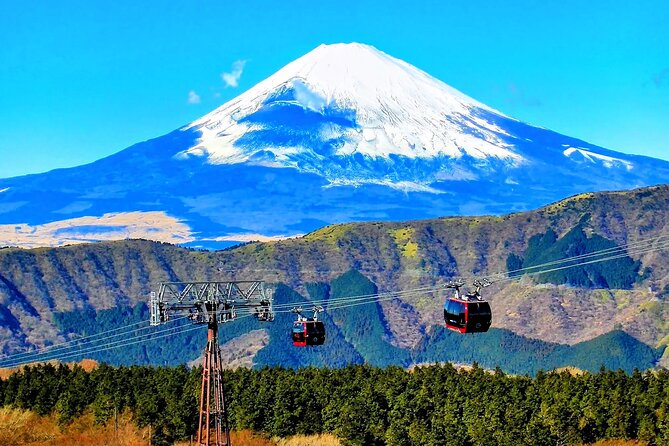
Hakone is where the tour tries to make Fuji’s story continue. The highlight here is the Hakone Ropeway, included in the schedule for about 30 minutes. You’ll ride the cable car through the Hakone area to get sweeping views (again, best when visibility is clear).
What makes this stop work for a day trip:
- It’s an “instant viewpoint” stop. You don’t need a long walk to feel like you’ve climbed something.
- You get a different angle on Mt. Fuji and the region than you do at street level.
- It breaks up the day after the road and before the cruise.
One caution: the tour is weather- and traffic-sensitive. There are situations where the ropeway can be canceled due to scheduling pressure when roads are slow. So while ropeway is a highlight on paper, you should mentally prepare for a “plan B” scenario.
Other Hakone loops worth the fare
- Tokyo: Mt. Fuji Tour, Hakone Ropeway, Owakudani, Lake Ashi★ 4.7 · 4,002 reviews
- Private Tour to Mt. Fuji and Hakone (Fully Licenced Operator)★ 5.0 · 1,910 reviews
- Mt Fuji & Hakone Cruise, Drum Show Bus 1 Day from Tokyo★ 4.0 · 1,287 reviews
- From Tokyo: Mt. Fuji & Hakone Tour w/ Return by Bullet Train★ 4.2 · 1,278 reviews
- Mt Fuji and Hakone 1-Day Bus Tour Return by Bus★ 4.5 · 929 reviews
Mt. Hakone or Mt. Komitake: a flexible detour
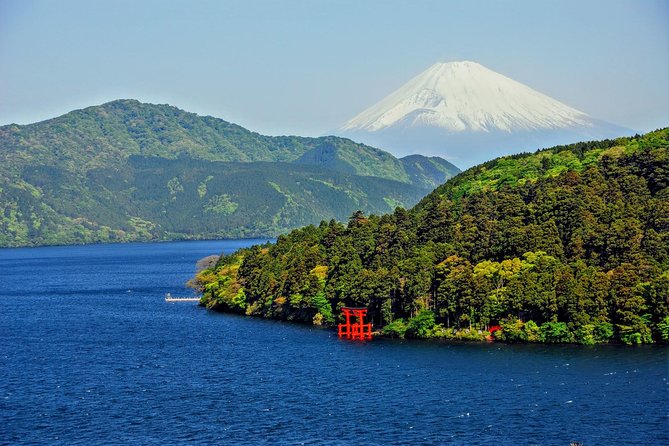
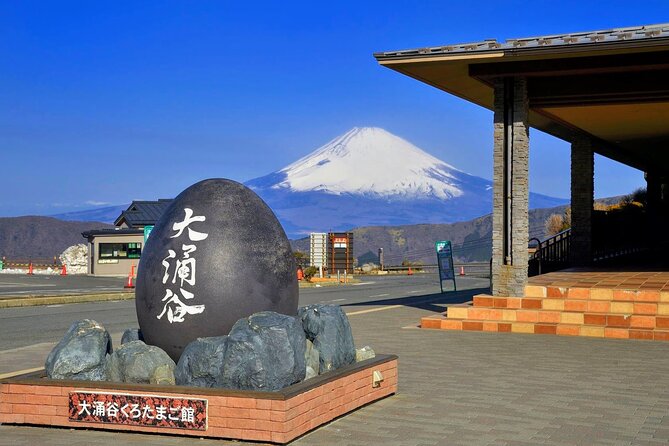
The itinerary includes a stop that says you’ll visit either Mt. Hakone or Mt. Komitake to see the beauty of the Hakone area. The exact choice can vary, and the day is subject to operational changes.
What this means for you as a traveler:
- You might get more of a “nature + viewpoints” feel depending on which mountain stop you’re assigned.
- You should bring comfortable shoes and assume some walking.
- If you’re chasing one specific viewpoint, this isn’t the type of tour that guarantees you’ll hit it exactly every time.
Still, this flexibility is often what keeps the day from falling apart. When weather and traffic won’t cooperate, guides have to adapt.
Lake Ashi cruise: the calm part of the day
After ropeway comes the cruise on Lake Ashinoko (Lake Ashi). The cruise time is about 30 minutes, and it’s included.
This is one of the most popular parts of the whole tour because it does two useful things:
- It cools you down on hot days and gives your legs a rest.
- It frames the scenery from water level, which feels different from the cable car viewpoint.
There are also realistic downsides to know:
- You may be in a crowded boat situation, so don’t count on your own perfect seat.
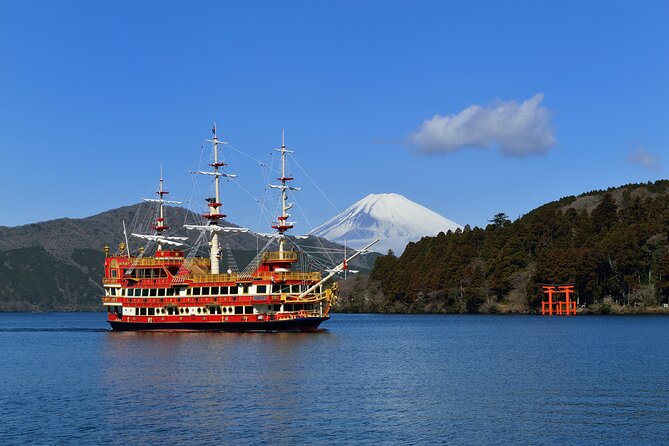
- One review calls out that the boat you sail on can differ from what appears in the tour photography. In general terms, it’s described as a standard lake cruise vessel, similar to a ferry.
For your expectations: think of this as a scenic reset, not a long, leisurely private charter.
Getting back to Tokyo: Odawara vs Shinjuku
You’ll finish either at Odawara Station or drop closer to central Tokyo (notably around Shinjuku Station, with a listed drop around 19:00).
Here’s the key detail: on weekends and public holidays, the tour often ends at Odawara Station because of heavy traffic. That matters because your “return plan” changes. Odawara is still well connected to Tokyo, and the tour notes that if you have a JR Pass, you can take the bullet train onward.
If your date falls on a weekend, I’d strongly consider planning your Tokyo return around Odawara. The standard “bus back to Tokyo” may not be the ending point you expect.
What makes the guide impact your day
A tour like this lives and dies by communication. Even with a solid itinerary on paper, your experience will hinge on whether the guide can keep you moving while also explaining what you’re seeing.
In feedback tied to this exact style of tour, guides named Levin, Aya, Yui, Sora, Hiro, Hero, Tommy, Tsubasa, and Mo Mo are repeatedly described as funny and helpful, with practical advice and good pacing. That kind of energy does something real: it helps you accept the time limits at each stop without feeling robbed.
I’d pay attention to how your guide explains:
- what to do first once you arrive at Fuji
- how to manage photo spots quickly
- where to stand on the cruise for the best viewing angles
These are small skills, but they add up on a day that’s already packed.
Price and value: $136 for guided efficiency
At $136.05 per person, this isn’t cheap, but it’s also not outrageous for a one-day push that covers four separate big-ticket activities: Fuji 5th Station, a lunch stop, Hakone Ropeway, and a Lake Ashi cruise. The price includes major transit time inside the coach plus admission for ropeway and cruise.
Where the value gets real:
- If you don’t want to drive, rent a car, or deal with trains plus transfers in one day, the bus structure saves you work.
- If you want a guide to manage timing and keep the group from losing the schedule, that guidance is built into the price.
Where value can feel rough:
- If you hate bus time, you’ll feel every minute. There are strong complaints in feedback about the day feeling like mostly driving with short stops.
- If you show up on a day with poor Fuji visibility, the “big moment” can shrink fast—especially because the 5th Station time is limited.
So I’d treat the price as a fee for convenience and a strong “coverage plan,” not as a guarantee of epic views.
Weather and operational changes: your best defense is flexibility
This tour is explicitly weather- and traffic-dependent. You should assume that:
- the order of stops can change
- if a location is closed, there may be an alternative
- you might not get every activity depending on conditions
There are also notes about possible alternative spots if parts of the plan can’t run, including options like other lakes, a castle, certain Hakone shrines/checkpoints, and other Fuji-related centers. Sometimes you may receive a small compensation gift instead of a full refund for changes.
Translation for you: pack for rain just in case, bring layers, and keep your mood light. Fuji days can swing from stunning to socked-in fast, and the tour can’t rewrite the weather.
Who this tour is best for (and who should skip)
Best fit:
- You have only one day and you want Fuji + Hakone without DIY logistics.
- You’re okay with short, efficient visits at each stop.
- You like the idea of a guide and want help turning time constraints into photo ops.
Maybe not best fit:
- You hate long bus rides and want lots of free time at each location.
- You’re chasing one specific viewpoint and will be upset if weather/traffic changes it.
- You have asthma or mobility concerns that make walking and standing harder.
If you’re a traveler who wants to wander slowly, this is not built like that. It’s built like a “see the highlights with expert routing” day.
Should you book Mt. Fuji and Hakone on this 1-day bus tour?
I’d book this tour if you want maximum big sights in one day and you’d rather pay for coordination than spend your limited time figuring out transport. The Fuji 5th Station stop plus Hakone Ropeway and a Lake Ashi cruise is a strong set of experiences for the price, especially when the sky cooperates.
I would hesitate if you’re very sensitive to schedule pressure. Short stops mean you’ll move quickly, and weather can reduce what you see—especially for Fuji. If you’re going on a weekend, plan your return with Odawara as the likely ending point.
My practical advice: check the forecast, dress for sudden changes, and treat the day as a guided highlight reel. If that fits your travel style, you’ll likely feel like you got your money’s worth.
FAQ
FAQ
What are the pickup locations?
Pickup is from Matsuya Ginza at 7:20am or from LOVE Shinjuku at 7:50am.
How long is the tour?
The duration is about 11 hours.
Is Wi-Fi available on the bus?
Yes. Free Wi‑Fi service is provided on the bus.
Is there a guide and language options?
You’ll have a professional English-speaking tour guide, plus multilingual audio guidance in English, Spanish, French, Italian, German, Portuguese, and Ukraine.
What does the tour include for Mount Fuji?
You visit Mt. Fuji’s 5th Station for about 30 minutes. Admission there is listed as free, and you can also visit a Shinto shrine area at the station.
Is lunch included, and what meal options are available?
Lunch is included only if you select the buffet lunch option. Vegetarian and Muslim lunch options are available if requested during booking.
Is Halal or vegan lunch available?
Halal and vegan meals are not available. If you need Halal/vegan, you should book without lunch and bring your own.
What Hakone activities are included?
Hakone Ropeway is included (about 30 minutes), and Lake Ashinoko cruise is included (about 30 minutes).
Where does the tour end?
It may end at Odawara Station or at Shinjuku Station (around 19:00), depending on the time of year and traffic.
Will the itinerary always follow the same order?
No. The itinerary order can change depending on traffic, weather, or operational reasons.
More Tour Reviews in Tokyo
- Mt Fuji and Hakone 1-Day Bus Tour Return by Bullet Train
★ 5.0 · 26,383 reviews - 1-Day Tokyo Bus Tour
★ 5.0 · 14,250 reviews - Tokyo: teamLab Planets TOKYO Digital Art Museum Entry Ticket
★ 4.6 · 9,779 reviews - Mt Fuji & Hakone Cruise, Drum Show Bullet Train 1 Day from Tokyo
★ 4.0 · 7,413 reviews - Tokyo: Shinjuku Food Tour (13 Dishes at 4 Local Eateries)
★ 5.0 · 6,603 reviews
Hakone, A Few More Ways
- Mt Fuji and Hakone 1-Day Bus Tour Return by Bullet Train
★ 5.0 · 26,383 reviews - Mt Fuji & Hakone Cruise, Drum Show Bullet Train 1 Day from Tokyo
★ 4.0 · 7,413 reviews - Tokyo Mt Fuji 5th St & Hakone Cruise Bus Tour w/Bullet Train
★ 4.4 · 5,024 reviews - Tokyo: Mt. Fuji Tour, Hakone Ropeway, Owakudani, Lake Ashi
★ 4.7 · 4,002 reviews - Private Tour to Mt. Fuji and Hakone (Fully Licenced Operator)
★ 5.0 · 1,910 reviews
More Mount Fuji Days We Have Reviewed
- Mt Fuji and Hakone 1-Day Bus Tour Return by Bullet Train
★ 5.0 · 26,383 reviews - Mt Fuji & Hakone Cruise, Drum Show Bullet Train 1 Day from Tokyo
★ 4.0 · 7,413 reviews - Tokyo Mt Fuji 5th St & Hakone Cruise Bus Tour w/Bullet Train
★ 4.4 · 5,024 reviews - From Tokyo: Mount Fuji Full-Day Sightseeing Trip
★ 4.5 · 4,970 reviews - Tokyo: Mt. Fuji Tour, Hakone Ropeway, Owakudani, Lake Ashi
★ 4.7 · 4,002 reviews
Latest Tokyo reviews off our desk






Mount Fuji Tours, compared.
 ★ 5.0Mt Fuji and Hakone 1-Day Bus Tour Return by Bullet TrainFrom $16326,383 reviews
 ★ 4.0Mt Fuji & Hakone Cruise, Drum Show Bullet Train 1 Day from TokyoFrom $1497,413 reviews
 ★ 4.4Tokyo Mt Fuji 5th St & Hakone Cruise Bus Tour w/Bullet TrainFrom $1545,024 reviews
 ★ 4.5From Tokyo: Mount Fuji Full-Day Sightseeing TripFrom $684,970 reviews
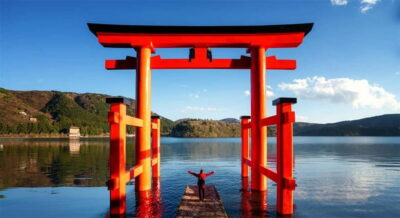 ★ 4.7Mt. Fuji Tour, Hakone Ropeway, Owakudani, Lake AshiFrom $544,002 reviews
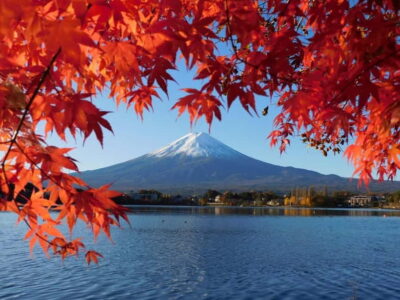 ★ 4.4Mt.Fuji,Kawaguchiko Oishi Park,Arakurayama Sengen ParkFrom $542,682 reviews
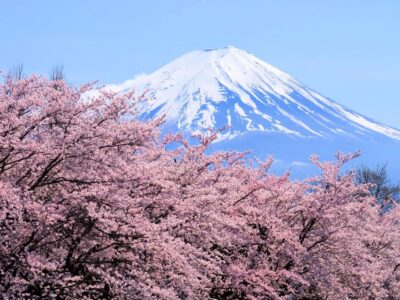 ★ 4.2Mt. Fuji 5th Station & Hakone Cruise 1-Day Bus TourFrom $1292,381 reviews
 ★ 4.7Mt Fuji Top 5 Spots Day Tour: Arakurayama Park,Oshino HakkaiFrom $532,066 reviews
Browse the lists this tour appears in