
Reviewed · AKIHABARA ANIME TOURS
Akihabara – Discover the Otaku Culture & Experience the Maid Cafe
Akihabara can feel like sensory overload. This 4-hour small-group walk helps you make sense of otaku culture with hands-on stops like crane machines and purikura photo booths. I like the tight group size (max eight) and the way the tour goes beyond anime to cover manga, games, trading cards, and even local shrines. One thing to consider: if you only want anime hits and nothing else, you may want to choose your focus carefully.
I also appreciate the practical flow. You get snacks plus a hot drink, then a proper maid café stop at a well-known chain, with time to actually experience it instead of just passing by the door. The possible drawback is that some parts move fast, so if you’re the type who needs extra time in one shop, build in a bit of buffer for shopping after the tour.
In This Review
- Key things I’d circle before booking
- Why Akihabara makes more sense with a guide (and a plan)
- Price and what you really get for the money
- The 1:00 pm start and how the pacing feels
- Stop-by-stop: what you’ll do and why it matters
- Taito Station Akihabara: crane machines and purikura
- Super Potato: retro consoles and game treasure hunts
- Don Quijote Akihabara: the genre-mashup storefront
- Akihabara Radio Kaikan: roots of the otaku electronic district
- The “junk street” and collectible browsing feeling
- ONODEN: cosplay and anime theme shopping
- 福福トレカ秋葉原店: trading-card culture in plain sight
- The Number ONE maid café experience
- Wednesday’s maid theatrical show: the extra layer
- Who this tour is best for (and where it may not hit)
- Practical tips to make your afternoon go smoothly
- Should you book this Akihabara otaku and maid café tour?
Key things I’d circle before booking
- Max 8 people keeps the walk feeling personal instead of crowded.
- Purikura + crane machines mean you try the culture, not just watch it.
- Choice of focus (standard, shrine-focused, or maid café-focused) helps match your interests.
- Retro and collectible stops like Super Potato and trading-card stores fit game and manga fans.
- Maid café experience included, with snacks and a complimentary hot drink.
- Wednesday extra option adds a maid theatrical show, but that show costs extra.
Why Akihabara makes more sense with a guide (and a plan)

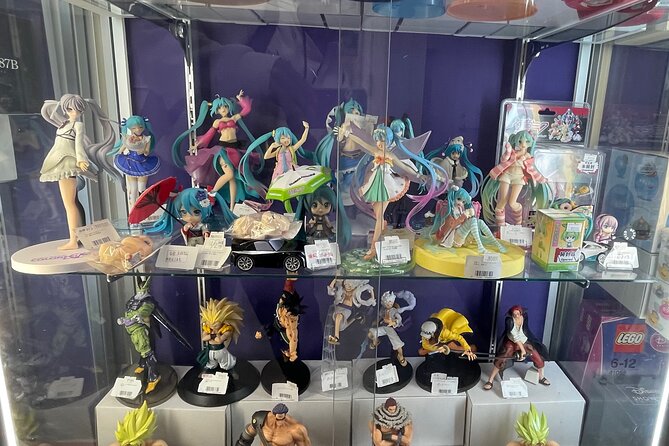
Akihabara is famous for anime and manga, but the real magic is how many different subcultures coexist in one neighborhood. You’ll see signs that look similar but lead to totally different worlds: retro consoles, manga and collectible shelves, arcade photo booths, trading-card scenes, cosplay shopping, and yes, maid cafés. Without a plan, it’s easy to zigzag randomly and miss the places that actually explain how it all grew.
This tour works because it treats Akihabara like a story with chapters. You start with the kinds of arcade games and photo booths that created daily habits for fans. Then you move into shops where people hunt for older systems and rare media. After that, you hit theme stores and trading-card places that pull in both teens and adults. By the time you reach the maid café, you’re not just entering a performance—you understand why it’s a natural part of Akihabara’s fan culture.
I also like that the tour doesn’t pretend otaku culture equals one single style. One participant noted that guides explained different types of otaku beyond just anime, which matters because Akihabara isn’t only about one genre. You’ll still meet plenty of anime along the way, but you’ll also see the wider fan ecosystem.
More of Akihabara, ranked by our reviewers
- Official Street Go-Kart Tour – Akihabara
★ 5.0 · 1,578 reviews - Tokyo Go Kart: Asakusa, Skytree, and Akihabara **IDP MUST**
★ 5.0 · 988 reviews - Akihabara Anime & Game Adventure Walking Tour (Group or Private)
★ 5.0 · 404 reviews - Tokyo: Gameboy Mod Workshop at Akihabara
★ 5.0 · 253 reviews
Price and what you really get for the money
At $103.93 per person, this isn’t a budget stroll. But value comes from three things you get together: admissions at key stops, a maid café experience, and snack + hot drink included.
A normal “walking tour” might show you street names and point out storefronts. Here, you’re paying for time in places that usually cost money to enter or play in, plus the guided explanations that help you understand what you’re seeing. The tour duration is about 4 hours, with time built in for an extended stop at the maid café.
The tour also benefits from the small cap of eight travelers. That matters in Akihabara, where shops can be tight and navigation can be confusing even for seasoned walkers. With fewer people, the guide can keep everyone moving smoothly and still answer questions about specific interests like manga, games, or trading cards.
One more money note: alcohol isn’t included at the maid café. The tour includes one non-alcoholic drink, and if you want alcohol or another drink, you’ll pay on your own. If that matters to you, plan a little extra.
The 1:00 pm start and how the pacing feels
The tour begins at 1:00 pm and ends back at the meeting point. The route is built around walking between clusters of stores, with transit time included so you’re not left guessing how far things are.
It’s also worth knowing the tour isn’t designed for long sitting-and-shopping stretches. Each major stop tends to be short—often around 15 to 25 minutes—except for the maid café, which runs about an hour. That structure keeps the experience balanced: you get many “anchors” (arcade, retro games, themed stores, trading cards, maid café) instead of spending all your time in one store.
If you like to buy things, you’ll want to treat the tour as discovery first. Plan to shop after the tour if you spot something you really want. That mindset prevents the stress of trying to decide quickly while the group is moving.
Stop-by-stop: what you’ll do and why it matters
Taito Station Akihabara: crane machines and purikura
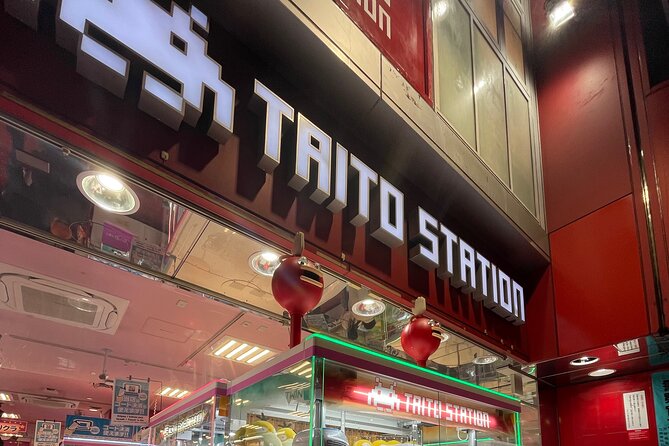
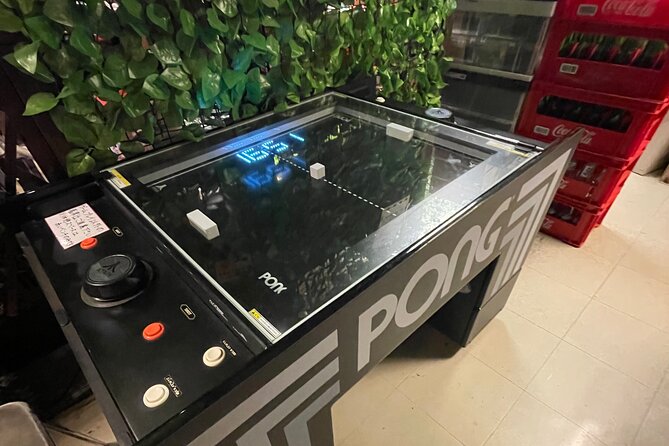
You kick off at Taito Station Akihabara, and this is a smart start. Instead of jumping straight to big stores, you begin with the arcade culture that shaped how fans interact daily.
You’ll see crane machines, and you’ll also experience Japanese photo booths (purikura machines). This matters because purikura isn’t just a gimmick—it’s part of the social ritual. People go in groups, make themed edits, and leave with printed photos that feel customized to the moment. If you’ve never used one, you’ll get firsthand context fast.
Admission is included here, so you’re not stuck outside watching other people play. You come away with the sense of how otaku entertainment feels in real time: loud, colorful, and slightly addictive.
- Mt Fuji and Hakone 1-Day Bus Tour Return by Bullet Train★ 5.0 · 26,383 reviews
- 1-Day Tokyo Bus Tour★ 5.0 · 14,250 reviews
- Tokyo: teamLab Planets TOKYO Digital Art Museum Entry Ticket★ 4.6 · 9,779 reviews
- Mt Fuji & Hakone Cruise, Drum Show Bullet Train 1 Day from Tokyo★ 4.0 · 7,413 reviews
- Tokyo: Shinjuku Food Tour (13 Dishes at 4 Local Eateries)★ 5.0 · 6,603 reviews
Super Potato: retro consoles and game treasure hunts
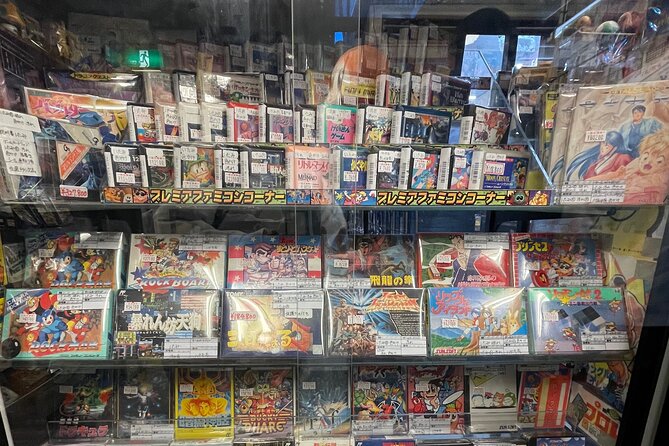
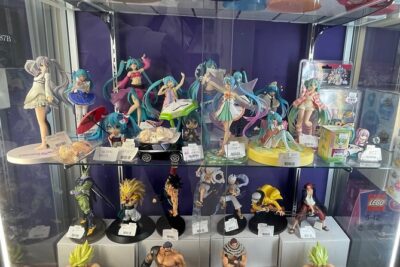
Next up is Super Potato, a popular stop for older video games and consoles. This is where Akihabara shows its collecting side. You’re not only learning; you’re walking through a place built for hunting.
The key value here is guidance. Retro gaming stores can be confusing because labels, generations, and inventory change. With a guide, you learn what to look for and how this sort of store fits into Akihabara’s identity as a place where fans trade, preserve, and display.
Admission at this stop is free, which is a nice way to keep costs controlled while still giving you an experience-heavy part of the tour.
Don Quijote Akihabara: the genre-mashup storefront
Then you swing by Don Quijote Akihabara. This stop is less about one “deep” activity and more about seeing how Akihabara sells across many categories at once. Don Quijote tends to be a place where you find a mix of items—perfect for spotting how anime-adjacent merchandising shows up in mainstream retail.
You might also catch something related to AKB48 Hall, if it’s available. It’s a wildcard moment, but that’s also part of the fun of a walking tour in Tokyo: you’re moving with real-world timing.
Akihabara Radio Kaikan: roots of the otaku electronic district
A short stop at Akihabara Radio Kaikan shifts the tone from arcade play to context. Here you learn about the origins and roots of Akihabara’s otaku culture.
That historical framing is useful because it makes the neighborhood feel less random. You’ll understand why so many electronics and fan media shops cluster here, and why the district developed its reputation in the first place. It’s the difference between seeing storefronts and understanding how they became a system.
Admission is included for this portion, so you’re not just hearing talk—you’re getting access.
The “junk street” and collectible browsing feeling
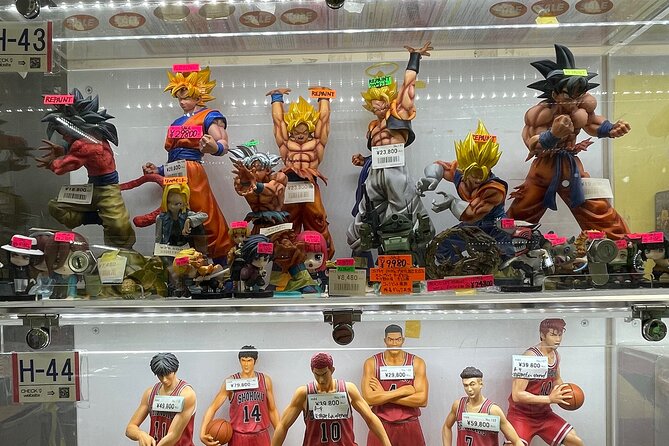
From there, the tour moves into the classic Akihabara browsing mode. You’ll see junk street, and also spots associated with secondhand and collectible media, including Mandarake and Book and resale-style stores.
This part is often where fans either feel instant joy or mild confusion, depending on what they expected. If you like collecting, used manga, or hard-to-find figures, this is where your eyes start scanning faster. If you’re more casual, treat it like a visual catalog of what Akihabara sells when you go beyond the newest releases.
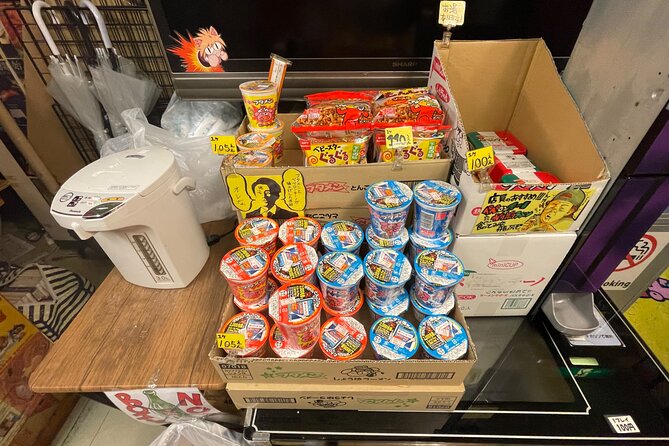
You’ll also see the kind of food Akihabara offers, and you’ll have a chance to grab snack items. Since snacks are included, this is one of those stops where you don’t have to choose between enjoying the area and feeding yourself.
ONODEN: cosplay and anime theme shopping
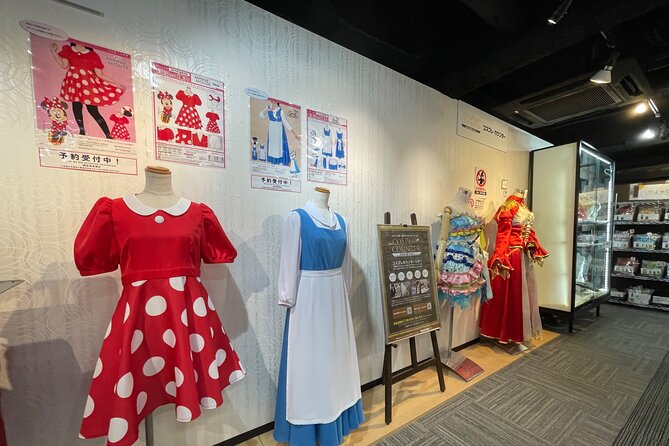
At ONODEN, the focus shifts toward cosplay and themed retail. This stop is geared for “what can I actually buy?” energy—stores where style and character aesthetics are the main event.
Even if you don’t plan to purchase anything, you’ll learn what’s for display versus what’s for collecting. It’s also a helpful stop if you’re trying to understand modern otaku fashion and how fan identity shows up in everyday shopping.
Admission is free here, so you’re mostly paying in time and curiosity.
福福トレカ秋葉原店: trading-card culture in plain sight
Then comes 福福トレカ秋葉原店, where Japanese trading card games take center stage. This is a strong match if you want proof that otaku culture covers more than anime characters.
Trading card stores tend to have a different vibe than manga or arcade places. It’s quieter, more community-driven, and often a doorway for fans who might not be into cosplay or retro consoles but still want the hobby.
Admission is free, and the stop is short, so you’ll likely get a snapshot more than an in-depth lesson. Still, it’s a worthwhile snapshot.
The Number ONE maid café experience
The biggest “show moment” is the maid café stop: the Number ONE maid café chain in Akihabara. This is where the tour shifts from browsing and learning to participating in the performance style.
The included items here are important. You get snacks—specifically Akihabara Pop Culture Snacks—plus a complimentary hot drink. On top of that, the experience includes a coffee and/or tea drink at the maid café. That gives you comfort in a setting that can feel intense at first glance.
The tour also includes the maid café portion with an admission ticket included. If you’re doing this as a first-time taste of maid café culture, this is a good structure: you’re not forced to research which café to choose before going.
One more practical note: the tour explicitly says the included drink is non-alcoholic. If you want alcohol or a second drink, you’ll pay separately.
Wednesday’s maid theatrical show: the extra layer
There’s an optional add-on that only runs on Wednesdays: a maid theatrical show performed by active maids currently working in real maid cafés. It’s about an hour long, but admission for this show is not included, so you’ll pay extra if you choose it.
If you’re the type who likes live performance—music, themed routines, and structured entertainment—this Wednesday option makes the day feel more like an event than a walkthrough. If you just want the café experience itself, you can skip the show and still get the core maid café stop.
Who this tour is best for (and where it may not hit)
This tour fits best if you want a guided route that solves real problems: where to go, what you’re looking at, and how the neighborhood connects. The max eight travelers format is especially good for families and mixed-interest groups because the guide can steer the route without losing the group.
It also helps if you care about more than just anime. The tour includes manga and media context, arcade culture, retro games, cosplay-themed shopping, and trading card culture. If you like gaming, photo booths, or collectible browsing, you’ll probably feel the most “this is for me” excitement.
The main drawback comes from mismatched expectations. One participant complaint centered on the idea that the tour should focus more narrowly on anime otaku. The tour’s message is wider: it aims at otaku culture as a whole, with anime as one piece. If anime is your only interest and you feel annoyed by anything else, you might find it frustrating.
Another realistic consideration: the pace can feel quick. Stop durations are short for most parts, so this is not ideal if you want long browsing time in every shop.
Practical tips to make your afternoon go smoothly
- Wear comfortable shoes. You’re walking between multiple clusters for a few hours, and your feet do the work.
- Treat shopping as a bonus. The maid café gets the longest stop, and most stores are short bursts.
- If you drink alcohol, plan for extra cost. The included drink is one non-alcoholic option.
- If you want the maid café show, pick the right day. The hour show is Wednesday-only and not included.
- Go in curious mode. Akihabara is easier when you’re trying to understand how the parts connect.
Should you book this Akihabara otaku and maid café tour?
Yes, book it if you want a guided way to see Akihabara’s fan culture in a few hours without getting lost in the chaos. The small group size, hands-on arcade start with purikura and crane machines, and a real maid café experience (with snacks and a complimentary hot drink) make it feel like more than a generic walk. It’s also a strong pick if you like games, collectibles, or want otaku culture explained beyond just anime.
Skip it or pick a focused alternative if anime-only is your strict priority and you’d rather not see trading cards, cosplay shopping, or shrine-related elements (depending on your chosen focus). And if you hate rushing, be ready for short stops and plan your deeper shopping for after the tour.
More Tour Reviews in Tokyo
- Mt Fuji and Hakone 1-Day Bus Tour Return by Bullet Train
★ 5.0 · 26,383 reviews - 1-Day Tokyo Bus Tour
★ 5.0 · 14,250 reviews - Tokyo: teamLab Planets TOKYO Digital Art Museum Entry Ticket
★ 4.6 · 9,779 reviews - Mt Fuji & Hakone Cruise, Drum Show Bullet Train 1 Day from Tokyo
★ 4.0 · 7,413 reviews - Tokyo: Shinjuku Food Tour (13 Dishes at 4 Local Eateries)
★ 5.0 · 6,603 reviews
More of Akihabara, Reviewed
- Official Street Go-Kart Tour – Akihabara
★ 5.0 · 1,578 reviews - Tokyo Go Kart: Asakusa, Skytree, and Akihabara **IDP MUST**
★ 5.0 · 988 reviews - Akihabara Anime & Game Adventure Walking Tour (Group or Private)
★ 5.0 · 404 reviews - Tokyo: Gameboy Mod Workshop at Akihabara
★ 5.0 · 253 reviews - Akihabara: Private Anime and Pop Culture Tour
★ 4.8 · 152 reviews
Latest Tokyo reviews off our desk


Akihabara Anime Tours, compared.
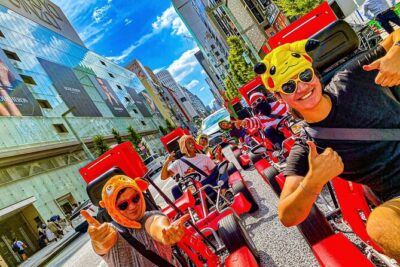 ★ 5.0Official Street Go-Kart Tour – AkihabaraFrom $611,578 reviews
 ★ 5.0Tokyo Go Kart: Asakusa, Skytree, and Akihabara **IDP MUST**From $99988 reviews
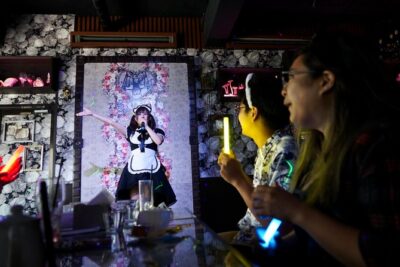 ★ 5.0Akihabara Anime & Game Adventure Walking Tour (Group or Private)From $90404 reviews
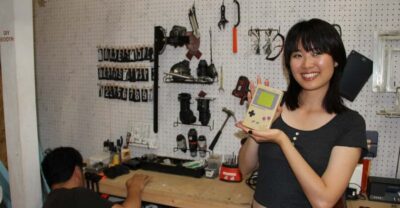 ★ 5.0Gameboy Mod Workshop at AkihabaraFrom $360253 reviews
 ★ 4.8Akihabara: Private Anime and Pop Culture TourFrom $95152 reviews
 ★ 5.0Akihabara Tailor-made Private Tour for Anime FansFrom $132142 reviews
 ★ 5.0Original Street Kart Experience from AkihabaraFrom $51111 reviews
 ★ 5.0Ramen Making from Scratch +Akihabara Tour –Tokyo Cooking ClassFrom $123107 reviews
Browse the lists this tour appears in