
Reviewed · AKIHABARA ANIME TOURS
Amazing Tsukiji Fish Market and Akihabara Pop Culture of Tokyo
Tokyo’s food lanes and otaku streets connect fast.
I love how this tour pairs Tsukiji’s outer market energy with Akihabara’s electronics-and-anime culture in a tight, efficient route. I also like that your guide, Hide san (spelled Hyge-san in one account), mixes seafood know-how with a pop-culture lens, including video-game work for a Japanese electronics maker.
One thing to consider: Tsukiji and Akihabara are both heavy on walking and sensory overload, so you’ll want comfortable shoes and a flexible appetite schedule for sampling and lunch choices.
In This Review
- Key highlights at a glance
- Tsukiji Jogai Market Meets Akihabara: Why This Combo Works
- Starting at 10:30: Getting Positioned for Both Neighborhoods
- Tsukiji Jogai Market: How to Eat Smarter in a Tight Maze
- What to expect as you walk
- Lunch in Tsukiji: Local Sushi With Your Guide (or Flex Time)
- How to decide between the two lunch options
- Akihabara Ochanomizu Kanda: Otaku Culture With Structure
- What makes Akihabara fun on foot
- Retro Video Games, Capsule Toys, and Computer Parts: What to Prioritize
- A smart shopping mindset for this stop
- Optional Maid Cafe at the End: Worth It, or Skip With No Stress
- Price and Value: Why $36 Can Make Sense for Tokyo
- Who Should Book This Tour (and Who Might Not)
- Should You Book This Tsukiji and Akihabara Tour?
- FAQ
- How long is the tour?
- What is included in the price?
- Is lunch provided or can I choose what to do?
- What does the tour cost and how much should I budget for lunch?
- Where do I meet the guide and where does it end?
- What’s the cancellation policy?
Key highlights at a glance
- Hide san’s seafood + pop-culture perspective makes Tsukiji feel practical and Akihabara feel personal
- Tsukiji Jogai Market time focused on what to eat and how to navigate the maze
- Lunch options in Tsukiji: join a local sushi spot with the guide or explore on your own for about an hour
- Akihabara route planning around electric town remnants, retro games, capsule toys, and computer parts
- Optional maid cafe at the end of the tour, with you free to enter without the guide
Tsukiji Jogai Market Meets Akihabara: Why This Combo Works
This tour works because it doesn’t treat Tokyo like a checklist. You start with seafood in Tsukiji, then shift to Akihabara’s world of machines, gadgets, and fandom. The contrast is huge, but the route makes sense: both areas reward curiosity and people-watching.
I also appreciate how the guide’s background ties the two halves together. Hide san’s family seafood business background helps you understand what you’re looking at in Tsukiji. Then his past work developing video games for a Japanese electronics maker gives Akihabara a sharper meaning than just shopping.
If you only want one side of Tokyo, this might feel like two short sprints. But if you like variety and want a guide who can explain what you’re seeing, it’s a smart way to spend half a day.
More market breakfasts our reviewers scored
- Tokyo Tsukiji Fish Market Food and Culture Walking Tour
★ 5.0 · 3,184 reviews - Tokyo: Tsukiji Fish Market Food and Walking tour
★ 5.0 · 1,724 reviews - Tokyo: Tsukiji Fish Market Guided Walking Tour
★ 4.9 · 1,397 reviews - Tokyo Sushi Making Class in Tsukiji with Professional Chef
★ 5.0 · 1,177 reviews
Starting at 10:30: Getting Positioned for Both Neighborhoods
You meet at Haibara Unagi Tsukiji (Tsukiji, Chuo City) at 10:30 am, in front of the @home cafe building. The tour ends at Akihabara Super Bldg parking lot (Sotokanda, Chiyoda City).
That timing matters. Tsukiji’s outer market experience is most useful when you can move with purpose, not when you’re arriving late and hoping everything still makes sense. And Akihabara needs time to slow down, because the fun is in browsing: retro game shelves, capsule toy machines, and computer parts stores.
It’s also a private tour/activity, meaning it’s set up for your group only. That usually makes it easier to ask questions and adjust how long you stay at each stop, especially in the more maze-like sections.
Tsukiji Jogai Market: How to Eat Smarter in a Tight Maze
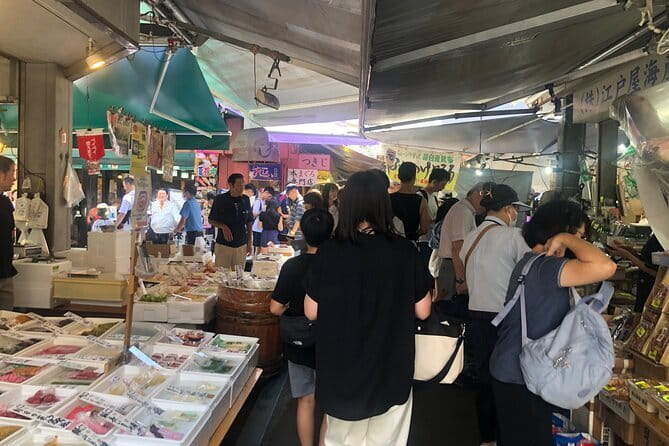
Your Tsukiji time is about 3 hours around the Jogai Market area. Admission is free for this stop, and that’s a big value point because you’re not paying extra just to walk and sample. The goal here is not to stand around. The goal is to understand what’s good, where to look, and what might fit your lunch plan.
I like that Hide san doesn’t just point at food. He’s set up to help you read the market: what to look for, what’s worth trying, and how to move so you’re not zigzagging blindly. Tsukiji can feel confusing because stalls and alleys overlap fast, so advice on the flow saves time and frustration.
The most praised part of this section is the way the guide helps you understand the market as a whole, not just a couple of booths. One of the best takeaways is that he’ll steer you toward specialty stores and explain what to watch for, which turns random snacks into a mini game where you actually win.
What to expect as you walk
You’ll spend time in the outer market area, focusing on sights and “something delicious and wonderful to eat.” The guide’s approach is practical: he’ll offer ideas based on what you’re after, and he’ll help you avoid wasting your stomach capacity on items that don’t match your taste.
One note: lunch planning can shift based on what you try. If you snack early, you might not want a heavy meal later. If you skip sampling, you’ll probably want to go straight into lunch. Either way, you’ll have a better plan with the guide’s input.
Lunch in Tsukiji: Local Sushi With Your Guide (or Flex Time)
Lunch is built into the experience, but it’s not included in the price. You’re looking at roughly 1,500 to 3,000 JPY per person, depending on where you go and what you order.
You’ll have two choices:
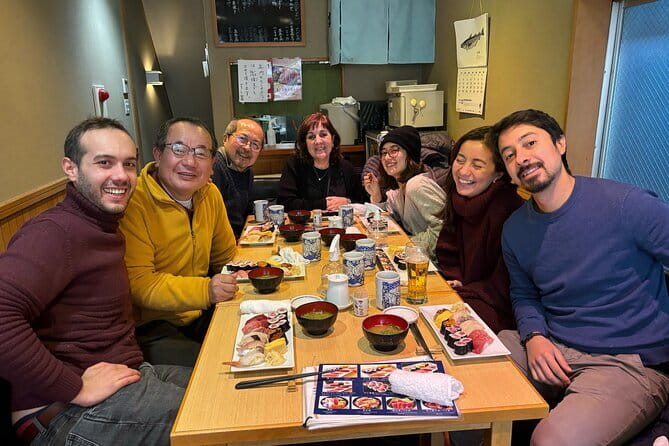
1) Join a sushi restaurant favored by locals and eat with the guide.
2) Or take about one hour to explore on your own, then meet back up.
I like this setup because Tsukiji lunch is tricky. If you pick a place at random, it might be aimed at tourists, or it might be technically fine but not match what you’re hoping for. Having the guide with you for at least one option reduces that risk.
Based on the tour feedback, the sushi meal is often a highlight. The guide’s picks are described as some of the best sushi in town, and the point isn’t magic or luck. The point is fit: the guide brings you to a place people actually use.
More of Akihabara, ranked by our reviewers
- Official Street Go-Kart Tour – Akihabara★ 5.0 · 1,578 reviews
- Akihabara Anime & Game Adventure Walking Tour (Group or Private)★ 5.0 · 404 reviews
- Tokyo: Gameboy Mod Workshop at Akihabara★ 5.0 · 253 reviews
- Akihabara: Private Anime and Pop Culture Tour★ 4.8 · 152 reviews
- Akihabara Tailor-made Private Tour for Anime Fans★ 5.0 · 142 reviews
How to decide between the two lunch options
If you’re the type who wants Tokyo context, choose the guided sushi lunch. You’ll get more explanation, and you’ll likely taste a wider range of “why this works” details.
If you want control and freedom, take the independent hour. You can use that time to follow your nose, revisit a favorite market lane, or grab snacks you didn’t try earlier. Just remember: in Tsukiji, time moves quickly, so having a clear meet-up point is key.
Akihabara Ochanomizu Kanda: Otaku Culture With Structure
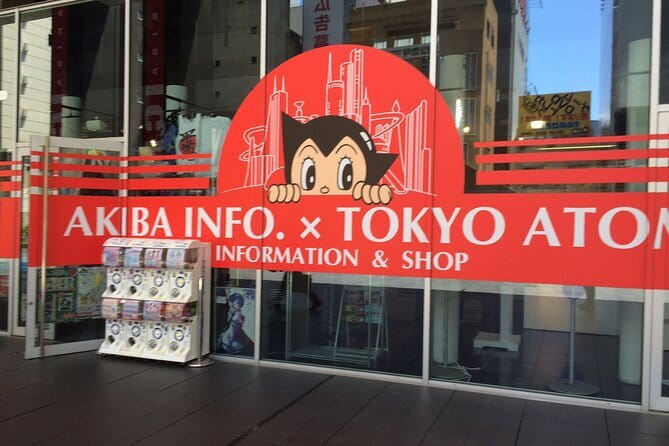
After Tsukiji, you shift to Ochanomizu / Akihabara / Kanda. The tour uses a simple rhythm: start with familiar “typical spots” and then wander according to time and preference.
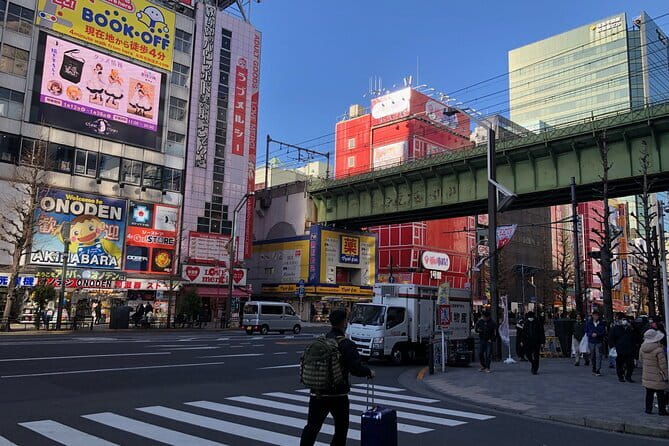
I love that the guide treats Akihabara like a living collection of themes. You’ll revisit remnants of the electric town past, then move into areas tied to retro video games, capsule toys, and computer parts.
This part can feel like sensory overload if you walk in cold. Stores are packed, signage is dense, and the whole neighborhood screams for attention. With a guide, you get to aim your time instead of getting pulled in every direction.
What makes Akihabara fun on foot
Akihabara’s appeal is that it rewards browsing without a strict agenda. The tour supports that by giving you both direction and room to choose. You can spend more time where your interests land, whether that’s old-school games or machine-like capsule toy aisles.
The route is also flexible in pacing. It’s not a checklist where you get rushed through. You’ll have time to visit places based on what you want, within the overall tour window.
Retro Video Games, Capsule Toys, and Computer Parts: What to Prioritize
This tour is practical about shopping. It covers a spread: souvenir shops geared toward foreigners, stores with world-famous retro video games, capsule toy shops (the mecca style you’ve likely heard about), and streets lined with computer parts.
You don’t have to buy anything. But knowing what you’re looking at helps. For example, retro video game shops feel different from regular stores because the “why” is in the details: formats, editions, and what’s being displayed.
Capsule toys are the other big draw. They’re small, collectible, and easy to grab even if you’re not sure what you want. They also work as a “treat yourself” souvenir that isn’t expensive and isn’t hard to pack.
Computer parts are for the tech-minded. Even if you aren’t building anything, browsing can be fascinating, because Akihabara still carries that electric town identity. It’s not just anime posters. It’s machines and components, too.
A smart shopping mindset for this stop
I’d set a quick personal rule before you arrive: spend your time browsing first, then decide where your money goes. The guide can help you track down relevant shops and keep you from accidentally burning time in places that don’t match what you’re after.
Optional Maid Cafe at the End: Worth It, or Skip With No Stress
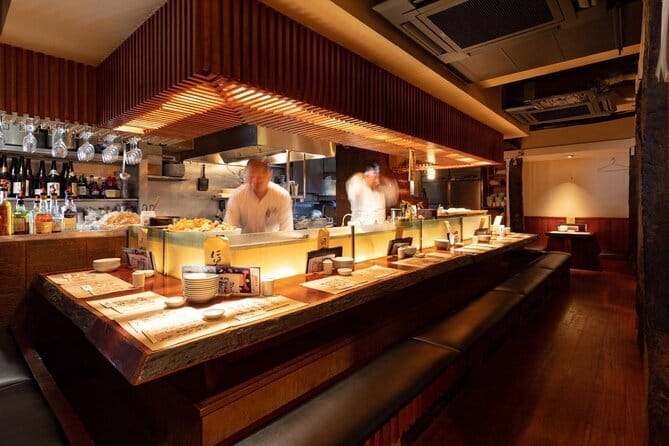
Near the end, the tour may include an option to visit an authentic and reputable maid cafe. Importantly, the maid cafe is treated as a choice. The tour ends there, and you’re free to enter without the guide.
This is a good balance. If you’re curious, you get a path in. If you’re not sure, you aren’t stuck on a fixed schedule.
Think of it like this: Akihabara is about pop culture, and maid cafes are one of its most recognizable side-stories. But you don’t need to do everything to enjoy the neighborhood.
Price and Value: Why $36 Can Make Sense for Tokyo

At about $36 for 4 to 5 hours, this isn’t a “see Tokyo from a bus seat” price. It’s paying for two things: guided navigation and local decision-making.
Your costs are kept simple. The tour price covers all fees and taxes and the local professional guide. Lunch is separate, so you stay in control of how much you spend on food (around 1,500 to 3,000 JPY).
Value-wise, the biggest win is reducing guesswork. Tsukiji is complicated to enjoy well without local help. Akihabara is easy to get lost in if you don’t know where your time goes. This tour is designed to compress both experiences into half a day with an expert who understands both seafood culture and Japanese electronics-driven fandom.
If you like taking a guided “starter course” and then running with your interests, you’ll likely feel the value fast.
Who Should Book This Tour (and Who Might Not)
I’d recommend this tour if you:
- want a guided way to sample Tsukiji without randomly picking stalls
- love pop culture themes and want Akihabara explained, not just toured
- like having an expert who can connect food and electronics culture through a single story
- prefer a private setup where your group can set the pace
It might not be the best fit if you:
- hate walking or get overwhelmed by busy market streets
- only want either seafood or tech pop culture and feel split by the contrast
- plan to skip lunch entirely and just wander, because the tour is designed around both market time and the lunch decision
Should You Book This Tsukiji and Akihabara Tour?
If you want a well-paced, guide-led combo of Tsukiji outer market food and Akihabara pop culture, I think this is a strong booking. The key is the guide’s blend of seafood industry roots and video-game/electronics experience, which makes both neighborhoods feel easier to understand and more fun to explore.
Book it especially if you’re the type who likes learning what to eat and what to look for, not just snapping photos. If that sounds like your style, you’ll probably leave with a clearer sense of Tokyo’s two very different faces, plus lunch that feels chosen for you rather than guessed.
FAQ
How long is the tour?
It runs for about 4 to 5 hours total, with around 3 hours in Tsukiji and around 2 hours in the Akihabara area.
What is included in the price?
The price includes all fees and taxes plus a local professional guide. Lunch is not included.
Is lunch provided or can I choose what to do?
Lunch is not included. In Tsukiji, you can either join a sushi restaurant where locals go and dine with the guide, or you can explore independently for about an hour before rejoining.
What does the tour cost and how much should I budget for lunch?
The tour costs $36. Lunch is roughly 1,500 to 3,000 JPY per person, depending on what you choose.
Where do I meet the guide and where does it end?
You start at Haibara Unagi Tsukiji (front of the @home cafe building area) at 10:30 am. You end at the Akihabara Super Bldg parking lot.
What’s the cancellation policy?
You can cancel for a full refund up to 24 hours before the experience start time. If you cancel less than 24 hours before, you won’t get a refund.
More Tour Reviews in Tokyo
- Mt Fuji and Hakone 1-Day Bus Tour Return by Bullet Train
★ 5.0 · 26,383 reviews - 1-Day Tokyo Bus Tour
★ 5.0 · 14,250 reviews - Tokyo: teamLab Planets TOKYO Digital Art Museum Entry Ticket
★ 4.6 · 9,779 reviews - Mt Fuji & Hakone Cruise, Drum Show Bullet Train 1 Day from Tokyo
★ 4.0 · 7,413 reviews - Tokyo: Shinjuku Food Tour (13 Dishes at 4 Local Eateries)
★ 5.0 · 6,603 reviews
More of Akihabara, Reviewed
- Official Street Go-Kart Tour – Akihabara
★ 5.0 · 1,578 reviews - Tokyo Go Kart: Asakusa, Skytree, and Akihabara **IDP MUST**
★ 5.0 · 988 reviews - Akihabara Anime & Game Adventure Walking Tour (Group or Private)
★ 5.0 · 404 reviews - Tokyo: Gameboy Mod Workshop at Akihabara
★ 5.0 · 253 reviews - Akihabara: Private Anime and Pop Culture Tour
★ 4.8 · 152 reviews
More Tsukiji Market Breakfasts
- Tokyo Tsukiji Fish Market Food and Culture Walking Tour
★ 5.0 · 3,184 reviews - Tokyo: Tsukiji Fish Market Food and Walking tour
★ 5.0 · 1,724 reviews - Tokyo: Tsukiji Fish Market Guided Walking Tour
★ 4.9 · 1,397 reviews - Tokyo Sushi Making Class in Tsukiji with Professional Chef
★ 5.0 · 1,177 reviews - Tsukiji Fish Market Guided Tour and Sushi Making with Pro Chef
★ 5.0 · 775 reviews
Latest Tokyo reviews off our desk






Akihabara Anime Tours, compared.
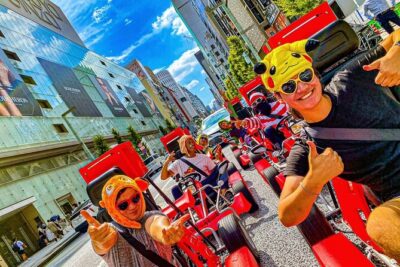 ★ 5.0Official Street Go-Kart Tour – AkihabaraFrom $611,578 reviews
 ★ 5.0Tokyo Go Kart: Asakusa, Skytree, and Akihabara **IDP MUST**From $99988 reviews
 ★ 5.0Akihabara Anime & Game Adventure Walking Tour (Group or Private)From $90404 reviews
 ★ 5.0Gameboy Mod Workshop at AkihabaraFrom $360253 reviews
 ★ 4.8Akihabara: Private Anime and Pop Culture TourFrom $95152 reviews
 ★ 5.0Akihabara Tailor-made Private Tour for Anime FansFrom $132142 reviews
 ★ 5.0Original Street Kart Experience from AkihabaraFrom $51111 reviews
 ★ 5.0Ramen Making from Scratch +Akihabara Tour –Tokyo Cooking ClassFrom $123107 reviews
Browse the lists this tour appears in