
Reviewed · TICKETS
Catch a Baseball Game in Tokyo with a Local – Tickets Included
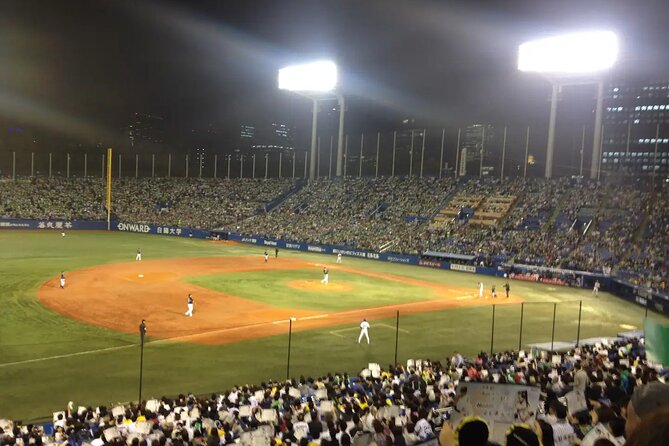
Japanese baseball is a loud education. This small-group Tokyo game experience gets you tickets without language stress and a borrowed home-jersey vibe so you can join in when the chants start. I also like the guide-led cheer coaching and the quick, low-stress walk to the stadium. One thing to consider: your exact view can vary, and some seats feel tighter or higher than the most interactive cheering spots.
You’ll usually meet near a train station, head to the stadium together, and spend about 3 to 4 hours at the ballpark with your local host. Games can be at Tokyo Dome, Meiji Jingu Stadium, or Yokohama Stadium, depending on what’s scheduled. It’s built for fans and non-fans alike, with snacks, team-gear time, and plenty of cameras-welcome stadium energy.
In This Review
- Key Things I’d Plan Around for Tokyo Baseball with a Local
- What This Tour Really Gives You for $110
- Meeting at the Station and Getting to the Right Start
- Tokyo Dome vs Meiji Jingu vs Yokohama: Picking the Mood
- Joining the Crowd: Cheer Sheets, Player Chants, and Timing
- Jerseys, Snacks, and the Stadium Stuff That Feels Real
- Seats in the Home Section: Where the Best Energy Lives
- How the Group Size Affects the Whole Vibe
- Pickup, Tickets, and Practical Touches You’ll Notice
- Who Should Book This Baseball Game Tour—and Who Might Skip It
- Price Value Check: Why It Can Be a Smart Buy
- FAQ
- What’s included in the ticket price?
- How long is the tour?
- Which stadiums does this tour use?
- Is pickup offered?
- How do I get my tickets?
- Can I bring food or drinks into the stadium?
- Are cameras allowed?
- How big is the group?
- When will I get confirmation after booking?
- Should You Book This Tokyo Baseball Game with a Local?
Key Things I’d Plan Around for Tokyo Baseball with a Local
- Cheer coaching for Japanese baseball so you’re not guessing what everyone is doing
- Home-section atmosphere where fans stand, sing, and react together
- Ticket is included, plus snacks during the game
- Jersey borrowing and cheering goods (for some games) to help you fit in
- Small group size (max 6) so you can actually ask questions
- Flexible stadium choice (Tokyo Dome, Meiji Jingu, or Yokohama) based on the schedule
What This Tour Really Gives You for $110
At $110 per person, you’re not just buying entry to a baseball game. You’re paying for the part that usually trips people up in Japan: understanding what’s happening fast enough to enjoy it. The ticket is included, but the real value is the guide who can translate the rhythm of the stadium—when to clap, when to chant, and which player cheer goes with which moment.
This is also a “less planning, more game” kind of outing. Instead of sorting out tickets, finding your way to the right section, and decoding the crowd, your host gets you through the basics. That matters because Japanese baseball has a strong home-fan culture, and the interaction is part of the fun. Guides often help with cheer sheets, and some hosts (like Jason and Kristi, based on past groups) are known for clear communication and keeping the group moving smoothly.
You also get practical extras: snacks during the game and time to check out team merchandise. If you’re a baseball person, that’s a bonus. If you’re not, it’s still a win because you’ll know what the crowd is doing—and why.
Readers also shortlisted these Tokyo bookings:
- Tokyo: teamLab Planets TOKYO Digital Art Museum Entry Ticket
★ 4.6 · 9,779 reviews - Tokyo: Hop-On Hop-Off Sightseeing Bus Ticket
★ 3.9 · 4,207 reviews - Tokyo: Japanese Dance Cabaret Theater Asakusa-Kaguwa Ticket
★ 4.8 · 2,270 reviews - Tokyo Grand Sumo Tournament Viewing Tour with Tickets
★ 5.0 · 692 reviews
Meeting at the Station and Getting to the Right Start
Plan on meeting at a train station and walking to the ballpark together. The meet-up approach is simple, but it’s worth being alert to the exact instructions you receive and the online chat updates, since a couple of groups found the meeting point instructions a bit confusing. Once you’re with the host, the tour stays pretty straightforward: you move as a group, you settle in, and you get ready for the chants.
This is where the guide makes the event feel local rather than touristy. Many hosts show up with materials like cheer handouts or song sheets. There’s also a big emphasis on helping you understand the key parts of the game experience without requiring you to know baseball rules first. If you’ve only watched baseball casually, you’ll be fine. The guide’s job is to translate the stadium culture into something you can follow in real time.
One more practical note: camera use is allowed, and backpacks/bags are okay. If you want to take photos, you can—just be mindful of people around you during chanting moments when everyone stands.
Tokyo Dome vs Meiji Jingu vs Yokohama: Picking the Mood
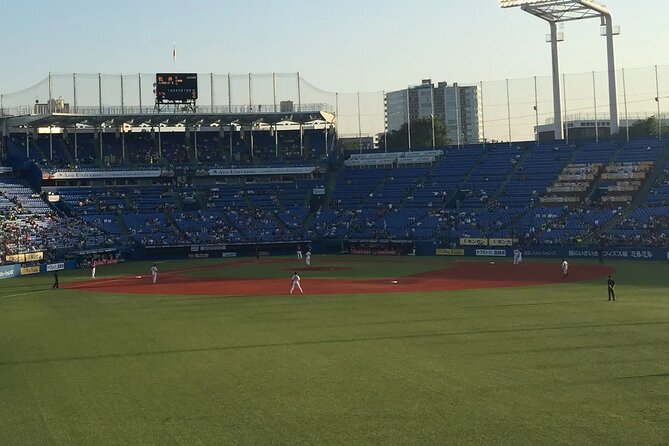
Your schedule determines which stadium you’ll go to: Tokyo Dome, Meiji Jingu Stadium, or Yokohama Stadium. Each one changes the feel of the day.
Tokyo Dome is the easiest win if weather is hot or uncomfortable. In past experiences, groups were especially grateful for the indoor, air-conditioned setup—handy in summer when you might arrive already sweaty. If you hate heat management on vacation, Tokyo Dome is usually the smartest “baseball day” choice.
Meiji Jingu Stadium and Yokohama Stadium can be more open-air in character, which can mean more exposure to weather. You’ll still enjoy the same big-fan energy, but you may want to dress for sun or humidity, especially if the game starts during peak daytime conditions.
All three options share the same core concept: a guided path into Japan’s stadium cheering culture, plus tickets sorted in advance. So you’re not just gambling on the stadium. You’re buying a guided experience, and the guide adjusts to where you land.
Joining the Crowd: Cheer Sheets, Player Chants, and Timing
This is the heart of the tour. Japanese baseball fans have a lot of structured cheering—songs, claps, and player-specific moments. If you’re just watching from the stands without guidance, you’ll still have fun. But with a guide, you can actually join in instead of reacting late.
Expect your host to help you learn the cheers. Some groups mention getting translated or transliterated chant guidance so you can say the words with the right rhythm. You may also receive printouts of team chants, and you’ll get coaching on when to do them during the game. The goal is simple: you should be able to chant together with the home section, not just stand there wondering what’s happening.
Past groups gave extra praise to guides who stay upbeat and organized, like Jason, Kristi, Jadon, and Christy (names that show up repeatedly in reviews). That matters because cheer coaching isn’t a lecture. It’s a call-and-response energy, and the guide has to keep the group synced through loud music, crowd noise, and game momentum.
Also, don’t underestimate how fun it is to do the chants as a group. Even if you don’t care about baseball strategy, the communal noise and the way the crowd reacts to every at-bat makes the entire evening feel like an event, not just a game.
Jerseys, Snacks, and the Stadium Stuff That Feels Real
This tour leans into the “fan experience,” not the “tourist checklist.”
For some games, you can borrow a home team jersey and cheering goods. Even one borrowed shirt can change your mindset in the stands. It helps you feel part of the home crowd, and it also makes photos look like you belonged there. Groups also appreciated having cheering items that make participation easier.
Food-wise, snacks are included, and multiple reviews called out rice-based treats. There’s also the fun of seeing the stadium’s snack and drink culture up close. If you’re curious about Japanese baseball sidelines, you’ll notice details like concession routines and the show-like way vendors operate. One review even highlighted the unusual experience of girl beer sales, which became an entertaining part of the atmosphere.
You’ll also have time to buy team merchandise. That’s a smart move because it gives you something to do before the main action starts, and it helps you leave with a real souvenir instead of just photos. If you see a gear table, your guide can help you interpret what matters and how to get what you want.
- Tokyo: Shinjuku Food Tour (13 Dishes at 4 Local Eateries)★ 5.0 · 6,603 reviews
- Tokyo Mt Fuji 5th St & Hakone Cruise Bus Tour w/Bullet Train★ 4.4 · 5,024 reviews
- Flagship 2-Hours Official Street Go-Kart Tour – Tokyo Bay Shop★ 5.0 · 4,974 reviews
- From Tokyo: Mount Fuji Full-Day Sightseeing Trip★ 4.5 · 4,970 reviews
- Tokyo: Hop-On Hop-Off Sightseeing Bus Ticket★ 3.9 · 4,207 reviews
Seats in the Home Section: Where the Best Energy Lives
Most of the time, this experience aims you toward the home crowd vibe—fans standing, cheering, and singing. That’s the difference between watching baseball on TV and experiencing it in Japan. The issue is that seat categories can vary, and the tour can’t magically guarantee the exact same view every time.
One potential drawback that comes up: some groups ended up in higher sections rather than the most interactive cheering area. Another note: bench seating can feel cramped for larger Americans. That’s not a deal-breaker, but it’s good to know before you show up expecting stadium-comfort from North America.
My practical advice: if you care most about participation and the chant experience, prioritize the home-section style seats your guide can arrange. Even if your view of the field isn’t perfect, the crowd interaction can be the highlight. If you care most about comfort, consider packing light and preparing for a tight squeeze.
And yes—your team might win or lose. Either way, the crowd energy keeps things fun, because the cheering is a major part of the night.
How the Group Size Affects the Whole Vibe
This is a maximum 6 travelers setup. That small size matters more than it sounds.
With a compact group, you get:
- clearer communication before you arrive
- more chance to ask quick questions
- easier pacing through the stadium area
- better “group energy” when you’re learning cheers together
Some reviews also praised how smoothly guides handled logistics like finding the meet-up spot and helping people get oriented by train. That’s the kind of support that keeps you from spending half your evening frustrated.
If you prefer a crowd-free experience (not a big bus tour), this is likely your sweet spot. You’re in the stands together, chanting and moving as a unit, but you’re not stuck in a maze of 40 strangers.
Pickup, Tickets, and Practical Touches You’ll Notice
Pickup is offered, so if you want help getting started, it’s worth selecting that option when available. Regardless of pickup, the tour is designed around public transportation and being near transit.
Tickets are included and delivered as a mobile ticket. That’s convenient because it reduces the chance you arrive with the wrong paper, especially when you’re dealing with a busy station environment.
A few practical points from the trip rules:
- outside food and drinks can be brought inside
- no glass bottles or cans
- cameras are ok
Also, confirmation happens within 48 hours of booking, based on availability. The experience provider notes there’s a weather component too, which leads to the next question: when should you plan this?
Who Should Book This Baseball Game Tour—and Who Might Skip It
You should book if you want:
- a real look at Japanese baseball culture, not just the field action
- structured help learning the cheers
- a guide who can explain what’s going on without you needing baseball vocabulary
- a low-stress way to secure tickets and show up ready to enjoy
It also works well for families and mixed-experience groups. Even people who aren’t hardcore baseball fans tend to enjoy the crowd energy, the chants, and the “everyone reacts at once” vibe.
You might skip if:
- you only want quiet, passive viewing and hate participating in chants
- you’re extremely sensitive to tight seating
- you’re traveling with very strict plans for a specific day, since the event depends on good weather
Price Value Check: Why It Can Be a Smart Buy
Let’s be honest: you could probably find a baseball ticket by yourself. But what’s hard in Japan isn’t buying a ticket—it’s turning that ticket into an enjoyable night.
For $110, you get:
- the admission ticket (Tokyo Dome, Meiji Jingu Stadium, or Yokohama Stadium)
- snacks during the game
- support with cheer learning and joining the home section
- borrowed jersey/cheering items for some games
- a small-group guide (max 6) for 3 to 4 hours
That’s a lot of “in-stadium help.” If you’ve traveled in Japan before, you already know how quickly language friction can turn a fun activity into a mild chore. Here, the guide removes that friction and adds the part that most casual visitors miss: the cheers and player chants.
So if you’re the type who likes to understand local customs—even if you’re not a sports expert—this is strong value for the time it saves you.
FAQ
What’s included in the ticket price?
Tickets are included (for Tokyo Dome, Meiji Jingu Stadium, or Yokohama Stadium), plus snacks. For some games, you can borrow a home jersey and cheering goods.
How long is the tour?
Plan on about 3 to 4 hours.
Which stadiums does this tour use?
The game is scheduled at Tokyo Dome, Meiji Jingu Stadium, or Yokohama Stadium.
Is pickup offered?
Yes, pickup is offered.
How do I get my tickets?
You’ll receive a mobile ticket.
Can I bring food or drinks into the stadium?
Yes, outside food and drinks can be brought inside. No glass bottles or cans.
Are cameras allowed?
Yes, cameras are ok.
How big is the group?
The group has a maximum of 6 travelers.
When will I get confirmation after booking?
Confirmation is received within 48 hours of booking, subject to availability.
Should You Book This Tokyo Baseball Game with a Local?
If you want the full Japanese baseball experience—chants, cheering rhythm, and that home-section energy—this is an easy yes. The guide support, included ticket, snacks, and cheer coaching are exactly what turns a game into a story you can tell later.
Book it especially if you don’t want to wrestle with tickets and translations on your own. Just go in knowing that seating can vary and some stands are tight, so don’t expect luxury comfort. If you’re okay with that, you’ll likely leave feeling like you didn’t just watch baseball—you joined the show.
More Tickets in Tokyo
- Tokyo: teamLab Planets TOKYO Digital Art Museum Entry Ticket
★ 4.6 · 9,779 reviews - Tokyo: Hop-On Hop-Off Sightseeing Bus Ticket
★ 3.9 · 4,207 reviews - Tokyo: Japanese Dance Cabaret Theater Asakusa-Kaguwa Ticket
★ 4.8 · 2,270 reviews - Tokyo Grand Sumo Tournament Viewing Tour with Tickets
★ 5.0 · 692 reviews - Tokyo Skytree Admission Ticket with Tembo Deck and Galleria
★ 4.0 · 589 reviews
More Tour Reviews in Tokyo
- Mt Fuji and Hakone 1-Day Bus Tour Return by Bullet Train
★ 5.0 · 26,383 reviews - 1-Day Tokyo Bus Tour
★ 5.0 · 14,250 reviews - Tokyo: teamLab Planets TOKYO Digital Art Museum Entry Ticket
★ 4.6 · 9,779 reviews - Mt Fuji & Hakone Cruise, Drum Show Bullet Train 1 Day from Tokyo
★ 4.0 · 7,413 reviews - Tokyo: Shinjuku Food Tour (13 Dishes at 4 Local Eateries)
★ 5.0 · 6,603 reviews
Latest Tokyo reviews off our desk




Tickets, compared.
 ★ 4.5TOKYO SKYTREE® Admission ticketFrom $1311,192 reviews
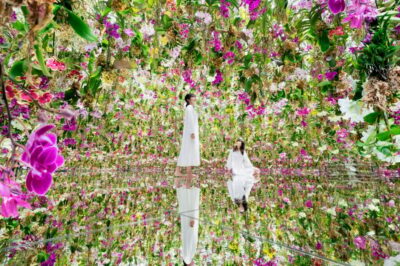 ★ 4.6teamLab Planets TOKYO Digital Art Museum Entry TicketFrom $259,779 reviews
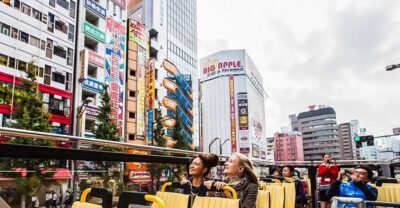 ★ 3.9Hop-On Hop-Off Sightseeing Bus TicketFrom $304,207 reviews
 ★ 4.6Tokyo Tower: Admission TicketFrom $93,661 reviews
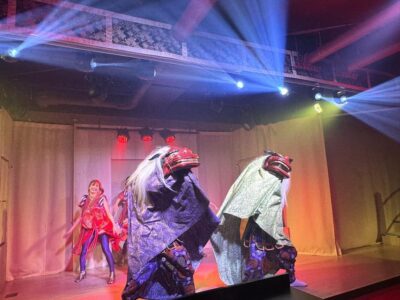 ★ 4.8Japanese Dance Cabaret Theater Asakusa-Kaguwa TicketFrom $492,270 reviews
 ★ 4.5Kamakura & Enoshima Day Trip including Temple TicketsFrom $581,375 reviews
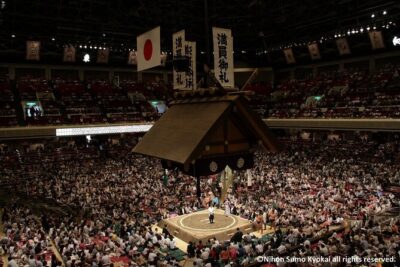 ★ 5.0Tokyo Grand Sumo Tournament Viewing Tour with TicketsFrom $124692 reviews
 ★ 4.0Tokyo Skytree Admission Ticket with Tembo Deck and GalleriaFrom $15589 reviews