
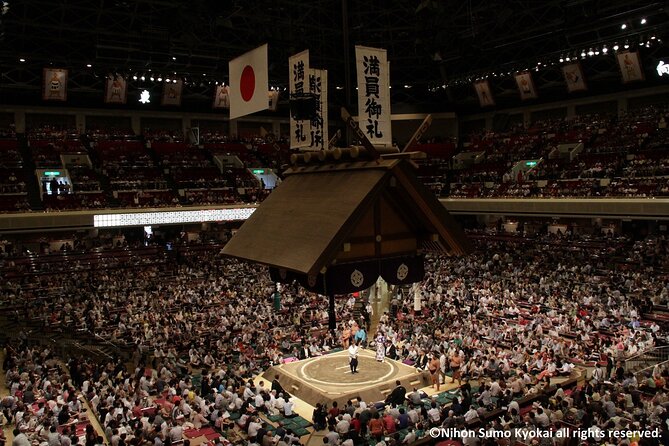
Reviewed · SUMO TOURNAMENTS & SHOWS
Tokyo Grand Sumo Tournament Viewing Tour with Tickets
Sumo feels different when you know what to watch. This Tokyo tour pairs Grand Sumo viewing with an English explanation of the rituals and ranking system, so the action lands fast. You’ll walk over to Ryogoku Kokugikan ready to make sense of what’s happening in the ring and why the crowd reacts the way it does.
Two things I really like here. First, you start at Ryogoku View Hotel with a National Government Licensed English Guide Interpreter who gives you a sumo intro before you even reach the arena. Second, your seat time comes with an English brochure and a day’s sumo-ranking list, which helps you follow bouts in order instead of guessing.
The one caution: timing can be a little “sit and wait.” Certain ceremonies can pause seating during ring processions and other official moments, and the big Yokozuna ceremonial entrance only happens if Yokozuna are present. If you hate waiting around, build in patience.
In This Review
- Key Things to Know Before You Go
- Before the Wrestlers: Your Sumo Lesson at Ryogoku View Hotel
- Ryogoku Kokugikan: Where Ceremony Turns Into Real Sports Energy
- The Matches: How Sumo Works When You’re Following the Day’s Ranking List
- The Ceremonies You’ll See (and Why You Might Wait)
- The Sumo Museum Stop: A Quiet Win Before the Noise
- Seat Classes and What You Actually Get for Each Ticket
- Value Check: Why $124 Can Be Worth It in Tokyo
- Practical Tips That Make the Day Easier
- Who This Tour Fits Best
- Should You Book This Tokyo Grand Sumo Tournament Tour?
- FAQ
- What’s included with the ticket for this sumo tour?
- Where do you meet, and where does the tour end?
- How does the schedule differ for different seat classes?
- Are ceremonies guaranteed, including the Yokozuna entrance?
- Can I bring food or alcohol into the arena?
- Is the tour refundable if I cancel?
Key Things to Know Before You Go
- You get a pre-tournament sumo lesson in English at Ryogoku View Hotel, not just a ticket and a shrug.
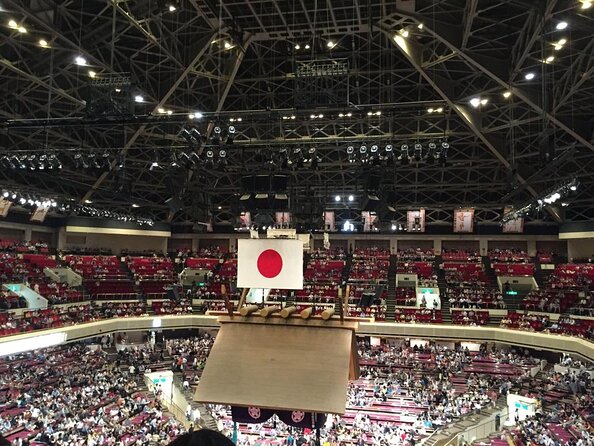
- Your seat location is 2nd-floor chair seating, and the experience is still excellent even if the view is a bit farther out depending on the assigned spot.
- English support is built in with a brochure and a matching ranking list for the day’s events.
- Ceremony timing matters: you may need to wait during official entries and stomping/bow rituals.
- S-class and A-class add-ons include yakitori, a drink, and a cheering towel; B-class does not.
- Mobile ticket convenience, plus a guide who helps you navigate into the stands so you don’t get lost.
Before the Wrestlers: Your Sumo Lesson at Ryogoku View Hotel
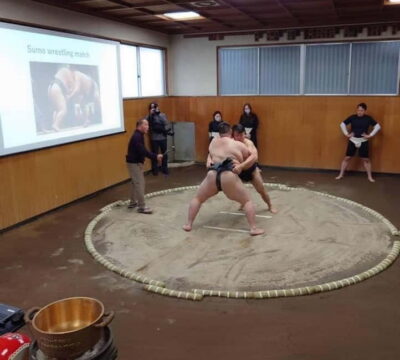
This tour doesn’t toss you into the arena cold. You meet at Ryogoku View Hotel (near Ryogoku station) and begin with a short lecture led by a National Government Licensed English Guide Interpreter. The format matters because sumo is simple in rules, but deep in meaning—bowing, ring rituals, and how matchups fit within the ranking ladder.
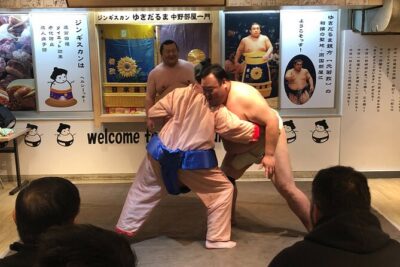
You’ll also have time for small museum-like add-ons at the hotel area, where sumo memorabilia and ceremonial items are displayed. The idea is to help you notice details you’d otherwise miss, like the culture around rikishi (sumo wrestlers) and why the ceremonies feel serious rather than theatrical.
If you’re new to sumo, this is the biggest value add. You don’t need years of fandom to enjoy it—but you do need a quick explanation of what you’re seeing. That’s exactly what this first stop is built for.
Other ringside bookings readers scored
- Tokyo: Sumo Show and Dining Experience
★ 4.8 · 2,742 reviews - the SUMO show
★ 5.0 · 1,960 reviews - Tokyo Shinjuku Sumo Show & Experience with Photo
★ 5.0 · 1,750 reviews - Tokyo: Sumo Show and Experience in Shinjuku
★ 4.8 · 1,001 reviews
Ryogoku Kokugikan: Where Ceremony Turns Into Real Sports Energy
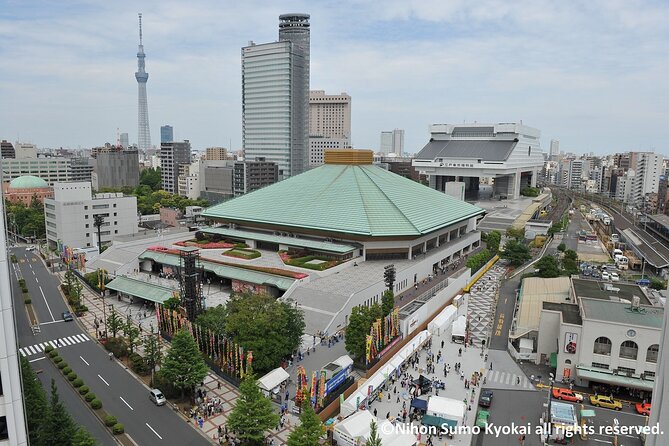
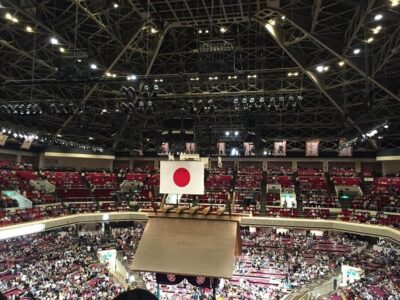
Ryogoku Kokugikan is the heart of Tokyo sumo. Once you’re inside, you’ll feel the shift from classroom mode to full-body noise. The arena hush before an opening ceremony is real, and then the energy rises as the wrestlers take the stage.
Your guide helps with practical navigation in the stands. That matters because arenas can be confusing—different doors, different corridors, and sometimes seat numbering that isn’t intuitive at first glance. Instead of spending your arrival time hunting your row, you’re focused on getting oriented and watching.
One moment to circle on your mental calendar is the makuuchi ceremonial entrance around mid-afternoon. There’s also a Yokozuna ring entrance that’s mentioned as part of the schedule, but it only happens if Yokozuna are present. Either way, the ring entry procession is where the crowd rhythm really turns on.
The Matches: How Sumo Works When You’re Following the Day’s Ranking List
The heart of your afternoon is watching multiple bouts in the sumo format used for the Grand Tournament. The tour is designed so you can follow what’s happening without needing to decode Japanese in real time.
Here’s how the flow usually works: lower divisions often happen first, with higher-ranked bouts later in the day. In the provided tour context, you’ll see a selection of matches based on the time block connected to your seat class, with makuuchi matches in the main viewing window.
Your English brochure and day-of sumo-ranking list help you connect the wrestlers you’re seeing to where they fit in the tournament ecosystem. That transforms the experience. Instead of thinking, I’m watching two guys grapple, you start noticing strategies tied to rank, momentum, and match context.
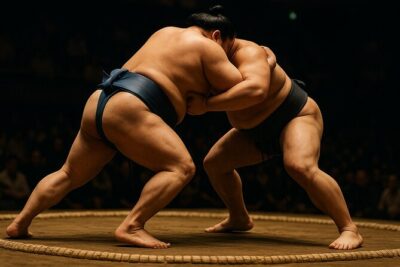
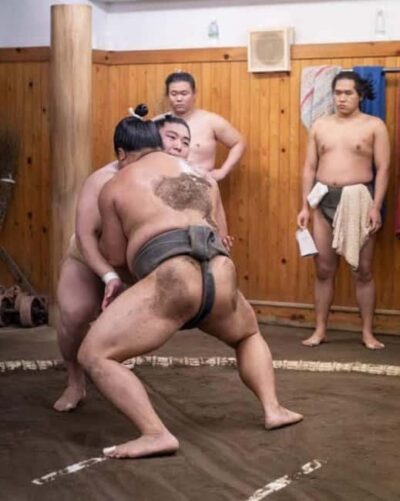
And yes, the match itself is the payoff. The ring is an elevated dohyo (clay surface) covered in sand, and the spectacle is physical and fast. You’ll see footwork, grip battles, and sudden bursts where balance breaks.
The Ceremonies You’ll See (and Why You Might Wait)
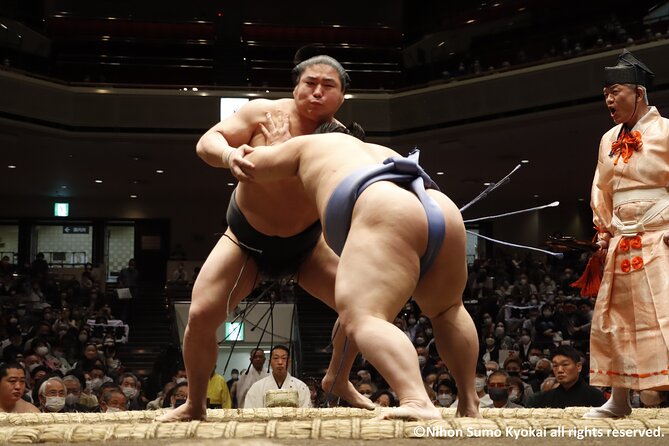
Sumo in Japan isn’t just a contest. It’s also a sequence of rituals that happen around the competition. Your schedule includes key moments like the bow-twirling ceremony near the end of the main match window, and there are also official processions tied to specific divisions.
The tricky part is practical: if one of these events is underway when you’re trying to move to your seat, you may have to wait before entering your viewing area. The tour notes that English guidance may pause during these events, since the guide can’t provide explanations while ceremonies and processions are happening.
So plan your mindset accordingly:
- Expect short pauses around official ring-entry and association moments.
- Don’t panic if you can’t immediately get to your exact seat during a procession.
- Use that time to look around the lobby areas and championship flag displays if they’re accessible.
This is also why the guide is helpful—you’re not just “there,” you’re being guided through an experience with rules of movement and timing.
The Sumo Museum Stop: A Quiet Win Before the Noise
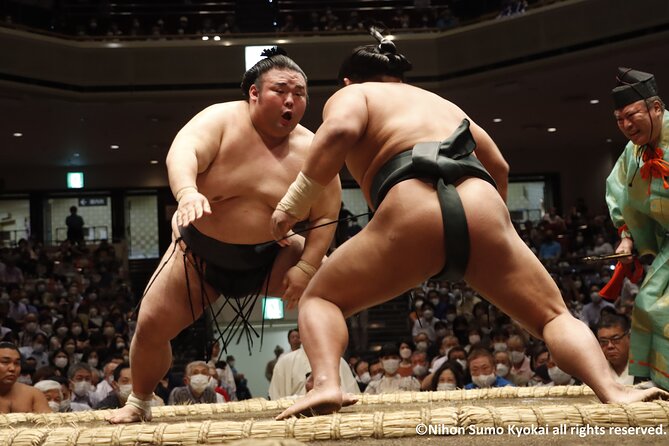
Before the arena action peaks, you’ll likely have time in the Ryogoku area for museum content and photo stops. The hotel-side offerings include exhibitions tied to the tournament tradition, with sumo-related memorabilia and ceremonial aprons.
Inside the Ryogoku area, there’s also a Sumo Museum experience. The information provided specifically mentions items like woodblock prints and folding screens, which are great for seeing sumo portrayed as art, not just sport. Even if you’re here for the matches, these small objects help you understand why sumo looks the way it does—why uniforms, patterns, and ceremonial practices matter.
If you like grabbing a few photos without rushing, museum time is where you get that calm moment before the arena goes loud.
Readers also shortlisted these Tokyo bookings:
- Tokyo: teamLab Planets TOKYO Digital Art Museum Entry Ticket★ 4.6 · 9,779 reviews
- Tokyo: Hop-On Hop-Off Sightseeing Bus Ticket★ 3.9 · 4,207 reviews
- Tokyo: Japanese Dance Cabaret Theater Asakusa-Kaguwa Ticket★ 4.8 · 2,270 reviews
- Tokyo Skytree Admission Ticket with Tembo Deck and Galleria★ 4.0 · 589 reviews
- Tokyo: ‘Red Tokyo Tower’ Digital Amusement Park Ticket★ 4.1 · 398 reviews
Seat Classes and What You Actually Get for Each Ticket
This is where the tour gets more interesting than a simple ticket bundle.
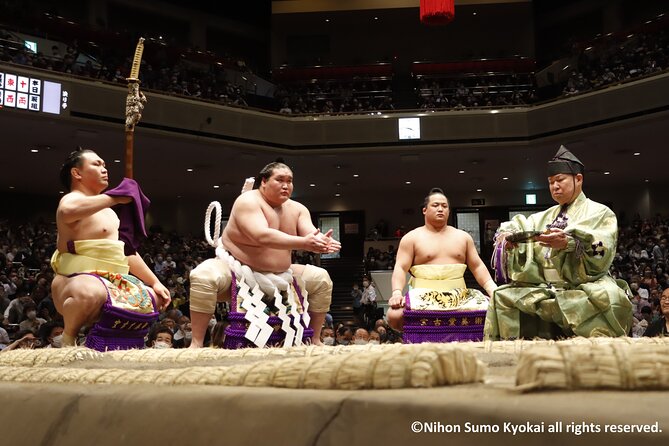
Your seating is 2nd-floor chair seating, and the tour categories run by seat class. The tour is structured around two viewing windows: an S and A-class schedule (13:10–18:00) and a B-class schedule (14:30–18:00). In other words, your seat class affects not only where you sit, but also when you’ll be in the arena for the day’s events.
Food and perks also differ by class:
- S-class and A-class include a light snack of yakitori plus a drink, and a cheering towel.
- B-class does not include the light snack, drink, or cheering towel.
I like that this is spelled out clearly. If you want the full “tournament day” package, S or A makes sense. If you mainly care about the matches and you’d rather spend less, B can still be a good choice since the core experience is the same sport and same arena.
One more practical note: seats may not be designated in advance, and groups can be seated across different sides of the arena. In real terms, that means your view could feel a bit farther out depending on your exact spot. Still, the views in Ryogoku are typically strong enough to feel close to the action even when you’re not in the very front.
Value Check: Why $124 Can Be Worth It in Tokyo
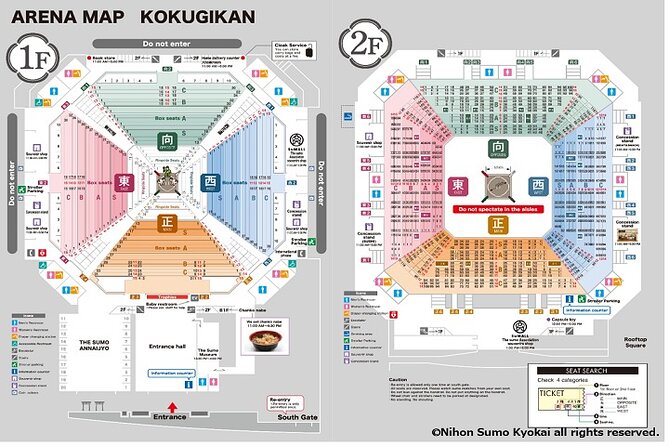
Sumo tickets for the Grand Tournament can be hard to secure, and timing matters because demand is high. This tour is designed to solve the ticket problem for you. You get a secured seat ticket as part of the experience package, plus human help to get into the right place at the right time.
You’re paying for three things:
- Ticket access to an event that can sell out quickly.
- A licensed English guide who translates and explains what you’re seeing.
- English materials (brochure and matching ranking list) that turn confusion into understanding.
Could you do it on your own? If you’re already deep into Japanese schedules and ticketing, maybe. But for most people, the value is the combined time savings and stress reduction: you show up, follow the guide, and focus on enjoying the tournament instead of scrambling for logistics.
Also, the S/A option adds a small “I’m really doing this” touch with snack, drink, and the cheering towel—simple perks, but they make the day feel more complete.
Practical Tips That Make the Day Easier
A few details can make or break your comfort.
1) Arrive about 10 minutes early. The tour asks you to meet the guide early enough to avoid losing your reservation. Tokyo transit can be fast, but stations can also be confusing.
2) No outside food or alcohol inside Kokugikan. The tour notes that bringing food and drinks including alcohol is prohibited. Vendors inside the arena are where you’ll buy refreshments, especially if you’re in B-class without the snack.
3) Strollers: storage exists, but plan carefully. Stroller storage is available on the 1st and 2nd floors, but strollers can’t be taken into the seating area. If you’re traveling with a stroller, think ahead about what you’ll do once you’re seated.
4) Expect ceremony flow to affect movement. If you’re the type who likes to pop into your seat the moment you arrive, you may need to be flexible when processions are happening.
5) Bring comfortable shoes. You’ll be walking to and from the arena area and spending several hours around the complex.
Who This Tour Fits Best
This is a great fit if you:
- Are seeing sumo in Tokyo for the first time and want it to make sense.
- Want a guided path into the stands instead of wrestling with signage.
- Care about understanding ranking context and match order, not just watching random bouts.
- Prefer a small group experience (the tour caps groups at 1–19 people for one booking).
It’s also a solid choice for families, with the note that children up to 3 years can join but must sit on a parent or guardian’s lap.
If you already live and breathe sumo and only want the cheapest seat possible, you might weigh whether your money is better spent on a self-guided day. But if you want the day to click—this tour is built for that.
Should You Book This Tokyo Grand Sumo Tournament Tour?
Book it if you want the smoothest way to experience the Grand Tournament: a licensed English guide, guaranteed entry ticketing, and a clear explanation of what’s happening while you’re in the stands. The pre-match lesson is the secret sauce, especially if you’re new to sumo.
Skip it only if you strongly dislike waiting around during ceremonies, or if you’re trying to maximize freedom to wander independently once you reach the arena. In this tour, the day follows a rhythm—processions, seating movement rules, and guided context—and that’s usually a feature, not a flaw.
FAQ
What’s included with the ticket for this sumo tour?
You get 2nd-floor chair seating, a professional guide, an English sumo information pamphlet, and a sumo-ranking list. If you choose S-class or A-class seats, you also get a light snack (yakitori and a drink) and a cheering towel.
Where do you meet, and where does the tour end?
You meet at Ryogoku View Hotel near Ryogoku, and the tour ends at Ryogoku Kokugikan (National Sumo Arena) around 6:00 PM. After that, you head to your next destination on your own.
How does the schedule differ for different seat classes?
S and A-class seating connects to a wider window (13:10–18:00), while B-class connects to a later start (14:30–18:00). The tour also includes set ceremony moments, including the makuuchi ceremonial entrance window and a bow-twirling ceremony near 18:00.
Are ceremonies guaranteed, including the Yokozuna entrance?
The Yokozuna ceremonial ring entrance is listed as part of the schedule, but it will not take place if there are no Yokozuna present. Other ceremonies still follow the day’s program.
Can I bring food or alcohol into the arena?
No. Bringing food and drinks including alcohol into Kokugikan is prohibited. You can purchase food and refreshments from vendors inside the arena.
Is the tour refundable if I cancel?
No. The experience is non-refundable and cannot be changed for any reason. If you cancel or amend, the amount you paid will not be refunded.
More Tours in Tokyo
- Mt Fuji and Hakone 1-Day Bus Tour Return by Bullet Train
★ 5.0 · 26,383 reviews - 1-Day Tokyo Bus Tour
★ 5.0 · 14,250 reviews - Tokyo: Shinjuku Food Tour (13 Dishes at 4 Local Eateries)
★ 5.0 · 6,603 reviews - Tokyo Mt Fuji 5th St & Hakone Cruise Bus Tour w/Bullet Train
★ 4.4 · 5,024 reviews - Flagship 2-Hours Official Street Go-Kart Tour – Tokyo Bay Shop
★ 5.0 · 4,974 reviews
More Tour Reviews in Tokyo
- Mt Fuji and Hakone 1-Day Bus Tour Return by Bullet Train
★ 5.0 · 26,383 reviews - 1-Day Tokyo Bus Tour
★ 5.0 · 14,250 reviews - Tokyo: teamLab Planets TOKYO Digital Art Museum Entry Ticket
★ 4.6 · 9,779 reviews - Mt Fuji & Hakone Cruise, Drum Show Bullet Train 1 Day from Tokyo
★ 4.0 · 7,413 reviews - Tokyo: Shinjuku Food Tour (13 Dishes at 4 Local Eateries)
★ 5.0 · 6,603 reviews
More Sumo, Ringside and Rated
- Tokyo: Sumo Show and Dining Experience
★ 4.8 · 2,742 reviews - the SUMO show
★ 5.0 · 1,960 reviews - Tokyo Shinjuku Sumo Show & Experience with Photo
★ 5.0 · 1,750 reviews - Tokyo: Sumo Show and Experience in Shinjuku
★ 4.8 · 1,001 reviews - Tokyo Sumo Wrestling Tournament Experience
★ 5.0 · 660 reviews
Latest Tokyo reviews off our desk






Sumo Tournaments & Shows, compared.
 ★ 4.8Sumo Show and Dining ExperienceFrom $792,742 reviews
 ★ 5.0the SUMO showFrom $891,960 reviews
 ★ 5.0Tokyo Shinjuku Sumo Show & Experience with PhotoFrom $791,750 reviews
 ★ 4.8Sumo Show and Experience in ShinjukuFrom $691,001 reviews
 ★ 5.0Tokyo Sumo Wrestling Tournament ExperienceFrom $124660 reviews
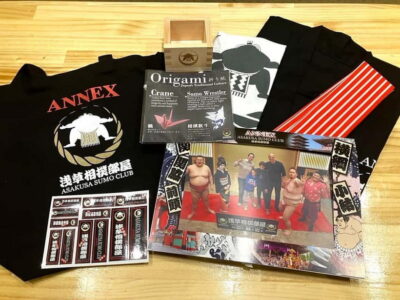 ★ 4.7Luxury Sumo Show Experience & Japanese cuisine & DrinkFrom $103577 reviews
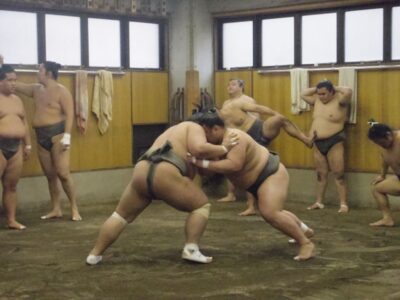 ★ 4.8Sumo Morning Practice Viewing TourFrom $81570 reviews
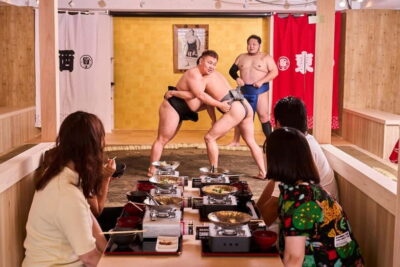 ★ 4.8Tokyo Sumo Experience: Chanko & Mochi with a Former ProFrom $103567 reviews
Browse the lists this tour appears in