
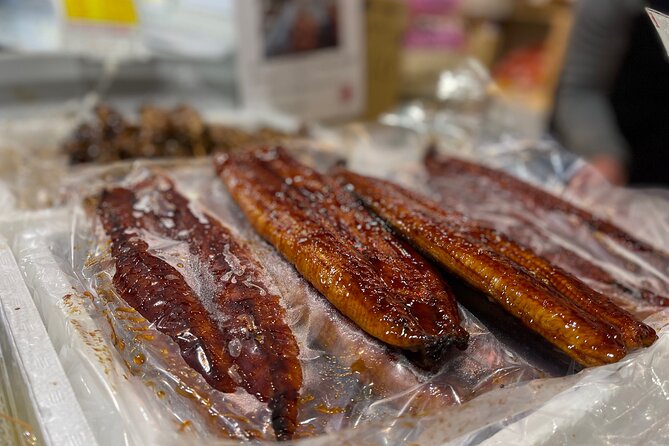
Reviewed · TSUKIJI MARKET FOOD TOURS
Classic Tsukiji Food Tour
Tsukiji mornings feel like living history. On this Classic Tsukiji Food Tour, I love the outer-market street walk with a local English-speaking guide, and I love the full seafood breakfast that brings everything together. One thing to plan for: bring cash, since credit cards aren’t generally accepted for food or souvenirs.
You start at 8:30 am at Turret Coffee Tsukiji and move through the area that’s been shaping Tokyo food for more than 100 years. The small group size (up to 10) and mobile ticket make it easy to stay together without feeling rushed.
Guides can include Asami, and you might even meet assistants such as Jordan or Asha during the morning’s tastings and explanations. Since the market works on its own calendar and weather matters, expect small schedule changes along the way.
In This Review
- Key things to know before you go
- Outer Tsukiji at 8:30: why the timing matters
- Turret Coffee Tsukiji: starting with something you’ll actually use
- Outer Market wandering: tastings, vendors, and old-school Tokyo food culture
- What you’ll notice as you walk
- A couple of realities to keep expectations right
- Tsukiji Hongan-ji and the route’s cultural reset
- The Tsukiji Fish Market area: what’s still worth seeing after the big changes
- Namiyoke Inari Shrine: a quick blessing that gives the morning meaning
- Full specialty seafood breakfast: the main payoff
- Dietary notes you can count on
- Price and logistics: is $231 a good value?
- Who should book this Tsukiji tour
- The bottom line: should you book?
- FAQ
- What time does the Classic Tsukiji Food Tour start, and how long is it?
- What’s included in the price?
- Is the tour family-friendly?
- Can I do it if I have dietary restrictions?
- Do I need cash for this tour?
- What happens if weather is bad?
Key things to know before you go
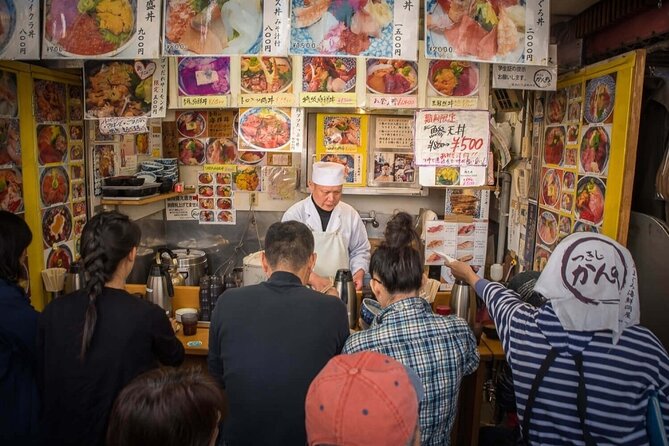
- Outer-market focus: you’re walking the sections that still feel like a working food neighborhood.
- One included drink: you start with coffee at Turret Coffee Tsukiji and that sets the tone.
- A real Tsukiji breakfast: you get a full specialty seafood breakfast, not just a few bites.
- Shrine stop for context: the Namiyoke Inari Shrine pause adds culture without slowing the day much.
- Tastings with seasonal bites: you’ll sample along the route so you’re not just sightseeing.
- Dietary flexibility, with limits: vegetarian, pescatarian, and gluten-free options are supported, but vegans/no seafood aren’t recommended.
Outer Tsukiji at 8:30: why the timing matters
This tour is built for the morning flow of Tsukiji. You’ll be in the area early enough to feel the rhythm of the market district—when vendors are opening up, shops are active, and people are grabbing breakfast before the day heats up. It’s one of the best ways to experience Tsukiji without standing around like you’re waiting for something to happen.
You’ll also get the advantage of a guided route. Tsukiji can look chaotic from the outside. A good guide helps you connect the smells, the stalls, and the food names into a story that makes sense fast. That matters more than it sounds.
The tour runs about 3 hours, and it’s designed as a steady walk with stops rather than a long marathon. If you have moderate walking ability and you’re okay with morning crowds, you’ll be comfortable.
More market breakfasts our reviewers scored
- Tokyo Tsukiji Fish Market Food and Culture Walking Tour
★ 5.0 · 3,184 reviews - Tokyo: Tsukiji Fish Market Food and Walking tour
★ 5.0 · 1,724 reviews - Tokyo: Tsukiji Fish Market Guided Walking Tour
★ 4.9 · 1,397 reviews - Tokyo Sushi Making Class in Tsukiji with Professional Chef
★ 5.0 · 1,177 reviews
Turret Coffee Tsukiji: starting with something you’ll actually use
You meet at Turret Coffee Tsukiji (2-chōme-12-6 Tsukiji) and kick off the tour with a drink included in the price. This is more than a caffeine break. It’s a reset button that gets your group settled before you hit the market streets and start scanning menus, labels, and seafood displays.
I like the way this start works for first-timers. Coffee in hand means you can take a breath, listen to the morning’s plan, and ask quick questions before you’re surrounded by people, fish talk, and fast-moving activity.
Also, since the meeting point and ending point are the same address, you don’t have to mentally track how you’ll get back. It’s a simple loop.
Outer Market wandering: tastings, vendors, and old-school Tokyo food culture
The route’s core is the outer sections of Tsukiji. That’s where the neighborhood character shows up best—smaller places, snack counters, and vendors who’ve stuck around. You spend time touring this area and sampling local dishes, with an emphasis on food traditions that date back over a century.
Here’s the practical value: you’ll learn what to eat and why it’s eaten there. Fish markets are full of specialties, but without context you end up choosing randomly or copying what you see someone else order. A guide helps you avoid that. You get tasting breaks and seasonal bites, so your plate feels intentional rather than accidental.
One interesting bonus from the experience is the chance to see rare seafood moments. Some mornings can include sightings like blowfish being alive. It’s not something to bank on, but the point is real: Tsukiji isn’t just static displays—it’s a working world where animals and tools are part of the daily routine.
What you’ll notice as you walk
- How vendors talk about ingredients and preparation, not just the final dish.
- How snacks and quick breakfast items fit into a larger seafood supply chain.
- How the outer market feels different from the wholesale-only image people have in mind.
A couple of realities to keep expectations right
This isn’t a museum-style tour with slow pacing and clear signage in English. It’s a food walk, so you’ll be close to crowds and you’ll want to stay with your group. If you hate walking through busy streets, choose a more seated food option instead.
Readers also shortlisted these Tokyo bookings:
- Tokyo: Shinjuku Food Tour (13 Dishes at 4 Local Eateries)★ 5.0 · 6,603 reviews
- Tokyo Tsukiji Fish Market Food and Culture Walking Tour★ 5.0 · 3,184 reviews
- Tokyo: Shinjuku Food Tour (15 Dishes and 4 Eateries)★ 4.9 · 2,033 reviews
- Best of Shinjuku: Izakaya Food Tour (4 Stops, 14+ Tastings)★ 5.0 · 1,863 reviews
- Tokyo: Tsukiji Fish Market Food and Walking tour★ 5.0 · 1,724 reviews
Tsukiji Hongan-ji and the route’s cultural reset
Midway through the morning, you’ll make a stop at Tsukiji Hongan-ji. Even though it’s brief, it helps break up the food intensity and gives you a bit more “why this place matters” context. In a market district, religious and community sites often tell you how neighborhoods function beyond commerce.
Think of it like a short pause that makes the rest of the walk more meaningful. You come back to the food with fresher attention.
The Tsukiji Fish Market area: what’s still worth seeing after the big changes
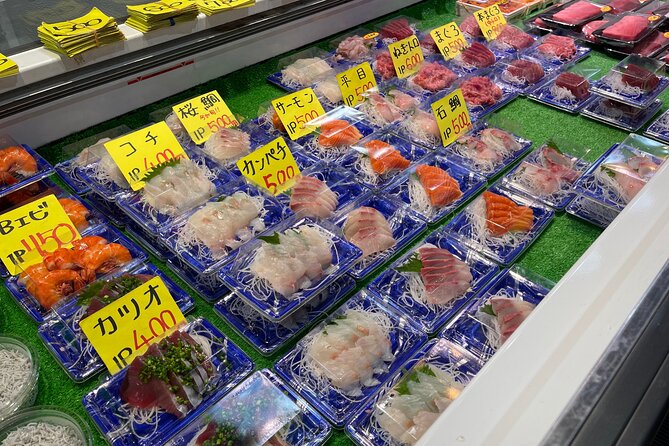
You’ll also spend time at the Tsukiji Fish Market area. People often talk about wholesale relocation, so it’s smart to know what you’re actually getting here: you’re not touring an old-school auction hall expecting the same scene as decades ago. Instead, you’re seeing the food landscape that remains strong around the market—shops, restaurants, and specialists who still define the area’s identity.
This stop is valuable because it connects the earlier tastings to the wider Tsukiji ecosystem. You see more of the food businesses that kept the neighborhood’s reputation intact, even as the market’s structure changed over time.
If you enjoy markets for what they represent—ingredients, workflow, and local expertise—you’ll appreciate this portion. If you only care about a single iconic view, you might feel it’s more about atmosphere than a single dramatic moment.
Namiyoke Inari Shrine: a quick blessing that gives the morning meaning
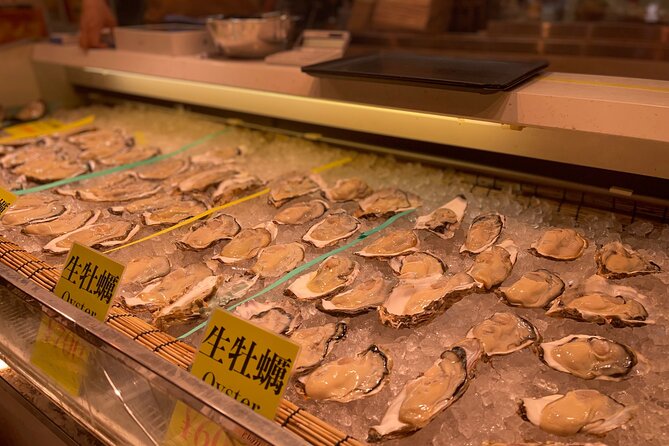
One of the most satisfying, low-pressure moments is the stop at Namiyoke Inari Shrine. You’ll pause there as part of the tour, with time to see the shrine and take in the local tradition. For a food tour, it’s a smart inclusion: it frames Tsukiji as more than a place to buy seafood. It’s also a part of the daily life and beliefs of the people who work there.
You don’t need to be religious to appreciate the stop. It’s a cultural breather, and it helps you understand why market districts in Japan aren’t only about transactions.
Full specialty seafood breakfast: the main payoff
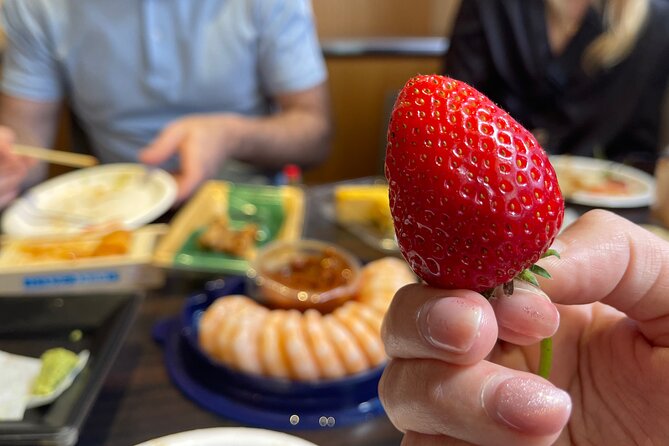
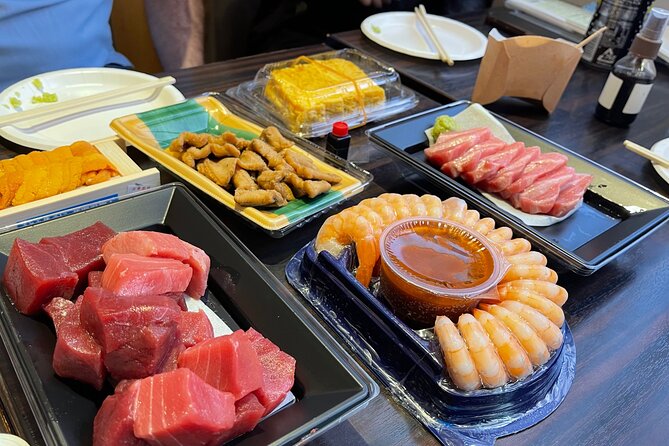
The included full Tsukiji specialty seafood breakfast is the tour’s headline value. Instead of stringing together a few samples, you get a meal built around what this area is known for. That makes a big difference if you’re trying to do Tsukiji in one morning without spending the rest of the day piecing meals together on your own.
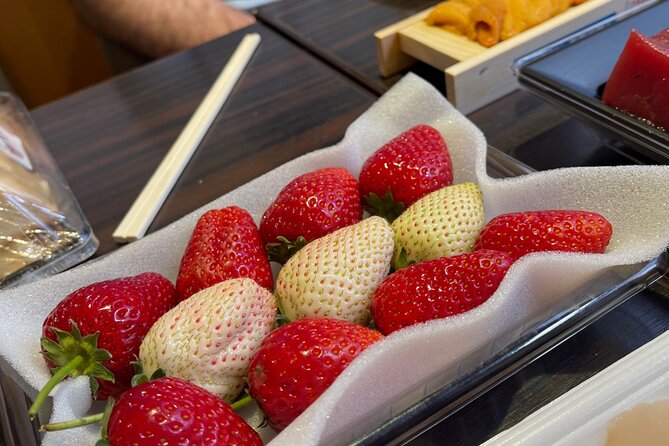
The tour also includes at least one drink, and you finish with a sweet Japanese snack. These are small items, but they matter. They keep the morning from turning into only savory intensity, and they give you a sense of how locals pace breakfast: coffee, savory eats, then a little sweetness before moving on.
Dietary notes you can count on
This tour supports vegetarian, pescatarian, and gluten-free needs. It’s not marketed as a vegan/no-seafood experience, though—so if that’s you, you’ll want to choose a different food tour that specifically matches a no-seafood requirement.
If you’re pescatarian or gluten-free, this kind of guided structure is a plus. It’s easier to explain needs at a planned meal than to improvise at a market full of menu variations.
Price and logistics: is $231 a good value?
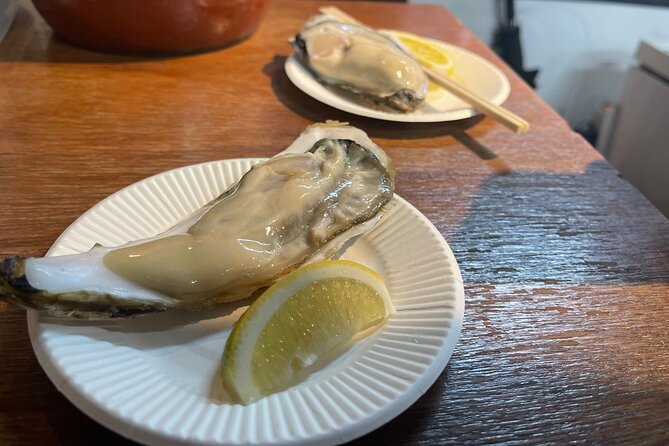
At $231 per person, this is not a budget tour. But it can still feel fair if you consider what you’re paying for:
- A local English-speaking guide guiding you through a market zone that’s hard to navigate on your own
- Tastings across the outer market
- A full seafood breakfast (not just bites)
- An included drink
- A small group size capped at 10 travelers
- A route that includes food + culture (the shrine stop) rather than purely browsing
If you’d otherwise spend money on an unplanned breakfast and then still try to figure out what to eat in Tsukiji afterward, the math often works out better with a guided format. You also save time: you don’t have to decide on the fly where to go, what to order, and how to avoid walking in circles.
One small but important practical tip: since credit cards aren’t generally accepted for food or souvenirs, your cash plan matters more than people expect. If you show up with only cards, you can end up stuck or forced to pass on extra snacks.
Who should book this Tsukiji tour
I think this is a smart pick if:
- You’re a first-timer in Tokyo and want a structured morning that still feels local
- You love food walks more than museum-style sightseeing
- You want a guided breakfast with seafood specialties and cultural context
- You’d rather spend money once on a well-run tour than spread it across several stops
It may not be the best fit if:
- You prefer minimal walking in crowded areas
- You need a fully vegan or strictly no-seafood itinerary
- You’re looking for a single, iconic market-auction moment with lots of seating and downtime
It’s family-friendly, and children must be accompanied by an adult. The tour also expects moderate physical fitness level, which means you should be comfortable standing and moving through market streets.
The bottom line: should you book?
If you want Tsukiji to feel meaningful—not just “I saw fish carts”—this is a strong choice. The biggest win is the combination of outer-market food tastings plus a full specialty seafood breakfast, all guided by people who can explain what you’re eating and where it fits in Tsukiji culture.
I’d book it when you can commit to the morning timing and you can handle crowds. Bring cash, wear shoes you trust, and go with the mindset that you’re eating and learning at the same time. Do that, and you’ll leave with a Tsukiji breakfast story you actually understand.
FAQ
What time does the Classic Tsukiji Food Tour start, and how long is it?
The tour starts at 8:30 am and runs about 3 hours.
What’s included in the price?
You get one drink included, a full Tsukiji specialty seafood breakfast, and a local English-speaking guide.
Is the tour family-friendly?
Yes, it’s family-friendly. Children must be accompanied by an adult, and for kids 10 and above you need to provide a passport information copy.
Can I do it if I have dietary restrictions?
The tour supports vegetarian, pescatarian, and gluten-free needs. It’s not recommended for vegans and no-seafood diets.
Do I need cash for this tour?
Yes. If you plan to buy souvenirs or food, bring cash, because credit cards aren’t generally accepted.
What happens if weather is bad?
The experience requires good weather. If it’s canceled due to poor weather, you’ll be offered a different date or a full refund.
More Tours in Tokyo
- Mt Fuji and Hakone 1-Day Bus Tour Return by Bullet Train
★ 5.0 · 26,383 reviews - 1-Day Tokyo Bus Tour
★ 5.0 · 14,250 reviews - Tokyo: Shinjuku Food Tour (13 Dishes at 4 Local Eateries)
★ 5.0 · 6,603 reviews - Tokyo Mt Fuji 5th St & Hakone Cruise Bus Tour w/Bullet Train
★ 4.4 · 5,024 reviews - Flagship 2-Hours Official Street Go-Kart Tour – Tokyo Bay Shop
★ 5.0 · 4,974 reviews
More Tour Reviews in Tokyo
- Mt Fuji and Hakone 1-Day Bus Tour Return by Bullet Train
★ 5.0 · 26,383 reviews - 1-Day Tokyo Bus Tour
★ 5.0 · 14,250 reviews - Tokyo: teamLab Planets TOKYO Digital Art Museum Entry Ticket
★ 4.6 · 9,779 reviews - Mt Fuji & Hakone Cruise, Drum Show Bullet Train 1 Day from Tokyo
★ 4.0 · 7,413 reviews - Tokyo: Shinjuku Food Tour (13 Dishes at 4 Local Eateries)
★ 5.0 · 6,603 reviews
More Tsukiji Market Breakfasts
- Tokyo Tsukiji Fish Market Food and Culture Walking Tour
★ 5.0 · 3,184 reviews - Tokyo: Tsukiji Fish Market Food and Walking tour
★ 5.0 · 1,724 reviews - Tokyo: Tsukiji Fish Market Guided Walking Tour
★ 4.9 · 1,397 reviews - Tokyo Sushi Making Class in Tsukiji with Professional Chef
★ 5.0 · 1,177 reviews - Tsukiji Fish Market Guided Tour and Sushi Making with Pro Chef
★ 5.0 · 775 reviews
Latest Tokyo reviews off our desk






Tsukiji Market Food Tours, compared.
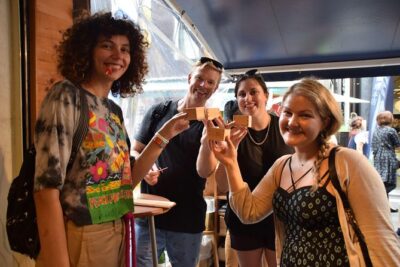 ★ 5.0Tokyo Tsukiji Fish Market Food and Culture Walking TourFrom $993,184 reviews
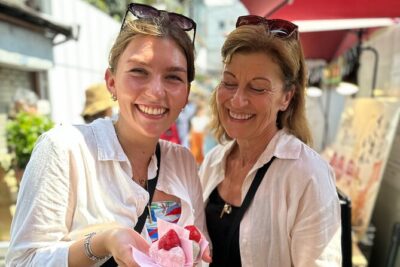 ★ 5.0Tsukiji Fish Market Food and Walking tourFrom $301,724 reviews
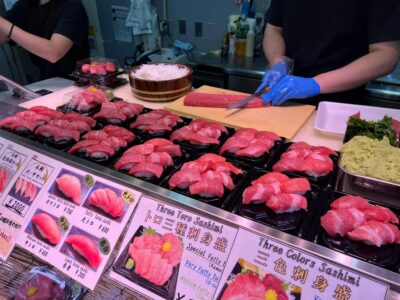 ★ 4.9Tsukiji Fish Market Guided Walking TourFrom $221,397 reviews
 ★ 5.0Tokyo Sushi Making Class in Tsukiji with Professional ChefFrom $491,177 reviews
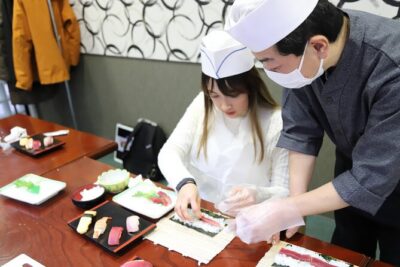 ★ 5.0Tsukiji Fish Market Guided Tour and Sushi Making with Pro ChefFrom $104775 reviews
★ 4.7Tsukiji Fish Market Food and Culture Walking TourFrom $96757 reviews
★ 5.0Tsukiji Fish Market Guided Tour and Sushi Making with Pro ChefFrom $104775 reviews
★ 4.7Tsukiji Fish Market Food and Culture Walking TourFrom $96757 reviews
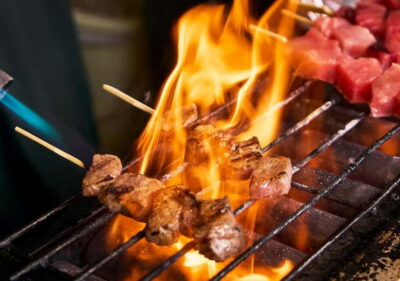 ★ 5.0Tsukiji Fish Market: Street Food & Culture Walking TourFrom $33669 reviews
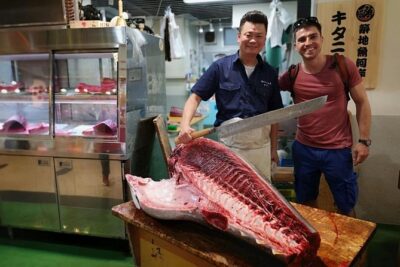 ★ 5.0Tsukiji Fish Market Small-Group Food Walking TourFrom $87621 reviews
Browse the lists this tour appears in