
Reviewed · MOUNT FUJI TOURS
Day Trip To Mount Fuji and Hakone from Tokyo with English Guide
Fuji views start fast on this day trip. In one long day you’ll see Chureito Pagoda for that classic Fuji backdrop, then wind your way through Oshino Hakkai ponds and up toward Mount Fuji 5th Station. I like the simple flow of iconic stops, and I like that it’s handled by an English-speaking guide with pickup and private transport, plus WiFi and bottled water. One possible drawback: the itinerary is packed, and a few big-ticket moments (like ropeway, museum, and the 5th Station) can add extra costs and are weather-sensitive.
Because this is a private group set-up (up to 5 people), you’re not stuck in a huge crowd shuffle at every stop. The pace is geared for views and photos, not lingering. And since the tour runs about 10 hours, you’ll want to bring comfortable shoes and be ready for a lot of in-and-out riding.
Also, the tour uses a mobile ticket, so you can keep things simple on the day. Just remember lunch isn’t included, so plan on picking something up along the route or bringing a strategy for fueling without losing time.
In This Review
- Key Highlights Worth Your Time
- A 10-Hour Tokyo-to-Fuji-and-Hakone Loop That Actually Works
- Chureito Pagoda at Arakurayama Sengen Park: the Classic Fuji Frame
- Oshino Hakkai: Eight Ponds, Spring-Water Serenity
- Kitaguchi Hongu Fuji Sengen Shrine: Pilgrimage Atmosphere Under Cedar Trees
- Lake Kawaguchiko and Oishi Park: Pick Your Fuji-View Mood
- Mt. Fuji 5th Station: High-Altitude Reality Check
- Transition to Hakone: from Fuji Sights to Lake-and-Volcano Scenes
- Hakone Shrine and Lake Ashinoko: the Red Torii by the Water
- Hakone Ropeway and Owakudani: Views from Above and Steam from Below
- Hakone Open-Air Museum: Art Outdoors with Mountain Air
- The English Guide and Private Transport: What Makes the Day Feel Easy
- Price and Value: $430 per Group Up to 5, Plus What Might Cost Extra
- Weather-Dependent Fuji Moments: Plan for Clear Skies, but Don’t Panic
- Who This Day Trip Fits Best
- Should You Book This Mount Fuji and Hakone Day Trip?
- FAQ
- How long is the tour?
- What is the group size for this private tour?
- Is hotel pickup included?
- Is lunch included?
- Does the tour include an English-speaking guide?
- Is a mobile ticket provided?
- Which stops have free admission?
- What attractions are listed as not included for admission?
- Do I need good weather?
- What is the cancellation policy?
Key Highlights Worth Your Time
- Private group up to 5 with an English guide, so the day feels more controlled
- Hotel pickup and door-to-door transport with air-conditioning, onboard WiFi, and bottled water
- Fuji-photo hit list: Chureito Pagoda, Oshino Hakkai, Lake Kawaguchiko, Oishi Park
- Hakone variety: Lake Ashinoko views, Hakone Shrine torii, ropeway, and Owakudani sulfur steam
- Mix of iconic + calm: shrines, ponds, and a volcanic valley plus an outdoor art museum
- Weather matters since the experience requires good conditions and can shift dates or refund
A 10-Hour Tokyo-to-Fuji-and-Hakone Loop That Actually Works
This is one of those day trips that earns its keep by stacking the best-known sights in the Fuji–Hakone region into a single run. You start in the Fuji area with postcard-famous viewpoints, then transition into Hakone for the lake and volcanic stops.
You’ll be on the move for about 10 hours, so think of it as a curated highlights route rather than a slow travel day. The upside is obvious: you maximize seeing a lot without needing to coordinate trains, transfers, and ticket lines on your own.
The tour includes an air-conditioned vehicle plus private transportation. You also get WiFi onboard, which sounds small until you’re trying to check weather, confirm where you are, or manage your own photos fast.
More Fuji day trips our readers rated highly
- Mt Fuji and Hakone 1-Day Bus Tour Return by Bullet Train
★ 5.0 · 26,383 reviews - Mt Fuji & Hakone Cruise, Drum Show Bullet Train 1 Day from Tokyo
★ 4.0 · 7,413 reviews - Tokyo Mt Fuji 5th St & Hakone Cruise Bus Tour w/Bullet Train
★ 4.4 · 5,024 reviews - From Tokyo: Mount Fuji Full-Day Sightseeing Trip
★ 4.5 · 4,970 reviews
Chureito Pagoda at Arakurayama Sengen Park: the Classic Fuji Frame
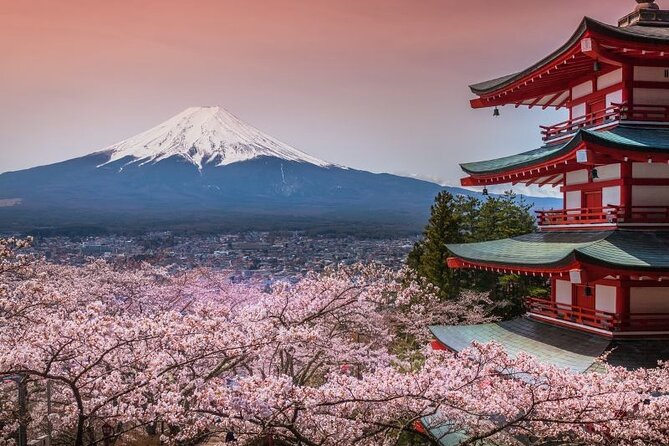
Your first stop is Chureito Pagoda in Arakurayama Sengen Park (45 minutes). This five-story pagoda is known for the way it lines up with Mount Fuji on clear days, and it’s also tied to a peace memorial background.
What I like about starting here is that it sets your expectations early. You’re not guessing what the tour is about. You walk into the famous view zone, grab your photos, then move on while the day is still young.
Admission is listed as free, which helps keep the budget predictable at the beginning. The only real consideration is the photo vibe: you may want to time your shots around crowds, even on an organized tour day.
Oshino Hakkai: Eight Ponds, Spring-Water Serenity
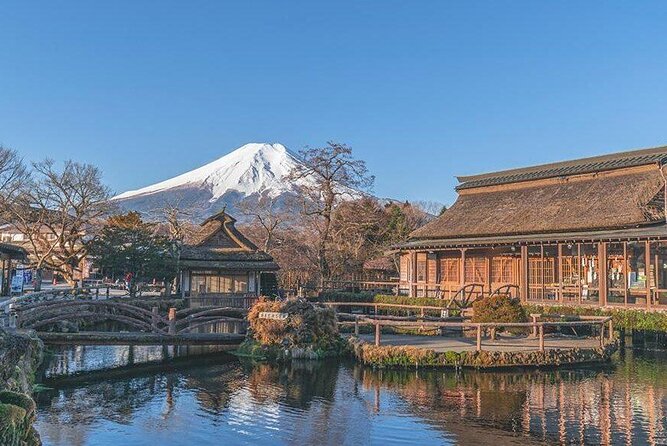
Next up is Oshino Hakkai (30 minutes). This is a cluster near Mount Fuji with eight crystal-clear ponds fed by spring water, surrounded by traditional thatched-roof houses.
This stop is useful because it gives you a different kind of Fuji experience than the lookouts. Instead of just altitude and wide views, you get calm water scenes and a more village-style atmosphere.
Admission is free here too. That means you can focus on walking the pond area, taking photos, and enjoying the quieter pace before you head back toward the higher viewpoints.
Kitaguchi Hongu Fuji Sengen Shrine: Pilgrimage Atmosphere Under Cedar Trees
You then visit Kitaguchi Hongu Fuji Sengen Jinja (30 minutes). This is a historic shrine at the foot of Mount Fuji, and it was once the starting point for pilgrims climbing the sacred mountain.
The setting matters: you’ll notice the cedar trees and the strong shrine layout, including grand torii gates. It’s not just a quick photo stop. It helps you understand why Mount Fuji has spiritual weight for many people.
Admission is free, so you’re spending time on atmosphere rather than ticket logistics. If you like cultural stops that don’t drag, this is one of the easier ones to appreciate within a tight schedule.
Lake Kawaguchiko and Oishi Park: Pick Your Fuji-View Mood
After the shrine and pond scenery, the tour pivots to the Fuji Five Lakes area with Lake Kawaguchiko (1 hour 30 minutes) and then Oishi Park (30 minutes).
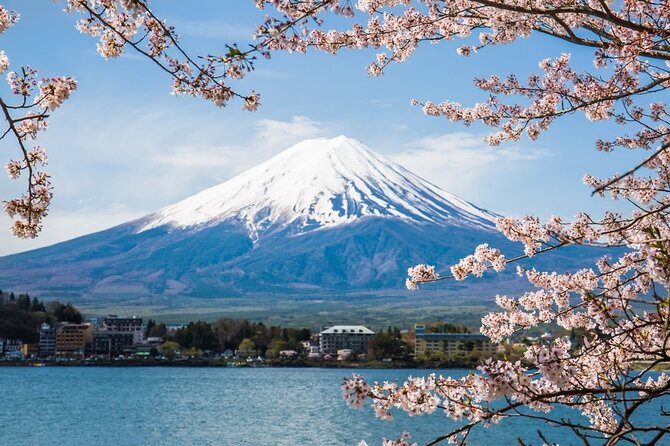
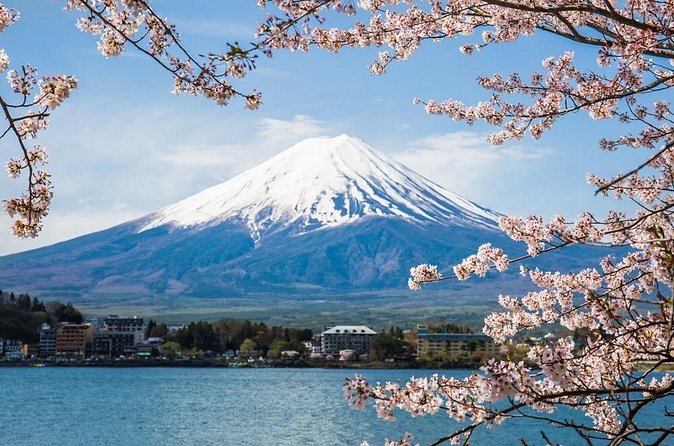
Lake Kawaguchiko is one of the Fuji Five Lakes, and it’s famous for views of Mount Fuji. The listing also notes that sunrise and sunset bring the best views, plus you can enjoy lakeside walking paths and seasonal flower displays (details like flowers vary by season).
I like that you get actual time here. Ninety minutes is enough to walk a loop, find a viewpoint angle, and not feel rushed the second you step off the bus. It also means if you catch a clearer window between clouds, you can spend a few extra minutes where the view is best.
Then you head to Oishi Park, on the northern shore of Lake Kawaguchiko (30 minutes). This park is known for seasonal flowers too (like lavender in summer, as the description mentions), plus straightforward Fuji framing.
Admission at both Lake Kawaguchiko and Oishi Park is handled differently in the listing: Lake Kawaguchiko is not included, while Oishi Park is free. That means you should expect at least one add-on cost around the Kawaguchiko portion.
Practical tip: bring sun protection even if it’s cool. Fuji-area weather can flip fast, and you’ll be standing around while the mountain decides whether to show itself.
Other Hakone loops worth the fare
- Tokyo: Mt. Fuji Tour, Hakone Ropeway, Owakudani, Lake Ashi★ 4.7 · 4,002 reviews
- Private Tour to Mt. Fuji and Hakone (Fully Licenced Operator)★ 5.0 · 1,910 reviews
- Mt Fuji & Hakone Cruise, Drum Show Bus 1 Day from Tokyo★ 4.0 · 1,287 reviews
- From Tokyo: Mt. Fuji & Hakone Tour w/ Return by Bullet Train★ 4.2 · 1,278 reviews
- Mt Fuji and Hakone 1-Day Bus Tour Return by Bus★ 4.5 · 929 reviews
Mt. Fuji 5th Station: High-Altitude Reality Check
Then comes Mount Fuji 5th Station (30 minutes). The listing places it at about 2,300 meters (7,500 feet) above sea level, with viewpoints, souvenir shops, and rest facilities.
Even if you’re not hiking, the 5th Station is the tour’s “I’m really here” moment. You’ll feel the elevation and the change in atmosphere, and the view opportunities can be dramatic when the sky is clear.
The trade-off is that this is one of the parts where the listing flags admission as not included. So in your planning, treat this as a potential extra fee rather than assuming the price covers everything.
Also, this portion is weather-sensitive. If the day is cloudy, you might still enjoy the station experience, but the iconic summit views might be limited. The tour provider notes that the experience requires good weather, and if conditions fail, you can be offered a different date or a full refund.
Transition to Hakone: from Fuji Sights to Lake-and-Volcano Scenes
After the Fuji stops, you shift into Hakone, where the vibe changes from mountain outlooks to volcanic scenery and lake views.
This matters because it prevents the day from feeling repetitive. You’re not just chasing another “Fuji view spot.” You’re experiencing a different landscape and a different kind of travel rhythm: shrines by water, geothermal steam vents, and scenic transport routes.
The Hakone portion includes a mix of free and paid stops, so it’s a good time to sanity-check what you’ll need to pay for on the ground.
Hakone Shrine and Lake Ashinoko: the Red Torii by the Water
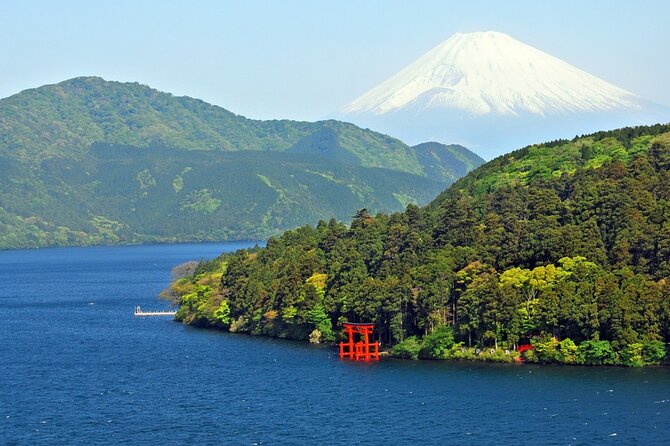
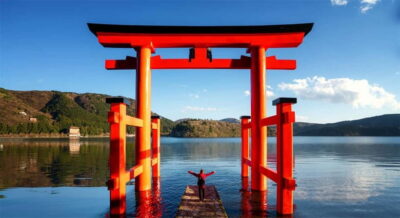
You’ll stop at Hakone Shrine (30 minutes), a Shinto shrine by Lake Ashi with a famous red torii gate standing in the lake. The setting is described as peaceful, with lush forest around.
Hakone Shrine works well as a break from walking climbs. You can settle in, enjoy the water views, and take photos with the torii angle without feeling like you’re sprinting.
Then you head to Lake Ashinoko (30 minutes). It’s a crater lake with scenic views of Mount Fuji, and it’s also associated with boat cruises (though the listing doesn’t list boat cruise inclusion).
Like Hakone Shrine, admission here is listed as free. That helps keep this section simpler budget-wise.
Hakone Ropeway and Owakudani: Views from Above and Steam from Below
Next is Hakone Ropeway (30 minutes), which in the listing is not included for admission. Ropeways are one of the best ways to see Hakone without spending the whole day on foot.
Even if your views are partially clouded, the ride can still be a cool contrast: you’re moving above volcanic terrain and looking outward toward Lake Ashi and the surrounding mountains.
Then you get to Owakudani Valley (30 minutes), a geothermal hotspot with bubbling hot springs, steam vents, and a sulfur smell. Admission here is listed as free.
This is one of those stops where the senses matter more than photos. The air can smell strongly, so if you’re sensitive, be ready. The payoff is seeing real volcanic activity up close and understanding why Hakone is famous for hot springs culture.
It’s also a good moment for snacks or simple souvenirs because you’re in the volcanic zone, not near big shopping districts.
Hakone Open-Air Museum: Art Outdoors with Mountain Air
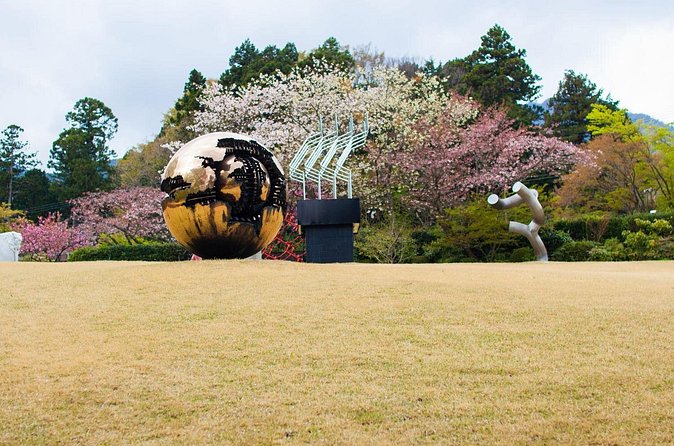
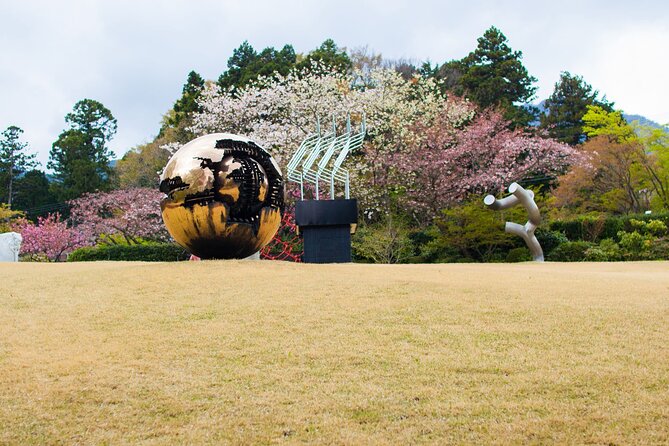
The last major cultural stop is The Hakone Open-Air Museum (30 minutes), and admission is not included.
The listing highlights sculpture work by well-known artists set against nature. In practice, it’s a good counterbalance to the geothermal steam and long views. You shift from scenery to human-made art in open air.
With only 30 minutes, you won’t see everything in a full museum way. But you can still enjoy the atmosphere and pick a few sculpture areas that catch your eye.
If your priority is maximum scenery time, this stop may feel short. If you like art and prefer a pause between viewpoints, it’s a nice ending touch.
The English Guide and Private Transport: What Makes the Day Feel Easy
This tour is built around an English-speaking guide, and that matters when you’re moving fast across multiple towns. The guide helps you connect the dots between stops so you’re not just collecting photos.
I also like that the experience includes WiFi on board. On a day where weather can change quickly, having connectivity helps you make better on-the-spot decisions about where to spend your minutes.
From the review detail shared for the guide, I’ve seen mention of a guide named Salman Virk, described as generous and polite during conversation. That kind of personality can make a long day feel less rigid, especially with a private group.
Logistically, pickup is offered, and the vehicle is air-conditioned. That’s a real comfort factor on a day trip that clocks in around 10 hours.
Price and Value: $430 per Group Up to 5, Plus What Might Cost Extra
The price is $430 per group for up to 5 people. That’s an important detail: per person, it can be a strong deal if you’re traveling as a small family or a group of friends who want a private day.
But value isn’t just the base rate. The listing also shows that several major items are not included for admission: Lake Kawaguchiko, Mt. Fuji 5th Station, Hakone Ropeway, and The Hakone Open-Air Museum.
So you should budget for those add-ons. If you’re the type who likes to skip paid attractions and just walk free-view areas, this tour may feel less cost-efficient than advertised.
On the flip side, if your goal is to hit the must-do viewpoints and scenic transport routes without coordinating them yourself, private transport plus the guide can be worth paying for.
Also, lunch is not included. That’s common on day tours, but it changes your plan. Bring a simple strategy: eat either before you leave, or use the breaks around scheduled stops to grab something quick without derailing the schedule.
Weather-Dependent Fuji Moments: Plan for Clear Skies, but Don’t Panic
This experience requires good weather. If conditions don’t cooperate, the tour provider notes you’ll be offered a different date or a full refund.
That’s the key thing to understand: Fuji is famous for shifting between dramatic and hidden. When clouds roll in, you may still enjoy the cultural stops, shrines, ponds, and Hakone geothermal scenery, but the most iconic mountain views can be reduced.
So I treat this tour like a “best chance” plan. You’re paying for access and timing, but Mother Nature is still in charge.
Who This Day Trip Fits Best
This tour fits you best if you want:
- A private day from Tokyo with an English guide
- To see both Mount Fuji highlights and Hakone geothermal/lake scenes
- A mix of free admission spots and a few paid attractions that you actually want
It may not fit if you:
- Want a super slow pace and lots of independent exploration time
- Prefer fully included ticket pricing with no add-ons
- Are traveling with expectations of guaranteed summit-level Fuji visibility on a specific day
Should You Book This Mount Fuji and Hakone Day Trip?
If your priority is maximizing iconic Fuji and Hakone sights in one day with minimal logistics hassle, this is a sensible pick. The included hotel pickup/private transport plus WiFi and bottled water makes the long travel day feel manageable, and the stop selection covers both classic photos and meaningful stops like shrines and Oshino Hakkai.
Book it if you like structured sightseeing and you’re comfortable with extra costs for the attractions listed as not included. Skip it or choose another option if you’re trying to avoid add-on admissions, or if you want a slower, more self-paced route.
FAQ
How long is the tour?
The tour lasts about 10 hours.
What is the group size for this private tour?
It’s a private tour/activity, and the group size is up to 5 people.
Is hotel pickup included?
Pickup is offered.
Is lunch included?
Lunch is not included.
Does the tour include an English-speaking guide?
Yes, it’s described as an English-speaking guide experience.
Is a mobile ticket provided?
Yes, the tour includes a mobile ticket.
Which stops have free admission?
Admission is listed as free for Chureito Pagoda, Oshino Hakkai, Kitaguchi Hongu Fuji Sengen Jinja Shrine, Oishi Park, Hakone Shrine, Lake Ashinoko, and Owaku-dani Valley.
What attractions are listed as not included for admission?
Admission is not included for Lake Kawaguchiko, Mt. Fuji 5th Station, Hakone Ropeway, and The Hakone Open-Air Museum.
Do I need good weather?
Yes. The experience requires good weather, and if it’s canceled due to poor weather, you’ll be offered a different date or a full refund.
What is the cancellation policy?
You can cancel for a full refund up to 24 hours in advance of the experience start time.
More Tour Reviews in Tokyo
- Mt Fuji and Hakone 1-Day Bus Tour Return by Bullet Train
★ 5.0 · 26,383 reviews - 1-Day Tokyo Bus Tour
★ 5.0 · 14,250 reviews - Tokyo: teamLab Planets TOKYO Digital Art Museum Entry Ticket
★ 4.6 · 9,779 reviews - Mt Fuji & Hakone Cruise, Drum Show Bullet Train 1 Day from Tokyo
★ 4.0 · 7,413 reviews - Tokyo: Shinjuku Food Tour (13 Dishes at 4 Local Eateries)
★ 5.0 · 6,603 reviews
Hakone, A Few More Ways
- Mt Fuji and Hakone 1-Day Bus Tour Return by Bullet Train
★ 5.0 · 26,383 reviews - Mt Fuji & Hakone Cruise, Drum Show Bullet Train 1 Day from Tokyo
★ 4.0 · 7,413 reviews - Tokyo Mt Fuji 5th St & Hakone Cruise Bus Tour w/Bullet Train
★ 4.4 · 5,024 reviews - Tokyo: Mt. Fuji Tour, Hakone Ropeway, Owakudani, Lake Ashi
★ 4.7 · 4,002 reviews - Private Tour to Mt. Fuji and Hakone (Fully Licenced Operator)
★ 5.0 · 1,910 reviews
More Mount Fuji Days We Have Reviewed
- Mt Fuji and Hakone 1-Day Bus Tour Return by Bullet Train
★ 5.0 · 26,383 reviews - Mt Fuji & Hakone Cruise, Drum Show Bullet Train 1 Day from Tokyo
★ 4.0 · 7,413 reviews - Tokyo Mt Fuji 5th St & Hakone Cruise Bus Tour w/Bullet Train
★ 4.4 · 5,024 reviews - From Tokyo: Mount Fuji Full-Day Sightseeing Trip
★ 4.5 · 4,970 reviews - Tokyo: Mt. Fuji Tour, Hakone Ropeway, Owakudani, Lake Ashi
★ 4.7 · 4,002 reviews
Latest Tokyo reviews off our desk






Mount Fuji Tours, compared.
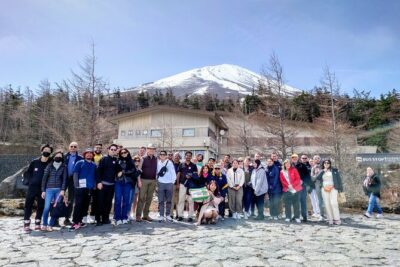 ★ 5.0Mt Fuji and Hakone 1-Day Bus Tour Return by Bullet TrainFrom $16326,383 reviews
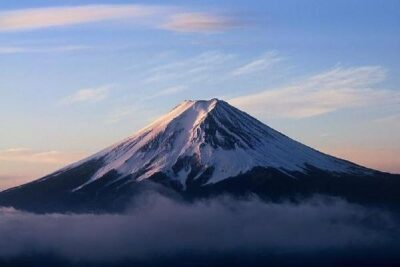 ★ 4.0Mt Fuji & Hakone Cruise, Drum Show Bullet Train 1 Day from TokyoFrom $1497,413 reviews
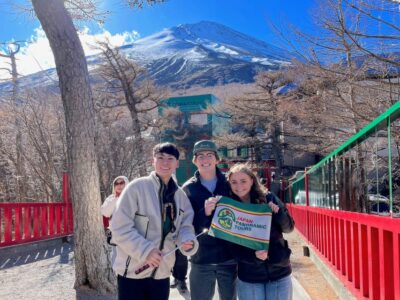 ★ 4.4Tokyo Mt Fuji 5th St & Hakone Cruise Bus Tour w/Bullet TrainFrom $1545,024 reviews
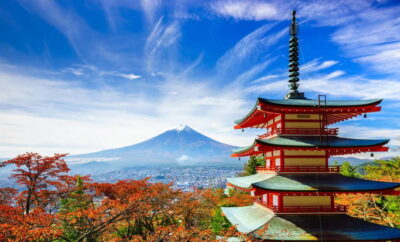 ★ 4.5From Tokyo: Mount Fuji Full-Day Sightseeing TripFrom $684,970 reviews
 ★ 4.7Mt. Fuji Tour, Hakone Ropeway, Owakudani, Lake AshiFrom $544,002 reviews
 ★ 4.4Mt.Fuji,Kawaguchiko Oishi Park,Arakurayama Sengen ParkFrom $542,682 reviews
 ★ 4.2Mt. Fuji 5th Station & Hakone Cruise 1-Day Bus TourFrom $1292,381 reviews
 ★ 4.7Mt Fuji Top 5 Spots Day Tour: Arakurayama Park,Oshino HakkaiFrom $532,066 reviews
Browse the lists this tour appears in