
Reviewed · UENO FOOD TOURS
Tokyo: Food Tour in Ueno with 10+ Tastings of Japanese Classics
Food tastes better when a local sets the pace. In Ueno, you’ll mix street-level eating with quick cultural landmarks in just about 3.5 hours. It’s built for people who want flavor fast, not a long day of transit and wandering.
I like two things a lot: first, the 10+ tastings of Japanese classics (from sushi and gyoza to yakitori and matcha ice cream), and second, the way the route links food to place—markets, the under-track Shitamachi vibe, Ueno Park, and major shrine/temple stops.
One consideration: it’s a fair amount of walking, and the exact menu can shift with weather and availability. If you’re the type who hates standing and moving between snack stops, this may feel like too much for a $142 meal.
In This Review
- Key highlights you’ll feel on the walk
- Why Ueno Works So Well for a First Food Walk
- The Meal Plan: What 10+ Tastings Really Means Here
- Stop by Stop: Markets, Shitamachi, Ueno Park, and Sacred Sites
- The indoor-outdoor market area
- Shitamachi, the under-girders neighborhood feeling
- Ueno Park: space to reset between bites
- The Tokugawa Ieyasu shrine (built in 1627)
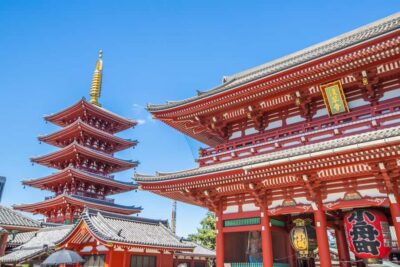
- A Buddhist worship and prayer center with tranquil surroundings
- Your Guide Does the Translation Work (and Adds the Stories)
- Walking Plan and What to Wear (Comfort Wins)
- Price and Value: Is $142 Fair for a Ueno Tasting Tour?
- Best Fit: Who This Tour Suits (and Who Might Skip It)
- So, should you book this Ueno food tour?
- FAQ
- How long is the food tour in Ueno?
- What time does it start, and where is the meeting point?
- Is hotel pickup included?
- What food and drinks are included?
- How big is the group?
- Is the tour mostly walking?
- Can you accommodate dietary requirements?
Key highlights you’ll feel on the walk
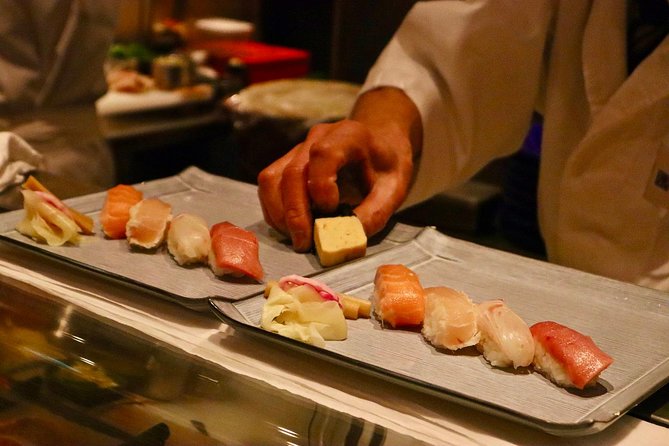
- 10+ Japanese classics in one outing: sushi, gyoza, yakitori, seasonal fruit, matcha ice cream, tea, and even a draft beer
- Short and efficient timing (about 3 hours 30 minutes) starting at Ueno Station
- Food + culture route: market streets, the Shitamachi under-girders area, then park and sacred sites
- Guides who bring the neighborhood to life, with examples like Harumi, Natsumi, Yumi, and Mari praised for stories and upbeat energy
- Small group size (max 15), so you’re not lost in a crowd while tasting and asking questions
- Tailored to your tastes, with dietary needs handled if you contact ahead
Why Ueno Works So Well for a First Food Walk
Ueno is one of Tokyo’s easiest areas to “get” quickly. You’ve got a major rail hub right at Ueno Station, plus layers of street life that feel both public and lived-in. That matters on a food tour, because you don’t just want great snacks—you want the context of where people actually eat and how a neighborhood moves.
This tour keeps you in that thick-of-it zone. You start at the station, then head into a lively market area, walk through the Shitamachi feel (the area described as under the girders), and continue into major green-and-spiritual spaces near Ueno Park. It’s a smart layout for first-timers because it gives you a mini map of the city’s “everyday Tokyo” rhythm: eat, walk, pause, then eat again.
Also, you’ll notice the pace is designed for people short on time. The tour runs about 3 hours 30 minutes, which is long enough to feel like a real experience but short enough to still enjoy the rest of your day in Tokyo.
More Ueno tastings on our list
- Eat and Drink Like a Local: Tokyo Ueno Food Tour-Taverns&Ramen
★ 5.0 · 957 reviews - Tokyo: Food Tour in Ueno with 10+ Tastings of Japanese Classics
★ 5.0 · 303 reviews - Japanese Food Experience Night Tour in Ueno
★ 5.0 · 47 reviews - Tokyo Ueno Food & Nature & Localtown Tour: 10Dishes+ Drinks
★ 5.0 · 34 reviews
The Meal Plan: What 10+ Tastings Really Means Here
The big selling point isn’t one fancy dish. It’s variety. The tour is built around 10+ tastings of Japanese classics, and the included list gives you a clear idea of the style of eating: small, frequent bites rather than one sit-down meal.
Here’s what’s included:
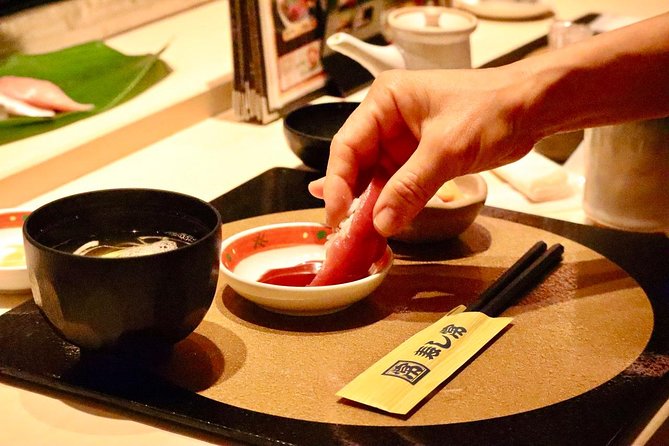
- Fresh, authentic Japanese sushi
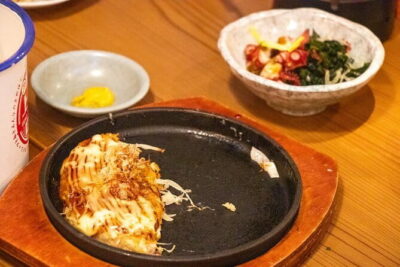
- Crispy gyoza, a local favorite
- Yakitori, grilled skewered chicken
- Seasonal fresh fruits
- Creamy matcha ice cream
- Two different types of tea
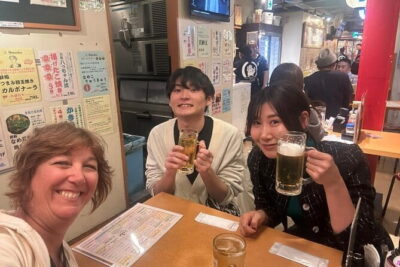
- One draft beer
- Water
- A Secret Dish (you don’t know what it is ahead of time)
That lineup is smart for a few reasons.
First, it’s balanced across textures. Sushi gives you clean, seafood-forward flavors; gyoza brings crunch and savory steam; yakitori adds smoky grill notes. Then you cool down with fruit and matcha ice cream, which is basically the correct ending move in Japan when the day turns warm.
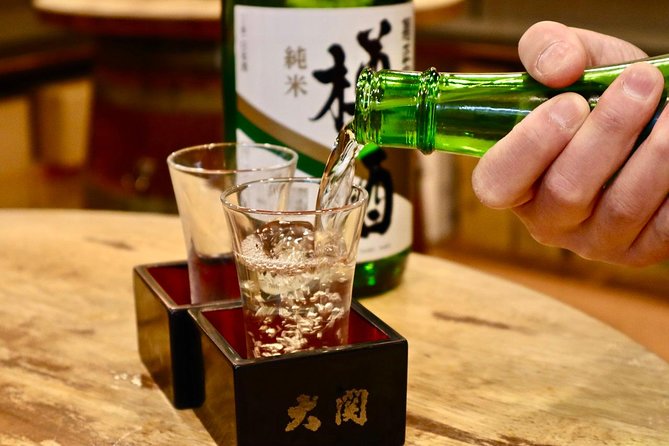
Second, you’re not stuck choosing drinks. Tea is included in two different types, and you also get a draft beer. That’s a handy way to taste Japanese beverage culture without having to order multiple rounds yourself.
Third, the “Secret Dish” is one of those gentle surprises that makes the tour feel like more than a checklist. It’s also a good reminder: if you’re trying Japanese food for the first time, the best memories often come from the one thing you didn’t plan.
Practical tip: don’t treat this like dessert-first. If you come hungry, you’ll enjoy it more. Many people find they need to skip breakfast or keep it light so the tastings don’t feel like a food sprint.
Stop by Stop: Markets, Shitamachi, Ueno Park, and Sacred Sites
This is where the tour earns its keep. You’re walking through specific “Tokyo layers,” not just moving between restaurants.
The indoor-outdoor market area
You start in a popular indoor-outdoor market with shops selling food, gifts, and apparel. Even before you eat, this stop does two useful things for you:
- It teaches you the local shopping rhythm (how markets feel more like daily life than tourist bazaars).
- It sets your nose up for what’s next, because market smells are half the experience.
A market is also the right place to start because it’s dense, easy to navigate, and full of food cues. Your guide helps you focus on what to try instead of you wandering lost with a full mouth but no plan.
Shitamachi, the under-girders neighborhood feeling
Next you’ll visit an area under elevated train tracks—the description here points to Shitamachi, the “under the girders” world. This is a slice of Tokyo that tourists often overlook because it’s less postcard-perfect and more practical.
Why it matters on a food tour: neighborhoods like this tend to be where eating is woven into daily routine. The guide’s job is to translate what you’re seeing—why those streets look the way they do and how that setting shaped local food habits.
If you like street-level Tokyo (not just the famous landmarks), you’ll probably enjoy this part a lot.
Readers also shortlisted these Tokyo bookings:
- Tokyo: Shinjuku Food Tour (13 Dishes at 4 Local Eateries)★ 5.0 · 6,603 reviews
- Tokyo Tsukiji Fish Market Food and Culture Walking Tour★ 5.0 · 3,184 reviews
- Tokyo: Shinjuku Food Tour (15 Dishes and 4 Eateries)★ 4.9 · 2,033 reviews
- Best of Shinjuku: Izakaya Food Tour (4 Stops, 14+ Tastings)★ 5.0 · 1,863 reviews
- Tokyo: Tsukiji Fish Market Food and Walking tour★ 5.0 · 1,724 reviews
Ueno Park: space to reset between bites
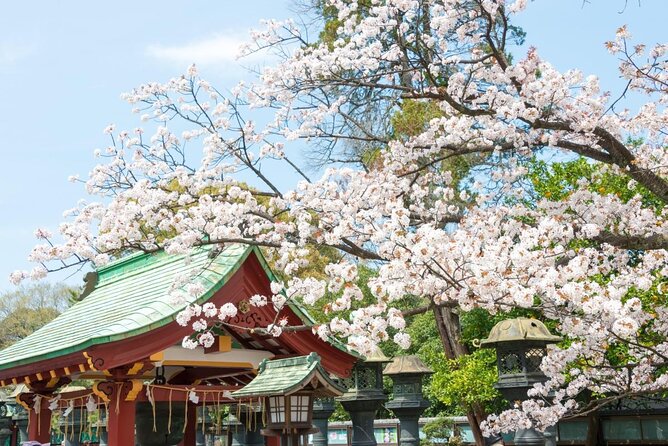
Then you shift into Ueno Park, a spacious public park in the Ueno district. It’s especially famous in spring for cherry blossoms and hanami, though you’ll experience it as a place to breathe even outside blossom season.
On a tasting tour, this kind of park stop is more than scenery. It’s a mental reset. It gives your stomach a moment to catch up and gives you a wider sense of where you are in Tokyo. Think of it as the tour’s “stand back and look” break.
The Tokugawa Ieyasu shrine (built in 1627)
From there, you visit a shrine in Japan’s Shinto tradition, built and dedicated in 1627 in memory of Tokugawa Ieyasu, founder of the Tokugawa Shogunate.
This stop adds cultural grounding. It also changes the mood of the walk. You go from street food energy to a more formal, quiet space, and your guide can connect what you’re eating with the bigger idea of Japan: food isn’t separate from tradition, it’s part of how communities organize daily life.
If you like your food tours with a little meaning and not only flavors, you’ll appreciate having a shrine stop in the mix.
A Buddhist worship and prayer center with tranquil surroundings
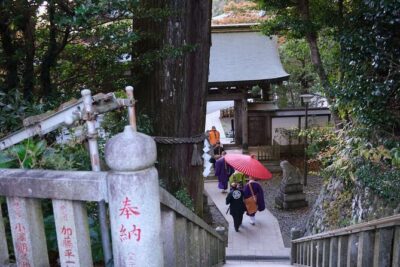
The last sacred stop is described as a storied Buddhist center for worship and prayer with tranquil landscaping.
Even without naming the site, you’ll feel the difference. This kind of location is about slowing down. For a food tour, that matters because your tastings are high-intensity by design. Ending with calm surroundings is a nice rhythm: you’re satisfied, then you settle.
Your Guide Does the Translation Work (and Adds the Stories)
A food tour can be two different things. It can be a line-up of snacks, or it can be a guided explanation of what those snacks mean. This one leans hard into the guide role: a passionate local English-speaking guide helps you navigate and overcome the language barrier.
Here’s what stands out from the guide feedback shared with the tour:
- Harumi is described as wonderful, informative, and fun, with lots of dishes that feel new.
- Natsumi is praised for being upbeat and sharing practical recommendations beyond the meal.
- Yumi earns credit as a terrific guide who helps you find places you wouldn’t stumble on alone.
- Mari is called out for knowing both food and the history of the area.
You don’t need a PhD to enjoy this tour, but you do need someone to connect the dots. A good guide turns ordering into understanding. You’ll be asking questions, getting tips, and learning customs along the way.
And because the group is capped at 15 travelers, you’re more likely to have real back-and-forth instead of talking only to the air.
Walking Plan and What to Wear (Comfort Wins)
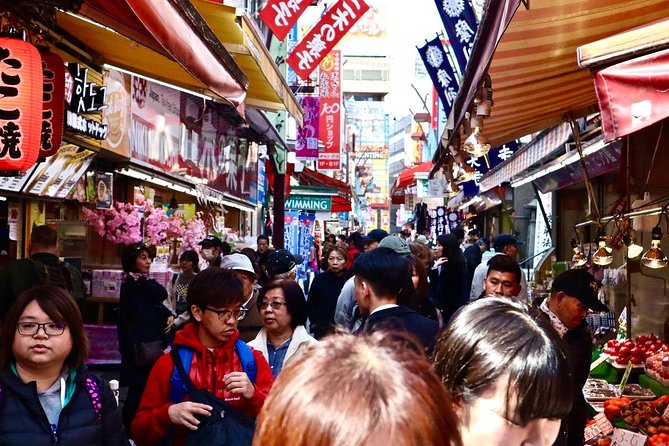
This experience involves a fair amount of walking, so comfortable shoes matter. The route mixes markets, under-track streets, park walking, and visits to shrine/temple areas. Even if the distances aren’t extreme, you’ll be on your feet more than a typical “drop in for dinner” night.
Also expect that the itinerary and menu can change based on locations’ availability, weather, and other circumstances. That’s normal in food tours, especially when you’re moving between multiple places. The upside is that your guide can adjust in real time so you still get a complete tasting experience.
If you’re traveling in hot weather, plan for breaks and hydration. Water is included, but your feet still need help.
Price and Value: Is $142 Fair for a Ueno Tasting Tour?
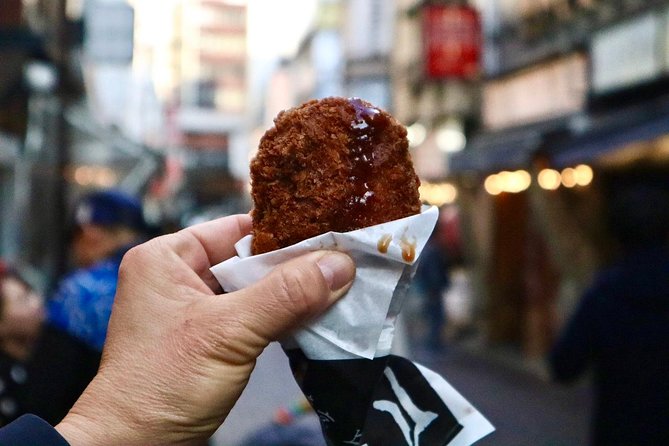
Let’s talk money honestly.
At $142 per person for about 3.5 hours, you’re paying for three main things:
- A local guide who can get you into food spots and steer you toward what’s worth it.
- 10+ tastings plus included drinks (tea, beer, water).
- The cultural stops that shape the “why” behind the food.
If you were doing this alone, you could technically spend less. You could hunt down sushi, gyoza, yakitori, and matcha desserts one by one. But solo plans often hit friction fast: time lost figuring out what to order, language barriers, and the risk of paying tourist pricing or ending up at places that are convenient rather than local.
Where the price argument can get tricky: if your ideal food tour is purely educational—like ingredient origins, deeper technique explanations, and a lot of culture talk—then you’ll want a guide who gives that level of detail. The tour format is built for tastings plus context, but not everyone has the same appetite for “backstory per bite.”
My practical take: this is good value if you want a guided shortcut into Japanese classics plus a quick cultural map of Ueno. It’s less of a bargain if you already know exactly where you want to eat and you’re comfortable building your own route.
Best Fit: Who This Tour Suits (and Who Might Skip It)
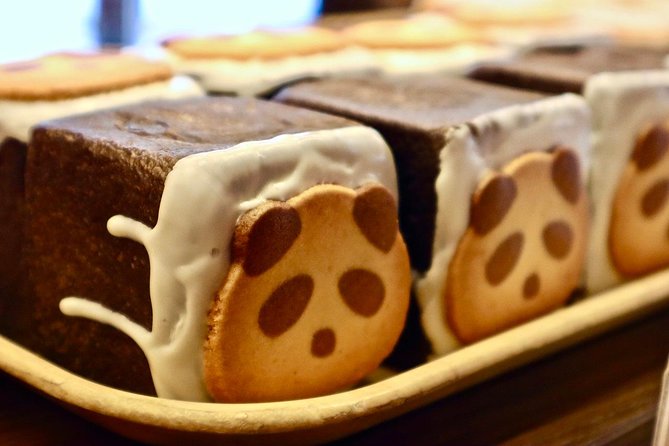
This tour fits best when you:
- Want a first-visit friendly way to eat across multiple Japanese classics in one outing
- Are short on time but still want cultural stops, not only food
- Like guided walks in real neighborhoods, especially around Ueno
- Appreciate a small group setting (max 15)
It also seems family-friendly in practice. One parent noted that kids aged 8–10 enjoyed it, which usually means the tour isn’t overly formal and the tastings keep moving at a fun pace.
You might skip it if:
- You hate walking and don’t want a route that includes markets, parks, and temple/shrine visits
- You want a lot of structured explanation about each dish’s origins and components, and you get impatient with general guidance
- You want hotel pickup and don’t want to handle your own meet-up (hotel pickup isn’t included)
So, should you book this Ueno food tour?
If your goal is to leave Tokyo with a clear taste of Japanese classics—and a fast sense of Ueno as a neighborhood—this is an easy yes. The combination of 10+ tastings, included drinks, and the route through market streets, Shitamachi under-girders areas, Ueno Park, and sacred sites gives you value in both flavor and context.
Book it when:
- you want a guided “get oriented” day that won’t swallow your whole schedule
- you like being led to small places you’d miss on your own
- you’re hungry enough that breakfast won’t ruin the fun
Skip it or think twice if:
- you’re walking-restricted or you can’t handle standing and moving between multiple stops
- you’re trying to minimize costs and you’d rather build your own food plan
- you expect very detailed dish science and origins for every bite
If you want, tell me your travel dates and dietary needs (if any), and I’ll suggest how to plan your other Tokyo meals around this tour so you don’t end up over-scheduled.
FAQ
How long is the food tour in Ueno?
It runs for approximately 3 hours 30 minutes.
What time does it start, and where is the meeting point?
The tour starts at Ueno Station, 7 Chome-1 Ueno, Taito City, Tokyo 110-0005, Japan. It ends back at the meeting point.
Is hotel pickup included?
No. Hotel pickup and drop off are not included.
What food and drinks are included?
Included items include fresh authentic sushi, gyoza, yakitori, seasonal fresh fruits, matcha ice cream, two types of tea, one draft beer, water, and a Secret Dish.
How big is the group?
The tour has a maximum of 15 travelers.
Is the tour mostly walking?
There is a fair amount of walking, so comfortable shoes are recommended.
Can you accommodate dietary requirements?
You should contact the tour in advance about dietary requirements so they can cater for them as best as possible.
More Tours in Tokyo
- Mt Fuji and Hakone 1-Day Bus Tour Return by Bullet Train
★ 5.0 · 26,383 reviews - 1-Day Tokyo Bus Tour
★ 5.0 · 14,250 reviews - Tokyo: Shinjuku Food Tour (13 Dishes at 4 Local Eateries)
★ 5.0 · 6,603 reviews - Tokyo Mt Fuji 5th St & Hakone Cruise Bus Tour w/Bullet Train
★ 4.4 · 5,024 reviews - Flagship 2-Hours Official Street Go-Kart Tour – Tokyo Bay Shop
★ 5.0 · 4,974 reviews
More Tour Reviews in Tokyo
- Mt Fuji and Hakone 1-Day Bus Tour Return by Bullet Train
★ 5.0 · 26,383 reviews - 1-Day Tokyo Bus Tour
★ 5.0 · 14,250 reviews - Tokyo: teamLab Planets TOKYO Digital Art Museum Entry Ticket
★ 4.6 · 9,779 reviews - Mt Fuji & Hakone Cruise, Drum Show Bullet Train 1 Day from Tokyo
★ 4.0 · 7,413 reviews - Tokyo: Shinjuku Food Tour (13 Dishes at 4 Local Eateries)
★ 5.0 · 6,603 reviews
More Ueno Tastings
- Eat and Drink Like a Local: Tokyo Ueno Food Tour-Taverns&Ramen
★ 5.0 · 957 reviews - Tokyo Ueno Food Tour Sushi Ramen and Local Favorites
★ 5.0 · 54 reviews - Japanese Food Experience Night Tour in Ueno
★ 5.0 · 47 reviews - Tokyo Ueno Food & Nature & Localtown Tour: 10Dishes+ Drinks
★ 5.0 · 34 reviews - All-You-Can-Drink Bar Hopping Tour in Ueno
★ 5.0 · 22 reviews
Latest Tokyo reviews off our desk



Ueno Food Tours, compared.
 ★ 5.0Eat and Drink Like a Local: Tokyo Ueno Food Tour-Taverns&RamenFrom $95957 reviews
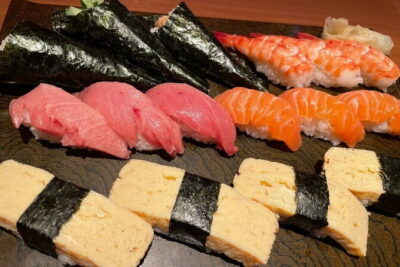 ★ 5.0Tokyo Ueno Food Tour Sushi Ramen and Local FavoritesFrom $8954 reviews
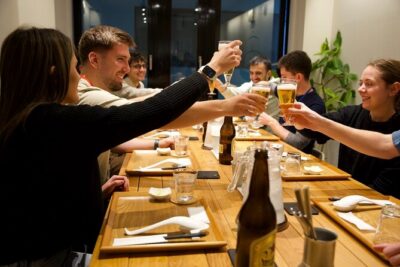 ★ 5.0Japanese Food Experience Night Tour in UenoFrom $10547 reviews
 ★ 5.0Tokyo Ueno Food & Nature & Localtown Tour: 10Dishes+ DrinksFrom $12034 reviews
 ★ 5.0All-You-Can-Drink Bar Hopping Tour in UenoFrom $9822 reviews
 ★ 4.8Asakusa, Kappabashi, and Ueno Walking TourFrom $4114 reviews
 ★ 5.0Private Ueno Park Architecture Walking TourFrom $1468 reviews
 ★ 5.0Romantic Mizuhiki Knot and Omikuji Washi Charm Workshop UenoFrom $416 reviews
Browse the lists this tour appears in