
Reviewed · ASAKUSA & SENSOJI TOURS
Tokyo: Asakusa, Kappabashi, and Ueno Walking Tour
Temple incense, knives, and street snacks in three hours. This guided walking tour stitches together Asakusa, Kappabashi, and Ueno into one easy-to-follow route, mixing famous sights with the side streets you’d miss on your own.
What I like most is the way the guide connects the big landmarks to everyday Tokyo life. The Senso-ji walk feels organized and meaningful, including a simple moment of prayer and customs of worship, so you know what you’re seeing instead of just snapping photos. I also like the shopping time built into the route—especially around Kappabashi, where you can browse knife and pottery shops without feeling rushed.
One thing to consider: it’s about 3 hours on foot and not designed for wheelchair users, so plan for moderate walking and wear shoes you trust.
In This Review
- Quick highlights
- Where the tour starts: a simple meet-up near Kaminarimon
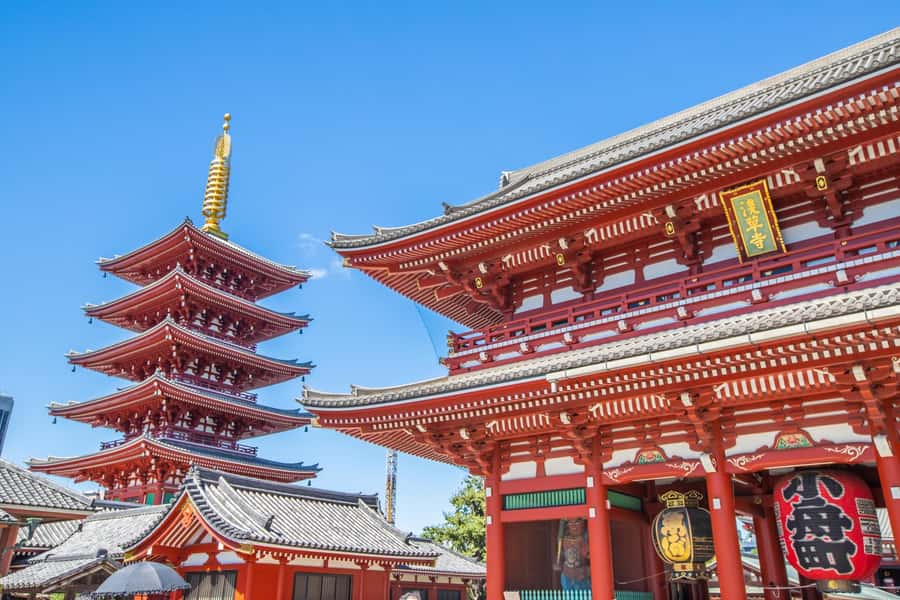
- Senso-ji and Nakamise: the temple approach that actually makes sense
- Asakusa Shrine plus Hoppy Street: where “old Tokyo” feels human
- Kappabashi kitchenware: where shopping becomes a cultural lesson
- Ueno’s Ameyoko: market streets with history in the pavement
- Price and value: $41 for a well-structured 3-hour route
- Guides and language support: why this tour feels easy
- How to shop without losing the plot
- Who this tour is best for
- Should you book this Tokyo walking tour?
- FAQ
- How long is the Tokyo: Asakusa, Kappabashi, and Ueno Walking Tour?
- How much does the tour cost?
- Where does the tour start?
- What is included in the price?
- Are food and drinks included?
- What languages are available for the live guide?
- Is the tour suitable for wheelchair users?
- Can I cancel for a full refund?
Quick highlights
- Senso-ji with a guided, know-what-you’re-seeing route through Kaminarimon and the temple grounds
- Nakamise Shopping Street for traditional sweets and handicrafts right next to the temple
- Hoppy Street to get that retro alleyway feel with old-style izakayas
- Kappabashi’s kitchenware scene with shops that have been operating for over 300 years
- Ameyoko in Ueno: a market area that grew from a WWII black market, with produce and clothing stalls
- Small-group guidance and pacing help, including adjustments when weather changes
Where the tour starts: a simple meet-up near Kaminarimon
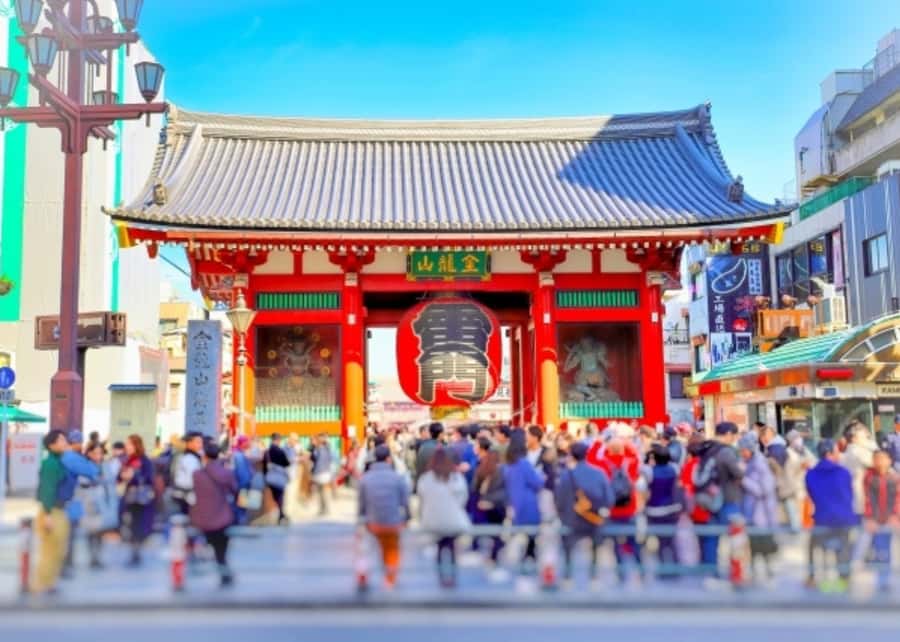
You’ll meet at the Starbucks Coffee Kaminarimon store (雷門店). The guide waits on the left side of the Starbucks, which is a surprisingly handy landmark in an area where street signage can get lost fast. If you’re coming by train, give yourself a few extra minutes to find the exact entrance area around 1-chōme-18-2 Asakusa, because this zone is crowded and the meet-up spot is in the middle of real foot traffic.
From there, the first short walk is about getting your bearings. You move toward Kaminarimon and the temple approach, which matters because this tour isn’t just about ticking off buildings. It’s about understanding why Asakusa looks the way it does and how people flow through the area.
More temple mornings in old Asakusa
- Tokyo: Japanese Dance Cabaret Theater Asakusa-Kaguwa Ticket
★ 4.8 · 2,270 reviews - Tokyo: Meiji Shrine, Asakusa, Skytree Bus Tour and Cruise
★ 4.7 · 1,986 reviews - Tokyo: Roll and Authentic Sushi Making Class in Asakusa
★ 4.9 · 1,957 reviews - Tokyo: Asakusa Walking Tour with Sensoji Temple Visit
★ 4.8 · 1,583 reviews
Senso-ji and Nakamise: the temple approach that actually makes sense
The core of the experience happens in the Asakusa temple zone. You’ll go through Kaminarimon, then head onto Nakamise Shopping Street, a long, atmospheric stretch that funnels you toward the temple. The guided timing is helpful here: it gives you the chance to slow down, look closely, and still move at a pace that keeps you from feeling stuck behind crowds.
On Nakamise, you’ll see plenty of traditional-style goods, including Japanese sweets and handicrafts. The practical value isn’t the items themselves—it’s knowing how to browse. The guide’s job is to point out what’s typical here and how these kinds of stalls fit into the temple day-to-day. If you plan to buy snacks or small gifts, this is the part of the tour where it’s easiest to do it without losing the group.
Then you step into Senso-ji Temple. What makes this stop work well is that you’re not left guessing. You’ll learn about the temple and the worship customs, including a simple prayer moment. That little ritual section can be the difference between seeing a temple as a photo backdrop versus understanding it as a living place where people still follow traditions.
A small note: temple areas can get crowded quickly. A guided route helps you avoid the most chaotic bottlenecks and keep momentum while still taking in details. You’ll do a solid walkthrough rather than a rushed glance.
Asakusa Shrine plus Hoppy Street: where “old Tokyo” feels human
After the temple approach, the tour shifts into a quieter rhythm with Asakusa Shrine. This stop is shorter, but it helps balance the intensity of Senso-ji. You get another layer of local religious space without it turning into a checklist of sacred buildings. It also gives you a breather before you head into the streets where the mood turns more everyday.
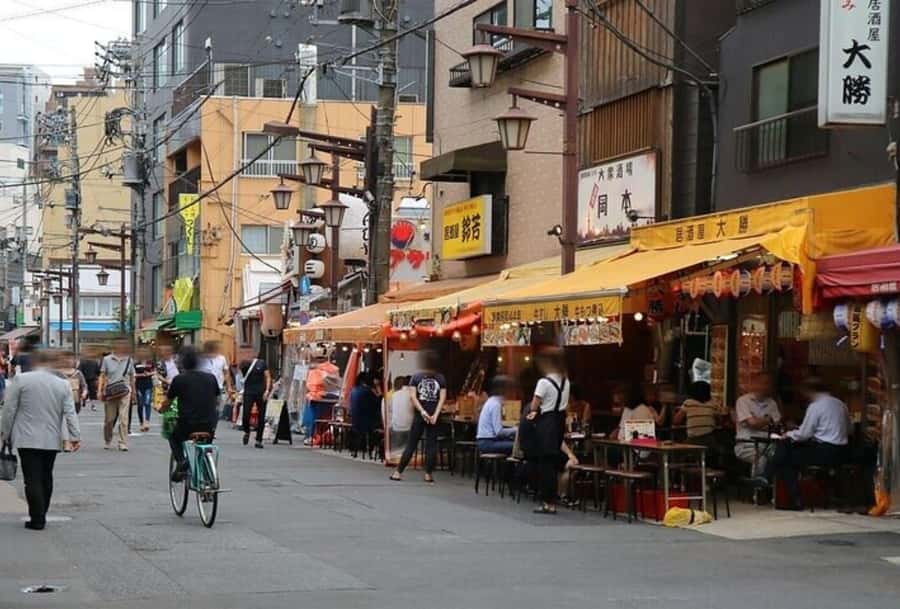
Next comes Hoppy Street, a retro alleyway in Asakusa. This is the part I look forward to when I want Tokyo to feel specific, not generic. You’ll see old-fashioned izakayas, and the goal isn’t to force a nightlife vibe at midday—it’s to show you how these side streets shaped the character of the neighborhood.
If you’ve ever walked past a narrow Japanese lane and wondered what it would be like later, this stop gives you the answer. It’s small, close, and very Tokyo: compact streets, casual storefront energy, and a sense that people still use these alleys as part of daily life.
If weather changes, guides can also slow down here and adjust the pace. One guide experience stood out for keeping things relaxed even when it was raining, so you don’t feel like you’re being marched through wet streets.
Kappabashi kitchenware: where shopping becomes a cultural lesson
This is one of the biggest reasons people book this tour: Kappabashi. You’ll spend real time in the area, including a chunk of time for shopping. The key detail here is that Kappabashi kitchenware street has been in business for over 300 years. That one fact changes how you look at the shops. You’re not just browsing modern stores—you’re stepping into a long-running supply chain for tools that shaped Japanese food culture.
As you walk, you’ll see many types of sellers:
- knives and cutlery
- pottery
- curtains and shop items
- food samples (those plastic-looking replicas you’ll see displayed like art)
What I find useful is that the guide helps you understand what to look for and what kind of products this street is known for. For example, if you’re drawn to kitchen knives, you’ll know what’s normal to find here and what to ask while you browse. If you’re shopping for souvenirs, you’ll know which stalls tend to carry the sort of items people usually bring home.
Also, this is where the tour’s shopping time feels most practical. One guide was especially patient with a family during shopping time, and that guide’s calm pacing helped someone buy a special knife without turning the moment into chaos.
And yes, you can go in with different intentions. Maybe you want a serious utensil. Maybe you just want a fun conversation piece. Either way, Kappabashi makes the shopping feel connected to Tokyo, not random.
Ueno’s Ameyoko: market streets with history in the pavement
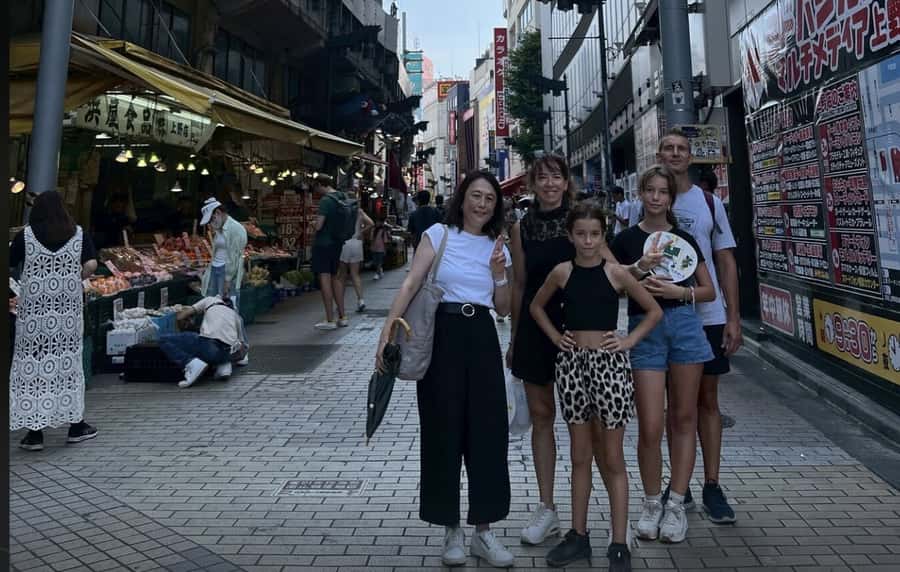
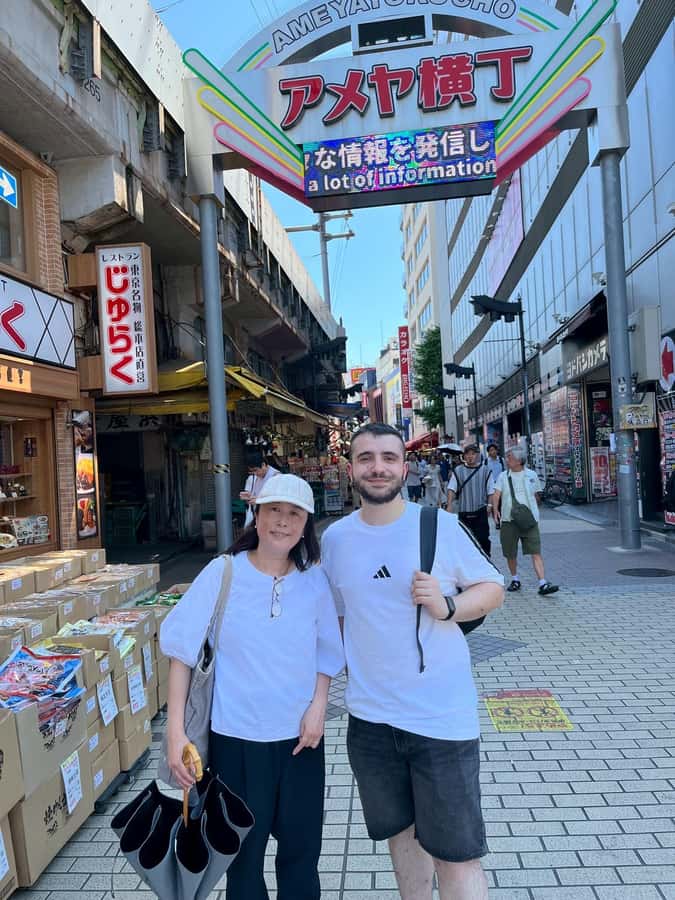
The tour ends in Ueno, with a focus on Ameyoko Shopping Street (often called Ameyoko or Ameyayokocho). This part is lively in the street sense: lots of stalls, lots of movement, and a mix of goods you can’t easily compare by walking alone.
You’ll learn that Ameyoko developed from a black market after World War II. That history matters, even if you’re mainly there to shop. It helps explain why the area feels like a trading floor—why you see everything packed together and why the street feels practical, not polished.
You’ll spot fresh produce, clothing, and other market goods. If you want street snacks, this is the area where it’s easiest to do it on your own, because food and drinks are not included in the tour price.
The last stretch is guided for orientation, then you can shop and linger with the energy of the street around you. Ending here is smart because it leaves you close to more Ueno exploration if you want to keep going after the tour clock runs out.
More Ueno tastings on our list
- Eat and Drink Like a Local: Tokyo Ueno Food Tour-Taverns&Ramen★ 5.0 · 957 reviews
- Tokyo: Food Tour in Ueno with 10+ Tastings of Japanese Classics★ 5.0 · 303 reviews
- Tokyo Ueno Food Tour Sushi Ramen and Local Favorites★ 5.0 · 54 reviews
- Japanese Food Experience Night Tour in Ueno★ 5.0 · 47 reviews
- Tokyo Ueno Food & Nature & Localtown Tour: 10Dishes+ Drinks★ 5.0 · 34 reviews
Price and value: $41 for a well-structured 3-hour route
At $41 per person for about 3 hours, this is a good value if you like getting context while you walk. You’re paying for more than directions: you’re paying for a guide to connect sites like Senso-ji, Asakusa Shrine, Kappabashi, and Ameyoko into a story that’s easy to follow.
Also, the tour includes the moments that are easy to misunderstand on your own—temple worship customs and the meaning behind neighborhoods. If you’re the type of traveler who hates wandering in circles for “the right street,” a guided route makes the time feel efficient.
One budget note: food and drinks are not included. That’s normal for walking tours, but you’ll want to plan your own snack and shopping spending so it doesn’t catch you off guard. The good news is that the market and shopping streets are exactly where food and treats naturally fit.
Guides and language support: why this tour feels easy
This tour is led by a live guide, with English, Spanish, Chinese, French, Korean, Portuguese, and Japanese options. That matters in Tokyo, where spoken English signage can be hit-or-miss depending on the neighborhood. Having a real person helps you understand what you’re seeing and also ask small questions without feeling awkward.
From guide examples like Yohei, I like the way some guides add practical extras after the main walk. In one case, the guide helped someone find a place to eat after the tour. You won’t always need that, but it’s the kind of small support that turns a tour into a better day.
Another strong point: some guides keep the plan flexible when conditions change. One guide example mentioned adjusting the route due to rain by skipping a park section and spending more time on Kappabashi. That kind of practical flexibility is great if you don’t want your day ruined by weather.
How to shop without losing the plot
You’ll spend time shopping along the way, especially in the Nakamise area near the temple and later in Kappabashi and Ameyoko. Here are the habits that help this tour feel smooth:
- Focus first, buy second. Look at what’s common in the area, then decide what you truly want.
- Keep your purchases easy to carry. Knife shopping can get serious fast, so plan for what you can realistically carry during a 3-hour walk.
- Use the guide to ask what fits your goals. If you want food samples or small souvenirs, a quick question can save time.
- If the weather changes, stay flexible. Some guides adjust time blocks to keep things comfortable, so don’t lock yourself into a rigid shopping checklist.
Because this is a walking tour, your comfort matters more than squeezing in every stall. Think of it as guided browsing with context, not a market sprint.
Who this tour is best for
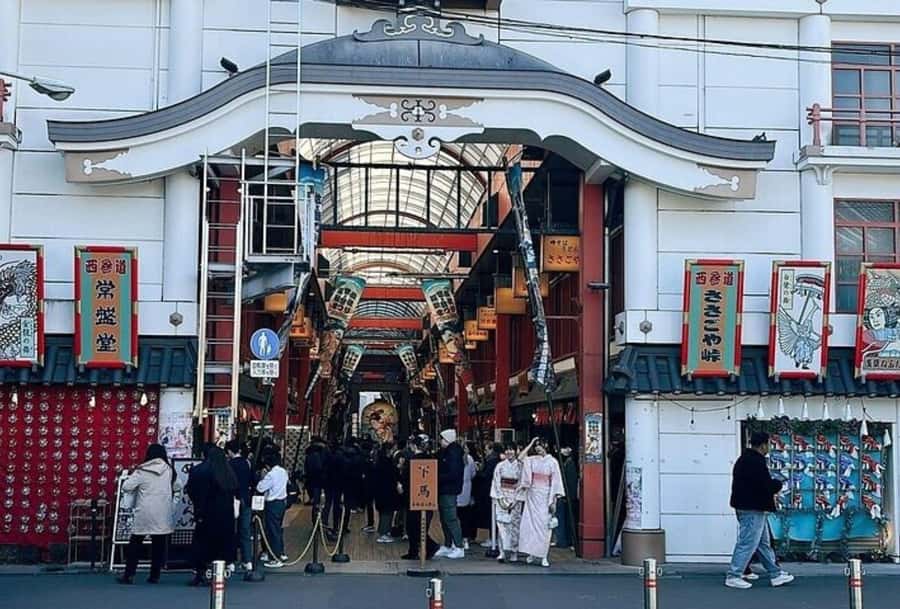
I’d recommend this tour if you want a Tokyo day that mixes famous sights with real neighborhood textures.
You’ll enjoy it if:
- you’re visiting Asakusa, Kappabashi, and Ueno and want them connected logically
- you like walking tours where the guide explains what you’re seeing at each stop
- you want a shopping-focused route with time built in, not just photo stops
- you want to learn simple temple customs so your visit feels respectful and clear
You might skip it if:
- you have limited walking ability (it’s not for wheelchair users, and it’s moderate in pace and distance)
- you only want museum-style indoor time
- you prefer unguided wandering without scheduled stops
Should you book this Tokyo walking tour?
Book it if you want an easy, guided way to experience Asakusa’s temple streets, Kappabashi’s long-running kitchenware culture, and Ueno’s Ameyoko market atmosphere in one go. The value comes from the structure: you get the key highlights, plus the “why” behind them, without needing to plan every turn.
Skip it only if walking is a problem for you, or if you’re already planning to shop in these neighborhoods without needing a guide. If you want a day that feels organized but still very Tokyo on the ground, this is a strong choice.
FAQ
How long is the Tokyo: Asakusa, Kappabashi, and Ueno Walking Tour?
The tour lasts 3 hours.
How much does the tour cost?
It costs $41 per person.
Where does the tour start?
You meet at スターバックスコーヒー 雷門店 (Starbucks Coffee Kaminarimon store). The guide waits on the left side of the Starbucks.
What is included in the price?
The guided walking tour is included.
Are food and drinks included?
No. Food and drinks are not included.
What languages are available for the live guide?
The live guide is available in English, Spanish, Chinese, French, Korean, Portuguese, and Japanese.
Is the tour suitable for wheelchair users?
No. It is not suitable for wheelchair users.
Can I cancel for a full refund?
Yes. You can cancel up to 24 hours in advance for a full refund.
More Tour Reviews in Tokyo
- Mt Fuji and Hakone 1-Day Bus Tour Return by Bullet Train
★ 5.0 · 26,383 reviews - 1-Day Tokyo Bus Tour
★ 5.0 · 14,250 reviews - Tokyo: teamLab Planets TOKYO Digital Art Museum Entry Ticket
★ 4.6 · 9,779 reviews - Mt Fuji & Hakone Cruise, Drum Show Bullet Train 1 Day from Tokyo
★ 4.0 · 7,413 reviews - Tokyo: Shinjuku Food Tour (13 Dishes at 4 Local Eateries)
★ 5.0 · 6,603 reviews
More Ueno Tastings
- Eat and Drink Like a Local: Tokyo Ueno Food Tour-Taverns&Ramen
★ 5.0 · 957 reviews - Tokyo: Food Tour in Ueno with 10+ Tastings of Japanese Classics
★ 5.0 · 303 reviews - Tokyo Ueno Food Tour Sushi Ramen and Local Favorites
★ 5.0 · 54 reviews - Japanese Food Experience Night Tour in Ueno
★ 5.0 · 47 reviews - Tokyo Ueno Food & Nature & Localtown Tour: 10Dishes+ Drinks
★ 5.0 · 34 reviews
More Mornings in Old Asakusa
- Tokyo: Japanese Dance Cabaret Theater Asakusa-Kaguwa Ticket
★ 4.8 · 2,270 reviews - Tokyo: Meiji Shrine, Asakusa, Skytree Bus Tour and Cruise
★ 4.7 · 1,986 reviews - Tokyo: Roll and Authentic Sushi Making Class in Asakusa
★ 4.9 · 1,957 reviews - Tokyo: Asakusa Walking Tour with Sensoji Temple Visit
★ 4.8 · 1,583 reviews - Tokyo Asakusa Rickshaw Tour
★ 5.0 · 1,375 reviews
Latest Tokyo reviews off our desk

Asakusa & Sensoji Tours, compared.
 ★ 4.8Japanese Dance Cabaret Theater Asakusa-Kaguwa TicketFrom $492,270 reviews
 ★ 4.7Meiji Shrine, Asakusa, Skytree Bus Tour and CruiseFrom $1221,986 reviews
 ★ 4.9Roll and Authentic Sushi Making Class in AsakusaFrom $581,957 reviews
 ★ 4.8Asakusa Walking Tour with Sensoji Temple VisitFrom $221,583 reviews
 ★ 5.0Tokyo Asakusa Rickshaw TourFrom $421,375 reviews
 ★ 4.5Tokyo Panoramic 1 Day: Meiji Shrine, Asakusa, Odaiba and SKYTREE®From $851,222 reviews
 ★ 5.0Tokyo Go Kart: Asakusa, Skytree, and Akihabara **IDP MUST**From $99988 reviews
 ★ 4.7Asakusa, Skytree & Akhihabara Go-Kart City ExperienceFrom $96761 reviews
Browse the lists this tour appears in