
Reviewed · YOKOHAMA DAY TRIPS
Eat like a local in Yokohama – with a Local Expert Guide!
Food here is a shortcut to understanding Japan. Yokohama on this local foodie walk makes that easy, because you’re not just eating. You’re learning what to look for, how locals order, and why each dish shows up the way it does. I like the variety of tasting stops (street food, a secret local favorite, plus sit-down bites) and the fact that the guide keeps the story useful, not like a lecture. One thing to consider: it’s a 4-hour walking-style experience, so come with comfortable shoes and plan to be on your feet.
What makes this tour feel worth it is the “you’ll actually get it done” approach. Pickup is included from your hotel or a chosen nearby spot, and the pace stays organized, even when you’re juggling train instincts, menus, and hunger. In one example, the guide Brian even mapped a route in advance for a wheelchair user. That kind of on-the-ground care matters.
In This Review
- Key Things You’ll Notice Right Away
- Why Yokohama Food Feels Like a Fast Education
- Getting Oriented With Pickup, Photos, and a Plan
- Street Snacks First: How the Night Gets Started Right
- The “Secret Local Food Paradise” Moment
- Ramen, Sushi, and the Rotation That Keeps You Curious
- Cultural Insights: Stories That Actually Help You Taste
- Neighborhood Walks, Markets, and Shopping Without Losing the Plot
- Private Group Energy: When the Tour Feels Like It Fits
- Dietary Preferences: Flexible Enough to Keep You Comfortable
- Price and Value: What You’re Paying For at $112
- Who This Tour Is For (and Who Might Skip It)
- Should You Book Eat Like a Local in Yokohama?
- FAQ
- How long is the Yokohama Eat Like a Local tour?
- Where is pickup, and is transportation included?
- How many places will we eat at?
- What kind of food is included?
- Can the tour accommodate dietary needs?
- What languages are spoken during the tour?
- Is this a private group tour?
- Is it wheelchair accessible, and can I cancel if needed?
Key Things You’ll Notice Right Away
- A real local guide with practical know-how, not just generic restaurant recs
- At least three tasting locations, including street-style food and a secret local spot
- 3–4 servings total, so you sample widely without leaving stuffed or underfed
- English and Japanese live guidance, which helps with ordering and context
- A private group setup, so the experience can flex to you
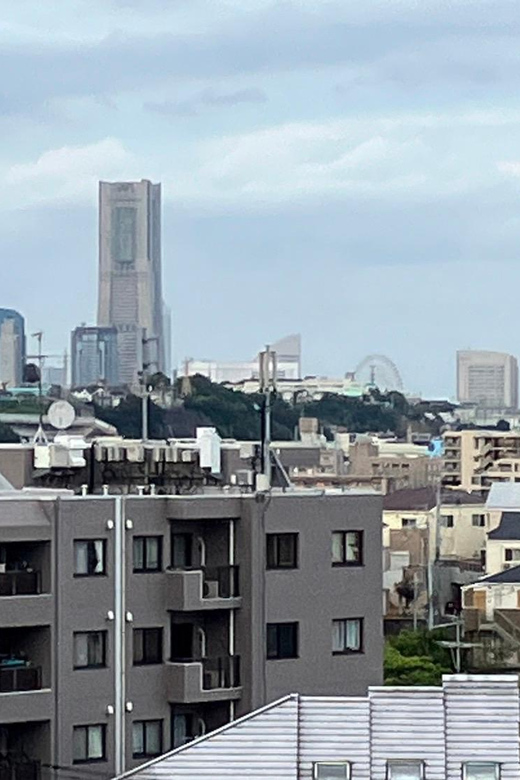
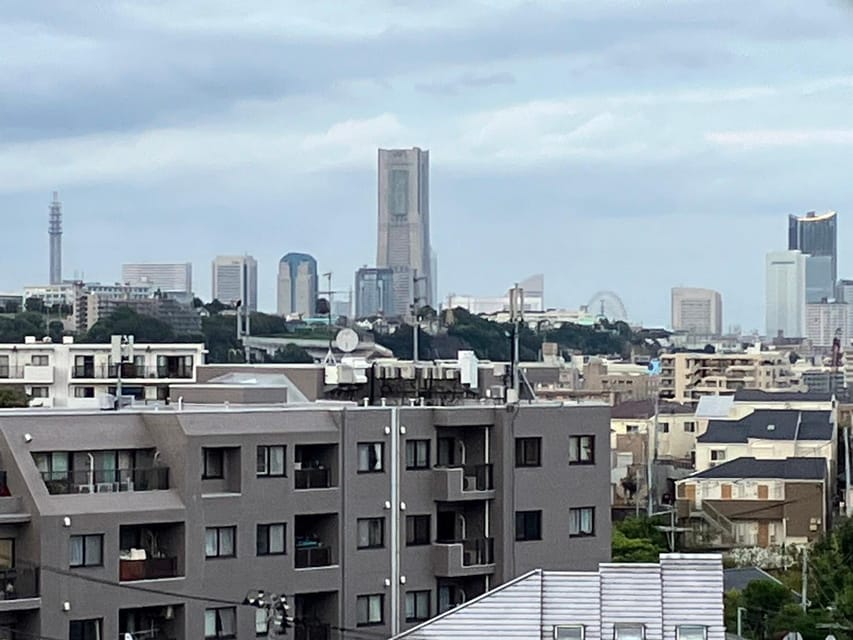
- Photo stop and scenic walk segments, so it’s food plus Yokohama orientation
Why Yokohama Food Feels Like a Fast Education
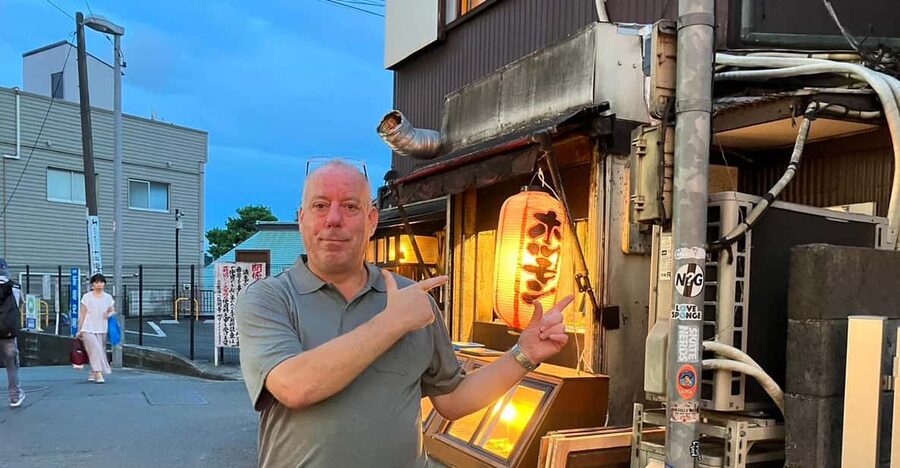
Yokohama eats like a city that’s always been connected. It’s port-town Japan, where different influences show up in everyday meals. On this kind of “eat like a local” tour, the point isn’t to chase the fanciest place. The point is to learn how Japanese daily eating works: quick bites between errands, a warm izakaya meal after work, and comfort foods you’ll spot on almost every corner.
I like that the tour treats food as culture. You’ll get the history and stories behind what you’re tasting, but the goal is understanding, not trivia overload. The guide’s job is to help you read the scene. Once you can do that, you’ll enjoy the city more after the tour too.
The harbour city next door, reviewed
- Tokyo 8hr Private Tour with Licensed Guide from Yokohama
★ 5.0 · 94 reviews - Shuttle Van Transfer, Yokohama(Port)⇒Tokyo, Narita, Haneda, TDR
★ 5.0 · 63 reviews - Yokohama Ramen Adventure From a Local Noodle Factory to Home
★ 5.0 · 60 reviews - Yokohama 4hr Private Tour with Government-Licensed Guide
★ 5.0 · 34 reviews
Getting Oriented With Pickup, Photos, and a Plan
You start by meeting the guide at your hotel or a chosen pickup spot in Yokohama. No private car transfer here. That means you’ll get moving quickly, and you also get something practical: you learn the walking rhythm of the area right away.
Early on, you’ll have a mix of:
- a photo stop,
- guided sightseeing and a walk,
- shopping along the way,
- and scenic viewpoints as you move.
This matters more than it sounds. When you’re new to a neighborhood, you don’t just want food. You want bearings. The route structure helps you feel grounded, and it keeps you from spending half your evening looking up addresses like a distracted tourist with sauce on your phone.
Street Snacks First: How the Night Gets Started Right
The tour includes minimum three different tasting locations, and street food is part of the mix. That first segment is usually the best way to calibrate your appetite. You learn how portions work on the street, what flavors hit first, and what to expect when you’re moving from stall to stall.
Street food on a guided route also saves time and decisions. You don’t have to guess which stall has the line, which item is safe to order, or how to communicate with confidence. The guide’s experience turns the chaotic parts into simple steps: where to stand, what to try, and how it’s eaten.
And yes, you’ll likely get that “I could never find this on my own” feeling. One confirmed booking mentioned that if they’d gone alone, they wouldn’t have found the addresses. That’s the real value of a route plan: you buy access to the food map of the city.
The “Secret Local Food Paradise” Moment
One stop on the tour is described as a secret local’s food paradise. That’s the kind of phrasing that can sound vague, but the meaning is pretty clear in practice: you’re not only going to the places that tourists already have on a list.
In a tour like this, the secret stop usually does two things:
- It gives you a distinct flavor that feels tied to the neighborhood.
- It shows you what locals choose when they want comfort, not marketing.
Even if you’re an adventurous eater, this is the moment you’ll be glad you booked. Not because you can’t eat in Yokohama without a guide. You can. But because you’ll spend less time searching and more time eating something you actually want.
Ramen, Sushi, and the Rotation That Keeps You Curious
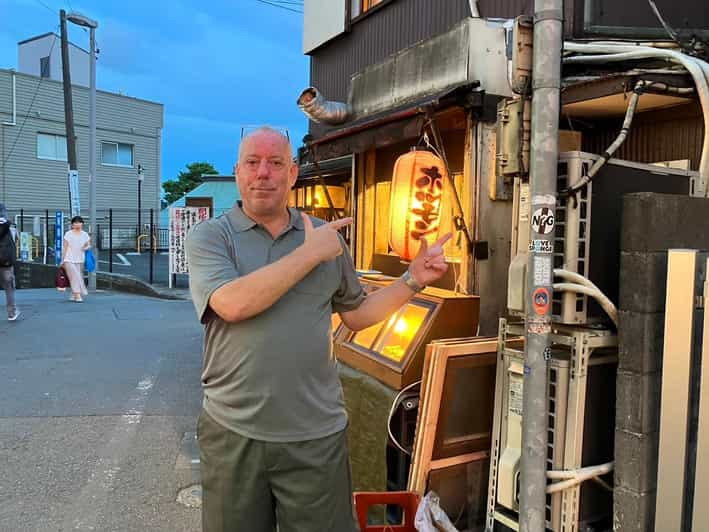
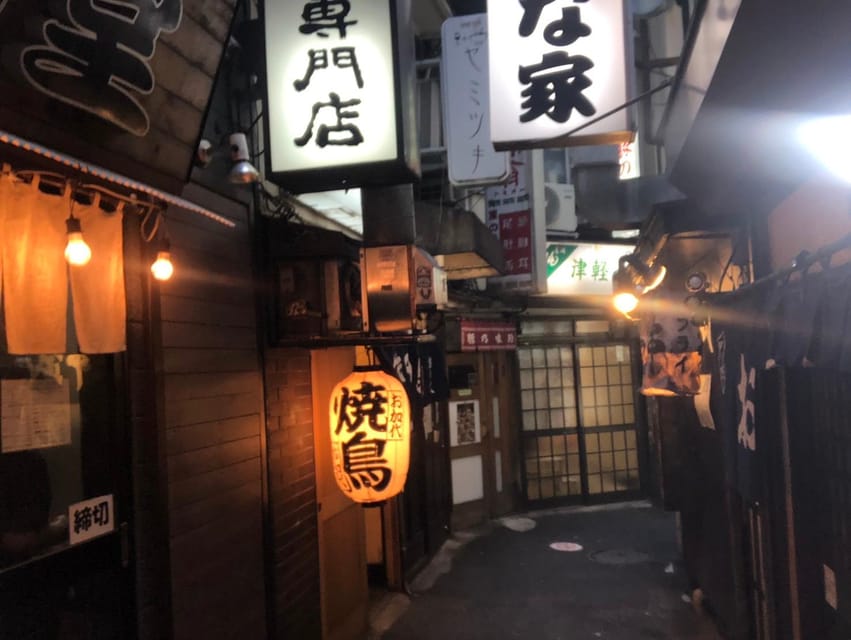
The experience is designed around a range of Japanese favorites, and the tour description specifically points to ramen and sushi, plus street food stalls and traditional izakayas.
Here’s why that lineup works so well for most people:
- Ramen teaches you about comfort and balance. You’ll notice how broth choices shape the whole bowl, and why people treat ramen like a meal, not just a snack.
- Sushi changes the pace. It’s cleaner, more precise, and it helps you reset your palate between heavier street items.
- Street stalls keep the energy moving. You’re tasting variety without committing to one long meal.
- Izakaya-style food is where you learn the social side of eating in Japan. It’s about sharing, mood, and pairing bites with drinks (though the exact drink situation isn’t spelled out in the tour details).
You also get 3–4 servings across these places. That’s an important detail. Too many food tours overdo the quantity, and then the final stops feel like a chore. Here, the serving count keeps the evening enjoyable, letting you taste widely without needing a nap afterward.
Readers also shortlisted these Yokohama bookings:
- Yokohama Private Food Tours with a Local: 100% Personalized★ 4.5 · 21 reviews
- Eat Like a Local in Yokohama Walking Tour with Local Expert Guide★ 4.0 · 4 reviews
- Private Yokohama Noge Food & Bar Tour – Local Night Experience★ 5.0 · 4 reviews
- Yokohama Chinatown: Authentic Local Street Food Experience★ 4.7 · 3 reviews
Cultural Insights: Stories That Actually Help You Taste
This tour isn’t only about what’s on the menu. It’s about why the dish exists the way it does. You’ll hear about the history and stories behind each item, and the guide’s knowledge helps you notice small things that you’d otherwise miss.
Look for what changes from stop to stop: how the food is packaged, how it’s served, and how people around you eat it. When the guide explains what to watch for, you stop feeling lost. You start feeling like you’re reading a language you didn’t know you could learn that fast.
This is also where a good guide makes a difference. In one booking, the guest specifically said the guide was informative without overwhelming them with facts and tidbits. That’s a great sign for you, because it means the tour stays friendly and human, not like a school lesson you have to survive with chopsticks.
Neighborhood Walks, Markets, and Shopping Without Losing the Plot
Between tastings, you’re moving through neighborhoods and markets, plus time for shopping. The idea is simple: food in Japan isn’t separate from daily life. It sits inside your route, inside streets you’ll recognize later when you’re wandering on your own.
Even if you’re not shopping for souvenirs, these walk segments matter:
- They give your stomach time to settle.
- They help you remember where things are.
- They make the tasting locations feel connected instead of random.
Practical tip: keep your shopping quick. If you buy a lot, you’ll spend energy carrying bags during the later tastings. A small stop is fine. Save the big shopping spree for after the tour, when you’re not on a timeline.
Private Group Energy: When the Tour Feels Like It Fits
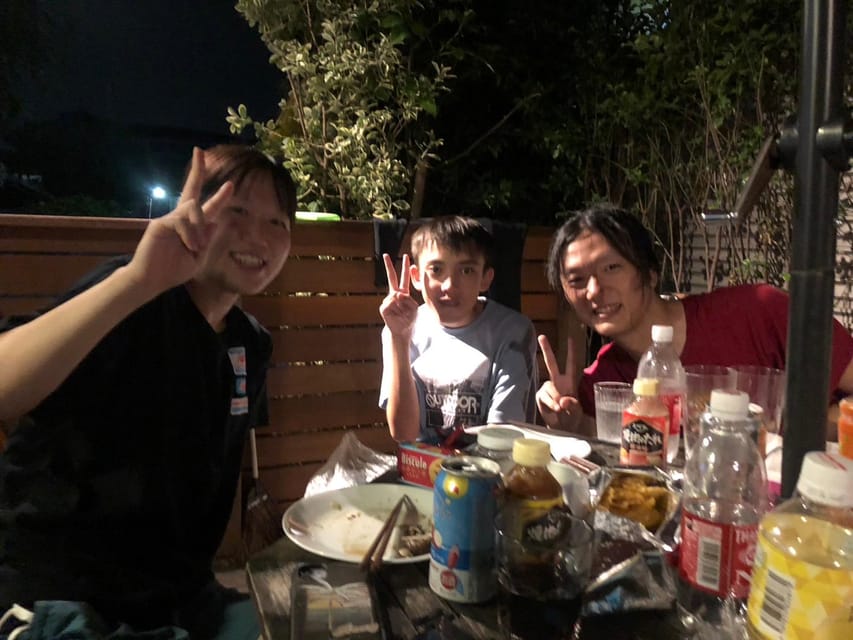
This is a private group tour. That changes the whole mood. With a smaller group, the guide can slow down for questions, adjust pacing, and help you order without rushing.
One verified booking noted that the group was just one participant, and that made the walk and food feel personal. That’s exactly what you want if you hate standing in a crowd while everyone else asks the same question.
It’s also listed as wheelchair accessible. In one case involving wheelchair use, the guide Brian went around beforehand to map out a route. That doesn’t guarantee it will be identical for everyone, but it does tell you the company takes planning seriously.
Dietary Preferences: Flexible Enough to Keep You Comfortable
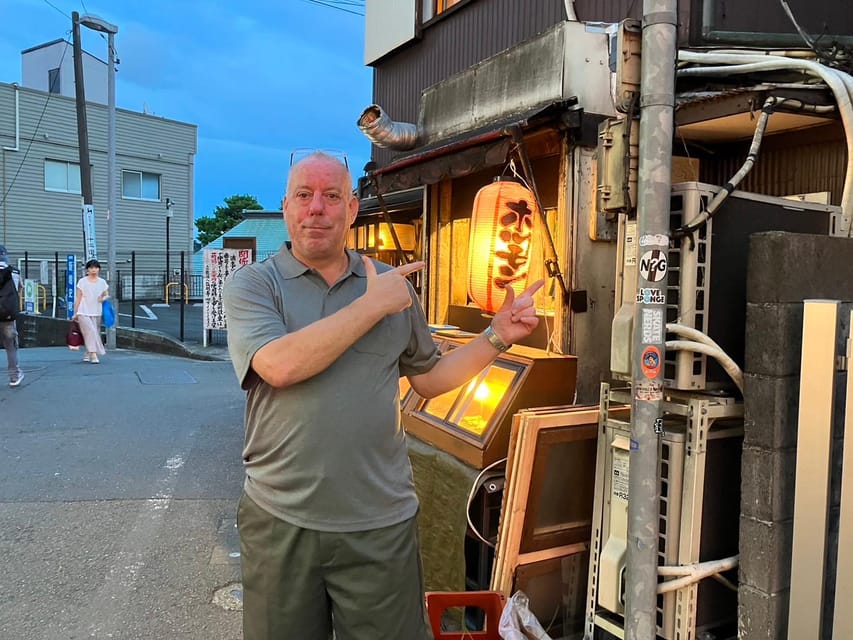
The tour description says the experience is customizable and adapts to your dietary needs and preferences. You should treat that as a real promise, not a marketing line.
Still, for best results, do this:
- Share your dietary needs clearly at booking or right at the start.
- Mention allergies and avoidances, not just preferences.
- Ask what you’ll be served before each stop, if you need that reassurance.
With food tours, the problem isn’t usually willingness. The problem is planning. Since this tour is built around multiple tasting locations, a good guide can swap items or steer you toward what fits.
Price and Value: What You’re Paying For at $112
At $112 per person for a 4-hour experience, the price can look high if you imagine it as only “three places to eat.” But that’s not what you’re buying.
You’re buying:
- hotel (or chosen spot) pickup on foot and a guided route,
- a live guide in English or Japanese,
- minimum three tasting locations, including street food and a secret local stop,
- 3–4 servings, so you get meaningful variety,
- and cultural context that makes each bite more enjoyable.
Doing this on your own can be cheaper on paper, but the hidden cost is time and uncertainty. Yokohama is big. Getting the right address, picking the right thing, and ordering smoothly takes effort. The guide handles the logistics so you can focus on eating.
One confirmed booking put it bluntly: without the guide, they wouldn’t have found the addresses. That’s the most direct value argument here. You pay for access to a working food plan, not just food.
Who This Tour Is For (and Who Might Skip It)
This tour makes the most sense if you want:
- authentic Japanese cuisine without doing the research grind,
- a structured evening with a local guide,
- variety across street food, ramen, sushi, and izakaya-style bites,
- and a route that includes sightseeing and photo moments.
It may be less ideal if you hate walking or prefer to sit down for one long meal. The tour is built as a 4-hour moving experience.
Also, it’s noted as not suitable for people over 95 years. If that’s your situation, it’s best to contact the provider directly to confirm what’s possible.
Should You Book Eat Like a Local in Yokohama?
I’d book it if you want a simpler, more confident way to eat well in Yokohama. This tour does two things that matter: it gives you access to local-style choices you might not find yourself, and it turns the meal into context so you enjoy the city more after dinner.
Skip it only if you already know the area well and you’re comfortable planning your own food stops in Japanese. If that sounds like you, you can DIY. But if you’d rather spend your evening eating, asking questions, and letting the guide handle the route, this one is a strong fit.
FAQ
How long is the Yokohama Eat Like a Local tour?
The tour lasts 4 hours.
Where is pickup, and is transportation included?
Pickup is included from your hotel or a chosen place on foot. A car or private transport is not provided.
How many places will we eat at?
You’ll have at least 3 different tasting locations, including street food and a secret local’s food paradise.
What kind of food is included?
You’ll sample authentic Japanese cuisine across a mix of street food, ramen, sushi, street food stalls, and traditional izakayas. You’ll get 3–4 servings total.
Can the tour accommodate dietary needs?
The experience is described as adaptable and can cater to dietary needs and preferences.
What languages are spoken during the tour?
The live guide offers English and Japanese.
Is this a private group tour?
Yes, it is listed as a private group.
Is it wheelchair accessible, and can I cancel if needed?
The tour is wheelchair accessible. It also offers free cancellation up to 24 hours in advance for a full refund, and it has a reserve now & pay later option.
More Food in Yokohama
- Yokohama Private Food Tours with a Local: 100% Personalized
★ 4.5 · 21 reviews - Eat Like a Local in Yokohama Walking Tour with Local Expert Guide
★ 4.0 · 4 reviews - Private Yokohama Noge Food & Bar Tour – Local Night Experience
★ 5.0 · 4 reviews - Yokohama Chinatown: Authentic Local Street Food Experience
★ 4.7 · 3 reviews
More Tour Reviews in Yokohama
- EVO, WRX, Skyline – JDM Night Run to Daikoku Car Meet
★ 4.9 · 478 reviews - Tokyo: Best Price Daikoku Parking Area JDM Car Meet
★ 4.9 · 192 reviews - Daikoku & Tokyo Private JDM Tour by 700HP R34 GT-R
★ 4.9 · 101 reviews - Tokyo 8hr Private Tour with Licensed Guide from Yokohama
★ 5.0 · 94 reviews - 【Tokyo】JDM Daikoku Parking Area & Nissan Facility Tour
★ 5.0 · 87 reviews
The Harbour City Next Door, Rated
- Tokyo 8hr Private Tour with Licensed Guide from Yokohama
★ 5.0 · 94 reviews - Shuttle Van Transfer, Yokohama(Port)⇒Tokyo, Narita, Haneda, TDR
★ 5.0 · 63 reviews - Yokohama Ramen Adventure From a Local Noodle Factory to Home
★ 5.0 · 60 reviews - Yokohama 4hr Private Tour with Government-Licensed Guide
★ 5.0 · 34 reviews - Japanese Tea Ceremony at Private Home in Yokohama, suburban Tokyo
★ 5.0 · 32 reviews
Latest Yokohama reviews off our desk

Yokohama Day Trips, compared.
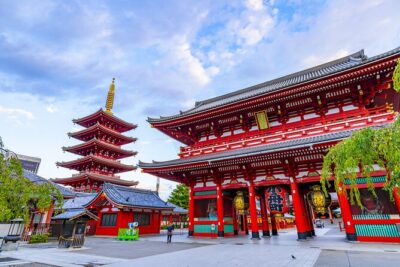 ★ 5.0Tokyo 8hr Private Tour with Licensed Guide from YokohamaFrom $20194 reviews
 ★ 4.5Narita Airport: One Way Private Transfer to Tokyo|Yokohama HotelsFrom $7769 reviews
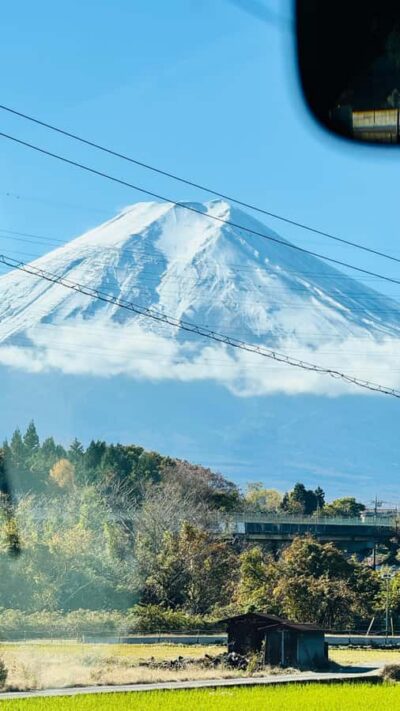 ★ 5.0Tokyo/Yokohama: Mt. Fuji and Hakone Private Day TourFrom $39264 reviews
 ★ 5.0Shuttle Van Transfer, Yokohama(Port)⇒Tokyo, Narita, Haneda, TDRFrom $12263 reviews
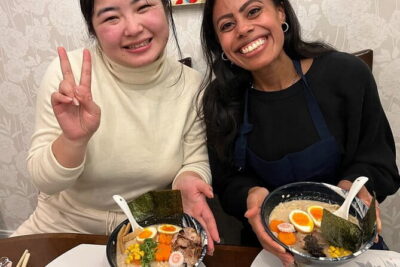 ★ 5.0Yokohama Ramen Adventure From a Local Noodle Factory to HomeFrom $16560 reviews
 ★ 4.5Private One-Way Transfers to/from Yokohama PortFrom $6750 reviews
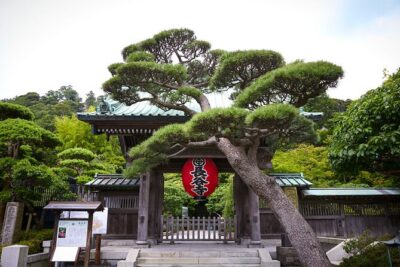 ★ 5.0Private Car Tour to see Highlights of Kamakura, Enoshima, Yokohama from TokyoFrom $1,18348 reviews
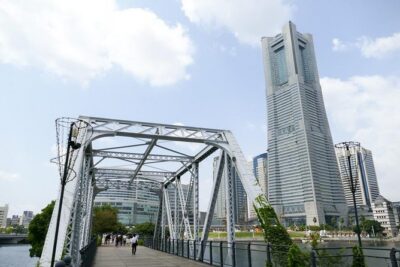 ★ 5.0Yokohama 4hr Private Tour with Government-Licensed GuideFrom $10834 reviews
Browse the lists this tour appears in