
Reviewed · YOKOHAMA DAY TRIPS
Japanese Tea Ceremony at Private Home in Yokohama, suburban Tokyo
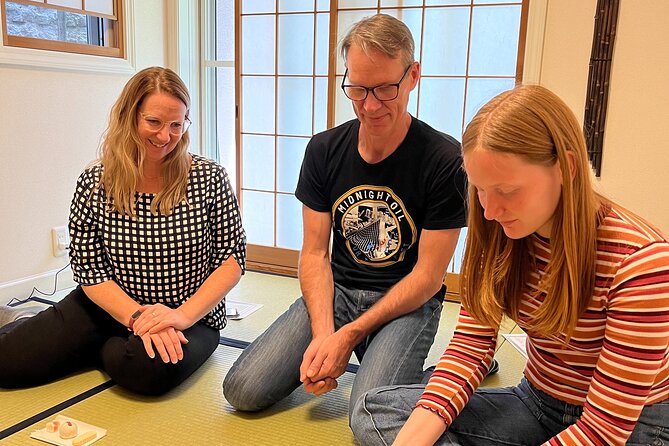
Tea, tatami, and a home rhythm. In this Yokohama session, you get lessons from a tea master with 40+ years of training and you’ll taste seasonal wagashi in a traditional tatami room. I love how hands-on it is, and I also like the rare charcoal procedure that heats the water in a way you won’t usually see on tours. One thing to plan for: you’ll need to bring socks to step onto the tatami floor.
This is a private workshop in a real suburban home setting, not a classroom performance. There’s pickup offered, and you’ll use a mobile ticket, which makes the start feel easy. The whole thing runs about 1.5 hours, so it’s a great add-on when you want culture without a half-day commitment.
You’ll watch the ceremony, learn the guest etiquette, try mixing matcha yourself, and then make matcha so you can drink two cups. You’ll also snack on tea sweets, including options that are good even for vegan and gluten-free diets, depending on what’s prepared for your group.
In This Review
- Key things to know before you go
- A private tatami room in Yokohama: how the experience really feels
- What happens during the tea ceremony: charcoal to matcha
- Seasonal wagashi tasting: more than a snack course
- Tea master talk and guest etiquette you can actually use
- Price and value: why $52.71 can make sense
- Socks, pickup, and small logistics that matter
- Should you book this Yokohama tea ceremony?
- FAQ
- What is the duration of the Japanese tea ceremony workshop?
- Is this tour private or shared with other groups?
- Do I need to bring anything?
- What will I eat during the ceremony?
- Can the wagashi accommodate vegan or gluten-free needs?
- Will I just watch, or will I make matcha too?
- Is there anything unusual in the process?
- Is pickup available?
- Where is the meeting point?
- What’s the cancellation policy?
Key things to know before you go
- Private home setting in Yokohama with a traditional tatami room for the ceremony
- Seasonal wagashi chosen by the tea master (nerikiri, gyuhi/mochi, manjyu, and more)
- Charcoal procedure: a rare step where charcoal is used to boil the water
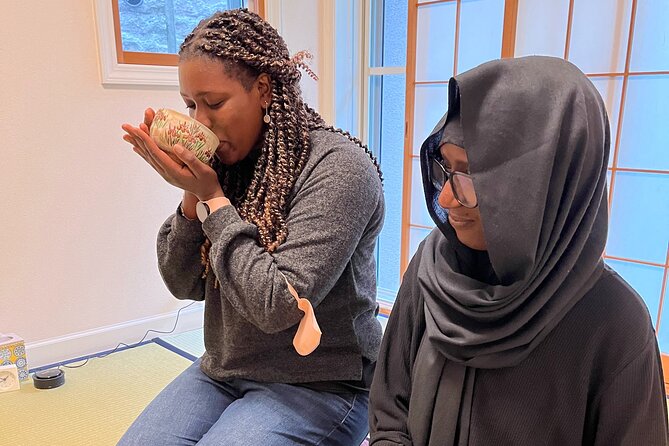
- You make your own matcha and drink two cups during the workshop
- Tea ceremony history and Q&A built into the lesson
- Bring socks for the tatami floor; snacks are included
A private tatami room in Yokohama: how the experience really feels
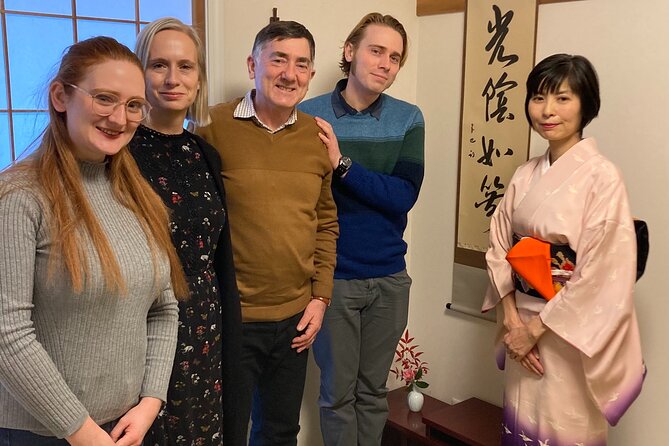
This tea ceremony happens in a Japanese private home in Yokohama, around the Azamino area. That matters because the pacing feels like an actual household ritual: calm, respectful, and meant for guests rather than a stage show. You’re not rushing through photo stops. You’re learning what it means to be a proper guest, from how you sit to how you receive sweets and tea.
The meeting point is at Ōbachō, Aoba Ward, Ōbachō, ドレッセあざみ野ガーデンズ. If you’re planning other time nearby, this area is also handy for adding a casual stop at the Yokohama Ramen Museum around Azamino. From Azamino Station, it’s about 15 minutes to Shinyokohama Station on the Yokohama subway, which helps if you’re connecting to other parts of the day.
If you’re deciding between this and a more public-style tea ceremony, think about your goal. If you want museum facts, go for a bigger venue. If you want to ask questions, learn etiquette, and actually handle the matcha process, a private home setting is the better match. The workshop is designed for your group only, so you can go at a comfortable pace and speak with the tea master without feeling like you’re sharing the room with strangers.
One more practical note: it’s about 1.5 hours total. That’s long enough to feel complete, short enough to stay flexible. It fits nicely between sightseeing blocks.
The harbour city next door, reviewed
- Tokyo 8hr Private Tour with Licensed Guide from Yokohama
★ 5.0 · 94 reviews - Shuttle Van Transfer, Yokohama(Port)⇒Tokyo, Narita, Haneda, TDR
★ 5.0 · 63 reviews - Yokohama Ramen Adventure From a Local Noodle Factory to Home
★ 5.0 · 60 reviews - Yokohama 4hr Private Tour with Government-Licensed Guide
★ 5.0 · 34 reviews
What happens during the tea ceremony: charcoal to matcha
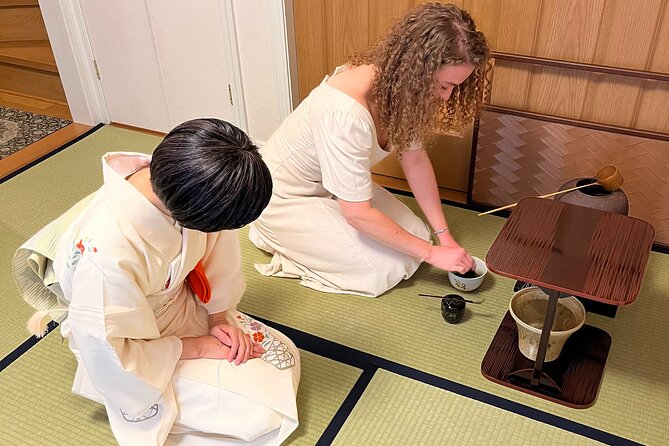
The workshop follows a clear flow: you watch, you learn the logic behind each step, and then you do it yourself. First, the tea master demonstrates the ceremony. You’ll see how everything connects: the order of movements, the rhythm of serving, and the way the room supports focus.
Then comes one of the most memorable parts: the charcoal procedure. The tea master adds charcoal to the water to boil it. This is a rare step even by Japanese standards, and it gives you a different kind of perspective on the ceremony. Instead of treating boiling water like a background detail, the workshop makes it part of the lesson—something you understand, not something you skip.
After the water is heating and the process is underway, you’ll see matcha prepared. You’re not just watching matcha being made. You learn the basic idea of mixing it and how the guest experience works, including what to do after the tea is served.
Then you get hands-on time. You can try mixing the matcha yourself, and you’ll also make matcha later so you can drink two cups. That matters more than it sounds. Many tea experiences let you sip, but don’t give you a repeat attempt. Here, you get a chance to practice, so the ceremony stops being mysterious and starts feeling doable.
Throughout the session, you’ll also have time to ask questions. That’s where this format really shines. If there’s something you’re wondering about—tools, ingredients, or why certain steps happen—you can bring it up while it’s still fresh.
Seasonal wagashi tasting: more than a snack course
Wagashi is usually treated as a side dish on tours, but here it’s central. You’ll eat wagashi made by the tea master, and the selection is based on the season. Expect variety like nerikiri, gyuhi (mochi), manjyu, and other traditional sweets. Your specific choices depend on what’s available and what fits the seasonal theme.
I like that the workshop frames wagashi as part of the ceremony’s meaning, not just sugar and color. Eating sweets in this context is like reading a seasonal footnote. The sweets reflect time of year, and that helps you understand why the tea ceremony isn’t a single repeated script. It adapts.
You’ll also receive snacks alongside the main wagashi, including dried Japanese sweets. And there’s a genuine practical advantage: the sweets are described as good even for vegan and gluten-free diets. That doesn’t mean every possible dietary need will be perfect without checking, but it does suggest the host is used to thinking about different guests and what they can eat.
If you’re picky about sweets, plan for taste and texture rather than expecting one flavor profile. Nerikiri-style sweets often focus on detail and texture. Mochi-style sweets lean toward chew and softness. Manjyu tends to balance sweet filling with tender pastry. The tea master’s seasonal choice is part of the lesson, so try to treat it as part of the story.
Tea master talk and guest etiquette you can actually use
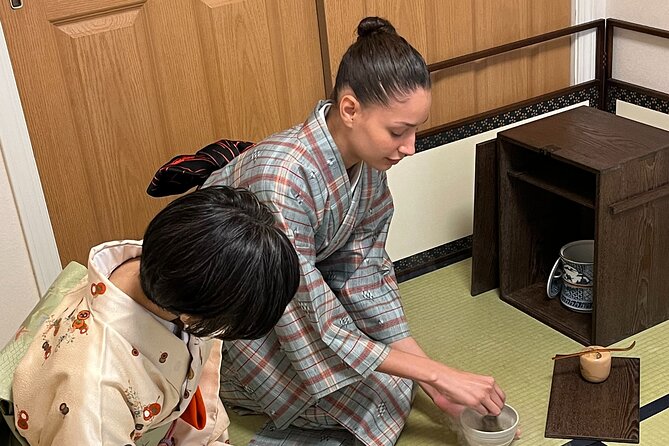
One of the best parts of this kind of workshop is learning how to behave so you don’t feel awkward. This session is explicitly about how to be a guest in a traditional tatami setting. That includes understanding how the ceremony is structured and how you fit into it.
The tea master also shares the history of Japanese tea ceremony, then invites questions. You’ll hear explanations about where the practices come from and how ideas like respect, restraint, and attention became part of the ritual. It’s not taught like a lecture. It’s wrapped around the experience itself, so the facts connect to what you’re doing.
The conversational element is real. One review highlighted friendly conversation with the Kono Family, which tells you this is not just technical instruction. If you enjoy asking questions and talking with your hosts, you’ll likely feel comfortable here. You’re learning from a professional with over 40 years of tea ceremony training and teaching for more than 15 years, so the guidance tends to feel steady rather than improvised.
My advice: go with curiosity, not expectations. You don’t need to know tea vocabulary. If you wonder why something is done a certain way, ask. The best moments are usually the ones where your question meets the right step in the ceremony.
Price and value: why $52.71 can make sense
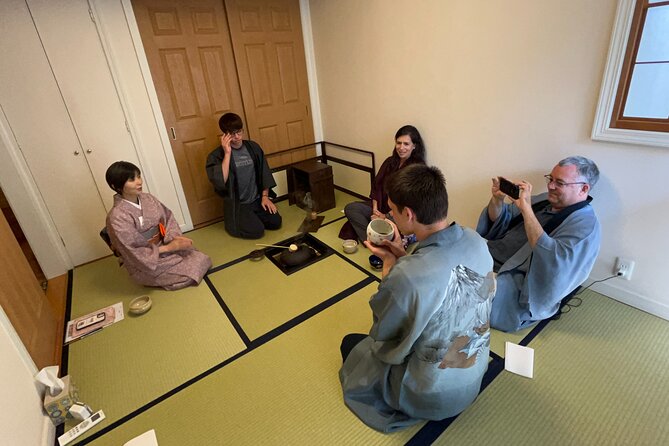
At about $52.71 per person for roughly 1.5 hours, this isn’t a cheap snack. But it also isn’t a mass-market show. You’re paying for a private home setting, expert instruction, and hands-on time making matcha—not just watching someone pour tea.
Here’s where the value tends to come from:
- Instruction from an experienced tea master with long training and teaching experience
- Charcoal procedure, which adds a rare, memorable element
- Hands-on matcha making so you drink two cups you help prepare
- Seasonal wagashi included, with notes that it can work for vegan and gluten-free needs
If you’ve only done tea tastings where you sit back and sip, this type of workshop is often worth the extra cost. You leave with skills you can repeat at home, plus a clearer sense of why the steps matter. If your travel style is hands-on and you enjoy quiet cultural activities, this price usually feels fair.
On the other hand, if you’re only looking for quick photos and a fast tea sip, you might feel this is too structured or too long for what you want. The ceremony is meant to be done properly, and that takes a little patience.
More tea rooms our readers rated
- Japanese Tea Ceremony at Private Home in Yokohama, suburban Tokyo★ 5.0 · 32 reviews
Socks, pickup, and small logistics that matter
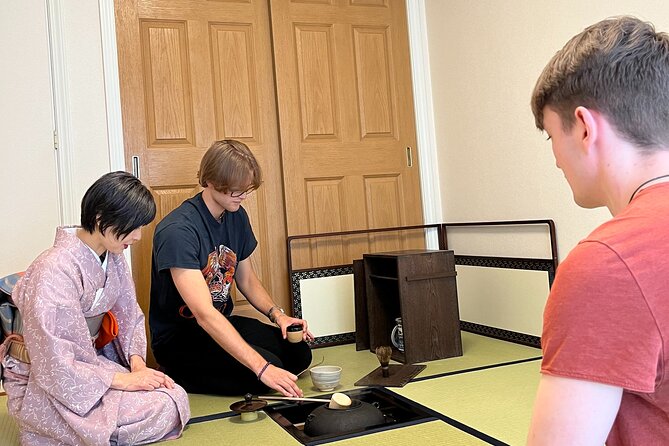
The biggest prep item is simple: bring socks. Tatami floors require socks for entry, and you’ll want something comfortable for sitting through the workshop.
Pickup is offered, which can be a lifesaver if you’re staying a bit far from the meeting area or you just want to keep the day easy. You’ll also receive a mobile ticket. That means you’re not scrambling with paper and screenshots.
The meeting point is fixed at the Dorece Azamino Gardens area in Aoba Ward. Before you go, double-check the exact start location you’ll receive with your booking confirmation. Confirmation is typically received within 48 hours of booking, subject to availability, so don’t assume it’s instant.
If you’re pairing this with nearby activities, give yourself breathing room around the start time. Because it’s a home, punctuality matters a bit more than at a large commercial venue.
Should you book this Yokohama tea ceremony?
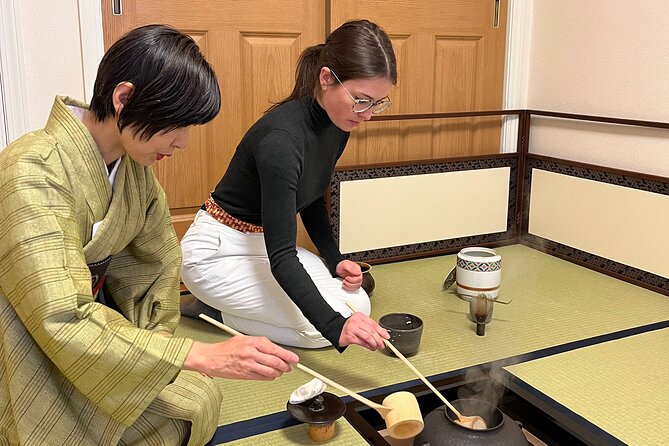
Book it if you want a respectful, hands-on cultural experience with real conversation, seasonal sweets, and a matcha-making component. This is a great choice if you enjoy quiet activities, don’t mind sitting on tatami, and you like learning the why behind traditions.
I wouldn’t book it if you want a high-energy, photo-heavy tour with lots of walking. This workshop is about calm attention and etiquette, not speed. Also, if you strongly dislike sitting on the floor or don’t want to plan for socks, skip it.
If you’re visiting Yokohama and you want a cultural stop that feels personal, this private tea ceremony is one of the better ways to spend 1.5 hours.
FAQ
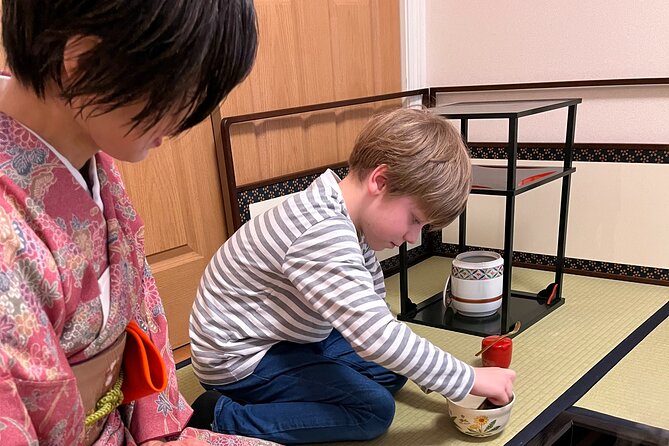
What is the duration of the Japanese tea ceremony workshop?
It runs for about 1 hour 30 minutes.
Is this tour private or shared with other groups?
It’s a private tour/activity, so only your group participates.
Do I need to bring anything?
Yes. You must bring socks to enter the tatami room.
What will I eat during the ceremony?
You’ll have snacks of matcha (green tea) and wagashi (hand-made Japanese sweets), and you’ll also eat dried Japanese sweets prepared by the tea master.
Can the wagashi accommodate vegan or gluten-free needs?
The included sweets are described as good even for vegan and gluten-free guests.
Will I just watch, or will I make matcha too?
You’ll both try mixing matcha and also make matcha yourself later, then drink two cups.
Is there anything unusual in the process?
Yes. You’ll see the charcoal procedure, where charcoal is added to boil the water, which is described as rare.
Is pickup available?
Pickup is offered.
Where is the meeting point?
The start is at ドレッセあざみ野ガーデンズ in Aoba Ward, Yokohama (Ōbachō).
What’s the cancellation policy?
Free cancellation is available up to 24 hours in advance for a full refund. If you cancel less than 24 hours before the start time, the amount paid is not refunded.
More Tour Reviews in Yokohama
- EVO, WRX, Skyline – JDM Night Run to Daikoku Car Meet
★ 4.9 · 478 reviews - Tokyo: Best Price Daikoku Parking Area JDM Car Meet
★ 4.9 · 192 reviews - Daikoku & Tokyo Private JDM Tour by 700HP R34 GT-R
★ 4.9 · 101 reviews - Tokyo 8hr Private Tour with Licensed Guide from Yokohama
★ 5.0 · 94 reviews - 【Tokyo】JDM Daikoku Parking Area & Nissan Facility Tour
★ 5.0 · 87 reviews
More Tea and Matcha Rooms
- Matcha tasting for all five senses at Hotel Yokohama
★ 5.0 · 7 reviews
The Harbour City Next Door, Rated
- Tokyo 8hr Private Tour with Licensed Guide from Yokohama
★ 5.0 · 94 reviews - Shuttle Van Transfer, Yokohama(Port)⇒Tokyo, Narita, Haneda, TDR
★ 5.0 · 63 reviews - Yokohama Ramen Adventure From a Local Noodle Factory to Home
★ 5.0 · 60 reviews - Yokohama 4hr Private Tour with Government-Licensed Guide
★ 5.0 · 34 reviews - Yokohama: Guided Cup Noodles Museum Tour & Make Your Own Cup
★ 4.9 · 27 reviews
Latest Yokohama reviews off our desk


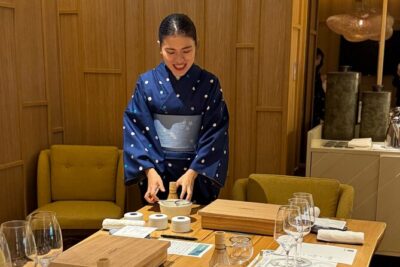



Yokohama Day Trips, compared.
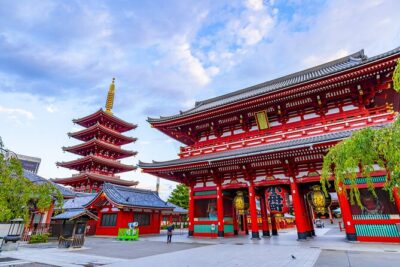 ★ 5.0Tokyo 8hr Private Tour with Licensed Guide from YokohamaFrom $20194 reviews
 ★ 4.5Narita Airport: One Way Private Transfer to Tokyo|Yokohama HotelsFrom $7769 reviews
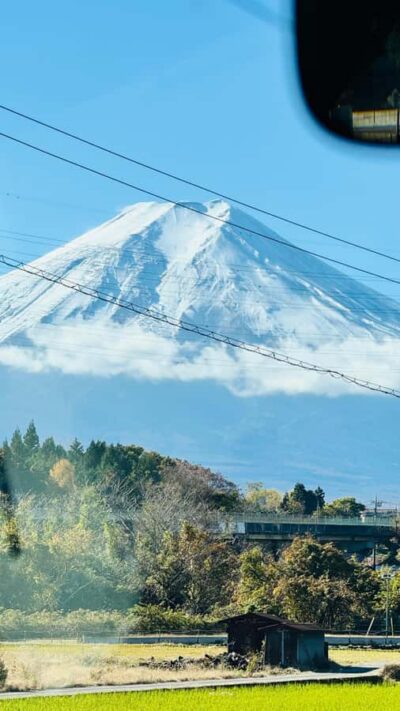 ★ 5.0Tokyo/Yokohama: Mt. Fuji and Hakone Private Day TourFrom $39264 reviews
 ★ 5.0Shuttle Van Transfer, Yokohama(Port)⇒Tokyo, Narita, Haneda, TDRFrom $12263 reviews
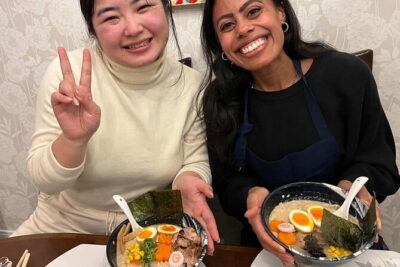 ★ 5.0Yokohama Ramen Adventure From a Local Noodle Factory to HomeFrom $16560 reviews
 ★ 4.5Private One-Way Transfers to/from Yokohama PortFrom $6750 reviews
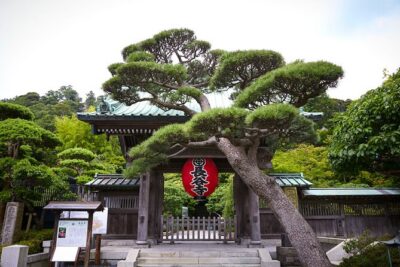 ★ 5.0Private Car Tour to see Highlights of Kamakura, Enoshima, Yokohama from TokyoFrom $1,18348 reviews
 ★ 5.0Yokohama 4hr Private Tour with Government-Licensed GuideFrom $10834 reviews
Browse the lists this tour appears in