
Reviewed · SHINJUKU FOOD & BAR TOURS
ENJOY-ALL-SHINJUKU《Red Light District Walking》with DEEPest info!
Shinjuku changes fast, and so does this tour. It’s built around local stories in the areas most visitors rush through, plus photo help at spots you’d never think to aim for on your own. The main catch: it’s a walking-focused experience with no air-conditioned vehicle breaks.
I like that it doesn’t treat Shinjuku like a checklist. You get practical context for why places look the way they do, what to order, where locals tend to go for drinks and dinner, and how to move through Kabukicho without feeling lost. It’s also designed for short time: at about 1 hour 30 minutes, you still cover a lot of ground.
One more note before you book: this tour centers on nightlife streets, so if you’re expecting quiet museums and indoor pacing, you might find the streets a bit intense.
In This Review
- Key things I’d watch for
- Getting your bearings in Shinjuku (without losing your evening)
- Where you start: Shinjuku Tourist Information Center
- Omoide Yokocho: alley energy and quick-photo moments
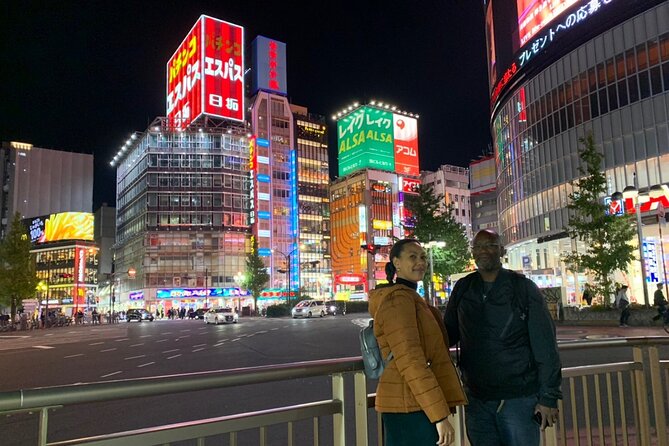
- Kabukicho and Godzilla Road: neon streets explained
- Shinjuku Golden Gai: tiny bar streets with big rules
- Kabukicho Noren Street: the everyday details you’d miss
- Hanazono Shrine: a calm reset inside the noise
- Don Quijote Shinjuku Kabukicho and Toho Cinemas: use the tour for real plans
- The real value: stories, photo help, and local answers
- Price and what you’re really buying (not just the number)
- Who this tour suits best
- Should you book this Shinjuku nightlife walk?
- FAQ
- How long is the tour?
- Where does the tour start and end?
- What is included in the price?
- Is an air-conditioned vehicle provided?
- How big is the group?
- What languages are available?
- Is the tour dependent on weather?
Key things I’d watch for
- Real Shinjuku context: history and culture plus current-life recommendations, not just sightseeing facts
- Photo stops: you’ll get help taking pictures at well-chosen spots locals use
- Nightlife neighborhoods: Kabukicho and Golden Gai mean crowds and strong atmosphere
- Short, efficient timing: the route is paced to fit a 1.5-hour window
- Small-group feel: listed for up to 10 people, with a max cap of 20
- Smart meeting point: start at Shinjuku Tourist Information Center for an easy kickoff
Getting your bearings in Shinjuku (without losing your evening)
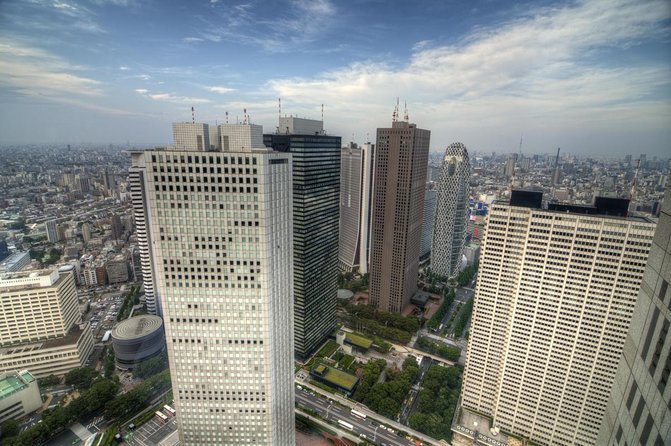
Shinjuku is Tokyo’s mix-and-match neighborhood: office towers, shopping corridors, and then—almost instantly—neon alleyways and tiny bar streets. If you only rely on maps, you’ll bounce between landmarks and miss the meaning of what you’re seeing. This walk is meant to fix that by giving you orientation first, then letting you explore with confidence.
The guide’s approach is practical. You’re not just learning trivia; you’re learning how the area works day-to-day. That matters because Shinjuku can feel intimidating even when it’s totally legal and safe. The tour’s promise of getting your bearings is really about helping you choose where to linger, where to pass through, and what to ask for once you’re hungry or ready for a drink.
You also get the kind of Q&A help that makes Tokyo easier. If you’re wondering how to order, where locals go for a particular vibe, or what a certain street is known for, this is the time to ask. It’s designed for people visiting Shinjuku for shopping, lunch, dinner, or staying nearby.
More Shinjuku plates and pours our readers rated
- Tokyo: Shinjuku Food Tour (13 Dishes at 4 Local Eateries)
★ 5.0 · 6,603 reviews - Tokyo Bar Hopping Tour in Shinjuku (All-You-Can-Drink + Dinner)
★ 5.0 · 3,587 reviews - Tokyo: Shinjuku Food Tour (15 Dishes and 4 Eateries)
★ 4.9 · 2,033 reviews - Best of Shinjuku: Izakaya Food Tour (4 Stops, 14+ Tastings)
★ 5.0 · 1,863 reviews
Where you start: Shinjuku Tourist Information Center
You’ll meet at the Shinjuku Tourist Information Center at 3-chōme-37-2 Shinjuku, Shinjuku City. That’s a helpful detail because Shinjuku has a lot of stations and exits, and starting at an obvious tourist hub reduces stress.
The tour ends back at the meeting point too, so you don’t have to worry about a complicated handoff into another part of town. For a first day in Shinjuku, that’s a real win—you can still plan dinner or shopping right after without backtracking.
You should expect other participants on the date you choose, and the overall cap is listed up to 20. Still, it’s presented as an intimate experience (up to 10), which is why the guide can keep the story pace moving while still answering questions.
Omoide Yokocho: alley energy and quick-photo moments
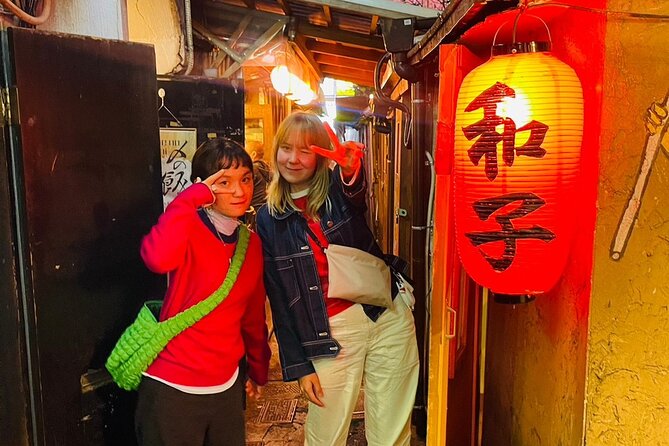
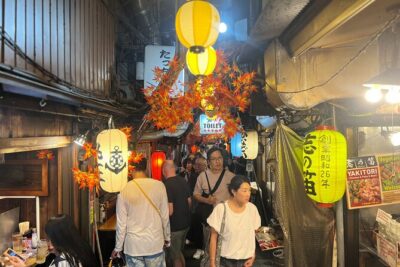
The walk opens at Omoide Yokocho, a narrow alley known for small eateries and a retro feel. The value here isn’t only the visuals—it’s the way the guide frames what you’re looking at. Instead of you guessing what each sign means or what the crowd patterns are, you get the context that helps you decide where to eat later (or what to look for if you’re already hungry).
This stop is also a good “warm-up” for the rest of the route. You’ll learn how the guide handles photo moments—where to stand, how to angle so the space looks good in a photo, and how to avoid blocking foot traffic. If you’re using your phone, pay attention during the first photo stop; that’s where you’ll get the most direct, useful tips.
If you don’t like tight spaces, this is the portion that could feel the most crowded, especially around peak nightlife hours. But it’s short enough that you still keep momentum.
Kabukicho and Godzilla Road: neon streets explained
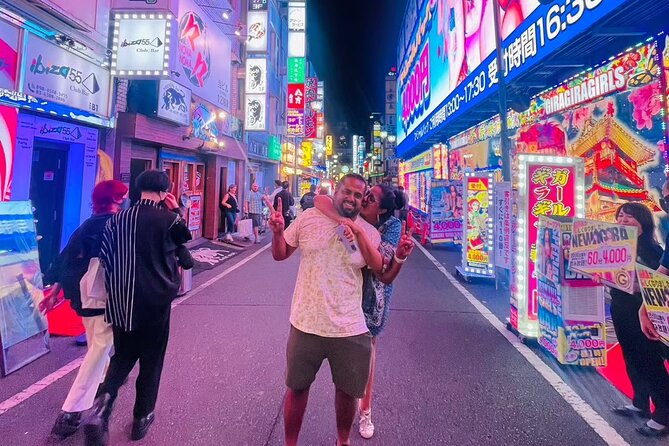
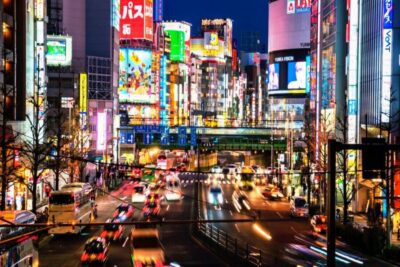
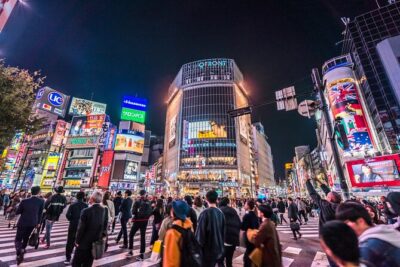
Next comes Kabukicho, Tokyo’s famous entertainment district. Here’s the practical reason I like this stop: Kabukicho looks like a theme park until you’re inside it. Then you realize it’s more like a living neighborhood with its own rhythms—where people go for food, quick drinks, and shows.
Having a guide matters because Kabukicho can confuse your sense of direction. You may spot landmarks, but you still might not know which streets connect smoothly or where the flow of people makes sense. The tour aims to help you move through without that wandering feeling.
From there, you’ll hit Godzilla Road and the Godzilla Head area. It’s a recognizable stop, but the point of including it is how it fits into the larger story of Shinjuku’s entertainment culture. Expect photo moments here as well—this is the kind of place where a good angle makes your picture look like you were really paying attention.
One small consideration: nightlife streets can mean darker corners and busier sidewalks. Keep your phone secure while you walk, and let the guide lead the timing for photos.
Shinjuku Golden Gai: tiny bar streets with big rules
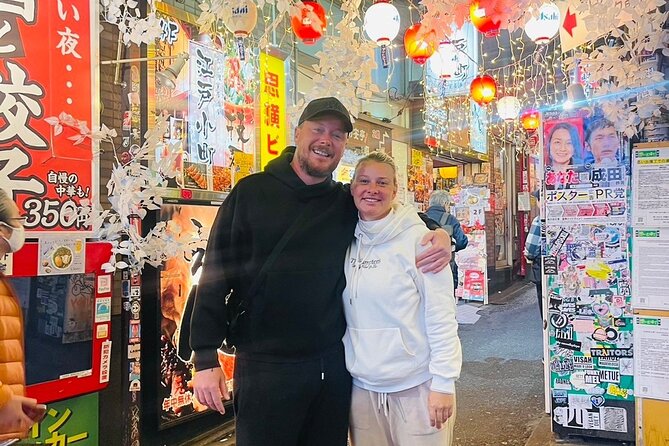
Golden Gai is where Shinjuku turns into something more specific: small doorways, narrow lanes, and a bar-hopping culture built on lots of micro-spaces. You’ll see it, but you’ll also learn what makes it different from other nightlife areas.
The tour’s style helps here. Instead of treating it as another “take a photo and leave” stop, you get story context and local recommendations about the vibe. That matters because Golden Gai can be easy to misunderstand if you walk in expecting a standard bar street. The guide helps you read the environment and choose what fits your mood—quiet curiosity, lively energy, or just a quick look before dinner elsewhere.
Expect another photo opportunity. This is a great zone for street-style photos, but it can also get busy. If the crowd is thick, follow the guide’s direction and don’t try to force shots in the middle of foot traffic.
Readers also shortlisted these Tokyo bookings:
- Tokyo Tsukiji Fish Market Food and Culture Walking Tour★ 5.0 · 3,184 reviews
- Tokyo: Imperial Palace and Shogun Historical Walking Tour★ 5.0 · 2,251 reviews
- Tokyo: Shinjuku Local Bar and Izakaya Guided Walking Tour★ 4.9 · 1,794 reviews
- Tokyo: Tsukiji Fish Market Food and Walking tour★ 5.0 · 1,724 reviews
- Tokyo: Asakusa Walking Tour with Sensoji Temple Visit★ 4.8 · 1,583 reviews
Kabukicho Noren Street: the everyday details you’d miss
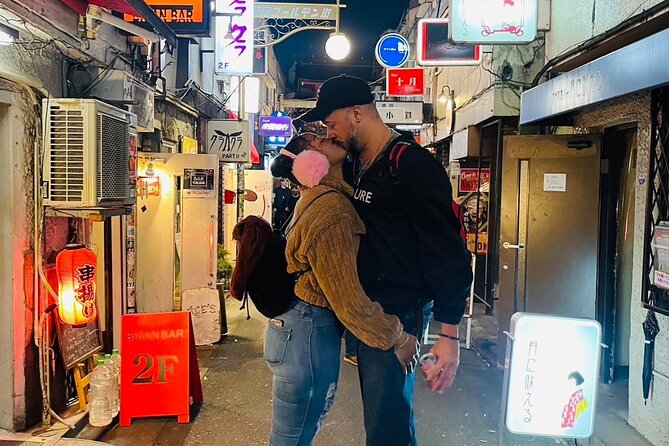
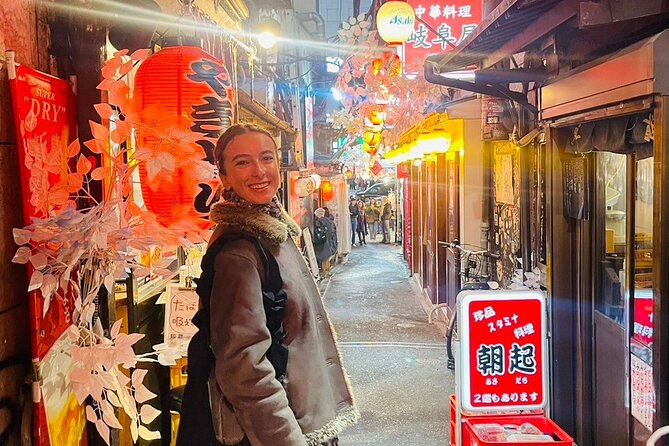
Then you’ll walk through Shinjuku Kabukicho Noren Street, a narrow corridor where signage and fabric curtains give the area its personality. This is one of those spots that can feel like background noise if you don’t know what to look for. With the guide, you get the meaning behind the visual cues—how businesses brand themselves, how streets are organized, and why certain places feel more local than touristy.
This stop also matches the tour’s bigger promise: it’s not only about the headline landmarks. It’s about the small, practical details that make you feel like you understand the neighborhood rather than just toured it.
If you like street photography, this is a strong stop. If you’re more into shopping or food, it still helps because it teaches you how to spot places worth checking once you’re on your own.
Hanazono Shrine: a calm reset inside the noise
Right after nightlife streets, the route shifts to Hanazono Shrine. This is a nice balance point for your brain. You’ll get a change of pace—more stillness, different energy, and a pause that helps you remember that Tokyo is not only late nights and bright signs.
I like these kinds of stops because they prevent the tour from feeling like a single continuous “high.” You end up with a mental bookmark: this is Shinjuku’s spiritual side, not just entertainment.
If you need a quick breather, this is where you’ll likely feel it most.
Don Quijote Shinjuku Kabukicho and Toho Cinemas: use the tour for real plans
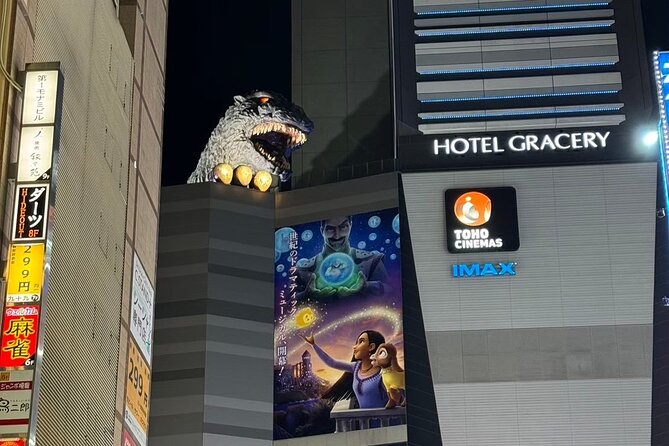
Toward the end, you’ll pass Don Quijote Shinjuku Kabukicho and Toho Cinemas Shinjuku. These aren’t just filler stops. They’re practical. You’re learning where a major late-night convenience/shopping option is, and where a big theater hub is—useful if you want an easy fallback plan when the weather turns or you decide you want something indoors.
Don Quijote areas are also handy for travel basics like snacks, drinks, and souvenirs—things you may not want to search for after you’re already tired. And since the tour includes hidden souvenirs, this part fits the theme of ending with something tangible you can bring home.
Toho Cinemas adds another layer of usefulness: you can see where a mainstream theater option is, which helps if you’re planning a day-two activity without overbooking your schedule.
The real value: stories, photo help, and local answers
The best part of a short Shinjuku tour is usually the “translator” role. Tokyo neighborhoods move fast. Signs, customs, and the logic of where people go can look random at first glance. A strong local guide turns that chaos into something readable.
This experience is built around that. You’ll hear stories behind the sights, but the stories connect to modern life: where you’ll likely find a good meal, where people go to drink, and what kinds of dinner spots fit different moods. The tour also emphasizes that true Tokyo culture, history, and food live behind what you see on the surface—so you’re not just collecting images; you’re collecting context.
On the photo side, the guide helps you capture memories in spots locals know. That’s more valuable than you might think. If you’ve ever tried taking photos in crowded areas, you know how hard it is to get the shot without ruining it for others. The guidance helps you get usable pictures faster, with better angles and timing.
Guides can make or break a walking tour. The team includes guides like Manaka, Dan, Suemi, and Aki—people highlighted for mixing history with current info and keeping the pace fun. Even if you meet someone new, that overall style—informative and upbeat—seems to be the pattern.
Price and what you’re really buying (not just the number)
The price listed is $25.04 per person, for about 1 hour 30 minutes. That’s not a bargain-of-the-century price, but it’s also not trying to be. In Tokyo, short guided walks can cost more once you factor in guide time, local access, and the value of having someone help you make choices.
Here’s why it can still feel good value:
- You get direction in a confusing district: that alone can save you time.
- Photo help is included: not just “go take pictures,” but actual assistance.
- You receive hidden souvenirs: small, but it adds to the feeling of getting more than a lecture.
- Entry/admission for Kabukicho District is listed as included (so you’re not paying extra on the spot).
Also, it’s often booked about 37 days in advance. That suggests demand is real. If you’re serious about booking this on a specific day, I’d lock it in earlier rather than hoping last-minute availability stays open.
Who this tour suits best
This is a great fit if:
- You want a short, guided orientation to Shinjuku and Kabukicho
- You’re going for shopping, lunch, or dinner and want to know where to aim
- You like street-level Tokyo and want photo guidance
- You’re okay with walking in lively nightlife areas
It may not be the best fit if:
- You need frequent indoor breaks or prefer a vehicle-based tour
- You get overwhelmed by crowds and neon-heavy streets
- You want a history-heavy museum day instead of street storytelling
Should you book this Shinjuku nightlife walk?
If your goal is to understand Shinjuku in a single evening-scale block, I think this is a smart booking. The timing is friendly, the route covers key personality zones, and the guide support is clearly designed to make the area feel readable fast.
Book it if you want real city understanding and photo help without spending hours planning. Consider another option if you’re visiting for quiet sightseeing only or you’re sensitive to crowded nightlife streets. Either way, go in with a simple mindset: walk with the guide, ask questions, and use what you learn to steer your next meal and night plans.
FAQ
How long is the tour?
The duration is listed at about 1 hour 30 minutes.
Where does the tour start and end?
It starts at the Shinjuku Tourist Information Center (3-chōme-37-2 Shinjuku) and ends back at the same meeting point.
What is included in the price?
Included items are hidden souvenirs, photos during the tour, exploration with a Japanese local guide, and entry/admission for the Kabukicho District.
Is an air-conditioned vehicle provided?
No. An air-conditioned vehicle is listed as not included.
How big is the group?
The tour lists a maximum of 20 travelers. It also states it can accommodate up to 10 people.
What languages are available?
If you need another language, the provider says Spanish, Italian, and Korean are available if you contact them before booking.
Is the tour dependent on weather?
Yes. The experience requires good weather. If it’s canceled due to poor weather, you’ll be offered a different date or a full refund.
More Walking Tours in Tokyo
- Tokyo Tsukiji Fish Market Food and Culture Walking Tour
★ 5.0 · 3,184 reviews - Tokyo: Imperial Palace and Shogun Historical Walking Tour
★ 5.0 · 2,251 reviews - Tokyo: Shinjuku Local Bar and Izakaya Guided Walking Tour
★ 4.9 · 1,794 reviews - Tokyo: Tsukiji Fish Market Food and Walking tour
★ 5.0 · 1,724 reviews - Tokyo: Asakusa Walking Tour with Sensoji Temple Visit
★ 4.8 · 1,583 reviews
More Tour Reviews in Tokyo
- Mt Fuji and Hakone 1-Day Bus Tour Return by Bullet Train
★ 5.0 · 26,383 reviews - 1-Day Tokyo Bus Tour
★ 5.0 · 14,250 reviews - Tokyo: teamLab Planets TOKYO Digital Art Museum Entry Ticket
★ 4.6 · 9,779 reviews - Mt Fuji & Hakone Cruise, Drum Show Bullet Train 1 Day from Tokyo
★ 4.0 · 7,413 reviews - Tokyo: Shinjuku Food Tour (13 Dishes at 4 Local Eateries)
★ 5.0 · 6,603 reviews
More Shinjuku Food and Drink
- Tokyo: Shinjuku Food Tour (13 Dishes at 4 Local Eateries)
★ 5.0 · 6,603 reviews - Tokyo Bar Hopping Tour in Shinjuku (All-You-Can-Drink + Dinner)
★ 5.0 · 3,587 reviews - Tokyo: Shinjuku Food Tour (15 Dishes and 4 Eateries)
★ 4.9 · 2,033 reviews - Best of Shinjuku: Izakaya Food Tour (4 Stops, 14+ Tastings)
★ 5.0 · 1,863 reviews - Tokyo: Shinjuku Local Bar and Izakaya Guided Walking Tour
★ 4.9 · 1,794 reviews
Latest Tokyo reviews off our desk

Shinjuku Food & Bar Tours, compared.
 ★ 5.0Shinjuku Food Tour (13 Dishes at 4 Local Eateries)From $866,603 reviews
 ★ 5.0Tokyo Bar Hopping Tour in Shinjuku (All-You-Can-Drink + Dinner)From $1063,587 reviews
 ★ 4.9Shinjuku Food Tour (15 Dishes and 4 Eateries)From $852,033 reviews
 ★ 5.0Best of Shinjuku: Izakaya Food Tour (4 Stops, 14+ Tastings)From $921,863 reviews
 ★ 4.9Shinjuku Local Bar and Izakaya Guided Walking TourFrom $341,794 reviews
 ★ 5.0Tokyo Shinjuku Chopsticks Making ClassFrom $201,763 reviews
 ★ 5.0Tokyo Shinjuku Sumo Show & Experience with PhotoFrom $791,750 reviews
 ★ 5.0Tokyo Night Foodie Tour in Shinjuku – Seasonal Sushi, Wagyu BeefFrom $1111,161 reviews
Browse the lists this tour appears in