
Reviewed · PHOTOGRAPHY SESSIONS
Explore Unique Tokyo Streets / Learn with a Pro Photographer
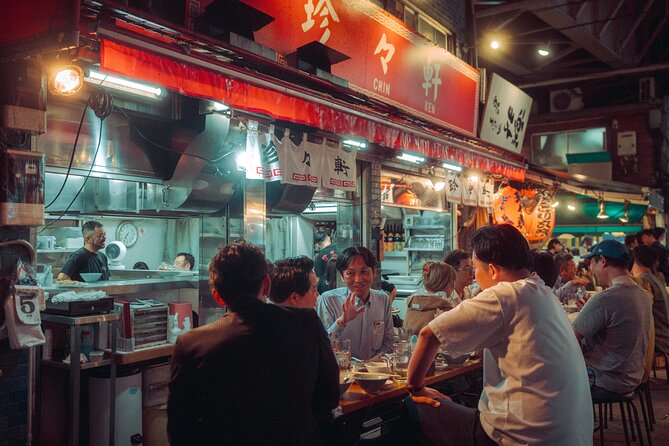
Tokyo at night looks great on your camera—until you try. This small-group evening walk through Yurakucho and Shimbashi turns pretty lights into sharper photos, with hands-on tips from photographer Deniz Demir (max 6 people). I especially like the personalized coaching and the fact that you can choose a time slot that fits your schedule. The one drawback to consider: it’s only about 2 hours, so you’ll learn a lot, but you won’t have time to master everything.
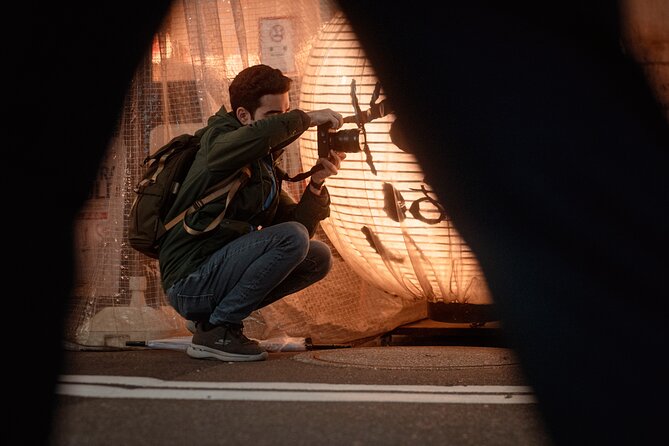
The tour is built for real street shooting: camera settings, lens choice, framing, and how to think like a photographer when the scene changes every few steps. You’ll also get practical guidance on gear concepts like LEDs and prisms, plus street-shooting philosophy that helps you move from random snapshots to photos you actually want to keep. If you’re hoping for a long sit-down lesson, this one stays on the move.
Start is Shimbashi Station (2 Chome-17 Shinbashi) and you finish back near where you met. Evening tours on weekdays add extra cultural context around Japan’s salaryman scene, which can change how you see—and photograph—the city’s rhythms.
In This Review
- Key things that make this tour worth your time
- Why evening Tokyo works for learning photography
- Shimbashi meeting point: what you should do before you arrive
- The street-photo coaching style: basics, then real street thinking
- Yurakucho at night: practicing light, lines, and “easy” compositions
- Shinbashi after hours: turning city texture into purposeful frames
- Gear coaching that actually changes your results
- Tripod option: when it helps and when it doesn’t
- Weekday evenings and salaryman culture: a different way to see the frame
- Tour flexibility: choosing the right evening slot
- Value check: is $128.09 for 2 hours a smart deal?
- Who this tour is best for
- Possible drawbacks to keep in mind
- Should you book Deniz Demir’s Tokyo evening street photography walk?
- FAQ
- How long is the Tokyo evening street photography tour?
- Where does the tour start and end?
- What’s the group size limit?
- Can the photographer guide bring a tripod?
- Do weekday tours include cultural context?
- Is there free cancellation?
Key things that make this tour worth your time
- Small group (up to 6): you get personal feedback, not generic advice
- Evening Yurakucho + Shimbashi focus: night lighting, signage, and street angles with real photo payoff
- Hands-on camera coaching: settings, lenses, and practical shooting choices
- Gear talk that includes LEDs and prisms: you learn what they do and when they matter
- Tripod option with your guide: useful for steadier night shots if you want it
- Street philosophy, not just technical tips: you learn how to see frames before you press the shutter
Why evening Tokyo works for learning photography
Tokyo night scenes are a cheat code for photographers. Reflections, layered lights, and signage give you instant “subject matter,” even if you’re not sure what to photograph yet. But here’s the catch: low light exposes every weakness in your technique. If your settings are off, your photos turn muddy or shaky fast.
That’s exactly why an evening street tour is such a good learning format. You don’t get stuck in a classroom. You learn a tweak, then you test it in the next few minutes on real streets.
This is also a smart way to see two iconic areas in a short window. Yurakucho and Shimbashi sit right where business crowds and nightlife meet. So you can practice photographing different moods—busy sidewalks, lit storefronts, and the kind of city textures that look ordinary in daylight but turn cinematic after dark.
Readers also shortlisted these Tokyo bookings:
- Tokyo: Kimono Dressing, Walking, and Photography Session
★ 4.9 · 427 reviews - Best Go Kart Experience in Shibuya Crossing with Iconic Photos
★ 5.0 · 348 reviews - Tokyo Go-Karting Experience: Shibuya Crossing with Photos
★ 4.8 · 190 reviews - Tokyo by Night Photography Tour (Private Option Available)
★ 5.0 · 151 reviews
Shimbashi meeting point: what you should do before you arrive
You’ll meet at Shimbashi Station (2 Chome-17 Shinbashi, Minato City). The tour ends back at the meeting point, so you’re not left figuring out transit at the end while you’re tired and your camera bag feels heavier.
Because the tour is only about 2 hours, you’ll get the most out of it if you come ready to shoot. I suggest you mentally pick one goal before you start, like:
- cleaner night exposure
- sharper street portraits (or people-free street scenes)
- stronger composition and framing
- getting comfortable with your camera controls in low light
Your guide is Deniz Demir, and the vibe here is practical. You’re not just watching someone else take photos. You’re learning what to change, why it matters, and how it affects the final image.
The street-photo coaching style: basics, then real street thinking
This tour isn’t just a walk with a camera. It’s structured around instruction that goes from simple to advanced concepts.
Early on, you’ll cover the basics that most people skip or only half-learn: camera settings, lens behavior, and gear choices. Then the tour moves into higher-value stuff like street-shooting philosophy—how you decide what to frame, what to ignore, and how to use the environment instead of fighting it.
That shift is what makes the experience feel more like coaching than sightseeing. Technical tips help, but the real win is learning a repeatable way to look at a scene. When you understand framing and how to build a photo using what’s already around you, Tokyo stops being a set of photos you copy and starts becoming one you can interpret.
Yurakucho at night: practicing light, lines, and “easy” compositions
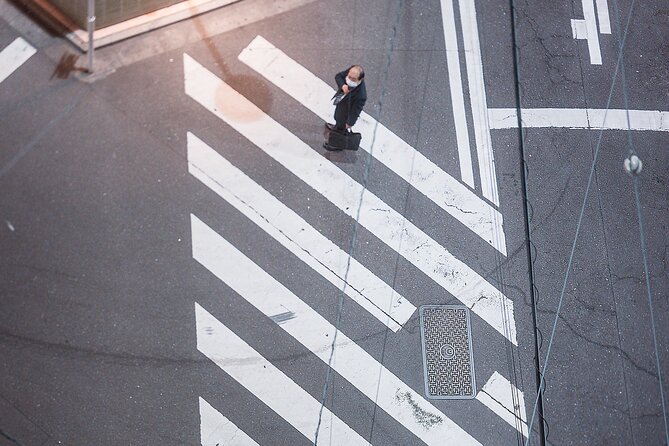
Yurakucho is a strong choice for evening shooting because the streets naturally give you layers—signs, reflections, and storefront light. Even if you think you’re not a “night photography person,” this is where you can start getting results quickly.
During this part of the walk, you can expect coaching that targets common night-photo problems, such as:
- exposure that’s too dark or too bright
- motion blur from walking while shooting
- shaky handheld shots in low light
- compositions that feel random because the frame isn’t structured
One reason I like this area for learning is that it offers lots of small, photo-friendly moments. You don’t have to chase one giant view. You can work with near-camera details and learn to build images step by step.
A practical consideration: night photography can make you spend time “fixing” your camera instead of shooting. Don’t wait for perfect conditions. Your goal is to practice choices, then move.
Shinbashi after hours: turning city texture into purposeful frames
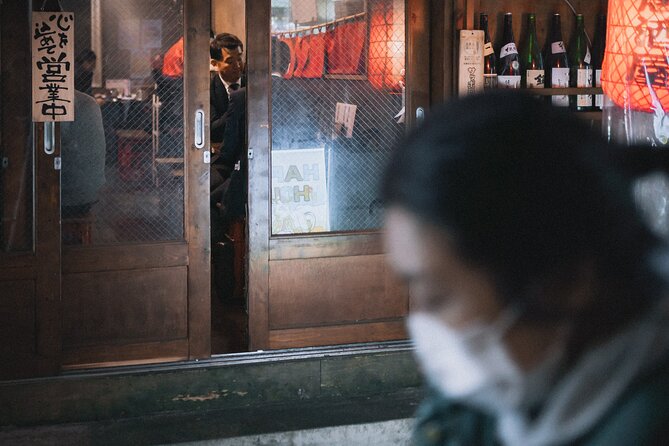
Shimbashi pairs well with Yurakucho because it keeps the focus on urban street energy and strong lighting cues. This area is also a good place to practice shooting angles and perspective. In other words: you learn how to get variety without constantly changing location.
This is where street philosophy starts to pay off. Instead of photographing what’s obvious, you’ll be nudged toward questions like:
- What’s the main subject in this frame?
- What’s leading the eye through the scene?
- Are you using lines, edges, or reflections—or just collecting lights?
You’ll also get help thinking about what to do when scenes change quickly. Street photography is rarely calm. That’s part of the point of training here: you learn to adjust your framing and settings as you walk.
If you’re someone who tends to take a lot of near-identical photos, this segment is the kind where you’ll get pushed to try a new approach.
- Tokyo: Shinjuku Food Tour (13 Dishes at 4 Local Eateries)★ 5.0 · 6,603 reviews
- Tokyo Mt Fuji 5th St & Hakone Cruise Bus Tour w/Bullet Train★ 4.4 · 5,024 reviews
- Flagship 2-Hours Official Street Go-Kart Tour – Tokyo Bay Shop★ 5.0 · 4,974 reviews
- From Tokyo: Mount Fuji Full-Day Sightseeing Trip★ 4.5 · 4,970 reviews
- Tokyo: Hop-On Hop-Off Sightseeing Bus Ticket★ 3.9 · 4,207 reviews
Gear coaching that actually changes your results
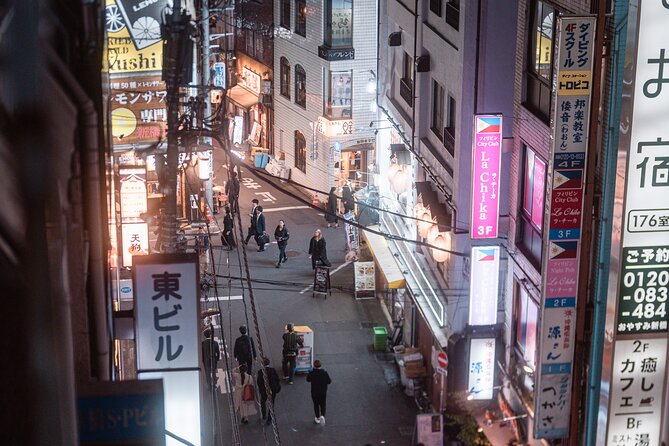
A lot of photography tours talk gear like it’s a checklist. This one uses gear as problem-solving. You’ll discuss topics like settings and lenses, and you’ll also talk about other tools and concepts such as LEDs and prisms.
Here’s why that matters for you: once you understand what a tool does (and what it doesn’t do), you stop guessing in the dark. You start making deliberate choices. Even if you don’t plan to buy anything, learning the logic behind these tools helps you troubleshoot faster.
You should come with a basic understanding of your camera controls, but you don’t need to be an expert. The goal is to sharpen what you already have. If you own a camera you’re comfortable with, great. If you’re still figuring it out, even better—street conditions make learning feel immediate.
Tripod option: when it helps and when it doesn’t
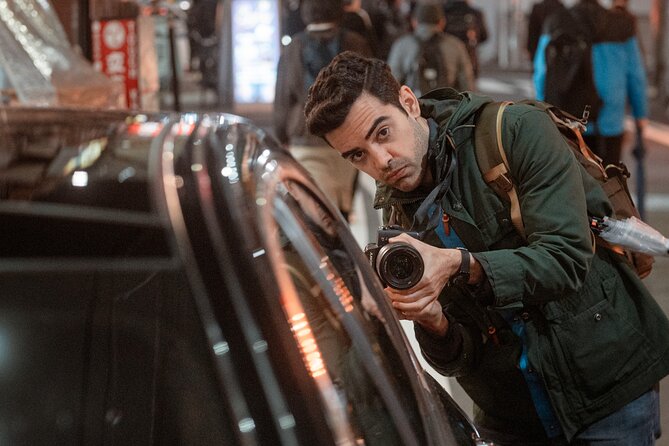
Your photographer guide can bring a tripod if you want one. That’s a useful detail, because tripods are a double-edged sword at night.
They help when you:
- want very steady framing for darker scenes
- are working with longer exposures
- prefer a calmer, deliberate approach instead of fast walking shots
They can slow you down if you:
- need quick composition changes while moving
- plan to shoot mostly handheld
- don’t want the extra weight and setup time
So decide based on how you like to shoot. If you’re the type who likes to set up and refine, the tripod option will be a plus. If you want to stay nimble and capture street moments fast, you might use it sparingly—or not at all.
Weekday evenings and salaryman culture: a different way to see the frame
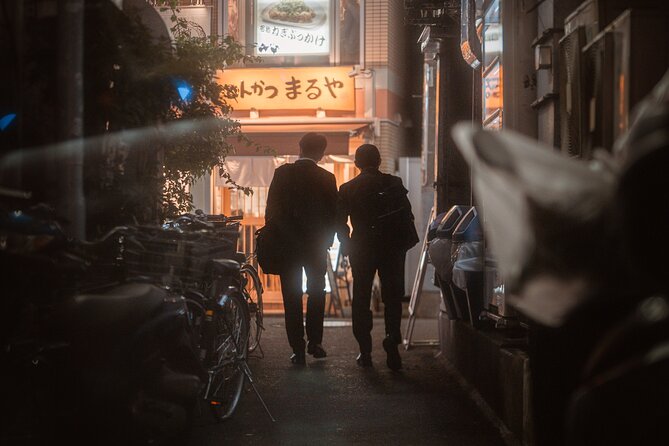
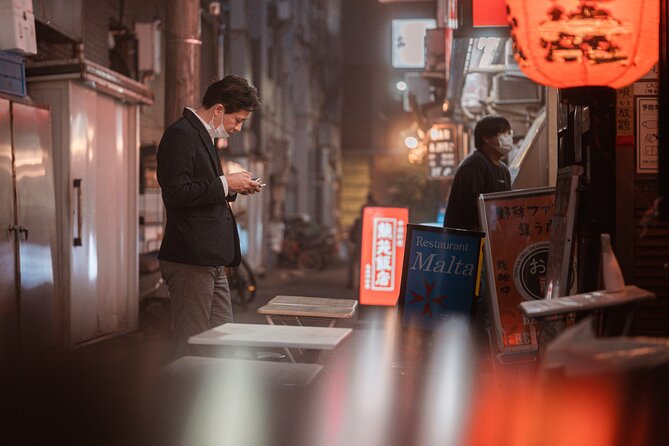
The tour notes that weekday evening tours include a closer look at Japan’s unique salaryman culture. You’ll take photos while learning about the social rhythms behind what you’re seeing.
This matters because culture changes your eye. When you understand context—what people are doing, why they look the way they do, and how the evening unfolds—you photograph with more intention. You also avoid turning real moments into generic background texture.
Even if you’re not photographing people directly, this context helps you understand street flow. And street flow is the skeleton of great street photography.
Tour flexibility: choosing the right evening slot
You can choose from several evening tour options for flexibility. Practically, that means you’re more likely to pick a time when your energy and light situation match your needs.
Tokyo nights don’t all look the same. Earlier evenings can feel brighter and more forgiving. Later can be darker with stronger contrast. If you care about a specific mood—neon glow, softer lighting, or heavier night shadows—your choice of time slot becomes part of the photographic plan.
Value check: is $128.09 for 2 hours a smart deal?
At $128.09 per person for about 2 hours, the value mostly comes from two things: (1) the small group size and (2) the fact that you’re getting real coaching tied to immediate shooting.
If it were a large group walking tour with a speaker, this price would be harder to justify. But with max 6 people, you have a better chance of getting targeted feedback on the exact problem you’re seeing through your viewfinder.
Also, evening photography coaching is hard to replicate on your own because you need more than rules. You need someone to watch what you’re doing and suggest specific adjustments. That’s what makes this feel like instruction, not just a pretty walk.
You’ll also find extras like mobile ticketing and group discounts. Those don’t make the tour better by themselves, but they reduce friction so you can focus on shooting.
Who this tour is best for
I’d point this tour at people who:
- want a guided way to practice night street photography
- feel stuck with camera settings at low light
- want feedback that’s personalized (small group)
- enjoy learning how to see, not just where to go
It’s also a strong option if you’re a serious hobbyist or leaning toward getting more serious. The gear and philosophy topics suggest the guide expects you to want more than surface-level tips.
If you’re traveling with friends and you all want different kinds of shots, the max group size helps. You’re less likely to get stuck in one generic teaching style.
Possible drawbacks to keep in mind
Two honest considerations:
- You’re only there for about 2 hours, so you’ll leave with improvements and ideas—not total mastery.
- Night street learning is hands-on, which means you’ll do more shooting and adjustment than sightseeing. If you want mostly landmarks and minimal camera talk, this may feel more like a class in the streets.
Also, street shooting is physical. The tour asks for moderate physical fitness level, so plan for walking and standing while you shoot and get feedback.
Should you book Deniz Demir’s Tokyo evening street photography walk?
If you want better night photos without guessing for days, I think this is a smart book. The small group size, the pro coaching, and the Yurakucho/Shimbashi focus make it practical. You get a chance to test ideas quickly while the lighting is right for learning.
Book it if you’re ready to shoot, ask questions, and apply feedback on the spot. Skip it if you want a long, slow tour with minimal camera instruction.
FAQ
How long is the Tokyo evening street photography tour?
It runs for about 2 hours.
Where does the tour start and end?
It starts at Shimbashi Station (2 Chome-17 Shinbashi, Minato City) and ends back at the meeting point.
What’s the group size limit?
The tour has a maximum of 6 travelers.
Can the photographer guide bring a tripod?
Yes, the guide can bring a tripod if desired.
Do weekday tours include cultural context?
Yes. On evening tours during weekdays, you learn about Japan’s salaryman culture up close while you take photos.
Is there free cancellation?
Yes. You can cancel up to 24 hours in advance for a full refund.
If you want, tell me your camera type (phone, mirrorless, DSLR) and what you struggle with at night (blur, noise, exposure, composition). I’ll suggest what to focus on during the walk so you get the most out of those 2 hours.
More Photography Sessions in Tokyo
- Tokyo: Kimono Dressing, Walking, and Photography Session
★ 4.9 · 427 reviews - Best Go Kart Experience in Shibuya Crossing with Iconic Photos
★ 5.0 · 348 reviews - Tokyo Go-Karting Experience: Shibuya Crossing with Photos
★ 4.8 · 190 reviews - Tokyo Cyberpunk Street Photo Tour
★ 5.0 · 165 reviews - Tokyo by Night Photography Tour (Private Option Available)
★ 5.0 · 151 reviews
More Tour Reviews in Tokyo
- Mt Fuji and Hakone 1-Day Bus Tour Return by Bullet Train
★ 5.0 · 26,383 reviews - 1-Day Tokyo Bus Tour
★ 5.0 · 14,250 reviews - Tokyo: teamLab Planets TOKYO Digital Art Museum Entry Ticket
★ 4.6 · 9,779 reviews - Mt Fuji & Hakone Cruise, Drum Show Bullet Train 1 Day from Tokyo
★ 4.0 · 7,413 reviews - Tokyo: Shinjuku Food Tour (13 Dishes at 4 Local Eateries)
★ 5.0 · 6,603 reviews
Latest Tokyo reviews off our desk






Photography Sessions, compared.
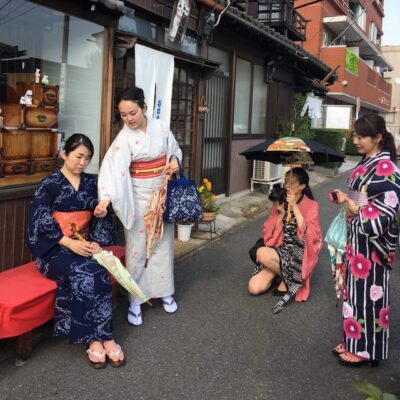 ★ 4.9Kimono Dressing, Walking, and Photography SessionFrom $67427 reviews
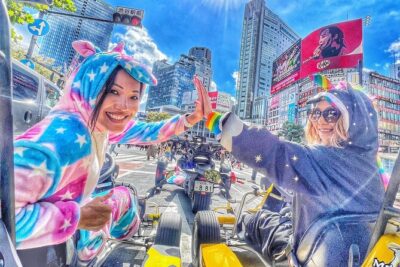 ★ 5.0Best Go Kart Experience in Shibuya Crossing with Iconic PhotosFrom $106348 reviews
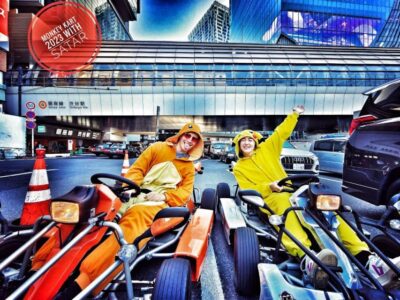 ★ 4.8Tokyo Go-Karting Experience: Shibuya Crossing with PhotosFrom $90190 reviews
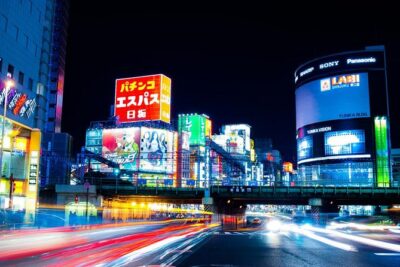 ★ 5.0Tokyo Cyberpunk Street Photo TourFrom $184165 reviews
 ★ 5.0Tokyo by Night Photography Tour (Private Option Available)From $105151 reviews
 ★ 5.0Tokyo Shinjuku Night Photo Tour with Pro GotaFrom $85142 reviews
 ★ 4.8Exclusive Access to Sumo Morning Practice with PhotosFrom $96107 reviews
 ★ 4.7Sumo Practice Tour with Ring-Side Seat and PhotoshootFrom $96103 reviews
Browse the lists this tour appears in