
Reviewed · MOUNT FUJI TOURS
Fishing with Mt. Fuji Views and Japanese Home Cooking Experience
Hook line cooking, with a Fuji wink. This is a hands-on beginner-friendly fishing trip in Yokohama that can bring Mt. Fuji into the frame on clear days, followed by learning how to clean and cook what you catch. I especially like the fact that you get full gear and an English-speaking guide who helps you set the bait, plus you get a real Japanese meal made from your catch (often sashimi, tempura, or grilled fish). The main drawback is that sea conditions and nature control the day—your catch isn’t guaranteed, and you may still deal with wind, splashy water, and an extra boat fee on top of the tour price.
You meet your guide (naomi matsutani, often called Naomi) at Kanazawa-Hakkei Station at 6:30 am, then the morning unfolds at a steady pace: fish for about three hours, return, prep, and cook. It runs about 8 hours 30 minutes, and the group stays small, with a maximum of 3 travelers even though the boat is shared.
In This Review
- Key things to know before you go
- Where the tour starts: Kanazawa-Hakkei Station to Arakawaya lodge
- Out on the shared boat: how shirogisu fishing actually works
- Mt. Fuji views: when you can see it, and when you can’t
- Fishing-to-cooking transition: preparing your catch without the chaos
- The cooking session: making a Japanese meal from your own catch
- Price and value: what you’re paying for (and what’s extra)
- Timing, seasickness, and clothing: the practical stuff
- Who this tour suits best (and who should skip it)
- Should you book this Yokohama fishing-and-cooking morning?
- FAQ
- What fish are you targeting on this tour?
- Do I need fishing experience?
- Is Mount Fuji guaranteed to be visible?
- How long do you fish, and what happens afterward?
- Is the boat fee included in the price?
- What if the tour is canceled due to weather?
Key things to know before you go
- Meet Naomi early at Kanazawa-Hakkei Station (6:30 am): you’re starting with daylight, so you’ll want a real breakfast before you arrive.
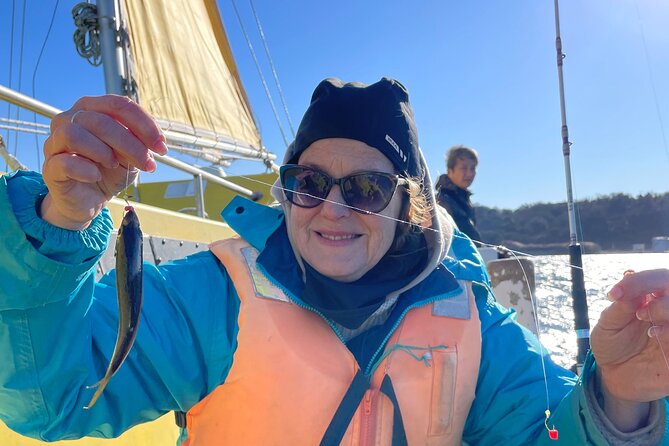
- Fishing is simple and guided: rods, reels, live bait, tackle, and life jackets are part of the package, and you’ll get help from the boat team.
- Target fish is shirogisu (Japanese whiting): that’s the main catch, with the menu and results influenced by the day.
- Mt. Fuji is possible, not promised: clear weather helps, but views depend on location and conditions.
- Cooking happens after you return to shore: you’ll learn cleaning and cooking steps, but you’re not meant to eat or clean fish on the boat.
Where the tour starts: Kanazawa-Hakkei Station to Arakawaya lodge
The day begins at Kanazawa-Hakkei Station (15-1 Seto, Kanazawa Ward, Yokohama). Expect a short walk from the station to Arakawaya, a cozy fishing lodge where you get your introduction and get matched to your fishing setup.
What I like here is that it feels local and low-pressure. Instead of a big “activity assembly,” you get oriented, then you move on. Also, starting at 6:30 am means you’re not spending half the day waiting around—you’re getting to the part you actually came for: being on the water.
The tour ends back near the meeting point, so you’re not stranded across town after lunch.
More Fuji day trips our readers rated highly
- Mt. Fuji & Hakone Day Trip from Tokyo: Private English Driver
★ 5.0 · 25 reviews - Mount Fuji Full-Day Private Tour from Yokohama Customizable
★ 5.0 · 7 reviews
Out on the shared boat: how shirogisu fishing actually works
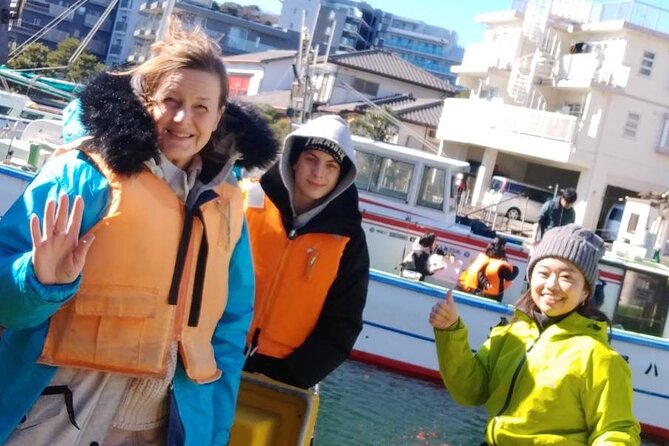
After the intro, you head to the fishing spot by boat. This is a shared boat, not a private charter, so you’ll be fishing alongside other participants. The vibe is friendly and communal, especially because the English-speaking guide and the captain are there to help you work the setup.
You’ll fish for about 3 hours, and the target species is Japanese whiting (shirogisu). You might catch other fish depending on the day, but the tour is built around one main target. That matters because it keeps the instructions focused—and it also affects what ends up on your plate later.
A few practical things that make or break the experience:
- Life jackets are required during fishing, and you should follow the captain’s instructions closely.
- The boat can be rocky and windy, and you’re on the water long enough to feel it.
- Catch results are not guaranteed; fishing depends on nature, not effort.
Even if you’re brand-new, you’re not going to be left guessing. The whole point is that you learn how to handle the gear and bait. If you know someone in your group who’s nervous, this is the kind of activity where the guide’s step-by-step help usually settles things fast.
Mt. Fuji views: when you can see it, and when you can’t
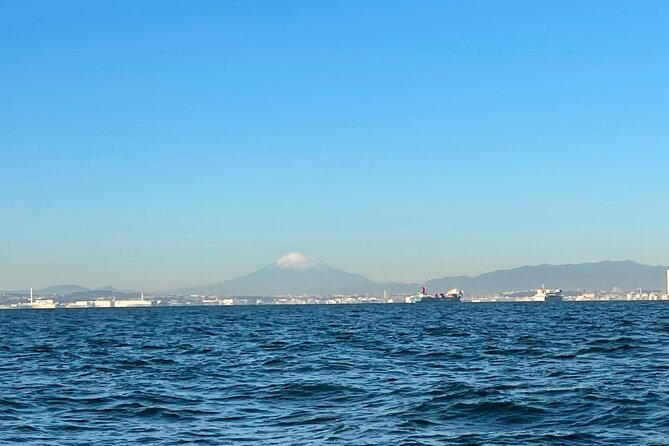
On clear days, you might see Mount Fuji in the distance. That’s the nice “Japan postcard” possibility baked into the morning.
The reality check: the view is weather- and location-dependent. So I treat Fuji visibility like a bonus, not a requirement. If it’s misty or the angle isn’t right, you’ll still get the main experience—fishing, sea air, and cooking the catch—but you won’t be chasing views all day.
This tour also helps you get the timing right. Early starts can give clearer conditions, and being out at the waterline changes the light and visibility in a way you just don’t get on land.
Fishing-to-cooking transition: preparing your catch without the chaos
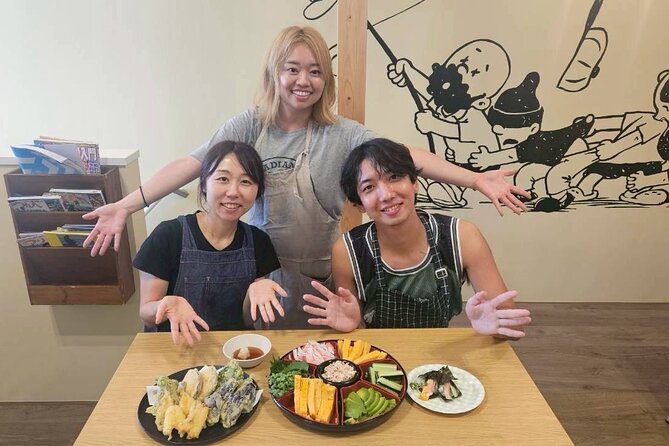
Once you return to port, you switch from fishing mode to meal mode. You’ll learn easy steps to clean and cook your fish, and the guide keeps it beginner-friendly.
One thing I appreciate is how the process is structured: you’re not allowed to eat or clean fish on the boat. That means you’re not juggling mess and messier tasks while you’re still dealing with wind and movement. Instead, the messy part happens when you’re back and stable, so it feels safer and calmer.
The menu changes depending on the day. You’ll often see classic Japanese home-style options like:
- sashimi
- tempura
- grilled fish
Since the meal is built around what you catch, it also avoids the “cooking class far from real ingredients” feeling. You’re not making something unrelated. You’re cooking from the day’s results.
The cooking session: making a Japanese meal from your own catch
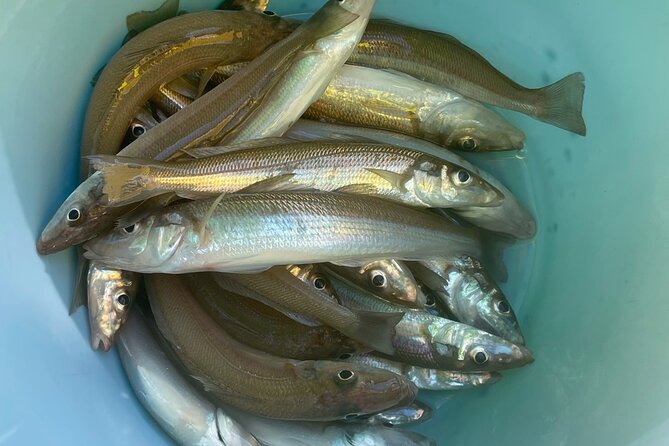
This is the heart of the experience, especially if you like food that tastes like effort.
Cooking isn’t treated as a vague demonstration. You’ll go through preparation and cooking steps, guided in English. And because you’re using fish you caught, you can actually taste the connection between action and outcome.
I also like that the tour leans into Japanese home cooking rather than turning the day into a generic seafood tasting. The menu shifts by day, but the style stays practical and familiar: things like sashimi, tempura, and grilled fish are techniques most people can understand quickly, even if they’ve never done them before.
Lunch includes dishes made from your freshly caught fish, plus soft drinks. So you get fed properly, not just a small sample.
Readers also shortlisted these Yokohama bookings:
- Yokohama: Manga/Anime Art & Cooking Experience in a Tatami Room★ 5.0 · 7 reviews
- Yokohama Manga Art & Japanese Cooking Experience★ 5.0 · 5 reviews
- Yokohama: Sushi & Gyoza Cooking with Matcha Experience★ 5.0 · 4 reviews
- Yokohama: Sushi & Gyoza Cooking with Matcha & GreenTea Experience★ 5.0 · 3 reviews
- Half-day Cooking Class in Yokohama Local Shopping District★ 5.0 · 3 reviews
Price and value: what you’re paying for (and what’s extra)
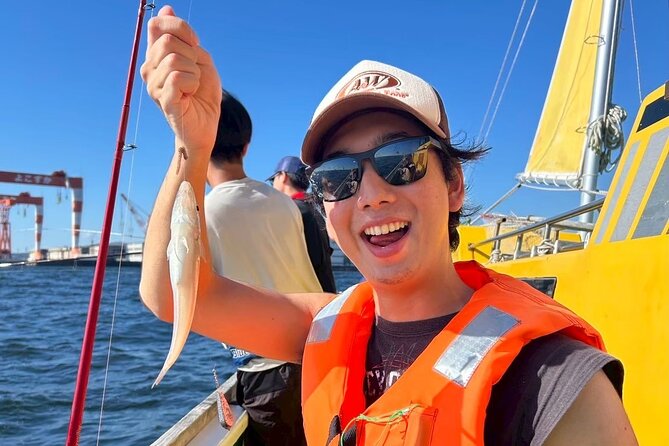
At $247.14 per person, this isn’t a cheap impulse buy—but it often feels reasonable because a lot is included.
What’s included:
- Full fishing gear (rod, reel, live bait, tackle, life jacket, and a towel)
- Cooking tools
- Boat fishing experience with an English-speaking guide
- Fish preparation and cooking session with the same kind of guide help
- Lunch with soft drinks, made from your catch
What’s not included (and comes up in real life):
- Boat fee: about 5,000–7,000 JPY, paid on the day (cash or credit card)
- Transportation to the meeting point
- Motion sickness medicine (recommended if you’re concerned)
- Rain suit / waterproof clothing
- Seasonal clothing
- Snacks and light drinks on the boat (you should bring enough for about 3 hours)
- Tips (optional)
When you look at it like that, you’re basically paying for: guidance, boat time, gear, a hands-on cooking lesson, and a meal built from the day’s catch. The extra boat fee is the one “gotcha,” but it’s still often less than what you’d pay to hire similar help and gear separately.
Timing, seasickness, and clothing: the practical stuff
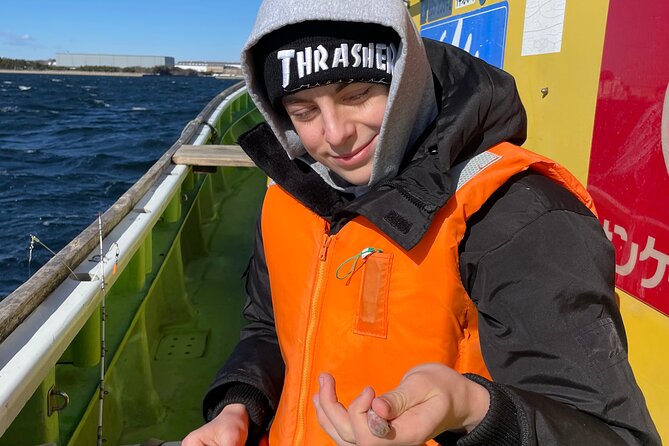
This tour starts at 6:30 am, and it runs for about 8 hours 30 minutes. You’ll spend around 3 hours fishing at sea, and that’s when comfort matters most.
Seasickness: take it seriously, even if you think you’re fine.
- The tour recommends motion sickness medicine, and you should take it before you feel sick.
- Late use may not work as well, so plan ahead.
- The boat may rock or be windy, so expect real movement.
Clothing is the other big lever. No shade on the boat, so sun can hit hard even in cool weather. Then wind and cold can follow you back and forth.
What to bring includes:
- Hat or ventilated cap
- Sunglasses and sunscreen
- 2–3 towels (sweat, cooling your neck)
- Warm layers thin enough to wear under a life jacket
- A waterproof jacket and pants
- Wind protection (warm hat, mask, earmuffs if needed)
- Disposable heat packs if it’s cold
Also bring enough snacks/drinks for about 3 hours at sea. Lunch exists, but the boat ride is long enough that you’ll feel better if you’re not hungry and thirsty.
Who this tour suits best (and who should skip it)
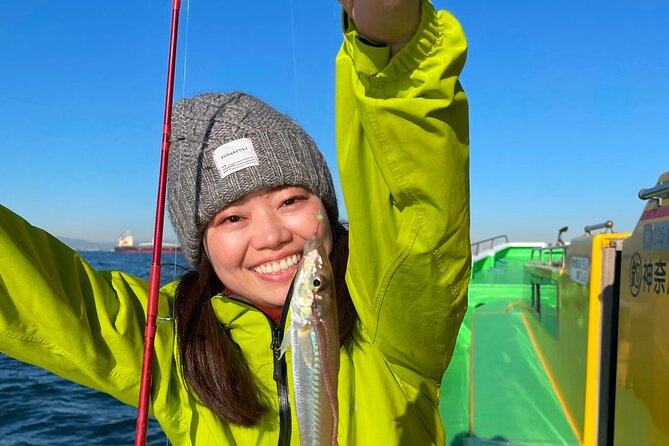
This is a great fit if you want something active, hands-on, and food-centered—especially if you like learning from someone right next to you.
It also tends to work well for:
- First-time fishers (beginners are welcome; no experience needed)
- Couples and small groups who want a calmer, guided experience
- People who enjoy Japanese cooking and want to understand the process, not just taste the result
But it’s not for everyone. The tour asks you to refrain if any of these apply:
- Health issues limiting outdoor activity
- Uncomfort with handling live bait or fish
- People who easily get seasick
- Pregnant individuals
- Children under 16
- Food allergies or dietary restrictions
And there’s a moderate physical fitness level requirement, so plan for time on a boat and moving around with gear.
Should you book this Yokohama fishing-and-cooking morning?
I’d book it if you want a morning that feels genuinely Japanese: sea time, a clear learning process, and then a meal you helped create. The small group size (max 3 travelers) plus English guidance makes it easier to enjoy rather than worry about “not knowing what to do.” And the fact that lunch is built from what you caught is a big part of the value.
I wouldn’t book it if you hate the idea of live bait, get seasick easily, or need a guaranteed outcome. The catch isn’t promised, and the experience depends on weather and sea conditions. Also, if you’re expecting private-boat privacy or a flexible schedule, this is more of a shared, guided day with nature driving the bus.
If you’re good with the practical side—meds if you need them, waterproof clothing, snacks, and patience—this is the kind of tour that turns into a real story, not just a photo.
FAQ
What fish are you targeting on this tour?
The tour targets Japanese whiting (shirogisu). Other fish may be caught depending on the day, but shirogisu is the main focus.
Do I need fishing experience?
No. It’s beginner-friendly, and no experience is needed. You’ll get guidance on how to set the bait and fish.
Is Mount Fuji guaranteed to be visible?
No. The view of Mount Fuji depends on weather and location, so it may not always be visible.
How long do you fish, and what happens afterward?
You’ll fish for about 3 hours. After returning to port, you’ll learn steps to clean and cook your fish, then enjoy the meal.
Is the boat fee included in the price?
No. There’s an additional boat fee of about 5,000–7,000 JPY, paid on the day (cash or credit card).
What if the tour is canceled due to weather?
This experience requires good weather. If it’s canceled due to poor weather or sea conditions, you’ll be offered a different date or a full refund. If you cancel yourself, the amount you paid is non-refundable and the experience can’t be changed.
More Cooking Classes in Yokohama
- Yokohama: Manga/Anime Art & Cooking Experience in a Tatami Room
★ 5.0 · 7 reviews - Yokohama Manga Art & Japanese Cooking Experience
★ 5.0 · 5 reviews - Yokohama: Sushi & Gyoza Cooking with Matcha Experience
★ 5.0 · 4 reviews - Yokohama: Sushi & Gyoza Cooking with Matcha & GreenTea Experience
★ 5.0 · 3 reviews - Half-day Cooking Class in Yokohama Local Shopping District
★ 5.0 · 3 reviews
More Tour Reviews in Yokohama
- EVO, WRX, Skyline – JDM Night Run to Daikoku Car Meet
★ 4.9 · 478 reviews - Tokyo: Best Price Daikoku Parking Area JDM Car Meet
★ 4.9 · 192 reviews - Daikoku & Tokyo Private JDM Tour by 700HP R34 GT-R
★ 4.9 · 101 reviews - Tokyo 8hr Private Tour with Licensed Guide from Yokohama
★ 5.0 · 94 reviews - 【Tokyo】JDM Daikoku Parking Area & Nissan Facility Tour
★ 5.0 · 87 reviews
More Mount Fuji Days We Have Reviewed
- Mt. Fuji & Hakone Day Trip from Tokyo: Private English Driver
★ 5.0 · 25 reviews - Mount Fuji Full-Day Private Tour from Yokohama Customizable
★ 5.0 · 7 reviews
Latest Yokohama reviews off our desk
Mount Fuji Tours, compared.
 ★ 5.0Mt Fuji and Hakone 1-Day Bus Tour Return by Bullet TrainFrom $16326,383 reviews
 ★ 4.0Mt Fuji & Hakone Cruise, Drum Show Bullet Train 1 Day from TokyoFrom $1497,413 reviews
 ★ 4.4Tokyo Mt Fuji 5th St & Hakone Cruise Bus Tour w/Bullet TrainFrom $1545,024 reviews
 ★ 4.5From Tokyo: Mount Fuji Full-Day Sightseeing TripFrom $684,970 reviews
 ★ 4.7Mt. Fuji Tour, Hakone Ropeway, Owakudani, Lake AshiFrom $544,002 reviews
 ★ 4.4Mt.Fuji,Kawaguchiko Oishi Park,Arakurayama Sengen ParkFrom $542,682 reviews
 ★ 4.2Mt. Fuji 5th Station & Hakone Cruise 1-Day Bus TourFrom $1292,381 reviews
 ★ 4.7Mt Fuji Top 5 Spots Day Tour: Arakurayama Park,Oshino HakkaiFrom $532,066 reviews
Browse the lists this tour appears in