
Reviewed · YOKOHAMA DAY TRIPS
Yokohama: Sushi & Gyoza Cooking with Matcha Experience
Tatami calm meets sushi hands. In Yokohama, I love the way this experience lets you pick a matcha tasting or go for manga drawing before you cook, so the day feels creative instead of just instructional.
Then you slide from the tea room into the kitchen and actually make two classics: sushi rolls and handmade gyoza. One consideration: it’s not suitable for wheelchair users, and it’s also not a fit if you have food allergies.
In This Review
- Key highlights worth your time
- Why This Yokohama Tatami-to-Kitchen Class Feels Different
- The Tatami Tea Room Choice: Matcha Tasting, Manga Sketching, or Relaxation
- Matcha and green tea, with a taste for your preferences
- Manga-style illustration for people who like making things
- Relaxation time if you want the low-pressure option
- From Sliding Doors to the Kitchen: Making Sushi Rolls (Maki) That Actually Hold Together
- What you’ll make
- What makes this format valuable
- A practical tip for your sushi rolls
- Handmade Gyoza: Folding, Pinching, and Cooking Dumplings From Scratch
- Why gyoza feels like the real skill-builder
- Meal and Drinks: Eating What You Made, Plus Matcha-Friendly Options
- Meeting Point and Timing: The Simple Plan You Can Count On
- What to Bring: Camera, Comfort, and How to Get Good Photos
- English-Friendly Hosting with Clear Guidance From Yuka
- Price and Value: What $81 Really Covers in a Home Setting
- Who This Yokohama Experience Fits Best
- Should You Book This Matcha, Sushi & Gyoza Class?
- FAQ
- Where do we meet for the experience?
- How long is the tea-room part?
- What dishes will I cook?
- Are ingredients and materials provided?
- What drinks are included?
- Is English available?
- Can I bring my own food or drinks?
- Is it suitable for wheelchair users or people with food allergies?
Key highlights worth your time
- Three ways to start in the tatami tea room: matcha & green tea, manga-style illustration, or a quiet relaxation option with sweets
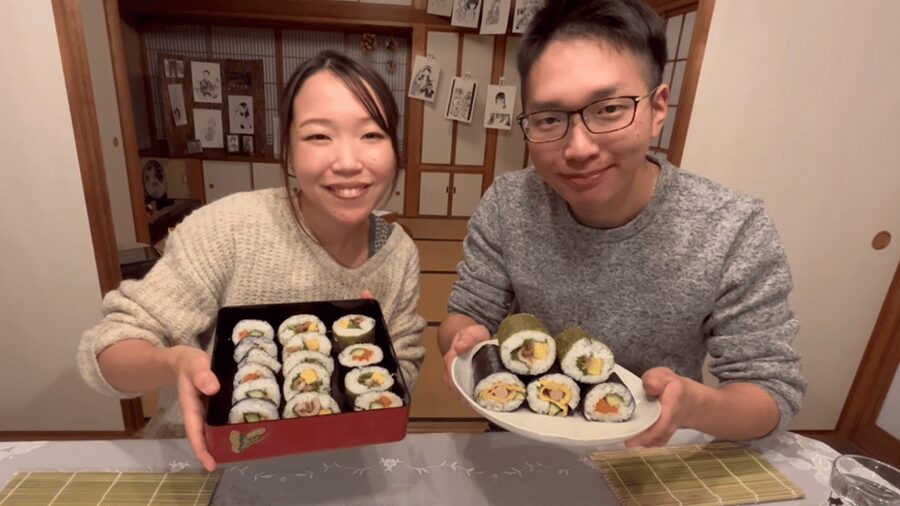
- Hands-on sushi rolls (maki) with seasonal ingredients guided by your host
- Real gyoza folding and cooking, with the satisfaction of making them from scratch
- Matcha choices that match your taste, including the option of a creamy matcha latte
- English support from host Yuka, plus time-saving clarity on what to do next
- Photo moments built in during tea-room time and while your manga sketches come together
Why This Yokohama Tatami-to-Kitchen Class Feels Different
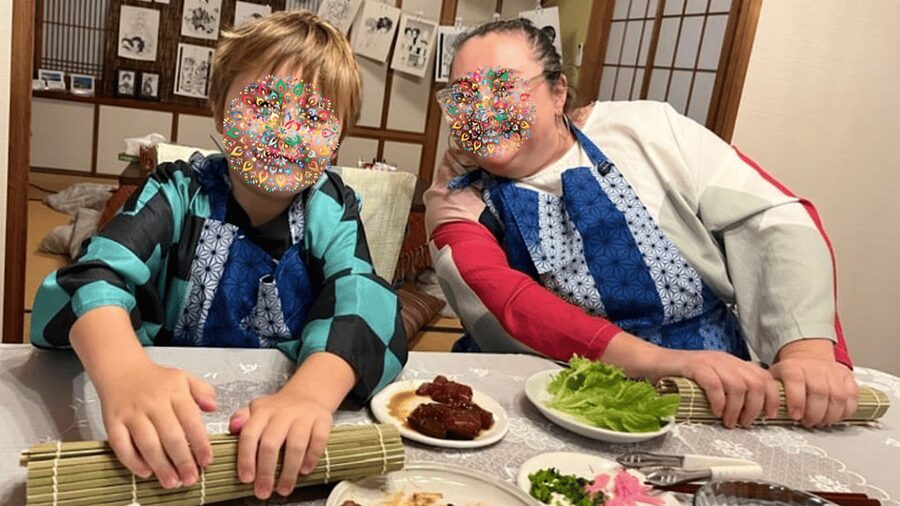
Yokohama has its share of food tours, but this one is built around a daily-life setting: a traditional home with tatami rooms, sliding doors, and a host who guides you step by step. You’re not just eating Japanese dishes and moving on. You’re learning the rhythm behind them—tea first, then cooking—so the experience has a natural flow.
I like that it respects your energy level. You can be hands-on with matcha preparation, get creative with manga-style drawing, or simply settle into the tatami room with sweets and tea while you reset. After that, the kitchen portion turns the morning-or-afternoon calm into real, physical cooking work.
And yes, you’ll leave with food you made. That matters. When you wrap a roll or pinch gyoza folds, you understand the process in your hands, not just in your head.
The harbour city next door, reviewed
- Tokyo 8hr Private Tour with Licensed Guide from Yokohama
★ 5.0 · 94 reviews - Shuttle Van Transfer, Yokohama(Port)⇒Tokyo, Narita, Haneda, TDR
★ 5.0 · 63 reviews - Yokohama Ramen Adventure From a Local Noodle Factory to Home
★ 5.0 · 60 reviews - Yokohama 4hr Private Tour with Government-Licensed Guide
★ 5.0 · 34 reviews
The Tatami Tea Room Choice: Matcha Tasting, Manga Sketching, or Relaxation
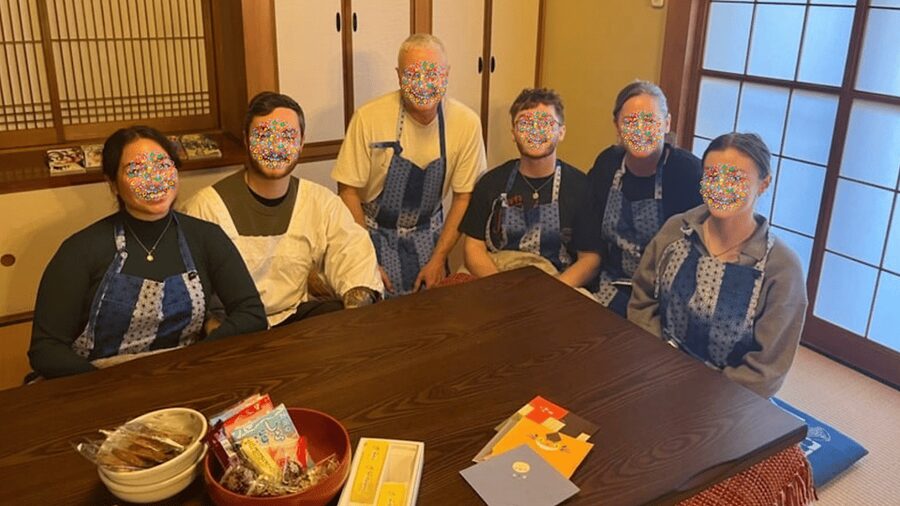
Your experience starts in a tatami tea room in a private home setting. It’s an intentional opener: you slow down, learn a bit of culture, and get comfortable with the space before the cooking gets serious.
Here’s how the three options work, and why each one is worth considering:
Matcha and green tea, with a taste for your preferences
If you choose the matcha & green tea experience, you’ll learn the basics of preparing and tasting matcha and green tea. This is the part where you stop treating matcha like a trendy drink and start noticing flavor differences—bitterness, aroma, and how tea changes depending on how it’s made.
If you prefer something milder, you can opt for a creamy matcha latte. That’s a big practical win. It lowers the intimidation factor if you’re new to matcha, while still keeping you in the same tea-focused world as everyone else.
You’ll also have traditional Japanese sweets and tea during this tea-room portion. Expect a calm pace where you can ask questions and get a feel for what you’re about to cook later.
Manga-style illustration for people who like making things
If you pick manga-style illustration, you’re guided to draw Japanese manga characters using authentic tools and inspiration from your host’s drawings. This isn’t about being an artist. It’s about using play and creativity to connect with the culture.
I love this option because it adds variety. Cooking is one skill. Drawing is another. Switching modes keeps the experience from feeling like a single long class.
Bring your camera for this part, because the tea-room setup and your own manga-inspired work are perfect for photos.
Relaxation time if you want the low-pressure option
If you’re traveling with someone who doesn’t want to perform (or you just need a break), you can choose the relaxation option. You’ll enjoy Japanese sweets and tea in the tatami room ambiance.
This is also a smart choice if you want the kitchen portion to feel like the main event. You’ll still get the full meal out of the day, without adding extra tasks at the front.
More tea rooms our readers rated
- Japanese Tea Ceremony at Private Home in Yokohama, suburban Tokyo★ 5.0 · 32 reviews
- Matcha tasting for all five senses at Hotel Yokohama★ 5.0 · 7 reviews
- Japanese Sweets Making & Tea Ceremony in Yokohama, suburban Tokyo★ 5.0 · 4 reviews
- Yokohama: Sushi & Gyoza Cooking with Matcha & GreenTea Experience★ 5.0 · 3 reviews
From Sliding Doors to the Kitchen: Making Sushi Rolls (Maki) That Actually Hold Together
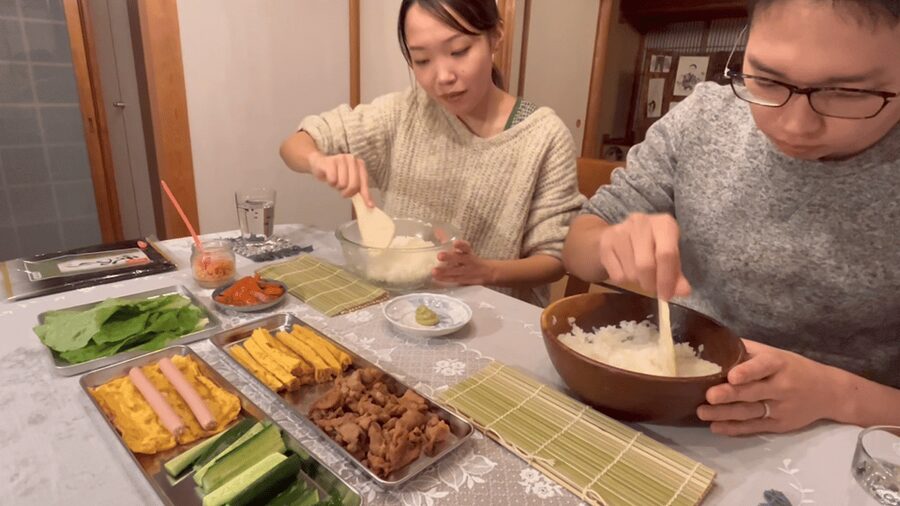
After the tea-room hour, sliding doors open and you move into the kitchen. This is where the experience shifts from culture and creativity into hands-on food work.
What you’ll make
You’ll prepare sushi rolls (maki) using fresh, seasonal ingredients. The focus isn’t on fancy restaurant presentation. It’s on making rolls you can understand, assemble, and eat right after.
What makes this format valuable
Sushi can look simple but it has hidden details. Rolling takes timing and pressure. Filling needs balance so it doesn’t spill. If you’ve ever tried to make sushi at home, you know that the biggest challenge is not the ingredients. It’s the technique.
With a host guiding you, you get feedback in real time, which is the fastest way to improve. And because you cook in a home setting, the atmosphere feels less like a kitchen demo and more like learning a family routine.
A practical tip for your sushi rolls
Wear clothes you can comfortably move in, because you’ll be working at a station and handling ingredients. Also, be ready to slow down and focus. The rolls look best when you take your time with each step.
Handmade Gyoza: Folding, Pinching, and Cooking Dumplings From Scratch
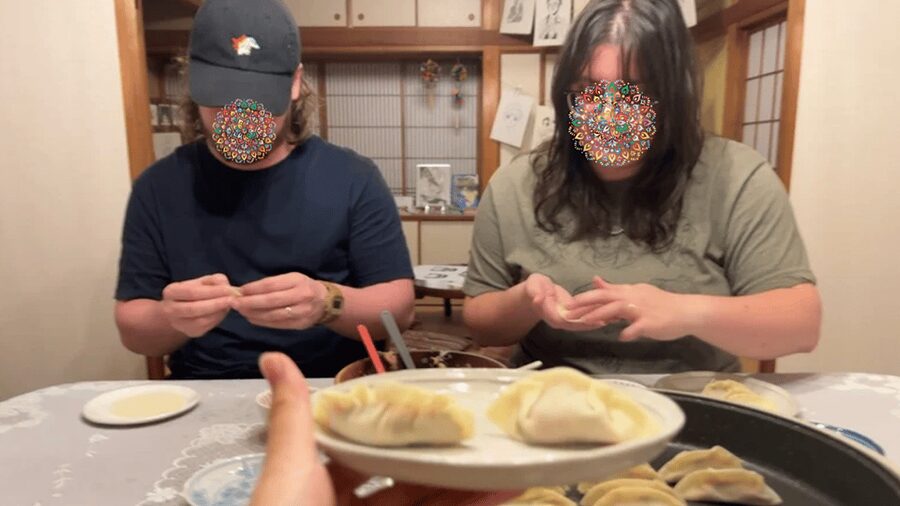
Then comes the second big cooking milestone: handmade gyoza. Dumplings are another food that looks approachable until you start folding them.
You’ll learn how to fold and cook delicious gyoza with guidance from your local host. The key here is learning the shape, not just making dumplings. The folding technique affects how they cook and how they hold together when you bite in.
Why gyoza feels like the real skill-builder
Sushi rolls are technique-based, but gyoza is a full-body job for your hands: pinch, press, seal, and keep the shape consistent. That’s why gyoza tends to be the part people remember longest.
If you care about texture, you’ll probably appreciate this segment the most. Gyoza is one of those dishes where you can actually feel the difference when the folds and cooking method are done right.
Meal and Drinks: Eating What You Made, Plus Matcha-Friendly Options
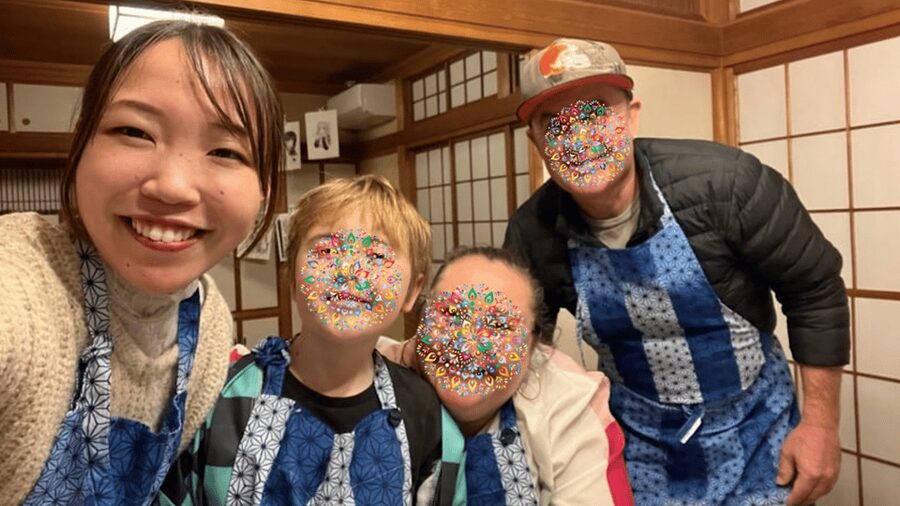
After cooking, you’ll enjoy your creations as your meal. The experience includes beverages, and there’s an option for alcoholic drinks.
That matters for two reasons:
- You can settle in after cooking and enjoy the meal immediately, when the food is at its best.
- If matcha isn’t your only preference, you’re not stuck with only tea. You can choose what fits your mood.
You’ll also have variety during the day, since the tea-room portion includes tea and traditional sweets. In other words, you’re not just waiting for the cooking payoff. You’re fed along the way.
Meeting Point and Timing: The Simple Plan You Can Count On
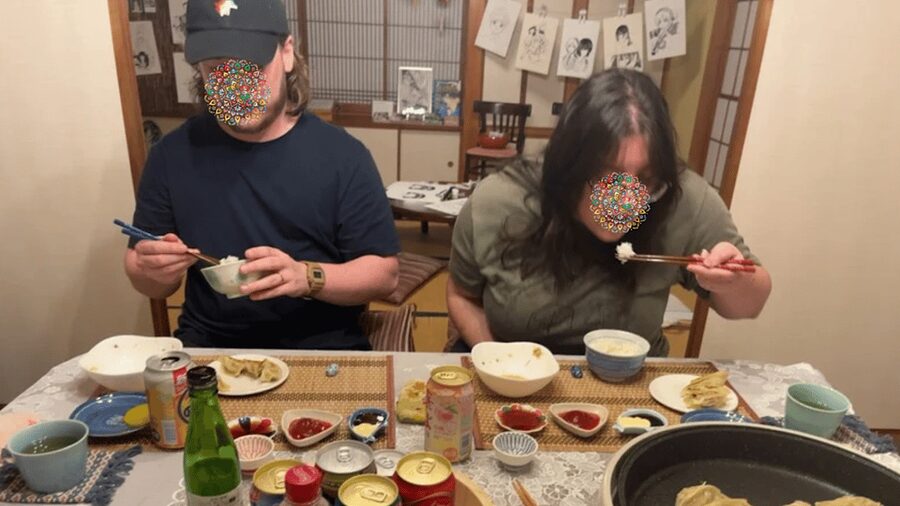
You meet in front of the ticket gate, and the activity ends back at the meeting point. That simple start-and-finish loop reduces stress, especially in a big city where trains can scatter your attention.
The tea-room time is 1 hour in a private tea-room setting. After that, you move to the kitchen for the cooking portion.
If you’re planning your day in Yokohama, leave buffer time around the class so you’re not rushing to get there on a full schedule. This is the kind of experience where your enjoyment increases when you arrive calm.
What to Bring: Camera, Comfort, and How to Get Good Photos
This experience is easy on gear, but it does reward you for showing up prepared.
Bring:
- A camera for photos in the tatami tea room and during the manga-inspired drawing
- Comfortable clothes suitable for tea-room sitting and kitchen work
A quick note on food and drink rules: you can’t bring or eat personal food or drink during the activity. The experience provides meals and beverages through the host. So plan on enjoying what they prepare at the right time, rather than trying to snack your way through.
English-Friendly Hosting with Clear Guidance From Yuka
The language support is English, and your host is Yuka. What you can expect from a good host here is clarity: where to meet, what happens next, and how to do each task without guesswork.
The experience style is friendly and encouraging. You’re working with someone who can correct technique gently and help you understand the food beyond memorizing steps.
In practical terms, this makes the class feel accessible even if you’re not confident with cooking. And if you want cultural context while you work, you’ll get it without it turning into a lecture.
Price and Value: What $81 Really Covers in a Home Setting
At $81 per person, this isn’t bargain-basement street food. It’s closer to paying for a private-home experience plus guided cooking and cultural activities.
Here’s what you’re getting for that price:
- 1 hour in a private tatami tea room with tea and traditional sweets
- A hands-on cooking class with all ingredients and materials provided
- Sushi rolls and handmade gyoza, plus beverages
- Cultural insights from your host
- Photo opportunities in a traditional setting
If you compare this to paying separately for a sushi meal, a tea experience, and a workshop, the value starts to make sense. You’re paying for instruction and a setting that’s hard to replicate on your own: a tatami home experience where the cooking happens inside the same day’s flow.
The best way to judge value is to ask yourself one question: do you want to eat Japanese food, or learn how it’s made in a real-life setup? If it’s the second, the price feels fair.
Who This Yokohama Experience Fits Best
This class works well for:
- Couples who want something more playful than a standard dinner
- Solo travelers who like structured learning but also want time to ask questions
- Families, since the activity is designed to be suitable for different traveler types
It’s not suitable if:
- You use a wheelchair
- You have food allergies
If you’re unsure whether a food allergy could work, you should treat this as a strict no based on the provided info. Don’t gamble on a guest-friendly workaround.
Should You Book This Matcha, Sushi & Gyoza Class?
I think you should book it if you want a Yokohama experience with real hands-on cooking plus a genuine cultural warm-up in a tatami home. The matcha component helps you understand Japanese tea, the manga option keeps things fun and creative, and the sushi and gyoza parts give you practical skills you can use again later.
Skip it if accessibility matters for you or if food allergies are part of your planning. Also, if you hate seated tea-room time and prefer action-only activities, you might find the start a bit slower than you want. But for most people, that calm hour makes the kitchen feel even better.
FAQ
Where do we meet for the experience?
You meet in front of the ticket gate, and the activity ends back at the meeting point.
How long is the tea-room part?
The experience includes 1 hour in a private tea room.
What dishes will I cook?
You’ll make sushi rolls (maki) and handmade gyoza with guidance from your host.
Are ingredients and materials provided?
Yes. All materials and ingredients for making the sushi rolls and handmade gyoza are provided.
What drinks are included?
The experience includes tea and beverages, and alcoholic options are available.
Is English available?
Yes, the experience is available in English.
Can I bring my own food or drinks?
No. Food and drinks are not allowed during the activity.
Is it suitable for wheelchair users or people with food allergies?
No. It’s not suitable for wheelchair users, and it’s also not suitable for people with food allergies.
More Tour Reviews in Yokohama
- EVO, WRX, Skyline – JDM Night Run to Daikoku Car Meet
★ 4.9 · 478 reviews - Tokyo: Best Price Daikoku Parking Area JDM Car Meet
★ 4.9 · 192 reviews - Daikoku & Tokyo Private JDM Tour by 700HP R34 GT-R
★ 4.9 · 101 reviews - Tokyo 8hr Private Tour with Licensed Guide from Yokohama
★ 5.0 · 94 reviews - 【Tokyo】JDM Daikoku Parking Area & Nissan Facility Tour
★ 5.0 · 87 reviews
More Tea and Matcha Rooms
- Japanese Tea Ceremony at Private Home in Yokohama, suburban Tokyo
★ 5.0 · 32 reviews - Matcha tasting for all five senses at Hotel Yokohama
★ 5.0 · 7 reviews - Japanese Sweets Making & Tea Ceremony in Yokohama, suburban Tokyo
★ 5.0 · 4 reviews - Yokohama: Sushi & Gyoza Cooking with Matcha & GreenTea Experience
★ 5.0 · 3 reviews
The Harbour City Next Door, Rated
- Tokyo 8hr Private Tour with Licensed Guide from Yokohama
★ 5.0 · 94 reviews - Shuttle Van Transfer, Yokohama(Port)⇒Tokyo, Narita, Haneda, TDR
★ 5.0 · 63 reviews - Yokohama Ramen Adventure From a Local Noodle Factory to Home
★ 5.0 · 60 reviews - Yokohama 4hr Private Tour with Government-Licensed Guide
★ 5.0 · 34 reviews - Japanese Tea Ceremony at Private Home in Yokohama, suburban Tokyo
★ 5.0 · 32 reviews
Latest Yokohama reviews off our desk


Yokohama Day Trips, compared.
 ★ 5.0Tokyo 8hr Private Tour with Licensed Guide from YokohamaFrom $20194 reviews
 ★ 4.5Narita Airport: One Way Private Transfer to Tokyo|Yokohama HotelsFrom $7769 reviews
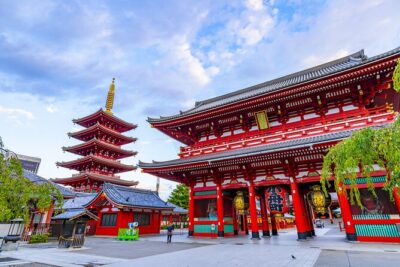
 ★ 5.0Tokyo/Yokohama: Mt. Fuji and Hakone Private Day TourFrom $39264 reviews
 ★ 5.0Shuttle Van Transfer, Yokohama(Port)⇒Tokyo, Narita, Haneda, TDRFrom $12263 reviews
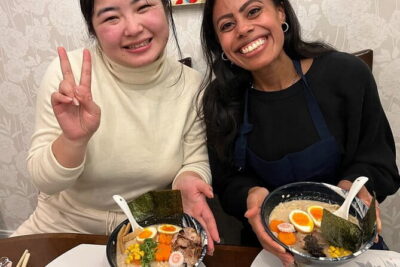 ★ 5.0Yokohama Ramen Adventure From a Local Noodle Factory to HomeFrom $16560 reviews
 ★ 4.5Private One-Way Transfers to/from Yokohama PortFrom $6750 reviews
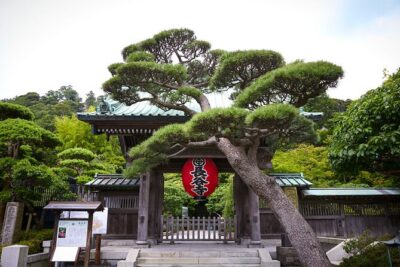 ★ 5.0Private Car Tour to see Highlights of Kamakura, Enoshima, Yokohama from TokyoFrom $1,18348 reviews
 ★ 5.0Yokohama 4hr Private Tour with Government-Licensed GuideFrom $10834 reviews
Browse the lists this tour appears in