
Reviewed · PRIVATE
Free Choice of Itineraries Tokyo Private Tour
Tokyo can be noisy. This tour lets you steer.
Choose your own route through highlights like Tsukiji Outer Market and Senso-ji, then adjust with views, gardens, or character cafés. It’s interesting because it’s private, practical, and built around the way Tokyo actually moves. You’ll ride public transport with a guide instead of cramming everything into a stressful taxi sprint.
I like that you get hotel lobby pickup and an English-speaking pro handling the route. I also like the freedom to pick exactly what you care about from a set menu of sights, including temples, skyline icons, and even owl and hedgehog cafés.
One caution: several of the most famous stops have admission fees not included, so your final cost depends on which of the paid options you choose.
In This Review
- Key points worth knowing before you pick your 4 stops
- How a free-choice private tour works in an 8-hour Tokyo day
- Picking 4 destinations: a smarter way to build your Tokyo route
- Tsukiji Outer Market: a breakfast-or-lunch start with real Tokyo energy
- Asakusa at Senso-ji: temple crowds, iconic structures, and perfect people-watching
- Tokyo Skytree: the skyline payoff, tea on deck, and possible Mt. Fuji
- Ueno Zoo: the ticket option that can save your day from feeling too “temple-only”
- Shibuya Crossing: the world’s most famous crosswalk, timed to your advantage
- Meiji Jingu: a “power spot” shrine break in the middle of the city
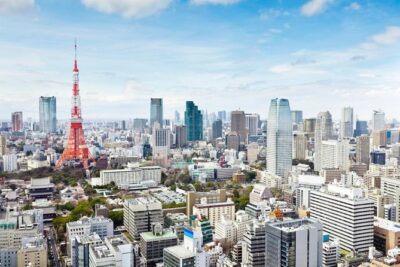
- Tokyo Tower: classic icon vibes and seasonal light colors
- Shinjuku Gyoen: garden time that actually changes the pace of Tokyo
- The Imperial Palace East Gardens: nature inside the city, plus a legendary bridge
- Owl Café, Hedgehog Café, and the Maid-café style experience: what you’re really buying
- Owl Café (Akiba Fukurou)
- Hedgehog Café (HARRY, Harajuku)
- Maid Café at-home café Akihabara Main
- Hamarikyu Garden: a seawater-moat garden that feels like Tokyo’s quiet cousin
- Your guide and how the day feels with one person steering
- Price and value: what $191.14 per person really buys you
- Who this private tour suits best (and who should skip it)
- Should you book the Free Choice of Itineraries Tokyo Private Tour?
- FAQ
- How long is the private tour?
- Is the tour private?
- How many destinations can I choose?
- Will I be picked up from my hotel?
- Is this tour on public transportation?
- Is the tour guided in English?
- Are admission fees included?
- Is food included?
- How does the company confirm which places I want to visit?
- Can I cancel for a full refund?
Key points worth knowing before you pick your 4 stops
- Choose four destinations from a clear menu, so you don’t waste time on things you don’t want to see
- Hotel lobby pickup plus an English-speaking guide means less hunting around train stations
- Public-transport routing keeps the day realistic for Tokyo and avoids traffic slowdowns
- Free entry options exist (like Tsukiji Outer Market, Senso-ji, Shibuya Crossing, Meiji Jingu) if you want to control costs
- Many stops run about an hour or two, so you can plan a balanced day without cramming
- Quirky cafés are real options, including owls, hedgehogs, and a maid-café style experience
How a free-choice private tour works in an 8-hour Tokyo day
The big idea here is simple: you get a private guide, but you don’t have to follow a fixed script. After booking, you’ll get an email asking you to reply with the specific destinations you want. That matters because it lets you shape the day around your interests—food, temples, skyline views, parks, or offbeat cafés—without bargaining with a group itinerary.
It also matters that the tour runs about 8 hours. In Tokyo, that’s enough time to feel like you saw the city, not just collected photos. But it’s still short enough that your choices affect everything: neighborhood order, walking, and how much time you want to linger at each stop.
This is a private tour using public transport. That’s usually a win in Tokyo, but you’ll want to go in with the mindset that you’re touring, not sprinting. Your guide is there to help you navigate transfers and keep the day smooth.
Readers also shortlisted these Tokyo bookings:
- Tokyo 6hr Private Tour with Government-Licensed Guide
★ 5.0 · 3,902 reviews - Private Tour to Mt. Fuji and Hakone (Fully Licenced Operator)
★ 5.0 · 1,910 reviews - Tokyo Customized Private Tour (Must See Places in 1 Day)
★ 5.0 · 1,499 reviews - Mount Fuji Full-Day Private Tour from Tokyo (Customizable)
★ 4.9 · 1,470 reviews
Picking 4 destinations: a smarter way to build your Tokyo route
Your list includes iconic classics and some very “only-in-Tokyo” experiences. The trick is choosing a mix that doesn’t fight geography.
A good day usually has:
- One food or market stop (for your first big hit)
- One temple/shrine stop (for calm and atmosphere)
- One skyline or “wow” viewpoint (for the main photo moment)
- One fun add-on (zoo, garden, cafés, or Imperial grounds)
If you want an easy layout, you can cluster by area. For example, you might pair central Asakusa/Skyline with Ueno/nearby stops, or build an Akihabara/Harajuku-themed day around the café options.
Also pay attention to which places are free vs paid. Several essentials are ticket-free on paper (Tsukiji Outer Market, Senso-ji, Shibuya Crossing, Meiji Jingu). Then you can sprinkle in paid sights like Tokyo Skytree or Ueno Zoo only when you truly want them.
Tsukiji Outer Market: a breakfast-or-lunch start with real Tokyo energy
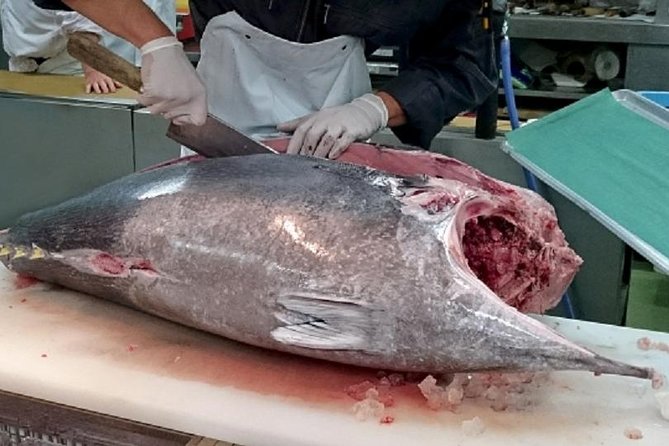
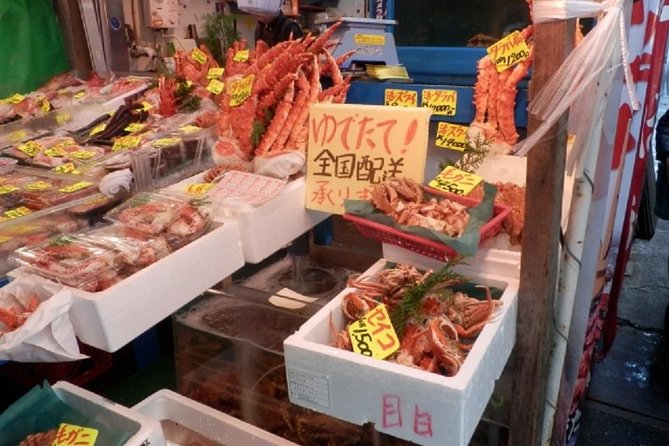
Tsukiji Outer Market is one of those places that hits instantly. You’re surrounded by traditional foods—wholesale and retail stalls plus restaurants—and it’s easy to find something to eat while you walk. The tour slot for this stop is about 1 hour, and the entry is free.
Why it works: starting your day here gives you momentum. You can get your bearings and your first taste of Japan right away—seafood, classic bites, and trends that have popped up around the market culture.
Practical tip: treat it as a taste-walk, not a shopping expedition. In one hour, you’ll do better picking a couple small things than trying to “sample everything.” Also, bring your appetite. This is the kind of stop where you’ll want to actually eat, because it’s the point.
Asakusa at Senso-ji: temple crowds, iconic structures, and perfect people-watching
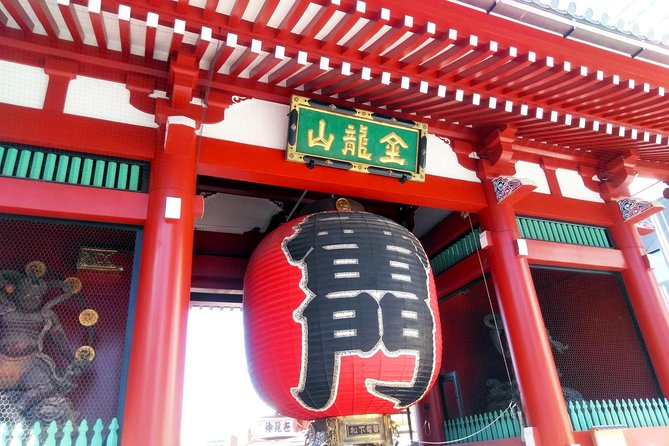
Senso-ji is Tokyo’s classic temple experience. You get about 1 hour here, and admission is free. The grounds include major historical features like the five-story pagoda and the Hōzō-mon Gate (Treasure-House Gate).
I like this stop because it’s not just architecture. It’s atmosphere: a steady flow of visitors, lots of photo angles, and that feeling of old Tokyo right in the middle of modern chaos.
One consideration: it can be busy. Plan to slow down for the details rather than trying to “finish” the place. If your group likes ritual and symbolism, you’ll naturally linger longer than the scheduled hour.
Tokyo Skytree: the skyline payoff, tea on deck, and possible Mt. Fuji
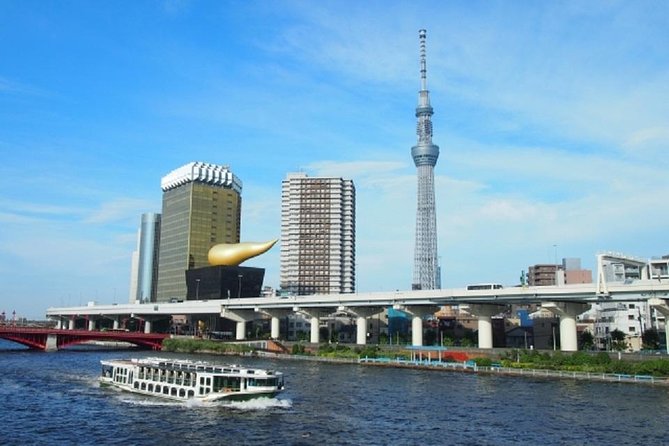
If you want the view moment, Tokyo Skytree is the heavy hitter. It’s listed as 634 m, with observation decks at 340 meters and 450 meters. The stop runs about 1 hour, but admission is not included.
What makes it feel special is the setup: there’s a café on the observation deck where you can enjoy scenery while drinking tea. On sunny days, you can even see Mt. Fuji.
Practical tip: check sky conditions when you’re close. If it’s clear, this is a great place to commit your time. If visibility looks thin, you might still enjoy it—just don’t count on Fuji.
- Tokyo: Shinjuku Food Tour (13 Dishes at 4 Local Eateries)★ 5.0 · 6,603 reviews
- Tokyo Mt Fuji 5th St & Hakone Cruise Bus Tour w/Bullet Train★ 4.4 · 5,024 reviews
- Flagship 2-Hours Official Street Go-Kart Tour – Tokyo Bay Shop★ 5.0 · 4,974 reviews
- From Tokyo: Mount Fuji Full-Day Sightseeing Trip★ 4.5 · 4,970 reviews
- Tokyo: Hop-On Hop-Off Sightseeing Bus Ticket★ 3.9 · 4,207 reviews
Ueno Zoo: the ticket option that can save your day from feeling too “temple-only”
Ueno Zoo is about a 2.5-hour block and admission is not included. It’s the first zoo in Japan, opened in 1882, and it’s known for around 400 species. There are major exhibits like the Giant Panda Building, plus animals including Sumatra tiger, Japanese wild birds, and even areas for sika deer and Japanese serow deer.
Why this can be worth paying for: it’s a break from walking-heavy sightseeing. If you’re traveling with kids, or you just want a calmer rhythm, the zoo can be a surprisingly good “reset.”
One consideration: if you don’t care about animals, you could trade this time for another free or easier stop. But if you do like wildlife, the zoo is a strong option because it’s big enough to feel like you didn’t waste time.
Shibuya Crossing: the world’s most famous crosswalk, timed to your advantage
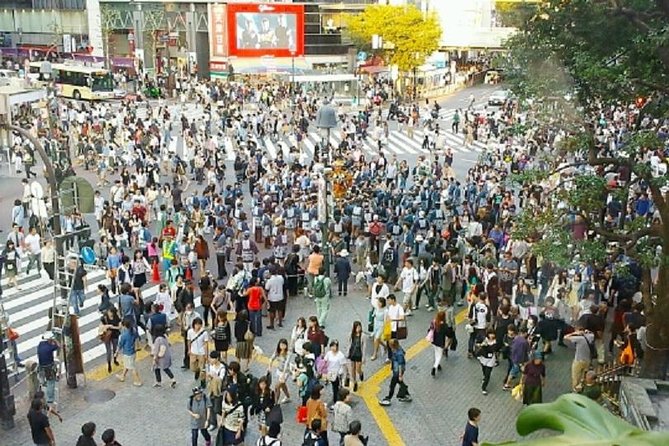
Shibuya Scramble Crossing is short—about 30 minutes—and admission is free. The stats are wild: roughly 500,000 people use the crossing daily, and around 3,000 cross during one green light cycle.
I like this stop because it’s quick and still feels unforgettable. You can stand back, watch the flow, and get your photos without spending half your day in a queue.
Practical tip: position matters. You’ll enjoy it more if you find a safe spot to observe patterns rather than trying to squeeze into moving foot traffic.
Meiji Jingu: a “power spot” shrine break in the middle of the city

Meiji Jingu is built in 1920 and enshrines Emperor Meiji and Empress. The tour gives you about 1 hour, and entry is free. The shrine is known as a power spot, and you’ll see worshippers all year long.
If you want atmosphere, this is the kind of stop that naturally slows people down. You can also stumble into interesting human details—like couples in wedding dress-style outfits—depending on the day.
One consideration: because it’s a popular shrine, you’ll want to expect crowds at key times. Still, it’s usually a more peaceful crowd than what you’ll see at some other central sights.
Tokyo Tower: classic icon vibes and seasonal light colors
Tokyo Tower is another skyline icon, listed at 333 m and built in 1958. The stop is about 1 hour, but admission isn’t included. There’s a view cafe and a Tower Jingu Shrine on site.
The lighting info is fun and helps you plan a “when to go” mindset. There are two styles: Landmark Light aims light toward the tower, and Diamond Veil sends light outward. The color shifts by season—white in summer, orange in winter.
Practical tip: if you love city lights and photos, you may prefer coming closer to evening. Your guide can help with timing on the day you choose, based on what’s available.
Shinjuku Gyoen: garden time that actually changes the pace of Tokyo
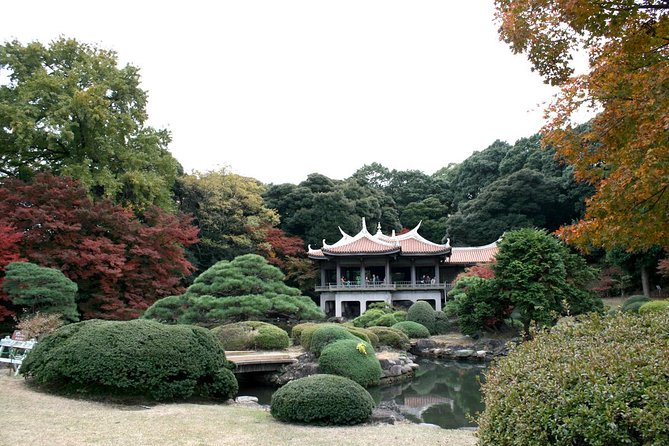
Shinjuku Gyoen is a solid choice if your day needs greenery. It’s about 1 hour, and admission is not included. The garden is tied to the Meiji period, built as an imperial garden in 1906, and it blends different styles—well-formed garden, landscaped garden, and Japanese garden.
The grounds are surrounded by over 10,000 trees, so the seasonal look can be part of the value. There are also historic buildings inside the garden area that help you connect it to imperial-era Tokyo.
One consideration: if your trip timing is in a season where gardens look less dramatic, you might treat this as a calm walking break rather than a must-see for flowers.
The Imperial Palace East Gardens: nature inside the city, plus a legendary bridge
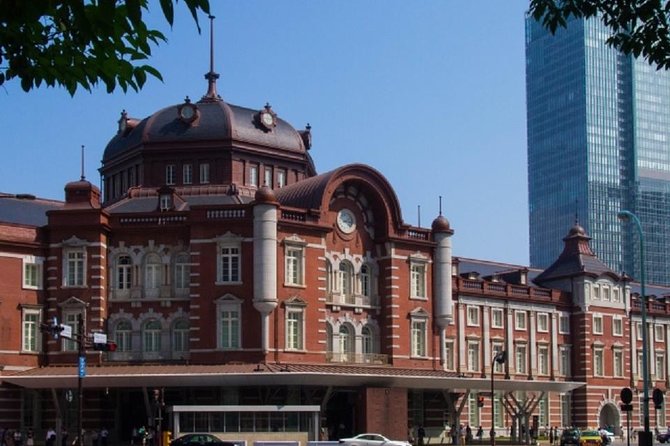
The East Gardens of the Imperial Palace (and Edo Castle ruins context) is listed at about 1 hour, with admission not included. This area sits in Chiyoda Ward and includes places tied to the Emperor and Empress, the palace, and the Imperial Household Agency office.
A key detail: during the Tokugawa period, the site was used as Edo Castle, and Nijyūbashi Bridge is highlighted as one of the best attractions. Even though skyscrapers rise around it, the palace grounds are described as having a lot of nature.
Practical tip: this is where you can get “Tokyo quiet” after crowded areas. If you’re a photo person, focus on angles that show the contrast: city high-rises outside, calm inside.
Owl Café, Hedgehog Café, and the Maid-café style experience: what you’re really buying
These stops are where the tour becomes truly playful. They’re also where you should set expectations properly, because these experiences are more about interaction and vibe than about long sightseeing.
Owl Café (Akiba Fukurou)
This is about 1 hour and admission isn’t included. You’ll interact with owls, and the café runs classical music with chandelier lighting described as having a healing theme. It’s a fun “tick one box” stop if you love animals and don’t mind an indoor activity.
Hedgehog Café (HARRY, Harajuku)
Also about 1 hour with no included admission. It’s drinks only, not lunch or dinner. Expect hedgehogs that want to play and some that sleep on your hands. This one is usually a winner for animal lovers who want gentle, hands-on interaction.
Maid Café at-home café Akihabara Main
This stop is about 1 hour with admission not included. It’s built around the performers: playing, singing, and dancing. There’s also food styling with ketchup and chocolate drawn onto items like an omelet and cafe latte.
My practical advice: pick only one of these café experiences in a day. If you do more, you can end up “interaction-café’d out” and miss the fun of each.
Hamarikyu Garden: a seawater-moat garden that feels like Tokyo’s quiet cousin
Hamarikyu Garden is one of the most interesting contrasts on your menu. It’s listed at about 1 hour and admission isn’t included. The garden was opened to the public on April 1, 1946, and it covers 250,165 m² around Shioiri Pond.
Here’s the detail that makes it stand out: the garden is surrounded by a seawater moat filled by Tokyo Bay. It also sits on the site of a Tokugawa shōgun villa from the 17th century.
Why it’s valuable in a private day: it gives your feet a break and your brain a new scene. You get garden walking plus this strong sense of “this place has layers.”
Your guide and how the day feels with one person steering
This is a private tour, and that changes everything. When you have your own guide, you don’t just get directions—you get decisions handled for you: where to stand, how to pace the day, and how to keep the schedule from turning into a checklist.
One guide named Yoki has been highlighted for showing highlights effectively, including stops tied to Imperial Palace, Tokyo Skytree, and Outer Market. The same guidance style can work especially well if you want a day that moves and still feels organized.
One possible drawback: if your priority is deep Japanese history commentary, you might want to ask more direct questions. The guide’s strengths seem to focus more on presenting major highlights than going heavy on historical lecture style.
Price and value: what $191.14 per person really buys you
At $191.14 per person for about 8 hours, the best value here is the combination of:
- English-speaking professional guide
- Private tour
- Hotel lobby meeting
- Public transportation to/from (for the guide)
- You only travel with your group
What isn’t included is equally important. Food and drinks are on you, and admission fees aren’t included for many of the headliner sights like Tokyo Skytree, Ueno Zoo, Tokyo Tower, Shinjuku Gyoen, the cafés, Hamarikyu Garden, and the Imperial Palace East Gardens.
So the true cost depends on your chosen mix. If you build a day around the free entry options—Tsukiji Outer Market, Senso-ji Temple, Shibuya Crossing, Meiji Jingu—you can keep the add-on costs lower. If you choose Skytree plus Ueno Zoo plus a garden or palace, expect to pay more.
One more money-saving thought: since you can choose only four destinations, you’re less likely to “accidentally” pay for extra attractions you’d skip on a self-guided day.
Who this private tour suits best (and who should skip it)
This tour is a good fit if:
- You want control: pick your own four stops
- You prefer comfort over chaos (hotel pickup and an English guide)
- You like a mix: classic Tokyo sights plus at least one fun detour
- You’re traveling with people who have different interests, and you want one route that can satisfy everyone
It’s less ideal if:
- You’re only interested in a single theme, like deep temple history or only museums
- You’re trying to avoid any admission fees at all
- You dislike using public transport even with a guide
Should you book the Free Choice of Itineraries Tokyo Private Tour?
If you want a Tokyo day that feels efficient without feeling rushed, I’d book it. The private format plus hotel pickup means you lose less time figuring things out, and the four-destination choice helps you focus on what you’ll actually enjoy.
But make your booking decision with one thought: admissions. This tour looks cheaper on paper when you pick the free stops, and it becomes a bigger-value spend when you choose only the paid attractions you genuinely care about—Skytree for the view, Ueno Zoo for a break, and a garden or Imperial grounds for calm.
If you’re planning ahead, it’s also smart to book early. On average, this gets booked about 81 days before travel, so prime dates can disappear.
FAQ
How long is the private tour?
It’s listed as approximately 8 hours.
Is the tour private?
Yes. It’s a private tour/activity, meaning only your group participates.
How many destinations can I choose?
You can choose 4 destinations from the provided list.
Will I be picked up from my hotel?
Yes. Meeting in the hotel lobby is included, and the tour offers hotel pickup.
Is this tour on public transportation?
Yes. It’s a private tour using public transport.
Is the tour guided in English?
Yes. The tour includes an English-speaking professional guide.
Are admission fees included?
Not always. Admission is free for some stops (Tsukiji Outer Market, Senso-ji Temple, Shibuya Scramble Crossing, Meiji Jingu Shrine), but admission for several others (like Tokyo Skytree, Ueno Zoo, Tokyo Tower, Shinjuku Gyoen, owl/hedgehog/maid cafés, Hamarikyu Garden, and the Imperial Palace East Gardens) is not included.
Is food included?
No. Food and drinks are not included.
How does the company confirm which places I want to visit?
After booking, you’ll receive an email and you should reply with the tourist sites (destinations) you want to visit.
Can I cancel for a full refund?
Yes. You can cancel up to 24 hours in advance for a full refund.
More Private in Tokyo
- Tokyo 6hr Private Tour with Government-Licensed Guide
★ 5.0 · 3,902 reviews - Private Tour to Mt. Fuji and Hakone (Fully Licenced Operator)
★ 5.0 · 1,910 reviews - Tokyo Customized Private Tour (Must See Places in 1 Day)
★ 5.0 · 1,499 reviews - Mount Fuji Full-Day Private Tour from Tokyo (Customizable)
★ 4.9 · 1,470 reviews - Tokyo: Private City Highlights Tour with Local Guide
★ 4.8 · 1,433 reviews
More Tours in Tokyo
- Mt Fuji and Hakone 1-Day Bus Tour Return by Bullet Train
★ 5.0 · 26,383 reviews - 1-Day Tokyo Bus Tour
★ 5.0 · 14,250 reviews - Tokyo: Shinjuku Food Tour (13 Dishes at 4 Local Eateries)
★ 5.0 · 6,603 reviews - Tokyo Mt Fuji 5th St & Hakone Cruise Bus Tour w/Bullet Train
★ 4.4 · 5,024 reviews - Flagship 2-Hours Official Street Go-Kart Tour – Tokyo Bay Shop
★ 5.0 · 4,974 reviews
More Tour Reviews in Tokyo
- Mt Fuji and Hakone 1-Day Bus Tour Return by Bullet Train
★ 5.0 · 26,383 reviews - 1-Day Tokyo Bus Tour
★ 5.0 · 14,250 reviews - Tokyo: teamLab Planets TOKYO Digital Art Museum Entry Ticket
★ 4.6 · 9,779 reviews - Mt Fuji & Hakone Cruise, Drum Show Bullet Train 1 Day from Tokyo
★ 4.0 · 7,413 reviews - Tokyo: Shinjuku Food Tour (13 Dishes at 4 Local Eateries)
★ 5.0 · 6,603 reviews
Latest Tokyo reviews off our desk






Private, compared.
 ★ 5.0Tokyo 6hr Private Tour with Government-Licensed GuideFrom $1553,902 reviews
 ★ 5.0Private Tour to Mt. Fuji and Hakone (Fully Licenced Operator)From $4971,910 reviews
 ★ 5.0Tokyo Customized Private Tour (Must See Places in 1 Day)From $1451,499 reviews
 ★ 4.9Mount Fuji Full-Day Private Tour from Tokyo (Customizable)From $3931,470 reviews
 ★ 4.8Private City Highlights Tour with Local GuideFrom $1061,433 reviews
 ★ 5.0Private Custom Tour: Tokyo in a DayFrom $1591,432 reviews
 ★ 5.0Tokyo 4hr Private Tour with Government-Licensed GuideFrom $1091,394 reviews
 ★ 5.0Tokyo Customized Private Tour: See Top Attractions in 1 DayFrom $1451,351 reviews