
Reviewed · MOUNT FUJI TOURS
Hakone Private One Day Tour From Tokyo: Mt Fuji, Lake Ashi, Hakone National Park
Hakone’s volcanic steam hits fast. This private, party-only day trip uses an express train from Shinjuku and a friendly English-speaking guide so you spend less time figuring out transit and more time seeing the sights. You also get flexibility to shape the day around what you actually care about, not a fixed parade.
I especially like two things about this tour. First, it bundles the hardest part of Hakone—getting around—so you’re not juggling tickets for mountain trains, cable cars, and buses. Second, you’re set up for classic Hakone views, including a chance at Mt. Fuji-framed stops when the weather cooperates.
One thing to consider: this is a long day (about 8 to 10 hours) that depends on conditions. In peak seasons, traffic can slow road travel, and some viewpoint moments are tied to good weather, so you’ll want a patient mindset.
In This Review
- Key things to know before you go
- The value of a private Hakone day trip from Tokyo
- Shinjuku meet-up and how the day is paced
- Owakudani volcanic valley: sulfur air and ropeway drama
- Hakone Open-Air Museum: sculpture you can actually stroll
- Gora Park and the tea house setting
- Old Tokaido road walk: history with Lake Ashi views
- Lake Ashi shrine stops: Hakone Gongen and the dragon god
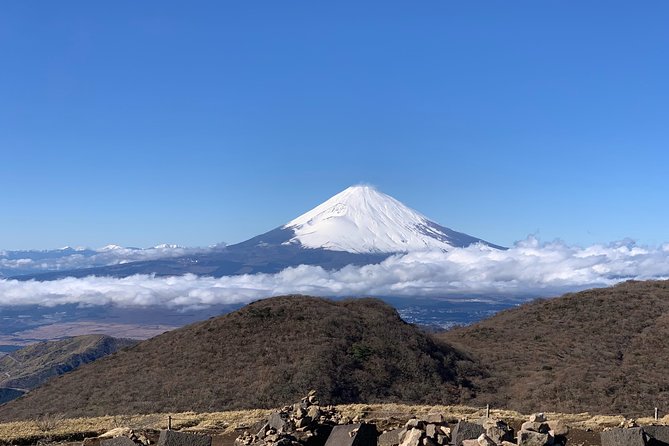
- Mt. Fuji viewpoint chances and why the weather clause matters
- Mount Hakone and the volcanic scale you can feel
- Lake Ashi cruise: when the water window opens
- Hakone Barrier Station and discount admission strategy
- Narukawa Art Museum: Nihonga-style paintings with city views
- Price and logistics: what $238.45 buys you (and what it doesn’t)
- Who this tour suits best
- Should you book this Hakone private one-day tour?
- FAQ
- What time does the tour start?
- Where is the meeting point in Tokyo?
- How long is the tour?
- Is this tour private?
- What’s included for transportation in Hakone?
- Are entrance fees included?
- Will I definitely see Mt. Fuji?
- What about meals and drinks?
- Is there an option to do onsen or additional ropeways?
- Is the tour refundable?
Key things to know before you go
- Private party-only setup: you’re not squeezed into a big bus day.
- Transportation included in Hakone: buses, mountain train, and cable cars are covered.
- Weather matters for best views: Mt. Fuji scenery and certain experiences are listed as in good weather.
- Owakudani + ropeway routing: the volcanic valley is a main event, with ropeway access planned.
- Art + gardens balance: open-air sculpture and Gora’s parks break up the day nicely.
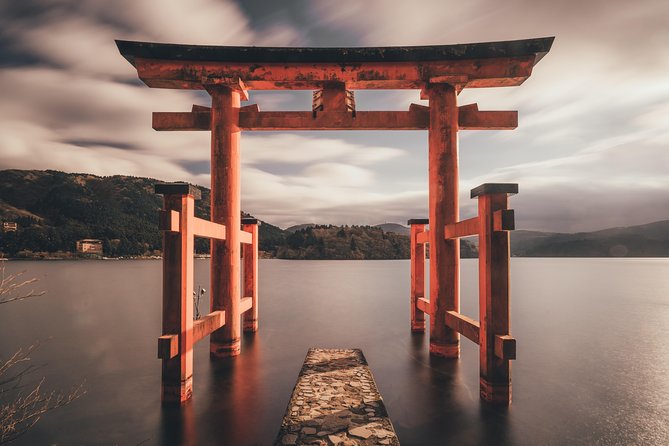
- Lake Ashi shrine stops: Hakone Gongen and a dragon-god shrine add spiritual flavor to the scenery.
The value of a private Hakone day trip from Tokyo
Hakone is one of those places that looks simple on a map, then turns into a puzzle when you’re holding train times, bus transfers, and ticket counters in your head. This tour takes that puzzle away. You meet in Shinjuku and head out by express train, then you’re handled inside Hakone with transportation and fares covered.
The “private” part matters. Not in a luxury-spa way—more like in a practical way. You can move at a pace that fits your group, ask questions without shouting over a crowd, and adjust what you spend time on. If your group is more shrine-and-view focused than museum focused, you’re not stuck.
At $238.45 per person, it’s not a cheap day. But you’re paying for time saved and logistics simplified: guide service, round-trip transit structure, and a package of included rides and admission. If you tried to DIY this on a tight schedule, you’d still be buying a lot of separate transport segments and tickets—plus you’d be spending mental energy (and time) sorting the route.
It also helps that the tour scores very high overall: a 4.9/5 rating with a 94% recommend rate (18 ratings). That usually means the basics work: timing, communication, and a guide who actually keeps things moving.
More Fuji day trips our readers rated highly
- Mt Fuji and Hakone 1-Day Bus Tour Return by Bullet Train
★ 5.0 · 26,383 reviews - Mt Fuji & Hakone Cruise, Drum Show Bullet Train 1 Day from Tokyo
★ 4.0 · 7,413 reviews - Tokyo Mt Fuji 5th St & Hakone Cruise Bus Tour w/Bullet Train
★ 4.4 · 5,024 reviews - From Tokyo: Mount Fuji Full-Day Sightseeing Trip
★ 4.5 · 4,970 reviews
Shinjuku meet-up and how the day is paced
This starts early. The meeting point is Shinjuku West Exit, Halc 1, 1-chōme 5-1, Nishishinjuku, with a 7:30 am start. The tour ends back at the meeting point, so you’re not stuck playing transit roulette when your feet are tired.
The day runs about 8 to 10 hours, which is long enough to feel like a full outing. Plan for a packed schedule and some walking, including a historic lakeside walk and time at several sites. The tour notes moderate physical fitness is needed, so bring comfortable shoes and expect some stairs and uneven ground (common in Hakone).
A small but important detail: you’ll need a passport on tour day for transportation verification. That’s easy to forget in Japan if you’re used to not carrying ID. Don’t become the person who slows the group down.
Also keep timing flexible around seasons. The tour specifically flags that autumn and other peak periods (Golden Week, Obon, New Year) can bring heavier traffic. If you travel then, the best strategy is to accept that “on paper” timing and “on road” timing can differ.
Owakudani volcanic valley: sulfur air and ropeway drama
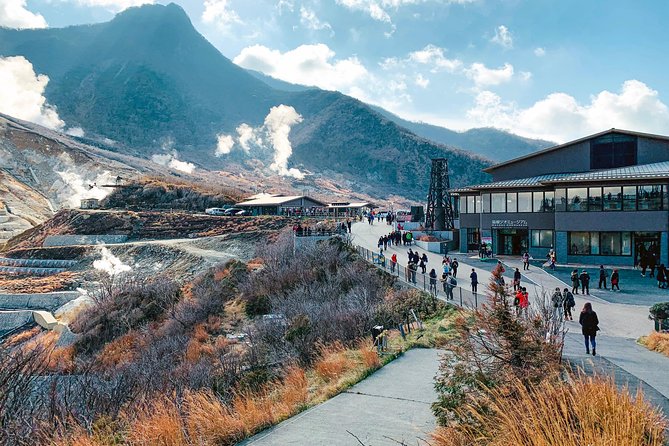
Owakudani is the kind of place that doesn’t need marketing. You walk into a volcanic valley with active sulfur vents and hot springs, created around 3,000 years ago after the Hakone volcano erupted. The atmosphere is part science lesson, part movie set, part smell test.
This is also where you get one of Hakone’s signature transport moments: the Hakone Ropeway (funitel line). The funitel line links Sōunzan and Tōgendai via Ōwakudani. It switched to funitel operation in 2002, which matters because it’s part of why the system is reliable and purpose-built for steep, windy terrain.
The tour notes the ropeway is included in good weather. That’s not just a technical fine print. If visibility is poor, you might miss the big panoramic payoff. Still, even on a cloudy day, the volcanic activity is the main attraction, and it’s still very real.
Practical tip: expect a strong sulfur odor outdoors. If your group is sensitive, keep some distance from vents and plan your photos in bursts.
Hakone Open-Air Museum: sculpture you can actually stroll
Next up is Hakone Open-Air Museum, Japan’s first open-air museum, opened in 1969 in the Hakone area. It’s known for mixing large-scale sculpture with landscaped outdoor space, so it feels less like a room full of rules and more like a slow walk with art stops.
The museum’s collection highlights include artists such as Picasso, Henry Moore, and Taro Oka. Even if you’re not a full-on art person, this is a smart pause in an otherwise transport-heavy day. Outdoor art pacing also helps you recharge so you don’t feel like you’re speed-walking from one platform to another.
Entrance fees are partially handled with discounts noted for the Open-Air Museum. There’s also an optional add-on for a more specific Picasso-related experience, listed as an extra cost. If you’re a fan, it can be worth the upgrade. If you’re not, you can still enjoy the core museum visit without turning it into a checklist.
One consideration: open-air museums mean weather affects comfort. If it’s wet, you’ll want a light layer and shoes that handle damp walkways.
Gora Park and the tea house setting
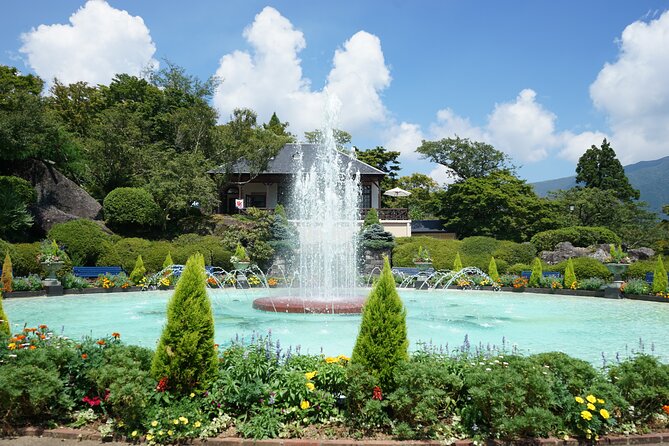
After the museum, the schedule shifts to something gentler: a Western-style hillside botanical garden with a tea house, greenhouses, and a central fountain. This is the kind of stop that helps Hakone feel like a resort town rather than just a transport corridor.
This tour includes Hakone Gora Park entrance fees, and it also offers a Japanese tea ceremony option inside the garden area for an extra fee. If your group wants a cultural moment, the tea ceremony can be a nice way to slow down and enjoy the environment rather than just moving on.
Even if you skip the ceremony, the layout makes it easy to take short breaks. Hakone’s walking rhythm can wear you out. Gora Park gives you a place to sit and watch the day happen around you.
If you’re traveling in autumn, it’s also a good time for garden views, since the region is especially busy then.
Other Hakone loops worth the fare
- Tokyo: Mt. Fuji Tour, Hakone Ropeway, Owakudani, Lake Ashi★ 4.7 · 4,002 reviews
- Private Tour to Mt. Fuji and Hakone (Fully Licenced Operator)★ 5.0 · 1,910 reviews
- Mt Fuji & Hakone Cruise, Drum Show Bus 1 Day from Tokyo★ 4.0 · 1,287 reviews
- From Tokyo: Mt. Fuji & Hakone Tour w/ Return by Bullet Train★ 4.2 · 1,278 reviews
- Mt Fuji and Hakone 1-Day Bus Tour Return by Bus★ 4.5 · 929 reviews
Old Tokaido road walk: history with Lake Ashi views
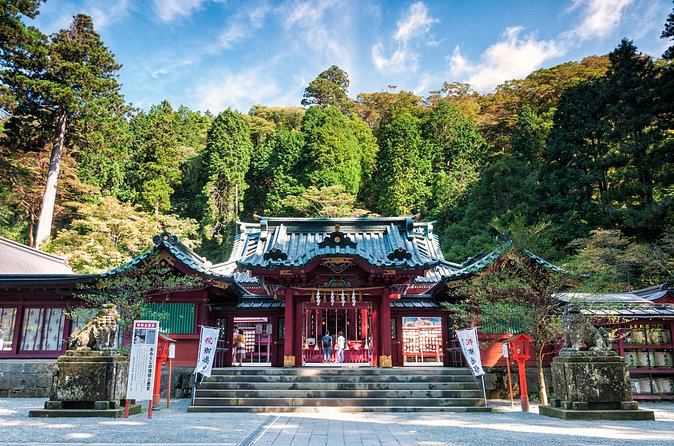
A highlight that people often underestimate: the included walk along the Old Tokaido road by Lake Ashi, listed as about a 30-minute walk. The Tokaido was one of Japan’s most important historical routes, and this lakeside section gives you a sense of how people moved between towns before cars and trains.
This walk is also a “legs reset” moment in the schedule. After ropeways and museum walking, a short historical route feels meaningful rather than just exercise.
The drawback is simple: it’s still walking. If your group is tired early, you may want to pace yourselves, stop for photos often, and treat it as a scenic stroll, not a hike.
Lake Ashi shrine stops: Hakone Gongen and the dragon god
Lake Ashi is where Hakone becomes postcard-famous. The tour includes shrine visits on the lakeshore, and that spiritual element is what makes the day feel balanced instead of purely sightseeing.
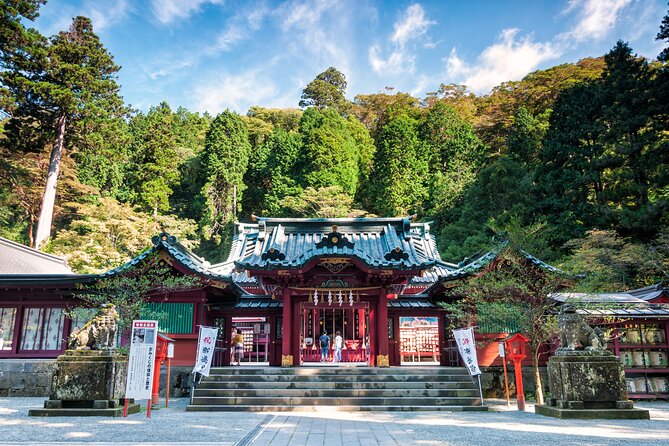
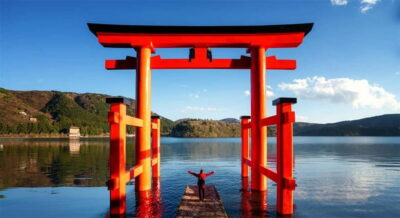
First is the Hakone Shrine, a Shinto shrine on the shores of Lake Ashi, also known as Hakone Gongen. This stop works for two reasons. You get a classic view over the water, and the shrine setting gives context for why people come here beyond “the scenery is good.”
Later, the itinerary includes another Shinto shrine on the east bank of Lake Ashi, dedicated to a dragon god believed to provide luck with money and business prosperity. Even if you don’t study Shinto in depth, you’ll feel the practical intention behind the place—good fortune, protection, and everyday hopes.
If your group enjoys small, focused stops, these shrines fit well. If you only want big-ticket attractions, you might treat them as a quick pause, but they’re worth it because the lake views change the mood.
Mt. Fuji viewpoint chances and why the weather clause matters
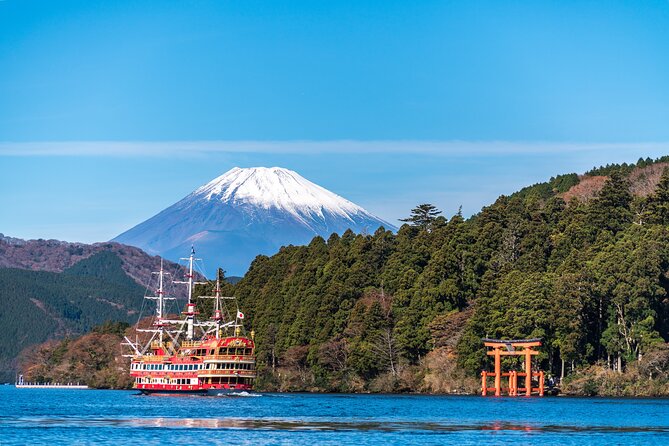
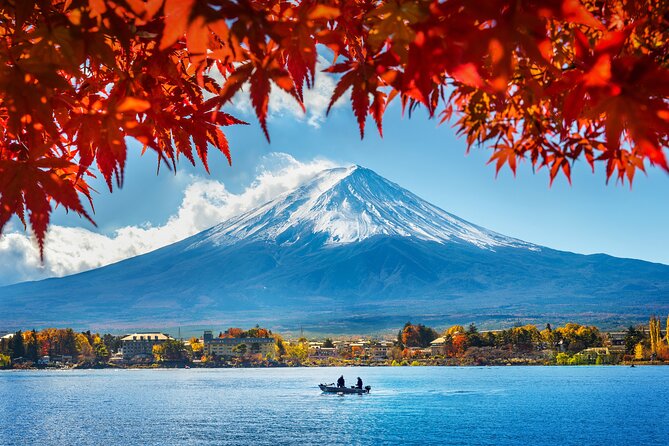
Hakone is famous for Mt. Fuji views, but those views are a handshake deal with the sky. This tour explicitly notes in good weather conditions for major moments, including Mt. Fuji views tied to ropeway and the Lake Ashi cruise.
That doesn’t mean you won’t see Fuji at all. It means you’re realistic: clouds can block it even when everything else is perfect. So your best mindset is to treat Fuji as the bonus, not the requirement.
The tour duration also gives you enough time that even if one section is hazy, you’re not done. You still get multiple viewpoints and scenic lake time.
Mount Hakone and the volcanic scale you can feel
You’ll also see Mount Hakone, described as a complex volcano in Kanagawa Prefecture with two overlapping calderas, the largest about 10 × 11 km. That kind of detail can sound abstract until you connect it to the volcanic valley atmosphere at Owakudani.
What I like about this part of the day is that it turns scenery into explanation. You’re not just passing by. You’re given a reason the terrain looks the way it does—volcanic history shaping valleys, ridgelines, and the wider Hakone basin.
This also ties into the included transportation. Hakone’s network of trains and cable cars exists because the geography is steep and broken up. The included mountain train and cable cars coverage means you experience that mountain-focused design without paying for each segment separately.
Lake Ashi cruise: when the water window opens
You’re set for a Lake Ashi cruise as part of the plan, again noted as in good weather with Mt. Fuji views. A cruise on Lake Ashi has a simple advantage: it changes your angle. You stop thinking in routes and start thinking in panoramas.
The itinerary’s shrine stops already point you toward the water, but the cruise is where it becomes a real “Hakone moment.” It’s also a good break in a day that otherwise involves repeated moving and walking.
If weather is tricky, you may still enjoy the water setting, but the Fuji payoff could be limited. Pack accordingly and don’t anchor your happiness on one visibility-dependent scene.
Hakone Barrier Station and discount admission strategy
The tour includes discount entrance fees for a few key stops, including Hakone Barrier Station (often associated with historical checkpoint routes). If you care about the story of how people traveled and were monitored in earlier eras, this is a solid add-on type of stop.
Even if you’re not the checkpoint-history type, these places help Hakone feel like more than just a scenic circuit. They give the day texture.
Narukawa Art Museum: Nihonga-style paintings with city views
Another stop that balances the day is Narukawa Art Museum, opened in 1988. It features Nihonga-style paintings, plus city views, a cafe, and gardens. That combination matters because it’s a place where you can slow down without feeling like you’re stuck.
The museum is included with a discount entrance fee, and there’s an optional extra relating to viewing Mt. Fuji and Japanese paintings for an additional cost. If you already love Japanese-style painting or you want a quiet indoor escape from weather, this can be a high-value pause.
Practical note: museums are easier when you’re not rushing. This tour gives you enough structure to sit and reset before the last stretch.
Price and logistics: what $238.45 buys you (and what it doesn’t)
Let’s talk value without fantasy math. At $238.45 per person, you’re paying for:
- English-speaking guide service
- Transportation option within Hakone (public transportation or a private car, chosen at checkout)
- All transportation fees within Hakone plus Hakone bus fares, mountain train, and cable cars
- Entrance fees included for Hakone Gora Park and the Old Tokaido road walking segment
- Discounts for additional sights like Hakone Open-Air Museum, Narukawa Art Museum, and Hakone Barrier Station
- A plan that includes ropeway and cruise chances in good weather
What you don’t get:
- Meals, snacks, and drinks
- Optional upgrades like the Mt. Komagatake Ropeway (listed at 1,300 JPY), tea ceremony (500 JPY), and several museum or cruise add-ons
- Any extra hot spring experience (like the Hakone Yumoto baths), unless you pay for it
So the decision is simple. If you want a day where transit is handled and tickets aren’t a project, this price starts to make sense. If you’re trying to eat cheaply and do only the most essential sights, you’ll still pay, but you can control optional costs by skipping extras.
One more reality check: this experience is non-refundable and can’t be changed. That matters if your Fuji-view odds depend heavily on a single forecast window. Still, you can’t fix Japanese weather by hoping.
Who this tour suits best
This tour fits best if you want:
- A private day without your group splitting up to manage tickets
- A guide who explains what you’re seeing, not just a driver who drops you off
- The classic Hakone mix: Owakudani, Lake Ashi, ropeway/cable car time, and shrine stops
It may be less ideal if:
- You hate long days and early mornings
- Your group needs frequent meal breaks at fixed times
- You’re traveling during a peak traffic season and you dislike waiting (the tour flags road delays)
Fitness-wise, it calls for moderate physical fitness, which usually means you can handle walking and stairs, just don’t expect a stroller-friendly schedule.
And one fun note: the name Izumi Aizawa shows up as a guide in past tour experiences tied to this itinerary. If you’re matched with a guide who keeps things moving and explains the history clearly, the day tends to feel smoother.
Should you book this Hakone private one-day tour?
Yes, if your goal is a classic Hakone day with as little hassle as possible. The big win is the package of included transportation in Hakone and the fact that you’re traveling as a private party with an English-speaking guide and an adaptable plan.
I’d hold off only if you’re trying to travel super budget-tight, hate weather-dependent views, or aren’t comfortable with a long, active schedule. Hakone is rewarding, but it’s still a full day.
If you book, do this: plan your day around comfort and flexibility. Wear shoes you can walk in for hours, bring a layer for changing mountain air, and treat Mt. Fuji views as the bonus. Then the volcanic valley, the lake atmosphere, the art breaks, and the shrine moments all land the way they should.
FAQ
What time does the tour start?
The tour starts at 7:30 am from the Shinjuku West Exit meeting point.
Where is the meeting point in Tokyo?
You meet at Shinjuku West Exit Halc 1-chōme-5-1 Nishishinjuku, Shinjuku City, Tokyo.
How long is the tour?
The duration is about 8 to 10 hours.
Is this tour private?
Yes. It’s a private tour exclusively for your party.
What’s included for transportation in Hakone?
The tour includes Hakone bus fares plus mountain train and cable cars, with a transportation option inside Hakone chosen at checkout (public transportation or private car).
Are entrance fees included?
Yes for Hakone Gora Park and the Old Tokaido road walking along Lake Ashi (about a 30-minute walk). The tour also provides discount entrance fees for places like Hakone Open Air Museum and Narukawa Art Museum.
Will I definitely see Mt. Fuji?
The tour lists Mt. Fuji views as in good weather for certain parts of the day, including the ropeway and the Lake Ashi cruise.
What about meals and drinks?
Meals, snacks, and drinks are not included.
Is there an option to do onsen or additional ropeways?
Yes, there are optional activities like Mt. Komagatake Ropeway and Hakone Yumoto hot bath, but they are extra costs paid on the day.
Is the tour refundable?
No. This experience is non-refundable and cannot be changed for any reason.
More Tour Reviews in Tokyo
- Mt Fuji and Hakone 1-Day Bus Tour Return by Bullet Train
★ 5.0 · 26,383 reviews - 1-Day Tokyo Bus Tour
★ 5.0 · 14,250 reviews - Tokyo: teamLab Planets TOKYO Digital Art Museum Entry Ticket
★ 4.6 · 9,779 reviews - Mt Fuji & Hakone Cruise, Drum Show Bullet Train 1 Day from Tokyo
★ 4.0 · 7,413 reviews - Tokyo: Shinjuku Food Tour (13 Dishes at 4 Local Eateries)
★ 5.0 · 6,603 reviews
Hakone, A Few More Ways
- Mt Fuji and Hakone 1-Day Bus Tour Return by Bullet Train
★ 5.0 · 26,383 reviews - Mt Fuji & Hakone Cruise, Drum Show Bullet Train 1 Day from Tokyo
★ 4.0 · 7,413 reviews - Tokyo Mt Fuji 5th St & Hakone Cruise Bus Tour w/Bullet Train
★ 4.4 · 5,024 reviews - Tokyo: Mt. Fuji Tour, Hakone Ropeway, Owakudani, Lake Ashi
★ 4.7 · 4,002 reviews - Private Tour to Mt. Fuji and Hakone (Fully Licenced Operator)
★ 5.0 · 1,910 reviews
More Mount Fuji Days We Have Reviewed
- Mt Fuji and Hakone 1-Day Bus Tour Return by Bullet Train
★ 5.0 · 26,383 reviews - Mt Fuji & Hakone Cruise, Drum Show Bullet Train 1 Day from Tokyo
★ 4.0 · 7,413 reviews - Tokyo Mt Fuji 5th St & Hakone Cruise Bus Tour w/Bullet Train
★ 4.4 · 5,024 reviews - From Tokyo: Mount Fuji Full-Day Sightseeing Trip
★ 4.5 · 4,970 reviews - Tokyo: Mt. Fuji Tour, Hakone Ropeway, Owakudani, Lake Ashi
★ 4.7 · 4,002 reviews
Latest Tokyo reviews off our desk






Mount Fuji Tours, compared.
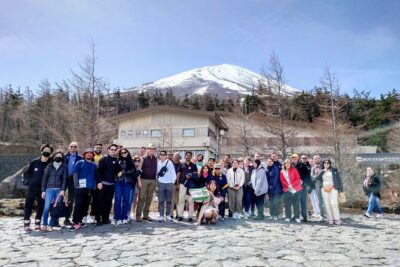 ★ 5.0Mt Fuji and Hakone 1-Day Bus Tour Return by Bullet TrainFrom $16326,383 reviews
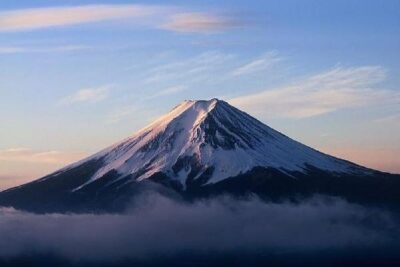 ★ 4.0Mt Fuji & Hakone Cruise, Drum Show Bullet Train 1 Day from TokyoFrom $1497,413 reviews
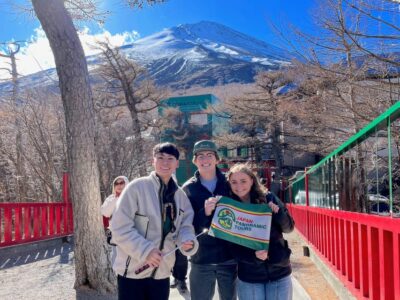 ★ 4.4Tokyo Mt Fuji 5th St & Hakone Cruise Bus Tour w/Bullet TrainFrom $1545,024 reviews
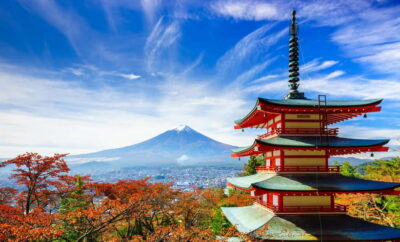 ★ 4.5From Tokyo: Mount Fuji Full-Day Sightseeing TripFrom $684,970 reviews
 ★ 4.7Mt. Fuji Tour, Hakone Ropeway, Owakudani, Lake AshiFrom $544,002 reviews
 ★ 4.4Mt.Fuji,Kawaguchiko Oishi Park,Arakurayama Sengen ParkFrom $542,682 reviews
 ★ 4.2Mt. Fuji 5th Station & Hakone Cruise 1-Day Bus TourFrom $1292,381 reviews
 ★ 4.7Mt Fuji Top 5 Spots Day Tour: Arakurayama Park,Oshino HakkaiFrom $532,066 reviews
Browse the lists this tour appears in