
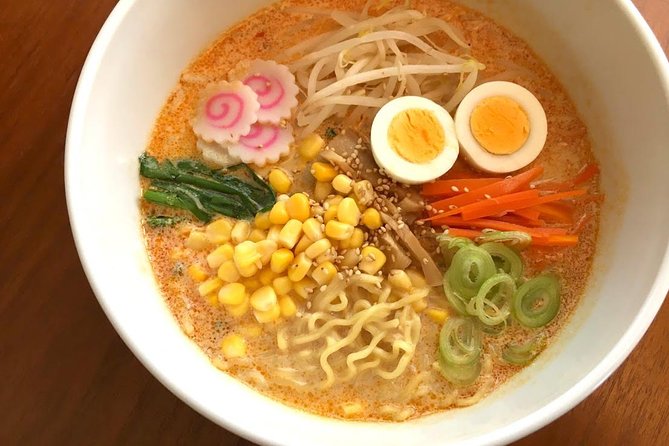
Reviewed · SHINJUKU FOOD & BAR TOURS
Hands-on Japanese Cooking in a Shinjuku Home Kitchen with Satoru
Cooking in Tokyo felt personal fast. You start at Shinjuku Station, walk to Satoru’s cozy apartment kitchen, and cook Japanese comfort food from scratch with his guidance, then sit down right afterward for the meal you helped make. I really liked the hands-on pace (you’re actively cooking, not just watching) and the conversation at the table, where you can ask why ingredients work the way they do and get real stories along the way.
One thing to consider: the menu depends on the day, so if you care about specific dishes or ingredients, you need to plan ahead. The class is still fun without micromanaging, but you’ll want to check the menu in advance and share any restrictions far enough ahead so the right dishes get cooked.
In This Review
- Key highlights at a glance
- Why Satoru’s Shinjuku home kitchen beats a restaurant workshop
- From JR Shinjuku Station to a cozy apartment kitchen
- What you’ll cook: teishoku sets vs. popular favorites by weekday
- Saturday through Tuesday: teishoku basics
- Wednesday through Friday: pick-your-favorite style menus
- A practical warning: the menu isn’t flexible at the last minute
- The meal: private dining, 1–2 glasses of local alcohol, and real ingredient talk
- The utensil and ingredient gift: why this souvenir actually counts
- Price and value: what $130 really buys you in Tokyo
- Who this fits best (and who might want a different plan)
- Practical tips before you go: choose your day wisely and ask good questions
- Pick your day based on what you want to cook
- Communicate restrictions early
- Come hungry, but don’t arrive stressed
- Use the ingredient questions to learn faster
- Should you book this Shinjuku home cooking class?
- FAQ
- FAQ
- How long is the cooking class?
- Where do we meet Satoru?
- Is this a private experience?
- What dishes will I cook?
- Do I need to choose a menu in advance?
- Can the menu be changed for dietary restrictions?
- What’s included besides the cooking?
- What do I get as a gift?
- Is the booking confirmed quickly?
Key highlights at a glance
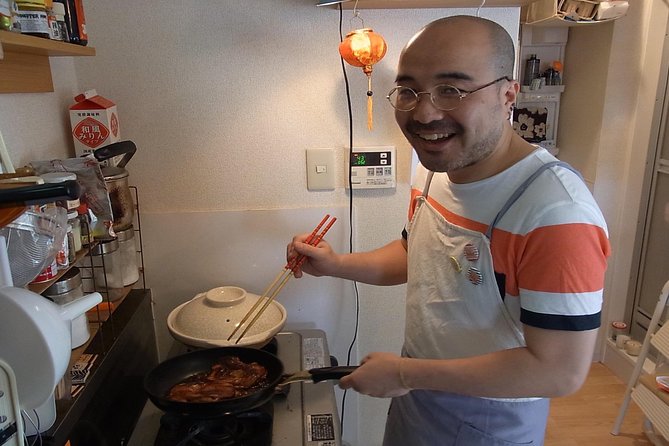
- A true home-kitchen experience in the middle of Shinjuku instead of a demo studio
- Cook 2 to 5 homestyle dishes from scratch, then eat them privately together
- A meal with local alcohol (1–2 glasses) and a relaxed chat with Satoru
- A small gift of a Japanese utensil and ingredient you can keep using after you get home
- Day-by-day menus (teishoku on Sat–Tue, popular favorites on Wed–Fri)
Why Satoru’s Shinjuku home kitchen beats a restaurant workshop
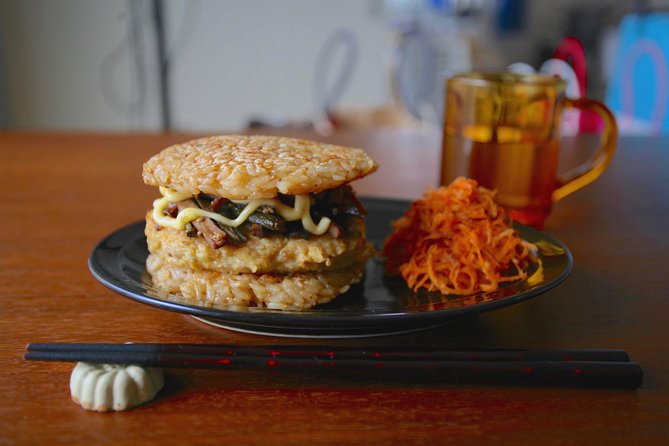
Tokyo has cooking classes everywhere, but most are either too big, too scripted, or stuck in a commercial kitchen. This one puts you in a real neighborhood apartment in Shinjuku with Satoru, which changes the whole feel. You’re not just learning recipes. You’re stepping into how Japanese home cooking actually happens: measured, practical, and built around the flavors of everyday ingredients.
What makes the experience click is the combination of skills and context. You’ll cook homestyle dishes from scratch, then you’ll eat them right away with a drink. That timing matters. When food is made in front of you, you understand what the cook is aiming for—texture, color, and balance—so the meal becomes part of the lesson instead of an afterthought.
And Satoru’s style seems designed for real life, not performance. The setup is small and calm, and he’s described as patient, welcoming, and good at explaining ingredients in a way that even teenagers can follow. If you’re traveling with family, that matters.
More Shinjuku plates and pours our readers rated
- Tokyo: Shinjuku Food Tour (13 Dishes at 4 Local Eateries)
★ 5.0 · 6,603 reviews - Tokyo Bar Hopping Tour in Shinjuku (All-You-Can-Drink + Dinner)
★ 5.0 · 3,587 reviews - Tokyo: Shinjuku Food Tour (15 Dishes and 4 Eateries)
★ 4.9 · 2,033 reviews - Best of Shinjuku: Izakaya Food Tour (4 Stops, 14+ Tastings)
★ 5.0 · 1,863 reviews
From JR Shinjuku Station to a cozy apartment kitchen
The experience starts at JR Shinjuku Station (meeting point is listed at 3-chōme-38-1 Shinjuku). You meet Satoru there, then you walk together to his apartment. That short “getting from public Tokyo to home Tokyo” transition is surprisingly useful. It helps you get your bearings fast and makes the class feel grounded, not like you’re being dropped into a random location.
Once you arrive, the kitchen is the main event. You’re using a small but efficient home kitchen setup, so the pace is intimate. There’s time to ask questions while you cook, and Satoru can explain ingredients like dashi and how sweetness shows up in things like honey. You’re not stuck waiting for a lecture at the end.
The whole activity is about 2 hours 30 minutes. Expect the cooking portion to take about 1.5 hours, then you’ll sit down for the meal. That means you get a full food experience without the long, draggy timeline that can happen with some longer tours.
What you’ll cook: teishoku sets vs. popular favorites by weekday
This class is hands-on, but the exact dishes depend on the day. That’s a big deal, because the menu shapes what skills you’ll practice.
Saturday through Tuesday: teishoku basics
On Sat, Sun, Mon, and Tue, you can expect teishoku, which is a Japanese set meal format. It typically includes:
- miso soup
- rice
- 2 side dishes
This is a smart choice if you want variety and fundamentals. Teishoku meals are a great way to learn how Japanese home cooking builds balance—savory soup, plain rice, and side dishes that round out flavor and texture. It’s also friendly for first-timers because you get multiple components without needing to master one extremely complicated dish.
Wednesday through Friday: pick-your-favorite style menus
On Wed, Thu, and Fri, the menu shifts to more popular Japanese foods. Options listed include:
- okonomiyaki (Japanese pancake)
- karaage (fried chicken)
- yakisoba (pan-fried noodles)
- katsu curry rice
- ramen
- gyoza
This is the week where the cooking can feel more exciting and a bit more energetic. Fried and pan-fried dishes usually move fast, and they reward attention to detail. You’ll also get to see how Japanese comfort-food flavors are constructed—umami first, then texture, then finish with the right sauce or seasoning.
Readers also shortlisted these Tokyo bookings:
- Ramen & Gyoza Cooking Class in Tokyo with Local Supermarket Visit★ 5.0 · 823 reviews
- Tokyo: Easy Ramen Cooking Experience in Kabukicho, Shinjuku★ 4.6 · 321 reviews
- Ramen and Sushi Cooking Class with Sake Pairing Set in Tokyo★ 5.0 · 291 reviews
- Tokyo: Wagyu and 7 Japanese Dishes Cooking Class★ 4.9 · 273 reviews
- Tokyo Washoku 4-hour Cooking Class: From Market to Table★ 5.0 · 253 reviews
A practical warning: the menu isn’t flexible at the last minute
The instruction is clear: check the menu in advance, because specific days have specific menus. If you don’t share a preference, the menu of the day will be cooked. If you want changes or you have restrictions, you need to inform the host one week in advance. Do that and you’ll get a better fit to your tastes and needs.
If you’re vegetarian, there is a vegetarian option, but you have to advise at booking (and through the special requirements field). Plan early so Satoru can set up the right ingredients.
The meal: private dining, 1–2 glasses of local alcohol, and real ingredient talk
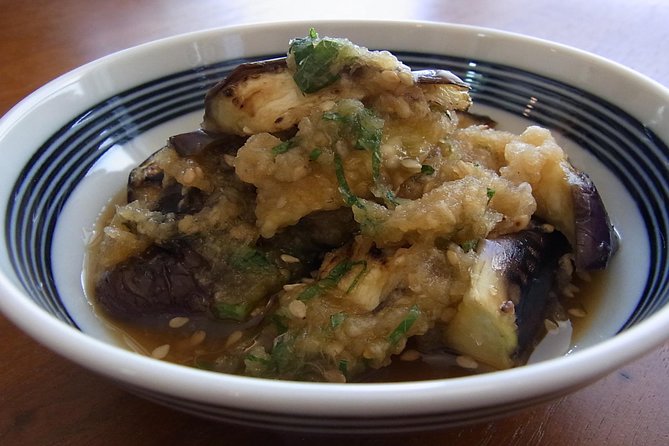
After cooking, you sit down together and eat the meal you prepared. This is one of the biggest reasons I think this class is worth it. The meal isn’t just included—it’s built into the teaching.
You’ll also get local alcohol (1–2 glasses). That doesn’t mean it turns into a party. It’s more like an easy companion to the flavors, the conversation, and the relaxed home-dining rhythm.
The conversation part is what makes it feel like culture, not just cooking. Satoru will explain ingredients and share why certain choices work. You can ask questions about what goes into dishes—from dashi (the flavor foundation) to sweeter elements like organic honey—and he’ll connect those ingredients to the dish’s goals. That kind of explanation is the difference between following a recipe and actually understanding how the taste is built.
Also, because it’s private, the talk stays relevant to your group. If you’re curious about specific techniques or flavor profiles, you can steer the conversation without feeling like you’re interrupting a schedule designed for strangers.
The utensil and ingredient gift: why this souvenir actually counts
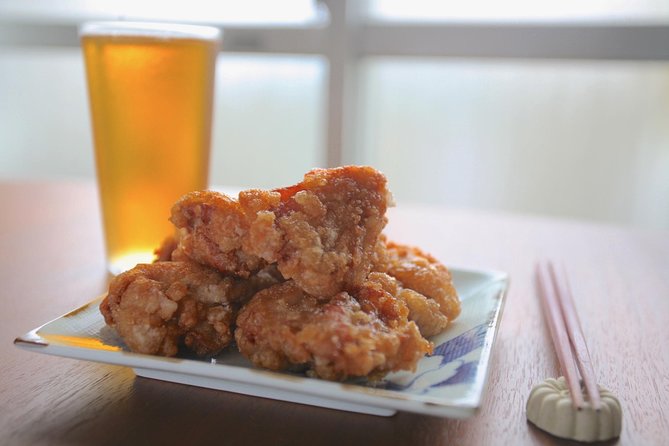
Most food tours give you a photo. This one also gives you something practical: a Japanese utensil and ingredient gift.
That matters more than you might think. Cooking class souvenirs tend to be decorative. A usable utensil helps you keep practicing after you get home, and the ingredient can help you recreate at least part of the flavor you learned. Even if you don’t cook the full dish again, you can bring back that taste memory.
It’s also a nice “proof of learning” moment. You’re leaving with an item tied to what you made, which turns the class into something you can use instead of something you pack away.
Price and value: what $130 really buys you in Tokyo
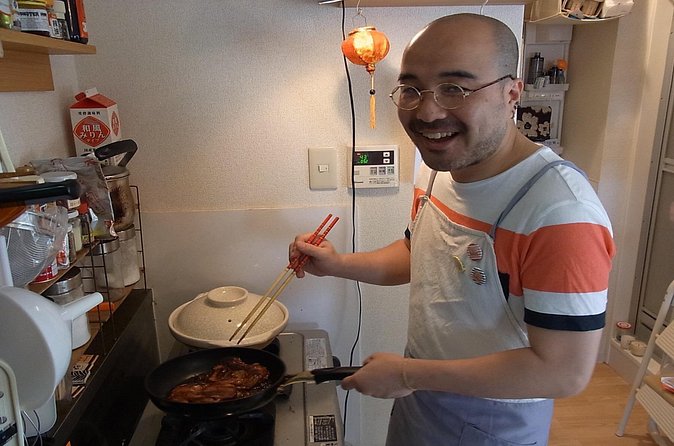
At $130 per person, this sits in the higher range for casual food experiences, but you’re not just paying for food. You’re paying for:
- a private cooking class with Satoru
- hands-on teaching in a home kitchen
- the meal you cook, plus 1–2 glasses of local alcohol
- pick up from JR Shinjuku Station
- a gift of a Japanese utensil and ingredient
In Tokyo, privacy and dinner-included experiences usually cost extra. Here, the value is strongest because the class isn’t a quick demo and then you leave. You cook, you eat, and you talk. Also, you’re getting that “home” factor, which can be hard to replace with other tours once you’ve done it.
Who tends to get the best value? If you genuinely enjoy food, cooking, or asking questions about ingredients, you’ll turn the $130 into a full evening of learning plus a meal. If you mainly want a casual meal with minimal effort, you might decide a restaurant or market meal is a better fit.
Who this fits best (and who might want a different plan)
This class is a strong match for:
- food-first travelers who want real practice, not just tasting
- people who like local conversation and ingredient explanations
- couples and small groups who want a private setting
- families with teenagers, especially since Satoru’s teaching style is described as patient and able to include younger cooks
It may be less ideal if:
- you have very tight scheduling and can’t do a 2.5-hour block
- you need a highly specific dish every day (because menus are weekday-based)
- you have dietary restrictions that require careful ingredient swaps, and you can’t provide details one week in advance
If you’re flying solo, you can still enjoy it because it’s a private group experience. You’ll just have more one-on-one interaction than you would in a larger class setting.
Practical tips before you go: choose your day wisely and ask good questions
Here’s how to make the class go smoothly, with less stress and more payoff.
Pick your day based on what you want to cook
- If you want the structure of a Japanese set meal, go for Sat–Tue teishoku.
- If you want a wider range of popular favorites, choose Wed–Fri.
If you care about a specific dish like okonomiyaki, karaage, or yakisoba, check the menu before booking your travel dates.
Communicate restrictions early
There’s a clear timeline for changes: tell the host one week in advance if you want modifications or have restrictions. If you need vegetarian cooking, request the vegetarian option during booking.
Also, use the special requirements field at booking so nothing gets missed.
Come hungry, but don’t arrive stressed
You’ll cook for about 1.5 hours, then eat. That means you don’t need to snack right beforehand, but I’d avoid arriving on an empty stomach if you’ve been walking a lot in Shinjuku. Tokyo days move fast. Show up ready to work with clear energy.
Use the ingredient questions to learn faster
Satoru encourages questions about how ingredients work. Ask about:
- dashi and flavor building
- how sweetness enters dishes (like honey)
- what changes when a sauce thickens or when frying hits the right crispness
You’ll get better answers when you connect questions to what you’re actually doing in the moment.
Should you book this Shinjuku home cooking class?
I’d book it if you want a Tokyo food experience that feels like a real household activity: walk into a local kitchen, cook homestyle dishes, eat what you made, and talk about ingredients with Satoru. The private format, the meal included, and the utensil-and-ingredient gift make the price feel earned.
Skip it if you’re looking for a flexible menu or you need last-minute dietary accommodations you can’t plan for. The weekday-based menu structure is part of the charm, but it also means you should choose your day intentionally.
If you do book, the best move is simple: check the menu up front, decide what you want to make, and send any restrictions early. Then show up ready to cook and chat. That’s when this experience turns from food into a story you’ll remember.
FAQ
FAQ
How long is the cooking class?
It runs for about 2 hours 30 minutes, with cooking taking about 1.5 hours before you sit down to share the meal.
Where do we meet Satoru?
You meet at Shinjuku Station (the start location listed is 3-chōme-38-1 Shinjuku, Shinjuku City, Tokyo 160-0022). The activity ends back at the meeting point.
Is this a private experience?
Yes. It’s private, so only your group participates.
What dishes will I cook?
You’ll cook 2 to 5 dishes from scratch, but the exact menu depends on the day. Sat–Tue is teishoku (miso soup, rice, and 2 side dishes). Wed–Fri is one of several popular Japanese options such as okonomiyaki, karaage, yakisoba, katsu curry rice, ramen, or gyoza.
Do I need to choose a menu in advance?
Yes. You should check the menu in advance because each day has its own menu. If you don’t share preferences, the menu of the day will be cooked.
Can the menu be changed for dietary restrictions?
If you want changes or have restrictions, you need to inform the host one week in advance. Vegetarian options are available if you request them at booking.
What’s included besides the cooking?
Included items are the private cooking class, local alcohol (1–2 glasses), and pick up from JR Shinjuku Station. Hotel pickup and drop-off are not included.
What do I get as a gift?
You receive a gift of a Japanese utensil and ingredient.
Is the booking confirmed quickly?
You’ll receive confirmation within 48 hours of booking, subject to availability.
More Cooking Classes in Tokyo
- Ramen & Gyoza Cooking Class in Tokyo with Local Supermarket Visit
★ 5.0 · 823 reviews - Tokyo: Easy Ramen Cooking Experience in Kabukicho, Shinjuku
★ 4.6 · 321 reviews - Ramen and Sushi Cooking Class with Sake Pairing Set in Tokyo
★ 5.0 · 291 reviews - Tokyo: Wagyu and 7 Japanese Dishes Cooking Class
★ 4.9 · 273 reviews - Tokyo Washoku 4-hour Cooking Class: From Market to Table
★ 5.0 · 253 reviews
More Tour Reviews in Tokyo
- Mt Fuji and Hakone 1-Day Bus Tour Return by Bullet Train
★ 5.0 · 26,383 reviews - 1-Day Tokyo Bus Tour
★ 5.0 · 14,250 reviews - Tokyo: teamLab Planets TOKYO Digital Art Museum Entry Ticket
★ 4.6 · 9,779 reviews - Mt Fuji & Hakone Cruise, Drum Show Bullet Train 1 Day from Tokyo
★ 4.0 · 7,413 reviews - Tokyo: Shinjuku Food Tour (13 Dishes at 4 Local Eateries)
★ 5.0 · 6,603 reviews
More Shinjuku Food and Drink
- Tokyo: Shinjuku Food Tour (13 Dishes at 4 Local Eateries)
★ 5.0 · 6,603 reviews - Tokyo Bar Hopping Tour in Shinjuku (All-You-Can-Drink + Dinner)
★ 5.0 · 3,587 reviews - Tokyo: Shinjuku Food Tour (15 Dishes and 4 Eateries)
★ 4.9 · 2,033 reviews - Best of Shinjuku: Izakaya Food Tour (4 Stops, 14+ Tastings)
★ 5.0 · 1,863 reviews - Tokyo: Shinjuku Local Bar and Izakaya Guided Walking Tour
★ 4.9 · 1,794 reviews
Latest Tokyo reviews off our desk






Shinjuku Food & Bar Tours, compared.
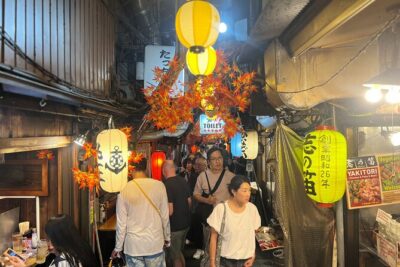 ★ 5.0Shinjuku Food Tour (13 Dishes at 4 Local Eateries)From $866,603 reviews
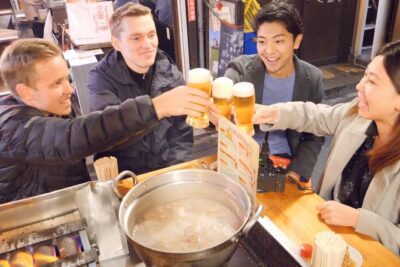 ★ 5.0Tokyo Bar Hopping Tour in Shinjuku (All-You-Can-Drink + Dinner)From $1063,587 reviews
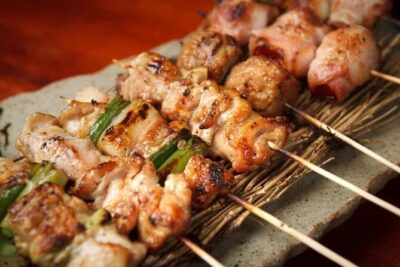 ★ 4.9Shinjuku Food Tour (15 Dishes and 4 Eateries)From $852,033 reviews
 ★ 5.0Best of Shinjuku: Izakaya Food Tour (4 Stops, 14+ Tastings)From $921,863 reviews
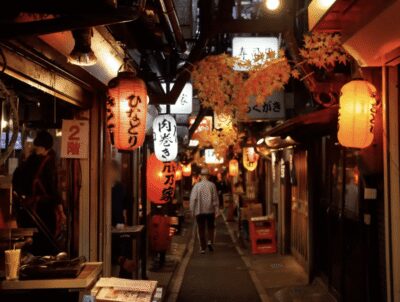 ★ 4.9Shinjuku Local Bar and Izakaya Guided Walking TourFrom $341,794 reviews
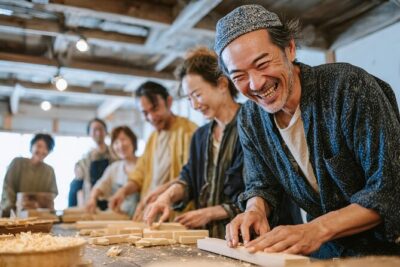 ★ 5.0Tokyo Shinjuku Chopsticks Making ClassFrom $201,763 reviews
 ★ 5.0Tokyo Shinjuku Sumo Show & Experience with PhotoFrom $791,750 reviews
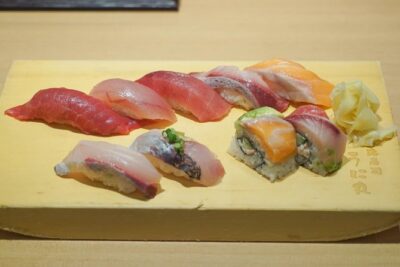 ★ 5.0Tokyo Night Foodie Tour in Shinjuku – Seasonal Sushi, Wagyu BeefFrom $1111,161 reviews
Browse the lists this tour appears in